
Bukchon Hanok Village
#2of 10 places to visit in SeoulSeoul, Seoul Capital Area, South Korea
Also known as 북촌한옥마을 · Bukchon Traditional Village · Northern Village
Quick answer
Opening hours: No fixed opening hours. Entry is free. Allow 1.5 hrs. Best time: 10:00-11:00.
Updated · Compiled by Traveliac, AI-assisted · 4 min read
- Opening hours
- No fixed hours
- Open to the public around the clock, but tourists may enter the core 'red zone' lane, Bukchon-ro 11-gil, only between 10:00 and 17:00 daily. Residents, guesthouse guests and customers of shops are exempt from the curfew.
- Entry fee
- Free
- Time needed
- 1.5 hrs
- Best time of day
- 10:00-11:00
- Best months
- Apr – Jun, Sep – Oct
- Address
- Bukchon-ro 11-gil, Gahoe-dong, Jongno-gu, Seoul 03062, South Korea
About Bukchon Hanok Village
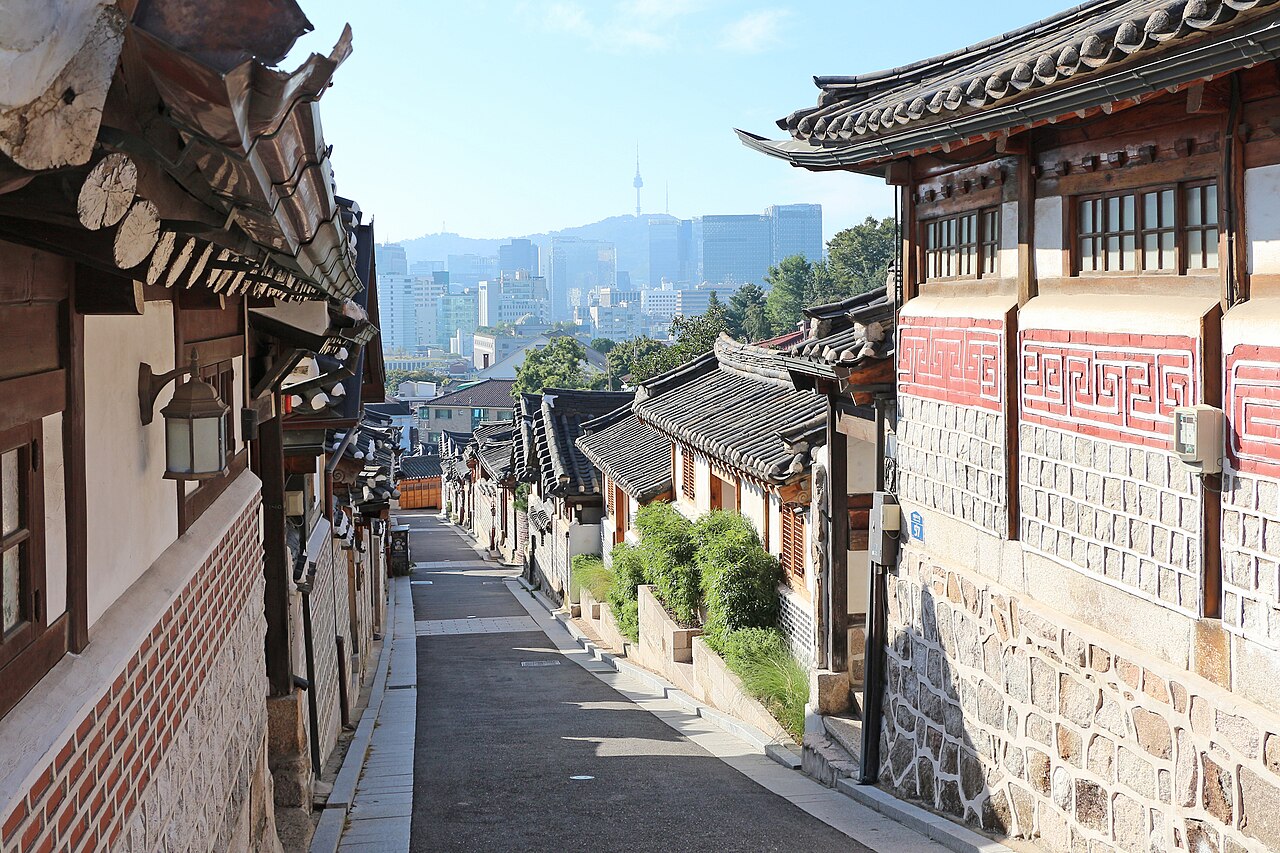
Bukchon Hanok Village has no admission fee but tourists may only walk its core lane, Bukchon-ro 11-gil, between 10:00 and 17:00, and a KRW 100,000 fine applies outside those hours, as of 2026. About 6,100 people live in the district, which occupies the hillside between Gyeongbokgung and Changdeokgung palaces, and in 2024 it drew roughly 6.4 million visitors. Hanok, the traditional Korean house, is built from timber posts, clay-plaster walls and curved grey roof tiles, with an ondol underfloor heating system beneath the floors. The lanes are steep and narrow, and every doorway belongs to someone's home.
Best time of day: 10:00-11:00. On a weekday, when the red zone has just opened and delivery vans and residents outnumber tourists; the hillside views of Gyeongbokgung and the skyline are clearest before midday haze.
Bukchon Hanok Village timings
- Opening hours
- No fixed hours
Mon–Sun No fixed hours - Open to the public around the clock, but tourists may enter the core 'red zone' lane, Bukchon-ro 11-gil, only between 10:00 and 17:00 daily. Residents, guesthouse guests and customers of shops are exempt from the curfew.
- Closed on
- Open every day
Good to know: A separate ban on chartered tourist coaches covers a 2.3 km stretch of Bukchon-ro, Bukchon-ro 5-gil and Changdeokgung 1-gil, enforced since 1 January 2026 with fines of KRW 300,000 to 500,000 on operators.
Opening hours compiled from english.visitseoul.net and public records, last updated . They change without notice — confirm before you travel. How we write these guides
Bukchon Hanok Village ticket price
| Ticket | Price |
|---|---|
| Standard ticket | Free |
| Concession (student / senior) | Free |
| Children | Free |
Bukchon Hanok Village is a public residential neighbourhood with no admission fee, as of 2026. Individual businesses inside it, including tea rooms, hanok guesthouses and craft studios, charge their own prices. The Seoul city government set a KRW 100,000 fine for tourists caught in the restricted core lane Bukchon-ro 11-gil between 17:00 and 10:00, enforced since 1 March 2025.
Prices compiled from english.visitseoul.net and public records, last updated . They change without notice — confirm before you travel. How we write these guides
Best time to visit Bukchon Hanok Village
- Quiet
- Moderate
- Busy
- Very busy
10:00 - 11:30
Weekday Opening
The red zone reopens to tourists at 10:00; early arrivals share the lanes with residents and deliveries and can photograph the roofline without crowds.
Moderate11:30 - 15:00
Peak Tour Hours
Walking tours, hanbok-wearing groups and individual visitors fill the narrow lanes; queues form at the well-known viewpoints at Gahoe-dong.
Very busy15:00 - 17:00
Curfew Rush
Visitors hurry to finish photos before the 17:00 red-zone cut-off, and residents return home from school and work through the same lanes.
Busy17:00 - 22:00
Restricted EveningBest time to go
The core lane is closed to tourists and patrolled; visitors are limited to shops, cafés and guesthouses, and the surrounding streets are quiet.
Quiet
History of Bukchon Hanok Village
Bukchon, meaning northern village, takes its name from its position north of Cheonggyecheon stream and Jongno road, and during the Joseon dynasty it housed royal relatives and senior officials close to the two palaces. In the 1920s, under Japanese colonial rule, the developer Jeong Se-gwon bought up large plots and subdivided them into compact hanok, deliberately building traditional timber houses rather than Japanese-style buildings; the tightly packed courtyard houses seen today largely date from that project.
Bukchon Hanok Village received hanok preservation status in 1983, and Seoul has since regulated rebuilding and subsidised repairs to keep the roofline low. Visitor numbers jumped from about 30,000 in 2007 to 318,000 in 2010 after Korean television dramas filmed there, then grew to millions. Residents complained about noise, litter and photographers in doorways, and in 2024 Seoul announced the visiting-hours system, with a guidance period from 1 November 2024 and fines from 1 March 2025.
Rules & etiquette at Bukchon Hanok Village
Bukchon Hanok Village is a residential area, and Seoul asks visitors to keep noise low, avoid littering, keep groups under 10 people and never enter private courtyards or open gates. The 10:00 to 17:00 limit on Bukchon-ro 11-gil is enforced with patrol staff and signs, and tourists caught outside those hours face a KRW 100,000 fine; residents, guesthouse guests and shop customers are exempt, but expect to be asked why you are there.
Bukchon Hanok Village enforces photography limits informally through residents: no photographing into windows, no drones, and no tripods that block a lane. Wearing rented hanbok is common but does not change any rule. Selfie-stick users and tour guides with loudspeakers draw the most complaints.
Tips for visiting Bukchon Hanok Village
- 1
Bukchon Hanok Village rewards a route that starts at the top and walks down: take Anguk Station Exit 2, climb to Gahoe-dong 31-gil, then descend through the Bukchon Cultural Centre area toward Insadong. This keeps the uphill work at the start and lets you leave through less crowded lanes.
- 2
Bukchon Hanok Village has several tea rooms and hanok cafés where a drink at roughly KRW 6,000-9,000 (as of 2026, verify) gets you a seat inside a real courtyard house; being a customer also puts you inside the exemption zone. Many lanes have no toilets, so use the public facilities near Anguk or the cultural centre before you start. Weekend afternoons and the April blossom weeks are the densest; weekday mornings from 10:00 are the calmest. Pair the district with a palace visit, since Changdeokgung and Gyeongbokgung both sit within 20 minutes on foot.
How to reach Bukchon Hanok Village
The red star is Bukchon Hanok Village; the numbered pins are the 7 nearest places in our guides, each showing its rank in its city. Tap a pin for details.
Bukchon-ro 11-gil, Gahoe-dong, Jongno-gu, Seoul 03062, South KoreaDirections in Google Maps
From Incheon International Airport (ICN)
60 km · 80-95 min
KRW 4,750-5,000 all-stop AREX plus KRW 1,550-1,650 subway (as of 2026, verify)
From Seoul Station
5 km · 20-25 min plus 10 min walk
KRW 1,550-1,650 with a T-money card (as of 2026, verify)
From Gyeongbokgung Palace
1.5 km · 20-25 min on foot
Free on foot, or KRW 1,550-1,650 by subway
Nearest airport
From Incheon International Airport (ICN)
about 60 km, 45 minutes by AREX express to Seoul Station plus 25 minutes by subway.
Nearest station
From Anguk Station (Line 3), Exit 2, about a 10-minute uphill walk to Gahoe-dong.
Bukchon Hanok Village FAQs
Is Bukchon Hanok Village free to visit?
Yes. Bukchon Hanok Village has no admission fee, as of 2026, though cafés, craft studios and guesthouses inside it charge their own prices.
What are the visiting hours at Bukchon Hanok Village?
Tourists may enter the core lane, Bukchon-ro 11-gil, only from 10:00 to 17:00 daily. Outside those hours a KRW 100,000 fine applies to tourists, with exemptions for residents, guesthouse guests and shop customers.
Do people really live in Bukchon Hanok Village?
Yes. About 6,100 people live in Bukchon, and the hanok are private homes, so visitors should stay in the lane, keep quiet and never enter courtyards.
How long should I spend in Bukchon Hanok Village?
Allow 60 to 90 minutes. That covers the Gahoe-dong viewpoint, the steep lanes and one tea stop; add time if you combine it with Changdeokgung Palace or Insadong.
Compiled with AI assistance from official sources and public records, and published only after the checks in How we write these guides. Nobody from Traveliac has visited this place. Last updated . How we rank and check places
Places to visit near Bukchon Hanok Village
Straight-line distances from our map; times are estimates.
 #3 in Seoul
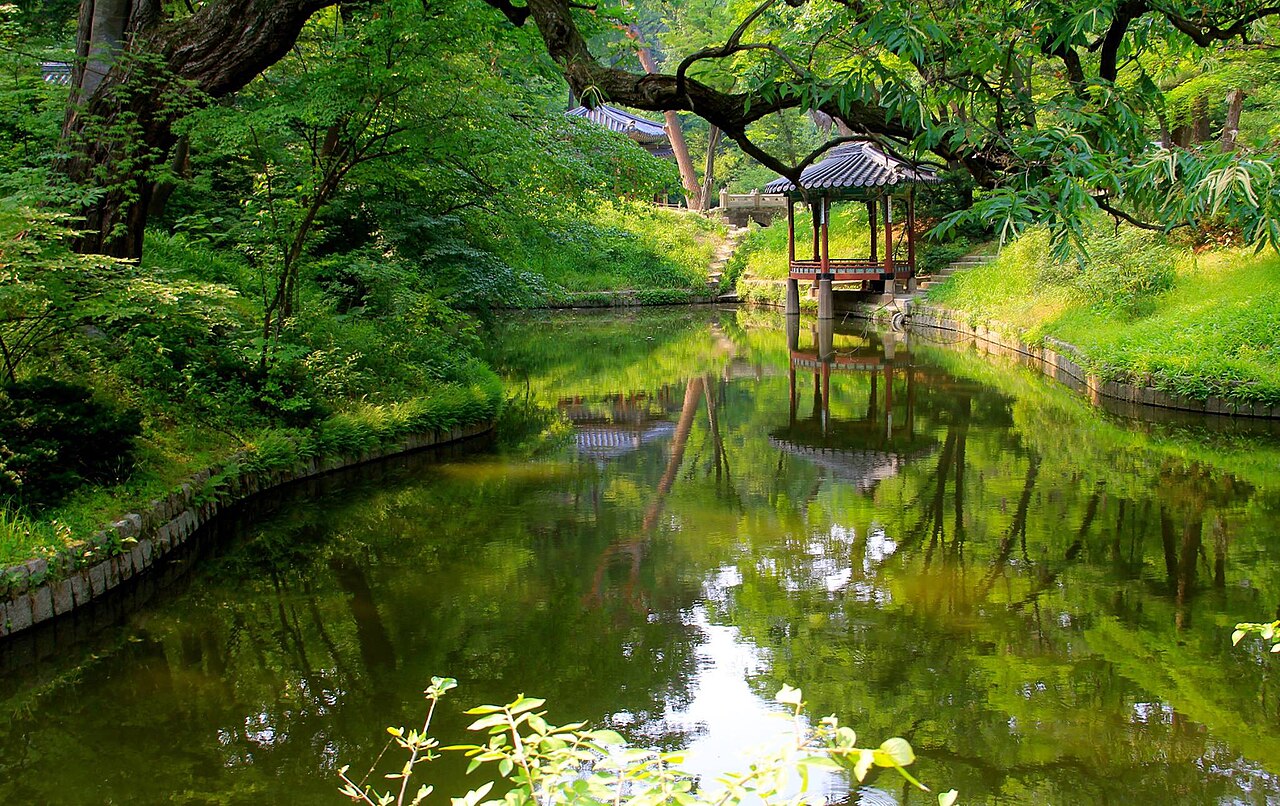
Changdeokgung Palace and Huwon Secret Garden
Palace · 750 m · about 12 min walk
 #1 in Seoul
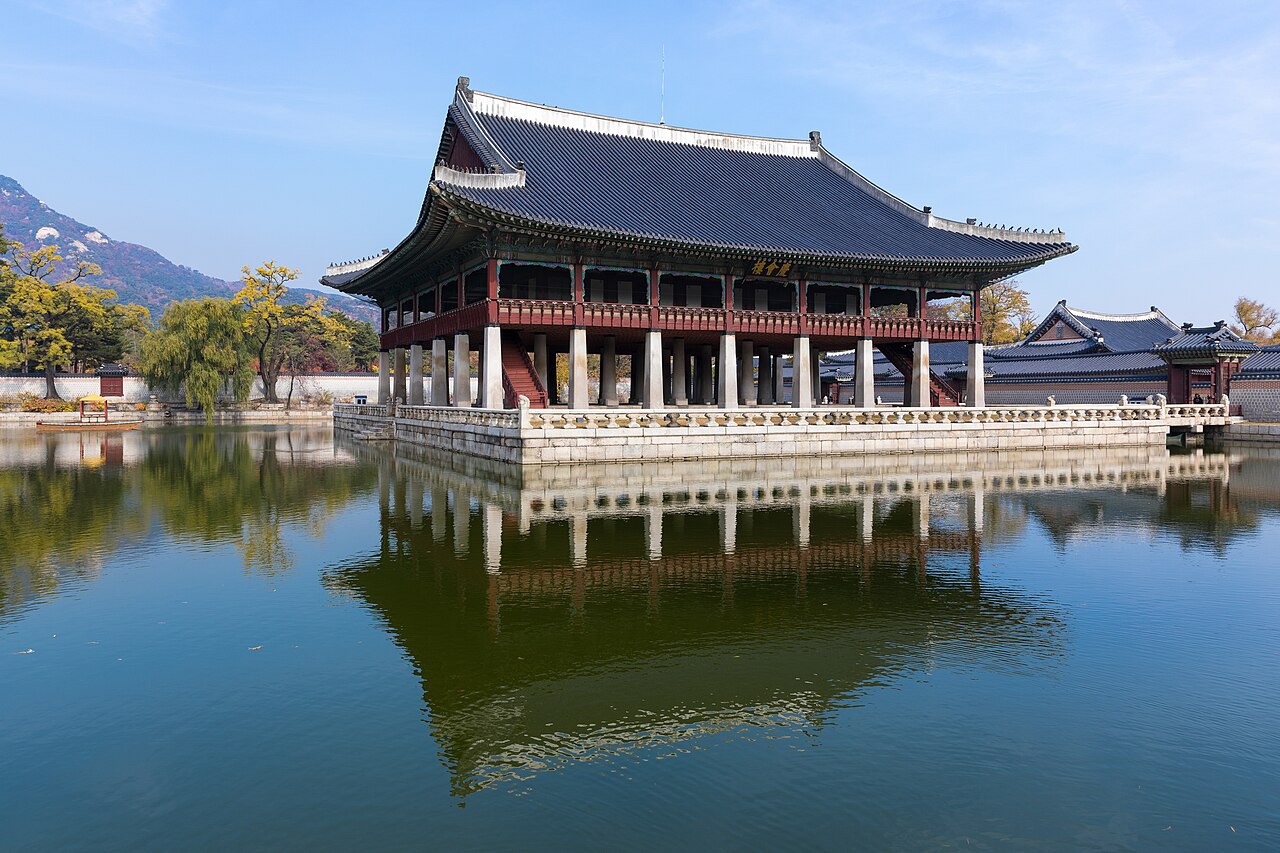
Gyeongbokgung Palace
Palace · 800 m · about 13 min walk
 #4 in SeoulFree entry
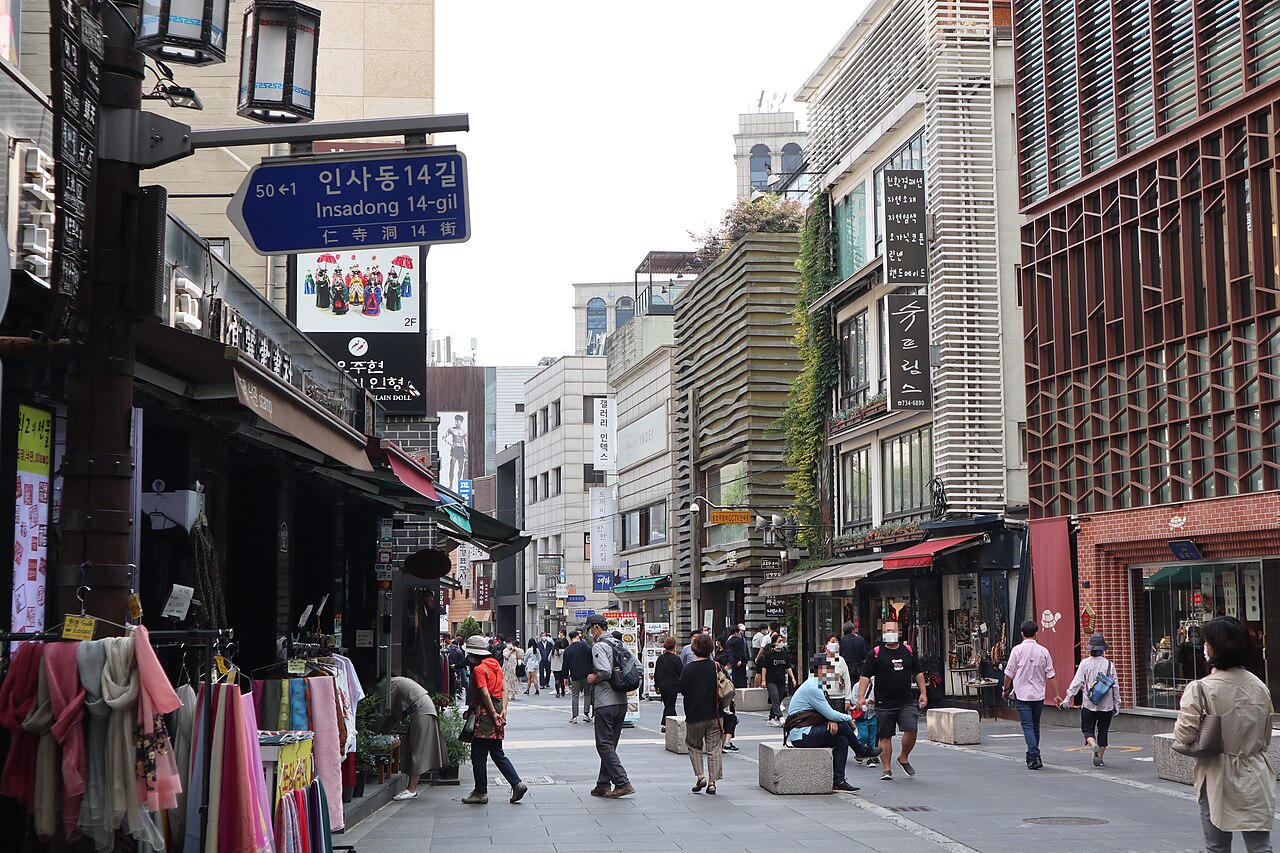
Insadong
Market · 1.1 km · about 19 min walk
 #6 in SeoulFree entry
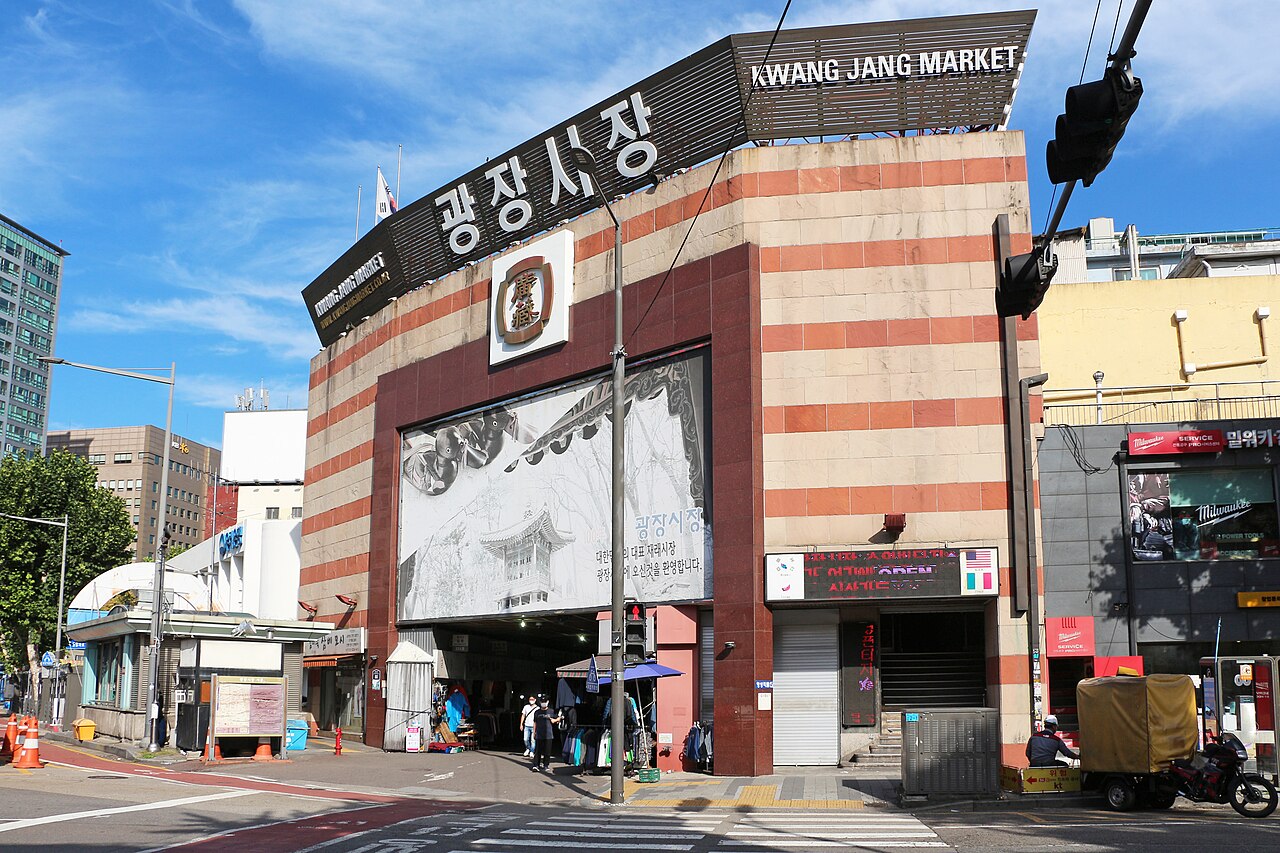
Gwangjang Market
Market · 2.0 km · about 32 min walk