
Chottanikkara Devi Temple
#8of 8 places to visit in KochiKochi, Kerala
Also known as Chottanikkara Bhagavathy Temple · Sree Chottanikkara Temple
Quick answer
Opening hours: 04:00–12:00 and 17:00–20:15. Entry is free. Allow 1 hr. Best time: 05:00–07:00.
Updated · Compiled by Traveliac, AI-assisted · 5 min read
- Opening hours
- 04:00–20:15
- 04:00–12:00 and 17:00–20:15 daily, with the temple closed to darshan between the two sessions
- Entry fee
- Free
- Time needed
- 1 hr
- Best time of day
- 05:00–07:00
- Best months
- Nov – Mar
- Address
- Chottanikkara, Ernakulam District, Kerala – 682312
About Chottanikkara Devi Temple
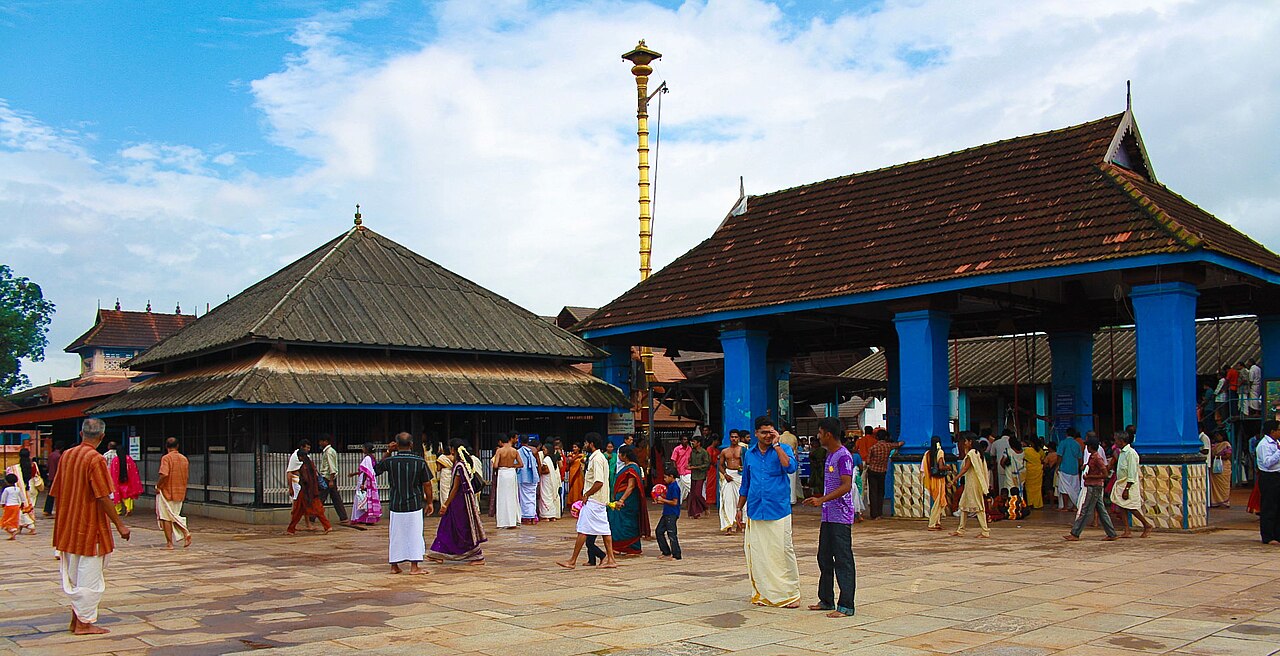
Chottanikkara Devi Temple sits roughly 18 kilometres southeast of central Ernakulam and draws a volume of pilgrims that dwarfs the tourist footfall at any site on the Fort Kochi peninsula, for reasons that have relatively little to do with conventional heritage tourism. The temple is dedicated to a goddess worshipped in three forms across the course of a single day — as Saraswati in the morning, Bhadrakali at midday, and Durga in the evening — and is particularly associated across Kerala with rituals believed to address mental distress and afflictions attributed to malevolent spirits, a specific reputation that brings families from across South India specifically for that purpose rather than for architectural sightseeing.
Best time of day: 05:00–07:00. For the Nirmalya Darshanam, the first viewing of the deity after the morning ritual bathing and decoration, considered the most auspicious viewing slot and drawing dedicated pilgrims rather than casual visitors.
Chottanikkara Devi Temple timings
Chottanikkara Devi Temple is open 04:00–12:00 and 17:00–20:15. The weekend is no different: Saturday and Sunday follow the same times.
- Opening hours
- 04:00–20:15
Mon–Sun 04:00–12:00 and 17:00–20:15 - 04:00–12:00 and 17:00–20:15 daily, with the temple closed to darshan between the two sessions
- Closed on
- Open every day
Good to know: The Malayalam month of Makaram (mid-January to mid-February) brings the temple's major annual festival, Chottanikkara Makam Thozhal, with pilgrim volumes many times the daily average and extended darshan hours across roughly ten days.
Opening hours compiled from chottanikkaratemple.org and public records, last updated . They change without notice — confirm before you travel. How we write these guides
Chottanikkara Devi Temple ticket price
| Ticket | Price |
|---|---|
| Indian visitors | Free |
| Foreign visitors | Free |
| Children | Free |
| Camera | Free |
No admission ticket for darshan. Photography and mobile phones are prohibited inside the sanctum and the inner temple courtyard; phones must be deposited at a counter near the entrance or left in a vehicle. Certain special poojas and archana rituals carry a nominal fee (₹20–200) payable at the temple office counter.
Prices compiled from chottanikkaratemple.org and public records, last updated . They change without notice — confirm before you travel. How we write these guides
Best time to visit Chottanikkara Devi Temple
- Quiet
- Moderate
- Busy
04:00–07:00
Nirmalya Darshanam
The first and most auspicious darshan of the day, immediately after ritual bathing and decoration of the deity. Dedicated pilgrims form the bulk of the crowd.
Moderate07:00–12:00
Morning darshan peak
The busiest general window of the day, with steady pilgrim flow through the main sanctum and Keezhkkavu shrine before the midday closure.
Busy12:00–17:00
Midday closureBest time to go
Temple is closed to darshan between sessions. Grounds and stalls remain accessible but the sanctum is shut.
Quiet17:00–20:15
Evening darshan
Second daily session, generally calmer than the morning peak except during specific festival dates.
Moderate
History of Chottanikkara Devi Temple
The temple's origins are not precisely dated in the way a colonial-era building's construction date can be fixed, but Kerala temple tradition places its founding several centuries back, with the current structure reflecting successive renovations rather than a single original build. Temple legend attributes its founding to a hunter who discovered the deity's presence in the surrounding forest, a common origin narrative pattern in Kerala temple mythology tied to sites where a goddess is believed to have manifested naturally (swayambhu) rather than being consecrated by human ritual alone.
The temple's most distinctive practice — a set of exorcism-adjacent rituals, broadly termed drishti kettu or guruthi pooja depending on the specific rite, performed for those believed to be affected by evil spirits or severe mental affliction — has made it one of Kerala's most visited pilgrimage sites regardless of the visitor's specific faith background, and non-Hindu visitors, including a documented history of people from various religious backgrounds seeking the same rituals, are generally accommodated by temple custom, though access to the innermost sanctum follows stricter Hindu-only convention typical of active Kerala temples.
The temple complex includes the main shrine to the goddess, a separate shrine to Sri Rama within the same complex, and the Keezhkkavu (lower shrine) associated specifically with the more intense ritual practices, situated a short distance from the main sanctum. The Cochin Devaswom Board, the state body overseeing Hindu temple administration in the former Kingdom of Cochin's territory, manages the temple's operations, festival calendar, and maintenance.
Rules & etiquette at Chottanikkara Devi Temple
Dress code is stricter here than at any Christian or Jewish site in Kochi: men are expected to enter bare-chested, wearing a mundu (a wraparound cloth) below the waist, and women in a saree or a similarly traditional garment; temples of this stature in Kerala enforce this more consistently than smaller neighbourhood shrines, and rented mundus are available at stalls near the entrance for visitors arriving in Western clothing.
Mobile phones, cameras, and any electronic recording device are prohibited inside the inner temple courtyard and sanctum; a deposit counter near the main entrance holds phones for a nominal fee, and attempting to carry a phone past the checkpoint results in being turned back rather than warned.
Access to the innermost sanctum for the ritual darshan is generally restricted to Hindu worshippers, following the convention observed at most significant Kerala temples, though the outer courtyard, the Keezhkkavu shrine precinct, and the general temple grounds are more broadly accessible to visitors observing appropriate dress and conduct. Visitors uncertain of the specific access rules for a given day should ask at the temple office rather than assume.
During the Makaram festival period in January–February, pilgrim volume increases dramatically and queue-management barricades are erected; visitors unfamiliar with Kerala temple festival crowds should expect waits measured in hours rather than minutes and should not plan the visit as a quick stop.
Tips for visiting Chottanikkara Devi Temple
- 1
This is not a heritage-sightseeing destination in the way Fort Kochi's churches and palace are, and visitors should approach it accordingly — arrive with the intention of observing an active, functioning devotional practice rather than photographing an attraction, since photography inside is prohibited entirely.
- 2
The drive from central Ernakulam takes 45–60 minutes depending on traffic on the NH-966 corridor and is best undertaken as a half-day trip rather than combined with the Fort Kochi circuit, given the distance and the different register of the visit. Early morning departure (before 06:00) both avoids traffic and aligns with the Nirmalya Darshanam period considered most auspicious.
- 3
Food stalls and small eateries around the temple complex serve simple vegetarian Kerala meals at modest prices (₹60–120), and the temple itself distributes prasadam (blessed food, typically payasam or rice) to pilgrims after darshan at no charge, following standard Kerala temple custom.
- 4
Visitors specifically interested in the temple's association with mental-health-related rituals should understand that these are religious and cultural practices rooted in centuries of local belief rather than medical treatment, and should not substitute a temple visit for appropriate psychiatric or psychological care if that is genuinely needed; the temple's role in Kerala's cultural and devotional life is real and significant, but it operates within a religious framework distinct from clinical medicine.
How to reach Chottanikkara Devi Temple
The red star is Chottanikkara Devi Temple; the numbered pins are the 4 nearest places in our guides, each showing its rank in its city. Tap a pin for details.
Chottanikkara, Ernakulam District, Kerala – 682312Directions in Google Maps
From Ernakulam Junction Railway Station
₹350–50018 km · 45–60 min
From Tripunithura (Hill Palace Museum)
₹180–2809 km · 20–30 min
From Cochin International Airport (COK)
₹900–1,30045 km · 70–90 min
Nearest airport
From Cochin International Airport (COK), Nedumbassery
45 km, approximately 70–90 minutes by road.
Nearest railway station
From Ernakulam Junction (ERS)
18 km, approximately 45–60 minutes by road.
Chottanikkara Devi Temple FAQs
Can non-Hindu visitors enter Chottanikkara Temple?
The outer courtyard, the Keezhkkavu shrine precinct, and the general temple grounds are broadly accessible to visitors of any background who observe appropriate dress and conduct. Access to the innermost sanctum for ritual darshan generally follows the Hindu-only convention observed at most significant Kerala temples. Ask at the temple office if unsure about a specific area on a given day.
Why is Chottanikkara specifically associated with mental health?
The temple has a long-standing reputation across Kerala for rituals believed to address afflictions attributed to evil spirits or severe mental distress, drawing families from across South India for this specific purpose. These are religious and cultural practices rather than medical treatment, and should be understood within that devotional framework rather than as a substitute for clinical psychiatric care.
What is the dress code and can I bring my phone inside?
Men are expected to enter bare-chested with a mundu below the waist; women should wear a saree or similarly traditional garment. Rented mundus are available near the entrance. Mobile phones and cameras are prohibited inside the inner courtyard and sanctum and must be deposited at a counter near the main entrance for a nominal fee.
When is the best time to visit, and when should I avoid it?
The Nirmalya Darshanam window (05:00–07:00) offers the most auspicious viewing with a manageable crowd. The general morning session (07:00–12:00) is the busiest of the regular daily schedule. The Makaram Thozhal festival period in mid-January to mid-February brings pilgrim volumes many times the daily average with waits measured in hours; visitors seeking a quieter visit should avoid this window entirely.
Compiled with AI assistance from official sources and public records, and published only after the checks in How we write these guides. Nobody from Traveliac has visited this place. Last updated . How we rank and check places
Places to visit near Chottanikkara Devi Temple
Straight-line distances from our map; times are estimates.
 #4 in Kochi
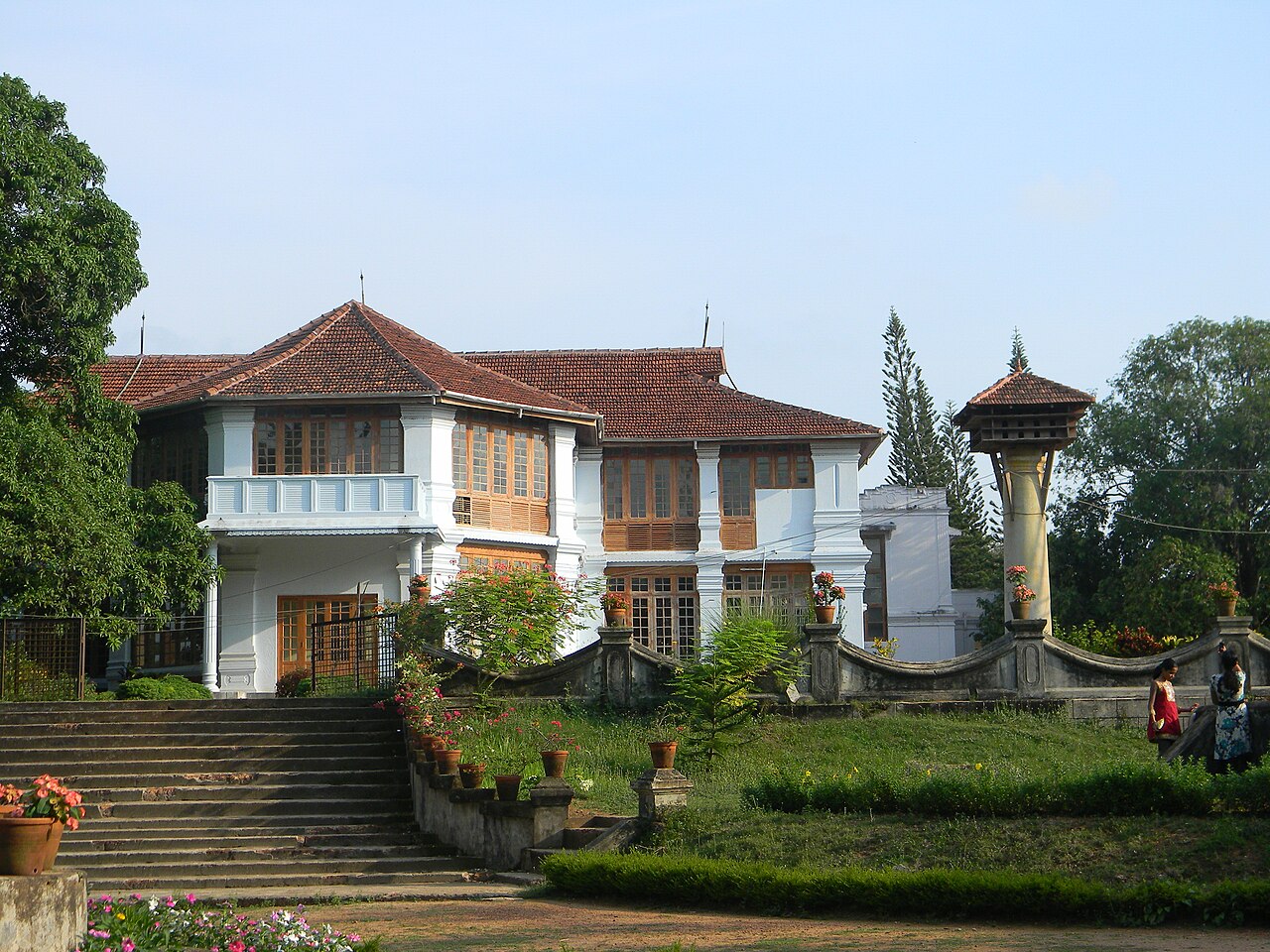
Hill Palace Museum
Palace · 4 km · about 10 min by road
 #5 in Kochi
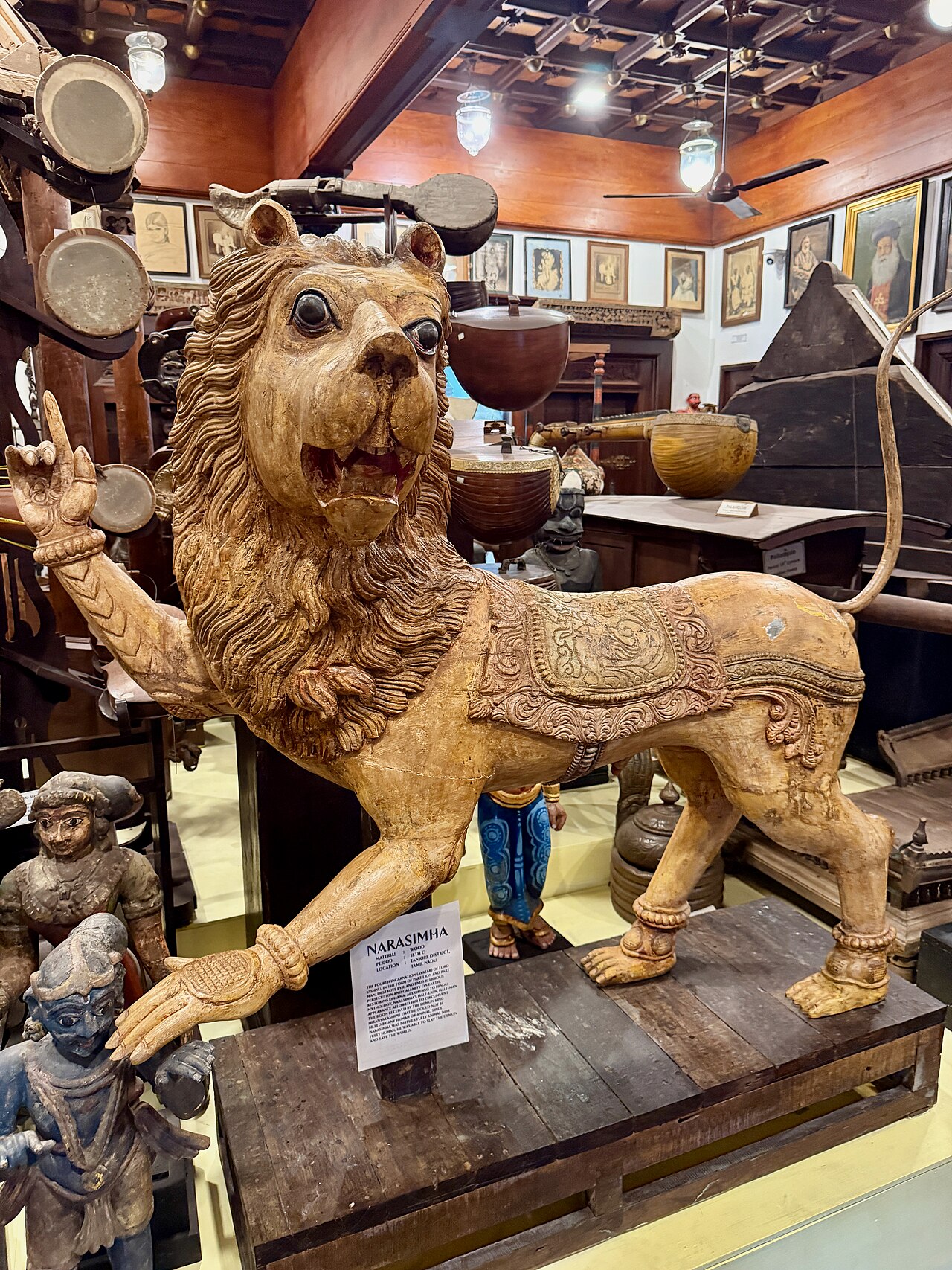
Kerala Folklore Museum
Museum · 10 km · about 30 min by road
 #6 in KochiFree entry
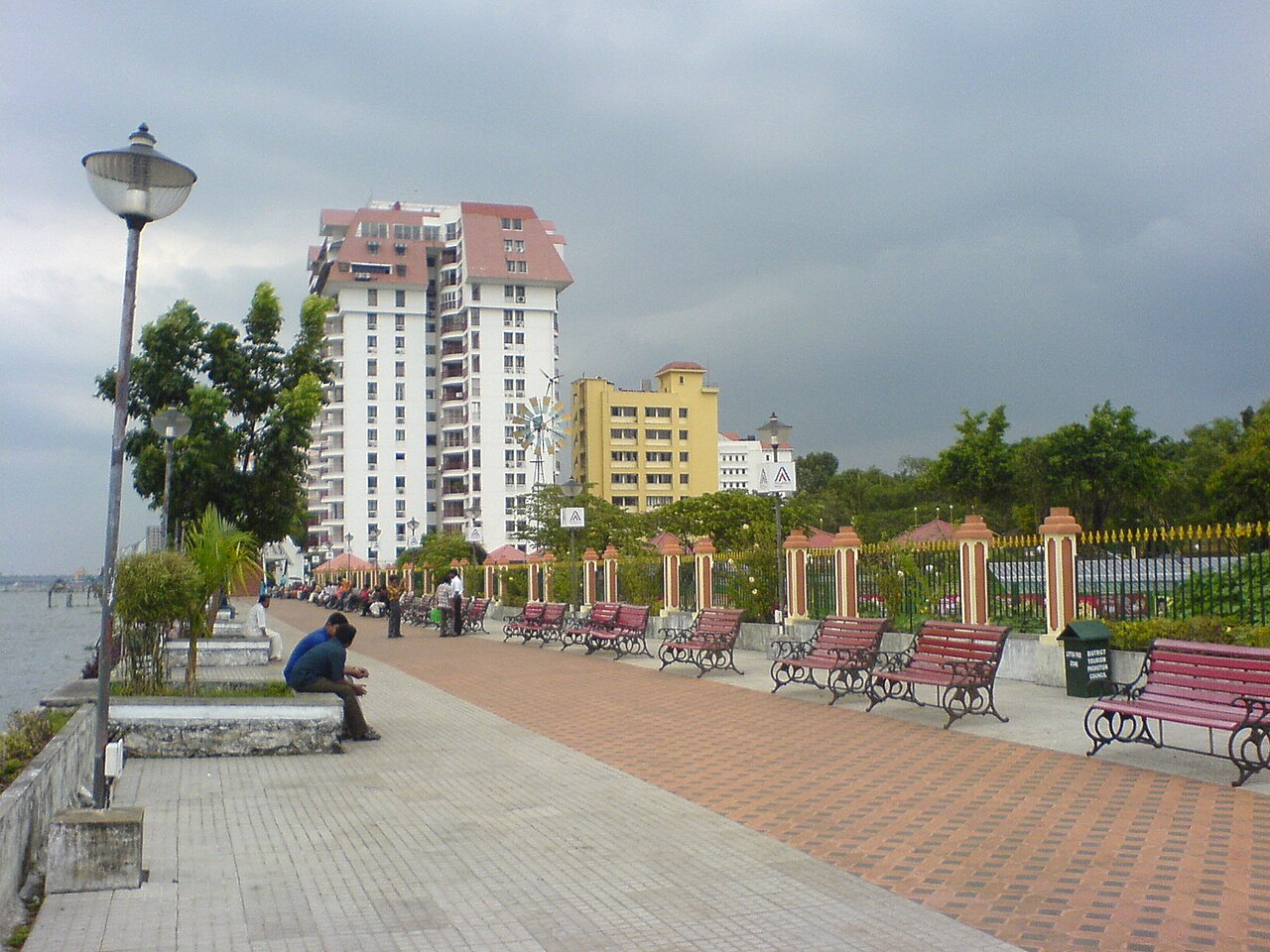
Marine Drive
Heritage · 14 km · about 45 min by road
 #7 in Kochi
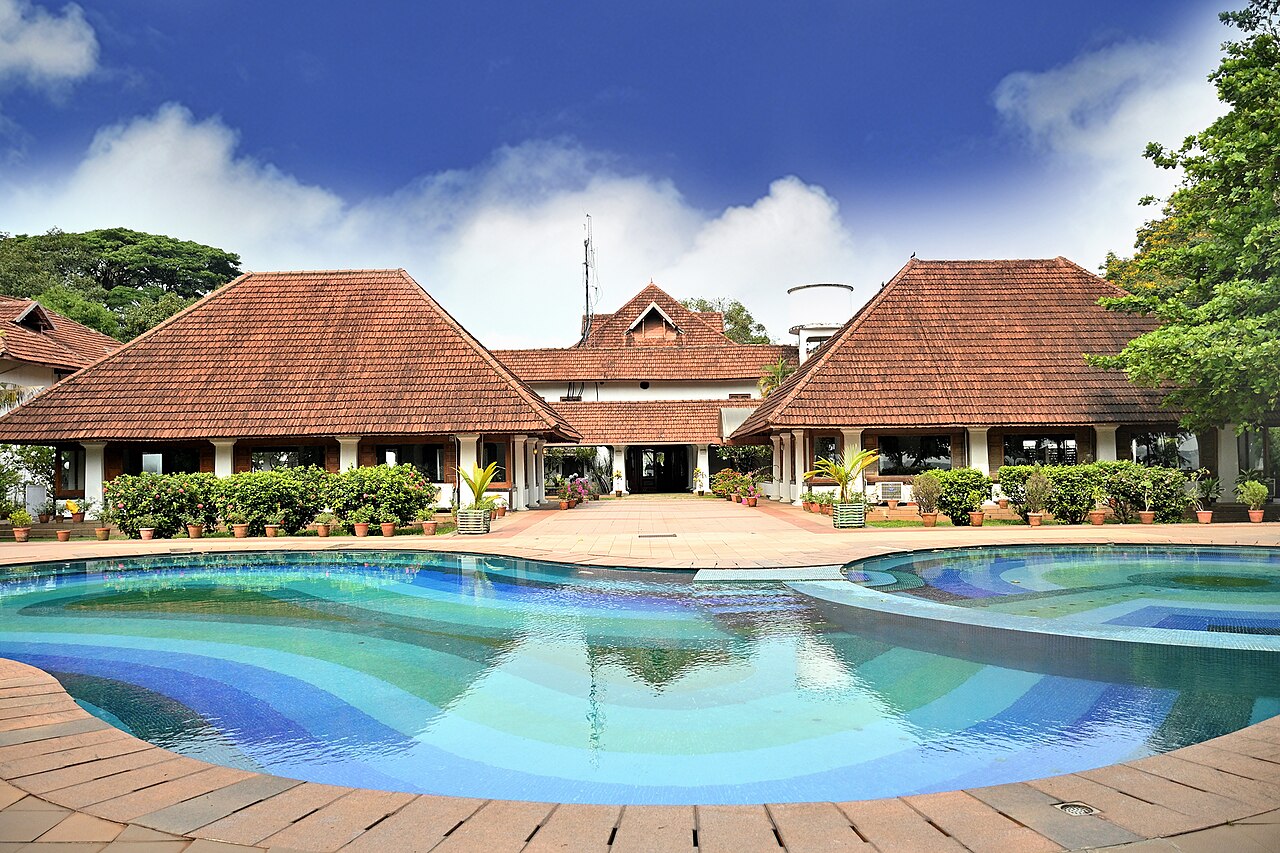
Bolgatty Palace
Palace · 15 km · about 45 min by road