
St. Francis Church
#2of 8 places to visit in KochiKochi, Kerala
Also known as Church of St. Francis Fort Kochi · Vasco da Gama Church
Quick answer
Opening hours: 08:00–18:00. Entry is free. Allow 30 min. Best time: 09:00–11:00.
Updated · Compiled by Traveliac, AI-assisted · 6 min read
- Opening hours
- 08:00–18:00
- 08:00–18:00 daily, closed to sightseeing during active services
- Entry fee
- Free
- Time needed
- 30 min
- Best time of day
- 09:00–11:00
- Best months
- Nov – Mar
- Address
- Church Road, Fort Kochi, Kochi – 682001, Ernakulam District, Kerala
About St. Francis Church
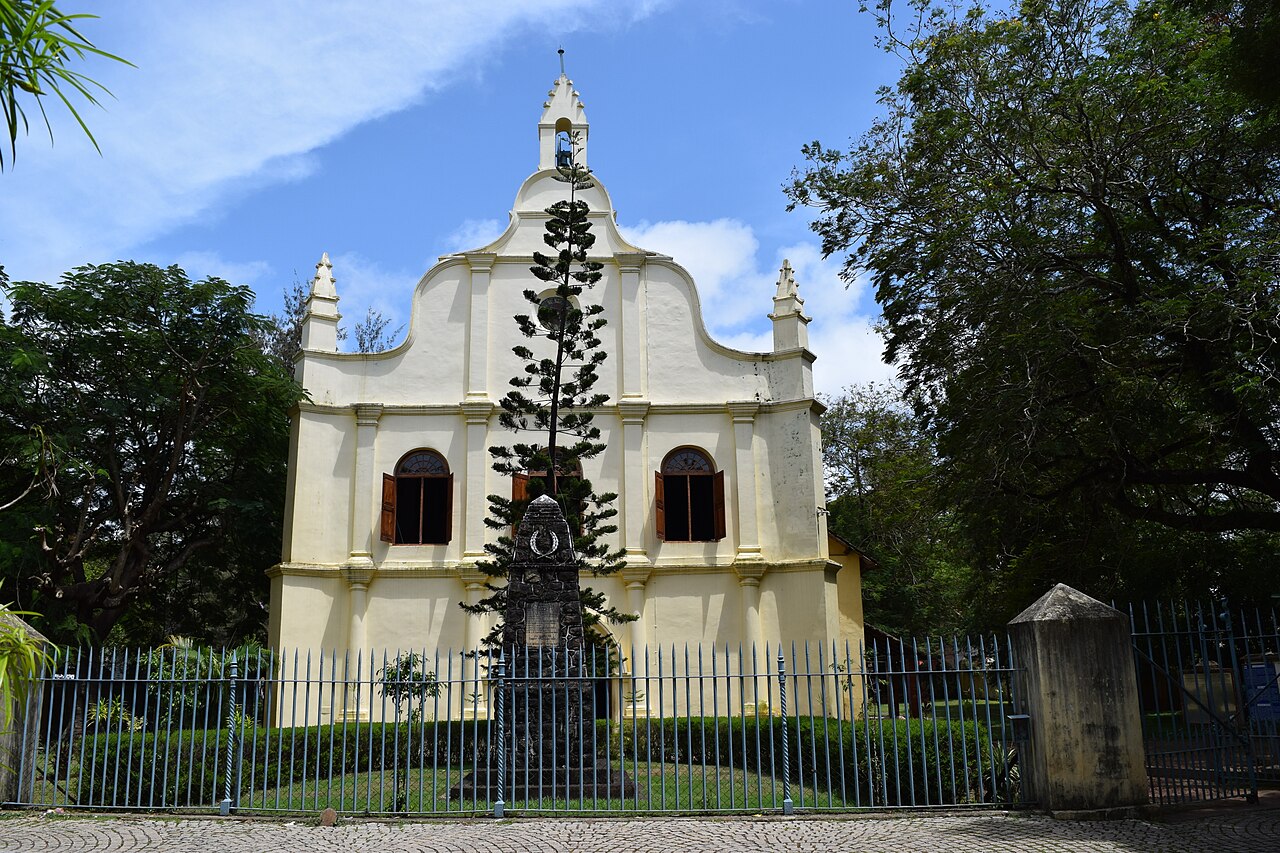
St. Francis Church is a low, whitewashed laterite building with a stepped gable facade and a modest bell tower, and it looks, from the road, like the least remarkable structure on the Fort Kochi heritage circuit. It is also the oldest European-built church surviving in India, first raised in timber in 1503 by Portuguese Franciscan friars who accompanied the earliest trading missions to the Malabar Coast, and rebuilt in stone within a few decades once the settlement's permanence was assured. The building's real historical weight sits in a plain stone slab set into the floor near the altar: the original grave marker of Vasco da Gama, the Portuguese navigator who opened the European sea route to India, who died in Kochi on Christmas Eve 1524 and was interred here before his remains were exhumed and shipped to Lisbon in 1539. The slab remains, empty of its occupant, which is either an anticlimax or the entire point depending on how much weight a visitor puts on relics versus records.
Best time of day: 09:00–11:00. On a weekday, after the morning cleaning but before the tour-bus groups working through the Fort Kochi heritage circuit reach the Parade Ground.
St. Francis Church timings
St. Francis Church opens at 08:00 and closes at 18:00. Those hours hold on Saturday and Sunday too.
- Opening hours
- 08:00–18:00
Mon–Sun 08:00–18:00 - 08:00–18:00 daily, closed to sightseeing during active services
- Closed on
- Open every day
Good to know: Sunday services (08:00 Malayalam liturgy, 09:30 English liturgy) close the nave to casual visitors for roughly 90 minutes each; plan a weekday visit if the interior rather than the service is the goal.
Opening hours compiled from keralatourism.org and public records, last updated . They change without notice — confirm before you travel. How we write these guides
St. Francis Church ticket price
| Ticket | Price |
|---|---|
| Indian visitors | Free |
| Foreign visitors | Free |
| Children | Free |
| Camera | Free |
No admission ticket. A donation box near the entrance requests a voluntary ₹20, unmarked and unenforced. Photography is permitted inside the nave outside of service hours; flash and photography during an active service are discouraged by the wardens on duty.
Prices compiled from keralatourism.org and public records, last updated . They change without notice — confirm before you travel. How we write these guides
Best time to visit St. Francis Church
- Quiet
- Moderate
- Busy
08:00–09:30
Sunday services (Sundays only)
Malayalam and English liturgies run back to back. Congregation fills the pews; casual sightseeing is discouraged during the active service.
Busy09:30–12:00
Weekday mid-morningBest time to go
The quietest reliable window. Fort Kochi's tour groups are still working through the waterfront and Mattancherry side of the circuit.
Quiet12:00–15:00
Midday heat
Visitor numbers stay low as the sun peaks, but the unshaded approach road makes the walk from the Parade Ground uncomfortable from February onward.
Quiet15:00–17:30
Late afternoon circuit traffic
Heritage-walk groups doing the reverse route from Mattancherry pass through. Still comfortably quiet compared to the palace or synagogue at the same hour.
Moderate
History of St. Francis Church
The friars who built the first church dedicated it to St. Anthony (Santo António), and the timber structure was replaced with a permanent laterite-and-lime construction later in the sixteenth century as Portuguese Cochin grew from a fortified trading post into a settled colonial town. The building served the Portuguese Catholic community for a century and a half. When the Dutch East India Company captured Fort Kochi in 1663 after a prolonged siege, they stripped the church of its Catholic imagery, whitewashed the interior, and converted it to Dutch Reformed Protestant use — a pattern the VOC repeated across its captured Portuguese possessions. The building operated under Dutch Reformed administration for over a century.
The British East India Company took control of Fort Kochi in 1795 under provisions tied to the Napoleonic wars in Europe, and the church passed into Anglican hands, gaining the dedication to St. Francis it carries today and functioning as a garrison church for the British cantonment. After Indian independence, the Anglican and other Protestant denominations in South India merged in 1947 to form the Church of South India, and St. Francis has operated as an active CSI parish since.
The interior preserves a set of large cloth-and-wood punkahs — hand-operated ceiling fans on hinged wooden frames, worked by a rope-and-pulley system from outside the nave — a mechanical cooling technology that predates electricity in the tropics and that visitors regularly mistake for decorative screens until a warden explains their function. Wall-mounted memorial plaques in Dutch and Portuguese, commemorating merchants and officials who died in Kochi across three colonial administrations, run down both side walls in a rough chronological sequence that functions as an inadvertent timeline of the building's changing masters.
Rules & etiquette at St. Francis Church
The church remains an active parish, not a museum, and the wardens enforce that distinction. Shoulders and knees should be covered; a shawl is offered at the door for visitors in shorts or sleeveless tops, but bringing your own avoids the wait. Shoes are not required to be removed — this is a Christian church, not a Hindu temple or the nearby synagogue — but hats should come off for men entering the nave.
Sunday mornings are the wrong time for a sightseeing visit. The 08:00 Malayalam-language service and the 09:30 English-language service each run roughly 60–75 minutes and the building is functionally closed to tourist wandering during both; visitors who arrive mid-service are welcome to sit quietly at the rear but should not walk the aisles toward the Vasco da Gama slab or the memorial plaques until the congregation has left.
Photography is tolerated outside service hours but camera flash directed at the punkah mechanism or the aged memorial plaques is discouraged, since repeated flash exposure accelerates fading on centuries-old painted wood. The donation box is genuinely voluntary; no warden will follow up or comment on whether you contributed, in contrast to some other Fort Kochi sites where the ask is more insistent.
Tips for visiting St. Francis Church
- 1
The Vasco da Gama grave slab is easy to miss — it sits flush with the floor a few metres short of the altar rail, marked only by a small brass plaque, and unlike the more theatrical presentation given to European tombs elsewhere, there is no barrier or spotlight drawing attention to it. Ask a warden to point it out if you cannot locate it within a minute or two.
- 2
The church sits roughly 150 metres from the Parade Ground and under a kilometre from the Chinese Fishing Nets, making it the natural second or third stop on an early Fort Kochi walking circuit that starts at the waterfront for the dawn net-haul and moves inland as the morning heat builds. Santa Cruz Basilica is a further ten-minute walk south, and pairing the two churches — one austere and Protestant in its present form, one ornate and reconstructed Catholic Gothic — makes the doctrinal and architectural contrast between them legible in under an hour.
- 3
During the June–September southwest monsoon, the laterite walls and stone floor hold dampness noticeably, and the church can smell faintly of wet stone; this is a normal seasonal condition rather than a maintenance failure, and it clears within an hour of rain stopping. Visitors sensitive to humidity should not schedule the church as an indoor refuge during a downpour — the nave is unheated and unconditioned, and the air inside during heavy monsoon weeks can feel more saturated than the street outside.
How to reach St. Francis Church
The red star is St. Francis Church; the numbered pins are the 6 nearest places in our guides, each showing its rank in its city. Tap a pin for details.
Church Road, Fort Kochi, Kochi – 682001, Ernakulam District, KeralaDirections in Google Maps
From Ernakulam Customs Jetty
₹54 km · 20–25 min
Ferry) + free (8-minute walk
From Ernakulam Junction Railway Station
₹150–22012 km · 35–45 min
From Cochin International Airport (COK)
₹750–1,15036 km · 60–80 min
Nearest airport
From Cochin International Airport (COK), Nedumbassery
36 km, approximately 60–80 minutes by road.
Nearest railway station
From Ernakulam Junction (ERS)
12 km by road, or KSWTD ferry from Ernakulam Customs Jetty to Fort Kochi Jetty (₹5, 15–20 min) followed by an 8-minute walk.
St. Francis Church FAQs
Is Vasco da Gama still buried at St. Francis Church?
No. He died in Kochi on 24 December 1524 and was buried inside the church, but his remains were exhumed in 1539 and repatriated to Lisbon, where they now rest in the Jerónimos Monastery. The original grave slab remains in the church floor near the altar as a marker, empty of its occupant.
Why is a church called St. Francis Protestant rather than Catholic?
It was founded as a Catholic church by Portuguese Franciscan friars in 1503, but the Dutch converted it to Reformed Protestant use after capturing Fort Kochi in 1663, and the British later handed it to the Anglican communion after taking control in 1795. Since 1947 it has been a parish of the Church of South India, a Protestant united church. The building never reverted to Catholic use.
What are the punkah fans hanging from the ceiling?
They are hand-operated cloth-and-wood ceiling fans, worked historically by a rope-and-pulley system from outside the nave to cool the congregation before electricity reached Fort Kochi. They are original fittings preserved as part of the church's colonial-era fabric rather than later decorative additions.
Can visitors attend Sunday service as observers?
Yes. Visitors are welcome to sit quietly at the rear of the nave during the 08:00 Malayalam or 09:30 English liturgy. Walking the aisles, photographing the interior, or approaching the Vasco da Gama slab during an active service is discouraged out of respect for the congregation.
Compiled with AI assistance from official sources and public records, and published only after the checks in How we write these guides. Nobody from Traveliac has visited this place. Last updated . How we rank and check places
Places to visit near St. Francis Church
Straight-line distances from our map; times are estimates.
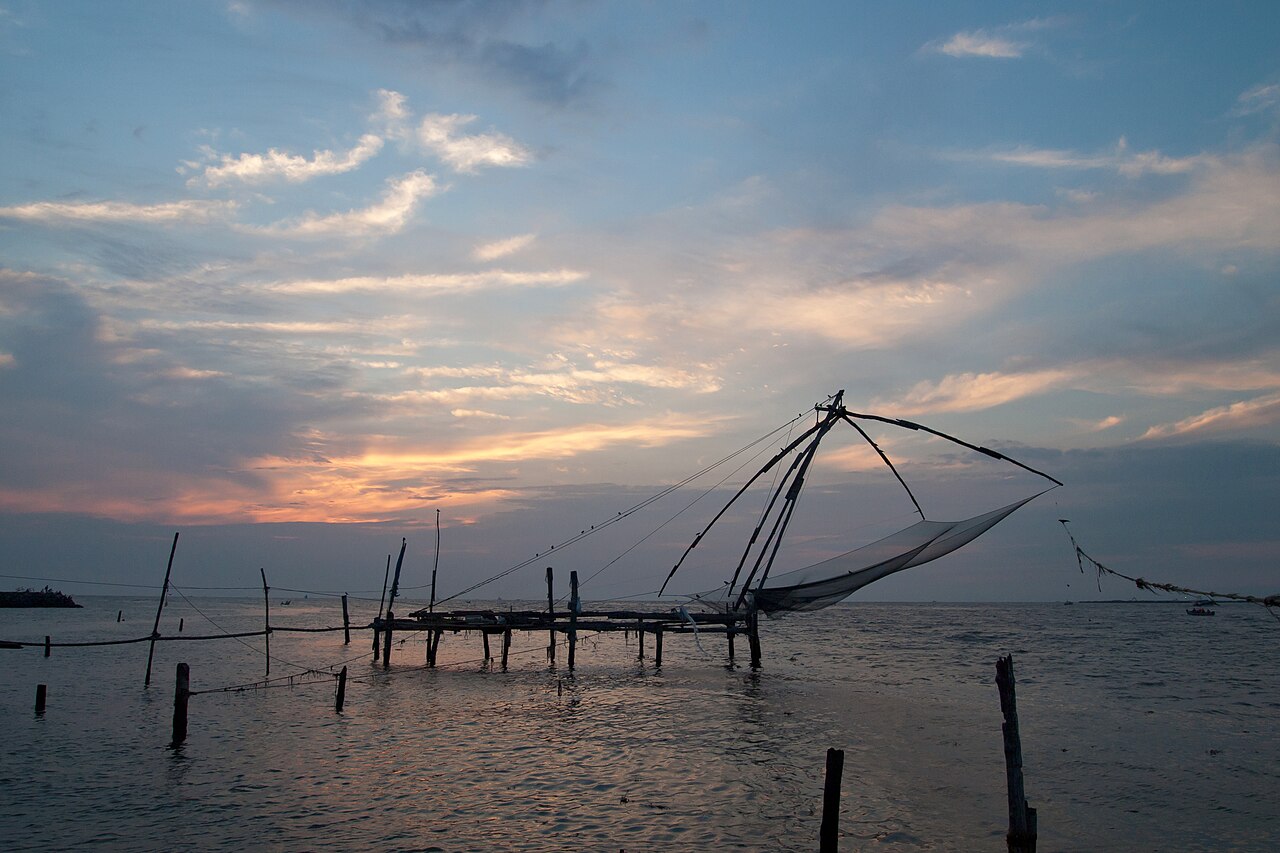 #1 in KochiFree entry
Fort Kochi & Chinese Fishing Nets
Fort · 100 m · about 2 min walk
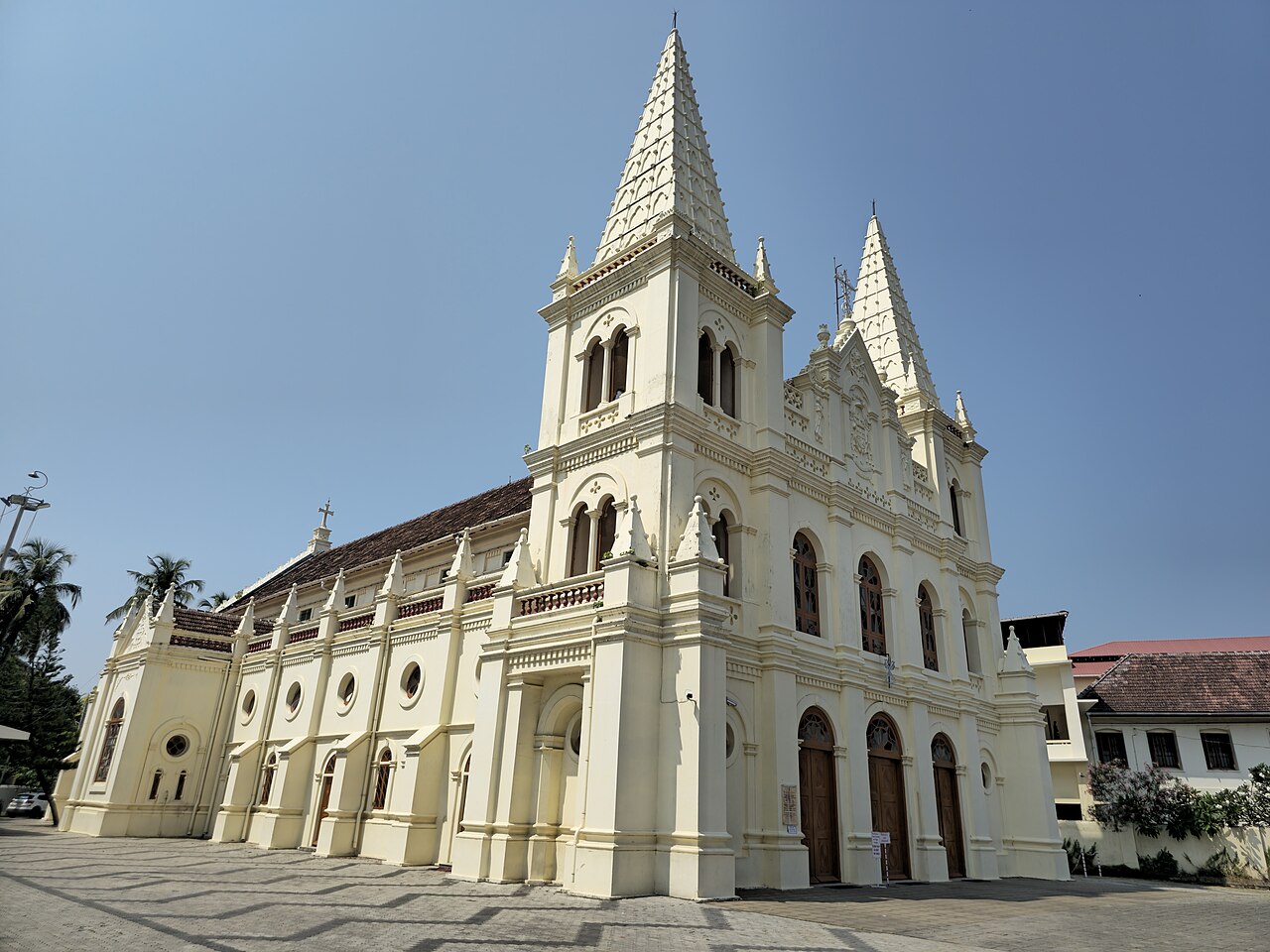 #3 in KochiFree entry
Santa Cruz Basilica
Church · 250 m · about 4 min walk
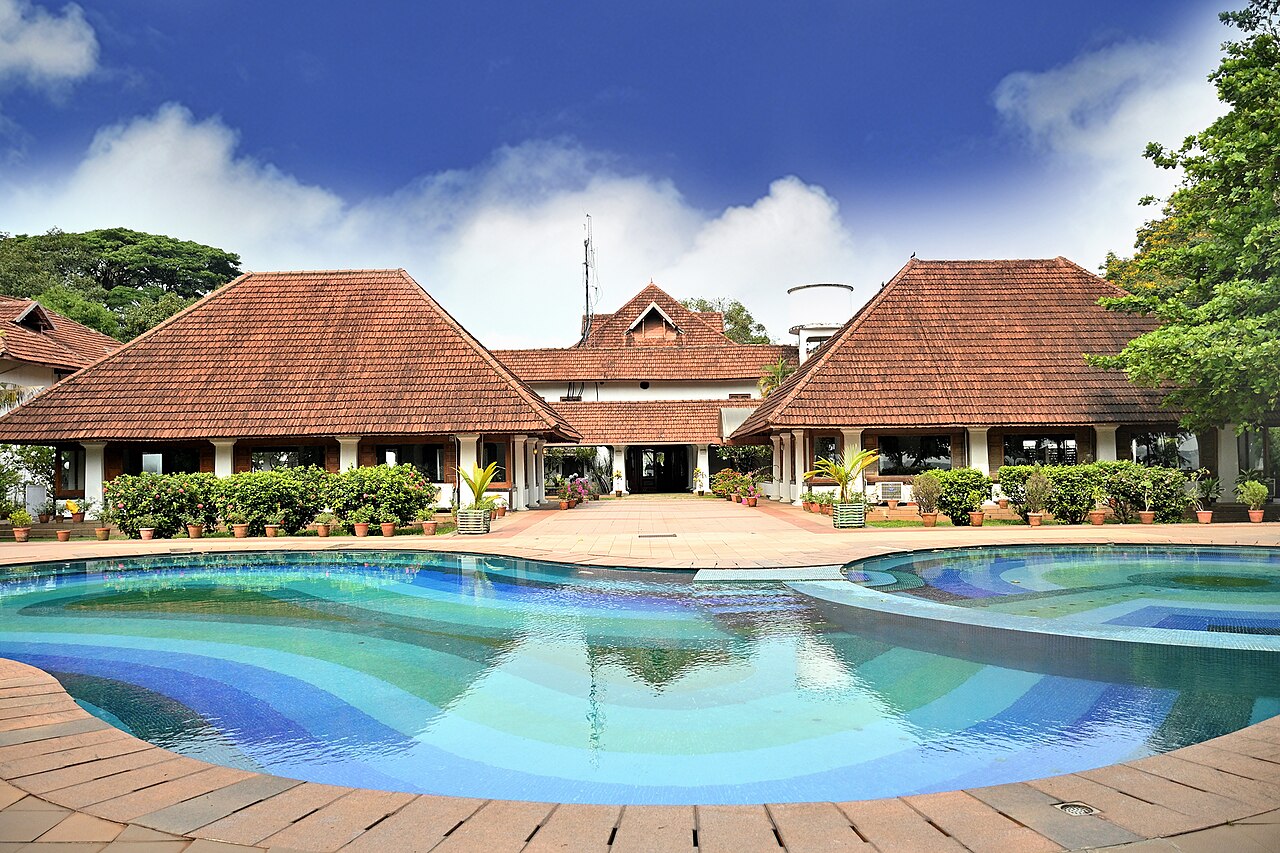 #7 in Kochi
Bolgatty Palace
Palace · 4 km · about 10 min by road
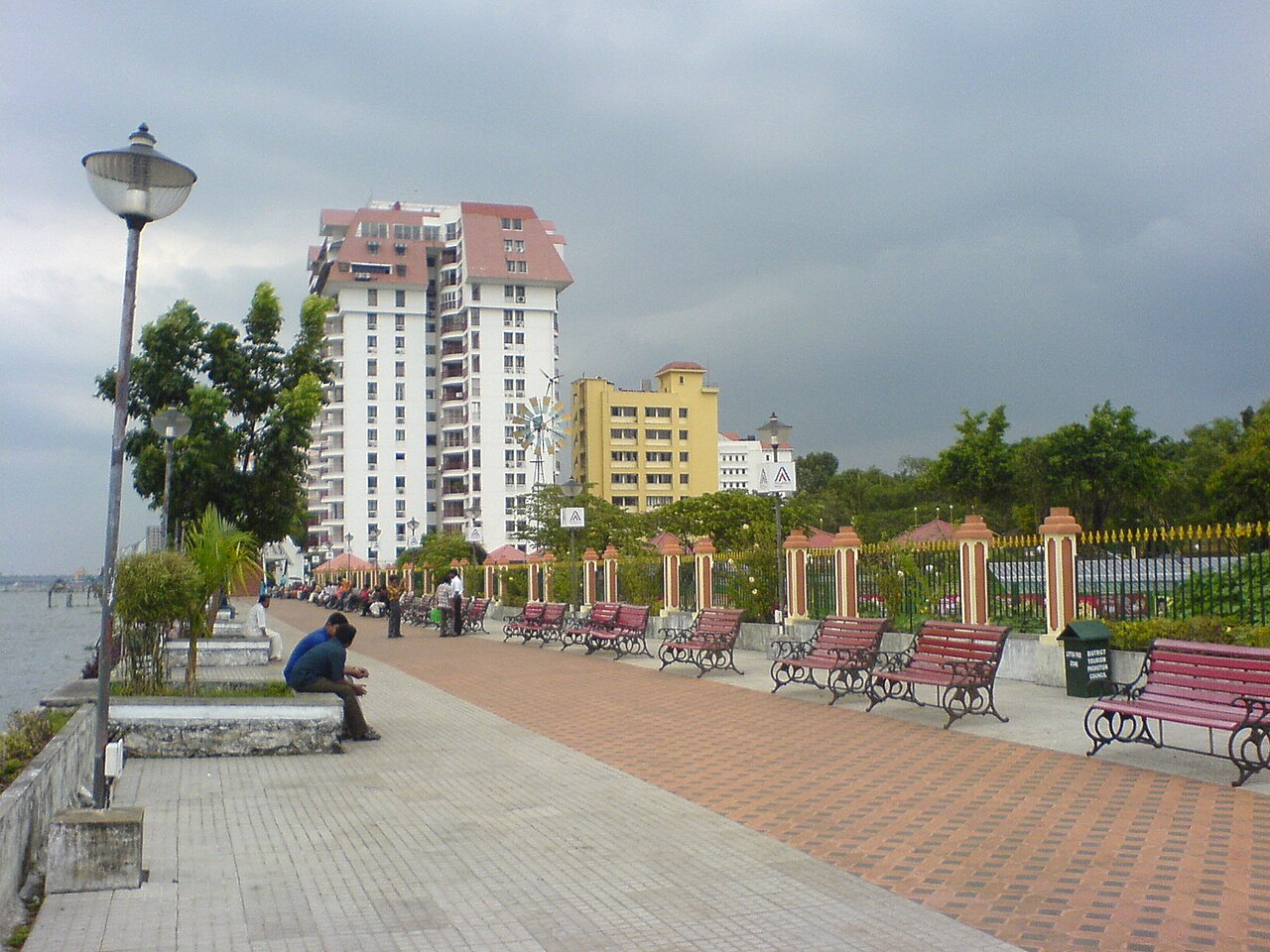 #6 in KochiFree entry
Marine Drive
Heritage · 4 km · about 15 min by road