
Hill Palace Museum
#4of 8 places to visit in KochiKochi, Kerala
Also known as Hill Palace Tripunithura · Kochi Royal Palace Museum
Quick answer
Opening hours: 09:00–16:30, closed Mondays. Entry: ₹15 Indian · ₹100 foreign. Allow 2 hrs. Best time: 09:00–11:00.
Updated · Compiled by Traveliac, AI-assisted · 5 min read
- Opening hours
- 09:00–16:30
- Closed Mondays
- Entry fee
- ₹15 Indian
- Ticket from
- Time needed
- 2 hrs
- Best time of day
- 09:00–11:00
- Best months
- Nov – Mar
- Address
- Hill Palace Road, Tripunithura, Kochi – 682301, Ernakulam District, Kerala
About Hill Palace Museum
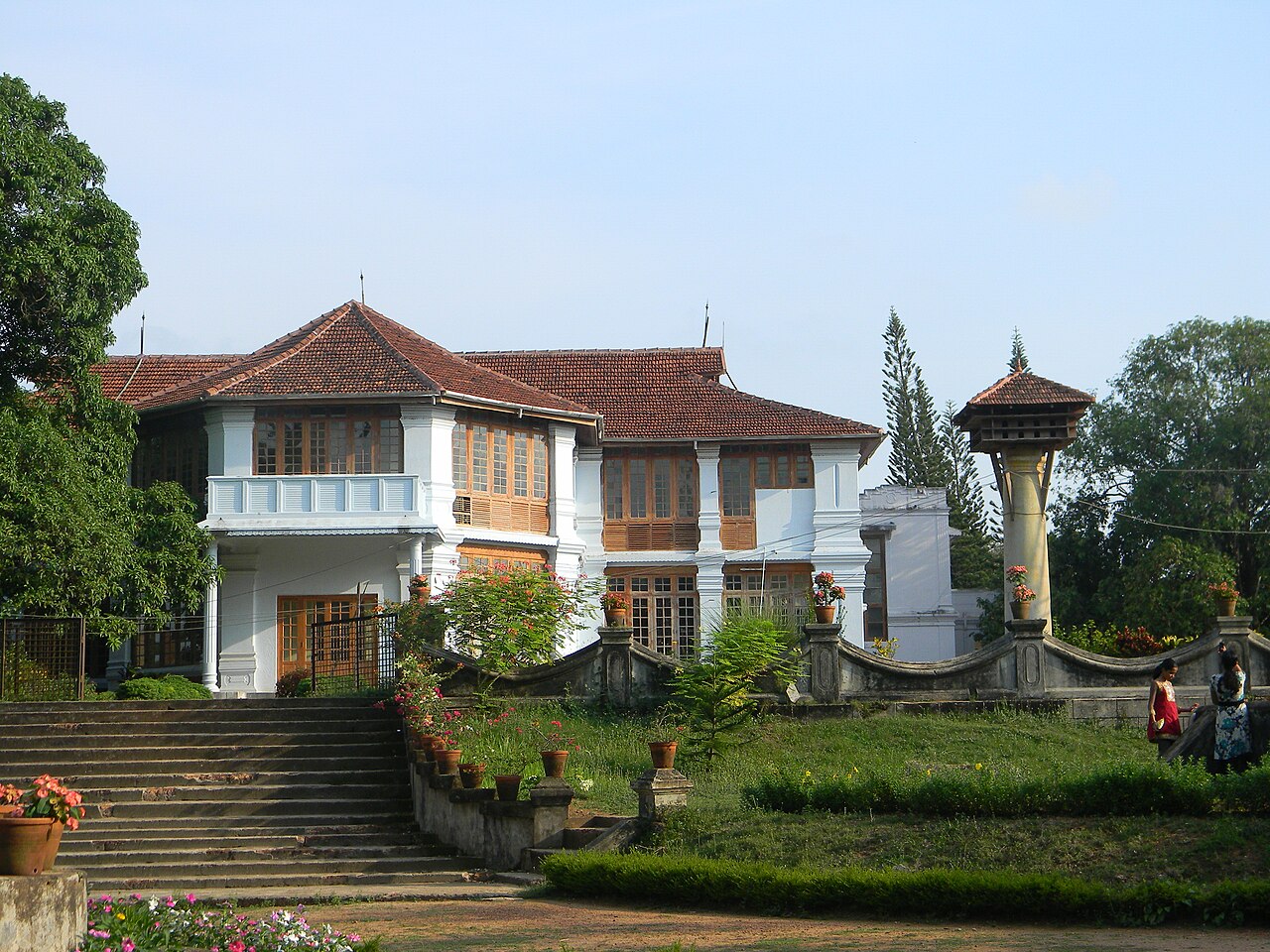
Hill Palace is what remains of the Kochi royal family's working seat of government — a 49-acre hillside complex of 14 low, tile-roofed buildings in traditional Kerala style, connected by terraced gardens, a deer park, and an open-air amphitheatre, converted into an archaeological museum in 1980 and now holding one of the largest such collections in the state. Unlike Mattancherry Palace, which is a single compact building famous for one thing — its murals — Hill Palace is a dispersed campus, and the experience is closer to walking a small, quiet royal estate than touring a single monument. Most visitors to Kochi never make the 12-kilometre trip out to Tripunithura, which keeps the galleries and grounds considerably calmer than anything on the Fort Kochi peninsula.
Best time of day: 09:00–11:00. When the galleries are coolest and least crowded and the palace grounds are workable on foot before midday heat sets in.
Photography
₹25 camera fee
Hill Palace Museum timings
Hill Palace Museum opens at 09:00 and closes at 16:30. It keeps the same hours on Saturday and Sunday.
- Opening hours
- 09:00–16:30
Monday Closed Tue–Sun 09:00–16:30 - 09:00–16:30, ticket counter closes at 16:00
- Closed on
- Monday, National holidays
Good to know: The deer park and botanical grounds can become muddy and partially inaccessible during heavy spells of the June–September monsoon; the museum galleries themselves remain open.
Opening hours compiled from archaeology.kerala.gov.in and public records, last updated . They change without notice — confirm before you travel. How we write these guides
Hill Palace Museum ticket price
| Ticket | Price |
|---|---|
| Indian visitors | ₹15 |
| Foreign visitors | ₹100 |
| Children | ₹5 |
| Camera | ₹25 |
Video cameras attract an additional charge of ₹100, payable at the ticket counter. Interior photography is permitted in most galleries but prohibited in the rooms displaying fragile manuscripts, textiles, and the royal crown collection. Tickets are cash or UPI at the counter; no online booking.
Prices compiled from archaeology.kerala.gov.in and public records, last updated . They change without notice — confirm before you travel. How we write these guides
Best time to visit Hill Palace Museum
- Quiet
- Moderate
09:00–11:00
Morning openingBest time to go
Coolest hours of the day and lightest footfall; several galleries are effectively empty on weekday mornings.
Quiet11:00–13:30
School and local group visits
School excursions and local family groups are the primary visitor base, arriving in waves rather than continuously.
Moderate13:30–15:00
Midday lull
Heat discourages outdoor grounds exploration; gallery interiors remain cool and comfortable.
Quiet15:00–16:30
Late-afternoon closing window
Ticket counter closes at 16:00; last visitors circulate through remaining galleries before the 16:30 closing.
Quiet
History of Hill Palace Museum
The Kochi royal family — the Perumpadappu Swaroopam, rulers of the Kingdom of Cochin from the medieval period until their integration into independent India in 1949 — maintained several residences across their territory, but Hill Palace at Tripunithura became their principal seat in the nineteenth century. Construction of the current complex began in 1865 under Maharaja Rama Varma XIV, and the buildings were substantially expanded in 1895 under Rama Varma XV, who added several of the residential and durbar structures that survive today.
The complex functioned as the administrative and ceremonial centre of the princely state of Cochin through the early twentieth century, hosting the formal durbar hall where the raja received dignitaries and conducted state business, alongside private residential quarters for the extended royal family, a temple, and stables. Following Indian independence and the 1949 merger of Cochin into the Indian union, the royal family's administrative role ended, and the buildings passed gradually into state custodianship.
The Kerala State Department of Archaeology converted the complex into a public museum in 1980, cataloguing and displaying the royal family's accumulated possessions: ceremonial crowns and jewellery, cot and furniture sets, oil paintings of successive rajas, palm-leaf manuscripts, historical coins from the Cochin mint, weapons, and a notable collection of Kathakali costumes and temple-art artefacts gathered from across the former kingdom. The grounds retain a functioning deer park, a small heritage museum of natural history in a separate wing, and terraced gardens replanted according to the original nineteenth-century layout.
Rules & etiquette at Hill Palace Museum
Photography is allowed in most of the fourteen buildings but explicitly prohibited in the rooms holding the royal crown collection, palm-leaf manuscripts, and antique textiles, where light exposure risk to fragile material is the stated reason; signage at each gallery entrance marks the restriction clearly and is enforced by museum staff stationed in the more sensitive rooms.
Shoes must be removed before entering several of the traditionally constructed wooden-floored buildings, though not all — watch for the shoe racks positioned at specific doorways rather than assuming a blanket rule across the whole complex. The grounds themselves, including the deer park and gardens, do not require shoe removal.
The complex is large and spread across genuine walking distance between buildings; comfortable footwear matters more here than at any other Kochi-area heritage site, and the paths between buildings are only partially shaded. Golf carts or a similar assisted-transport option are not available, so visitors with mobility constraints should plan a longer, slower circuit or focus on the two or three buildings closest to the entrance.
Tips for visiting Hill Palace Museum
- 1
Because Hill Palace draws a fraction of the visitor volume that Fort Kochi or Mattancherry see, it rewards a slower pace — budget a full two hours rather than the 45–75 minutes adequate for the single-building sites in the old town, and expect to have entire galleries to yourself on a weekday morning.
- 2
The deer park and botanical grounds are worth as much time as the museum buildings themselves; the terraced garden layout, replanted to the nineteenth-century original design, is one of the few intact formal royal gardens remaining in Kerala and photographs well in the soft light before 10:00.
- 3
Tripunithura is also home to the Vamanamoorthy Temple and several other temple complexes with their own festival calendars; combining a Hill Palace morning with a walk through central Tripunithura's temple streets makes a reasonable half-day out of Ernakulam, distinct from the colonial-heritage focus of Fort Kochi and Mattancherry. A round-trip taxi from central Ernakulam, including an hour of waiting time at the museum, typically runs ₹700–1,000; the suburban rail connection to Tripunithura station is the cheaper option for travellers comfortable navigating local trains, though services run at wider intervals than metro-style transit.
How to reach Hill Palace Museum
The red star is Hill Palace Museum; the numbered pins are the 7 nearest places in our guides, each showing its rank in its city. Tap a pin for details.
Hill Palace Road, Tripunithura, Kochi – 682301, Ernakulam District, KeralaDirections in Google Maps
From Ernakulam Junction Railway Station
₹250–35012 km · 30–40 min
Auto); ₹300–450 (app cab
From Tripunithura Railway Station
₹60–903 km · 10–15 min
From Cochin International Airport (COK)
₹600–90028 km · 45–65 min
Nearest airport
From Cochin International Airport (COK), Nedumbassery
28 km, approximately 45–65 minutes by road.
Nearest railway station
From Ernakulam Junction (ERS)
12 km, approximately 30–40 minutes by road; Tripunithura railway station itself is closer at roughly 3 km on the Kochi suburban line.
Hill Palace Museum FAQs
How does Hill Palace differ from Mattancherry Palace?
Mattancherry Palace is a single compact building in the old Fort Kochi quarter, famous specifically for its sixteenth-century Kerala mural cycle. Hill Palace is a dispersed 49-acre campus of 14 buildings in Tripunithura, further from central Kochi, holding a broader collection of royal artefacts — crowns, coins, manuscripts, furniture, and Kathakali costumes — with far lower visitor volume.
Is photography allowed inside Hill Palace Museum?
Photography is permitted in most galleries for a small camera fee (₹25) but is specifically prohibited in the rooms holding the royal crown collection, palm-leaf manuscripts, and antique textiles, where signage marks the restriction and staff enforce it.
How much time should be budgeted for a visit?
A minimum of two hours, given the spread of 14 separate buildings across 49 acres plus the deer park and terraced gardens. Visitors focused solely on the main artefact galleries near the entrance could manage a shorter visit, but would miss most of the grounds.
Is Hill Palace worth the trip out from central Kochi?
For visitors with more than two or three days in Kochi and a specific interest in royal history or a preference for uncrowded museums, yes — it holds a larger and more varied collection than Mattancherry Palace with a fraction of the visitor traffic. Visitors with only a single day should prioritise the Fort Kochi and Mattancherry circuit first.
Compiled with AI assistance from official sources and public records, and published only after the checks in How we write these guides. Nobody from Traveliac has visited this place. Last updated . How we rank and check places
Places to visit near Hill Palace Museum
Straight-line distances from our map; times are estimates.
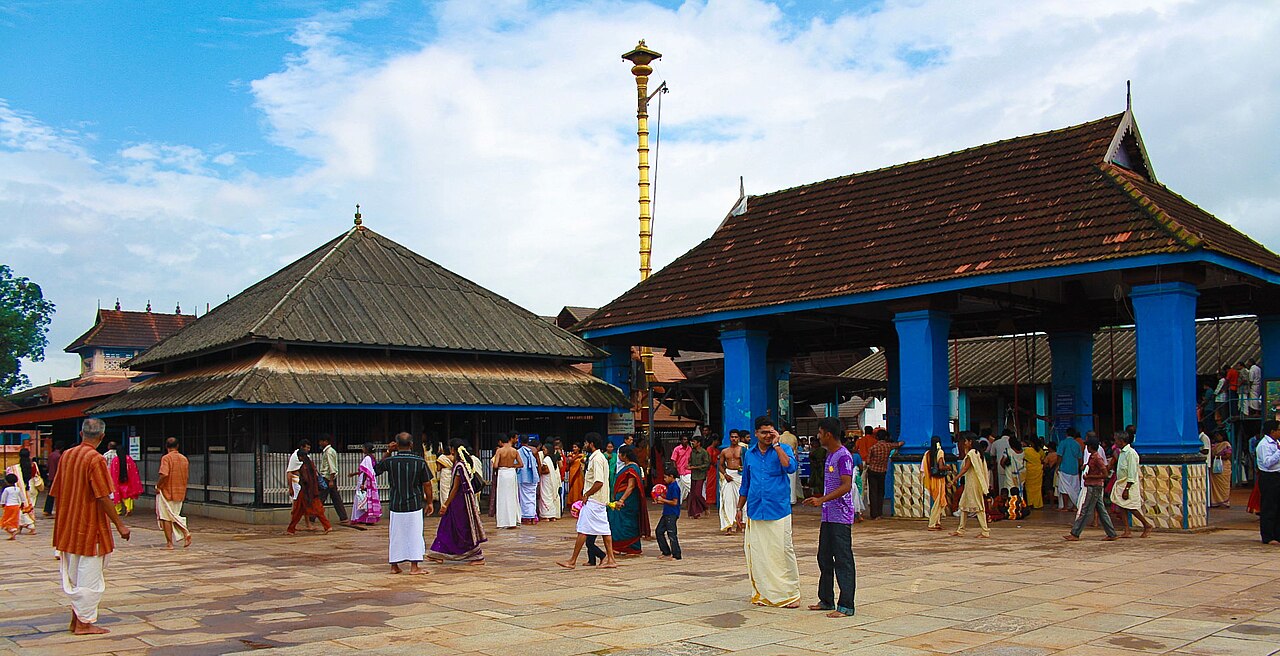 #8 in KochiFree entry
Chottanikkara Devi Temple
Temple · 4 km · about 10 min by road
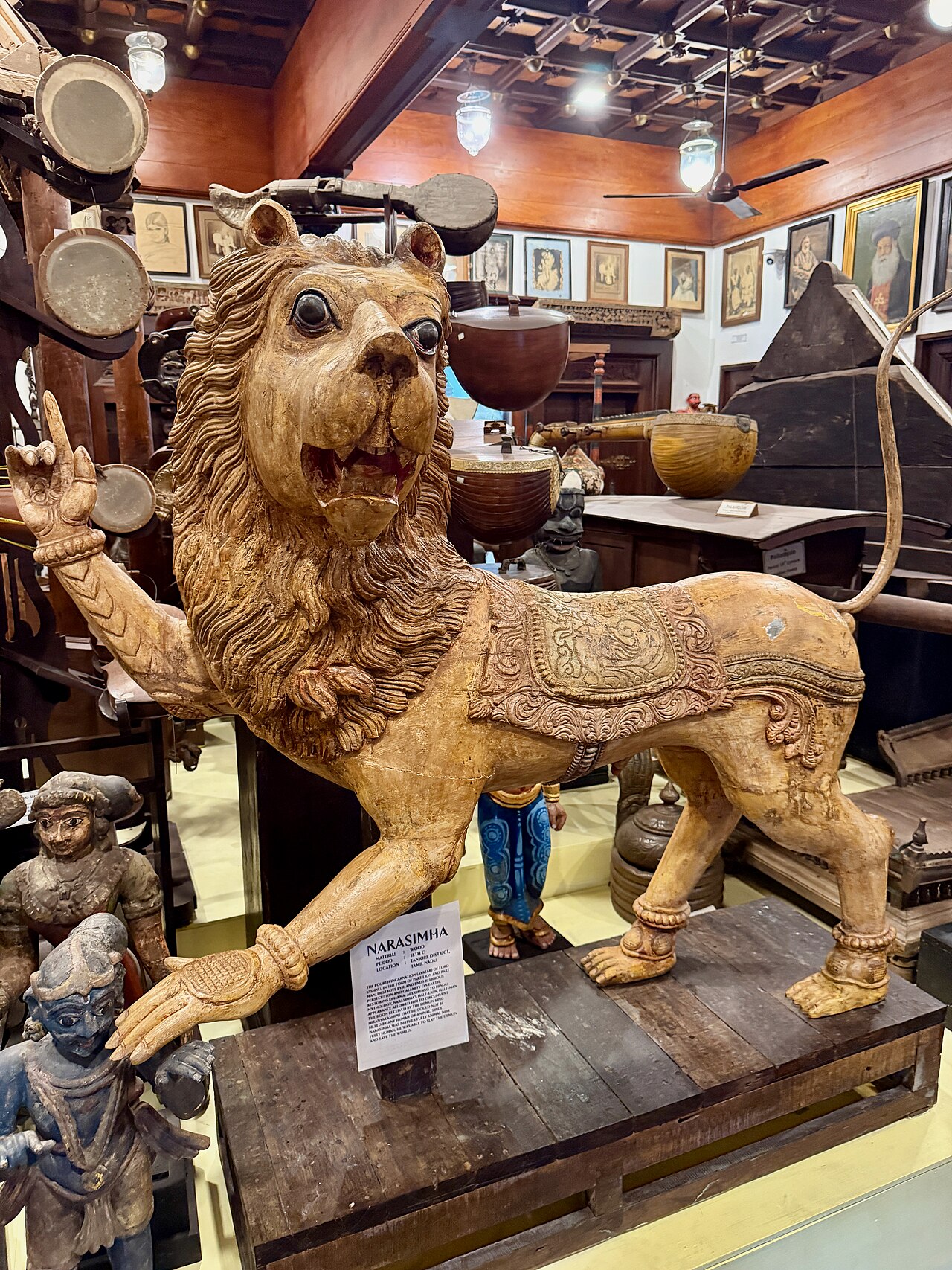 #5 in Kochi
Kerala Folklore Museum
Museum · 7 km · about 25 min by road
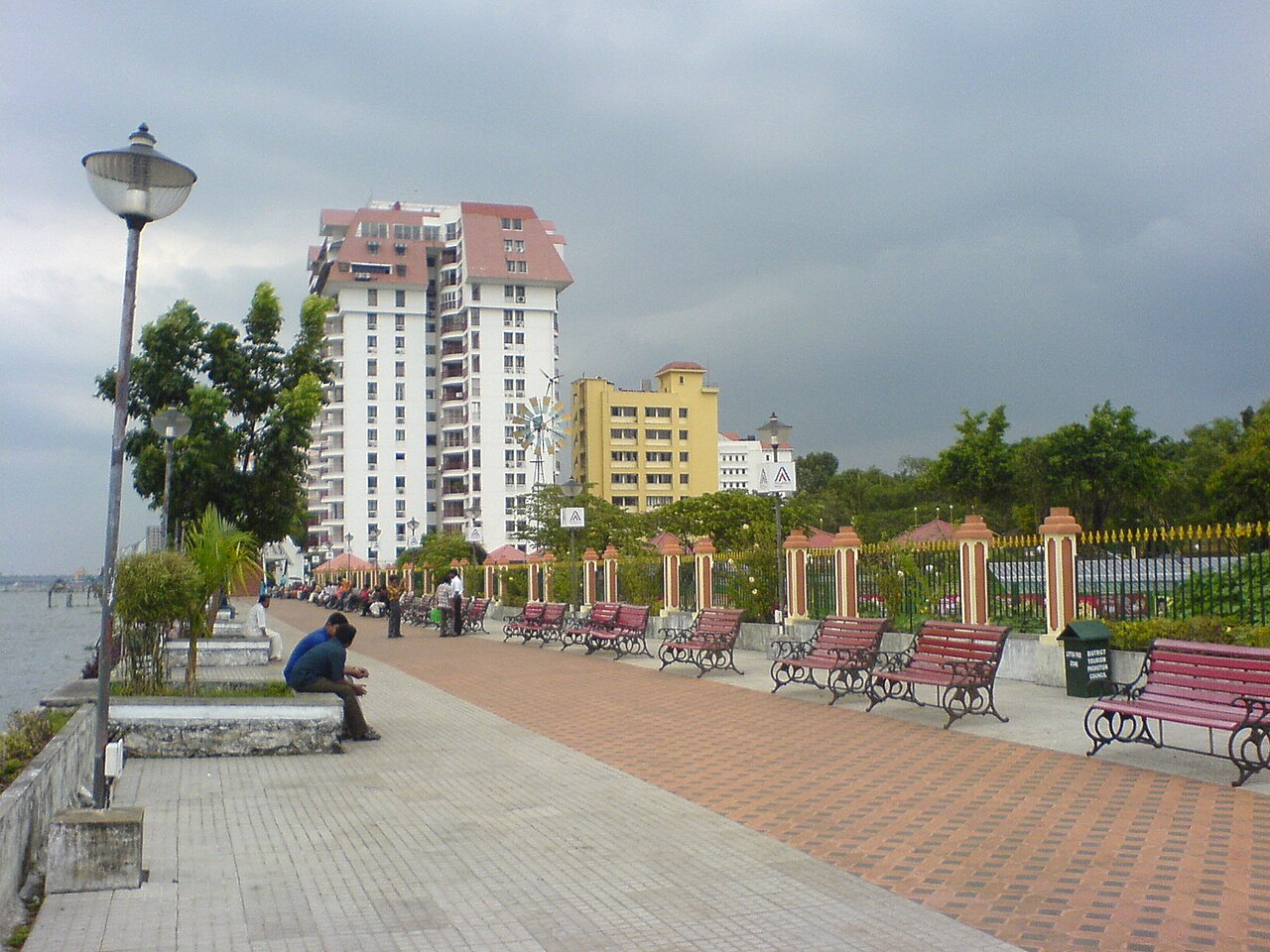 #6 in KochiFree entry
Marine Drive
Heritage · 10 km · about 30 min by road
 #7 in Kochi
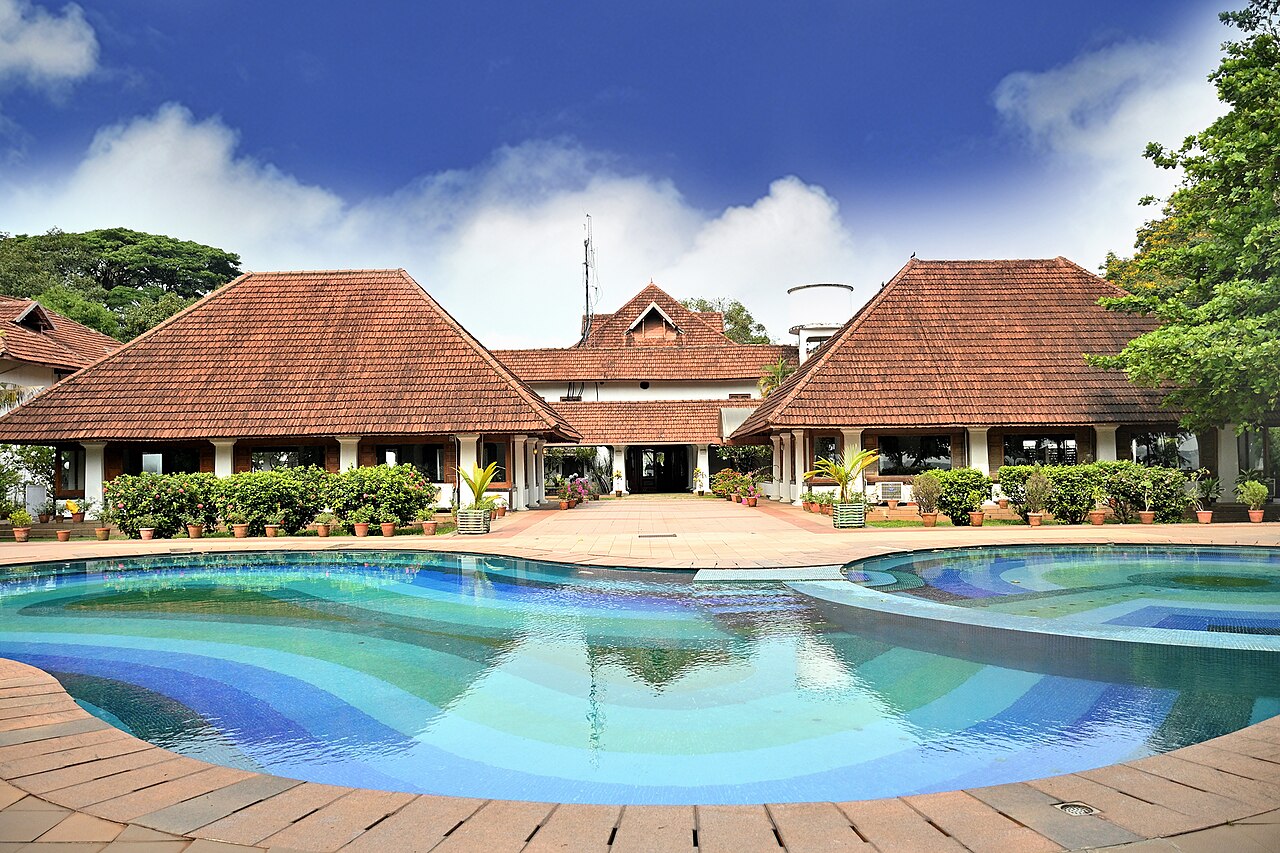
Bolgatty Palace
Palace · 11 km · about 35 min by road