Uttarakhand travel guide
6 Places to Visit in Rishikesh
Also known as Hrishikesh · Yoga Capital of the World
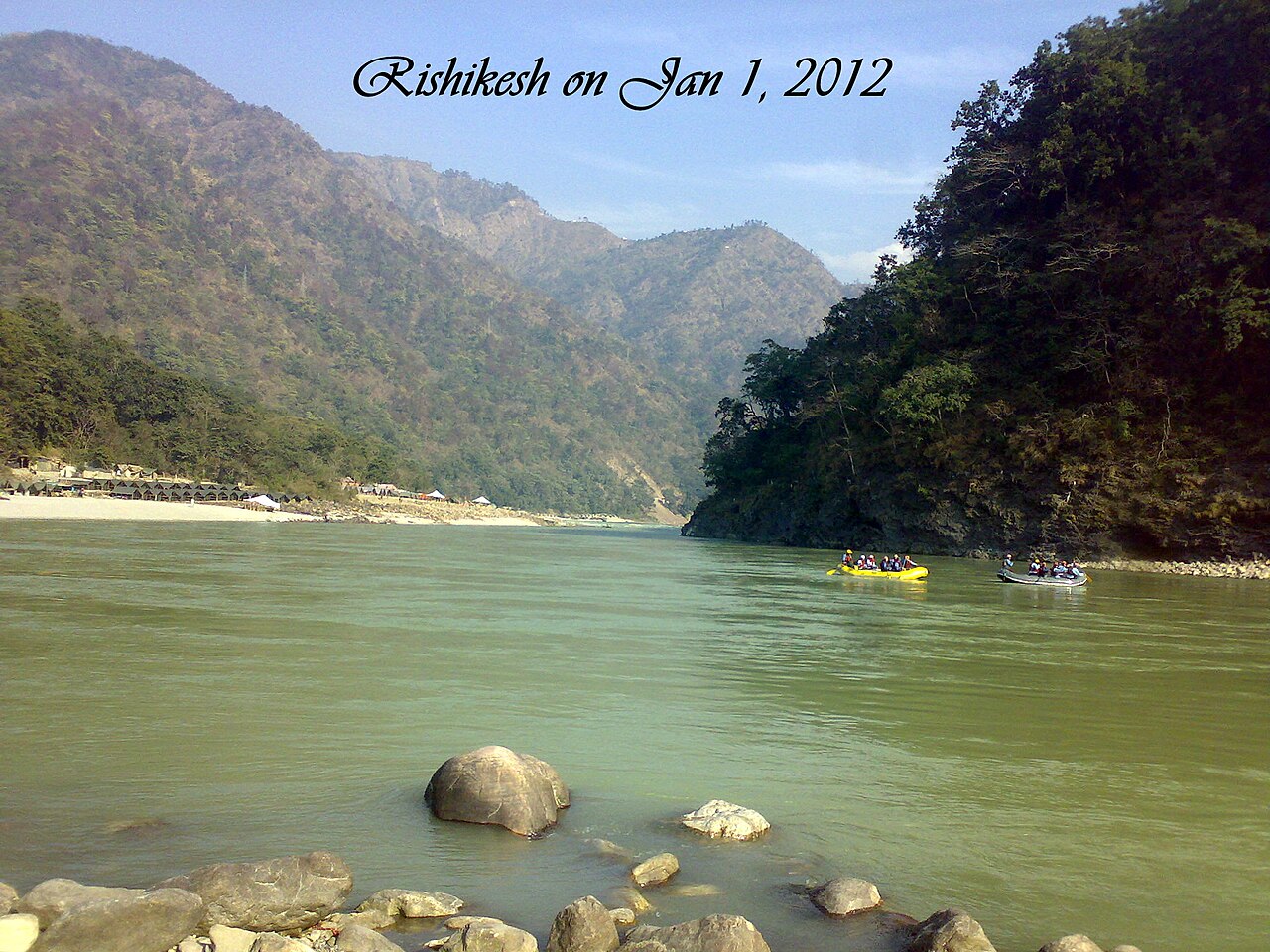
Rishikesh occupies both banks of the Ganga at the point where the river abandons its Himalayan gorge and enters the plains, slowing from a churning torrent to something merely fast and very cold.
Updated ·Compiled by Traveliac, AI-assisted ·How we rank
- Best time
- Feb – May, Sep – Nov
- Time needed
- About 2 days
- 11 hours of sightseeing
- Fly into
- Jolly Grant Airport (Dehradun)
- Nearest station
- Rishikesh Railway Station
- Free to enter
- 4 of 6
Top things to do in Rishikesh
Ranked on five published criteria- 1Free entry
Temple
Ram Jhula
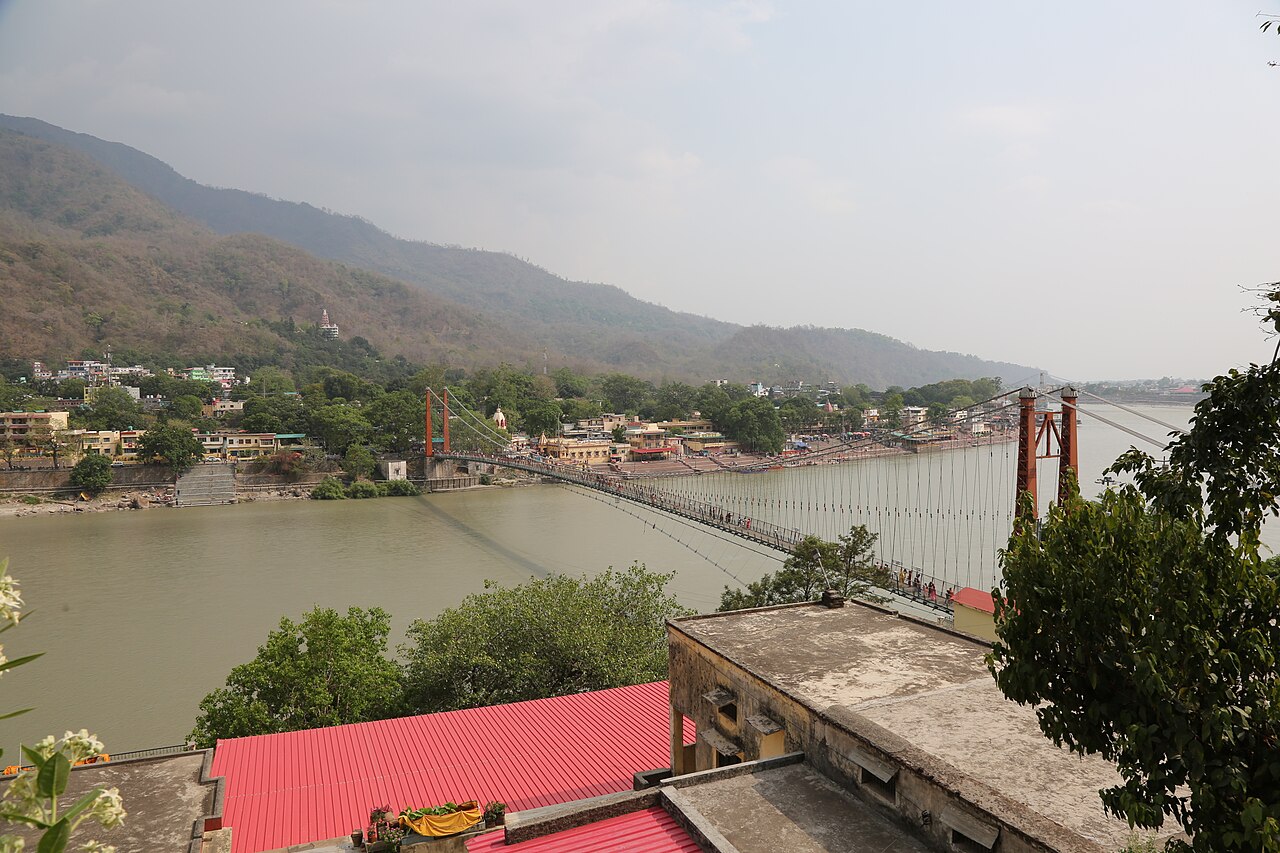
Ram Jhula carries pedestrians 230 metres across the Ganga on a galvanised iron suspension deck completed in 1986, a generation after its older, more…
20 min
 2Free entry
Temple
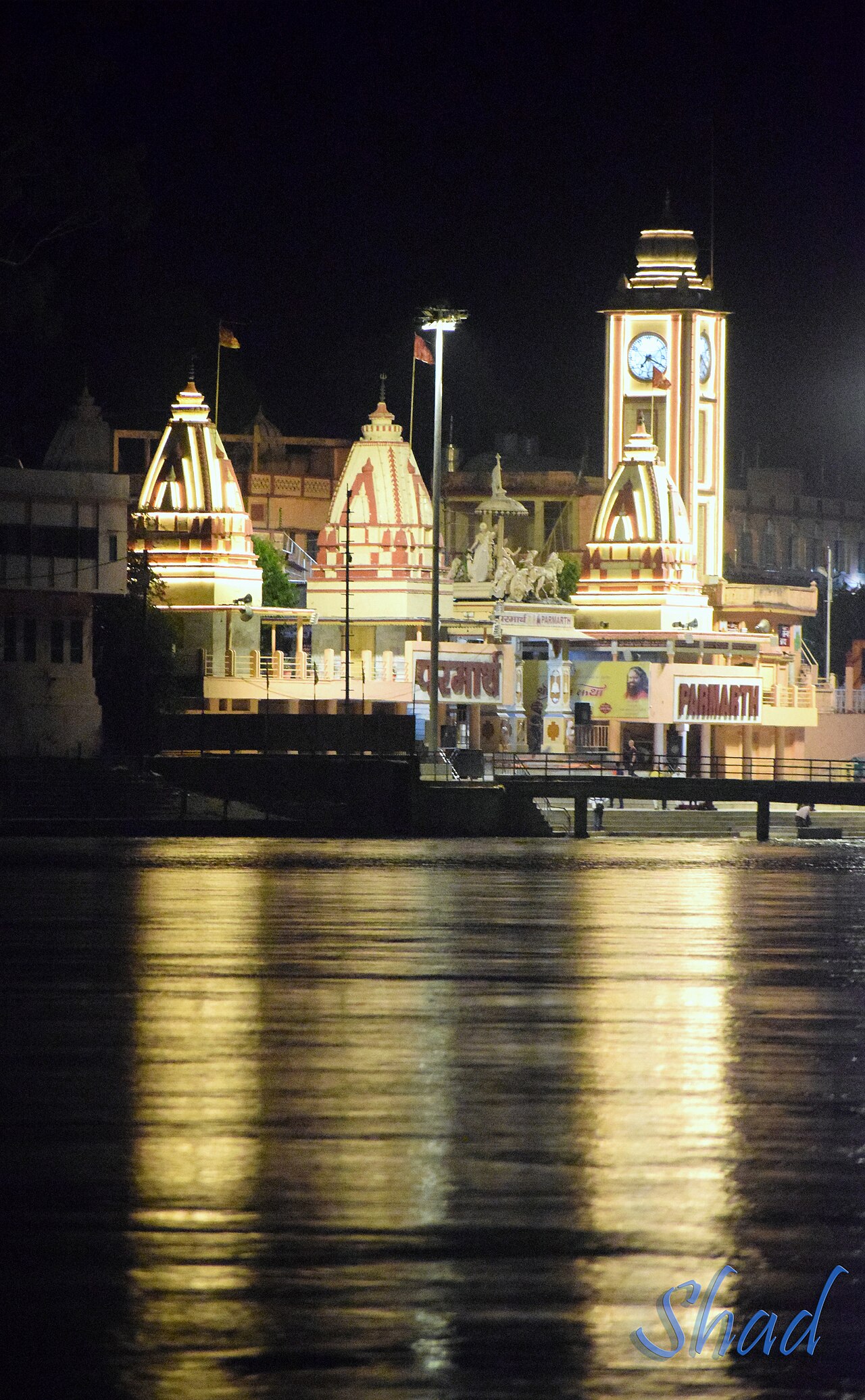
Parmarth Niketan Ashram & Ganga Aarti
Parmarth Niketan holds more than 1,000 rooms across its riverside campus in Swarg Ashram, making it the largest ashram in Rishikesh and the base for…
1.5 hrs
 3
3Heritage
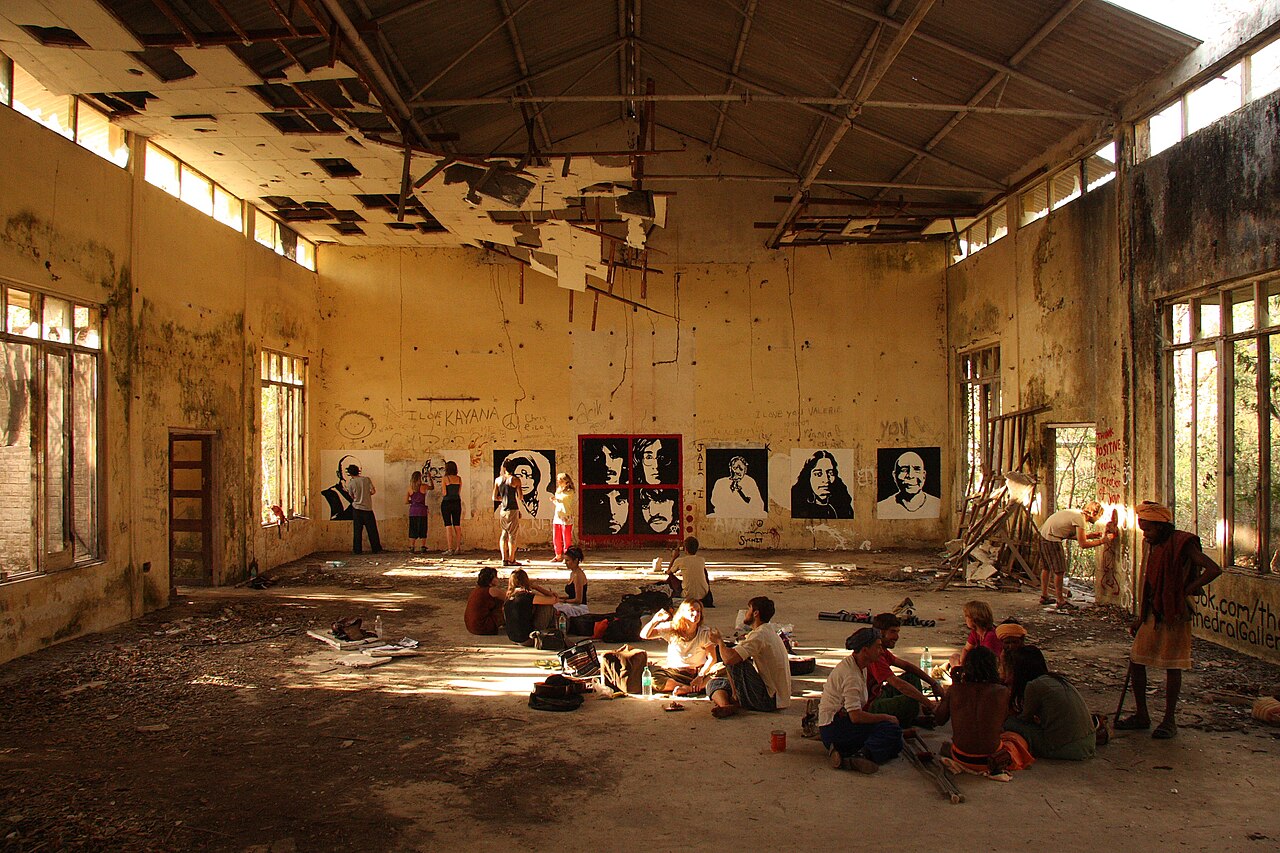
Beatles Ashram
Beatles Ashram, properly Chaurasi Kutia or "eighty-four huts," occupies 14 acres on a forested bluff above the Ganga where Maharishi Mahesh Yogi…
1.5 hrs₹150 Indian
 4
4Wildlife
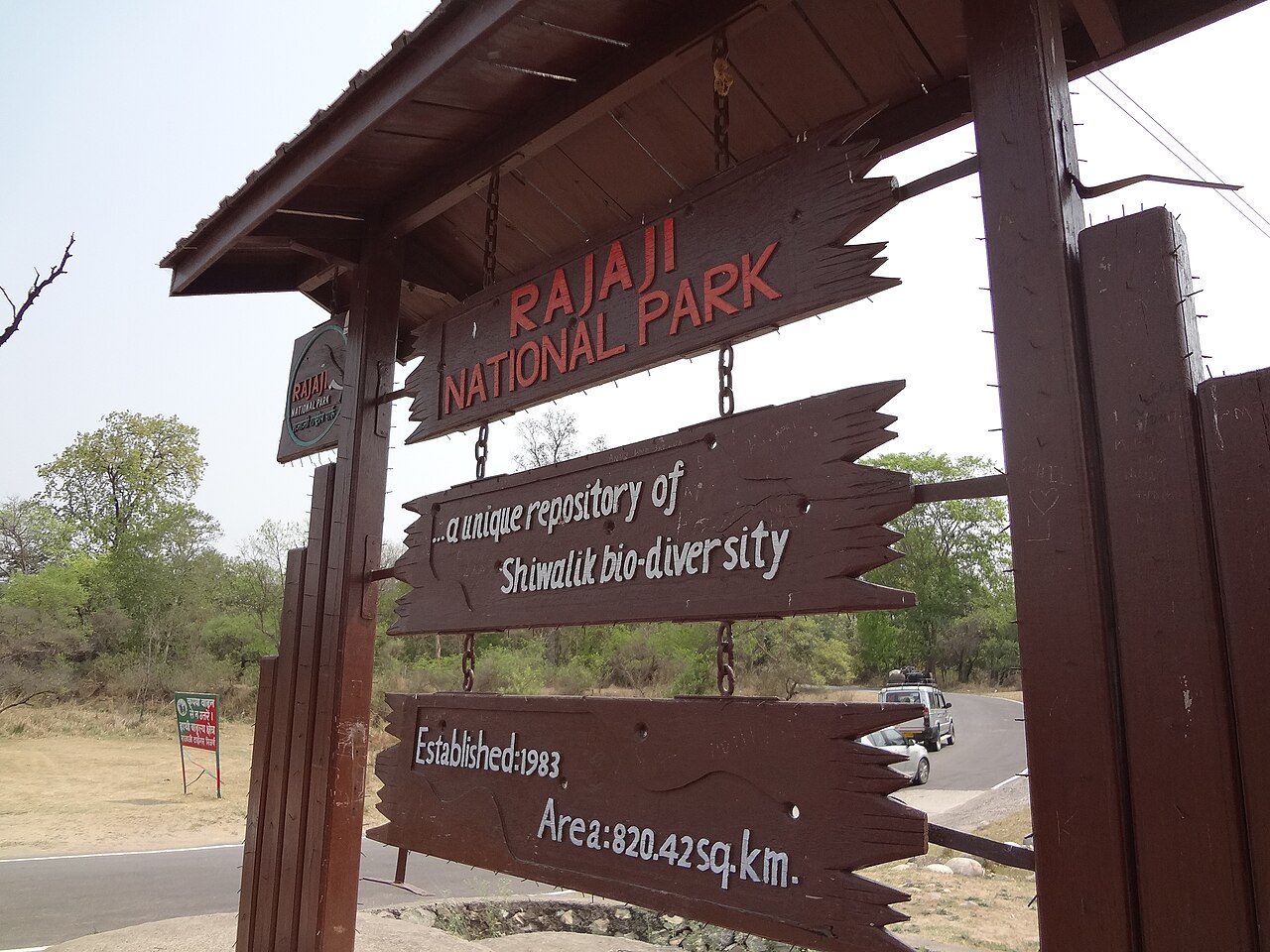
Rajaji National Park
Rajaji National Park's Chilla range forms the closest safari gateway to Rishikesh, roughly 8 kilometres from town on the road toward Haridwar, inside…
3 hrs₹200 Indian
 5Free entry
Heritage
Shivpuri
Shivpuri sits on the Ganga's left bank about 16 kilometres upstream from Rishikesh on the Badrinath highway, functioning less as a single site than…
3 hrs
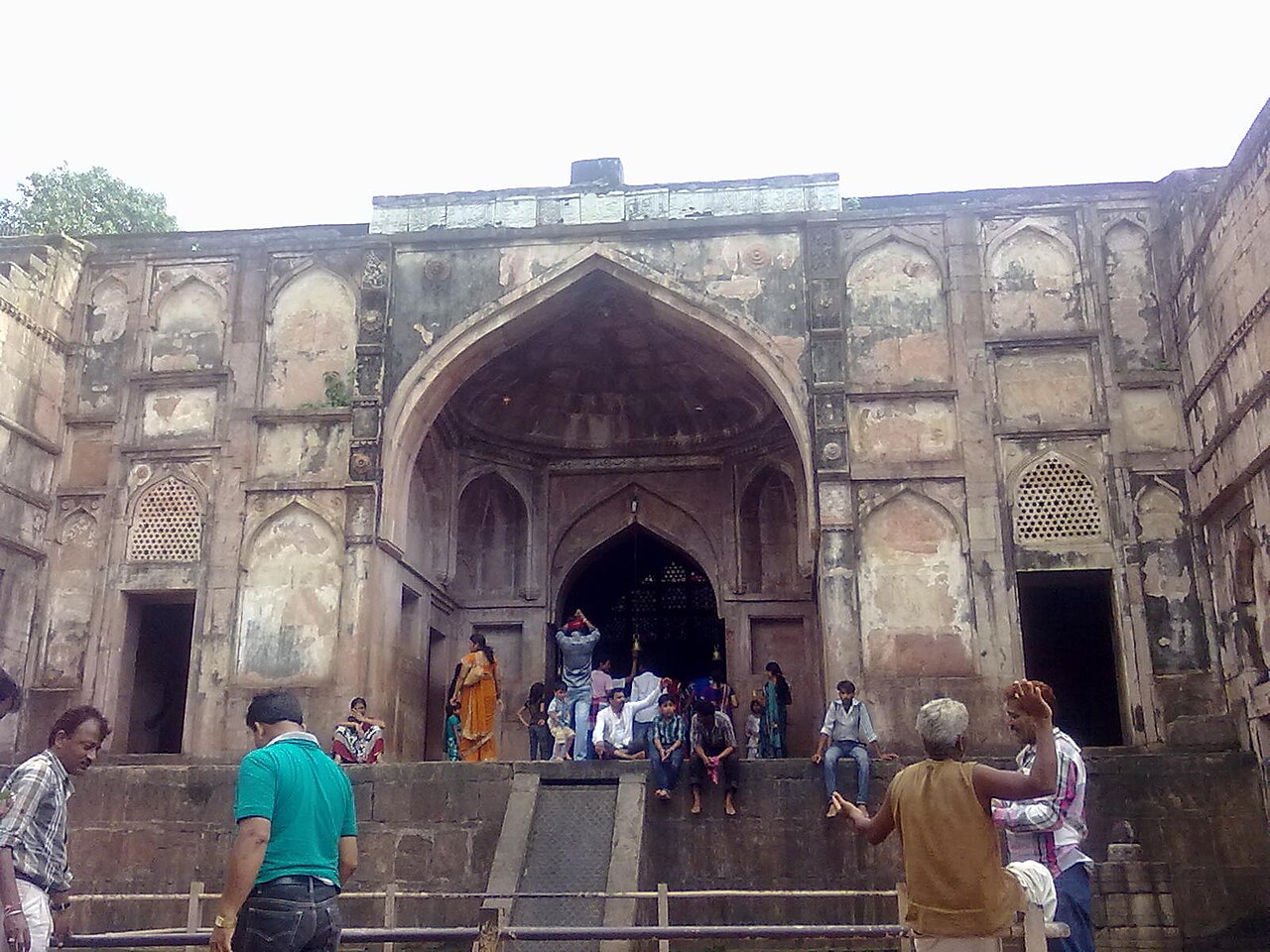 6Free entry
Temple
Neelkanth Mahadev Temple
Neelkanth Mahadev Temple sits at roughly 1,330 metres in the forested hills above Rishikesh, about 32 kilometres from town by a narrow hill road that…
1.5 hrs
Map of places to visit in Rishikesh
Numbers match the ranking; the top 3 are orange. Tap a pin for its guide.
Day trips from Rishikesh
Worth a day out if you have one to spare, nearest first.
20 km · 40 minutes
Rajaji National Park (Chilla Range)
The Chilla range of Rajaji National Park offers jeep safaris (November–June) into riverine forest holding Asian elephants, gharials in the Ganga channels, and the occasional leopard. Booking through the Forest Department counter in Rishikesh is mandatory.
24 km · 45 minutes
Haridwar
The Ganga Aarti at Har Ki Pauri ghat at sunset is among the most viscerally powerful ritual spectacles in India — thousands of lamps, priests, bells, and the river itself all converging at once. Far more intense and authentic than Rishikesh's smaller ceremonies.
32 km · 1.5 hours
Neelkanth Mahadev Temple
A deeply significant Shaivite temple at 1,330m in dense forest, built where Shiva is said to have consumed the cosmic poison during the churning of the ocean. The road through Swarg Ashram and into the jungle is as worthwhile as the destination itself.
About Rishikesh
The east bank — Swarg Ashram and Lakshman Jhula area — is the older, quieter side: a strip of ashrams, sadhus with ash-rubbed foreheads, and narrow galis that smell of incense and frying pakoras. The west bank, around Ram Jhula and Triveni Ghat, is more urban, more transactional, and less charismatic. The suspension bridges connecting the two shores — both Lakshman Jhula and Ram Jhula — have become symbols of the town, though the original Lakshman Jhula was demolished in 2019 due to structural concerns and the replacement completed in 2023.
The city's dual identity — Hindu pilgrimage town and global yoga destination — creates visible tensions on the street. Dhoti-clad pilgrims heading to the Triveni Ghat ghats for morning puja share the same ghats with Israeli backpackers in harem pants, European yoga teacher trainees, and the occasional visiting rock musician completing a musical pilgrimage to the Beatles Ashram. Meat and alcohol are prohibited across most of Rishikesh, though enforcement is selective and the rules do not extend to the cantonment area across the bridge.
The adventure tourism industry — white-water rafting on the Ganga, bungee jumping at Mohan Chatti, cliff jumping near Shivpuri — has grown rapidly since the early 2000s and now rivals yoga as an economic driver. The rafting stretch from Shivpuri to Rishikesh (16km, Grade 3–4) is well-operated by several licensed companies; budget ₹600–1,200 per person for a half-day trip. The best cafés cluster on the east bank: Devraj Coffee Corner has been caffeinating German tourists and wandering sadhus alike since 1994, while the rooftop restaurants on Laxman Jhula Road offer unobstructed Ganga views worth the 20% food quality premium.
Rishikesh travel FAQs
How many days do you need in Rishikesh?
Plan about 2 days for Rishikesh. Its top attractions take roughly 11 hours of sightseeing in total, so 2 days covers the highlights without rushing — you can move faster if you are short on time.
What is the best time to visit Rishikesh?
The best time to visit Rishikesh is Feb – May, Sep – Nov.
Is Rishikesh cheap or expensive to visit?
Entry to Rishikesh's top attractions ranges from ₹150 to ₹200 for Indian nationals (foreign visitors pay more — about ₹800 to ₹1,200), and 4 of the top 6 are free to enter. Prices are the latest checked on each place's page; always confirm current rates on the official website.
What is Rishikesh famous for?
Rishikesh is best known for its top sights, including Ram Jhula, Parmarth Niketan Ashram & Ganga Aarti and Beatles Ashram. The full ranked list of things to do is on this page.
How much time should you spend at Ram Jhula?
Allow about 20 min for Ram Jhula.
Spotted something wrong, or a place we missed?
Tell us and an editor will check it against official sources and fix the page.