
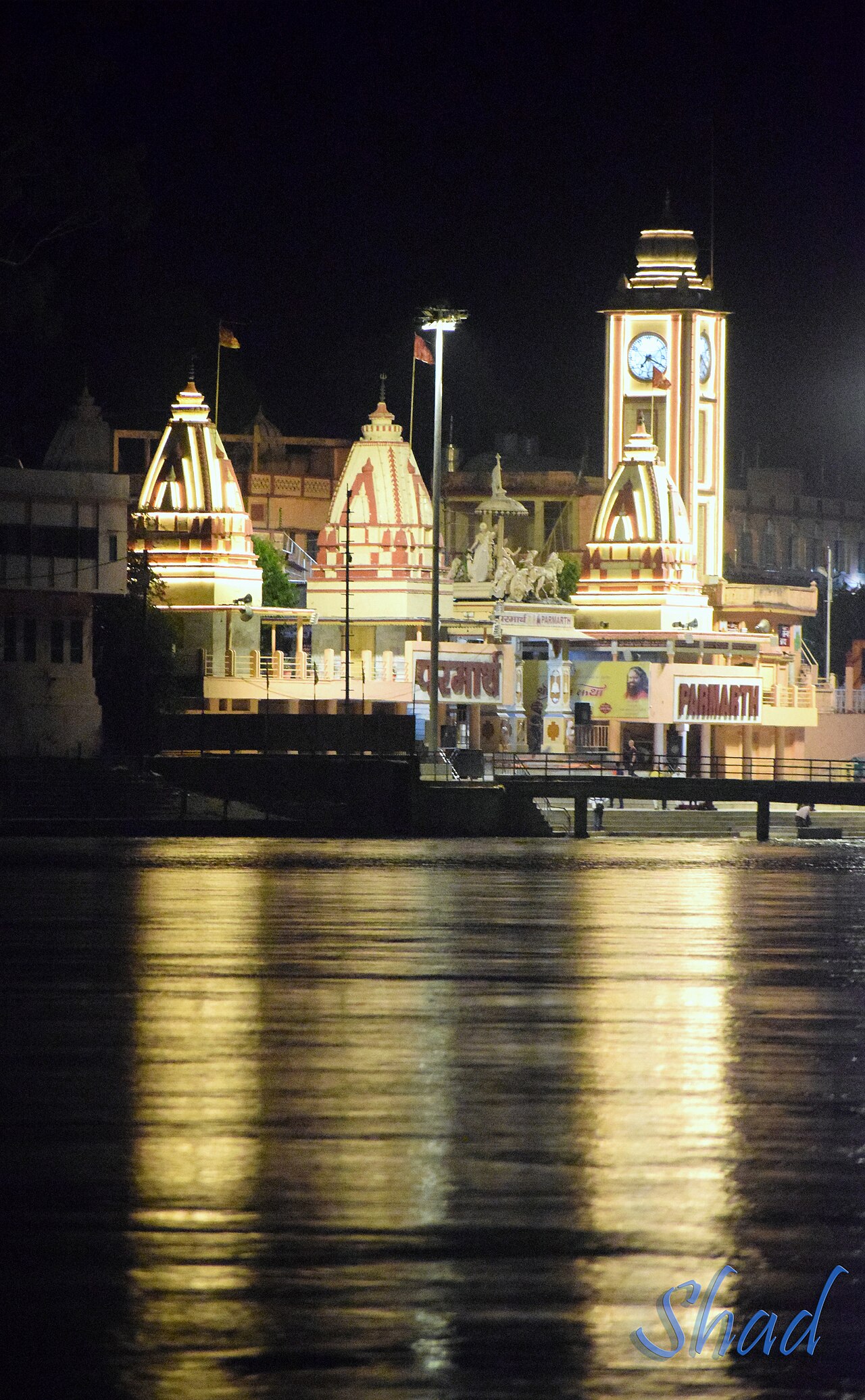
Parmarth Niketan Ashram & Ganga Aarti
#2of 6 places to visit in RishikeshRishikesh, Uttarakhand
Quick answer
Opening hours: No fixed opening hours. Entry is free. Allow 1.5 hrs.
Updated · Compiled by Traveliac, AI-assisted · 4 min read
- Opening hours
- No fixed hours
- Ganga Aarti begins daily at sunset, with an accompanying yagna starting 30 minutes earlier; clock time shifts seasonally, typically around 18:00 in winter and closer to 19:00 in summer. The ashram grounds and temple are open through the day.
- Entry fee
- Free
- Time needed
- 1.5 hrs
- Best months
- Feb – May, Sep – Nov
- Address
- Parmarth Niketan, Swarg Ashram, Rishikesh, Uttarakhand 249304
About Parmarth Niketan Ashram & Ganga Aarti
Parmarth Niketan holds more than 1,000 rooms across its riverside campus in Swarg Ashram, making it the largest ashram in Rishikesh and the base for the Ganga Aarti that draws the biggest crowd on the east bank each evening. Founded in 1942 by Swami Shukdevanand ji Maharaj and led since 1986 by Swami Chidanand Saraswati, widely known as Pujya Swamiji, the ashram fronts its own dedicated ghat, marked by a 14-foot statue of Shiva rising directly from the riverbank. The aarti is free to attend and begins at sunset, preceded thirty minutes earlier by a yagna, or Vedic fire ritual, conducted by resident priests and a chorus of ashram volunteers.
Parmarth Niketan Ashram & Ganga Aarti timings
- Opening hours
- No fixed hours
Mon–Sun No fixed hours - Ganga Aarti begins daily at sunset, with an accompanying yagna starting 30 minutes earlier; clock time shifts seasonally, typically around 18:00 in winter and closer to 19:00 in summer. The ashram grounds and temple are open through the day.
- Closed on
- Open every day
Opening hours compiled from parmarth.org and public records, last updated . They change without notice — confirm before you travel. How we write these guides
Parmarth Niketan Ashram & Ganga Aarti ticket price
| Ticket | Price |
|---|---|
| Indian visitors | Free |
| Foreign visitors | Free |
| Children | Free |
| Camera | Free |
Attendance at the ashram and the evening Ganga Aarti is free and open to all, as of 2026. Parmarth Niketan asks visitors to check with reception for the exact daily aarti time since it follows sunset and shifts seasonally. Overnight stays, yoga courses, and Ayurvedic treatments are paid separately and priced on inquiry.
Prices compiled from parmarth.org and public records, last updated . They change without notice — confirm before you travel. How we write these guides
Best time to visit Parmarth Niketan Ashram & Ganga Aarti
- Quiet
- Moderate
- Very busy
06:00 – 08:00
Morning yoga and meditationBest time to go
Ashram residents and drop-in guests attend early yoga sessions. The ghat is quiet, used mainly for individual prayer and river viewing.
Quiet08:00 – 17:00
Daytime ashram activity
Day visitors tour the temple hall and ghat between other Swarg Ashram stops. Courses and consultations run on the ashram's own schedule.
Moderate17:30 – 19:30
Yagna and Ganga Aarti
The ghat fills to capacity for the fire ritual and aarti. Hundreds of visitors, ashram residents, and pilgrims pack the steps and terraces overlooking the Shiva statue.
Very busy19:30 – 21:00
Post-aarti wind-down
Crowds disperse within half an hour of the ceremony ending. The ghat empties out, lit by the standing lamps and the floodlit Shiva statue.
Quiet
History of Parmarth Niketan Ashram & Ganga Aarti
Swami Shukdevanand ji Maharaj registered the Swami Shukdevanand Trust in 1942 to house Parmarth Niketan, and under his successors the ashram grew from a modest riverside retreat into the sprawling campus it is today, expanding its room count well past a thousand to accommodate the volume of pilgrims, students, and long-term residents it now draws. Swami Chidanand Saraswati took over spiritual leadership in 1986 and, alongside long-serving teacher Sadhvi Bhagawati Saraswati, built the ashram's international profile through its yoga instruction, environmental campaigns focused on the Ganga, and an annual International Yoga Festival that Parmarth Niketan has hosted since 1999, drawing teachers and practitioners from dozens of countries each spring. The evening Ganga Aarti, now the single most photographed ritual in Rishikesh outside Haridwar's Har Ki Pauri, grew alongside this expansion into a nightly public ceremony rather than a private ashram observance, with the 14-foot Shiva statue on the ghat added as a fixed point for both worship and photography.
Rules & etiquette at Parmarth Niketan Ashram & Ganga Aarti
Parmarth Niketan enforces the same dress and conduct code as the rest of Swarg Ashram: modest clothing covering shoulders and knees, no alcohol, no meat, and no smoking anywhere on the grounds. Shoes come off before entering the temple hall and the ghat's inner platform, with a free rack provided at both points. Seating for the Ganga Aarti is on the ghat's stone steps and is unreserved except for a small area kept for ashram residents and officiating priests; arriving after the yagna has started generally means standing at the rear. Flash photography during the core aarti sequence is discouraged, since it disrupts both the priests and the hundreds of phones already recording, though photography itself is welcomed. Donations are accepted at marked boxes but are never solicited directly from visitors during the ceremony.
Tips for visiting Parmarth Niketan Ashram & Ganga Aarti
- 1
Parmarth Niketan's ghat sits a short walk from Ram Jhula's eastern approach, making it easy to combine with Beatles Ashram or a Swarg Ashram bazaar walk earlier in the day before returning for the evening aarti. Marigold-and-diya floats sold by vendors just outside the ghat, at roughly ₹20–30 each, are the traditional way to participate directly, releasing one onto the Ganga as the ceremony reaches its peak. Visitors planning a longer stay should book ashram accommodation well ahead of the International Yoga Festival, usually held over several days each spring, when the entire Swarg Ashram area fills to capacity. For a quieter alternative to the crowded aarti platform, the ashram's upper terrace and temple courtyard offer a clear view of the ceremony with considerably more breathing room.
How to reach Parmarth Niketan Ashram & Ganga Aarti
The red star is Parmarth Niketan Ashram & Ganga Aarti; the numbered pins are the 5 nearest places in our guides, each showing its rank in its city. Tap a pin for details.
Parmarth Niketan, Swarg Ashram, Rishikesh, Uttarakhand 249304Directions in Google Maps
From Rishikesh Railway Station
₹100–1506 km · 20 min
Negotiated
From Ram Jhula approach (Swarg Ashram)
0.5 km · 8 min
Free
From Haridwar Junction
₹40–6030 km · 65 min
Shared jeep) + ₹100–150 (auto
Nearest airport
From Jolly Grant Airport (Dehradun)
40 km northwest
Nearest railway station
From Rishikesh Railway Station
6 km; Haridwar Junction – 30 km
Parmarth Niketan Ashram & Ganga Aarti FAQs
Is there an entry fee for Parmarth Niketan or its Ganga Aarti?
No. Both the ashram grounds and the evening Ganga Aarti are free and open to visitors of any nationality or faith, as of 2026. Only optional services such as overnight stays, yoga courses, and Ayurvedic treatments carry a separate charge.
What time does the Ganga Aarti at Parmarth Niketan start?
The aarti begins daily at sunset, roughly 18:00 in winter and closer to 19:00 in summer, preceded thirty minutes earlier by a yagna fire ritual. Exact timing shifts through the year, so Parmarth Niketan advises checking with reception on the day.
Can foreigners stay or take yoga classes at Parmarth Niketan?
Yes. The ashram states it is open to all visitors regardless of nationality, religion, or background, and regularly hosts foreign students in its yoga, meditation, and Ayurveda programmes, alongside its widely attended International Yoga Festival each spring.
How many rooms does Parmarth Niketan have?
Parmarth Niketan is described as the largest ashram in Rishikesh, with more than 1,000 rooms across its Swarg Ashram campus, built up gradually since the ashram's founding in 1942.
Compiled with AI assistance from official sources and public records, and published only after the checks in How we write these guides. Nobody from Traveliac has visited this place. Last updated . How we rank and check places
Places to visit near Parmarth Niketan Ashram & Ganga Aarti
Straight-line distances from our map; times are estimates.
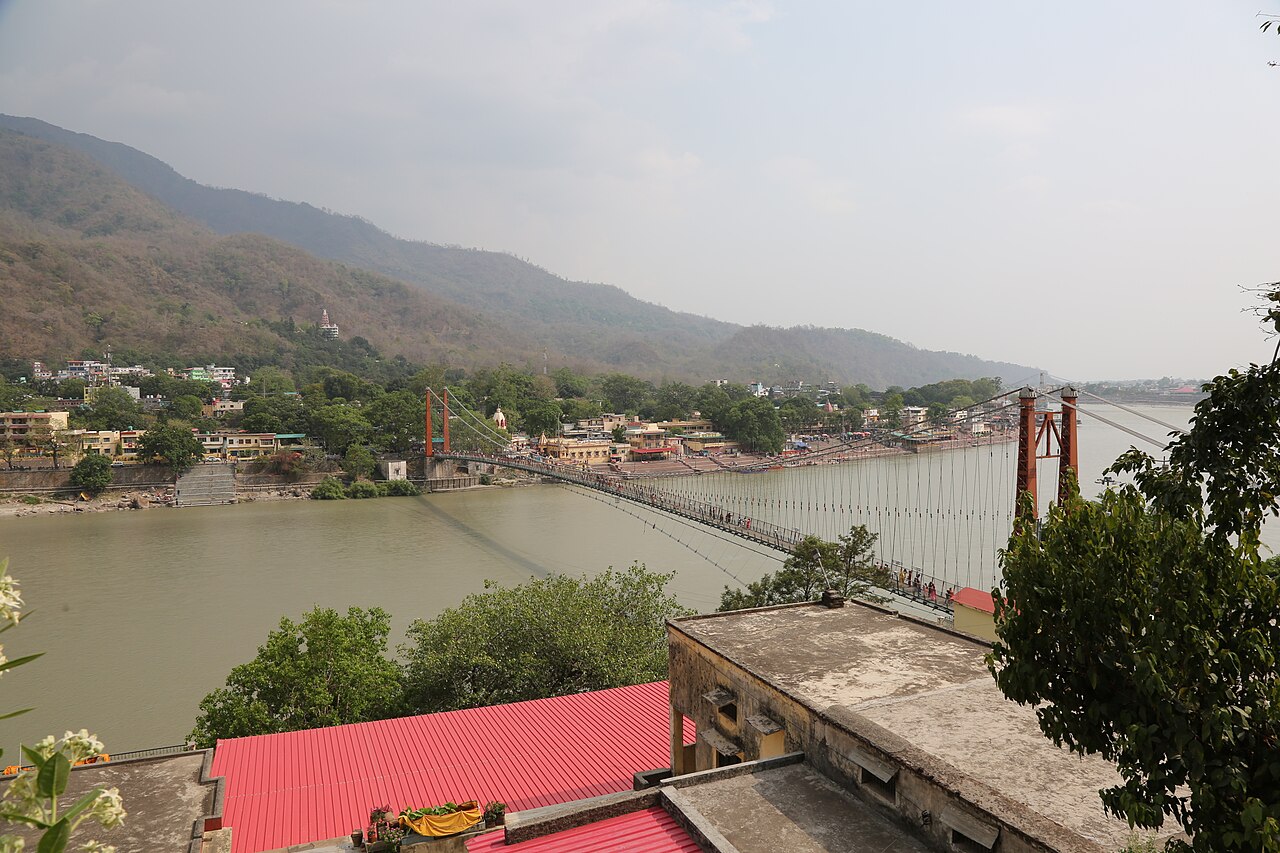 #1 in RishikeshFree entry
Ram Jhula
Temple · 500 m · about 8 min walk
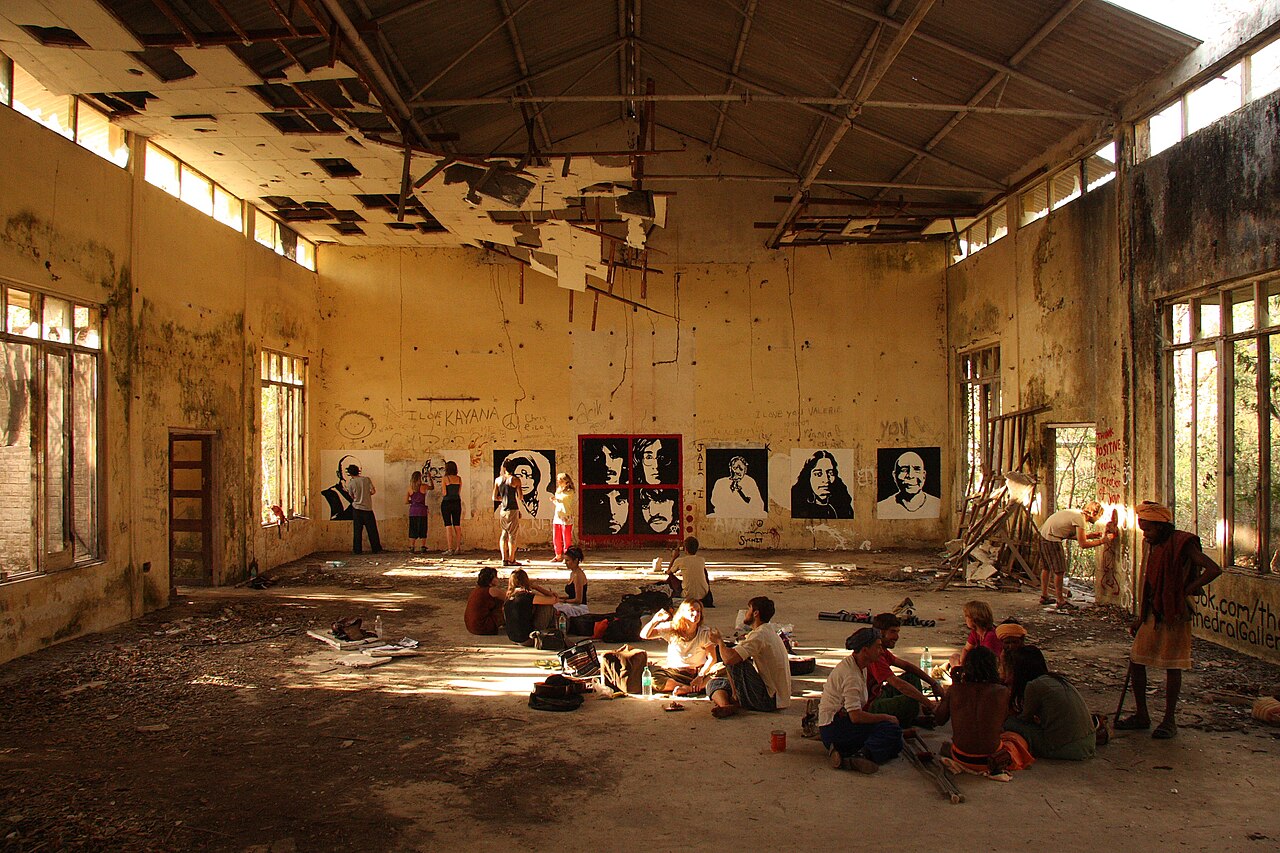 #3 in Rishikesh
Beatles Ashram
Heritage · 1.1 km · about 17 min walk
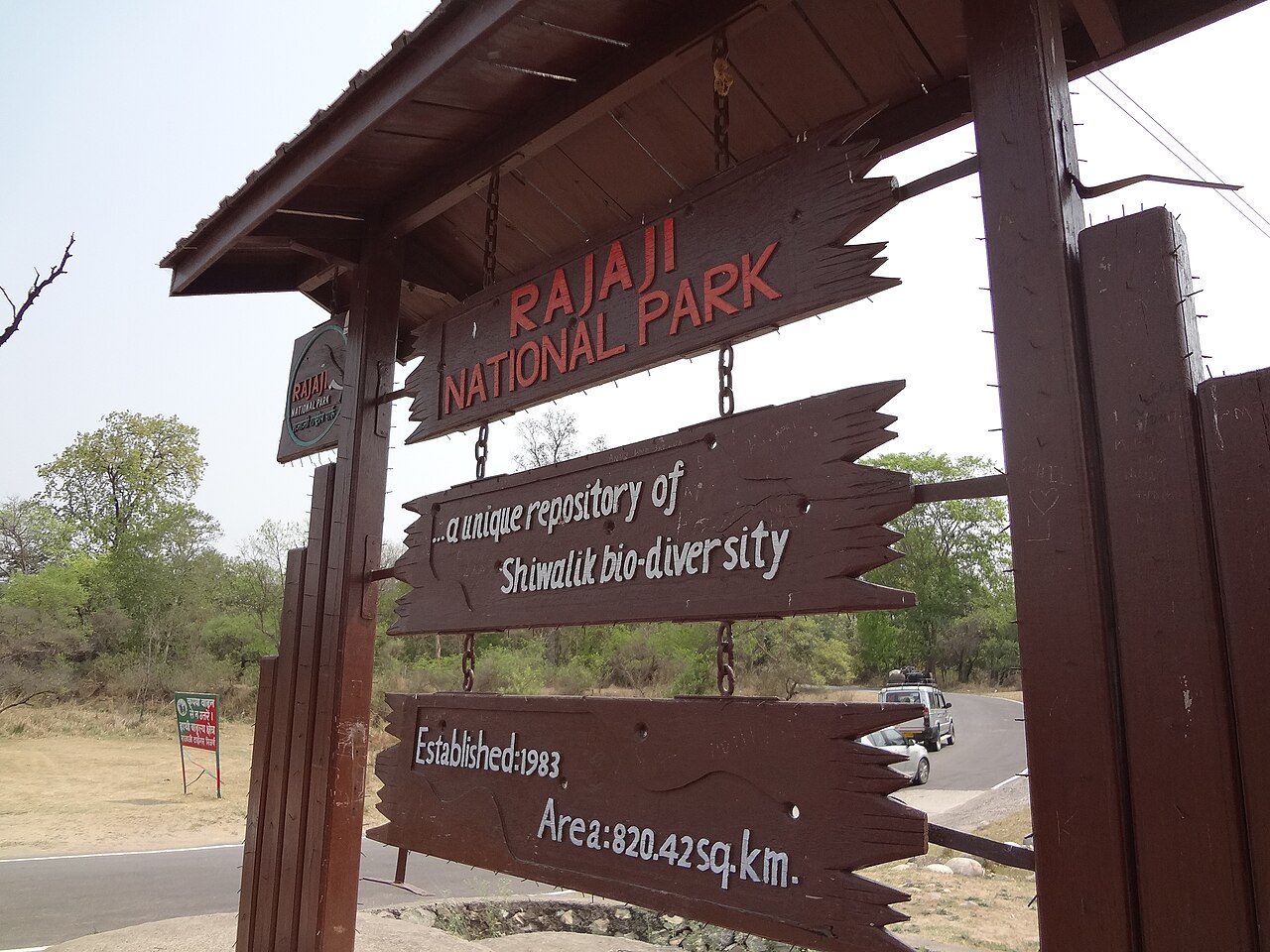 #4 in Rishikesh
Rajaji National Park
Wildlife · 2.2 km · about 37 min walk
 #6 in RishikeshFree entry
Neelkanth Mahadev Temple
Temple · 5 km · about 15 min by road