
Neelkanth Mahadev Temple
#6of 6 places to visit in RishikeshRishikesh, Uttarakhand
Also known as Nilkanth Mahadev Temple
Quick answer
Opening hours: 05:00–20:00. Entry is free. Allow 1.5 hrs. Best time: 07:00–09:00.
Updated · Compiled by Traveliac, AI-assisted · 4 min read
- Opening hours
- 05:00–20:00
- Approximately 05:00–20:00 daily. Many Shiva temples in this region pause briefly at midday for bhog offerings; the exact break timing at Neelkanth Mahadev was not independently confirmed for this guide — verify locally, as of 2026.
- Entry fee
- Free
- Time needed
- 1.5 hrs
- Best time of day
- 07:00–09:00
- Best months
- Feb – May, Sep – Nov
- Address
- Neelkanth Mahadev Temple, Pauri Garhwal district, via Rishikesh, Uttarakhand 249302
About Neelkanth Mahadev Temple
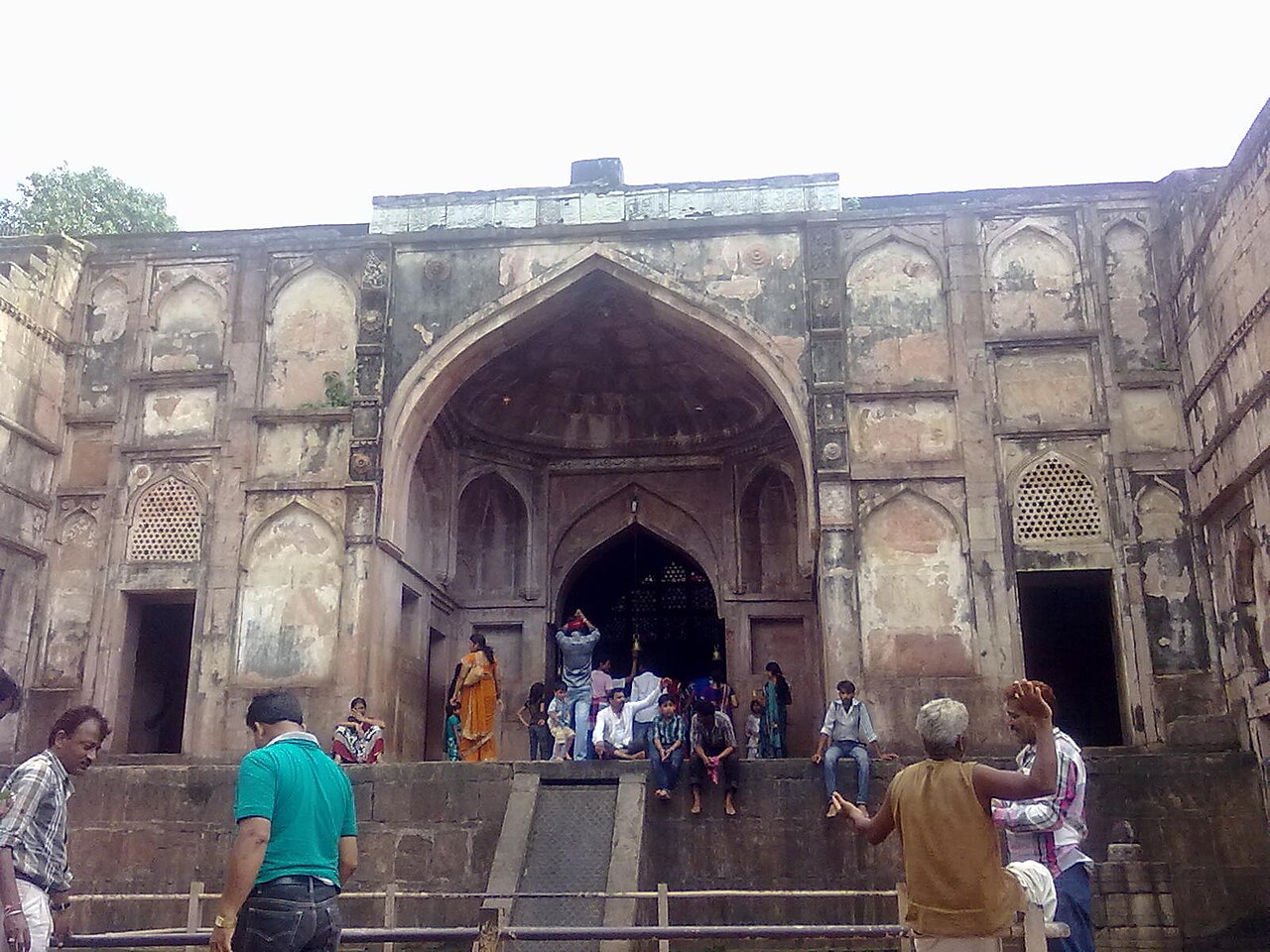
Neelkanth Mahadev Temple sits at roughly 1,330 metres in the forested hills above Rishikesh, about 32 kilometres from town by a narrow hill road that climbs out of Swarg Ashram through the buffer forest of Rajaji Tiger Reserve. The temple marks the spot where, in the Puranic account of the Samudra Manthan or churning of the cosmic ocean, Shiva swallowed the poison Halahala rather than let it destroy creation, holding it in his throat instead of his stomach — the resulting blue stain giving him the name Neelkanth, the blue-throated one. The temple's tiered, Dravidian-style shikhara carries carved reliefs of devas and asuras re-enacting that same churning, set at the confluence of two small hill streams, the Pankaja and the Madhumati.
Best time of day: 07:00–09:00. On a weekday outside Shravan, when the hill road is clear of pilgrim traffic and the queue at the sanctum is shortest. Avoid Mondays, observed across India as Shiva's day, when local devotee numbers rise sharply.
Neelkanth Mahadev Temple timings
Neelkanth Mahadev Temple opens at 05:00 and closes at 20:00. It keeps the same hours on Saturday and Sunday.
- Opening hours
- 05:00–20:00
Mon–Sun 05:00–20:00 - Approximately 05:00–20:00 daily. Many Shiva temples in this region pause briefly at midday for bhog offerings; the exact break timing at Neelkanth Mahadev was not independently confirmed for this guide — verify locally, as of 2026.
- Closed on
- Open every day
Good to know: During Shravan month (July–August) and around Maha Shivratri, the temple sees continuous queues from Kanwariya pilgrims carrying Ganga water on foot, and effective visiting hours extend well into the night.
Opening hours compiled from uttarakhandtourism.gov.in and public records, last updated . They change without notice — confirm before you travel. How we write these guides
Neelkanth Mahadev Temple ticket price
| Ticket | Price |
|---|---|
| Indian visitors | Free |
| Foreign visitors | Free |
| Children | Free |
| Camera | Free |
Entry and darshan are free; the temple accepts voluntary donations at the sanctum. Some parking areas near the base levy a nominal vehicle fee, commonly ₹20–50, separate from any temple charge. As of 2026, verify locally, since parking arrangements change during the Shravan pilgrimage season.
Prices compiled from uttarakhandtourism.gov.in and public records, last updated . They change without notice — confirm before you travel. How we write these guides
Best time to visit Neelkanth Mahadev Temple
- Quiet
- Moderate
- Very busy
05:00 – 07:00
Early darshanBest time to go
First arrivals, mostly local devotees, keep the queue short. The forest drive up is quiet and the temple courtyard uncrowded.
Quiet07:00 – 11:00
Morning pilgrim window
Day-trippers from Rishikesh and Haridwar begin arriving by taxi. Queue times lengthen but remain manageable outside Shravan and Mondays.
Moderate11:00 – 16:00
Midday
Steady but not overwhelming footfall. Heat on the exposed courtyard steps peaks in this window during summer months.
ModerateMondays and Shravan month (Jul–Aug)
Peak devotional periods
Queues can run several hours as Kanwariya pilgrims and local Shiva devotees converge. Vehicle access on the approach road may be restricted or slowed.
Very busy
History of Neelkanth Mahadev Temple
Puranic tradition holds that Shiva meditated at this exact site for an immense span of time after consuming the poison, eventually installing a throat-shaped Shivaling here beneath a Panchpani tree — a claim rooted in scripture rather than documented history, and worth treating as legend rather than fact. The present temple structure's exact construction date is not well documented in available sources, though local tradition and a succession of renovations by Garhwali patrons have kept it an active shrine for centuries, long before Rishikesh itself grew into a pilgrimage town in its own right. Its location on the forested spur between three named peaks — Manikoot, Brahmakoot, and Vishnukoot — placed it on foot-pilgrimage routes well before any road reached it, and the current approach road is a comparatively recent addition that has made the temple accessible by car or shared taxi rather than a multi-hour trek.
Rules & etiquette at Neelkanth Mahadev Temple
The hill road to Neelkanth Mahadev narrows to a single lane in several stretches and runs through an active elephant corridor inside Rajaji Tiger Reserve's buffer zone, so drivers avoid the route after dark and horn frequently on blind curves as a matter of local practice. Shoes come off before the inner sanctum, with a shoe-minding stall at the temple gate charging a small fee of a few rupees. Monkeys are common around the temple courtyard and food stalls; keep prasad and snacks out of sight rather than in an open hand or bag. During Shravan month, the queue for darshan can run to several hours, and barefoot Kanwariya pilgrims carrying Ganga water have right of way on the approach road — private vehicles often have to wait or take a longer diversion during peak Kanwar days.
Tips for visiting Neelkanth Mahadev Temple
- 1
A round-trip private taxi from Rishikesh is the practical way to reach Neelkanth Mahadev, since shared transport is infrequent outside Mondays and the Shravan season; budget roughly ₹1,200–1,800 for a return trip with waiting time. Set out by 07:00 to reach the temple before both the heat and the crowds build, and allow at least 90 minutes total once the winding drive is factored in each way. Food stalls at the base of the temple steps sell simple thali meals and tea, a reasonable stop before or after darshan since options thin out further along the hill road. The forest views on the drive up, with the Ganga valley dropping away below the switchbacks, are worth the trip on their own even for visitors who are not making the visit for religious reasons.
How to reach Neelkanth Mahadev Temple
The red star is Neelkanth Mahadev Temple; the numbered pins are the 5 nearest places in our guides, each showing its rank in its city. Tap a pin for details.
Neelkanth Mahadev Temple, Pauri Garhwal district, via Rishikesh, Uttarakhand 249302Directions in Google Maps
From Rishikesh (Swarg Ashram / Lakshman Jhula area)
₹1,200–1,80032 km · 90 min
Return, including waiting time
From Rishikesh Bus Stand (ISBT)
₹80–12032 km · 75–90 min
Per person when running
From Haridwar Junction
₹1,800–2,50056 km · 135 min
Return
Nearest airport
From Jolly Grant Airport (Dehradun)
approximately 55 km, around 2 hours via Rishikesh
Nearest railway station
From Rishikesh Railway Station
approximately 32 km
Neelkanth Mahadev Temple FAQs
How far is Neelkanth Mahadev Temple from Rishikesh?
About 32 kilometres by road, roughly 90 minutes each way on a narrow hill route that climbs from Swarg Ashram through forest buffer land. The drive itself, with Ganga valley views, is part of the reason to go.
Is there an entry fee for Neelkanth Mahadev Temple?
No. Darshan is free, though the temple accepts voluntary donations and nearby parking areas may charge a small vehicle fee of roughly ₹20–50, separate from any temple charge.
Why is the temple called Neelkanth, or 'blue-throated'?
According to the Puranic legend of the Samudra Manthan, Shiva swallowed the poison Halahala that emerged from the churning of the cosmic ocean to protect creation, holding it in his throat rather than his stomach. The poison turned his throat blue, giving him the name Neelkanth.
When is Neelkanth Mahadev Temple most crowded?
Mondays, observed across India as Shiva's day, and the entire Shravan month in July and August, when barefoot Kanwariya pilgrims carrying Ganga water converge on the temple in large numbers and queues can run several hours.
Compiled with AI assistance from official sources and public records, and published only after the checks in How we write these guides. Nobody from Traveliac has visited this place. Last updated . How we rank and check places
Places to visit near Neelkanth Mahadev Temple
Straight-line distances from our map; times are estimates.
 #4 in Rishikesh
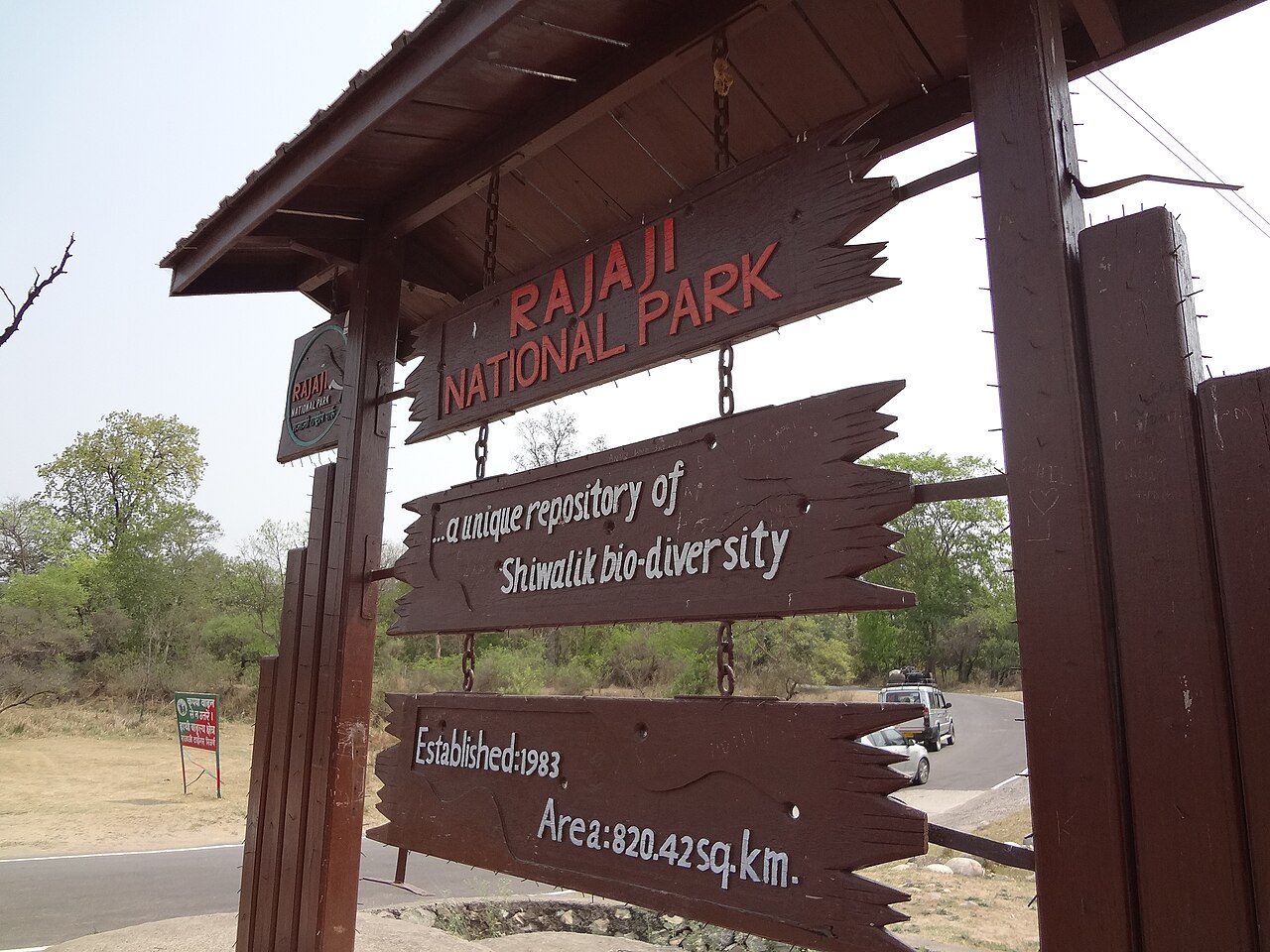
Rajaji National Park
Wildlife · 3 km · about 10 min by road
 #3 in Rishikesh
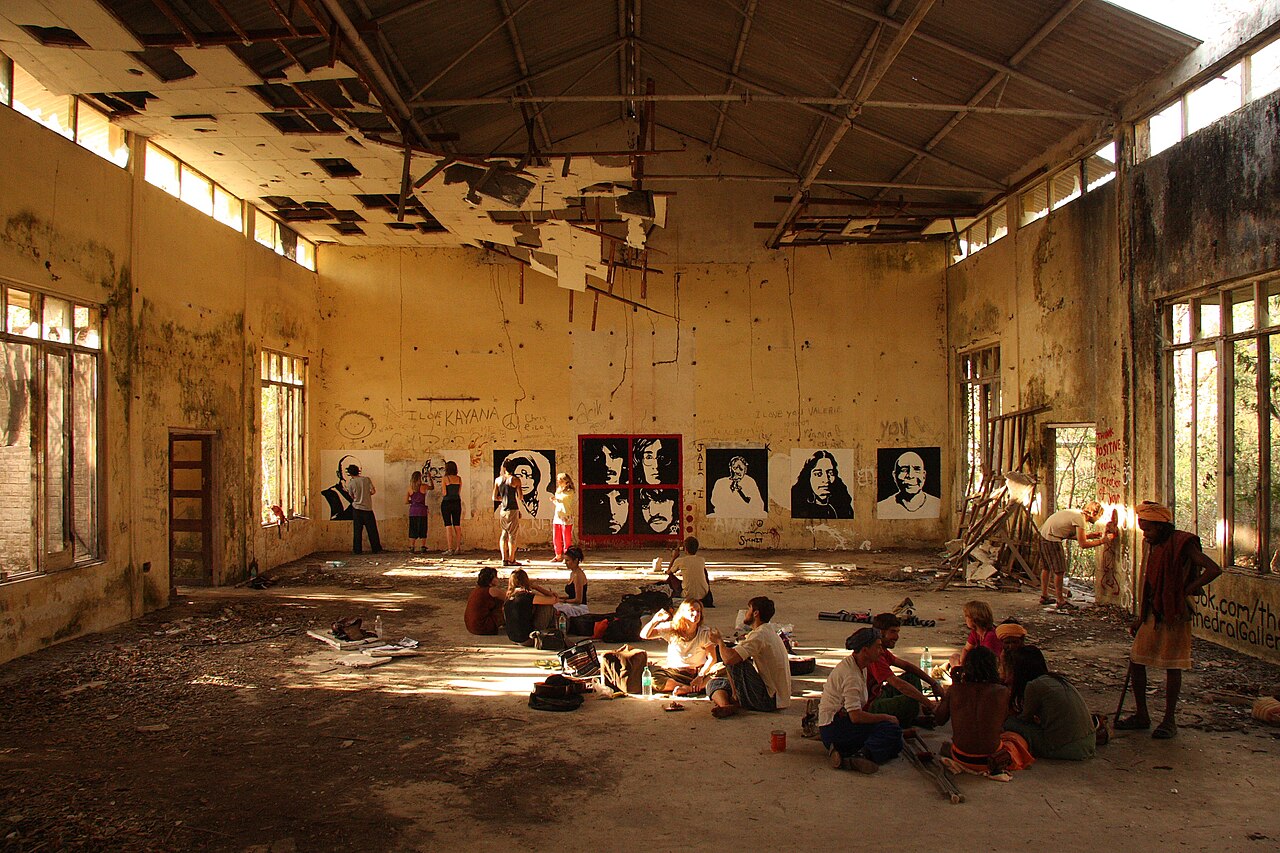
Beatles Ashram
Heritage · 4 km · about 15 min by road
 #2 in RishikeshFree entry
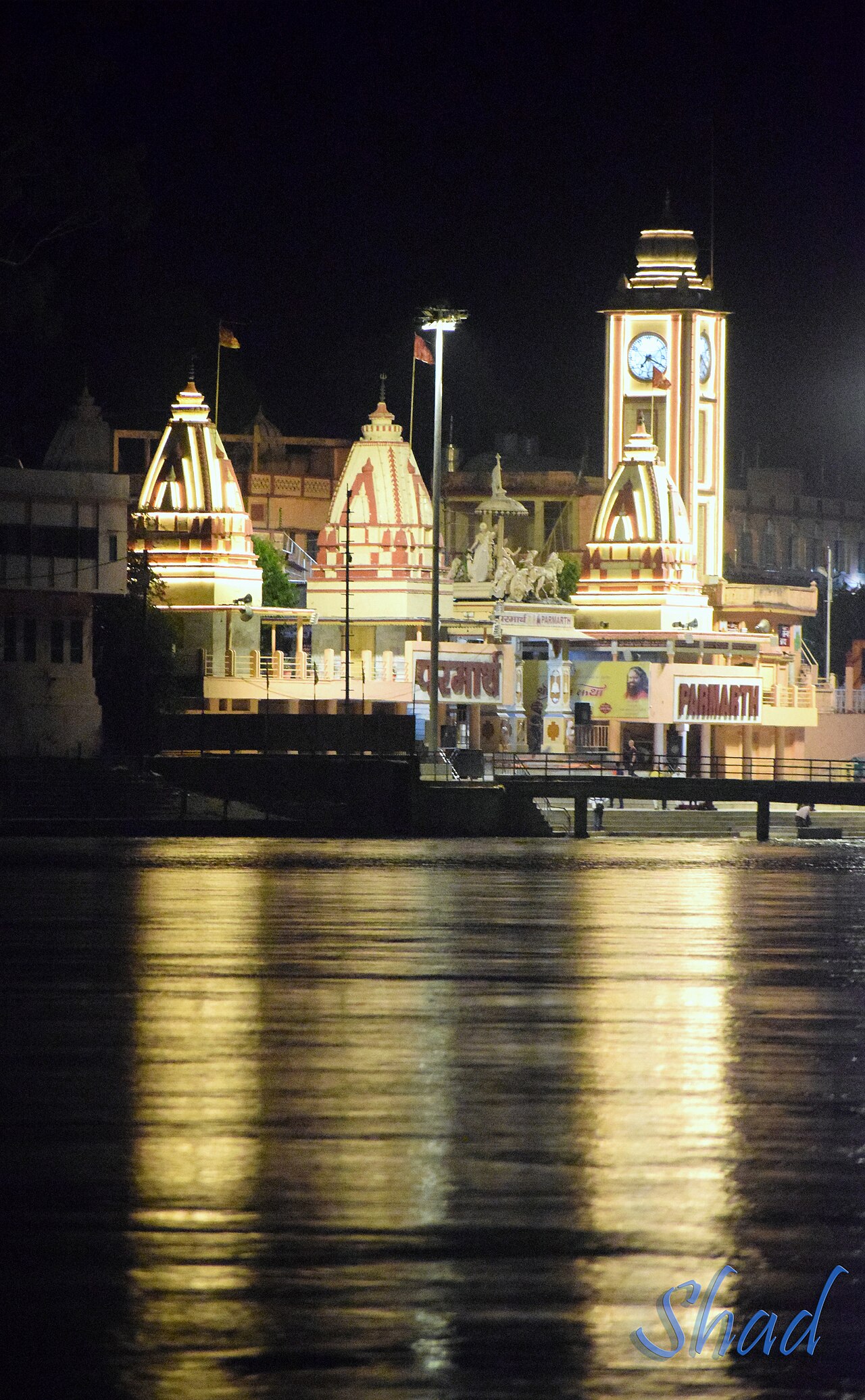
Parmarth Niketan Ashram & Ganga Aarti
Temple · 5 km · about 15 min by road
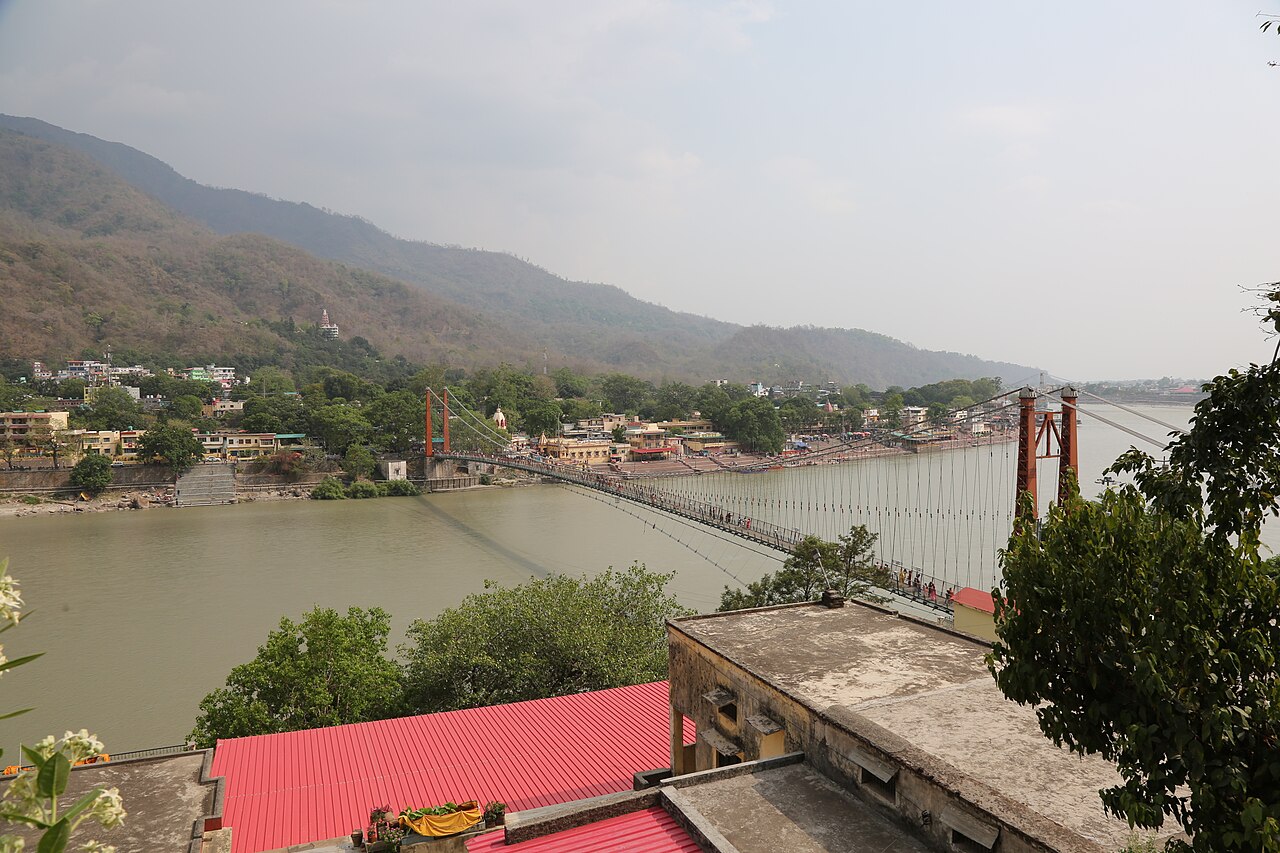 #1 in RishikeshFree entry
Ram Jhula
Temple · 5 km · about 15 min by road