
Rajaji National Park
#4of 6 places to visit in RishikeshRishikesh, Uttarakhand
Also known as Rajaji Tiger Reserve · Chilla Range
Quick answer
Opening hours: 06:00–09:00 and 14:30–17:30. Entry: ₹200 Indian · ₹800 foreign. Allow 3 hrs.
Updated · Compiled by Traveliac, AI-assisted · 4 min read
- Opening hours
- 06:00–17:30
- Two safari slots daily in season: a morning slot from approximately 06:00–09:00 and an afternoon slot from approximately 14:30–17:30, adjusted for sunset. Booking through the forest department counter or an approved operator is required; self-drive entry is not permitted.
- Entry fee
- ₹200 Indian
- Ticket from
- Time needed
- 3 hrs
- Best months
- Feb – May, Sep – Nov
- Address
- Chilla Range, Rajaji Tiger Reserve, Rishikesh–Haridwar road, Uttarakhand 249201
About Rajaji National Park
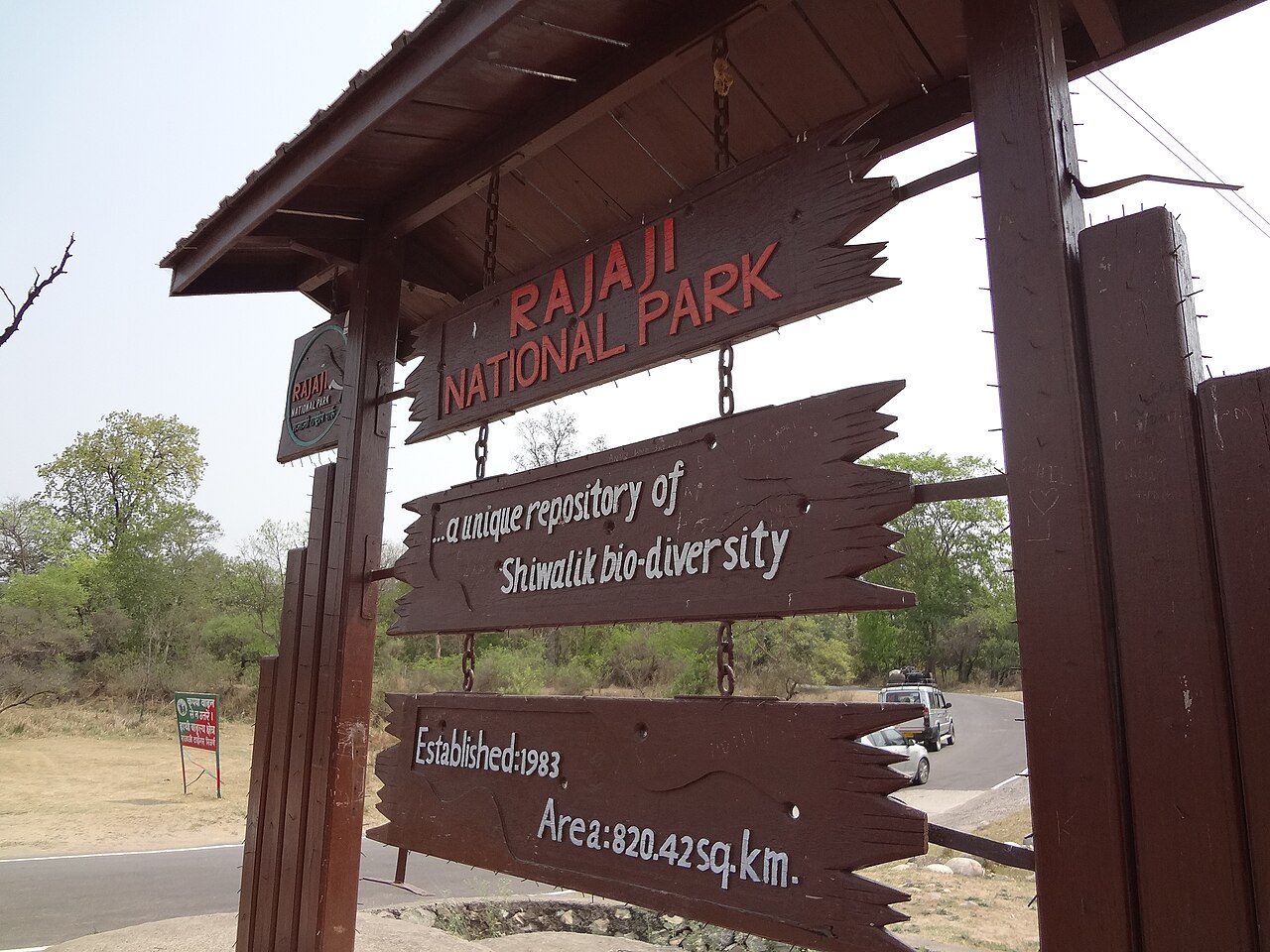
Rajaji National Park's Chilla range forms the closest safari gateway to Rishikesh, roughly 8 kilometres from town on the road toward Haridwar, inside the wider 820-square-kilometre Rajaji Tiger Reserve. The reserve took its current form in 1983, when Uttar Pradesh's forest department merged three adjoining sanctuaries — Chilla, Motichur, and the original Rajaji sanctuary notified in 1948 — into a single national park, later upgraded to tiger reserve status in 2015. The Ganga physically splits the reserve into two blocks, and Chilla's riverine forest and elephant grass meadows on the eastern side hold Asian elephants at some of the highest densities anywhere in Uttarakhand, alongside a recovering tiger population, leopards, sambar deer, and gharials basking in the river's calmer channels.
Rajaji National Park timings
Rajaji National Park is open 06:00–09:00 and 14:30–17:30. Those hours hold on Saturday and Sunday too.
- Opening hours
- 06:00–17:30
Mon–Sun 06:00–09:00 and 14:30–17:30 - Two safari slots daily in season: a morning slot from approximately 06:00–09:00 and an afternoon slot from approximately 14:30–17:30, adjusted for sunset. Booking through the forest department counter or an approved operator is required; self-drive entry is not permitted.
- Closed on
- Open every day
Good to know: The park is open for safaris roughly 15 November to 15 June. It closes for the monsoon and the elephant and tiger breeding season from mid-June to mid-November, when tracks become impassable and wildlife movement patterns shift; exact opening and closing dates are set annually by the Uttarakhand Forest Department — verify before planning a trip near either edge of the season.
Opening hours compiled from uttarakhandtourism.gov.in and public records, last updated . They change without notice — confirm before you travel. How we write these guides
Rajaji National Park ticket price
| Ticket | Price |
|---|---|
| Indian visitors | ₹200 |
| Foreign visitors | ₹800 |
| Children | ₹100 |
| Camera | Free |
Approximate per-person entry rates; a jeep (up to 6 people) additionally costs roughly ₹2,000–3,500 depending on route and duration, and a forest guide is compulsory and charged separately at around ₹300–500. Still photography is typically included in entry; video cameras may carry an extra charge. As of 2026, these figures could not be independently confirmed against a live fee schedule for this guide — verify exact rates at the Chilla range booking counter or through a Rishikesh-based operator before travelling.
Prices compiled from uttarakhandtourism.gov.in and public records, last updated . They change without notice — confirm before you travel. How we write these guides
Best time to visit Rajaji National Park
- Quiet
- Moderate
- Busy
06:00 – 09:00
Morning safari slot
The most sought-after slot, with jeeps queuing at the gate from before opening. Wildlife activity is highest and demand for bookings is correspondingly heaviest, especially just after the November reopening.
Busy09:00 – 14:00
Midday closureBest time to go
No safaris run during this window. The gate area is quiet aside from staff and pending afternoon-slot bookings.
Quiet14:30 – 17:30
Afternoon safari slot
A second, generally less crowded safari window. Wildlife is less active in the afternoon heat but the light for photography improves toward the last hour.
ModerateMid-June – mid-November
Monsoon closure
The park is closed to all safaris for the monsoon and breeding season. The gate area sees only forest department staff and maintenance activity.
Quiet
History of Rajaji National Park
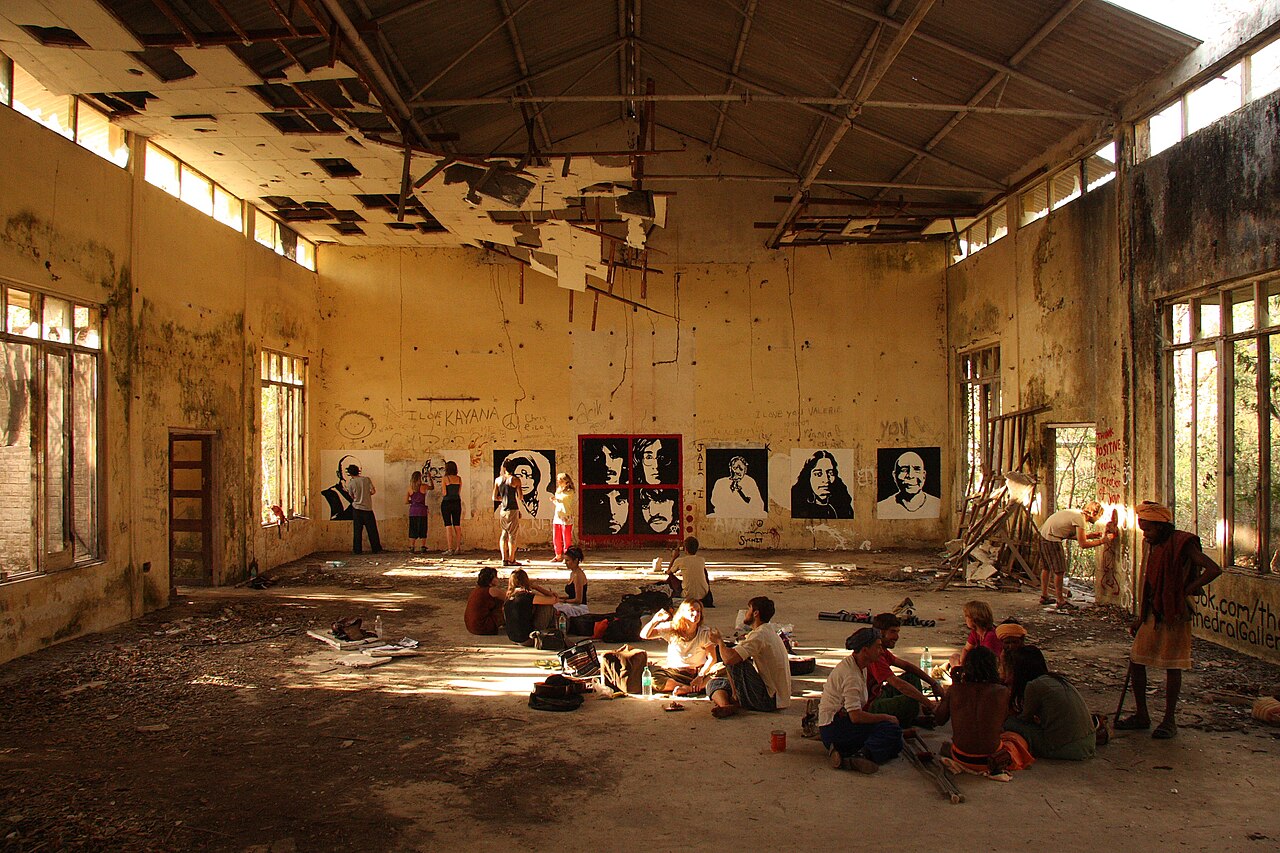
The forest tract that became Chilla range was first protected as its own wildlife sanctuary in the years around India's independence, part of a wider effort by the then-united Uttar Pradesh forest administration to formalise protection across the Shivalik foothill forests bordering the Ganga. That protection remained fragmented across three separate sanctuaries — Chilla, Motichur, and Rajaji — until 1983, when they were consolidated into a single Rajaji National Park spanning both banks of the river. Tiger reserve status, granted in 2015, brought a more rigorous anti-poaching and habitat-monitoring regime to the combined area and formal recognition of its role as a corridor connecting the Shivalik elephant population to the much larger habitat around Corbett Tiger Reserve further east, one of India's most significant remaining elephant migration routes. Chilla range's proximity to Rishikesh also places it directly around the former Maharishi Mahesh Yogi ashram now known as Beatles Ashram, itself managed as part of the reserve's buffer zone and a reminder that the park's boundary sits far closer to the town's ashrams and ghats than most visitors expect.
Rules & etiquette at Rajaji National Park
Safari entry to Chilla range is only permitted through a booked forest department jeep with an assigned guide; self-driving or walking beyond the designated gate and rest-point areas is not allowed anywhere inside the reserve. Vehicles are required to stay on marked tracks, switch off engines when stopped near wildlife, and keep noise, including loudspeakers and ringtones, to a minimum throughout the safari. Visitors should not exit the vehicle except at designated stops, both for safety around elephants, which can behave unpredictably at close range, and to avoid disturbing the habitat. Feeding any animal, including monkeys near the gate, is prohibited, and plastic bottles or wrappers should be carried back out rather than discarded on the track.
Tips for visiting Rajaji National Park
- 1
Booking a day or two ahead through a Rishikesh-based operator or directly at the Chilla range counter is worth doing in the weeks immediately after the mid-November reopening, when demand from both domestic and foreign visitors is highest after the long monsoon closure. Mornings run cold even when Rishikesh itself is warm, since open jeeps expose passengers to the full chill of the river valley air before sunrise; a proper jacket matters more than it looks like it will from town. Binoculars improve the experience considerably, particularly for spotting gharials basking on the Ganga's mid-channel sandbanks, a sighting the safari track passes directly alongside at one point. Visitors with only a few hours free can combine an early safari slot with a same-morning stop at Beatles Ashram, itself inside the reserve's buffer zone and reached by the same road back toward Rishikesh town.
How to reach Rajaji National Park
The red star is Rajaji National Park; the numbered pins are the 5 nearest places in our guides, each showing its rank in its city. Tap a pin for details.
Chilla Range, Rajaji Tiger Reserve, Rishikesh–Haridwar road, Uttarakhand 249201Directions in Google Maps
From Rishikesh Bus Stand (ISBT)
₹300–5008 km · 20 min
One-way; often bundled into a safari package
From Lakshman Jhula
₹400–60012 km · 30 min
One-way
From Haridwar Junction
₹400–60015 km · 30 min
One-way
Nearest airport
From Jolly Grant Airport (Dehradun)
approximately 22 km
Nearest railway station
From Rishikesh Railway Station
approximately 8 km; Haridwar Junction – approximately 15 km
Rajaji National Park FAQs
Can I do a self-drive safari at Rajaji National Park's Chilla range?
No. Entry is only permitted in a forest department-booked jeep with an assigned guide. Self-driving or walking beyond the gate and designated rest points is not allowed anywhere inside the reserve.
When is Rajaji National Park closed?
Roughly mid-June to mid-November, covering the monsoon and the elephant and tiger breeding season, when tracks become impassable and wildlife movement patterns shift. Exact dates are set annually by the Uttarakhand Forest Department.
What animals can be seen on a Chilla range safari?
Asian elephants at some of the highest densities in Uttarakhand, a recovering tiger population, leopards, sambar deer, and gharials basking on the Ganga's mid-channel sandbanks, alongside more than 300 recorded bird species across the wider reserve.
How far is Rajaji National Park's Chilla range from Rishikesh?
About 8 kilometres from the Rishikesh bus stand, roughly a 20-minute drive on the road toward Haridwar. It is the closest of the reserve's safari gateways to Rishikesh town.
Compiled with AI assistance from official sources and public records, and published only after the checks in How we write these guides. Nobody from Traveliac has visited this place. Last updated . How we rank and check places
Places to visit near Rajaji National Park
Straight-line distances from our map; times are estimates.
 #3 in Rishikesh
Beatles Ashram
Heritage · 2.0 km · about 32 min walk
 #2 in RishikeshFree entry
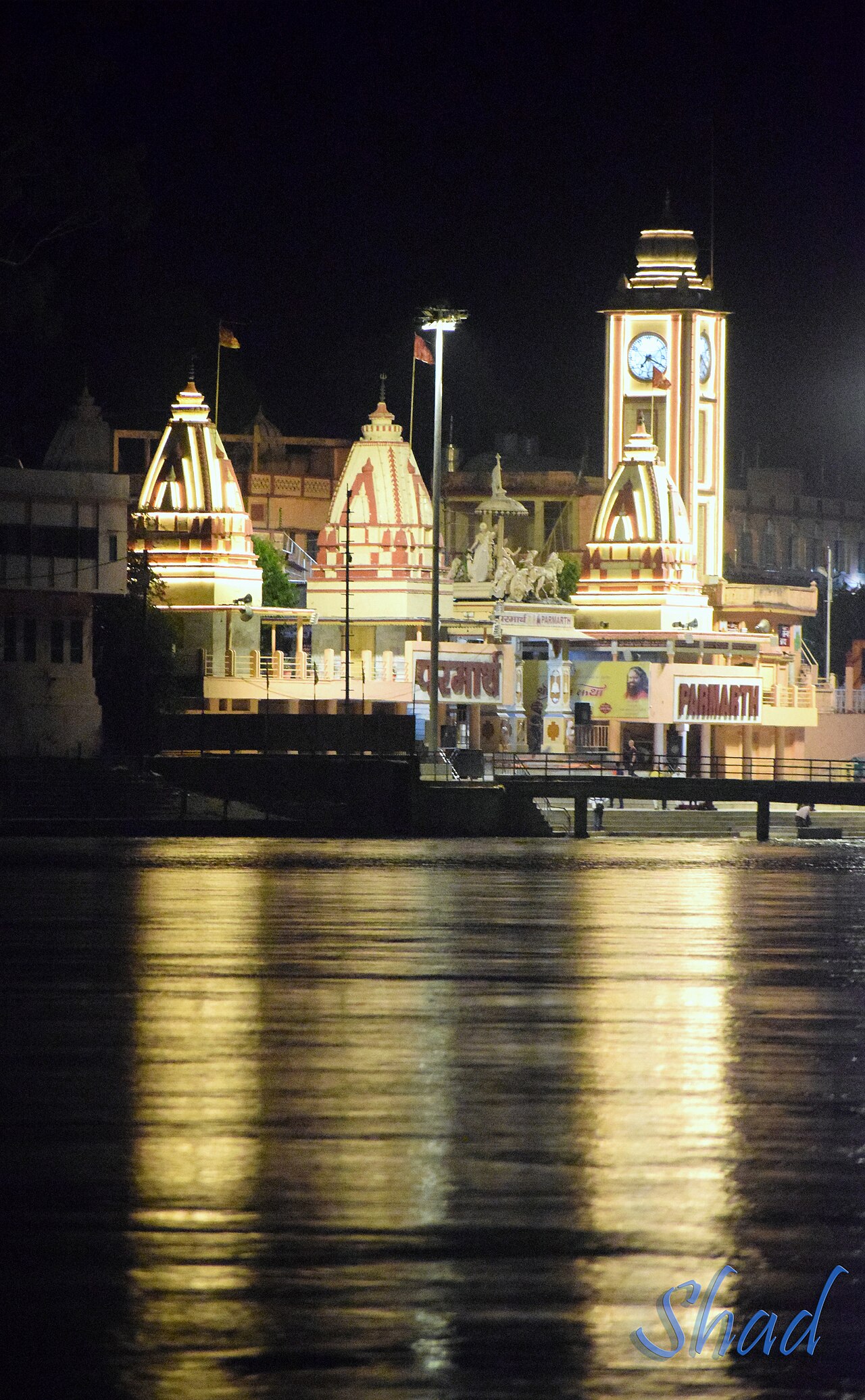
Parmarth Niketan Ashram & Ganga Aarti
Temple · 2.2 km · about 37 min walk
 #1 in RishikeshFree entry
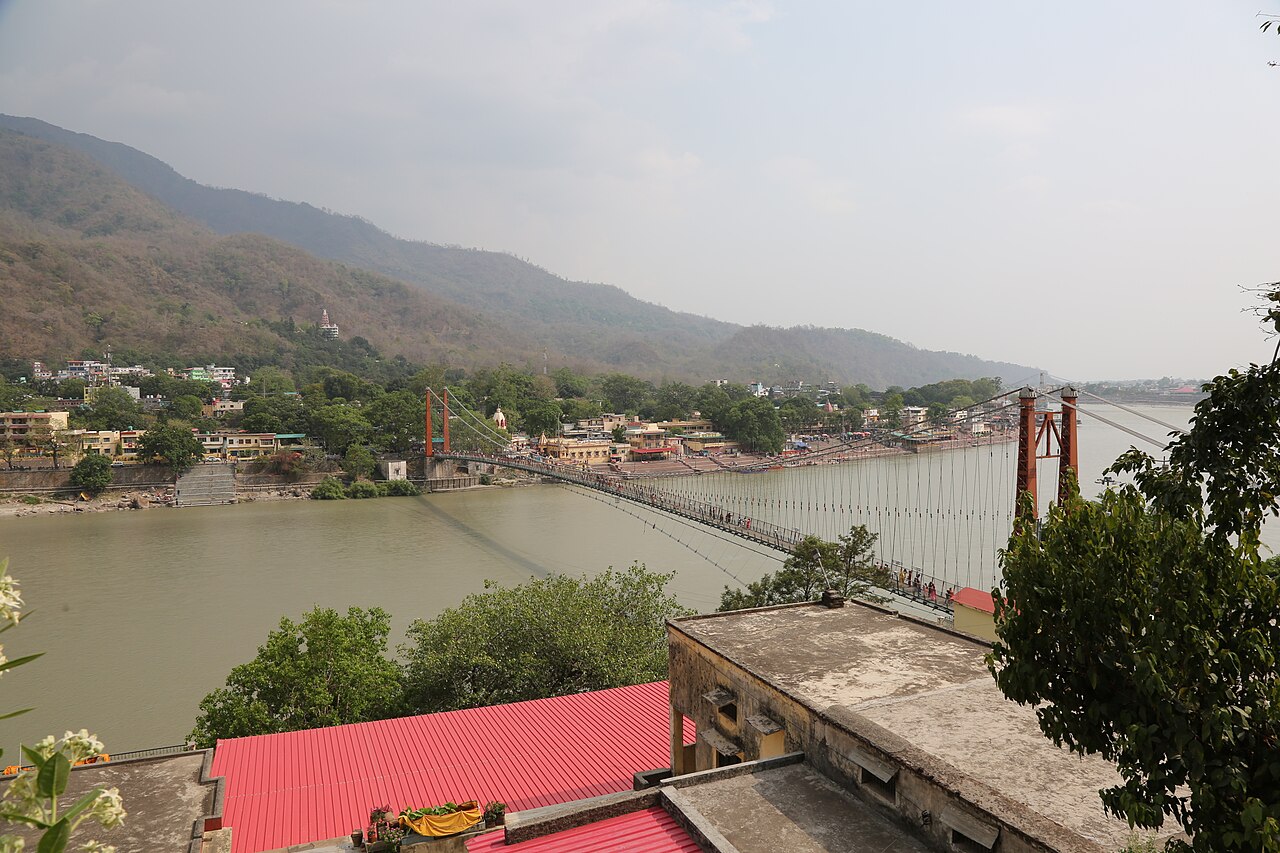
Ram Jhula
Temple · 2.3 km · about 37 min walk
 #6 in RishikeshFree entry
Neelkanth Mahadev Temple
Temple · 3 km · about 10 min by road