
Ram Jhula
#1of 6 places to visit in RishikeshRishikesh, Uttarakhand
Also known as Shivanand Jhula · Ram Jhoola
Quick answer
Opening hours: 05:00–21:00. Entry is free. Allow 20 min. Best time: During normal operation.
Updated · Compiled by Traveliac, AI-assisted · 4 min read
- Opening hours
- 05:00–21:00
- When operational, pedestrian access runs dawn to late evening, approximately 05:00–21:00, unstaffed and ungated.
- Entry fee
- Free
- Time needed
- 20 min
- Best time of day
- During normal operation
- Best months
- Feb – May, Sep – Nov
- Address
- Ram Jhula, Swarg Ashram, Rishikesh, Uttarakhand 249304
About Ram Jhula
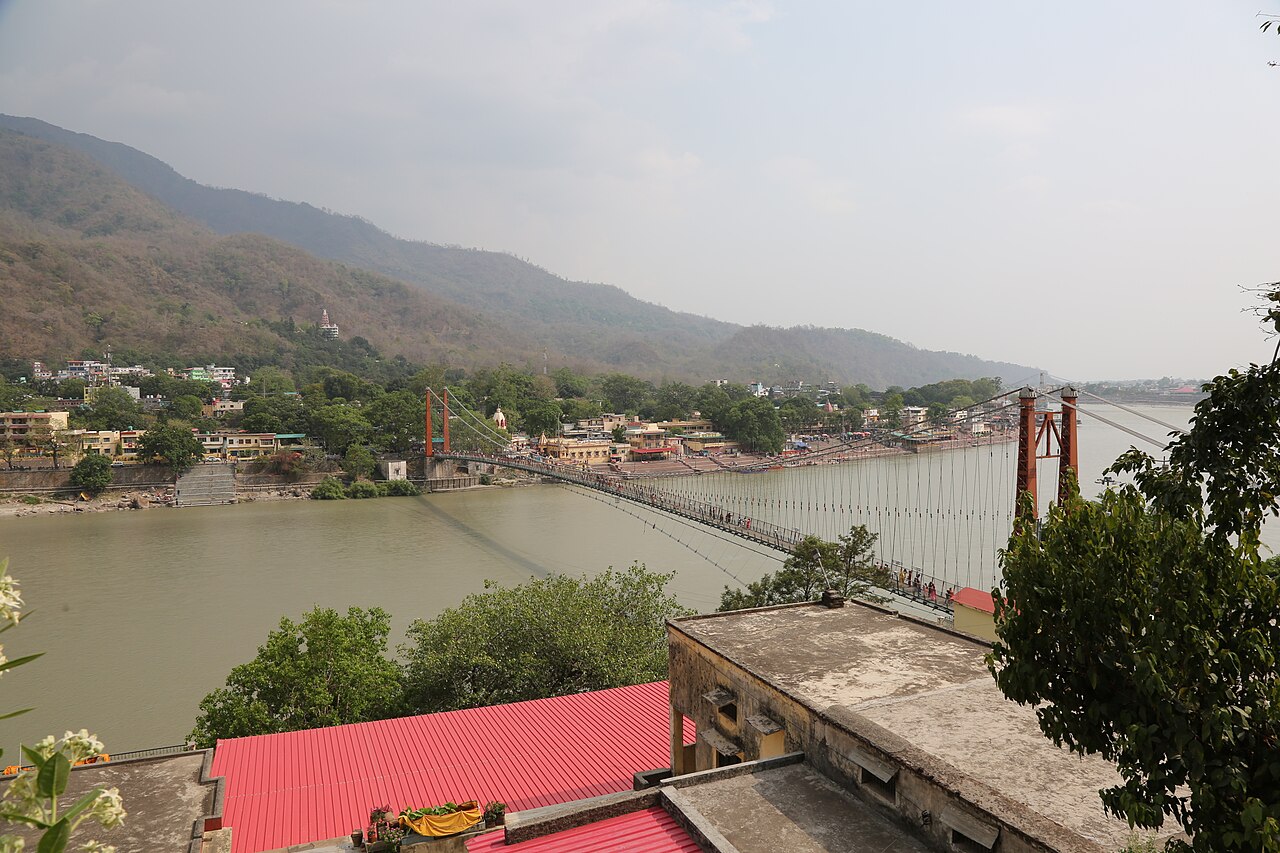
Ram Jhula carries pedestrians 230 metres across the Ganga on a galvanised iron suspension deck completed in 1986, a generation after its older, more photographed neighbour Lakshman Jhula three kilometres downstream. The bridge links Sivanand Nagar on the Tehri Garhwal bank to the ashram quarter of Swarg Ashram on the Pauri Garhwal side, and its lower, flatter arc across the river makes it noticeably steadier underfoot than Lakshman Jhula's springier deck ever was. As of 2026, Ram Jhula is closed to the public: Uttarakhand's public works department shut the bridge in 2025 for a structural revamp costing an estimated ₹10 crore, with the work expected to run for about a year. Confirm the bridge's status locally before planning a crossing around it.
Best time of day: During normal operation. 06:00–08:00 for calm river light or 17:30–19:00 for sunset over the Shivalik foothills. During the current closure, either bank at dusk still gives an unobstructed view of the span itself.
Ram Jhula timings
Ram Jhula opens at 05:00 and closes at 21:00. The weekend is no different: Saturday and Sunday follow the same times.
- Opening hours
- 05:00–21:00
Mon–Sun 05:00–21:00 - When operational, pedestrian access runs dawn to late evening, approximately 05:00–21:00, unstaffed and ungated.
- Closed on
- Open every day
Good to know: Closed since 2025 for a structural revamp: Uttarakhand's public works department shut Ram Jhula for repairs estimated at ₹10 crore, with the work expected to run for about a year. Confirm current status locally before routing a visit around it, as of 2026.
Opening hours compiled from uttarakhandtourism.gov.in and public records, last updated . They change without notice — confirm before you travel. How we write these guides
Ram Jhula ticket price
| Ticket | Price |
|---|---|
| Indian visitors | Free |
| Foreign visitors | Free |
| Children | Free |
| Camera | Free |
Crossing is free whenever the bridge is open to pedestrians. As of 2026 the bridge itself is closed for structural repair (see timings), and boatmen operating a short ferry crossing nearby charge ₹20–30 per person as an alternative — agree the fare before boarding, as it is not metered.
Prices compiled from uttarakhandtourism.gov.in and public records, last updated . They change without notice — confirm before you travel. How we write these guides
Best time to visit Ram Jhula
- Quiet
- Moderate
- Very busy
05:30–07:30
Dawn ghat activityBest time to go
Early risers head to the Swarg Ashram ghats for morning puja. The closed bridge approach is quiet; boatmen begin their first crossings of the day.
Quiet08:00–11:00
Morning boat crossings
Ashram residents and day visitors use the boat shuttle or the Lakshman Jhula detour. Vendors on both approach roads set up for the day.
Moderate17:00–19:30
Ganga Aarti at Parmarth Niketan
Crowds gathering for the evening aarti at the adjacent ghat spill onto the barricaded bridge approach. This is the busiest period at the site despite the bridge itself being shut.
Very busy19:30–21:00
Evening wind-down
Crowds disperse quickly once the aarti ends. The approach roads empty out and the closed bridge is silent under floodlighting from the ghat.
Quiet
History of Ram Jhula
Sivanand Nagar and Swarg Ashram existed as separate riverbank settlements for decades before any fixed crossing joined them, pilgrims and ashram residents relying on ferrymen to cross the Ganga at this bend of the river. Uttar Pradesh's public works department — Uttarakhand remained part of Uttar Pradesh until 2000 — built the iron suspension bridge in 1986, borrowing its design and cable-suspension method directly from Lakshman Jhula upstream, which had stood since 1929. The name Shivanand Jhula appears on older maps and in some local usage, a reference to the Sivananda Ashram at the bridge's western foot, though Ram Jhula is the name almost everyone in Rishikesh actually uses. For nearly four decades the bridge carried a mix of pedestrians, bicycles, and — increasingly — motorcycles, whose accumulated weight and vibration engineers cited as a factor in the deck's deterioration. Two-wheelers were restricted from crossing by 2023, leaving only foot traffic, which proved insufficient to halt the structural decline that led to the 2025 closure and the current renovation programme.
Rules & etiquette at Ram Jhula
Ram Jhula's 2025–26 closure means the bridge itself carries no rules for visitors beyond staying clear of the barricaded approach ramps on both banks, which are fenced and monitored by PWD staff. Sadhus and vendors who previously worked the bridge deck have relocated to the approach roads on both sides, where the same etiquette that applies at Lakshman Jhula holds: a firm, polite decline works better than a lengthy exchange with anyone soliciting donations. The Swarg Ashram side, reached by walking the longer route via Lakshman Jhula or by the short boat crossing, keeps the same dress and conduct expectations as the rest of Rishikesh's ashram quarter — modest clothing, no alcohol, no meat, and quiet outside the ashrams' own courtyards. Boatmen running the informal shuttle near the closed bridge should be asked their fare before boarding, not after.
Tips for visiting Ram Jhula
- 1
Ram Jhula's closure has pushed almost all foot traffic between the two banks onto Lakshman Jhula, which now carries noticeably heavier crowds at peak hours than it did before 2025 — cross before 08:00 or after 19:00 to avoid the overflow. Boatmen at the Ram Jhula ghat on the Swarg Ashram side still run short crossings for ₹20–30 per person and are faster than the detour on foot. Parmarth Niketan's ghat and evening Ganga Aarti sit directly beside the bridge's eastern approach and remain fully open regardless of the bridge's status, making the walk out here still worthwhile. Photographers should note that the closed, empty bridge deck, visible from either bank, makes an unusually clean and uncluttered subject that the crowded pre-2025 bridge never offered.
How to reach Ram Jhula
The red star is Ram Jhula; the numbered pins are the 5 nearest places in our guides, each showing its rank in its city. Tap a pin for details.
Ram Jhula, Swarg Ashram, Rishikesh, Uttarakhand 249304Directions in Google Maps
From Rishikesh Railway Station
₹60–1004 km · 15 min
Negotiated, to the Swarg Ashram approach
From Rishikesh Bus Stand (ISBT)
₹15–203.5 km · 12 min
Per person
From Haridwar Junction
₹40–6026 km · 55 min
Shared jeep) + ₹60–100 (auto
Nearest airport
From Jolly Grant Airport (Dehradun)
38 km northwest
Nearest railway station
From Rishikesh Railway Station
4 km; Haridwar Junction – 26 km
Ram Jhula FAQs
Is Ram Jhula open to cross in 2026?
No. Ram Jhula has been closed since 2025 for a structural revamp estimated at ₹10 crore, with the work expected to take about a year. Verify the bridge's status locally, since reopening dates for infrastructure projects in Rishikesh commonly slip.
How do I get between the two banks near Ram Jhula while it is closed?
Boatmen at the Swarg Ashram ghat run a short paid crossing for ₹20–30 per person. The alternative is walking or taking an auto-rickshaw via Lakshman Jhula, roughly three kilometres downstream, which remains fully open to pedestrians.
What is the difference between Ram Jhula and Lakshman Jhula?
Lakshman Jhula, three kilometres downstream, was first built in 1929 and its 2023 replacement is currently the only open pedestrian crossing of the two. Ram Jhula was built later, in 1986, with a longer 230-metre span, and has been closed since 2025 for repair.
Is there a fee to use the boat crossing near Ram Jhula?
Yes. Boatmen charge ₹20–30 per person for the short crossing, payable directly and negotiated before boarding. There is no fixed or metered rate, and prices can rise during festival periods.
Compiled with AI assistance from official sources and public records, and published only after the checks in How we write these guides. Nobody from Traveliac has visited this place. Last updated . How we rank and check places
Places to visit near Ram Jhula
Straight-line distances from our map; times are estimates.
 #2 in RishikeshFree entry
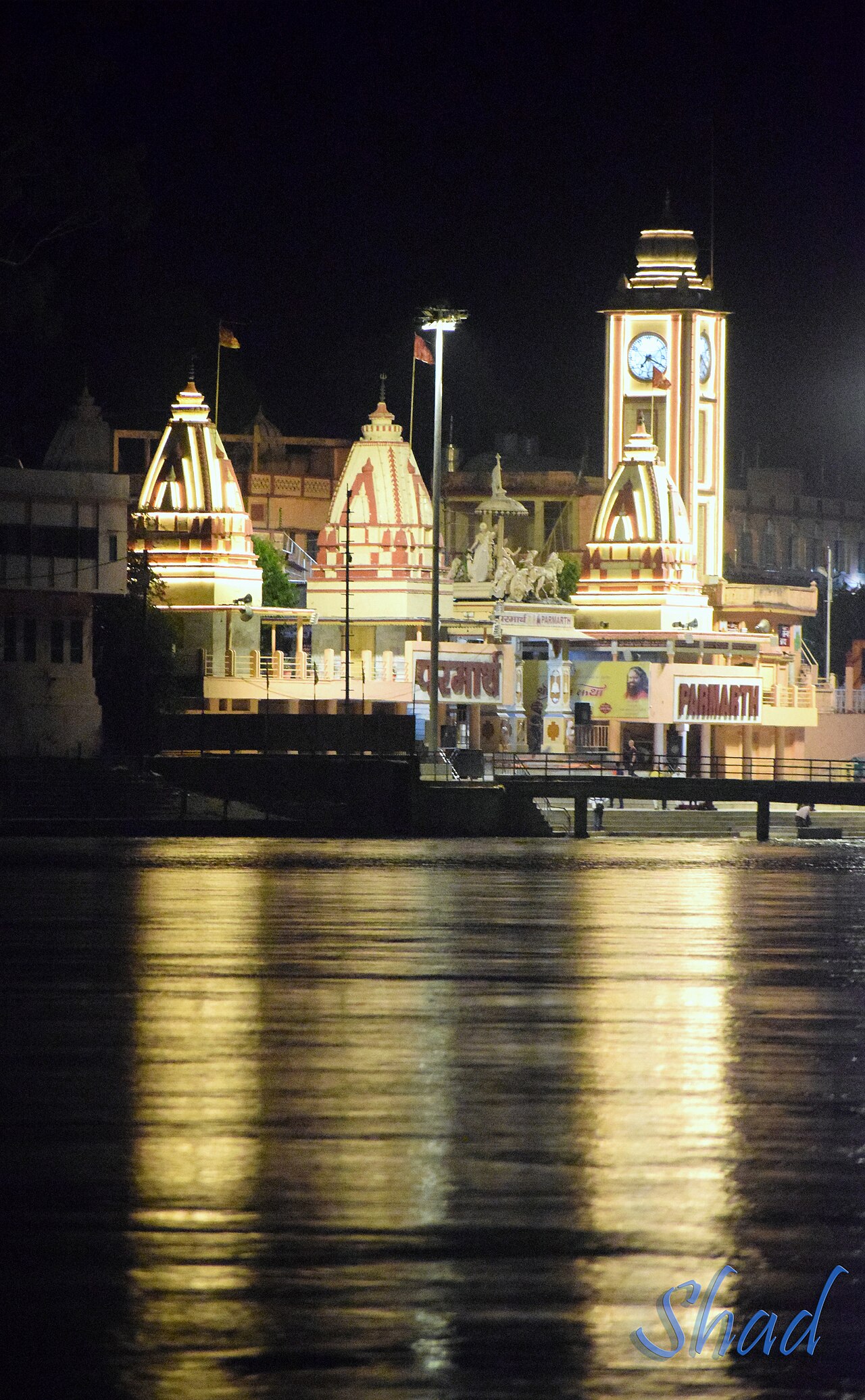
Parmarth Niketan Ashram & Ganga Aarti
Temple · 500 m · about 8 min walk
 #3 in Rishikesh
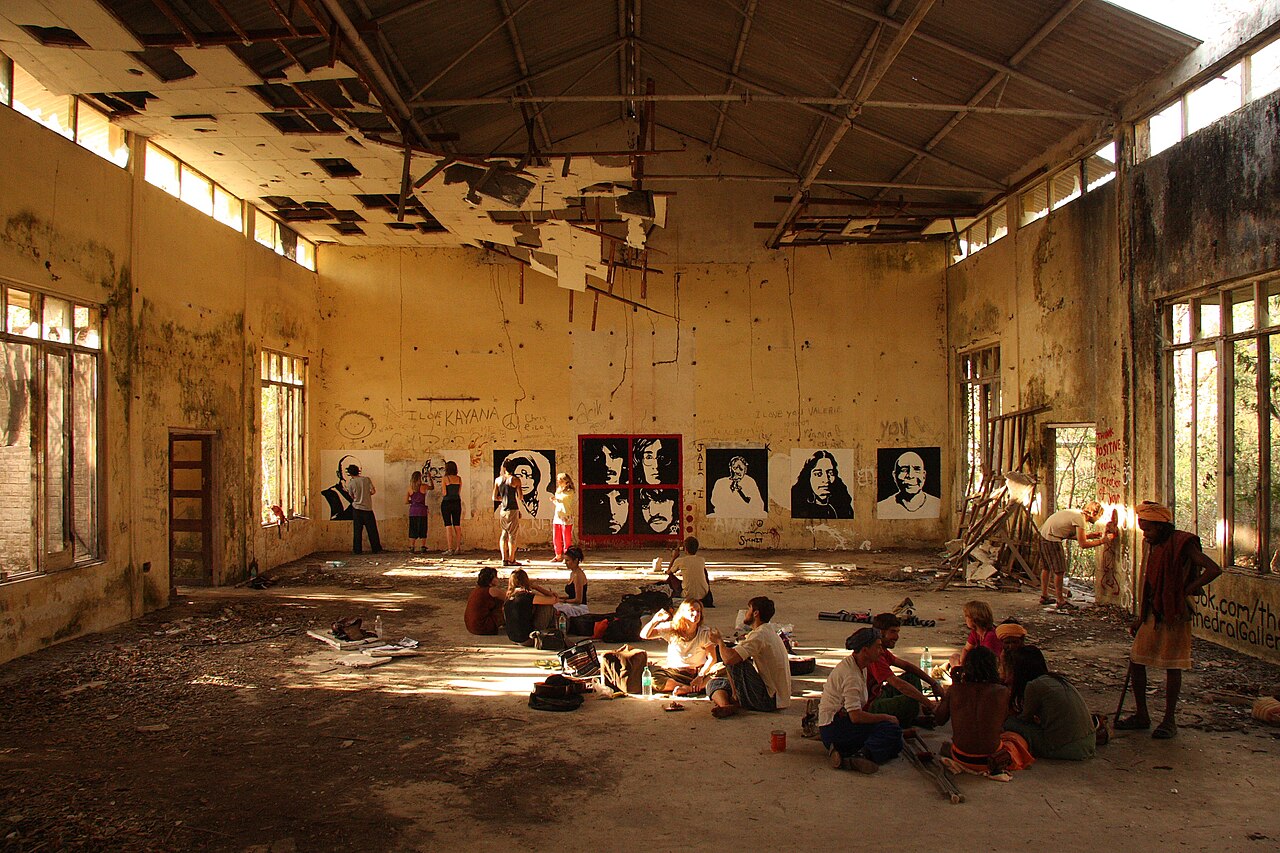
Beatles Ashram
Heritage · 1.5 km · about 25 min walk
 #4 in Rishikesh
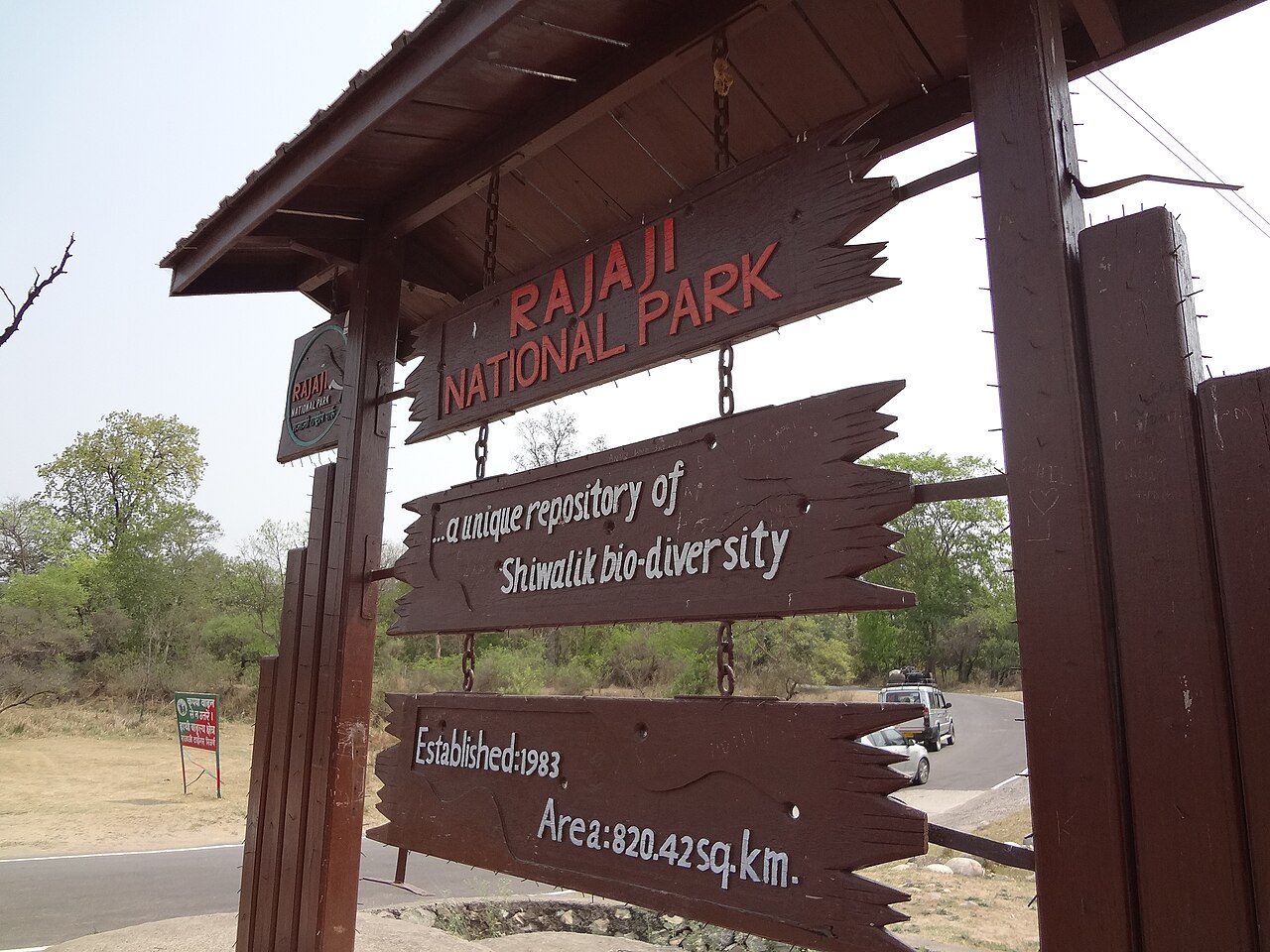
Rajaji National Park
Wildlife · 2.3 km · about 37 min walk
 #6 in RishikeshFree entry
Neelkanth Mahadev Temple
Temple · 5 km · about 15 min by road