
Punjab travel guide
6 Places to Visit in Amritsar
Also known as Ramdaspur · Ambarsar
Amritsar, founded in 1577 on land purchased by Guru Ram Das from the local zamindars for 700 rupees, is the spiritual capital of Sikhism and one of the most emotionally charged cities in the Indian subcontinent.
Updated ·Compiled by Traveliac, AI-assisted ·How we rank
- Best time
- Oct – Mar
- Time needed
- About 2 days
- 14 hours of sightseeing
- Fly into
- ATQ
- Nearest station
- Amritsar Junction
- Free to enter
- 4 of 6
Top things to do in Amritsar
Ranked on five published criteria- 1Free entry
Gurdwara
Golden Temple (Sri Harmandir Sahib)
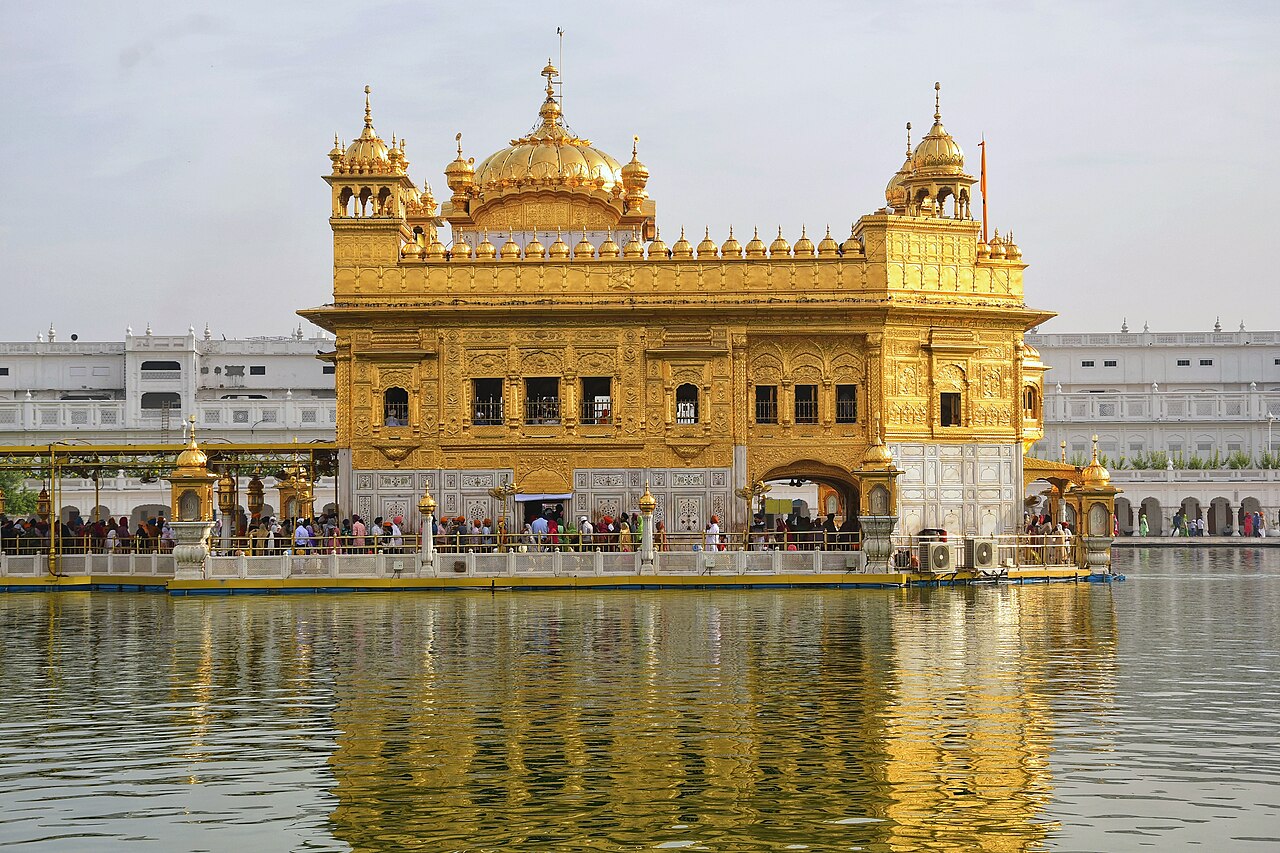
The Golden Temple is not tall, and that is deliberate. It sits below the level of the city around it, so every visitor walks down a flight of steps…
3 hrs
 2Free entry
Memorial
Jallianwala Bagh
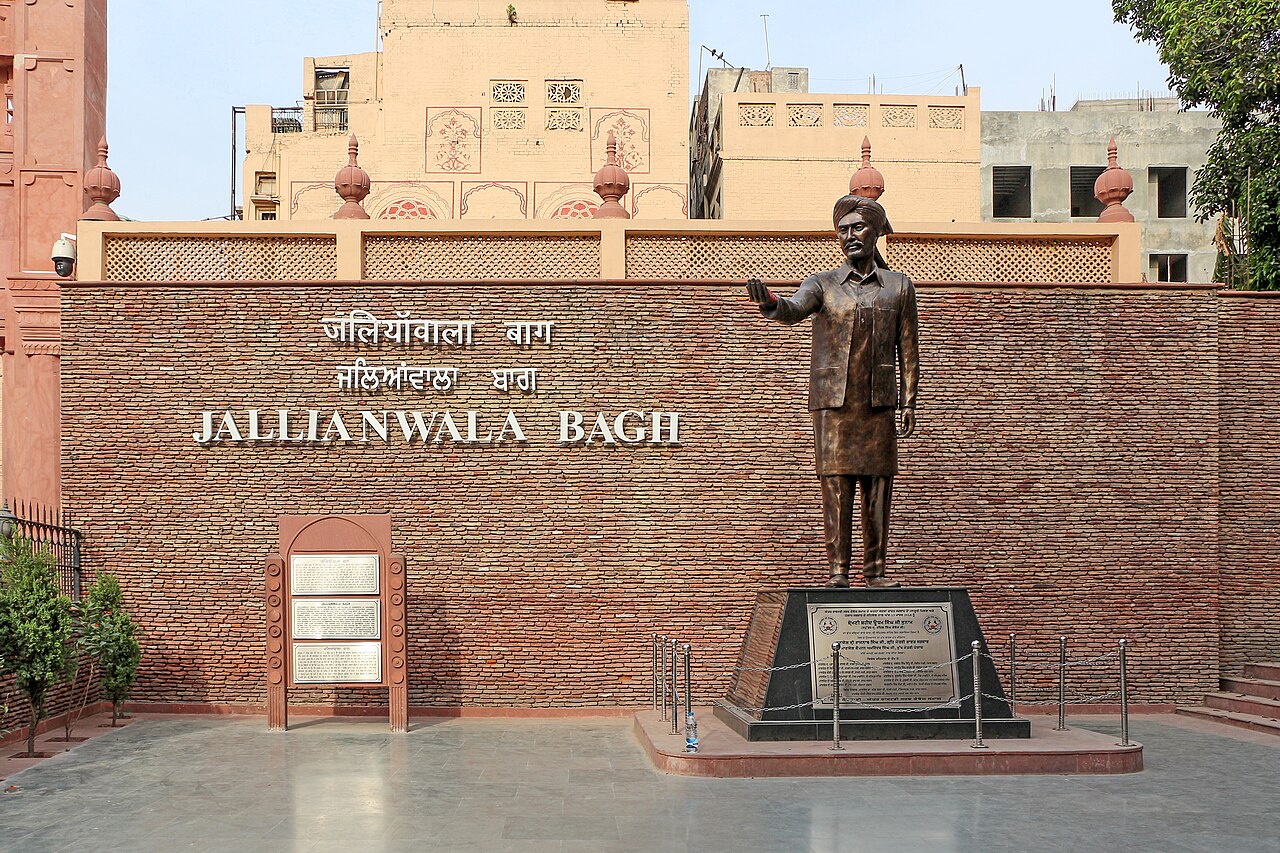
The single detail that makes Jallianwala Bagh affecting rather than merely informative is the entrance itself: a narrow brick lane, barely wide…
45 min
 3Free entry
Heritage
Attari–Wagah Border Ceremony
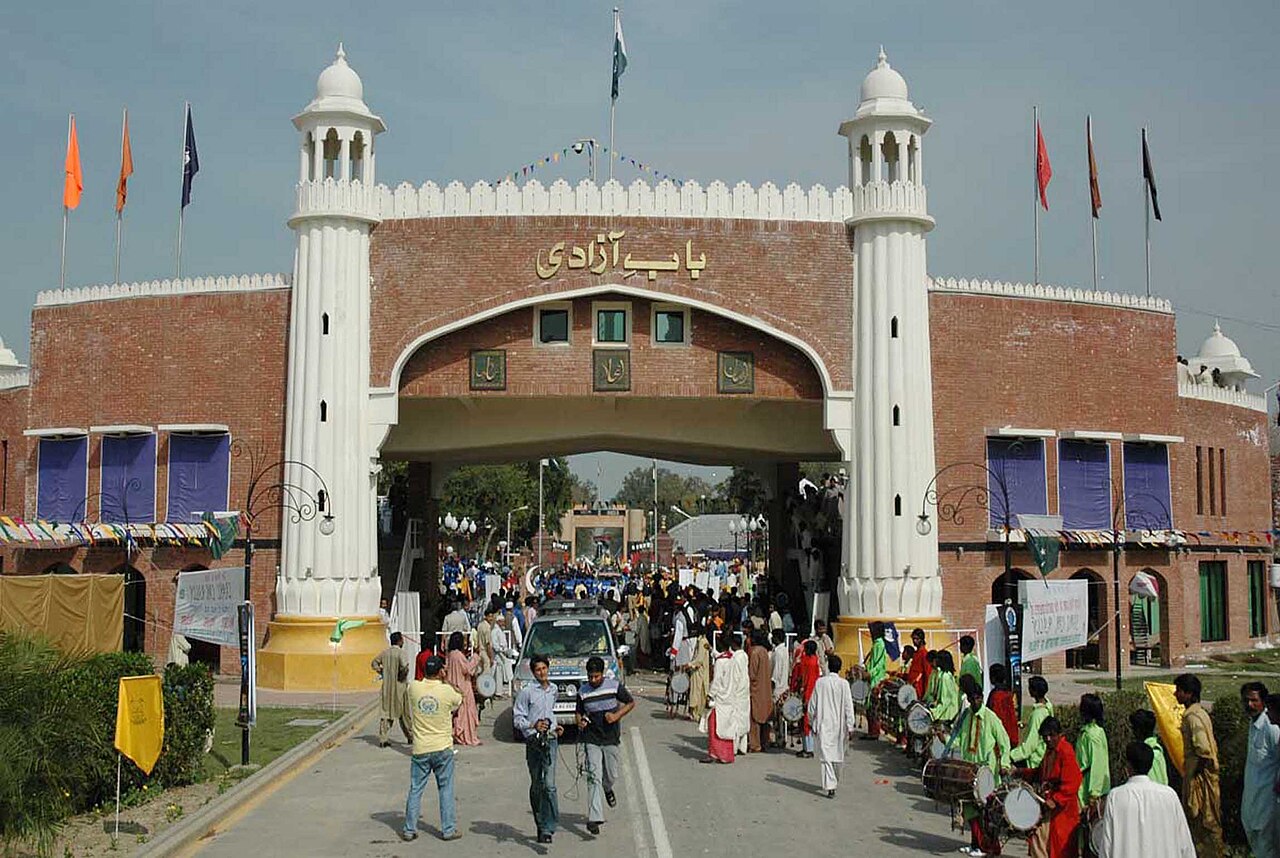
The Beating Retreat at Wagah is a rehearsed piece of military theatre performed nightly by the Border Security Force on the Indian side and the…
3.5 hrs
 4
4Museum
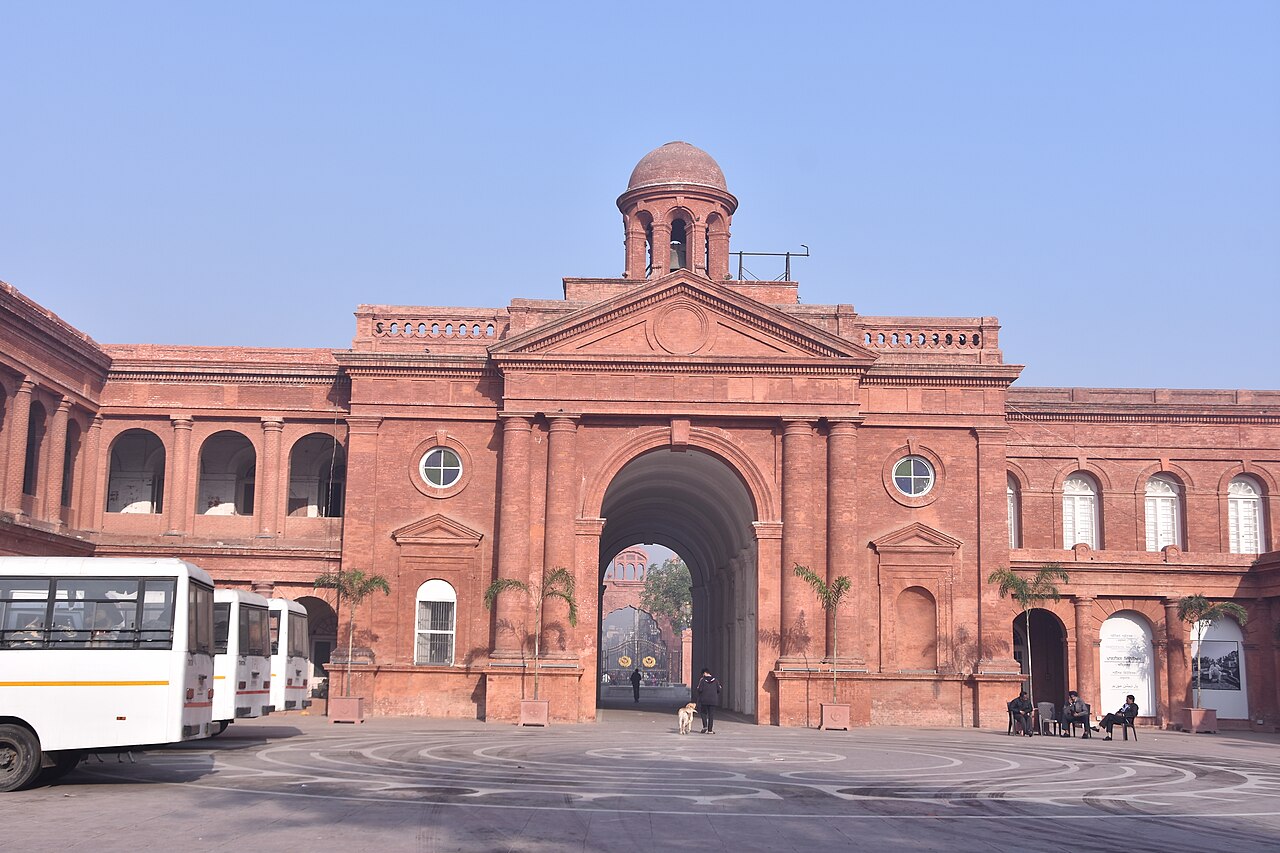
Partition Museum
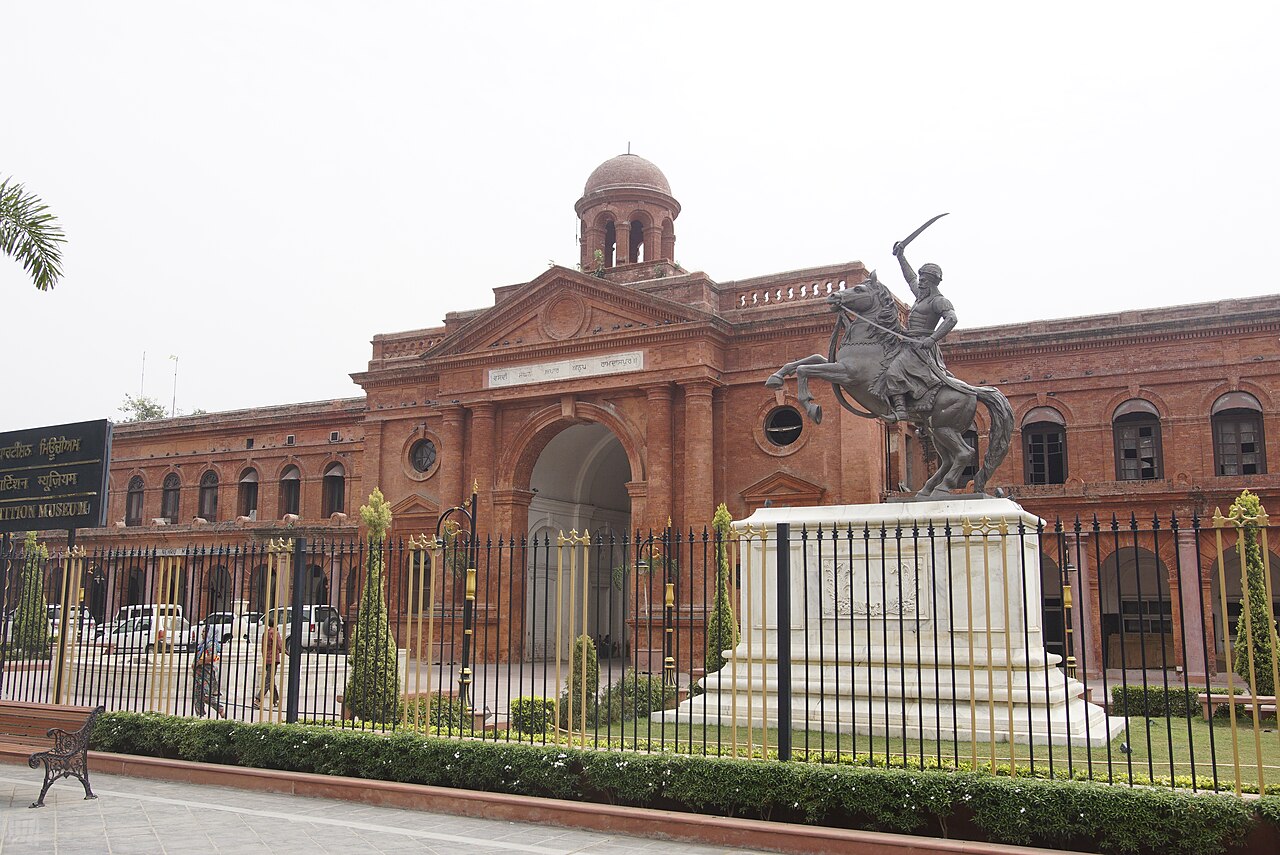
Opened in 2017 inside Amritsar's colonial-era Town Hall, this was the first museum anywhere dedicated specifically to the 1947 Partition of British…
2 hrs₹10 Indian
 5
5Fort
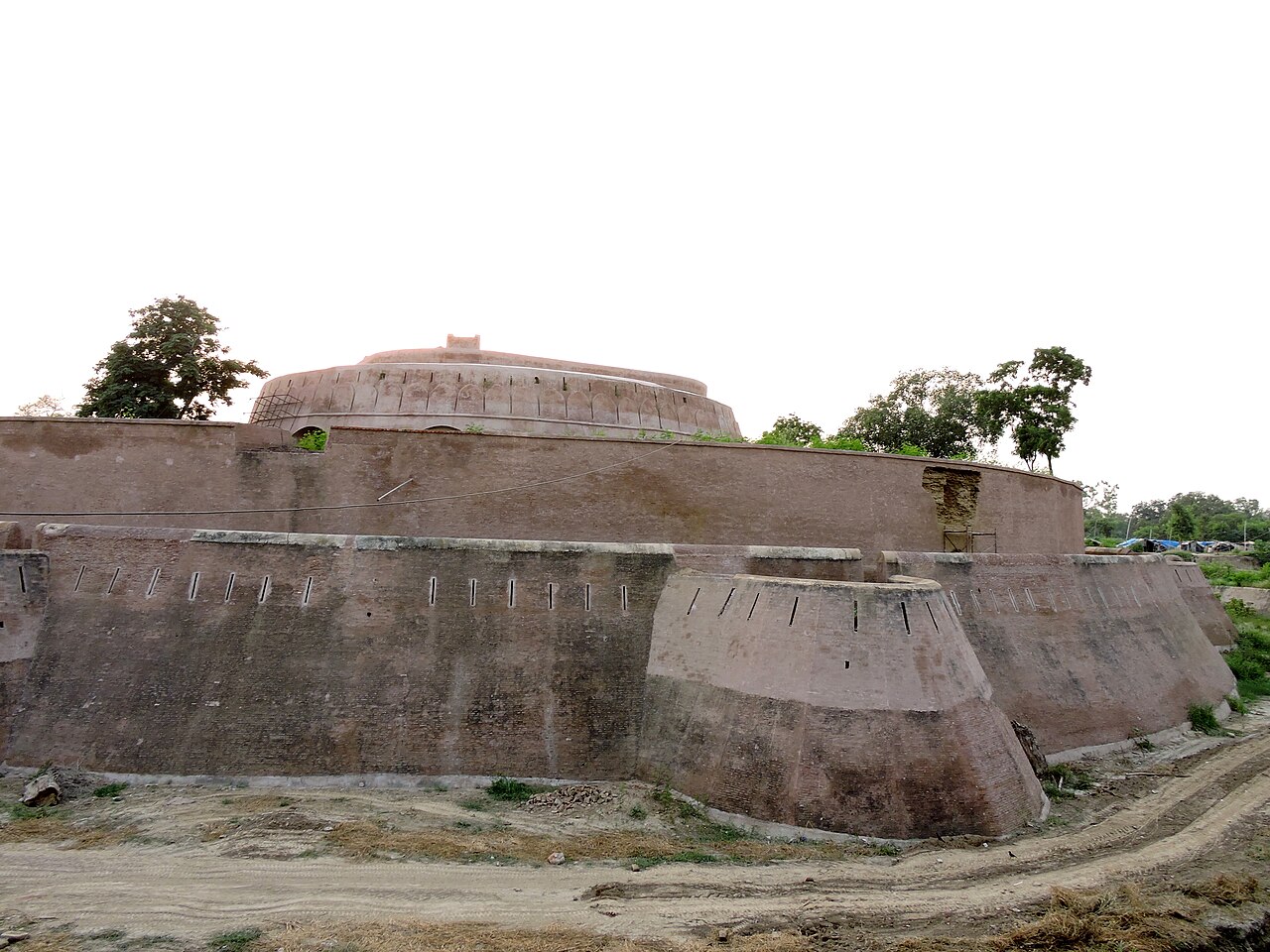
Gobindgarh Fort
Gobindgarh's 43 acres sit almost in the geographic centre of old Amritsar, a fact that surprises visitors expecting a fort on a hilltop or a city…
2.5 hrs₹180 Indian
 6Free entry
Market
Hall Bazaar & Katra Jaimal Singh
Hall Bazaar runs in a fairly straight line from the Mughal-era Gandhi Gate archway, topped with a clock tower carrying the inscription 'Amritsar –…
2 hrs
Map of places to visit in Amritsar
Numbers match the ranking; the top 3 are orange. Tap a pin for its guide.
About Amritsar
The city takes its name from the Amrit Sarovar — the Pool of Nectar — the rectangular sacred tank at its centre, measuring 150 metres by 150 metres, lined with white Makrana marble from Rajasthan, and filled with water channelled from the Ravi River. The Harmandir Sahib, the Golden Temple, floats at the centre of this pool on a 20-metre-square island, connected to the marble circumambulatory walkway by a single causeway of polished white marble.
The city grew outward from this sacred core in concentric rings of bazaar lanes, residential mohallas, and eventually the colonial-era cantonment and railway lines the British imposed from the 1840s. The old city retains its pre-Partition texture with considerable fidelity: lanes too narrow for cars, dhabas operating from ground-floor alcoves, and the constant bass note of kirtan drifting from the Harmandir Sahib's speaker system, audible from a kilometre away at night.
Amritsar's commercial character is dominated by textiles and food. The Katra Jaimal Singh and Hall Bazaar neighbourhoods are wholesale cloth markets with hundreds of shops selling phulkari embroidery, woollen shawls, and synthetic fabric by the metre. The food culture around the Golden Temple is without parallel in India: the Langar Hall inside the complex serves free vegetarian meals to an estimated 50,000–100,000 people daily, cooked by volunteers across three rotating shifts. Outside the temple, the lanes leading to the Ghanta Ghar (Clock Tower) are lined with dhabas serving amritsari kulcha, dal makhani, and lassi in clay pots thick enough to hold a litre.
The city is 28 kilometres from the Pakistan border at Wagah, where the daily flag-lowering ceremony has become one of north India's most reliably dramatic spectacles. Sri Guru Ram Dass Jee International Airport connects directly to Delhi, Mumbai, and several international destinations including Dubai, Toronto, and Birmingham.
Amritsar travel FAQs
How many days are enough to see Amritsar?
Two full days are sufficient to see the core city: Day 1 for the Golden Temple, Jallianwala Bagh, Partition Museum, and the old bazaars. Day 2 for the afternoon Attari–Wagah border ceremony, Gobindgarh Fort, and iconic food dhabas. Add a third day if visiting Tarn Taran or Harike Wetland.
Which airport serves Amritsar and how far is it from the city?
Sri Guru Ram Dass Jee International Airport (ATQ) is located 11 to 13 km northwest of the city center, reachable in 25 to 35 minutes by pre-paid taxi or app cabs.
How far is the Wagah Border and what time should I leave Amritsar?
The border is 28 km west of Amritsar (45-minute drive). You should depart your hotel by 2:30pm in winter and 3:00pm in summer because stadium seating is unreserved and security checkpoints fill rapidly.
What is the best time of year to visit Amritsar?
The best months are November through March when days are sunny and pleasant (12°C–24°C). December and January can experience intense cold and morning fog that may delay early morning trains.
Is Amritsar cheap or expensive to visit?
Entry to Amritsar's top attractions ranges from ₹10 to ₹180 for Indian nationals (foreign visitors pay more — about ₹250 to ₹350), and 4 of the top 6 are free to enter. Prices are the latest checked on each place's page; always confirm current rates on the official website.
What is Amritsar famous for?
Amritsar is best known for its top sights, including Golden Temple (Sri Harmandir Sahib), Jallianwala Bagh and Attari–Wagah Border Ceremony. The full ranked list of things to do is on this page.
How much time should you spend at Golden Temple (Sri Harmandir Sahib)?
Allow about 3 hrs for Golden Temple (Sri Harmandir Sahib).
Spotted something wrong, or a place we missed?
Tell us and an editor will check it against official sources and fix the page.