
Jallianwala Bagh
#2of 6 places to visit in AmritsarAmritsar, Punjab
Also known as Jallianwala Memorial
Quick answer
Opening hours: 06:30–19:30. Entry is free. Allow 45 min. Best time: Early morning.
Updated · Compiled by Traveliac, AI-assisted · 4 min read
- Opening hours
- 06:30–19:30
- Gates follow daylight, so the closing time shifts earlier in winter.
- Entry fee
- Free
- Time needed
- 45 min
- Best time of day
- Early morning
- Best months
- Oct – Mar
- Address
- Golden Temple Road, Amritsar, Punjab 143006 (3 min walk from Golden Temple main gate)
About Jallianwala Bagh
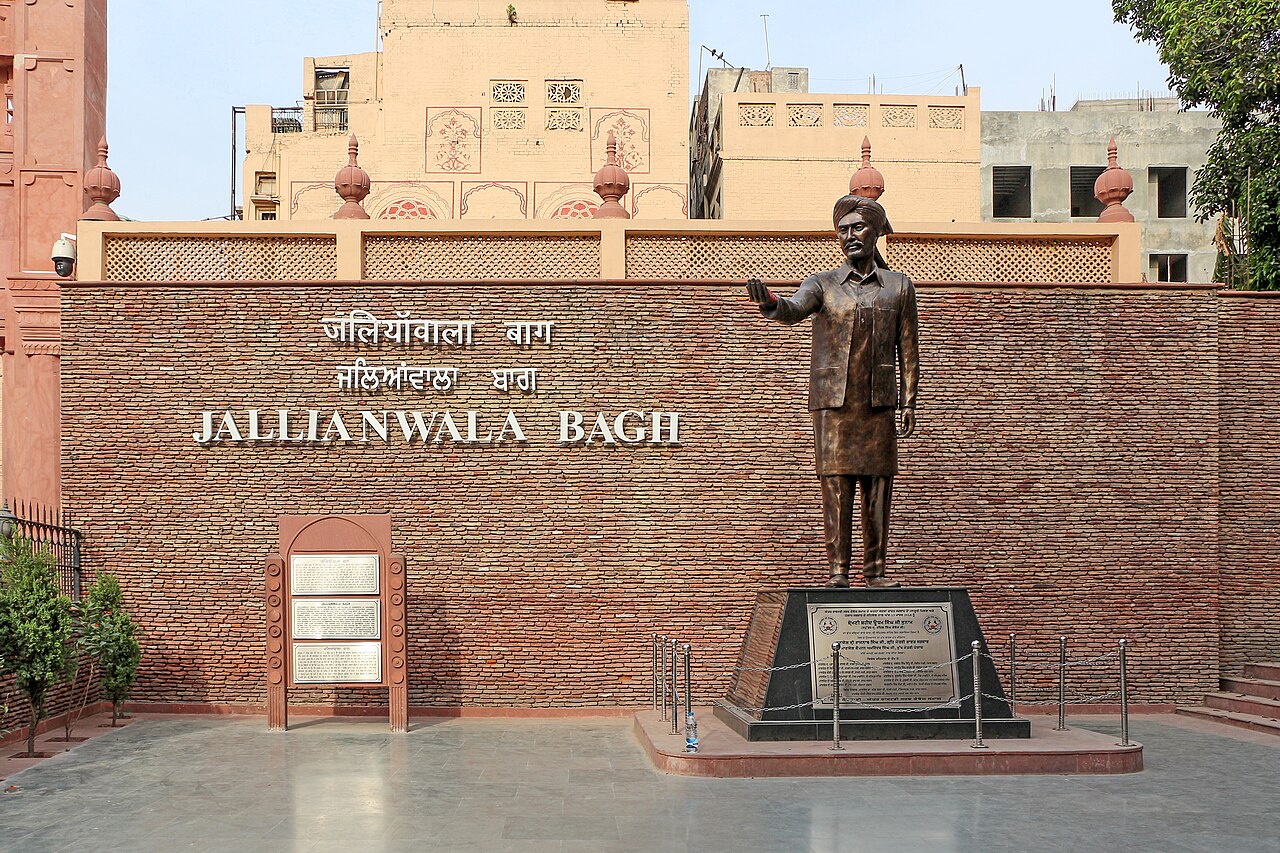
The single detail that makes Jallianwala Bagh affecting rather than merely informative is the entrance itself: a narrow brick lane, barely wide enough for two people to pass shoulder to shoulder, is the only way in and was, on 13 April 1919, the only way out. Brigadier-General Reginald Dyer marched fifty Gurkha and Baloch riflemen down that same lane and, without warning the crowd gathered inside for the Baisakhi festival, ordered them to open fire directly into it for roughly ten minutes. The garden today is a manicured lawn with a central memorial obelisk, but the physical bottleneck that trapped thousands of people — the actual brick walls of the lane, still pocked with bullet holes preserved under glass — remains the site's most direct evidence, more so than any plaque.
Best time of day: Early morning. Right after visiting the Golden Temple
Dress code
Respectful attire suitable for a national martyrdom memorial.
Photography
Permitted throughout the gardens and at the bullet wall.
Jallianwala Bagh timings
Jallianwala Bagh opens at 06:30 and closes at 19:30. Those hours hold on Saturday and Sunday too.
- Opening hours
- 06:30–19:30
Mon–Sun 06:30–19:30 - Gates follow daylight, so the closing time shifts earlier in winter.
- Closed on
- Open every day
Opening hours compiled from public records; this place lists no official website, last updated . They change without notice — confirm before you travel. How we write these guides
Jallianwala Bagh ticket price
| Ticket | Price |
|---|---|
| Indian visitors | Free |
| Foreign visitors | Free |
| Children | Free |
| Camera | Free |
Prices compiled from public records; this place lists no official website, last updated . They change without notice — confirm before you travel. How we write these guides
Best time to visit Jallianwala Bagh
- Quiet
- Moderate
- Very busy
06:30 – 09:00
Early OpeningBest time to go
Gates open at 06:30. Local morning walkers and a handful of early visitors. Best light on the bullet-marked walls in the entry lane.
Quiet09:00 – 13:00
Tour Group Peak
Domestic tour buses combine this stop with the Golden Temple; the narrow entry lane can back up with 30–40 people at once.
Very busy13:00 – 16:00
Afternoon Lull
Heat discourages casual walk-ins. The immersive gallery is comfortably viewable without a wait.
Moderate16:00 – 19:30
Evening
Crowds pick up again as visitors combine this with an evening Golden Temple visit before the Palki Sahib procession. Last entry is close to closing at 19:30.
Moderate
History of Jallianwala Bagh
The garden was, in 1919, a walled patch of waste ground used for public gatherings, bounded on most sides by the backs of houses with no other exit. On 13 April, Baisakhi day, several thousand people — many unconnected to the political protests then roiling Amritsar over the Rowlatt Act and the arrest of local leaders — had gathered for a public meeting when Dyer's troops entered and fired without dispersal warning. Official British estimates at the time put the dead at 379; Indian National Congress inquiries and most subsequent historians place the toll considerably higher, into the range of 1,000 or more, with many additional deaths from a well inside the garden where people jumped to escape the gunfire. The massacre became a turning point in the independence movement — Rabindranath Tagore renounced his knighthood in protest, and Udham Singh, who was present as a young man, later assassinated Michael O'Dwyer, the Lieutenant Governor of Punjab who had endorsed Dyer's actions, in London in 1940. The site passed into Indian government trusteeship after independence under the Jallianwala Bagh National Memorial Act of 1951, and a 2019 renovation for the massacre's centenary added an immersive sound-and-light gallery and restored the bullet-marked walls to greater visibility.
Rules & etiquette at Jallianwala Bagh
The site is a memorial to a mass killing, not a photo backdrop, and the Trust's on-site staff will ask visitors taking selfies at the well or the bullet-scarred walls to be more restrained; loud conversation and running children are common but out of step with the place. The Martyr's Well, where many died jumping to escape gunfire, is fenced with a low wall and glass panel — do not climb onto it for photographs. Footwear stays on throughout, unlike at the adjoining Golden Temple, but the two sites share a boundary wall and many visitors do both in the same barefoot stretch by removing shoes only for the temple side. The narrow entry lane is one-directional at peak hours to manage flow; do not push against the crowd to double back for a photograph.
Tips for visiting Jallianwala Bagh
- 1
Walk the entry lane slowly rather than treating it as a corridor to get past — pausing at the marked bullet holes in the brick, roughly at chest and head height, is what converts the visit from a garden stroll into an understanding of the actual event. The 2019 gallery uses a 360-degree projection and recorded testimony that runs about 15 minutes and is worth the extra time even for visitors in a hurry elsewhere in the old city. The site is a two-minute walk from the Golden Temple's northern gate and from the Partition Museum at Town Hall, making a logical three-stop morning sequence: Partition Museum first for historical framing, Jallianwala Bagh second, Golden Temple third. Early morning light (before 09:00) is markedly better for photographing the preserved bullet marks, which are otherwise in shadow for most of the day.
How to reach Jallianwala Bagh
The red star is Jallianwala Bagh; the numbered pins are the 4 nearest places in our guides, each showing its rank in its city. Tap a pin for details.
Golden Temple Road, Amritsar, Punjab 143006 (3 min walk from Golden Temple main gate)Directions in Google Maps
From Sri Guru Ram Dass Jee International Airport (ATQ)
₹350–₹45012 km · 25–30 min
Prepaid taxi).
From Amritsar Junction Railway Station (ASR)
₹40–₹601.7 km · 10 min
Cycle-rickshaw, negotiated). Walkable in 20 minutes.
From Golden Temple (northern gate)
0.2 km · 2–3 min
Walking distance; no fare required.
Nearest airport
From ATQ
13.5 km
Nearest railway station
From Amritsar Junction
2.2 km
Jallianwala Bagh FAQs
Why is the narrow entrance lane at Jallianwala Bagh significant?
It is the same brick lane through which Brigadier-General Reginald Dyer marched troops on 13 April 1919, and the only way in or out of the walled garden at the time. That physical bottleneck trapped the crowd inside when firing began, which is why the lane — preserved with visible bullet marks — is treated as the site's central piece of evidence rather than the lawn or memorial obelisk.
How many people died in the Jallianwala Bagh massacre?
British colonial records at the time listed 379 dead. Indian National Congress inquiries and most historians since have put the toll considerably higher, commonly cited in the range of 1,000 or more, including deaths in the Martyr's Well from people jumping to escape gunfire. There is no universally agreed exact figure.
Is there an entry fee for Jallianwala Bagh?
No. Entry to the garden, the memorial, the Martyrs' Gallery, and the 2019 immersive centenary gallery is free for all visitors.
How much time should I budget, and can I combine it with the Golden Temple?
Forty-five minutes to an hour, including the immersive gallery. The site is a two-to-three-minute walk from the Golden Temple's northern gate and from the Partition Museum at Town Hall, so all three are easily combined into one walking circuit.
Compiled with AI assistance from official sources and public records, and published only after the checks in How we write these guides. Nobody from Traveliac has visited this place. Last updated . How we rank and check places
Places to visit near Jallianwala Bagh
Straight-line distances from our map; times are estimates.
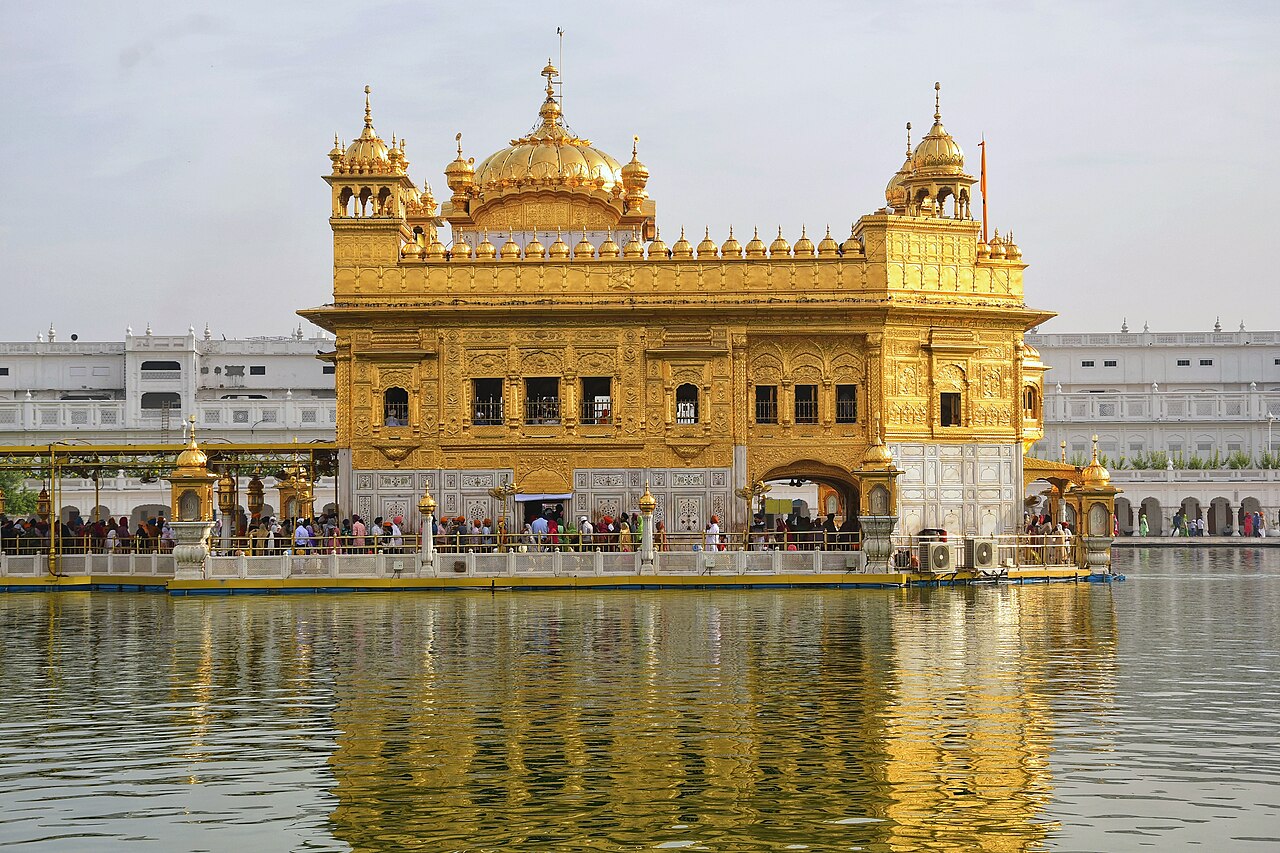 #1 in AmritsarFree entry
Golden Temple (Sri Harmandir Sahib)
Gurdwara · 350 m · about 6 min walk
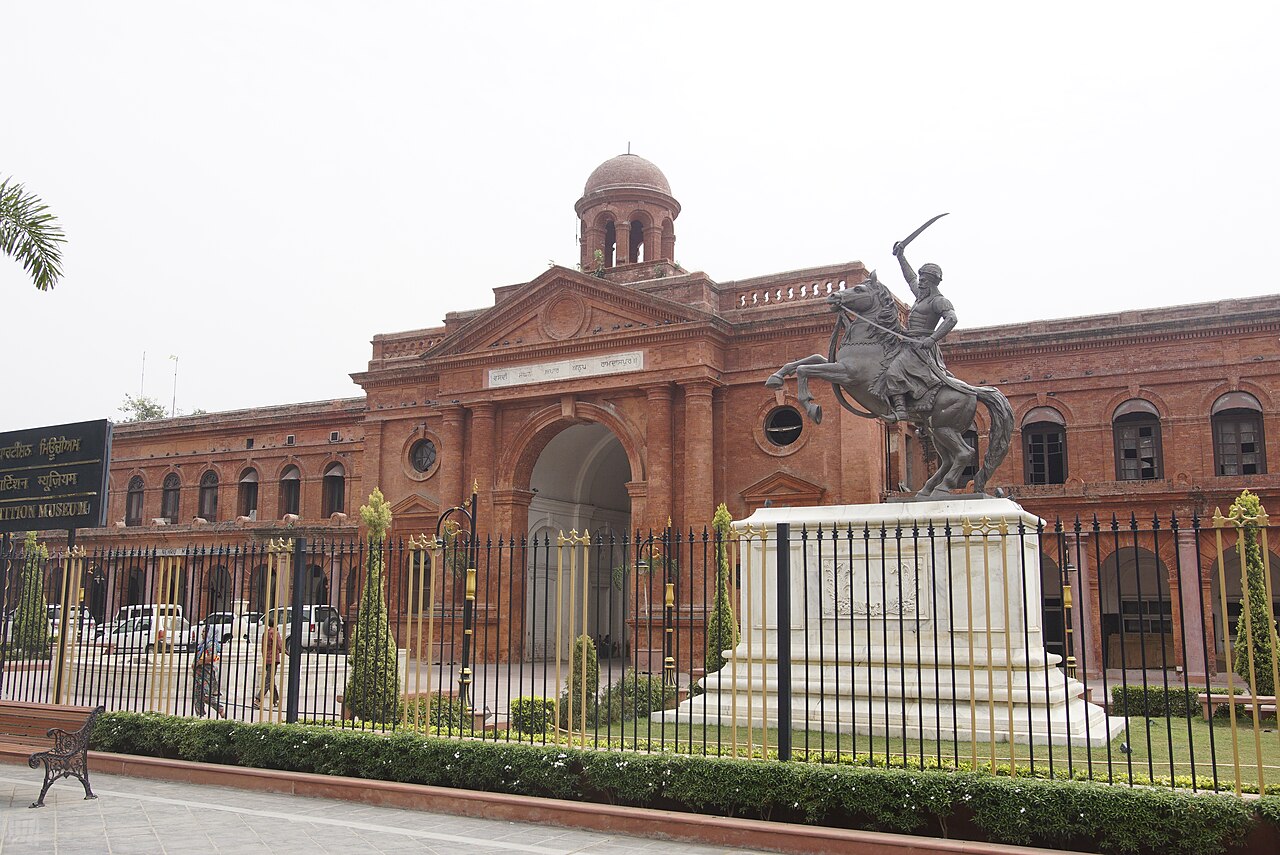 #4 in Amritsar
Partition Museum
Museum · 450 m · about 7 min walk
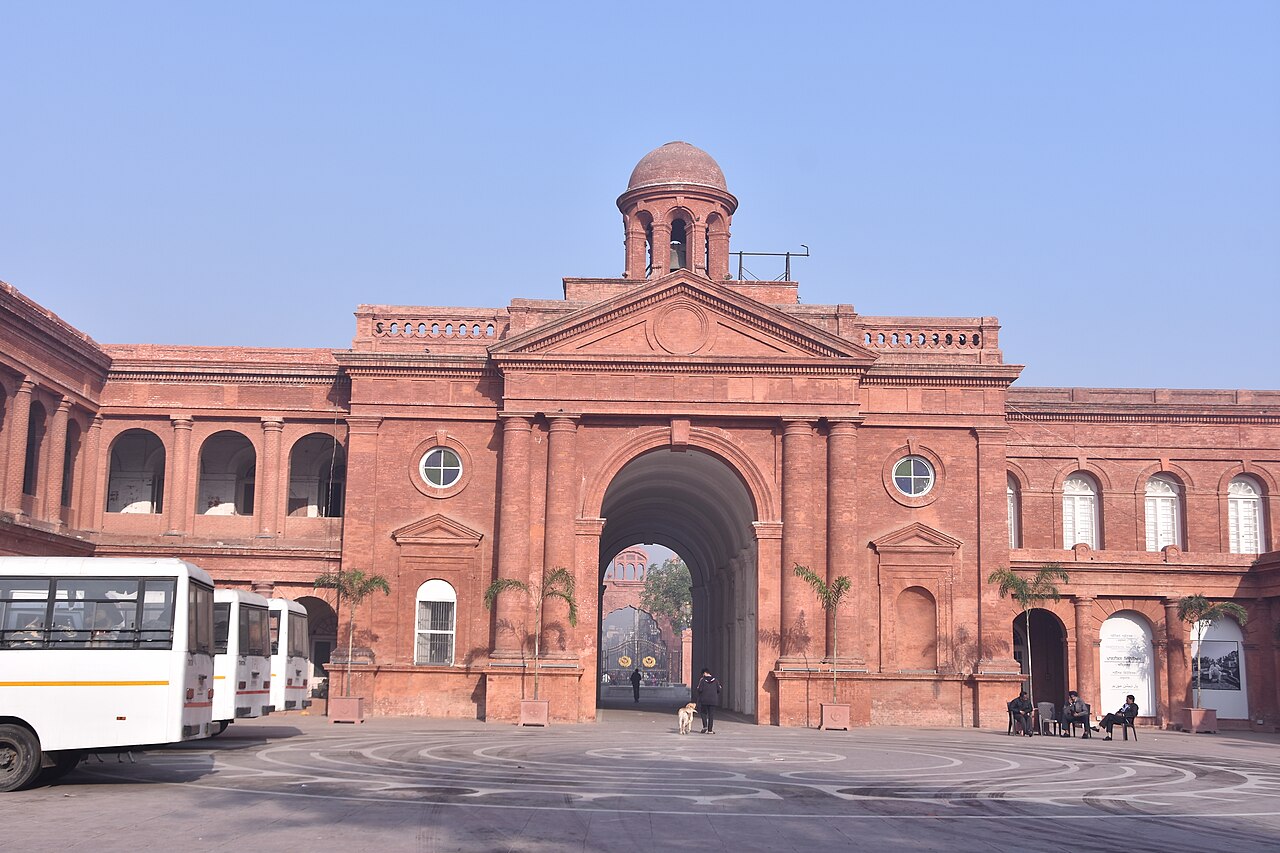 #6 in AmritsarFree entry
Hall Bazaar & Katra Jaimal Singh
Market · 1.3 km · about 22 min walk
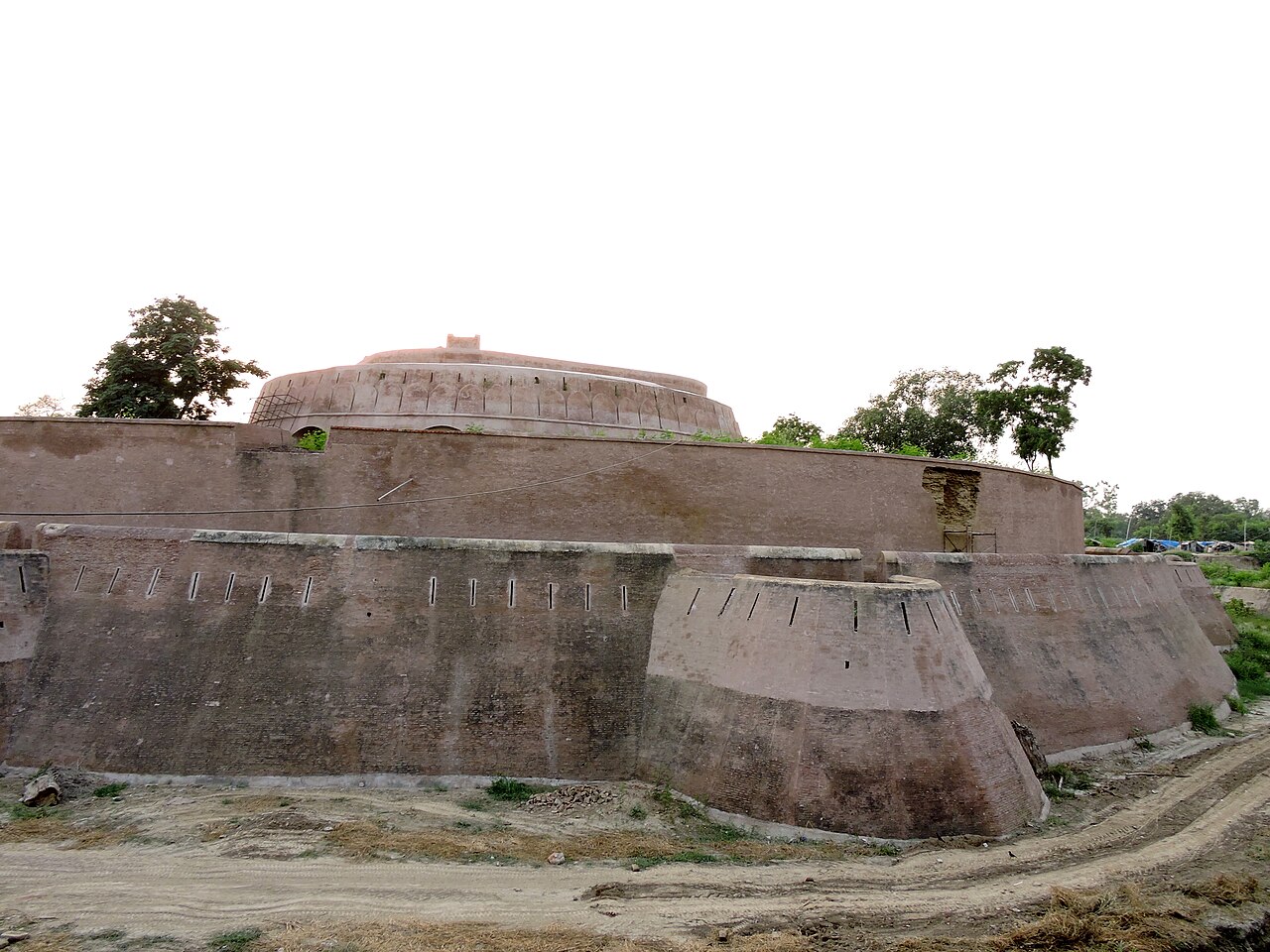 #5 in Amritsar
Gobindgarh Fort
Fort · 2.3 km · about 38 min walk