
Partition Museum
#4of 6 places to visit in AmritsarAmritsar, Punjab
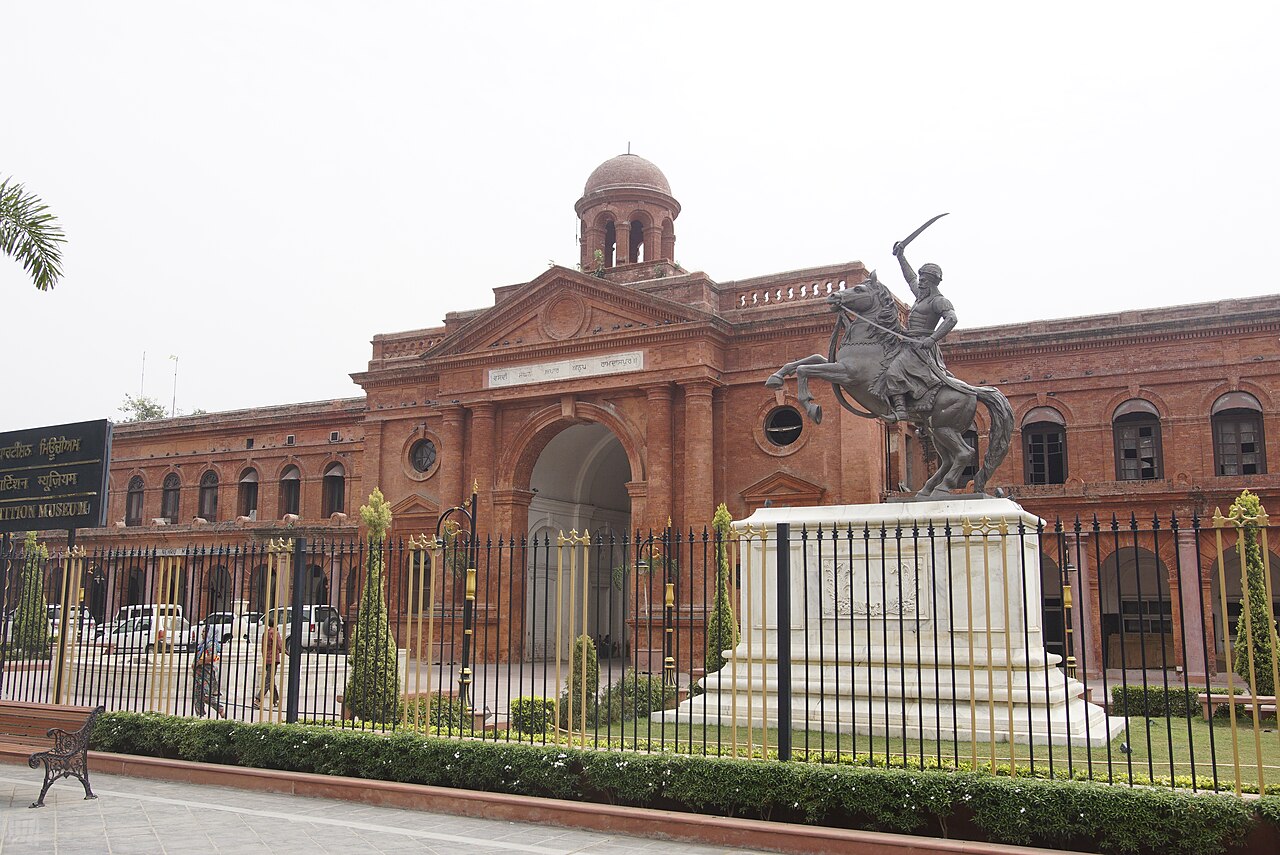
Also known as Town Hall Partition Museum
Quick answer
Opening hours: 10:00–18:00, closed Mondays, last entry 17:00. Entry: ₹10 Indian · ₹250 foreign. Allow 2 hrs. Best time: Weekday morning right at 10:00am opening.
Updated · Compiled by Traveliac, AI-assisted · 4 min read
- Opening hours
- 10:00–18:00
- Closed Mondays
- Entry fee
- ₹10 Indian
- Ticket from
- Time needed
- 2 hrs
- Best time of day
- Weekday morning right at 10:00am opening
- Best months
- Year-round
- Address
- Town Hall, Heritage Street, Amritsar, Punjab 143006
About Partition Museum
Opened in 2017 inside Amritsar's colonial-era Town Hall, this was the first museum anywhere dedicated specifically to the 1947 Partition of British India — an event that displaced an estimated 14–18 million people and killed several hundred thousand to over a million, depending on which historian's estimate is used, and that most Indian and Pakistani school curricula compress into a paragraph. The museum inverts that compression: fourteen chronological galleries move from pre-Partition Punjab through the Rowlatt Act era, the 1946 riots, the drawing of the Radcliffe Line, and into refugee camps and resettlement, built almost entirely from donated objects — a single steel trunk, a set of keys to an abandoned house in Lahore, a handwritten migration permit — rather than official artefacts.
Best time of day: Weekday morning right at 10:00am opening.
Photography
₹50 camera fee
Partition Museum timings
Partition Museum opens at 10:00 and closes at 18:00. It keeps the same hours on Saturday and Sunday.
- Opening hours
- 10:00–18:00
Monday Closed Tue–Sun 10:00–18:00 - Closed on
- Monday
Opening hours compiled from partitionmuseum.org and public records, last updated . They change without notice — confirm before you travel. How we write these guides
Partition Museum ticket price
| Ticket | Price |
|---|---|
| Indian visitors | ₹10 |
| Foreign visitors | ₹250 |
| Children | Free |
| Camera | ₹50 |
₹10 for Indian nationals, ₹250 for foreign nationals. Audio guides available.
Prices compiled from partitionmuseum.org and public records, last updated . They change without notice — confirm before you travel. How we write these guides
Best time to visit Partition Museum
- Quiet
- Moderate
10:00 – 12:00
Morning OpeningBest time to go
Fewer visitors immediately after opening; oral-history listening stations are available without a wait.
Quiet12:00 – 15:00
Midday
Domestic tour groups combining this with Jallianwala Bagh and the Golden Temple arrive in clusters through early afternoon.
Moderate15:00 – 17:15
Afternoon
Steady but manageable footfall; last entry is around 17:15 ahead of the 18:00 close.
ModerateAll hours, Monday
Closed
The museum is closed to visitors every Monday; plan around this if building a tight multi-day itinerary.
Quiet
History of Partition Museum
The building itself predates the museum by roughly a century: Amritsar's Town Hall was constructed under British colonial administration and served municipal functions for decades before falling into disuse. The Arts and Cultural Heritage Trust, founded by writer and former journalist Kishwar Desai, secured the building from the Punjab government and opened a curtain-raiser exhibition in October 2016 before the full museum opened on 25 August 2017, positioned deliberately in Amritsar because the city sat almost directly on the new India–Pakistan border and absorbed an outsized share of the refugee crossings in both directions. The Trust built its collection largely through a public appeal — a 'Museum of the People' model in which Partition survivors and their descendants donated photographs, documents, and personal objects rather than the museum acquiring artefacts through conventional channels. A second branch opened later in Delhi's Dara Shukoh Library building, but the Amritsar site remains the founding location and holds the larger permanent collection.
Rules & etiquette at Partition Museum
Several galleries include recorded oral-history testimony played through headphone stations and a wall of migration stories that visitors are invited to add their own family accounts to via a physical logbook or digital kiosk — treat these as a working archive rather than a static display, and keep voices low near the listening stations since several visitors are usually seated with headphones at once. Some donated personal items, particularly photographs of the dead and missing-persons notices, are displayed with family names attached; visitors are asked not to photograph these close-up out of respect for descendants who may not have consented to wider circulation. The museum closes on Mondays, unlike most other Amritsar sites, which trips up itineraries built around a single free day.
Tips for visiting Partition Museum
- 1
Visit this museum before Jallianwala Bagh and the Golden Temple rather than after — the historical framing of Partition-era Punjab, and Amritsar's specific role as a crossing point, materially changes how the other two sites read, particularly Jallianwala Bagh's 1919 prelude to the independence movement that culminated in 1947. Budget a genuine 75–90 minutes; the density of first-person text panels makes this a slower museum than its modest size suggests, and rushing it defeats the purpose. The museum sits a two-minute walk from the Golden Temple's main bazaar entrance, making it easy to fold into the same morning. Guided tours led by museum staff, bookable at the front desk, add context on the donation process itself that the wall text alone does not convey.
How to reach Partition Museum
The red star is Partition Museum; the numbered pins are the 4 nearest places in our guides, each showing its rank in its city. Tap a pin for details.
Town Hall, Heritage Street, Amritsar, Punjab 143006Directions in Google Maps
From Sri Guru Ram Dass Jee International Airport (ATQ)
₹350–₹45012 km · 25–30 min
Prepaid taxi).
From Amritsar Junction Railway Station (ASR)
₹40–₹601.5 km · 8–10 min
Cycle-rickshaw, negotiated). Walkable in 18–20 minutes.
From Golden Temple (main bazaar entrance)
0.3 km · 3–4 min
Walking distance; no fare required.
Nearest airport
From ATQ
12 km
Nearest railway station
From Amritsar Junction
1.8 km
Partition Museum FAQs
Is the Partition Museum in Amritsar the first of its kind?
Yes. It opened in 2017 as the world's first museum dedicated specifically to the 1947 Partition of British India, built by The Arts and Cultural Heritage Trust largely from objects, photographs, and documents donated by Partition survivors and their families rather than conventional institutional acquisitions.
What is the entry fee for the Partition Museum?
₹10 for Indian nationals and ₹250 for foreign visitors, with the museum open 10:00–18:00 Tuesday through Sunday. It is closed on Mondays, unlike most other major Amritsar attractions.
How does the Partition Museum connect to Jallianwala Bagh and the Golden Temple?
All three sites sit within a few minutes' walk of each other around Town Hall and the Golden Temple bazaar. Visiting the Partition Museum first gives useful historical context — Amritsar's role as a border crossing city in 1947 — before Jallianwala Bagh's 1919 massacre and the Golden Temple itself.
How much time should I set aside for the Partition Museum?
75–90 minutes for a proper visit across the fourteen galleries. The museum is dense with first-person text, recorded testimony, and donated personal objects rather than large-scale displays, so it rewards a slower pace than its physical size suggests.
Compiled with AI assistance from official sources and public records, and published only after the checks in How we write these guides. Nobody from Traveliac has visited this place. Last updated . How we rank and check places
Places to visit near Partition Museum
Straight-line distances from our map; times are estimates.
 #2 in AmritsarFree entry
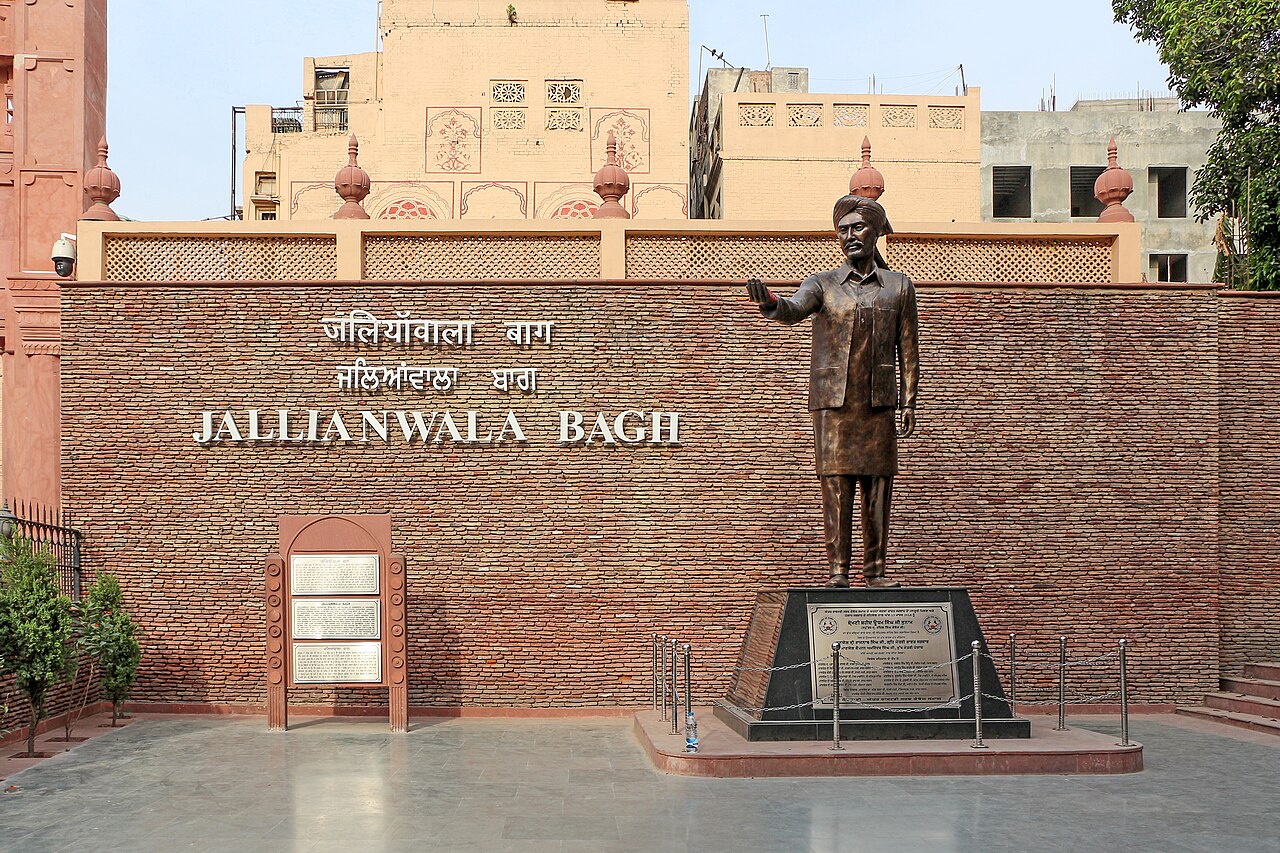
Jallianwala Bagh
Memorial · 450 m · about 7 min walk
 #1 in AmritsarFree entry
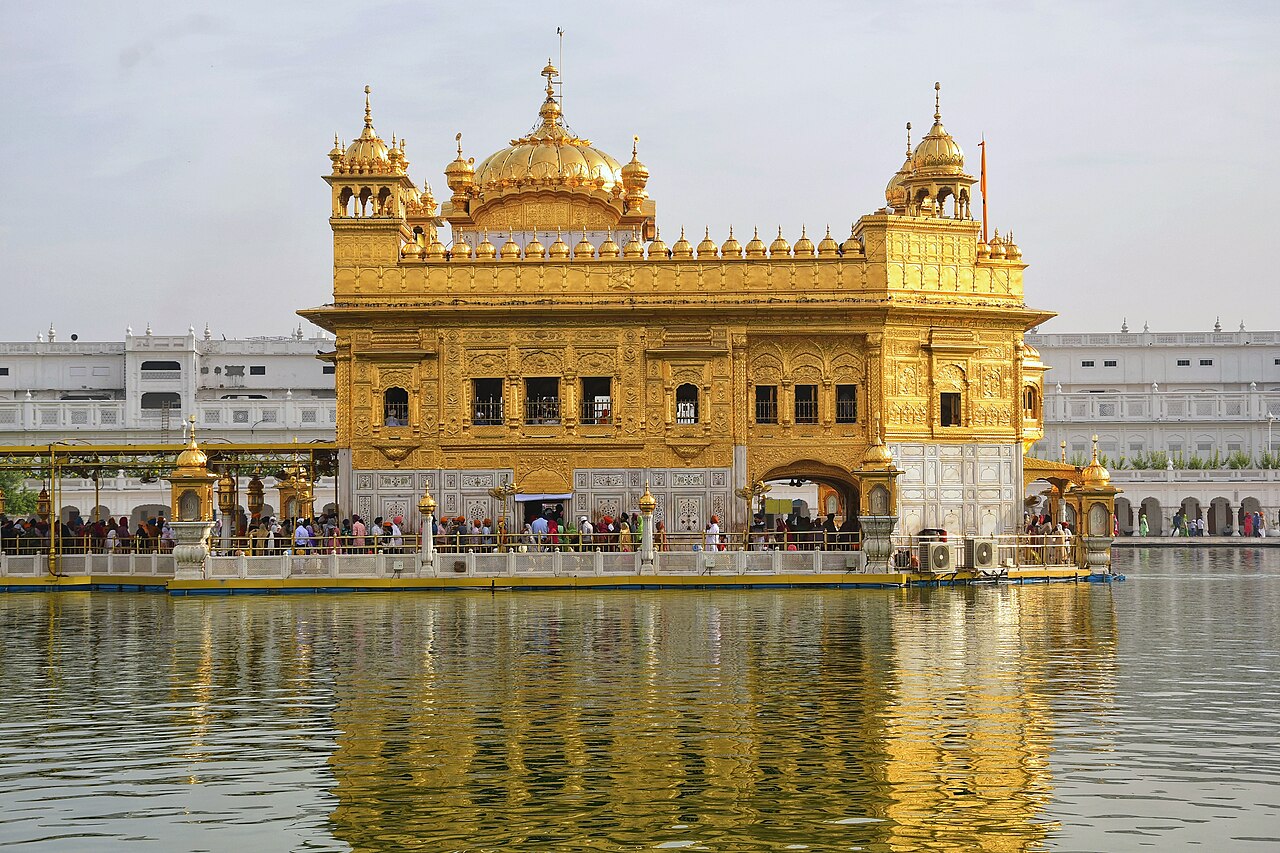
Golden Temple (Sri Harmandir Sahib)
Gurdwara · 450 m · about 8 min walk
 #6 in AmritsarFree entry
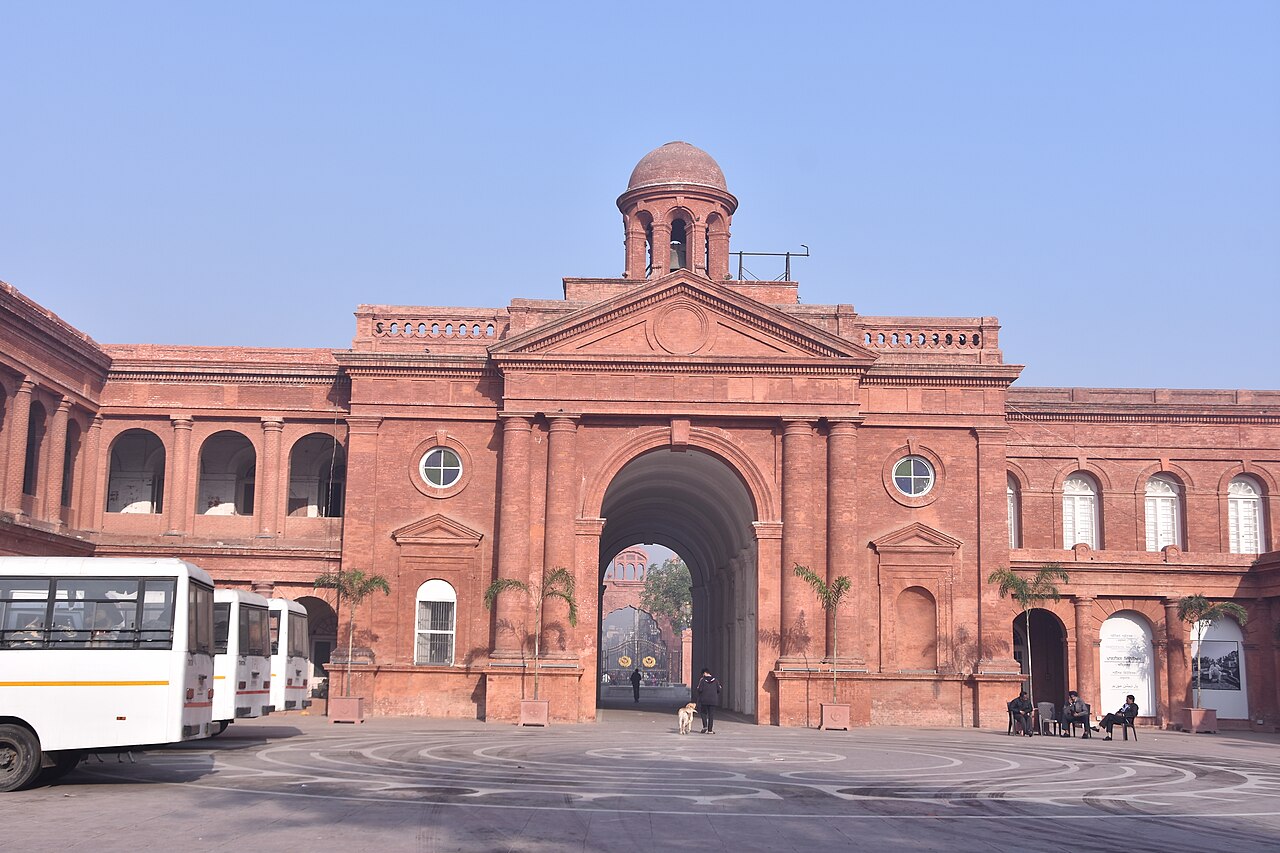
Hall Bazaar & Katra Jaimal Singh
Market · 900 m · about 14 min walk
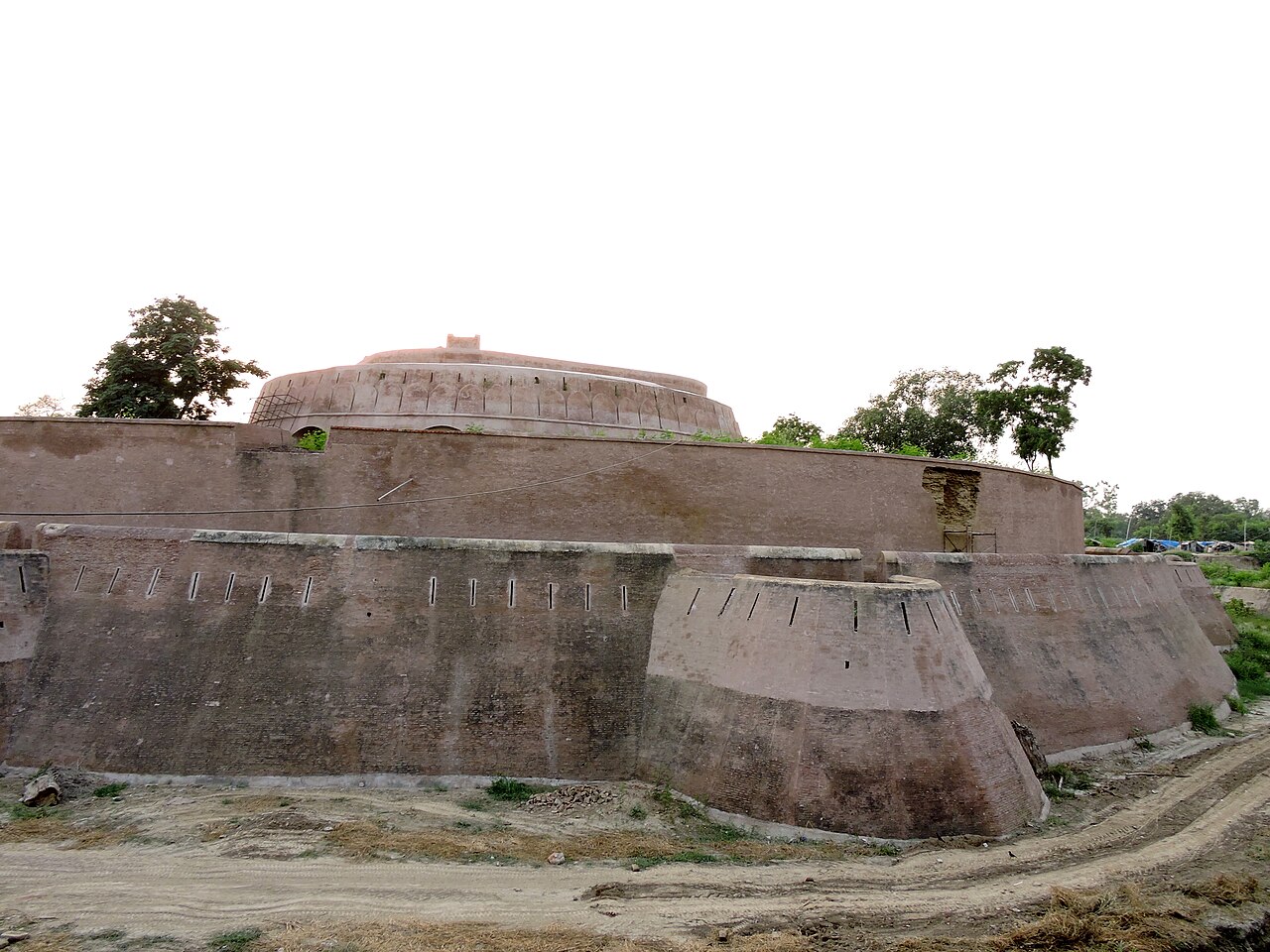 #5 in Amritsar
Gobindgarh Fort
Fort · 2.0 km · about 33 min walk