
Hall Bazaar & Katra Jaimal Singh
#6of 6 places to visit in AmritsarAmritsar, Punjab
Also known as Amritsar Old Bazaars · Katra Jaimal Singh Market
Quick answer
Opening hours: 11:00–21:30. Entry is free. Allow 2 hrs. Best time: Evening after 6:00pm.
Updated · Compiled by Traveliac, AI-assisted · 4 min read
- Opening hours
- 11:00–21:30
- Bazaar hours. Most wholesale shops shut on Sundays, though the street and its food carts stay busy.
- Entry fee
- Free
- Time needed
- 2 hrs
- Best time of day
- Evening after 6:00pm
- Best months
- Oct – Mar
- Address
- Hall Bazaar, Katra Ahluwalia, Old City, Amritsar, Punjab 143006
About Hall Bazaar & Katra Jaimal Singh
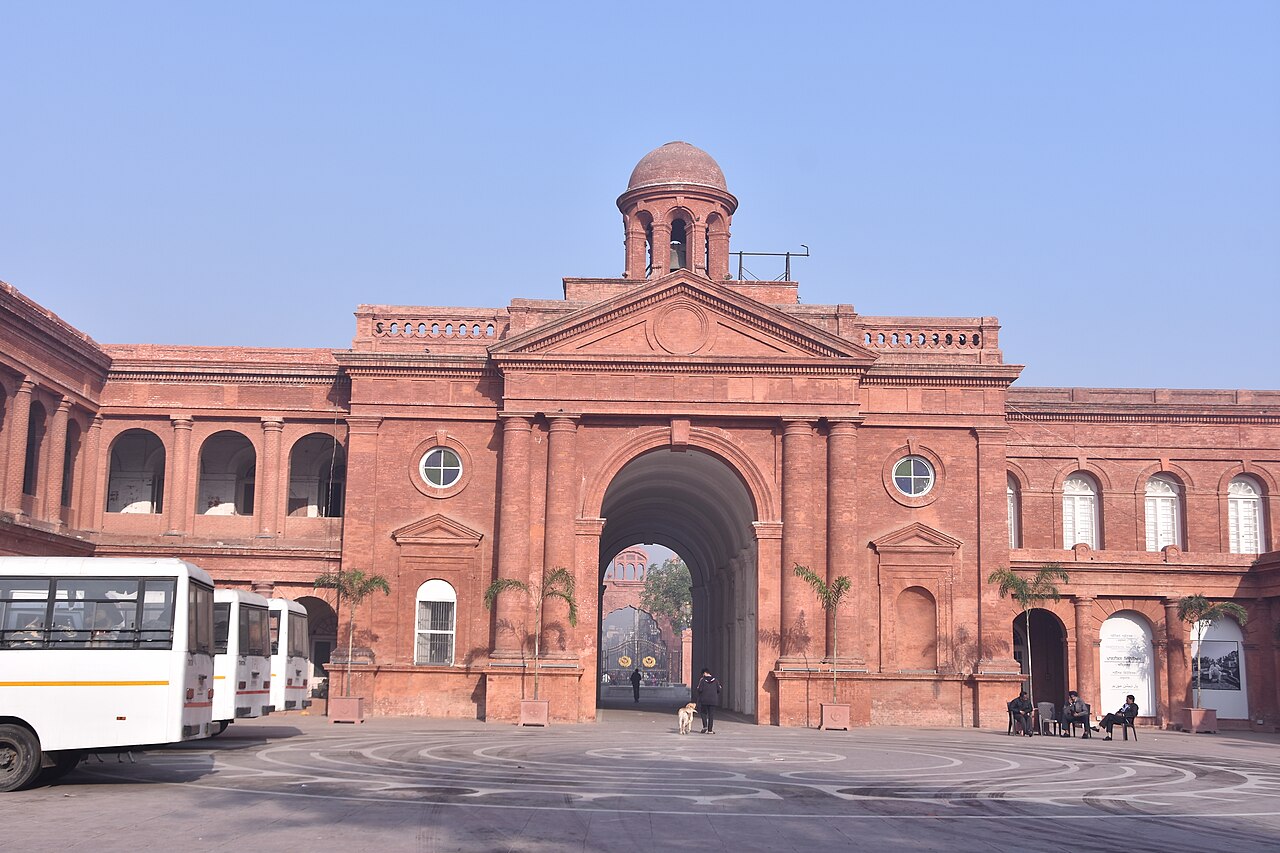
Hall Bazaar runs in a fairly straight line from the Mughal-era Gandhi Gate archway, topped with a clock tower carrying the inscription 'Amritsar – Sifti Da Ghar,' down to the approach lanes of the Golden Temple itself, and functions as the connective tissue between Town Hall's colonial-era institutions and the temple's devotional core. Shopfronts on both sides sell Amritsari juttis (leather-and-embroidery slip-on shoes), phulkari embroidered shawls and dupattas, brass and silver religious ware, dry fruit sold loose by weight, and a dense concentration of jewellery stores — the kind of working commercial street that predates organised tourism rather than one built for it.
Best time of day: Evening after 6:00pm. When the food carts fry fresh kulchas and jalebis
Hall Bazaar & Katra Jaimal Singh timings
Hall Bazaar & Katra Jaimal Singh opens at 11:00 and closes at 21:30. It keeps the same hours on Saturday and Sunday.
- Opening hours
- 11:00–21:30
Mon–Sun 11:00–21:30 - Bazaar hours. Most wholesale shops shut on Sundays, though the street and its food carts stay busy.
- Closed on
- Open every day
Opening hours compiled from public records; this place lists no official website, last updated . They change without notice — confirm before you travel. How we write these guides
Hall Bazaar & Katra Jaimal Singh ticket price
| Ticket | Price |
|---|---|
| Indian visitors | Free |
| Foreign visitors | Free |
Prices compiled from public records; this place lists no official website, last updated . They change without notice — confirm before you travel. How we write these guides
Best time to visit Hall Bazaar & Katra Jaimal Singh
- Quiet
- Moderate
- Busy
- Very busy
09:00 – 12:00
Morning OpeningBest time to go
Shops open gradually through the morning; the lane is at its most walkable with minimal browsing crowds.
Quiet12:00 – 16:00
Midday
Steady shopping traffic builds, with a modest midday lull as some smaller stalls close briefly for lunch.
Moderate17:00 – 19:00
Evening Peak Start
The bazaar fills as office hours end and the Gandhi Gate clock tower is illuminated; the most atmospheric but also most congested window.
Busy19:00 – 21:00
Night Market
Peak density, especially on weekends, as shoppers combine an evening Golden Temple visit with bazaar browsing on the walk back.
Very busy
History of Hall Bazaar & Katra Jaimal Singh
The bazaar's exact naming origin is disputed even locally: the most commonly cited theory traces 'Hall Bazaar' to a corruption of 'Haveli Bazaar,' referencing the substantial merchant havelis that once lined the street, though colonial-era usage of 'Hall' in the British administrative sense has also been proposed. What is better documented is the street's long function as Amritsar's principal commercial artery through the British colonial period and into independence, handling the cloth, leather, and metalware trade that made the old city's wholesale markets — Katra Jaimal Singh among them — some of the busiest in Punjab. The Gandhi Gate archway at its eastern end is a surviving Mughal-period gate structure into which the British later inserted the current clock tower, a physical layering of Mughal masonry and colonial ironwork that most shoppers walk beneath without registering either.
Rules & etiquette at Hall Bazaar & Katra Jaimal Singh
Bargaining is the norm rather than the exception at nearly every stall selling juttis, embroidery, or dry fruit; quoted opening prices for visibly non-local customers, including domestic tourists from other states, run higher than what a Punjabi-speaking local would be quoted, and a firm counter-offer at roughly half the asking price is a reasonable opening move for handicrafts. Fixed-price shops, mostly the larger established jewellery and branded-clothing stores, display price tags and do not expect negotiation. The lane carries substantial foot, cycle-rickshaw, and occasional motorbike traffic simultaneously with no clear pedestrian-only stretch, so pausing to browse a stall on the reduces need to watch for a rickshaw approaching from behind. Evening hours bring the heaviest crowd density, particularly on weekends, when the lane's width narrows further under stall overflow.
Tips for visiting Hall Bazaar & Katra Jaimal Singh
- 1
Amritsari juttis are the single most distinctive purchase available here, and prices vary substantially by embroidery density and leather quality rather than by shop location, so it is worth comparing two or three stores before committing rather than buying at the first one encountered near Gandhi Gate. Phulkari textile quality is easiest to judge by turning the fabric over — genuine hand-embroidered phulkari shows the same density of stitching on the reverse side, while machine-embroidered pieces sold at similar prices do not. The bazaar sits directly between Town Hall (and the Partition Museum) and the Golden Temple's approach lanes, making it a natural connecting walk rather than a separate destination requiring its own trip — budget the walk-through time in addition to any dedicated shopping stops. Street food stalls clustered near the Golden Temple end serve amritsari kulcha and lassi that are worth the queue even for travellers not otherwise inclined to shop.
How to reach Hall Bazaar & Katra Jaimal Singh
The red star is Hall Bazaar & Katra Jaimal Singh; the numbered pins are the 4 nearest places in our guides, each showing its rank in its city. Tap a pin for details.
Hall Bazaar, Katra Ahluwalia, Old City, Amritsar, Punjab 143006Directions in Google Maps
From Sri Guru Ram Dass Jee International Airport (ATQ)
₹350–₹45012 km · 25–30 min
Prepaid taxi).
From Amritsar Junction Railway Station (ASR)
₹30–₹501 km · 5–8 min
Cycle-rickshaw, negotiated); walkable in 12–15 minutes.
From Golden Temple
0.5 km · 5–7 min
Walking distance; no fare required.
Nearest airport
From ATQ
12 km
Nearest railway station
From Amritsar Junction
1 km
Hall Bazaar & Katra Jaimal Singh FAQs
Is bargaining expected at Hall Bazaar?
Yes, at nearly every stall selling handicrafts, juttis, embroidery, or dry fruit. Opening prices quoted to visibly non-local shoppers tend to run higher than local rates, and countering at roughly half the initial quote is a reasonable starting point. Fixed-price jewellery and branded stores are the main exception.
What is Hall Bazaar best known for buying?
Amritsari juttis (embroidered leather slip-on shoes), phulkari embroidered shawls and dupattas, dry fruit sold loose by weight, and brass or silver religious items. Genuine hand-embroidered phulkari can be checked by looking at the stitching density on the fabric's reverse side.
How does Hall Bazaar connect to other Amritsar sights?
It runs between the Gandhi Gate archway near Town Hall (and the Partition Museum) and the approach lanes of the Golden Temple, functioning as a natural walking connector between the two rather than a separate side trip.
When is Hall Bazaar least crowded?
Mid-morning, roughly 09:00–12:00, before the midday shopping traffic builds and well before the evening peak (17:00–21:00), which is the busiest and most atmospheric window but also the most congested.
Compiled with AI assistance from official sources and public records, and published only after the checks in How we write these guides. Nobody from Traveliac has visited this place. Last updated . How we rank and check places
Places to visit near Hall Bazaar & Katra Jaimal Singh
Straight-line distances from our map; times are estimates.
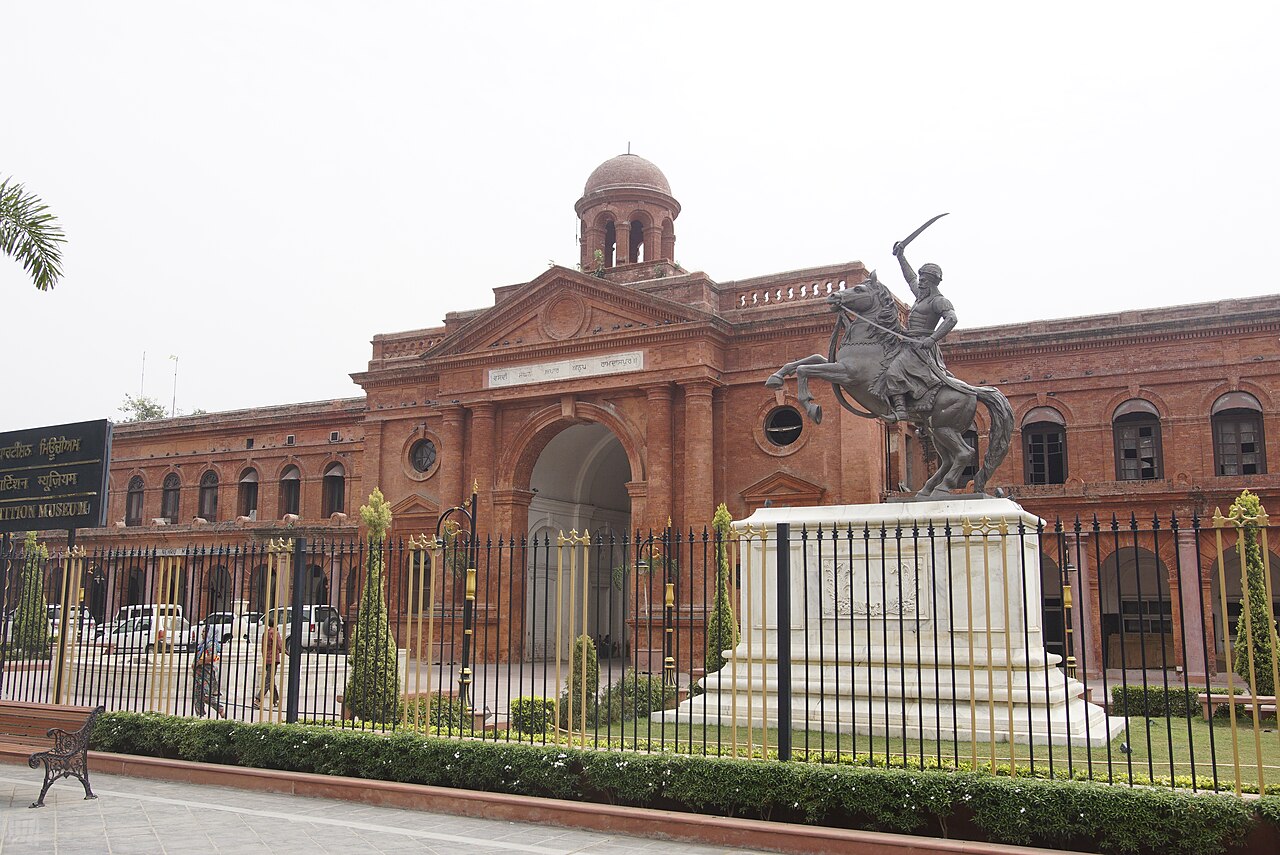 #4 in Amritsar
Partition Museum
Museum · 900 m · about 14 min walk
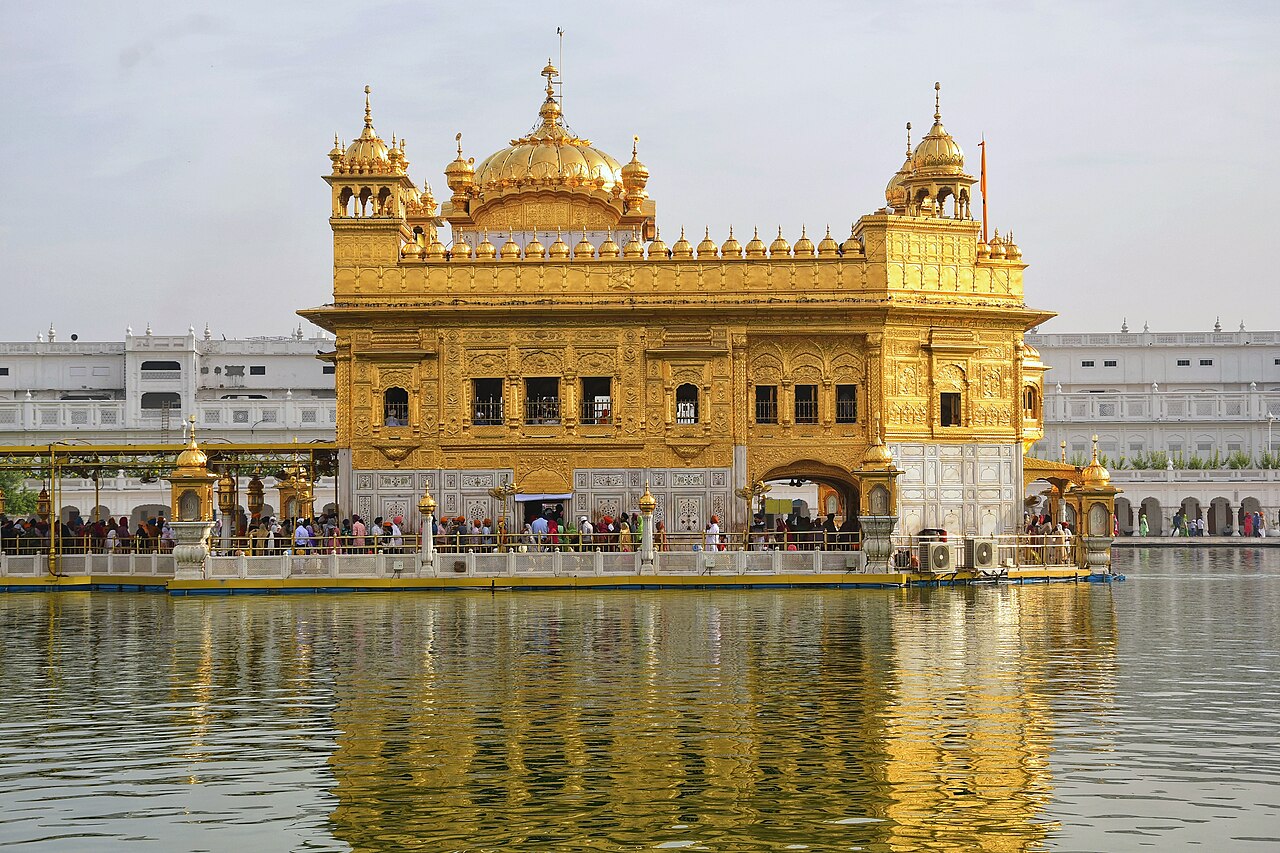 #1 in AmritsarFree entry
Golden Temple (Sri Harmandir Sahib)
Gurdwara · 1.3 km · about 21 min walk
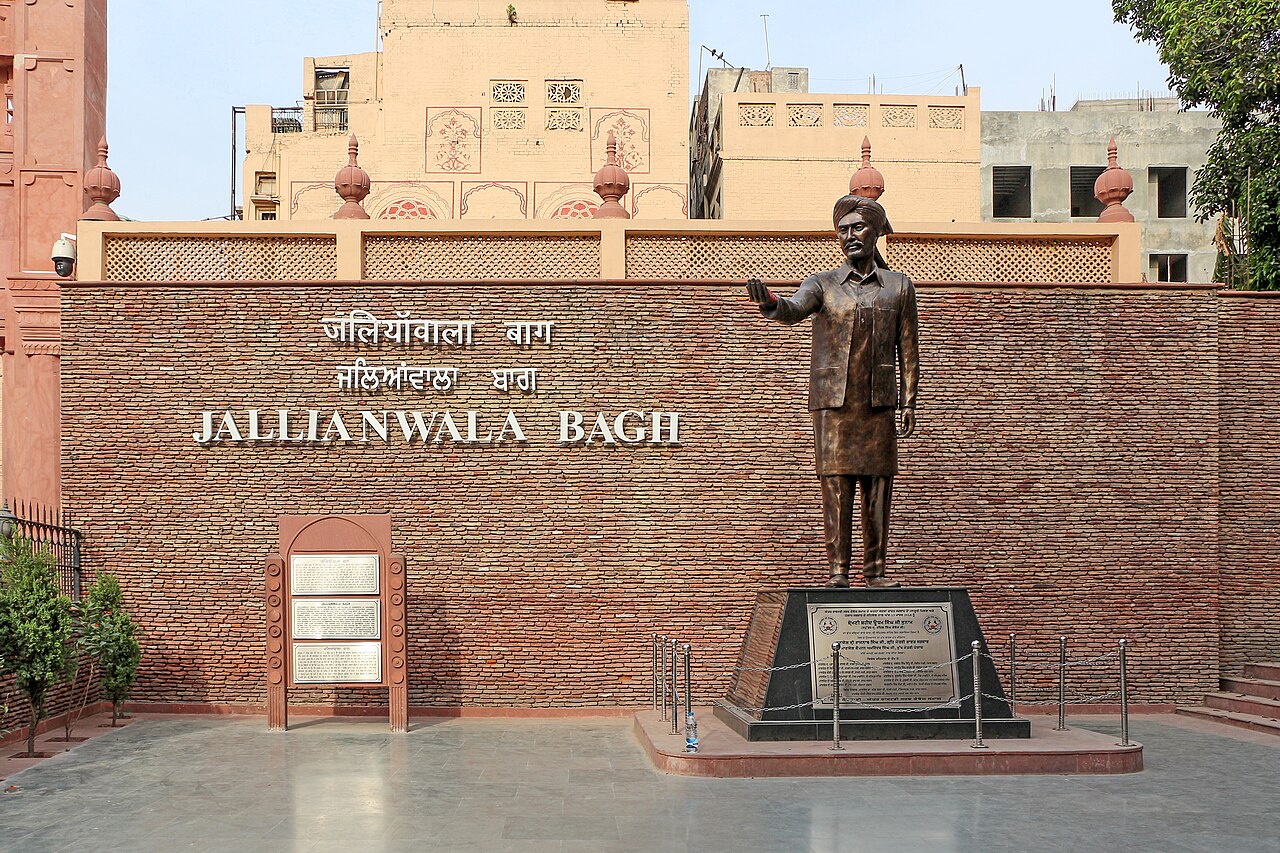 #2 in AmritsarFree entry
Jallianwala Bagh
Memorial · 1.3 km · about 22 min walk
 #5 in Amritsar
Gobindgarh Fort
Fort · 1.8 km · about 29 min walk