
Gobindgarh Fort
#5of 6 places to visit in AmritsarAmritsar, Punjab
Also known as Bhangi Fort · Qila Gobindgarh
Quick answer
Opening hours: 10:00–22:00. Entry: ₹180 Indian · ₹350 foreign. Allow 2.5 hrs. Best time: Evening after 5:00pm.
Updated · Compiled by Traveliac, AI-assisted · 4 min read
- Opening hours
- 10:00–22:00
- Entry fee
- ₹180 Indian
- Ticket from
- Time needed
- 2.5 hrs
- Best time of day
- Evening after 5:00pm
- Best months
- Oct – Mar
- Address
- Old Cantt Road, Vijay Chowk, Amritsar, Punjab 143001
About Gobindgarh Fort
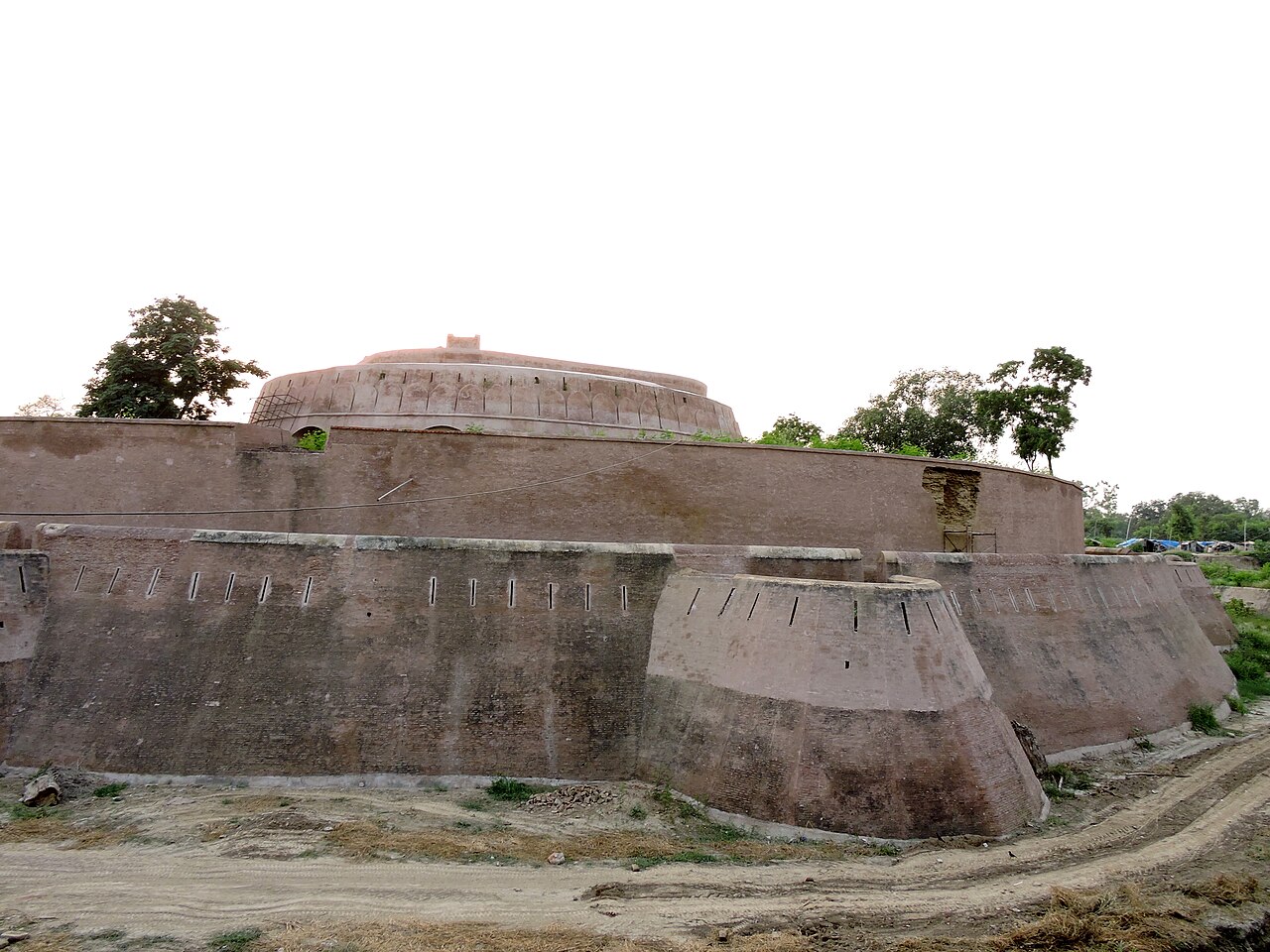
Gobindgarh's 43 acres sit almost in the geographic centre of old Amritsar, a fact that surprises visitors expecting a fort on a hilltop or a city edge. Thick mud-and-brick ramparts, later faced and reinforced in the Sikh and colonial periods, enclose a compound that has been repurposed repeatedly rather than preserved as a single-era monument: a Toshakhana treasury gallery, a war museum housed in what were once army barracks, a turban and Sikh-art museum, and two evening sound-and-light productions now occupy buildings that at various points held gunpowder stores, a colonial garrison, and Indian Army offices until as recently as the 2000s.
Best time of day: Evening after 5:00pm. For the illuminations and live cultural performances
Gobindgarh Fort timings
Gobindgarh Fort opens at 10:00 and closes at 22:00. The weekend is no different: Saturday and Sunday follow the same times.
- Opening hours
- 10:00–22:00
Mon–Sun 10:00–22:00 - Whispering Walls Light & Sound Show
- 7:30pm Punjabi / 8:30pm English
- Closed on
- Open every day
Opening hours compiled from public records; this place lists no official website, last updated . They change without notice — confirm before you travel. How we write these guides
Gobindgarh Fort ticket price
| Ticket | Price |
|---|---|
| Indian visitors | ₹180 |
| Foreign visitors | ₹350 |
Basic entry from ₹180; all-inclusive entertainment & 7D show combos ₹350–₹500.
Prices compiled from public records; this place lists no official website, last updated . They change without notice — confirm before you travel. How we write these guides
Best time to visit Gobindgarh Fort
- Quiet
- Moderate
- Busy
10:00 – 14:00
Morning-MiddayBest time to go
Museums and galleries are open with minimal footfall; a good window for unhurried viewing of the Toshakhana and Pagdi & Sikh Art Museum.
Quiet14:00 – 17:00
Afternoon
Heat keeps casual footfall down; still a comfortable time for the indoor museum galleries.
Quiet17:00 – 20:00
Early Evening
Families and groups arrive ahead of the evening shows; Gatka and Bhangra performance areas fill up.
Moderate20:00 – 22:00
Sound-and-Light Shows
Sher-e-Punjab and Whispering Walls draw the largest crowds of the day; arrive ahead of the stated showtime for a clear view.
Busy
History of Gobindgarh Fort
The fort began as a mud fortress called Bhangian da Qila, built in the 1760s by Gujjar Singh Bhangi, chieftain of the Bhangi Misl, one of the twelve Sikh confederate states that carved up Punjab after the decline of Mughal authority. The Bhangi Misl held it until 1805, when Maharaja Ranjit Singh took control of Amritsar and its fortifications as part of consolidating the Sikh Empire. Ranjit Singh rebuilt and substantially expanded the structure between 1805 and 1809, renaming it Gobindgarh after the tenth Sikh Guru, Guru Gobind Singh, and used it to house the Sikh Empire's treasury and armoury — reportedly including, for a period, the Koh-i-Noor diamond before it passed to British hands. After the Anglo-Sikh Wars and the British annexation of Punjab in 1849, the East India Company and later the British Indian Army took over the fort as a garrison and ammunition depot. It remained under Indian Army control after independence and was used for military purposes until it was formally handed over for heritage tourism development in the 2000s, reopening to the public in 2017 after restoration.
Rules & etiquette at Gobindgarh Fort
Each museum and show inside the fort is a separately ticketed attraction with its own opening and closing time, and the combined packages are sold at the main entrance rather than at each individual venue — decide your itinerary before entering the compound rather than discovering closing times mid-visit. The Toshakhana and war museum both close by 19:00 or 19:30, well before the fort's own 22:00 closing time, which catches visitors who arrive expecting a single unified closing hour. Gatka (Sikh martial art) and Bhangra performance areas draw close crowds and standing viewers; arrive a few minutes early for a clear sightline rather than during the performance itself.
Tips for visiting Gobindgarh Fort
- 1
Visit with enough daylight left to see the daytime museums first, then treat the evening sound-and-light shows — Sher-e-Punjab, telling the fort's own history, and Whispering Walls, focused on Maharaja Ranjit Singh — as the closing act rather than trying to fit everything into a single rushed afternoon. The fort's central location, a short walk from Hall Bazaar and roughly fifteen minutes from the Golden Temple by auto, makes it easy to combine with an evening bazaar walk before or after. Because ticketing is tiered rather than a single flat fee, families or groups with mixed interest levels can buy only the packages that matter to them rather than the full combined pass.
How to reach Gobindgarh Fort
The red star is Gobindgarh Fort; the numbered pins are the 4 nearest places in our guides, each showing its rank in its city. Tap a pin for details.
Old Cantt Road, Vijay Chowk, Amritsar, Punjab 143001Directions in Google Maps
From Sri Guru Ram Dass Jee International Airport (ATQ)
₹350–₹45012 km · 25–30 min
Prepaid taxi).
From Amritsar Junction Railway Station (ASR)
₹50–₹802.3 km · 10–15 min
Auto-rickshaw, negotiated).
From Golden Temple
₹40–₹601.6 km · 10–15 min
Auto-rickshaw, negotiated); walkable in 20 minutes through Hall Bazaar.
Nearest airport
From ATQ
11 km
Nearest railway station
From Amritsar Junction
1.5 km
Gobindgarh Fort FAQs
Who built Gobindgarh Fort and why is it named after Guru Gobind Singh?
The original mud fort, Bhangian da Qila, was built in the 1760s by Gujjar Singh Bhangi of the Bhangi Misl. Maharaja Ranjit Singh took it over in 1805, rebuilt and expanded it substantially between 1805 and 1809, and renamed it Gobindgarh in honour of the tenth Sikh Guru, Guru Gobind Singh, using it as the Sikh Empire's treasury and armoury.
What does the Gobindgarh Fort entry ticket include?
Base entry (around ₹180 Indian / ₹375 foreign) covers general access to the fort grounds. Combined packages up to roughly ₹649 Indian / ₹1,000 foreign add the Sher-e-Punjab and Whispering Walls sound-and-light shows, the Pagdi & Sikh Art Museum, the Toshakhana treasury gallery, and the war museum, each ticketed separately at the entrance.
Did Gobindgarh Fort ever house the Koh-i-Noor diamond?
According to accounts of Maharaja Ranjit Singh's Sikh Empire treasury, the Koh-i-Noor was kept in the Sikh royal treasury for a period, which was based at Gobindgarh, before it passed into British possession following the annexation of Punjab in 1849.
How close is Gobindgarh Fort to the Golden Temple and Hall Bazaar?
About 1.6 km, roughly a 20-minute walk through Hall Bazaar or a 10–15 minute auto-rickshaw ride, making it straightforward to combine with a bazaar walk on the same outing.
Compiled with AI assistance from official sources and public records, and published only after the checks in How we write these guides. Nobody from Traveliac has visited this place. Last updated . How we rank and check places
Places to visit near Gobindgarh Fort
Straight-line distances from our map; times are estimates.
 #6 in AmritsarFree entry
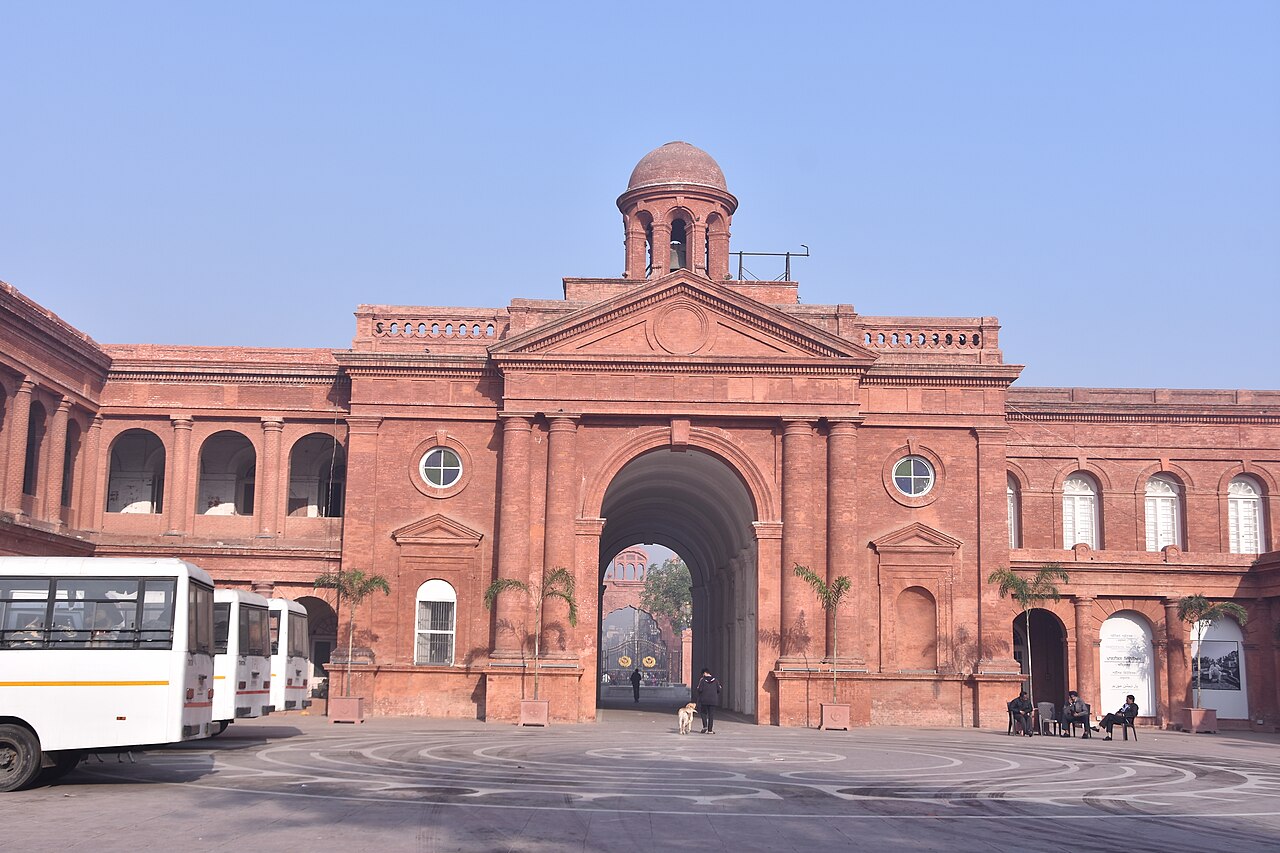
Hall Bazaar & Katra Jaimal Singh
Market · 1.8 km · about 29 min walk
 #4 in Amritsar
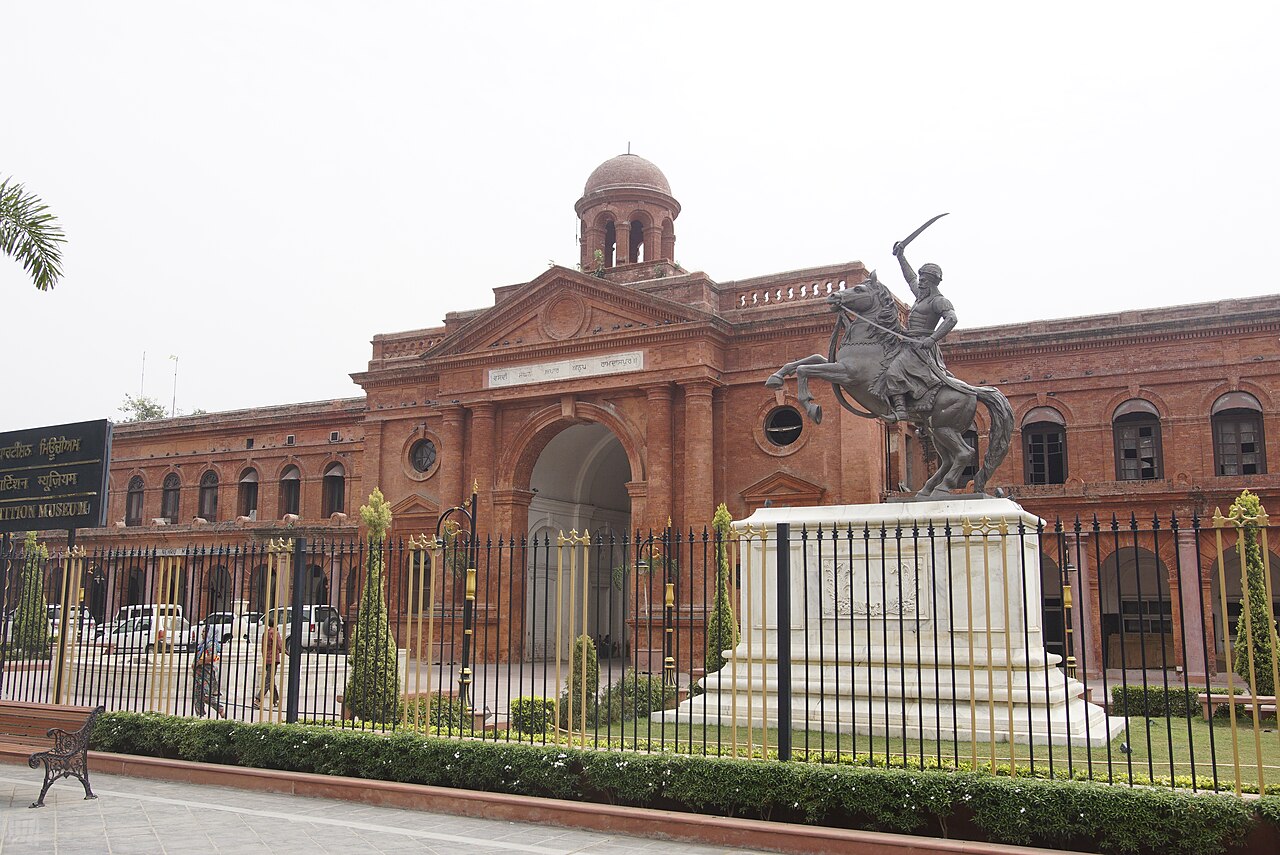
Partition Museum
Museum · 2.0 km · about 33 min walk
 #1 in AmritsarFree entry
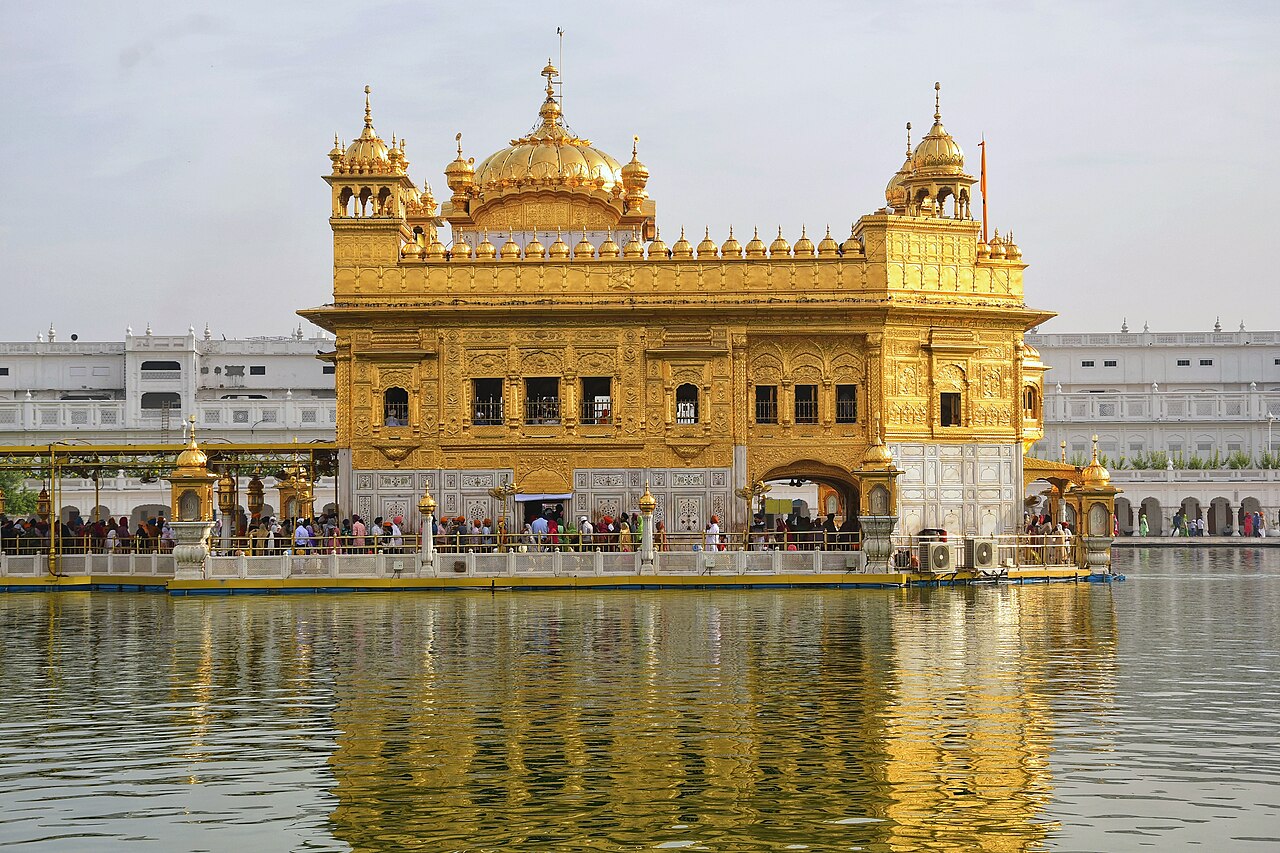
Golden Temple (Sri Harmandir Sahib)
Gurdwara · 2.0 km · about 33 min walk
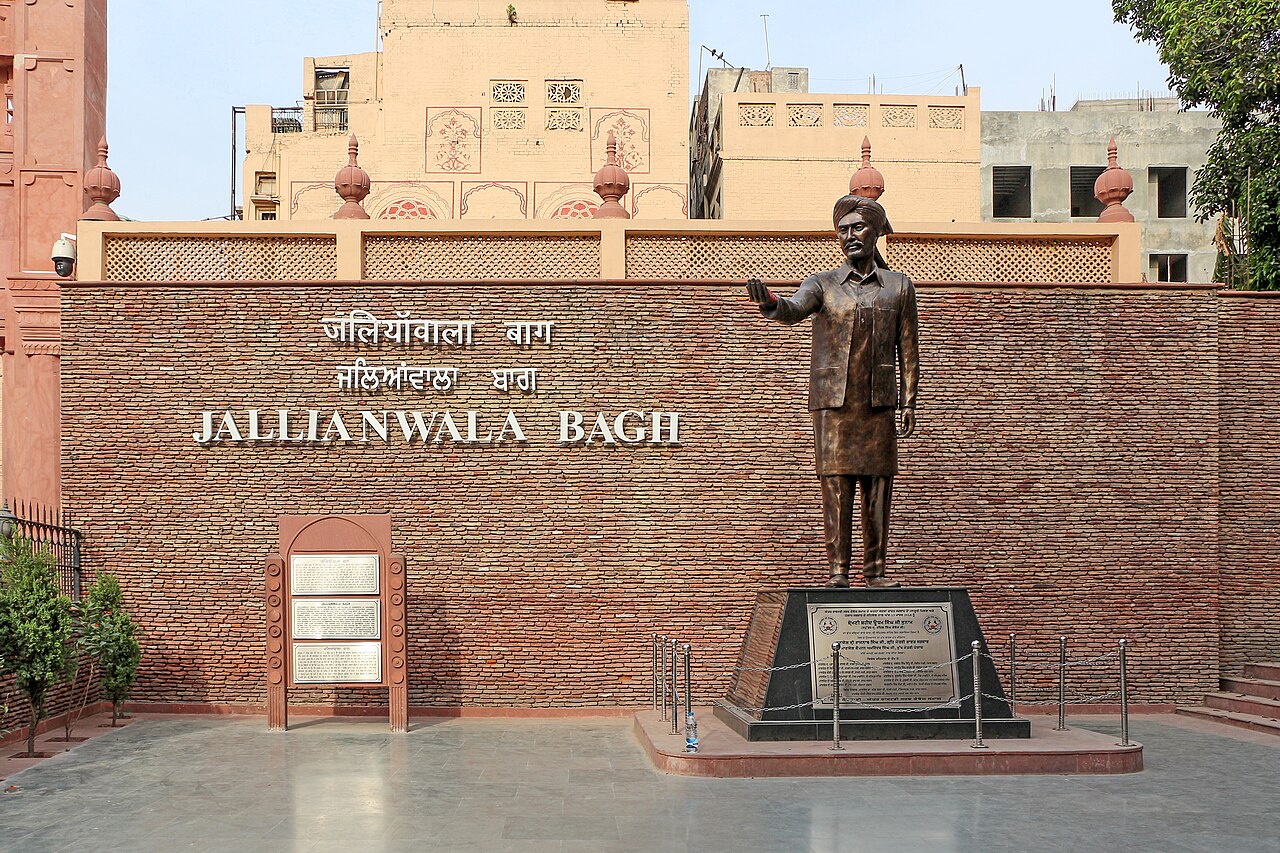 #2 in AmritsarFree entry
Jallianwala Bagh
Memorial · 2.3 km · about 38 min walk