
Attari–Wagah Border Ceremony
#3of 6 places to visit in AmritsarAmritsar, Punjab
Also known as Attari Border · Beating Retreat
Quick answer
Opening hours: No fixed opening hours. Entry is free. Allow 3.5 hrs. Best time: Arrive two hours before sunset.
Updated · Compiled by Traveliac, AI-assisted · 4 min read
- Opening hours
- No fixed hours
- A ceremony rather than a site with opening hours. It starts about an hour before sunset — roughly 16:15 in winter and 17:15 in summer — and runs about 45 minutes. Seating fills well before that.
- Entry fee
- Free
- Time needed
- 3.5 hrs
- Best time of day
- Arrive two hours before sunset
- Best months
- Oct – Mar
- Address
- Attari–Wagah Border Checkpoint, Grand Trunk Road, Attari, Punjab 143108 (28 km from city centre)
About Attari–Wagah Border Ceremony
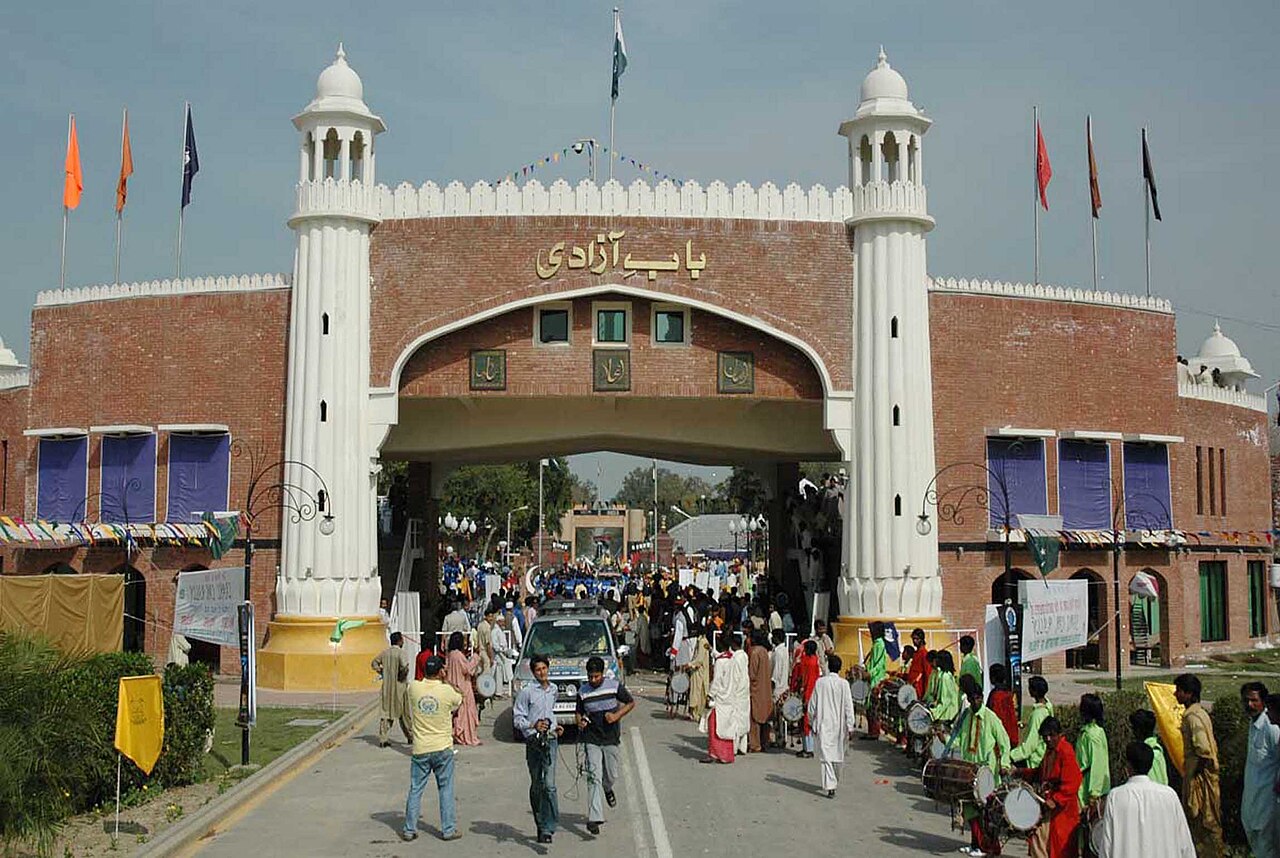
The Beating Retreat at Wagah is a rehearsed piece of military theatre performed nightly by the Border Security Force on the Indian side and the Pakistan Rangers on the other, separated by an iron gate that opens only for the final minutes of synchronized flag-lowering. High-kicking marches, deliberately aggressive foot-stamping, and a crowd-warming compere whipping up chants of 'Hindustan Zindabad' on one side answered by 'Pakistan Zindabad' chants audible from the other build for the better part of an hour before the actual handshake and flag ceremony, which lasts only a few minutes. The stadium-style stands on the Indian side hold several thousand spectators split into general seating, a women's section, and a Foreigner Gallery with the best sightline closest to the gate.
Best time of day: Arrive two hours before sunset. By 3:00pm–3:30pm
Dress code
Comfortable casual. Must carry valid Government Photo ID / Passport.
Photography
Phones and DSLRs allowed. Bags, backpacks, chargers, and food are strictly banned past security.
Attari–Wagah Border Ceremony timings
- Opening hours
- No fixed hours
Mon–Sun No fixed hours - A ceremony rather than a site with opening hours. It starts about an hour before sunset — roughly 16:15 in winter and 17:15 in summer — and runs about 45 minutes. Seating fills well before that.
- Parade & Flag Lowering
- Begins 1 hour before sunset
- Closed on
- Open every day
Opening hours compiled from public records; this place lists no official website, last updated . They change without notice — confirm before you travel. How we write these guides
Attari–Wagah Border Ceremony ticket price
| Ticket | Price |
|---|---|
| Indian visitors | Free |
| Foreign visitors | Free |
No admission fee. Seating is strictly unreserved; leave Amritsar by 2:30pm to clear security.
Prices compiled from public records; this place lists no official website, last updated . They change without notice — confirm before you travel. How we write these guides
Best time to visit Attari–Wagah Border Ceremony
- Quiet
- Busy
- Very busy
Gate opening – 90 min before ceremony
Early Arrival WindowBest time to go
Seats are still available in general stands and the Foreigner Gallery. Vendors selling flags, snacks, and water are in full swing in the approach lane.
Quiet60–30 min before ceremony
Peak Fill
Stands reach capacity during winter high season; gates may close to new entrants. This is also when the compere-led chanting and flag-relay warm-up begins.
Very busyCeremony window (approx. 30–45 min)
Retreat Ceremony
The synchronized march, high kicks, and flag-lowering take place. Full stands, standing room only at the rear if arrival was late.
Very busyPost-ceremony (30–60 min)
Mass Exit
The entire crowd disperses to the car park simultaneously; the two-lane road back toward Amritsar is congested for up to an hour.
Busy
History of Attari–Wagah Border Ceremony
The retreat ceremony has been performed at this crossing daily since 1959, an outgrowth of a long-standing military tradition of lowering flags at sunset that both India and Pakistan inherited from British colonial-era border protocol and gradually escalated into competitive theatre through the late 20th century. Attari-Wagah is the only road border crossing between India and Pakistan in Punjab, and the ceremony has continued essentially without interruption through periods of severe diplomatic tension between the two countries, including after the 2019 Pulwama attack, when the retreat was scaled back for a period but not cancelled outright. The crossing itself carries additional historical weight as one of the points through which Partition refugees moved in both directions in 1947.
Rules & etiquette at Attari–Wagah Border Ceremony
Security screening is thorough and mirrors airport protocol: no large bags, no sharp objects, and only small clear pouches or wallets are generally permitted past the checkpoint, with lockers available near the car park for anything larger. Seating is strictly gender- and category-separated — men queue and sit on one side, women and families on another, and foreign passport holders are directed to the dedicated Foreigner Gallery after producing their passport at a separate counter near the main gate. Once seated, moving between sections is not permitted, and stands can and do close their gates once at capacity, sometimes 45–60 minutes before the ceremony starts during the high-season months of December and January, leaving latecomers without a seat and only a standing view from the rear. Flags, face paint, and patriotic clothing are common among Indian visitors and not discouraged, but professional-grade camera equipment with large lenses may draw extra scrutiny at the checkpoint.
Tips for visiting Attari–Wagah Border Ceremony
- 1
The single most important piece of practical advice is to treat the 90-minutes-early guidance as a floor, not a target, during the October–March peak season and around Republic Day or Independence Day, when stands can fill a full two hours ahead. Weekday visits, particularly Tuesday through Thursday, draw noticeably smaller crowds than weekends. The pre-ceremony compere-led chanting and running relay of flag-bearers sprinting down the aisle is, for many visitors, more memorable than the retreat itself — arrive early enough to see it rather than treating the walk from the car park as dead time. Combine the visit with a stop at the Attari Border Amritsar-Lahore milestone marker on the walk in, and note that the return drive to Amritsar after dark, on a two-lane road shared with the entire dispersing crowd, routinely takes longer than the outbound trip; budget accordingly if you have an evening train or flight.
How to reach Attari–Wagah Border Ceremony
The red star is Attari–Wagah Border Ceremony. Tap a pin for details.
Attari–Wagah Border Checkpoint, Grand Trunk Road, Attari, Punjab 143108 (28 km from city centre)Directions in Google Maps
From Sri Guru Ram Dass Jee International Airport (ATQ)
₹900–₹1,20035 km · 50–60 min
Taxi, round trip with wait time typically negotiated as a package).
From Amritsar Junction Railway Station (ASR) / city centre
₹150–₹25028 km · 45–60 min
Per person (shared jeep/tempo from near Golden Temple, a common budget option); ₹700–₹1,000 (private taxi return trip).
From Golden Temple (shared jeep stand)
₹100–₹15027 km · 45–55 min
Per person one-way, departing when full; the most common way independent travellers reach the ceremony.
Nearest airport
From ATQ
35 km
Nearest railway station
From Attari Railway Station
3 km / Amritsar Junction – 28 km
Attari–Wagah Border Ceremony FAQs
How early should I arrive at Wagah Border to get a seat?
At least 90 minutes before the stated ceremony time, and closer to two hours during the October–March peak season or around Republic Day and Independence Day. Stands fill from the front and gates can close to new arrivals 45–60 minutes ahead of the ceremony once capacity is reached.
What can't I bring to the Wagah Border ceremony?
Large bags, sharp objects, and bulky camera equipment are restricted at the security checkpoint; only small clear pouches or wallets generally pass through easily. Lockers near the car park hold larger items for a small fee. Screening is thorough and comparable to airport security.
Do foreign tourists get separate seating at Wagah?
Yes. A dedicated Foreigner Gallery sits closer to the border gate with one of the better sightlines. Access requires showing a passport at a separate counter near the main entrance before being directed to that section.
Since when has the Wagah Border retreat ceremony been held?
The ceremony has been performed daily at this crossing since 1959, evolving from a routine sunset flag-lowering into the current choreographed, crowd-driven spectacle over subsequent decades. It has continued through most periods of India–Pakistan tension, occasionally scaled back but rarely cancelled outright.
Compiled with AI assistance from official sources and public records, and published only after the checks in How we write these guides. Nobody from Traveliac has visited this place. Last updated . How we rank and check places
Places to visit near Attari–Wagah Border Ceremony
Straight-line distances from our map; times are estimates.
 #5 in Amritsar
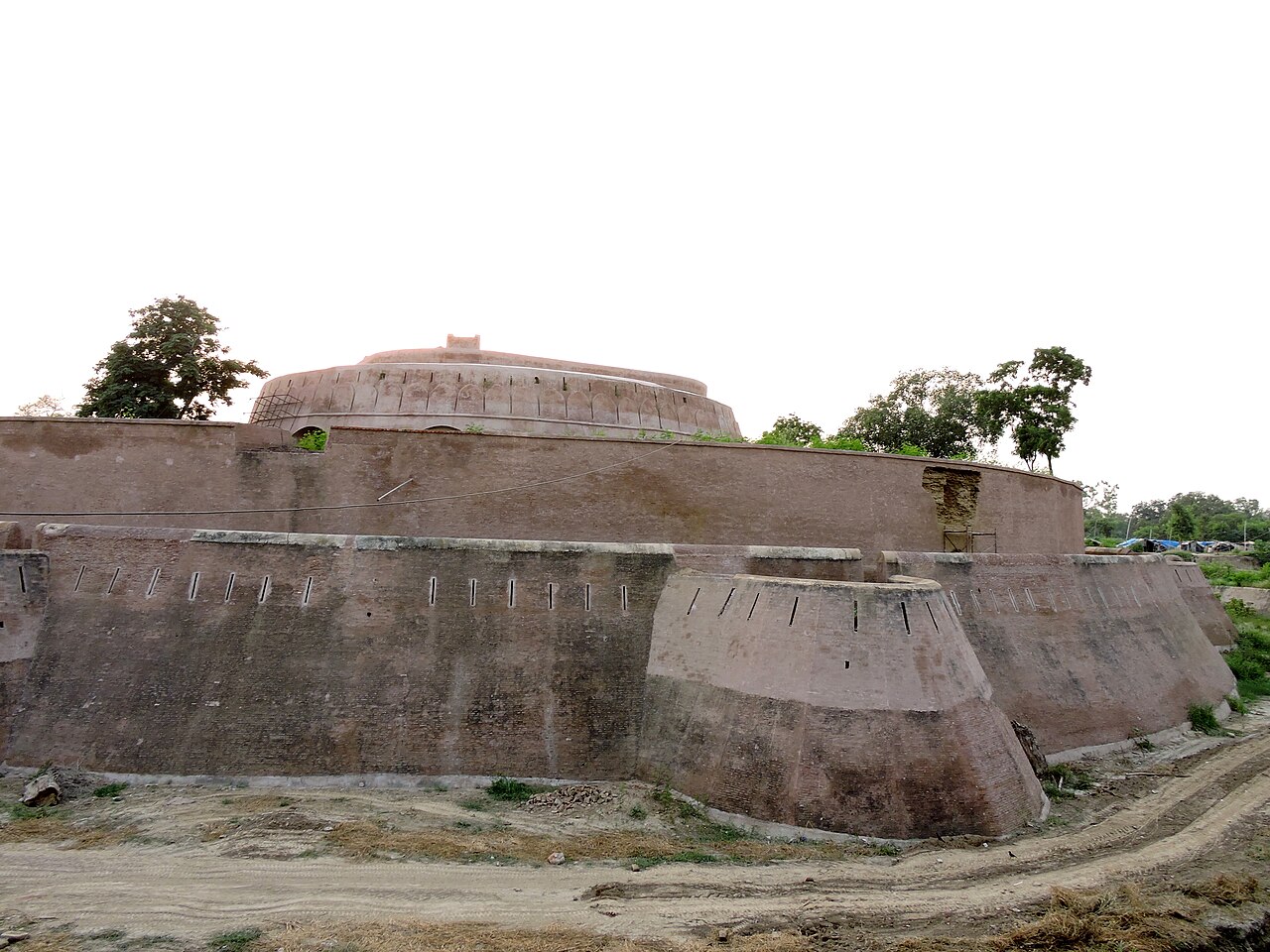
Gobindgarh Fort
Fort · 27 km · about 85 min by road
 #6 in AmritsarFree entry
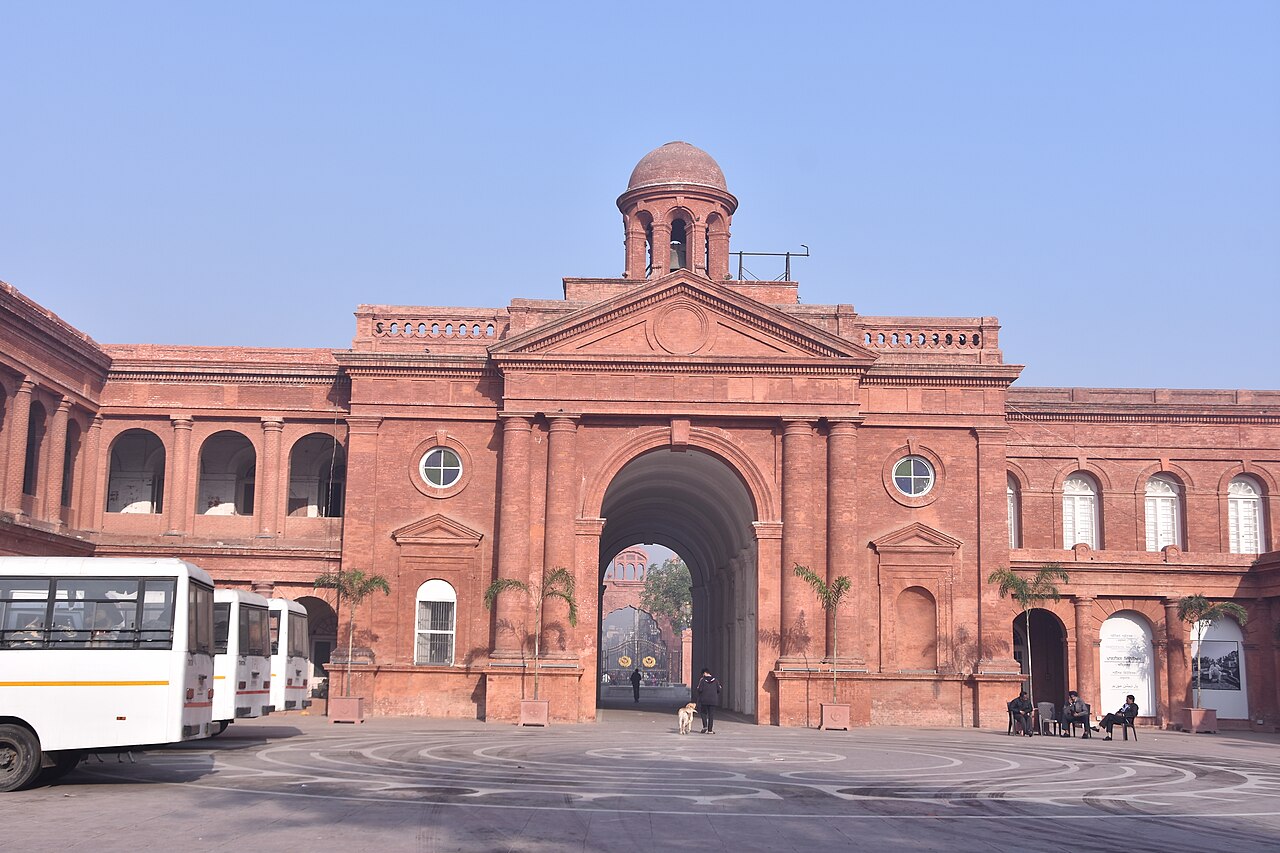
Hall Bazaar & Katra Jaimal Singh
Market · 29 km · about 90 min by road
 #1 in AmritsarFree entry
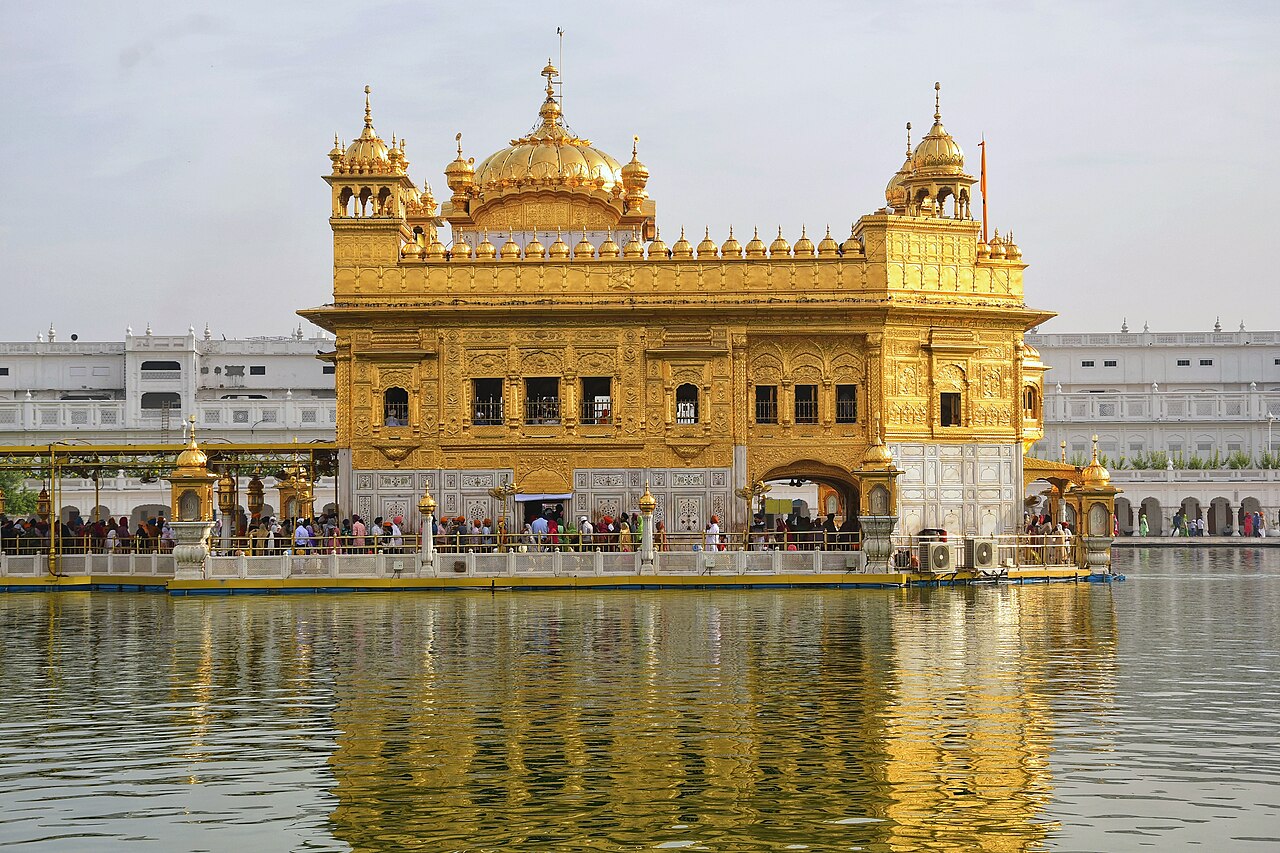
Golden Temple (Sri Harmandir Sahib)
Gurdwara · 29 km · about 90 min by road
 #4 in Amritsar
Partition Museum
Museum · 29 km · about 90 min by road