
Golden Temple (Sri Harmandir Sahib)
#1of 6 places to visit in AmritsarAmritsar, Punjab
Also known as Darbar Sahib · Swarn Mandir
Quick answer
Opening hours: Open at all hours. Entry is free. Allow 3 hrs. Best time: 4:00–7:00am.
Updated · Compiled by Traveliac, AI-assisted · 6 min read
- Opening hours
- Open 24h
- Entry fee
- Free
- Time needed
- 3 hrs
- Best time of day
- 4:00–7:00am
- Best months
- Oct – Mar
- Address
- Golden Temple Road, Atta Mandi, Katra Ahluwalia, Amritsar, Punjab 143006
About Golden Temple (Sri Harmandir Sahib)
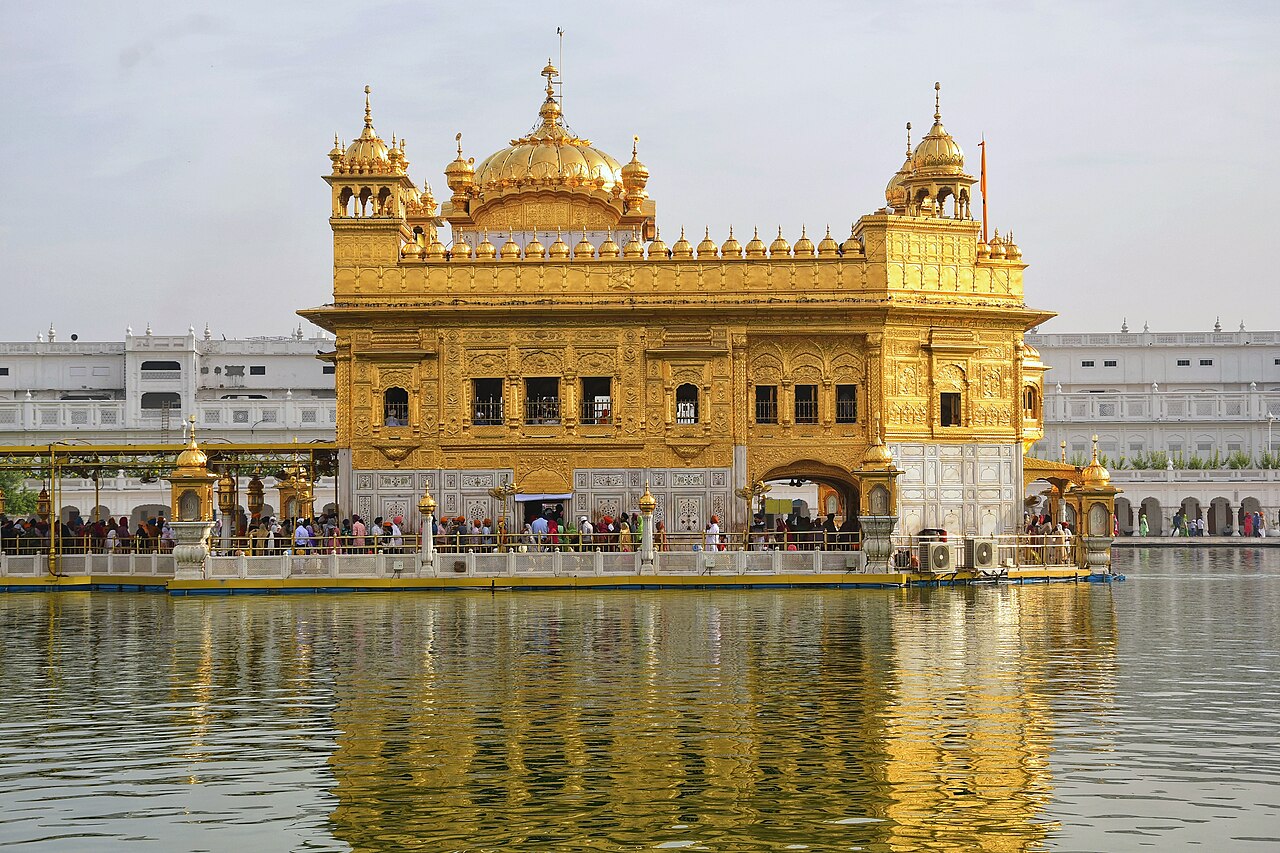
The Golden Temple is not tall, and that is deliberate. It sits below the level of the city around it, so every visitor walks down a flight of steps to reach it — a built argument about humility. Four doors face four directions, open to anyone regardless of caste, creed, or nationality. There is no ticket, no queue-jump, no closing time, and the free kitchen behind it feeds tens of thousands of people every single day, most of them served by volunteers who queued for the privilege.
Best time of day: 4:00–7:00am. Cool marble, quiet or after 9:00pm when illuminated
Dress code
Head covered at all times (scarves available free at entrance); shoulders and knees covered; shoes and socks deposited at jorra ghar; feet washed in foot bath upon entry.
Photography
Permitted around the outer parikrama; strictly prohibited inside the inner sanctum (Harmandir Sahib).
Golden Temple (Sri Harmandir Sahib) timings
Golden Temple (Sri Harmandir Sahib) is open 24 hours a day, every day of the week, including Saturday and Sunday.
- Opening hours
- Open 24h
Mon–Sun 00:00–23:59 - Palki Sahib (Morning)
- ~4:00am summer / ~5:00am winter
- Sukhasan Ceremony (Night)
- ~10:00pm–10:30pm
- Closed on
- Open every day
Opening hours compiled from sgpc.net and public records, last updated . They change without notice — confirm before you travel. How we write these guides
Golden Temple (Sri Harmandir Sahib) ticket price
| Ticket | Price |
|---|---|
| Indian visitors | Free |
| Foreign visitors | Free |
| Children | Free |
| Camera | Free |
No tickets, no foreigner rate, no camera fee. Head coverings and shoe deposit (jorra ghar) are completely free.
Prices compiled from sgpc.net and public records, last updated . They change without notice — confirm before you travel. How we write these guides
Best time to visit Golden Temple (Sri Harmandir Sahib)
Understanding the hour-by-hour crowd rhythm is the single biggest factor in having a serene visit:
- 4:00–7:00am (Best Hours): Palki Sahib arrives, marble is refreshingly cold underfoot, few crowds, and soft predawn kirtan fills the air.
- 7:00–10:00am (Filling Steadily): Morning devotees arrive. Parikrama is lively yet comfortable.
- 10:00am–4:00pm (Busiest & Hottest): High visitor volume; during summer months the outdoor marble gets scorching hot (walk on the wet burlap mats). The langar runs continuously during this window and is ideal for lunch.
- 4:00–7:00pm (Heavy): Families and evening worshippers arrive; heaviest on weekends and Gurpurab holidays.
- 7:00–9:00pm (Most Crowded Hour): Golden lighting is fully turned on and sparkles against the dark water—the iconic photograph everyone seeks.
- After 10:00pm (Quiet & Cool): Devotees thin out quickly following the night Sukhasan ceremony. The complex remains open all night for quiet meditation.
History of Golden Temple (Sri Harmandir Sahib)
Guru Ram Das, the fourth Sikh Guru, founded the city and had the sacred pool — the Amrit Sarovar that gives Amritsar its name — excavated in the 1570s. His successor Guru Arjan completed the shrine at its centre and installed the Adi Granth inside it in 1604; by tradition the foundation stone was laid by the Sufi saint Mian Mir, though historians differ on whether the stone was laid by the Guru himself. Guru Hargobind raised the Akal Takht facing it in 1606 as the seat of temporal authority, so that spiritual and worldly power stood opposite one another across the water. The complex was destroyed and rebuilt more than once in the eighteenth century during Afghan invasions. The exquisite marble inlay and the 162 kg of gold leaf plating that named it in English came in the early nineteenth century, under the patronage of Maharaja Ranjit Singh.
What to see at Golden Temple (Sri Harmandir Sahib)
- The Sacred Amrit Sarovar: The holy pool of nectar excavated in 1577, lined with polished marble walkways (parikrama).
- The Causeway and Inner Sanctum (Harmandir Sahib): The gold-embossed sanctum where continuous kirtan (hymns) resonates 24 hours a day from the Guru Granth Sahib.
- The Akal Takht: The "Throne of the Timeless One", facing the causeway, representing the highest seat of Sikh temporal authority.
- Guru Ka Langar: The world's largest community kitchen, feeding between 50,000 to 100,000 people daily on floor mats with fresh hot rotis and lentils.
- The Historic Ber Trees: The Dukh Bhanjani Beri (believed to possess healing properties) and the Ber Baba Buddha Ji, under which the venerable first head granthi sat.
- Central Sikh Museum: Located above the clock tower entrance, housing rare manuscripts, 18th-century swords, paintings of Sikh martyrs, and British-era documents.
- Night Parikrama & Palki Sahib Ceremony: The illuminated gold temple reflected on pitch-black waters, accompanied by the ceremonial evening conveyance of the holy book to the Akal Takht.
Rules & etiquette at Golden Temple (Sri Harmandir Sahib)
- Head Covering: Mandatory for all genders. Caps and hats are not permitted; use a rumal (handkerchief) or scarf. Free saffron or orange headscarves are provided in bins right outside each entrance.
- Shoe Deposit: Remove both shoes and socks at the complimentary SGPC Jorra Ghar counters. You will receive a metal token.
- Foot Bath: Walk through the shallow, flowing water channel at every entry archway to cleanse feet before stepping onto the marble walkway.
- Strict Prohibitions: Alcohol, tobacco, cigarettes, and meat are strictly illegal within 200 metres of the complex. Intoxicated visitors are barred from entry.
- Sanctum Photography: Photography is permitted on the open outer parikrama walkway, but strictly barred inside the bridge causeway and inner sanctum.
- Langar Manners: Sit cross-legged in rows on the burlap carpets. Place both hands cupped together when receiving roti. Finish everything served on your plate.
Tips for visiting Golden Temple (Sri Harmandir Sahib)
- 1
1. **Bring your own bandana or scarf**: The free polyester scarves distributed at the gate can slide off silky hair easily; a breathable cotton scarf will stay tied without adjusting. 2. **Use the luggage cloakroom (Gathri Ghar)**: If you arrive straight from the train before hotel check-in, the SGPC runs a free, secured luggage room right beside the footwear counters. 3. **Walk counter-clockwise**: Traditional circumambulation is clockwise, but pay close attention to the designated one-way rope cordons on the bridge during peak hours. 4. **Try Karah Parshad**: Purchase a ₹50 or ₹100 token from the Parshad counter near the exit of the causeway to receive the warm, ghee-rich wheat halwa sanctified at the shrine. 5. **Drink at the Chhabeels**: Free potable drinking water is scooped from giant urns by sewadars on every corner of the parikrama.
How to reach Golden Temple (Sri Harmandir Sahib)
The red star is Golden Temple (Sri Harmandir Sahib); the numbered pins are the 4 nearest places in our guides, each showing its rank in its city. Tap a pin for details.
Golden Temple Road, Atta Mandi, Katra Ahluwalia, Amritsar, Punjab 143006Directions in Google Maps
- From Sri Guru Ram Dass Jee International Airport (ATQ): 13 km northwest. Pre-paid airport taxi costs ₹350–₹500 and takes 25–35 minutes via Airport Road.
- From Amritsar Junction Railway Station (ASR): 2 km west. Shared e-rickshaws cost ₹20–₹30 per seat; private auto-rickshaws cost ₹80–₹120 and drop at the pedestrianised Heritage Street entry point (8–12 minutes).
- From Amritsar Inter-State Bus Terminal (ISBT): 2.5 km east. Auto fare is ₹80–₹100 (10–15 minutes). Free SGPC shuttle buses also operate periodically between the railway station and the Golden Temple.
Nearest airport
From Sri Guru Ram Dass Jee International Airport (ATQ)
13 km
Nearest railway station
From Amritsar Junction (ASR)
2 km
Golden Temple (Sri Harmandir Sahib) FAQs
Is entry to the Golden Temple completely free?
Yes, entry is 100% free for everyone regardless of religion, nationality, or caste. There are no entrance tickets, VIP queues, or camera fees. Head coverings and shoe storage at the Jorra Ghar are also complimentary.
What are the opening timings and what is the best time to visit?
The Golden Temple complex is open 24 hours a day, 365 days a year. The optimal hours to visit are between 4:00am and 7:00am to witness the morning Palki Sahib ceremony when the marble is cold, or after 9:00pm when the illuminations reflect off the water.
What is the mandatory dress code for visiting?
All visitors must cover their heads (scarves are available free of charge at every entrance). Caps and hats are strictly prohibited. Shoulders and knees must remain covered. Shoes and socks must be deposited at the shoe counters, and feet must be washed in the water trench at the entryway.
Can anyone eat at Guru Ka Langar, and how does it work?
Yes, the langar serves between 50,000 to 100,000 free hot meals every day to anyone who enters. You sit cross-legged on burlap mats in grand dining halls. Plates and spoons are provided at the door, and volunteers serve fresh lentils, vegetables, and hot tandoori rotis.
Is photography permitted inside the temple complex?
Photography and videography are permitted on the wide outer marble parikrama walkway. However, photography is strictly prohibited on the bridge causeway and inside the central sanctum (Harmandir Sahib).
Can foreign travellers stay overnight at the Golden Temple?
Yes, the SGPC operates designated sarais (guest houses) near the clock tower gate, including Sri Guru Arjan Dev Niwas and special rooms reserved for international visitors. Rooms are nominal in price or donation-based on a first-come, first-served basis.
Compiled with AI assistance from official sources and public records, and published only after the checks in How we write these guides. Nobody from Traveliac has visited this place. Last updated . How we rank and check places
Places to visit near Golden Temple (Sri Harmandir Sahib)
Straight-line distances from our map; times are estimates.
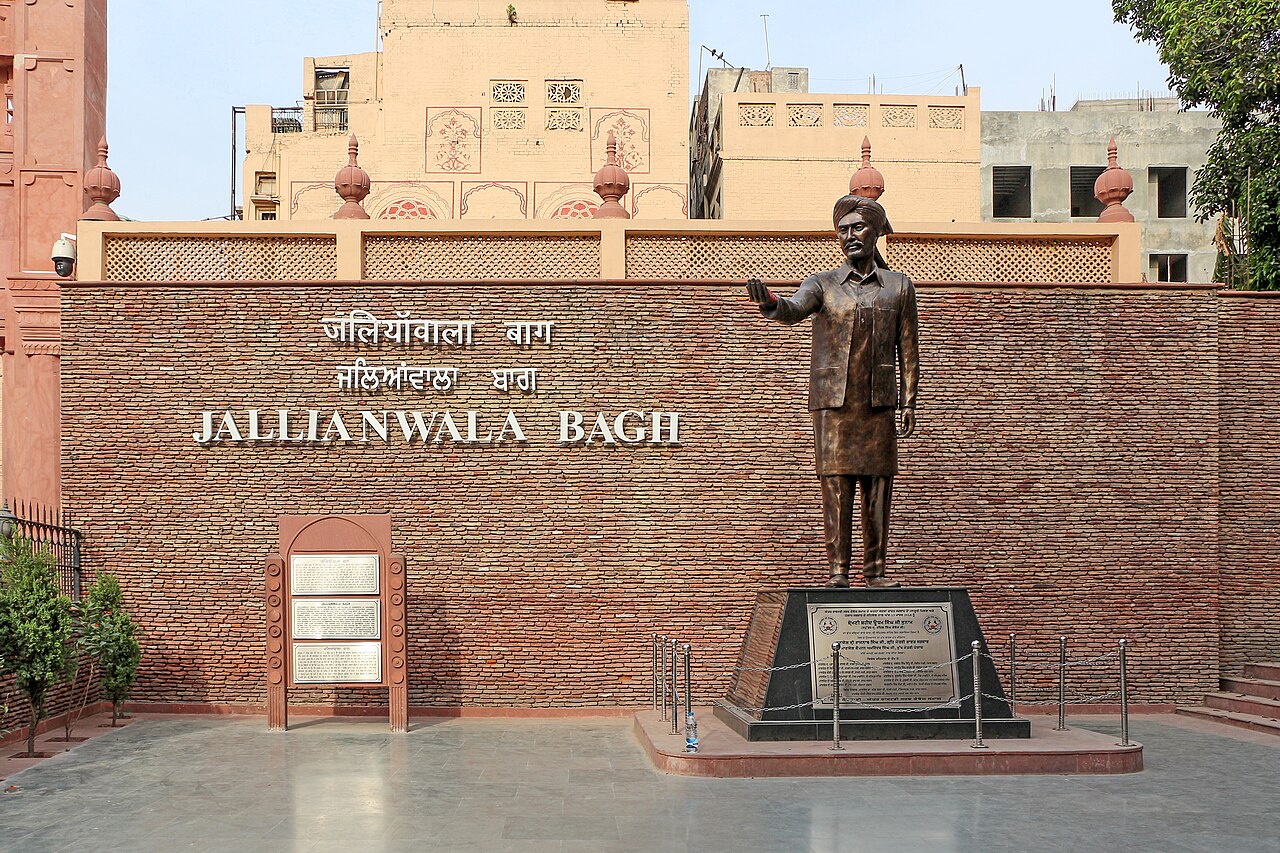 #2 in AmritsarFree entry
Jallianwala Bagh
Memorial · 350 m · about 6 min walk
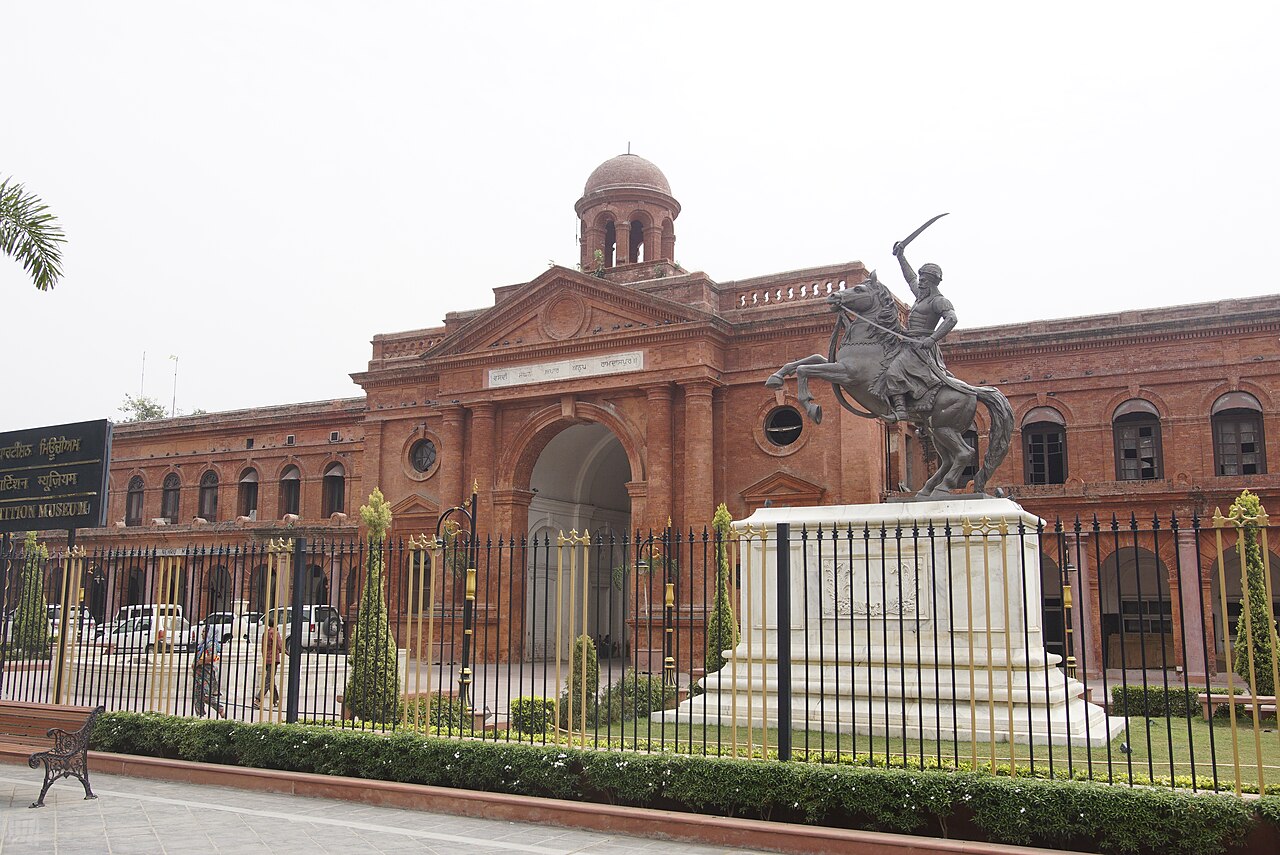 #4 in Amritsar
Partition Museum
Museum · 450 m · about 8 min walk
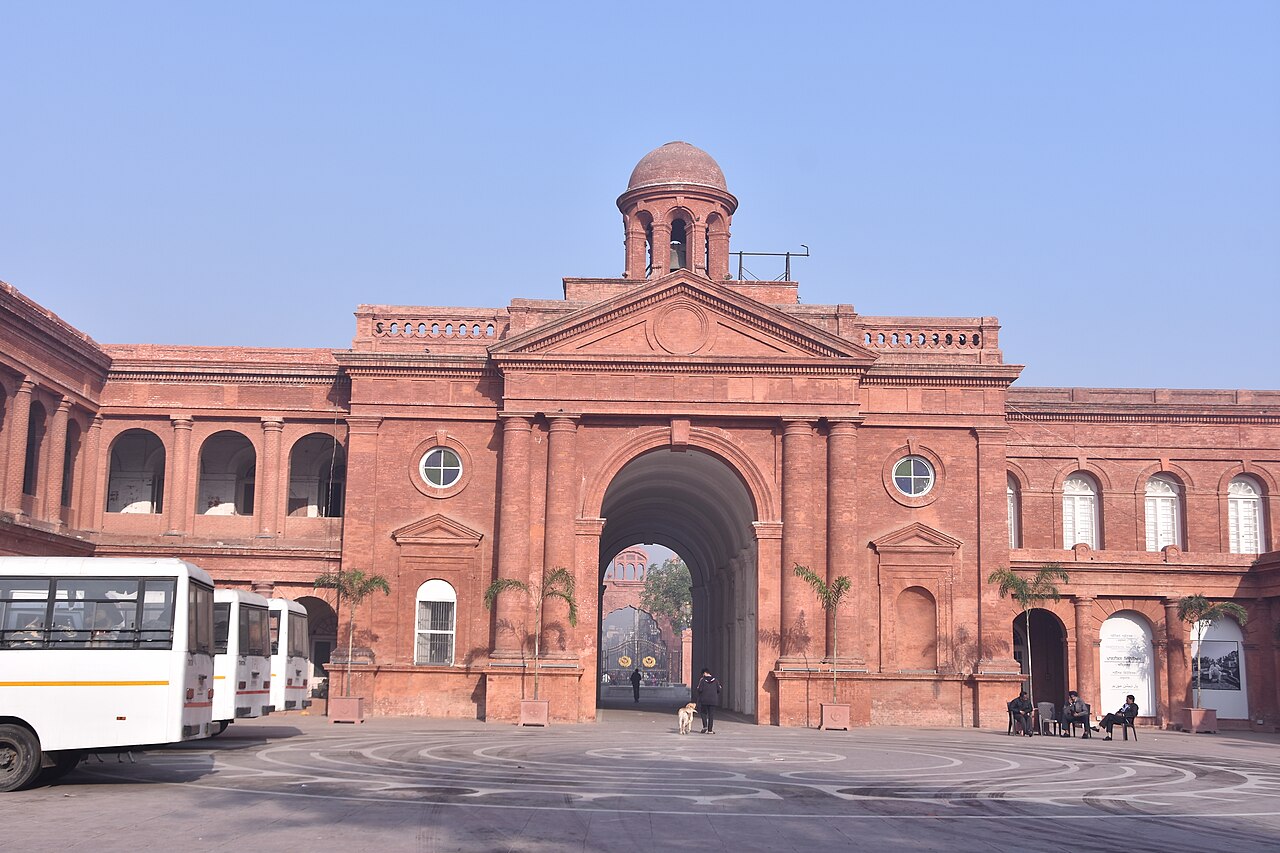 #6 in AmritsarFree entry
Hall Bazaar & Katra Jaimal Singh
Market · 1.3 km · about 21 min walk
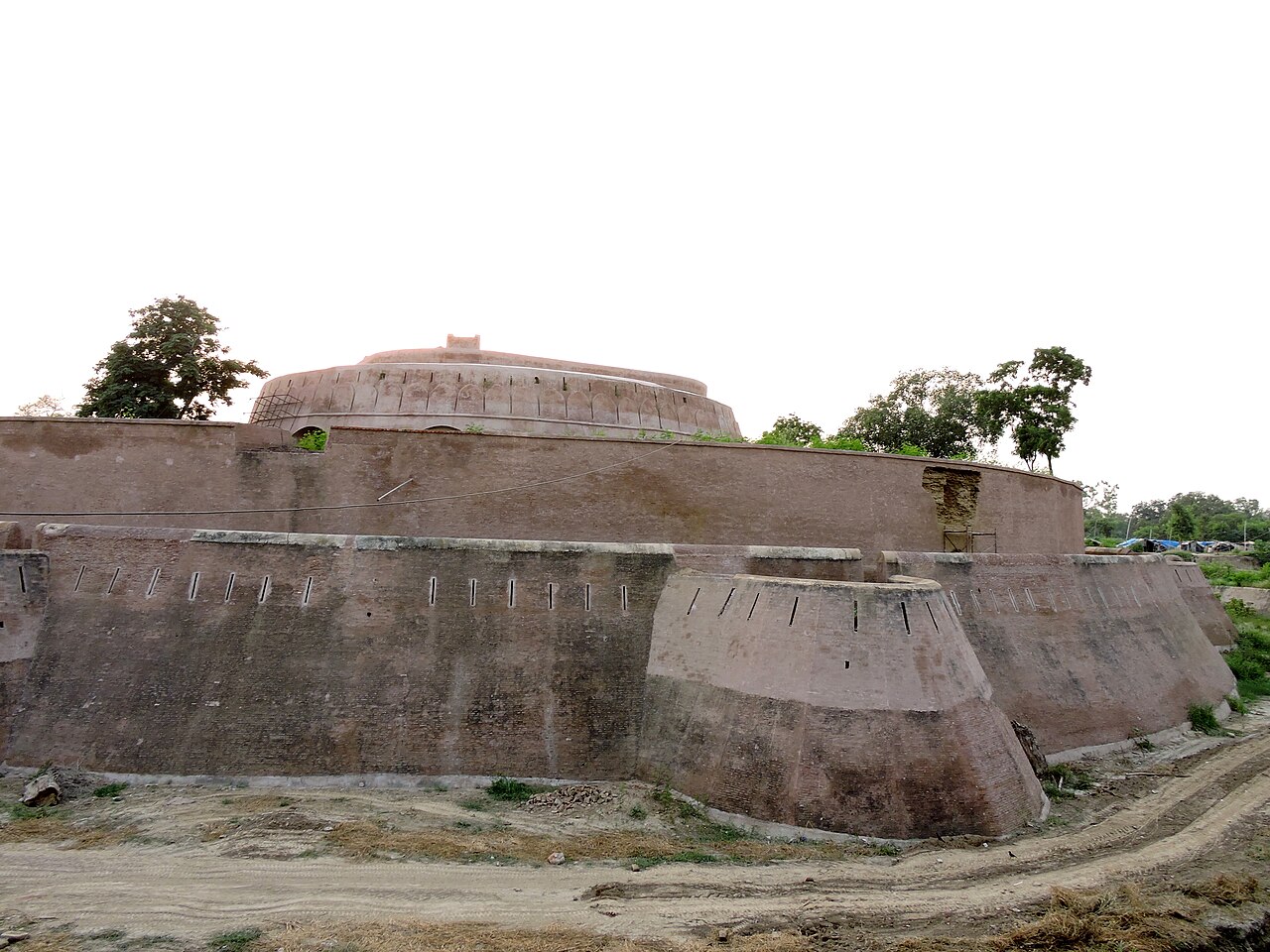 #5 in Amritsar
Gobindgarh Fort
Fort · 2.0 km · about 33 min walk