
Reiseführer Delhi
9 Orte zum Besuchen in New Delhi
Auch bekannt als Delhi · NCT Delhi · Dilli
New Delhi is technically only the administrative district designed by Edwin Lutyens and Herbert Baker between 1911 and 1931 — the broad ceremonial boulevards, the white colonnaded bungalows of the diplomat belt, and the Rajpath axis from India Gate to Rashtrapati Bhavan.
Aktualisiert am ·Erstellt von Traveliac, KI-unterstützt ·Unsere Bewertung
- Beste Zeit
- Oct – Nov, Feb – Mar
- Benötigte Zeit
- Etwa 3 Tage
- 17 Stunden Besichtigung
- Zielflughafen
- Indira Gandhi International Airport (DEL)
- Nächste Station
- Lal Qila Metro Station (Violet Line)
- Freier Eintritt
- 6 von 9
Top-Aktivitäten in New Delhi
Bewertet nach fünf veröffentlichten Kriterien- 1
Festung
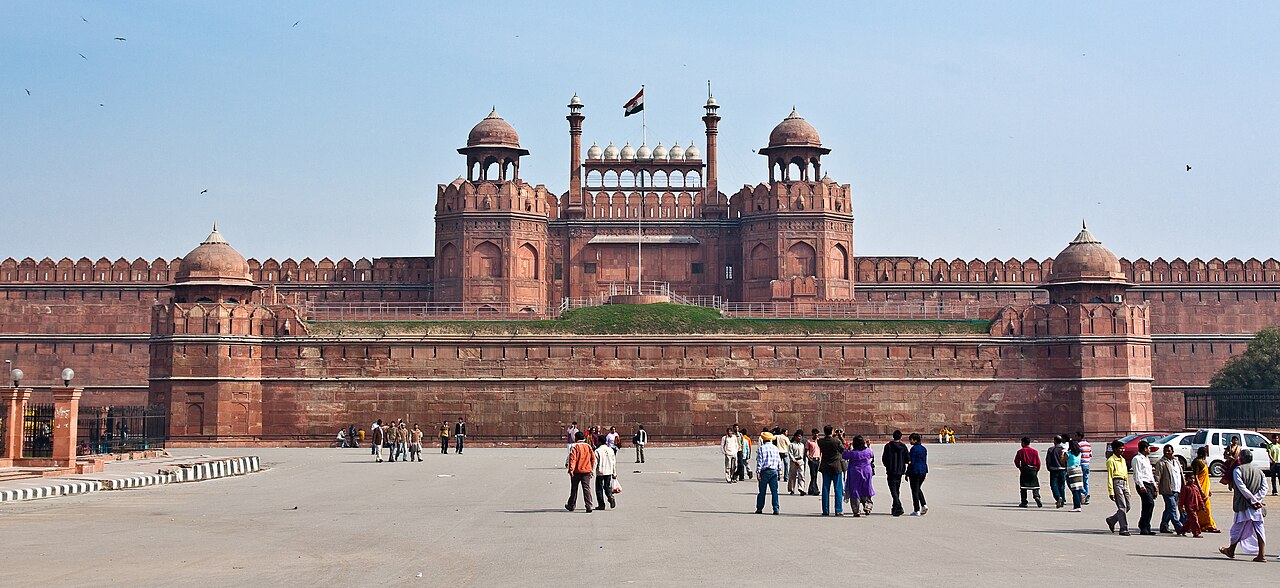
Red Fort
Shah Jahan errichtete das Rote Fort als befestigten Palast von Shahjahanabad, der ummauerten Hauptstadt, die er gründete, als er den Sitz der…
2.5 hrs₹35 für Inder
 2
2Denkmal
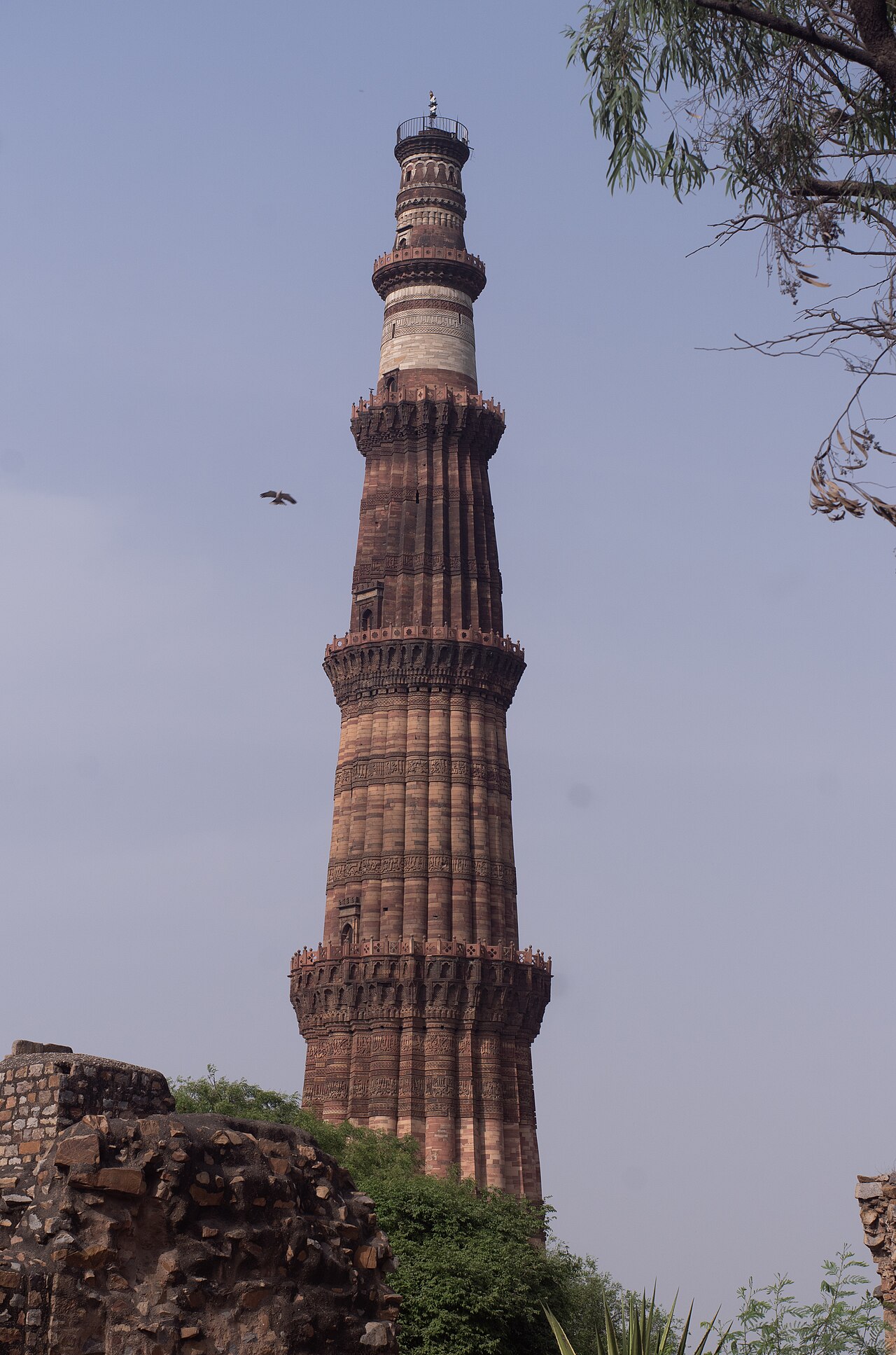
Qutub Minar
Der Qutub Minar erhebt sich über fünf sich verjüngende Stockwerke auf 72,5 Meter Höhe und ist damit das höchste Backsteinminarett der Welt; seine…
1.5 hrs₹40 für Inder
 3Freier Eintritt
Moschee
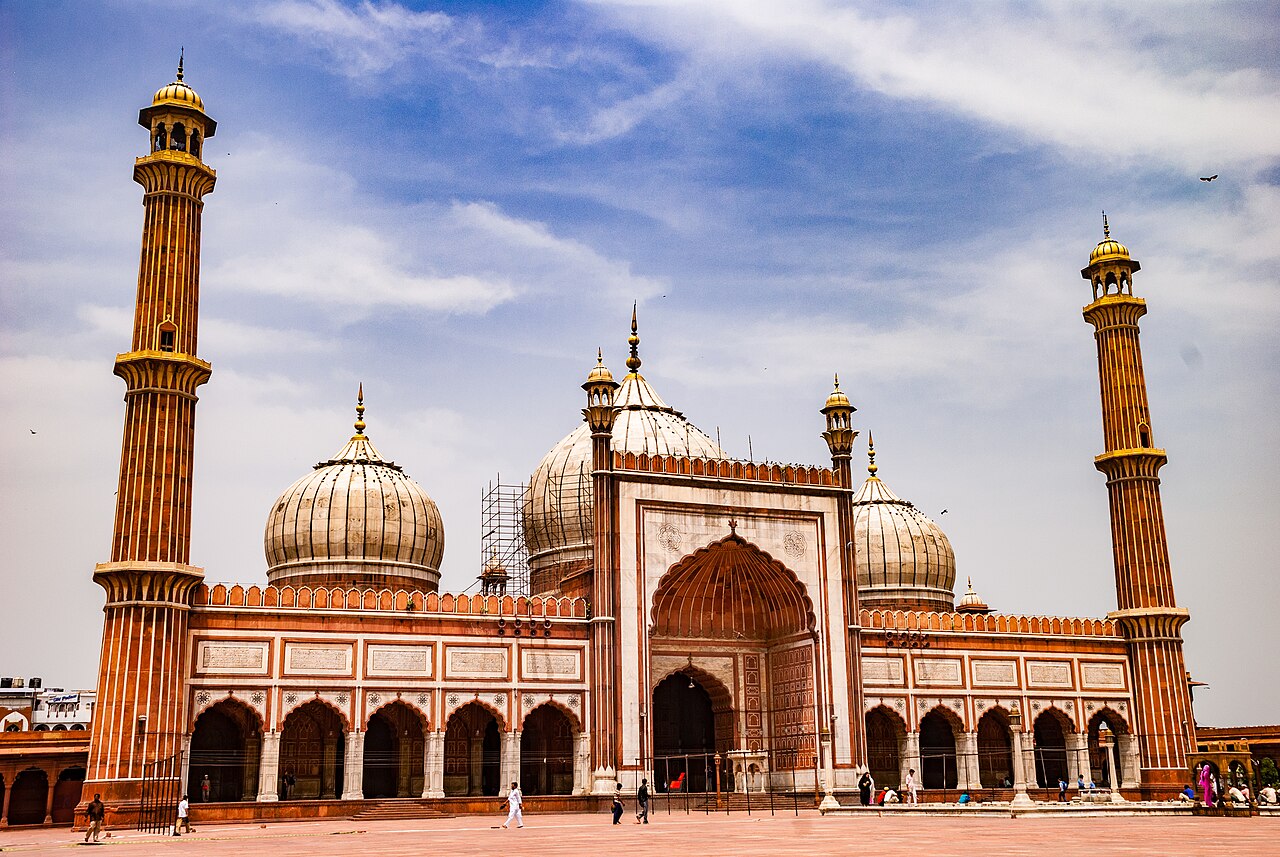
Jama Masjid
Die Jama Masjid war Shah Jahans kaiserliche Moschee für Shahjahanabad, erbaut zwischen 1650 und 1656 im selben roten Sandstein und weißen Marmor wie…
1 hr
 4Freier Eintritt
Markt
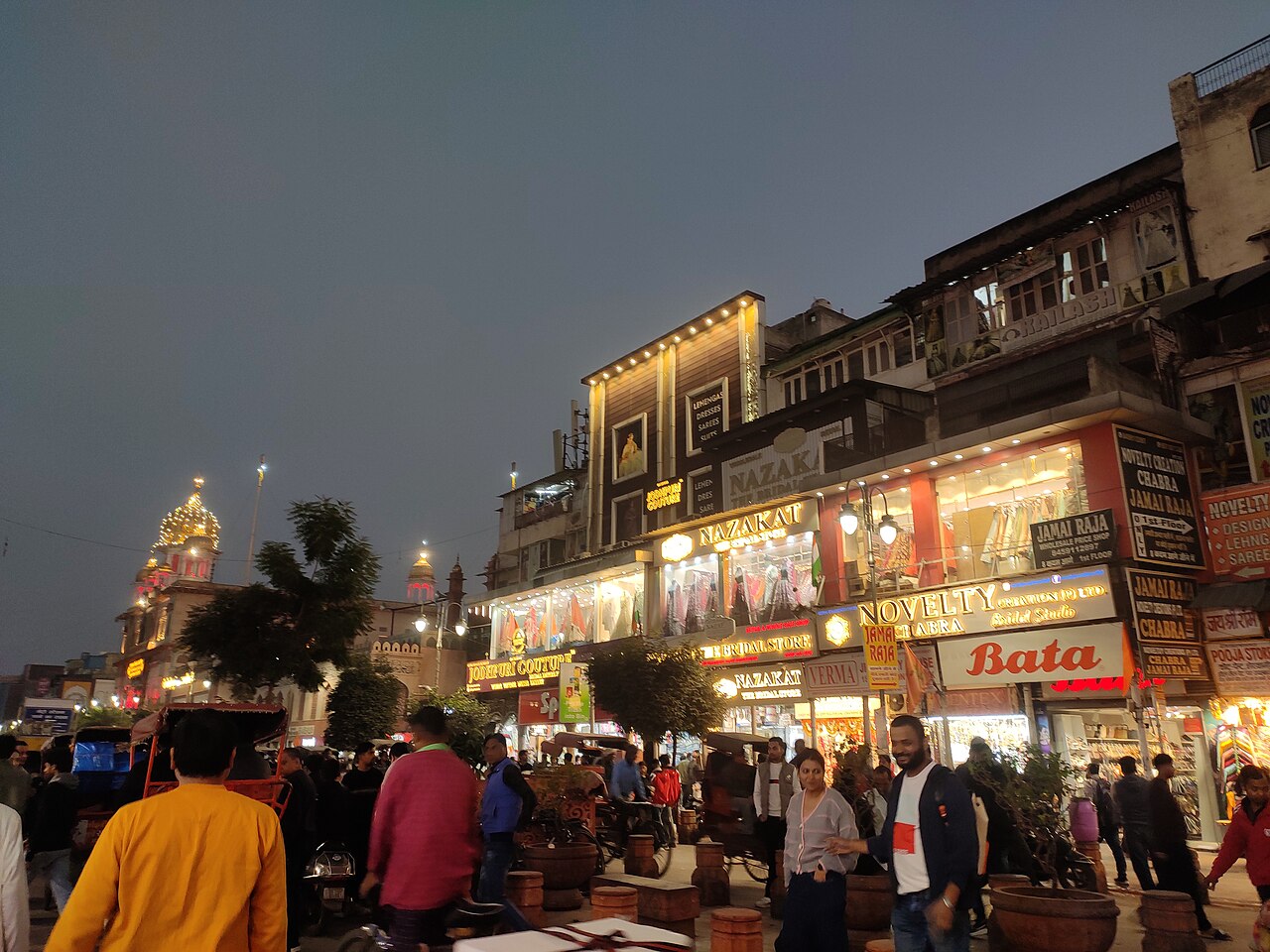
Chandni Chowk
Jahanara Begum, Shah Jahans älteste Tochter, legte Chandni Chowk in den 1650er-Jahren als Hauptgeschäftsstraße von Shahjahanabad an, vom Lahore-Tor…
3 hrs
 5Freier Eintritt
Gedenkstätte
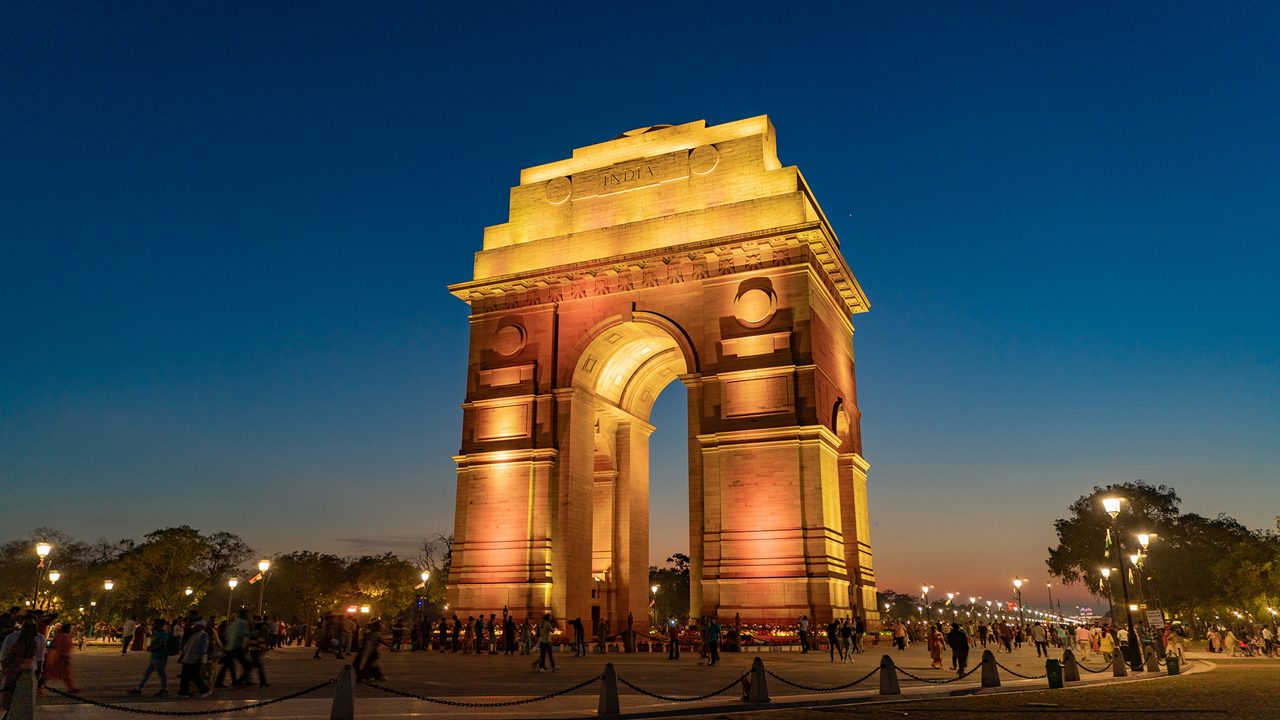
India Gate
India Gate ist ein 42 Meter hoher Triumphbogen aus Sandstein und Granit, entworfen von Sir Edwin Lutyens – demselben Architekten, der für den…
1 hr
 6Freier Eintritt
Tempel
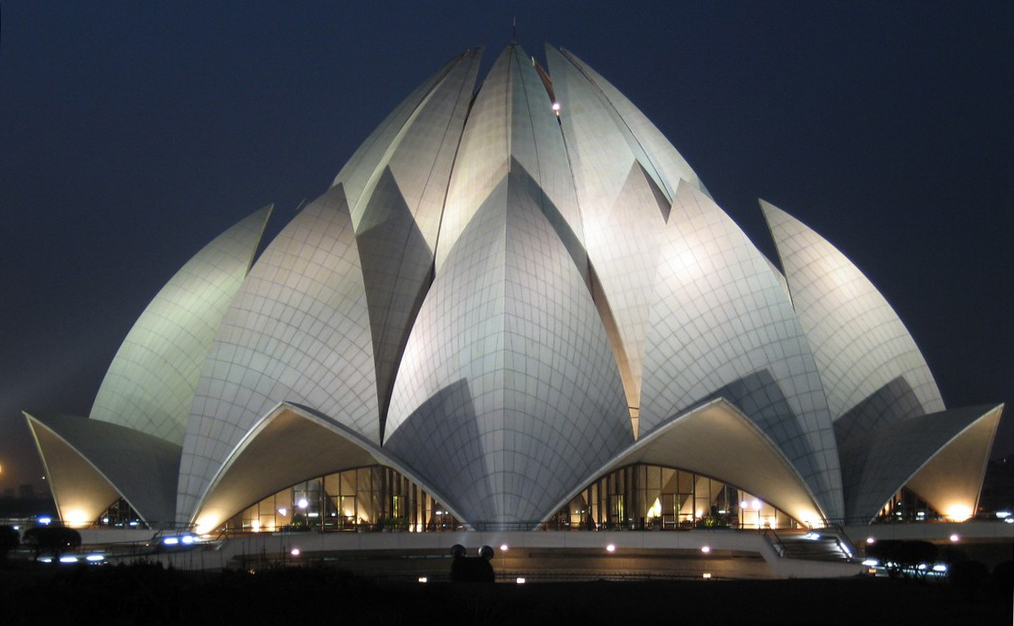
Lotus Temple
Der Lotus-Tempel besteht aus 27 freistehenden, marmorverkleideten Blütenblättern, angeordnet in drei Reihen zu je neun, die zusammen die universell…
1 hr
 7Freier Eintritt
Tempel
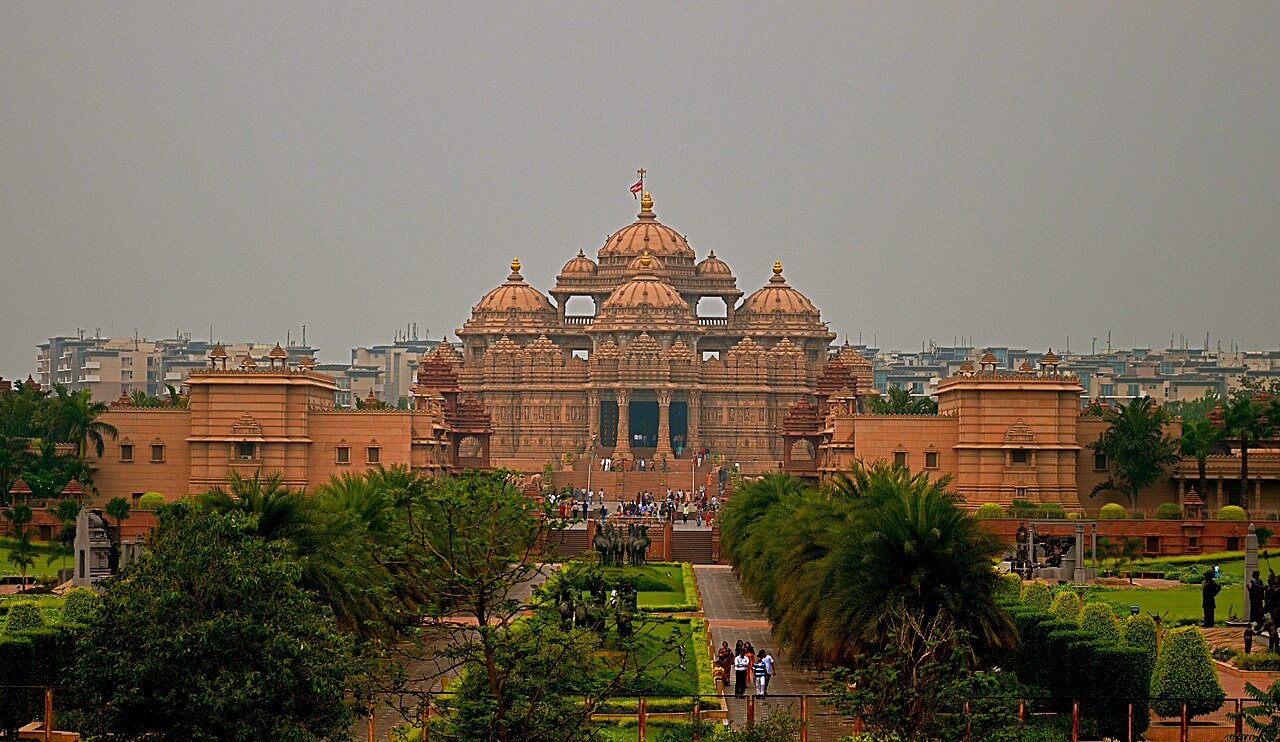
Akshardham Temple
Swaminarayan Akshardham erstreckt sich über 100 Acres am Ostufer der Yamuna und wurde 2005 fertiggestellt – vollständig ohne Baustahl errichtet,…
3.5 hrs
 8
8Museum
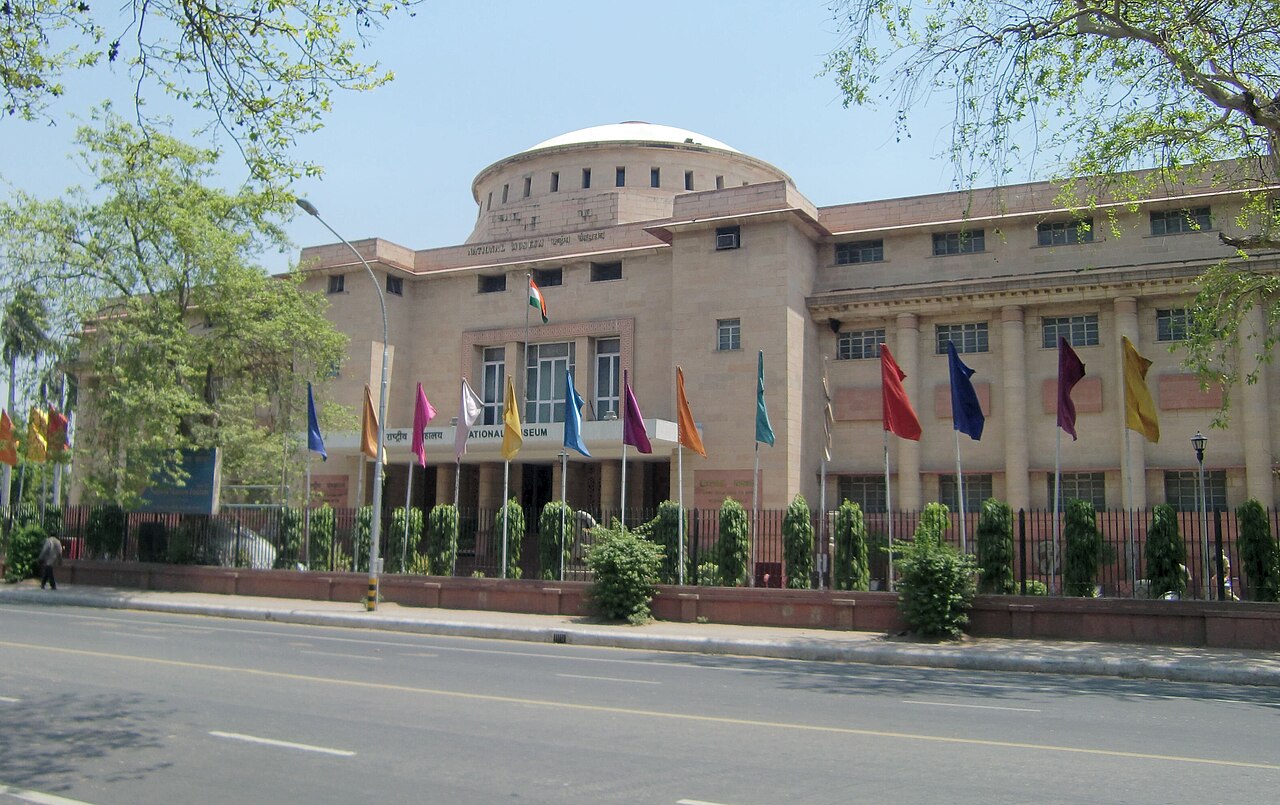
National Museum, Delhi
Die Sammlung des National Museum begann nicht in Delhi, sondern in London, zusammengestellt für eine Ausstellung indischer Kunst 1947/48 an der Royal…
2 hrs₹20 für Inder
 9Freier Eintritt
Garten
Lodhi Gardens
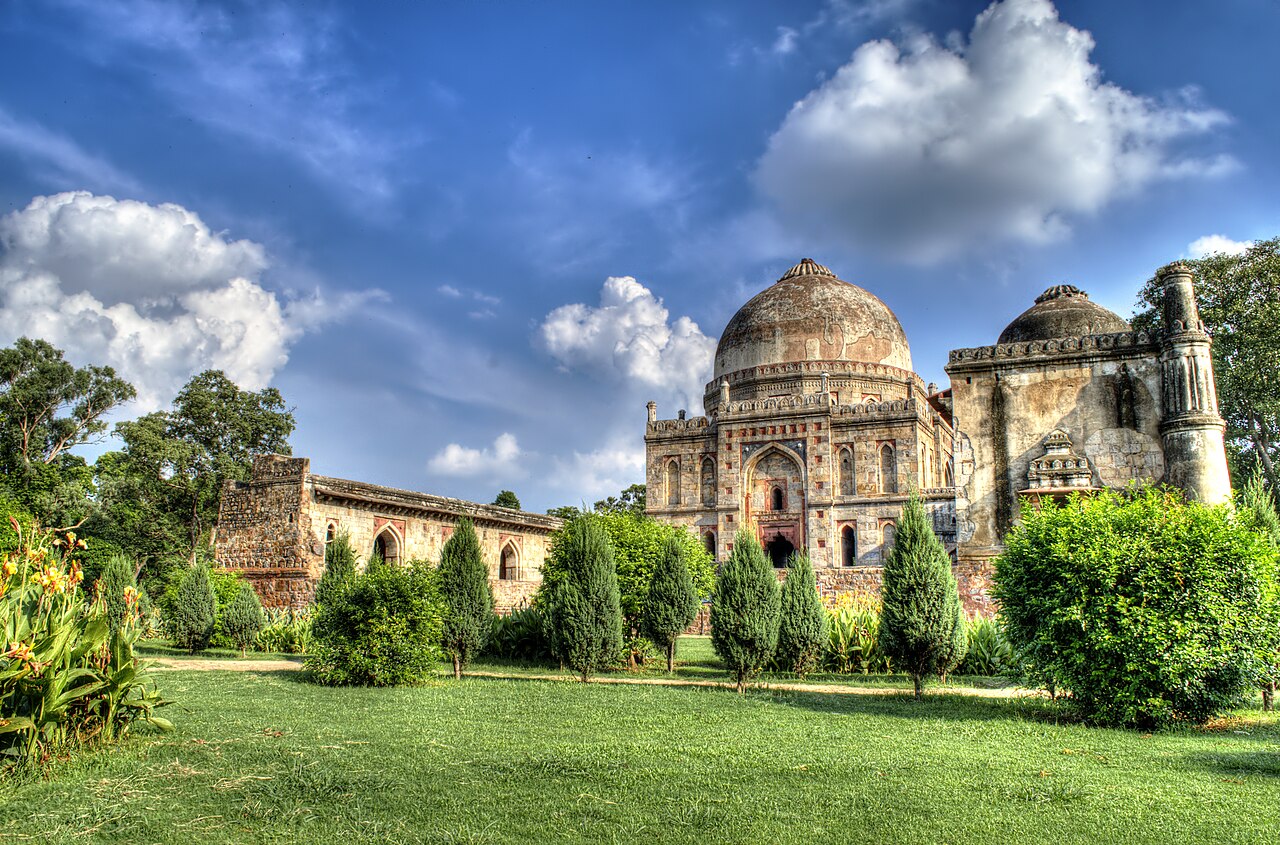
Lodhi Gardens erstreckt sich über 90 Acres gepflegter Rasenflächen, altem Baumbestand und formaler Wege, angelegt um vier erhaltene Grabmäler der…
1.5 hrs
Karte der Orte in New Delhi
Die Zahlen entsprechen der Rangfolge; die Top 3 sind orange markiert. Für den Reiseführer auf eine Markierung tippen. 1 Ort(e) haben noch keine Position auf der Karte.
Tagesausflüge ab New Delhi
Lohnt sich, wenn noch ein Tag übrig ist — die nächstgelegenen zuerst.
50 km · 1–1.5 hours via NH 48 and the Gurugram-Farrukhnagar road
Sultanpur National Park (Bird Sanctuary)
A Ramsar-listed wetland reserve drawing migratory waterfowl — including painted storks, greater flamingos and thousands of wintering ducks and waders — between November and March; a manageable half-day trip that pairs well with an early departure and a return before evening traffic builds on NH 48.
122 km · 2 hours via NH 48
Neemrana Fort-Palace, Rajasthan
A 15th-century Rajput fort converted into a heritage hotel; the stepped structure drops fourteen levels down a hillside, with a pool suspended over the Aravalli foothills.
200 km · 3 hours
Sariska Tiger Reserve
Rajasthan's closest tiger reserve to Delhi, with Project Tiger population recovery ongoing; morning safaris through dry deciduous forest and ruined temples within the reserve boundary.
230 km · 3–4 hours by road; 100 minutes by Gatimaan Express train
Agra
The Taj Mahal, Agra Fort, and Fatehpur Sikri can be done as an ambitious day trip on the Gatimaan Express departing Hazrat Nizamuddin at 08:10, returning by 21:35 — though two days is far more honest.
Über New Delhi
In common usage, however, the name covers the entire National Capital Territory, a 1,484-square-kilometre patchwork of colonial planning, Mughal ruins, medieval villages absorbed by expansion, and contemporary high-rises that refuses to cohere into anything like a conventional city.
For monument visitors, the itinerary divides naturally by geography and era. Shahjahanabad — Old Delhi — contains the 1638–1648 Red Fort complex and the 17th-century Jama Masjid mosque, reachable via Delhi Metro's Yellow Line at Chandni Chowk. South Delhi's Mehrauli neighbourhood, a thirty-minute Metro ride away, holds the 12th-century Qutub Minar complex, representing the earliest phase of Islamic architecture in the subcontinent. Between these extremes, Nizamuddin — accessible from the Violet Line — delivers Humayun's Tomb, the 1570 garden mausoleum that served as the direct architectural prototype for the Taj Mahal, sitting alongside the living Sufi shrine of Nizamuddin Auliya.
The Delhi Metro is the correct answer to almost every transit question. The network's four key monument corridors — Chandni Chowk (Yellow Line), Qutub Minar via HUDA City Centre (Yellow Line to Qutub Minar station), and Jangpura/Nizamuddin (Violet Line) — connect every major site with journeys under 45 minutes for ₹20–₹60. Auto-rickshaw fares should be metered in theory; in practice, quote ₹100–₹200 for cross-neighbourhood short hops and expect negotiation. App-based autos (Ola, Rapido) consistently undercut street-flagged rates.
Etwas stimmt nicht, oder ein Ort fehlt?
Sag uns Bescheid — eine Redaktion prüft es anhand offizieller Quellen und korrigiert die Seite.