
Qutub Minar
#2of 9 places to visit in New DelhiNew Delhi, Delhi
Also known as Qutb Minar · Victory Tower of Delhi
Quick answer
Opening hours: 07:00–17:00, last entry 16:30. Entry: ₹40 Indian · ₹600 foreign. Allow 1.5 hrs. Best time: 07:00 – 09:00.
Updated · Compiled by Traveliac, AI-assisted · 5 min read
- Opening hours
- 07:00–17:00
- Entry fee
- ₹40 Indian
- Ticket from
- Time needed
- 1.5 hrs
- Best time of day
- 07:00 – 09:00
- Best months
- Oct – Nov, Feb – Mar
- Address
- Mehrauli, New Delhi, Delhi 110030
About Qutub Minar
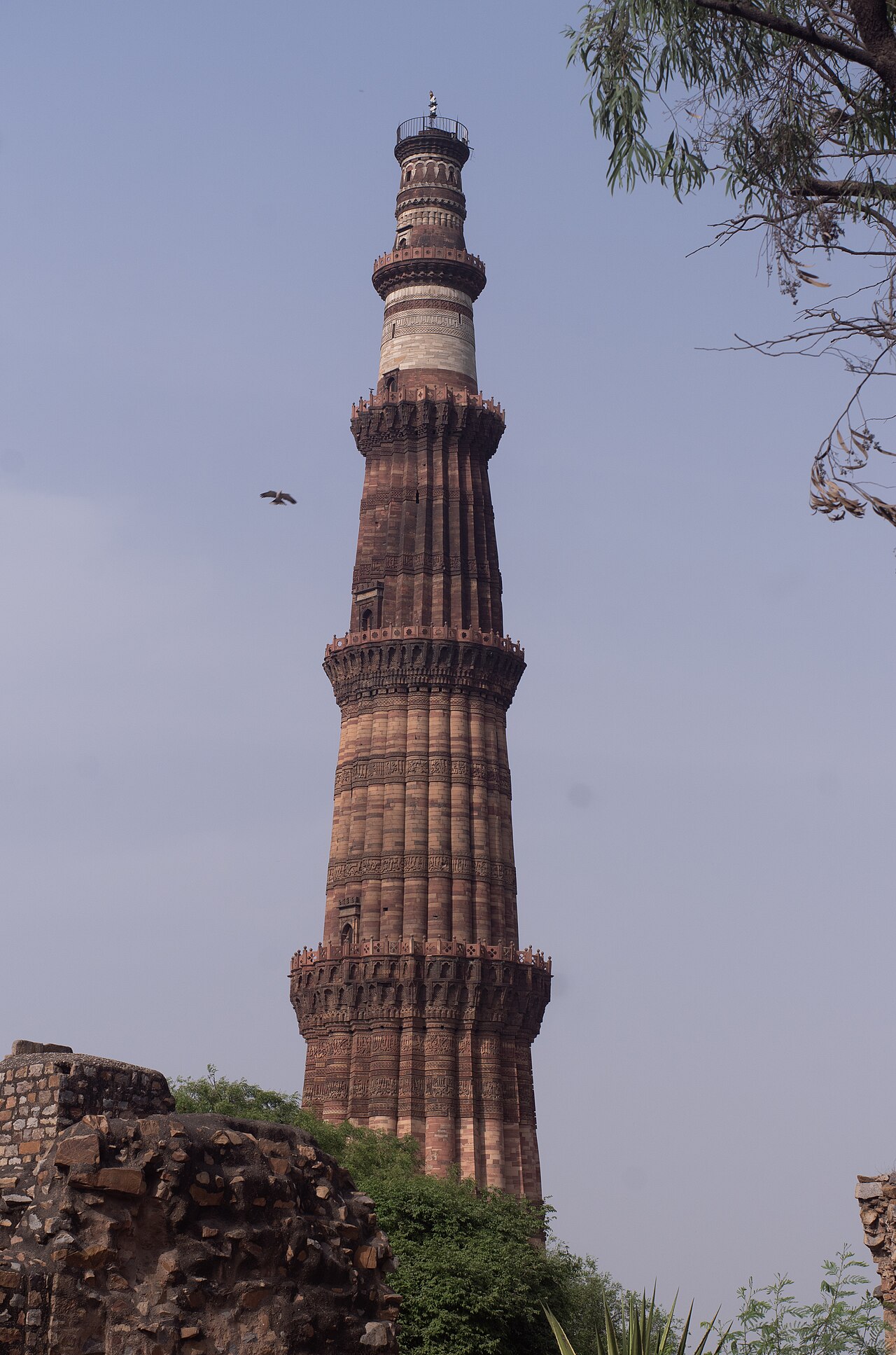
Qutub Minar rises 72.5 metres over five tapering storeys, making it the tallest brick minaret in the world, and its surface reads as a stacked record of two dynasties rather than a single builder's vision. The lowest three storeys are fluted red sandstone, alternating rounded and angular ribs, wrapped in bands of Quranic calligraphy carved in Naskh script alongside geometric and floral relief work. The upper two storeys switch to a mix of marble and sandstone with a noticeably different, plainer proportion — the result of a 14th-century rebuild after lightning damage destroyed the original top. At the base of the surrounding Quwwat-ul-Islam Mosque courtyard stands the Iron Pillar, a 7.2-metre column cast in the Gupta period around the 4th–5th century CE, bearing a Sanskrit inscription referencing a king generally identified as Chandragupta II. Its resistance to rusting after some sixteen centuries of outdoor exposure remains a subject of metallurgical study, attributed to a high phosphorus content in the iron that forms a protective misawite layer rather than to any lost ancient technique. A fence now keeps visitors roughly two metres back, ending the once-popular practice of encircling the pillar backwards with arms clasped for luck.
Best time of day: 07:00 – 09:00. Early morning light rakes across the fluted red sandstone shafts and keeps the stone cool underfoot; the complex has minimal shade once the sun is overhead.
Photography
₹25 camera fee
Qutub Minar timings
Qutub Minar opens at 07:00 and closes at 17:00. It keeps the same hours on Saturday and Sunday.
- Opening hours
- 07:00–17:00
Mon–Sun 07:00–17:00 - Closed on
- Open every day
Opening hours compiled from asi.nic.in and public records, last updated . They change without notice — confirm before you travel. How we write these guides
Qutub Minar ticket price
| Ticket | Price |
|---|---|
| Indian visitors | ₹40 |
| Foreign visitors | ₹600 |
| Children | Free |
| Camera | ₹25 |
Children under 15 enter free. Video camera fee is ₹25. The ticket covers the full Mehrauli Archaeological Park frontage including the Quwwat-ul-Islam Mosque, the Iron Pillar viewing area, Alauddin Khalji's tomb-madrasa, and the incomplete Alai Minar stub.
Prices compiled from asi.nic.in and public records, last updated . They change without notice — confirm before you travel. How we write these guides
Best time to visit Qutub Minar
- Quiet
- Moderate
- Busy
07:00 – 09:00
Early OpeningBest time to go
Coolest hours of the day and the shortest ticket queue. Photographers and early joggers from the surrounding park make up much of the foot traffic.
Quiet09:00 – 12:00
Morning Build-Up
School groups and domestic tour buses begin arriving. The Iron Pillar viewing area and the mosque's carved cloisters see the heaviest concentration of visitors.
Moderate12:00 – 15:00
Midday Peak Heat
Highest overall visitor volume combined with minimal shade; direct sun on the open courtyard makes this the least comfortable window despite being the busiest.
Busy15:00 – 17:00
Late Afternoon
Crowds ease and light softens again for photography. Last entry is 16:30, so plan to be inside the gate by then.
Moderate
History of Qutub Minar
Qutb-ud-din Aibak, a former Ghurid slave-general who became the first Sultan of Delhi, began construction of the minar in 1192–93 to commemorate the establishment of Muslim rule in Delhi following the defeat of the Chauhan Rajput ruler Prithviraj III. Aibak completed only the first storey before his death in 1210; his son-in-law and successor, Iltutmish, extended the tower through three further storeys by around 1220, maintaining the red sandstone fluted design. The structure stands atop the site of Lal Kot, the earlier Rajput fortress of the Tomar and Chauhan dynasties, and the adjoining Quwwat-ul-Islam Mosque — the earliest surviving mosque in India — was built using columns and material taken from an estimated 27 demolished Hindu and Jain temples, a fact recorded in Aibak's own Persian inscription on the mosque's eastern gate.
Firoz Shah Tughlaq rebuilt the tower's uppermost storeys in the 1370s after lightning strikes had damaged the marble-and-sandstone original top, replacing it with the current fourth and fifth storeys in a visibly different, unfluted style. A further lightning strike in 1803 damaged the cupola, which British engineer Major Robert Smith replaced in 1828 with a Bengali-style pavilion so incongruous with the Indo-Islamic tower beneath it that Governor-General Lord Hardinge ordered it removed in 1848; the displaced cupola, known as Smith's Folly, now sits on the lawn near the tower's base.
Alauddin Khalji, the most militarily ambitious of the Delhi Sultans, began construction around 1311 of the Alai Minar, intended to double the Qutub Minar's height and scale as a statement of his conquests. Only the rubble core of its first storey, roughly 25 metres tall, was completed before his death in 1316 halted the project permanently — it stands today as an unfinished stub a short walk from the main tower. UNESCO inscribed the Qutub Minar complex as a World Heritage Site in 1993.
Rules & etiquette at Qutub Minar
Climbing inside the tower has been prohibited since 1981, when a stampede triggered by a power failure and subsequent panic on the unlit internal staircase killed 45 people, mostly schoolchildren, on the narrow spiral steps. All present-day visits are exterior-only, viewing the minar from the surrounding courtyard and park paths; anyone advertising 'tower climb access' near the site is not offering a legitimate ASI service.
The Mehrauli Archaeological Park extends well beyond the ticketed Qutub complex and is free to enter separately, containing dozens of lesser-known tombs and step-wells across a wooded 200-acre area — pairing the two in one visit means budgeting extra time and water, as shade is inconsistent and paths are unpaved in sections. Footwear with ankle support is worth prioritising given uneven medieval paving throughout both the ticketed complex and the wider park.
Licensed guides are available at the ticket counter for approximately ₹300–₹400 for a 60-minute walk; unlicensed guides sometimes approach visitors directly outside the ticket gate rather than working from the official kiosk.
Tips for visiting Qutub Minar
- 1
Visit before 09:00 if possible. The complex has almost no tree cover across its open courtyards, and by mid-morning in summer the red sandstone radiates heat uncomfortably; the tower itself, however, photographs best in the raking side-light of early morning or the last hour before closing.
- 2
The calligraphy bands on the lowest storey are legible at close range with binoculars or a telephoto lens — most visitors miss that the inscriptions are specific Quranic verses rather than generic ornamental script, and a guide or a pre-read on the mosque's own foundation inscription adds considerably more than a passing glance.
- 3
Combine the visit with Mehrauli's other Islamic-era sites within a short walk or auto ride: Jamali Kamali Mosque and tomb, Adham Khan's tomb, and the Rajon ki Baoli step-well all sit within the wider archaeological park and rarely appear on standard itineraries, meaning they are near-empty even when the main Qutub complex is crowded. The Metro's Yellow Line connects directly to both Chandni Chowk and Hauz Khas, making Qutub Minar an efficient bookend to a south Delhi day rather than a standalone half-day trip.
How to reach Qutub Minar
The red star is Qutub Minar; the numbered pins are the 5 nearest places in our guides, each showing its rank in its city. Tap a pin for details.
Mehrauli, New Delhi, Delhi 110030Directions in Google Maps
From Indira Gandhi International Airport (DEL)
₹400–₹60015 km · 30–45 min
Prepaid taxi or app-based cab).
From Hauz Khas Metro Station
₹15–₹205 km · 15–20 min
Via Metro (2 stops on the Yellow Line to Qutub Minar station); ₹100–₹150 by app-based cab.
From Connaught Place
₹30–₹4015 km · 35–45 min
Via Metro (Yellow Line direct, no change); ₹250–₹350 by app-based cab depending on traffic.
Nearest airport
From Indira Gandhi International Airport (DEL)
approximately 15 km, 30–45 minutes by road.
Nearest railway station
From Qutub Minar Metro Station (Yellow Line)
1.2 km from the entrance, roughly a 15-minute walk or a ₹40–₹60 auto-rickshaw ride.
Qutub Minar FAQs
Can visitors climb to the top of Qutub Minar?
No. Climbing inside the tower has been banned since a fatal 1981 stampede on the unlit internal staircase killed 45 people, most of them schoolchildren, after a power failure. All visits today are exterior viewing only from the surrounding courtyard.
Why does the tower look different in its upper storeys?
The lowest three storeys, built under Qutb-ud-din Aibak and Iltutmish between 1192 and roughly 1220, are fluted red sandstone with Quranic calligraphy bands. Lightning destroyed the original top in the 14th century, and Firoz Shah Tughlaq rebuilt the fourth and fifth storeys in the 1370s using a plainer marble-and-sandstone style, which is why the proportions and material shift partway up.
Why doesn't the Iron Pillar rust?
The 4th–5th century Gupta-era pillar's resistance to corrosion over roughly sixteen centuries is attributed to its high phosphorus iron content, which forms a protective surface layer, rather than any lost ancient technique. A fence now keeps visitors back from the pillar, ending the older tradition of standing with arms clasped around it backwards.
What is the unfinished tower stub near Qutub Minar?
That is the Alai Minar, begun around 1311 by Sultan Alauddin Khalji, who intended it to be double the height of Qutub Minar as a monument to his military conquests. Only the roughly 25-metre rubble core of the first storey was completed before his death in 1316 ended the project.
Compiled with AI assistance from official sources and public records, and published only after the checks in How we write these guides. Nobody from Traveliac has visited this place. Last updated . How we rank and check places
Places to visit near Qutub Minar
Straight-line distances from our map; times are estimates.
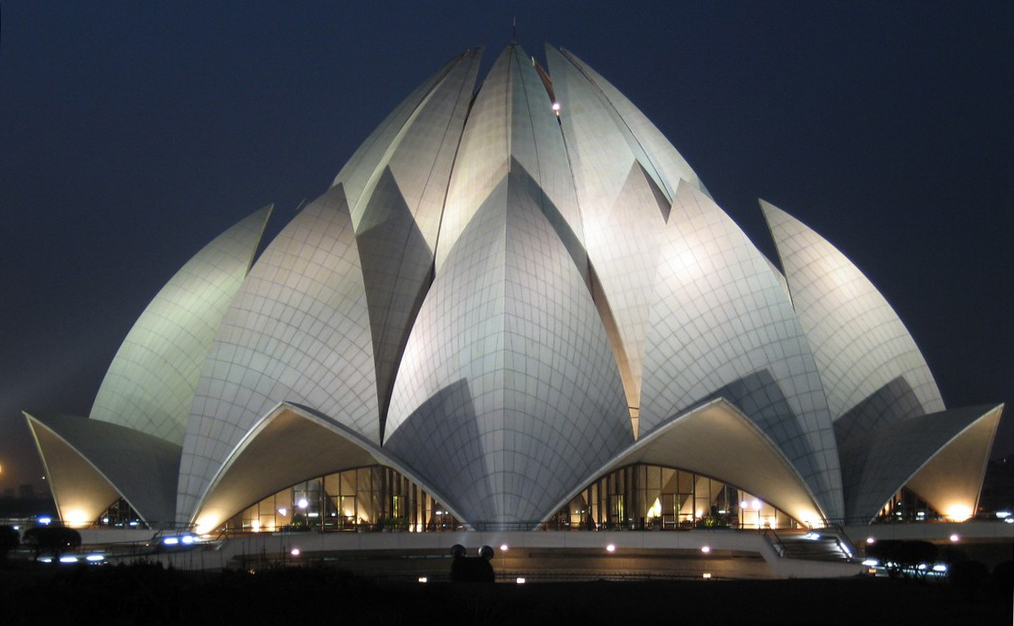 #6 in New DelhiFree entry
Lotus Temple
Temple · 8 km · about 25 min by road
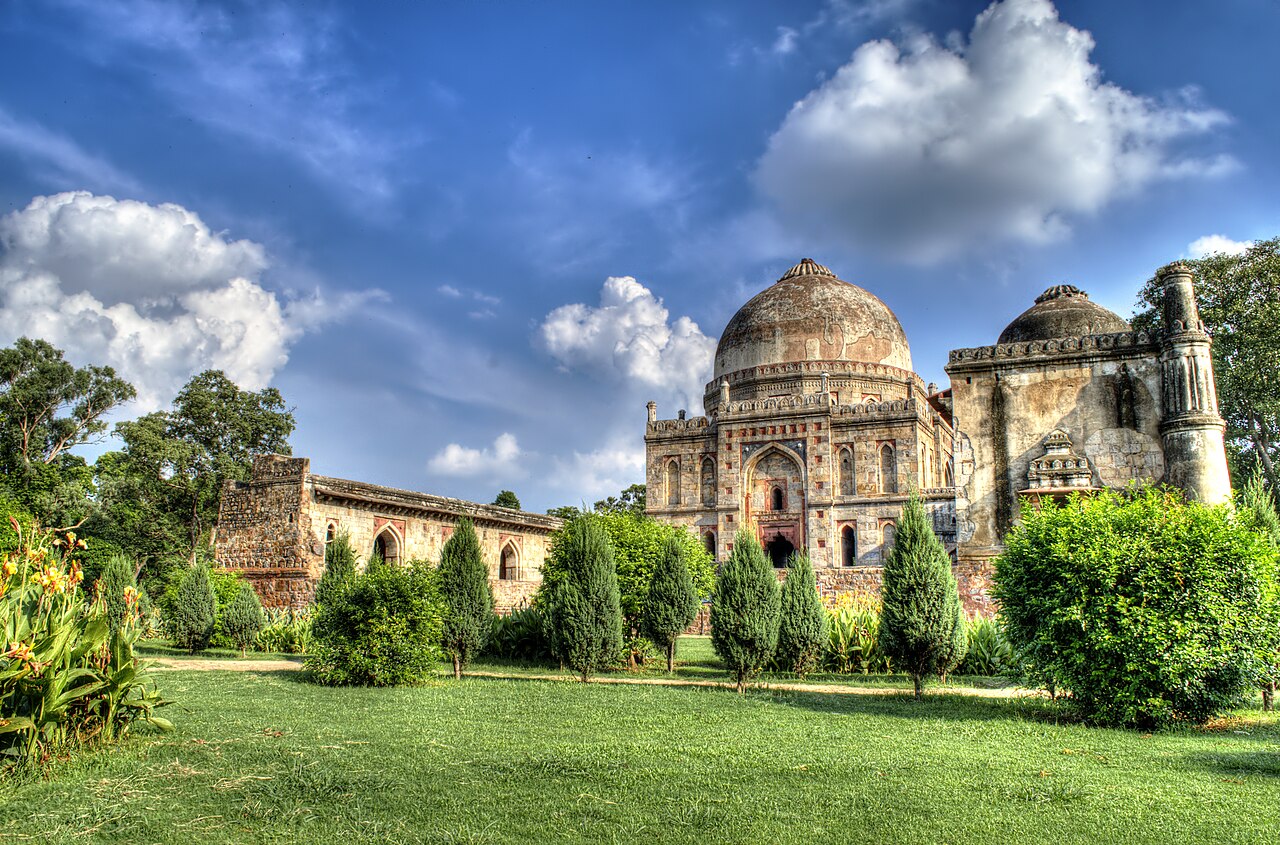 #9 in New DelhiFree entry
Lodhi Gardens
Garden · 8 km · about 25 min by road
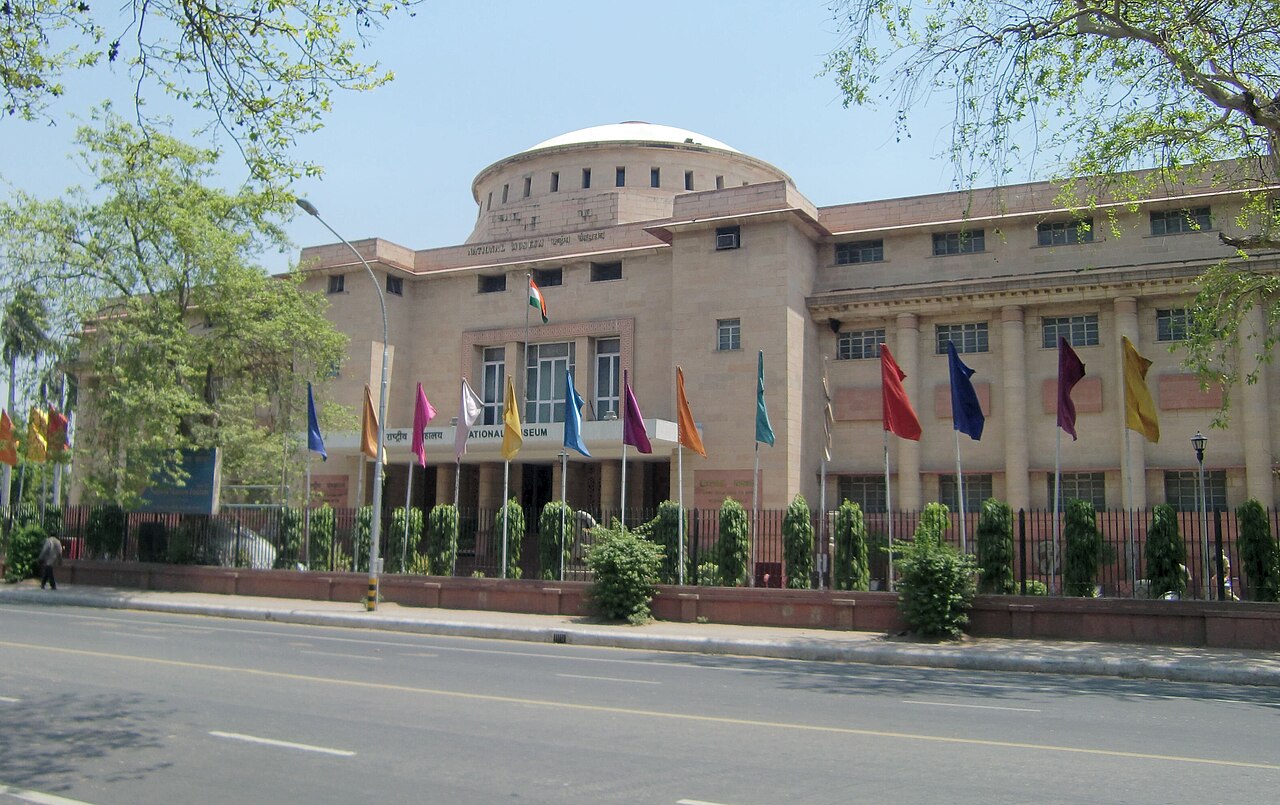 #8 in New Delhi
National Museum, Delhi
Museum · 10 km · about 30 min by road
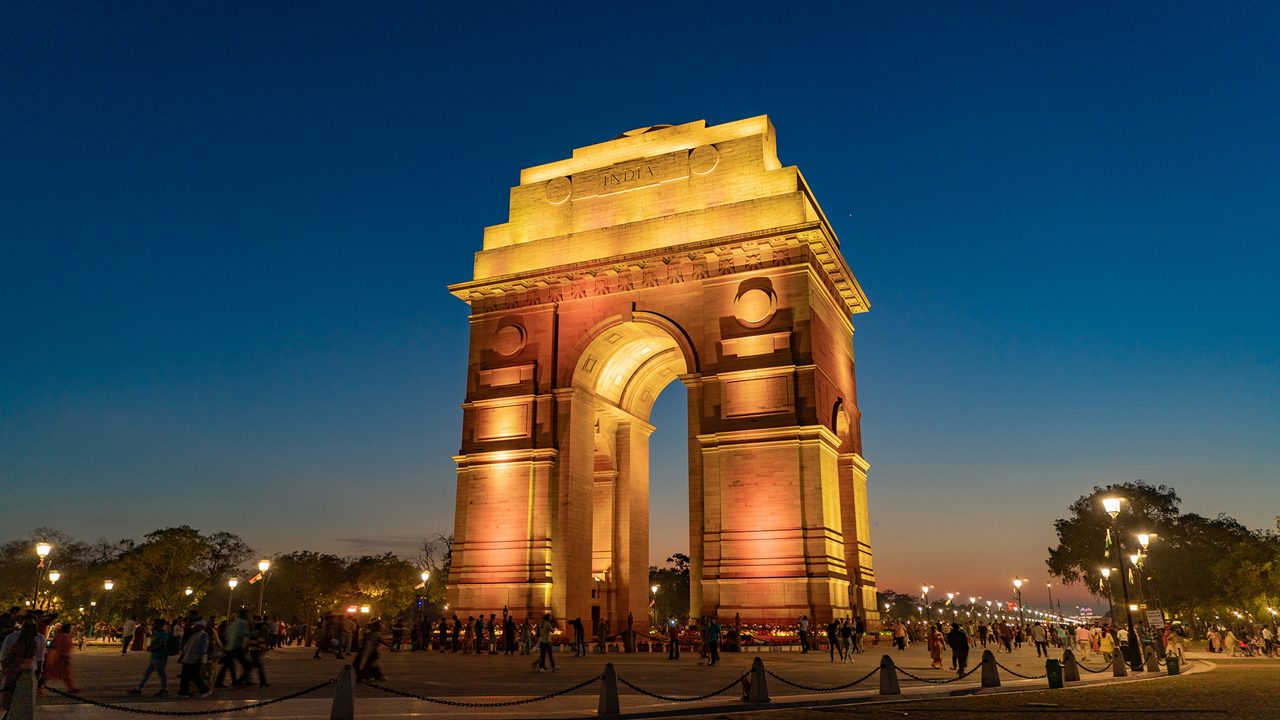 #5 in New DelhiFree entry
India Gate
Memorial · 11 km · about 35 min by road