
Red Fort
#1of 9 places to visit in New DelhiNew Delhi, Delhi
Also known as Lal Qila · Qila-e-Mubarak
Quick answer
Opening hours: 09:30–16:30, closed Mondays, last entry 16:00. Entry: ₹35 Indian · ₹550 foreign. Allow 2.5 hrs. Best time: 09:30 – 11:00.
Updated · Compiled by Traveliac, AI-assisted · 6 min read
- Opening hours
- 09:30–16:30
- Closed Mondays
- Entry fee
- ₹35 Indian
- Ticket from
- Time needed
- 2.5 hrs
- Best time of day
- 09:30 – 11:00
- Best months
- Oct – Nov, Feb – Mar
- Address
- Netaji Subhas Marg, Lal Qila, Chandni Chowk, Old Delhi, Delhi 110006
About Red Fort
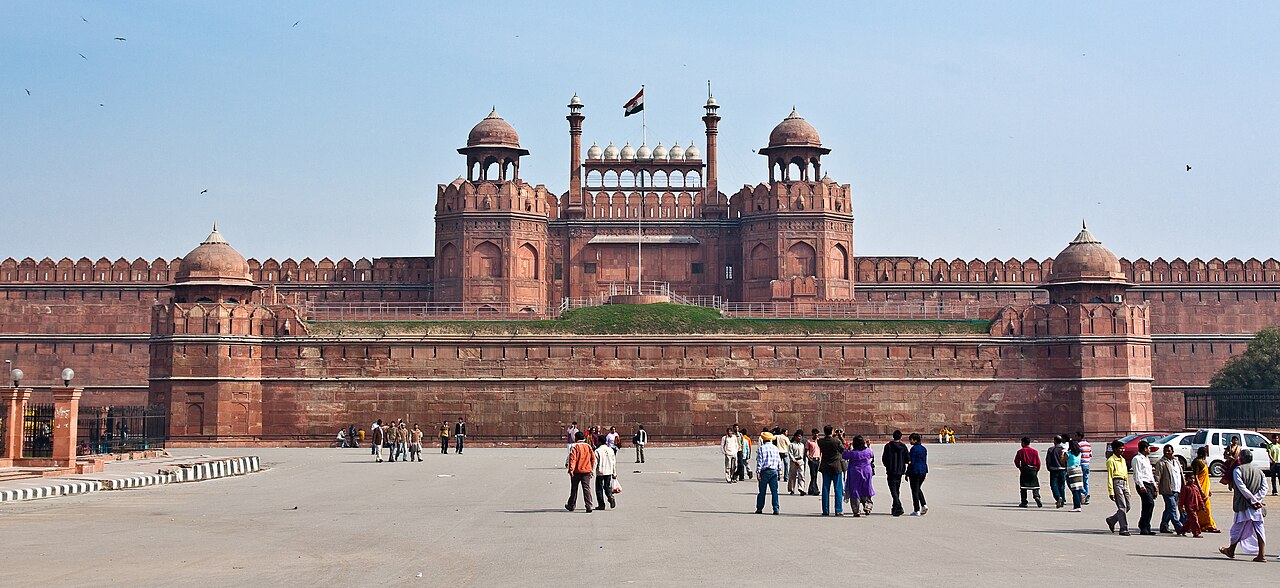
Shah Jahan built the Red Fort as the fortified palace of Shahjahanabad, the walled capital he founded when he moved the Mughal seat of power from Agra to Delhi. Construction ran from 1638 to 1648, and the octagonal circuit of red sandstone walls, quarried in Rajasthan and hauled overland, gives the fort both its name and its silhouette above Netaji Subhas Marg. Inside, the register shifts abruptly: the Diwan-i-Khas, the emperor's private audience hall, is carved from white marble inlaid with semi-precious stone in pietra dura work, its ceiling once silvered and its floor the setting for the Peacock Throne before Nadir Shah's army carried it off to Persia in 1739. The fort reads today as a layered political document rather than a single architectural statement. The Mughal core survives in the Diwan-i-Aam's arcaded sandstone hall and the Rang Mahal's carved marble screens and cooling water channel, but the British converted large sections into barracks after 1857, demolishing zenana apartments and gardens to build utilitarian brick blocks that still stand behind the Mughal facade. Lord Curzon's early-1900s conservation work reversed some of this, restoring the Diwan-i-Khas's marble panels using pieces salvaged from other Mughal sites.
Best time of day: 09:30 – 11:00. The complex is at its coolest and least congested in the first ninety minutes after opening; tour coaches from Old Delhi hotels typically arrive after 11:00.
Photography
₹25 camera fee
Red Fort timings
Red Fort opens at 09:30 and closes at 16:30. The weekend is no different: Saturday and Sunday follow the same times.
- Opening hours
- 09:30–16:30
Monday Closed Tue–Sun 09:30–16:30 - Closed on
- Monday
Good to know: The fort and surrounding roads close to the public for several days around 15 August for Independence Day security preparations, when the Prime Minister addresses the nation from the ramparts above Lahore Gate.
Opening hours compiled from asi.nic.in and public records, last updated . They change without notice — confirm before you travel. How we write these guides
Red Fort ticket price
| Ticket | Price |
|---|---|
| Indian visitors | ₹35 |
| Foreign visitors | ₹550 |
| Children | Free |
| Camera | ₹25 |
Children under 15 enter free. Video camera fee is ₹25; still photography with a phone or standard camera is included in the base ticket. The evening Sound and Light Show (Hindi and English sessions, roughly 90 minutes, timing shifts with sunset) is ticketed separately at the box office near the Netaji Subhas Marg entrance, typically ₹60–₹100. Book general admission online via the ASI ticketing portal to skip the Lahore Gate queue, which can run to 40 minutes on weekends.
Prices compiled from asi.nic.in and public records, last updated . They change without notice — confirm before you travel. How we write these guides
Best time to visit Red Fort
- Quiet
- Moderate
- Very busy
09:30 – 11:00
Morning OpeningBest time to go
Security queue at Lahore Gate is shortest right at opening. Courtyards and the Diwan-i-Aam are calm enough for unobstructed photography, and the sandstone has not yet absorbed the day's heat.
Quiet11:00 – 14:00
Tour Group Peak
Domestic tour buses and school groups converge on the Diwan-i-Khas and Rang Mahal. The security checkpoint queue can extend 30–40 minutes at this stage.
Very busy14:00 – 16:00
Afternoon Heat
Crowds thin as visitors retreat to shaded arcades. The open lawns between Lahore Gate and the Diwan-i-Aam are largely uncomfortable to cross in summer sun. Last entry is at 16:00.
Moderate18:00 – 19:30
Sound and Light Show
Separate ticketed evening session in the Diwan-i-Aam courtyard. Attendance is capped by seating, so it never reaches daytime peak density, but arrive 20 minutes early for a usable bench position.
Moderate
History of Red Fort
Shah Jahan laid the foundation stone in 1638 as part of a planned new capital, and the fort's principal architect is generally credited to Ustad Ahmad Lahori, who is also linked to the design of the Taj Mahal. The layout follows Shah Jahan's characteristic sequence of public and private zones: Lahore Gate opens onto a covered bazaar, the Chatta Chowk, that leads to the Naubat Khana drum house and then the Diwan-i-Aam, beyond which the fully private riverside pavilions once looked directly onto the Yamuna before the river's course shifted east over the following three centuries.
Aurangzeb added the Moti Masjid, a small private mosque of white marble, in 1659–60. The fort's political fortunes declined sharply after Nadir Shah's 1739 invasion stripped its treasury and throne, and a second Persian-adjacent raid by Ahmad Shah Durrani followed in 1757. The most consequential nineteenth-century event took place in 1857: after the Indian Rebellion, the last Mughal emperor, Bahadur Shah Zafar, was tried by a British military commission inside the fort's Diwan-i-Khas and subsequently exiled to Rangoon, formally ending the Mughal dynasty. The British army then occupied the fort as a garrison for nearly a century, demolishing an estimated two-thirds of the interior structures.
The fort's modern political symbolism was set on 15 August 1947, when Jawaharlal Nehru raised the Indian flag above Lahore Gate; every prime minister has delivered the Independence Day address from the same ramparts since. UNESCO inscribed the Red Fort Complex as a World Heritage Site in 2007, citing it as the zenith of Mughal creativity under Shah Jahan.
Rules & etiquette at Red Fort
Entry runs through airport-style security screening at Lahore Gate, a checkpoint that reflects the fort's status as the site of the annual Independence Day address rather than routine monument security. Metal detectors, bag scanners, and pat-downs are standard; queues lengthen considerably on weekends and during the run-up to 15 August, when security tightens further and some interior sections may close without advance public notice.
Food and drink are not permitted past the security checkpoint, including sealed snacks and water bottles bought outside — carry only what you are prepared to have inspected or discarded. Power banks above a certain capacity and large camera equipment such as tripods or professional lighting rigs require prior written permission from the ASI Delhi Circle office; casual visitors carrying a phone power bank under roughly 20,000mAh generally pass without issue, but it is worth keeping it visible in an outer bag pocket. Drone photography is banned outright given the fort's proximity to a designated high-security zone, and violations are treated as a security matter rather than a monument-rules infraction.
The Chatta Chowk bazaar inside Lahore Gate sells souvenirs and refreshments at a markup; genuine antiques are not sold here despite occasional vendor claims. Licensed guides can be arranged at the ticket counter for approximately ₹300–₹500 for a ninety-minute circuit.
Tips for visiting Red Fort
- 1
Arrive by Metro rather than car. Lal Qila station on the Violet Line sits five minutes from the entrance, and driving into Old Delhi during business hours means committing to Chandni Chowk's traffic before you have even reached the fort. Parking near Netaji Subhas Marg is limited and informally managed, with attendants charging variable, unmetered rates.
- 2
The interior museums — the Indian War Memorial Museum in the former Mumtaz Mahal, and the Drum House exhibitions — are frequently under-visited relative to the ramparts and courtyards, and provide welcome shade and context during the mid-morning heat. The Rang Mahal's carved marble lattice screens and the now-dry cooling channel that once ran beneath the floor reward five extra minutes of attention that most visitors skip entirely.
- 3
Combine the visit with Jama Masjid, an eight-minute walk south, and with Chandni Chowk's Khari Baoli spice market and Paranthe Wali Gali directly across Netaji Subhas Marg — the three sites form a natural half-day circuit that avoids doubling back through traffic. If attending the evening Sound and Light Show, note that seating is unreserved bench-style and the show proceeds regardless of light rain; carry a stole or shawl, as the open-air Diwan-i-Aam courtyard cools quickly after sunset even in summer.
How to reach Red Fort
The red star is Red Fort; the numbered pins are the 6 nearest places in our guides, each showing its rank in its city. Tap a pin for details.
Netaji Subhas Marg, Lal Qila, Chandni Chowk, Old Delhi, Delhi 110006Directions in Google Maps
From Indira Gandhi International Airport (DEL)
₹500–₹75024 km · 45–75 min
Prepaid taxi or app-based cab); Airport Express Line to New Delhi Station (₹60, 20 min) plus onward Metro/auto adds roughly 30 minutes but avoids road traffic almost entirely.
From New Delhi Railway Station
₹80–₹1503 km · 15–25 min
Auto-rickshaw, negotiated); Metro from New Delhi station to Chawri Bazar or Lal Qila (Yellow Line to Violet Line interchange, ₹20–₹30, 15 min).
From Connaught Place
₹20–₹305 km · 20 min
Via Metro (Yellow Line to Rajiv Chowk, change to Violet Line toward Kashmere Gate side, alight Lal Qila). ₹120–₹180 by app-based cab depending on time of day.
Nearest airport
From Indira Gandhi International Airport (DEL)
approximately 24 km, 45–75 minutes by road depending on traffic through central Delhi.
Nearest railway station
From Lal Qila Metro Station (Violet Line)
400 metres from the Lahore Gate entrance, a 5-minute walk.
Red Fort FAQs
Why is security so strict at the Red Fort compared to other Delhi monuments?
The Red Fort's ramparts above Lahore Gate are where the Prime Minister delivers the Independence Day address every 15 August, which makes the site a standing high-security location year-round, not just in August. Expect metal detectors, bag scanners, and restrictions on food, large power banks, and tripods that go beyond what is enforced at Humayun's Tomb or Qutub Minar.
Is the Red Fort closed on Mondays?
Yes. The Archaeological Survey of India closes the Red Fort complex to visitors every Monday. It also closes to the general public for several days around 15 August each year for Independence Day security arrangements.
Can I bring food or a power bank inside?
Food and drink of any kind are not allowed past the Lahore Gate security checkpoint. Standard phone power banks generally pass, but larger-capacity units, tripods, and professional camera rigs require advance written clearance from the ASI's Delhi Circle office; casual visitors rarely need this unless carrying commercial filming equipment.
Is the Sound and Light Show worth a separate visit in the evening?
It is a distinct ticketed experience from the daytime visit, staged in the Diwan-i-Aam courtyard with unreserved bench seating, and runs roughly 90 minutes covering the fort's Mughal and colonial history. It proceeds in light rain. Many visitors combine it with an earlier daytime visit rather than returning on a separate day, since the fort reopens for the show after the daytime closing hour.
Compiled with AI assistance from official sources and public records, and published only after the checks in How we write these guides. Nobody from Traveliac has visited this place. Last updated . How we rank and check places
Places to visit near Red Fort
Straight-line distances from our map; times are estimates.
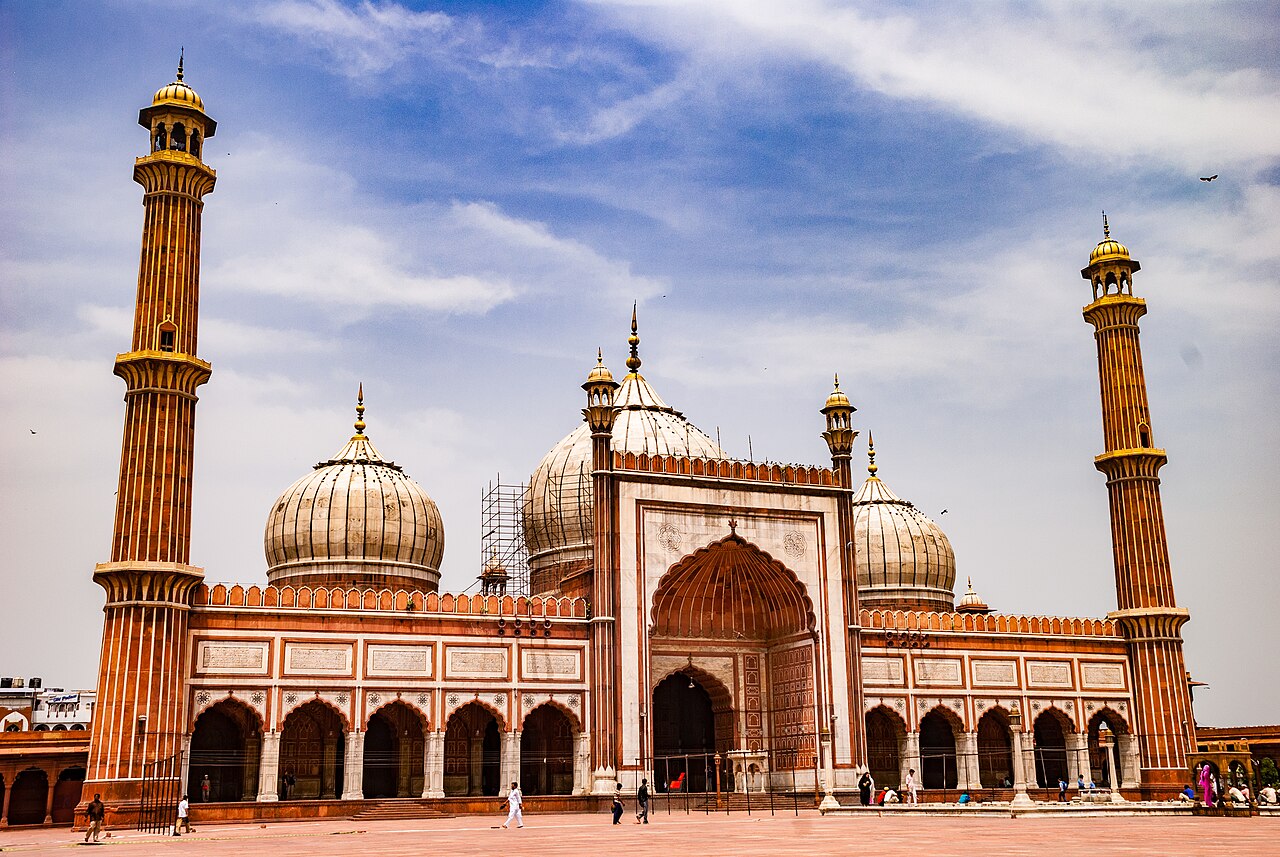 #3 in New DelhiFree entry
Jama Masjid
Mosque · 900 m · about 15 min walk
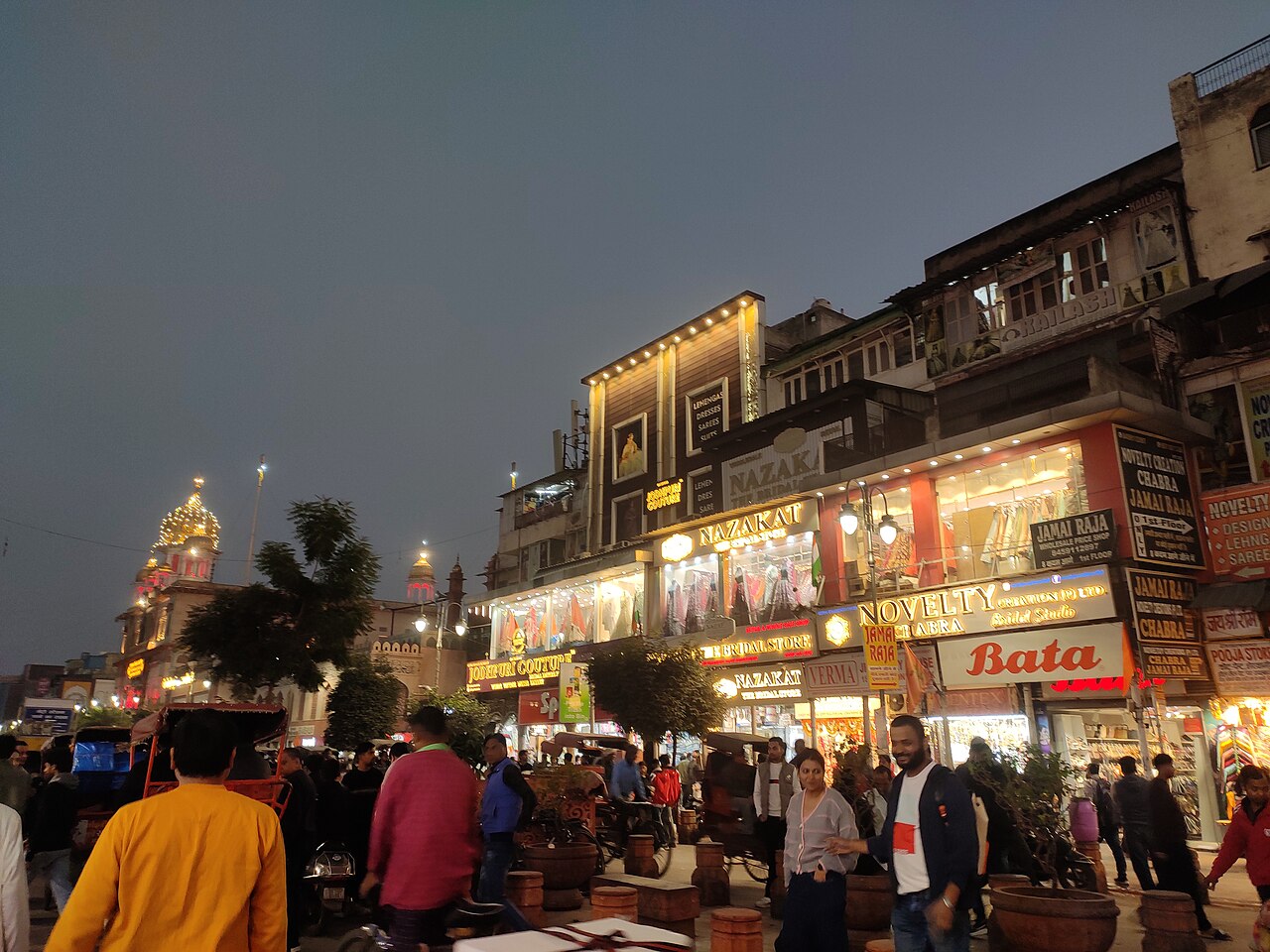 #4 in New DelhiFree entry
Chandni Chowk
Market · 950 m · about 16 min walk
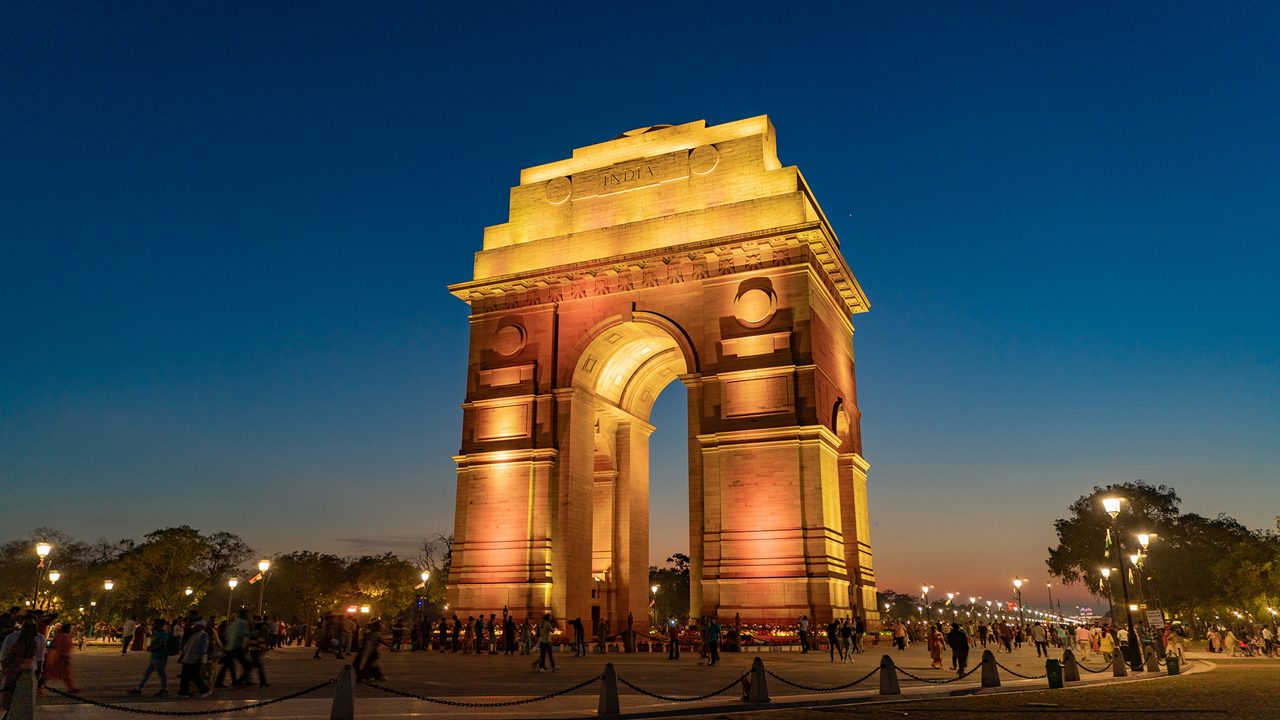 #5 in New DelhiFree entry
India Gate
Memorial · 5 km · about 15 min by road
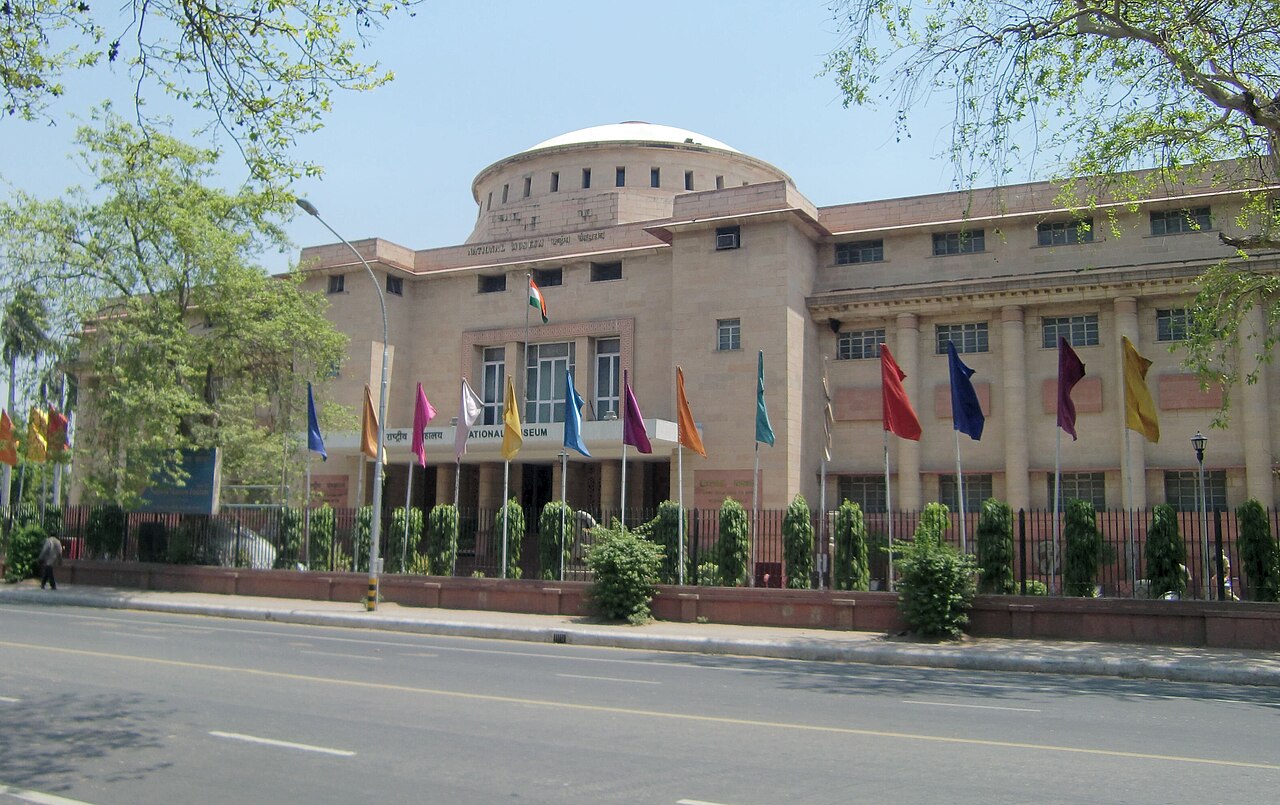 #8 in New Delhi
National Museum, Delhi
Museum · 5 km · about 15 min by road