
Lodhi Gardens
#9of 9 places to visit in New DelhiNew Delhi, Delhi
Also known as Lodi Gardens · Lady Willingdon Park
Quick answer
Opening hours: 06:00–20:00. Entry is free. Allow 1.5 hrs. Best time: 06:30 – 08:30 or 16:30 – 18:30.
Updated · Compiled by Traveliac, AI-assisted · 5 min read
- Opening hours
- 06:00–20:00
- 06:00 – 20:00 daily (gates close at dusk in practice during winter months when 20:00 falls after full darkness has already set in)
- Entry fee
- Free
- Time needed
- 1.5 hrs
- Best time of day
- 06:30 – 08:30 or 16:30 – 18:30
- Best months
- Oct – Nov, Feb – Mar
- Address
- Lodhi Road, near Khan Market, New Delhi, Delhi 110003
About Lodhi Gardens
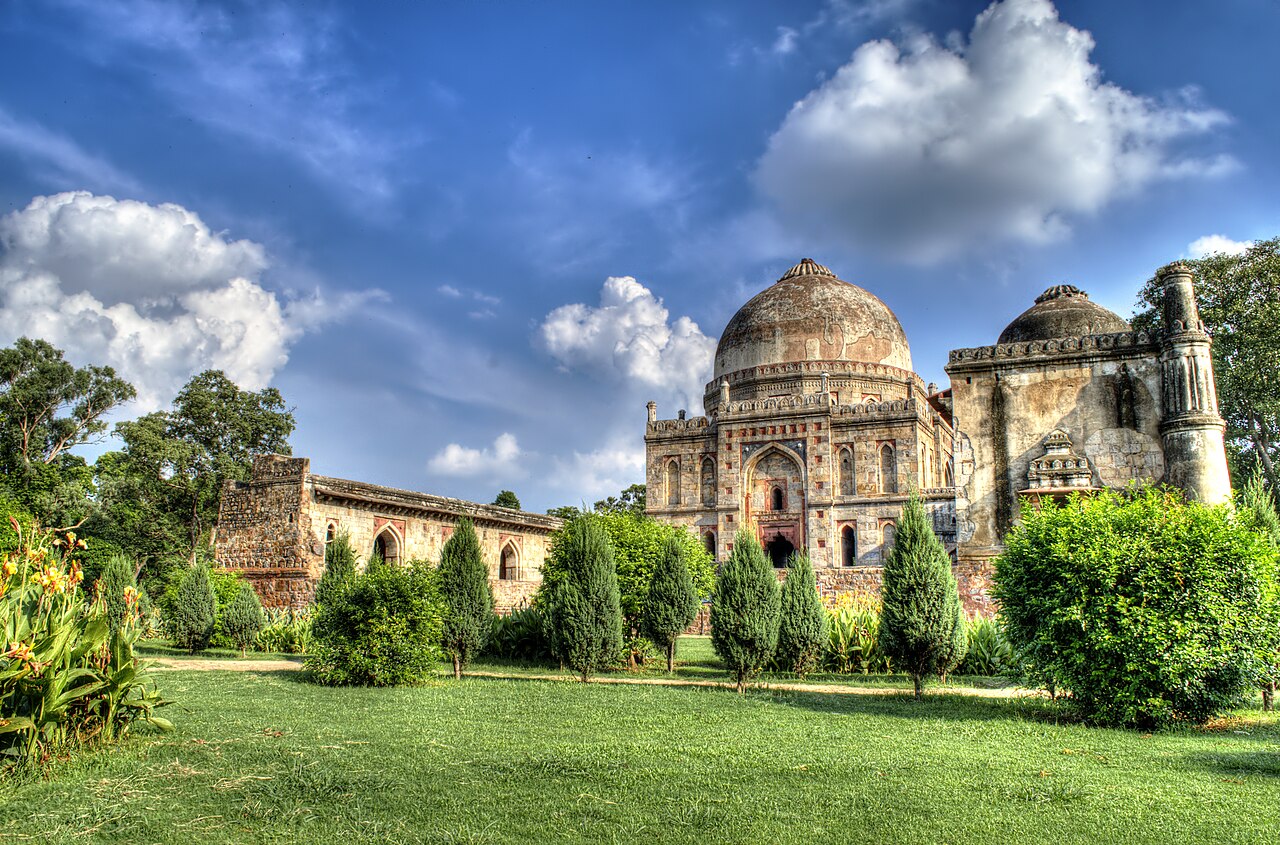
Lodhi Gardens spreads across 90 acres of landscaped lawns, mature tree cover, and formal pathways built around four surviving 15th- and 16th-century tombs of the Sayyid and Lodi dynasties, the two ruling houses that preceded the Mughals in Delhi. Mohammed Shah's Tomb, the oldest structure in the park, dates to the 1440s and is an octagonal Sayyid-dynasty mausoleum ringed by a verandah of arched openings; Sikandar Lodi's Tomb, built after his death in 1517, sits within its own walled garden enclosure at the park's northern end, one of the earliest examples in Delhi of a tomb set inside a formal charbagh layout that would later be elaborated at Humayun's Tomb. Bara Gumbad, meaning 'big dome,' is often mistaken for a tomb but functions structurally as a gateway and mosque complex, its identity and occupant, if any, unrecorded — a genuine architectural puzzle rather than a marketing flourish, since no inscription or historical record definitively explains its purpose. Sheesh Gumbad, nearby, takes its name from the glazed blue-and-turquoise tilework that once covered sections of its dome, fragments of which survive on the upper facade. None of the four monuments functions as an active place of worship today; they exist purely as protected heritage structures within a public recreational park.
Best time of day: 06:30 – 08:30 or 16:30 – 18:30. For the calmest walking conditions among joggers and yoga groups rather than tour visitors; 16:30 – 18:30 for warm late-afternoon light on the sandstone tomb facades.
Lodhi Gardens timings
Lodhi Gardens opens at 06:00 and closes at 20:00. The weekend is no different: Saturday and Sunday follow the same times.
- Opening hours
- 06:00–20:00
Mon–Sun 06:00–20:00 - 06:00 – 20:00 daily (gates close at dusk in practice during winter months when 20:00 falls after full darkness has already set in)
- Closed on
- Open every day
Opening hours compiled from ndmc.gov.in and public records, last updated . They change without notice — confirm before you travel. How we write these guides
Lodhi Gardens ticket price
| Ticket | Price |
|---|---|
| Indian visitors | Free |
| Foreign visitors | Free |
| Children | Free |
| Camera | Free |
Free entry, no ticket counter. There is a small paid parking area off Lodhi Road for those driving; the interiors of the enclosed tombs are unstaffed and require no separate payment to view.
Prices compiled from ndmc.gov.in and public records, last updated . They change without notice — confirm before you travel. How we write these guides
Best time to visit Lodhi Gardens
- Quiet
- Moderate
- Busy
06:00 – 08:30
Morning Walkers
Regular local joggers, yoga groups, and walkers fill the lawns and main pathways, though the tombs themselves are quiet. Coolest and most pleasant walking conditions of the day.
Moderate08:30 – 12:00
Late MorningBest time to go
A lull between the morning exercise crowd and afternoon visitors. The tombs and quieter corners of the park are at their most peaceful.
Quiet12:00 – 16:00
Midday Heat
Direct sun across the open lawns discourages casual walkers; shaded pathways near the tombs remain usable but overall footfall drops.
Quiet16:30 – 19:00
Evening Peak
The busiest window of the day, as families, couples, and a second wave of walkers and joggers arrive for the cooler evening hours. Photography light on the tomb facades is at its best here.
Busy
History of Lodhi Gardens
The Sayyid dynasty, which held the Delhi Sultanate from 1414 to 1451, built Mohammed Shah's Tomb following the ruler's death in 1444, and its octagonal plan with a surrounding verandah established a design vocabulary that the succeeding Lodi dynasty (1451–1526) continued and refined. Sikandar Lodi, the second Lodi sultan, died in 1517 and was interred in a domed tomb enclosed within its own garden — a structural innovation that historians read as an intermediate step between simpler Sayyid-era tombs and the fully developed Mughal garden-tomb tradition that Humayun's Tomb would establish decades later.
The grounds themselves have a distinct colonial-era history separate from the medieval monuments they contain. In 1936, Lady Willingdon, wife of the then-Viceroy of India, sponsored the clearing and landscaping of the area around the historic tombs into a formal park, initially named Lady Willingdon Park in her honour; several villages that had grown up around and even inside the old tomb precincts were relocated as part of this process. After independence, the park was renamed Lodhi Gardens, and a significant mid-20th-century redesign — carried out between 1968 and the early 1970s by American landscape architect Garrett Eckbo working alongside Indian architect J.A. Stein — reshaped the pathways, tree planting, and water features into the layout that survives largely intact today.
The park has functioned since as one of central Delhi's principal green spaces, its proximity to the diplomatic enclave and government housing around Lodhi Estate giving it a long-standing association with morning walkers drawn from Delhi's civil service and diplomatic community.
Rules & etiquette at Lodhi Gardens
There is no dress code or shoe removal requirement, since none of the four monuments functions as an active religious site — this distinguishes Lodhi Gardens clearly from Humayun's Tomb or Jama Masjid in terms of visitor obligations. Alcohol consumption and loud amplified music are prohibited within the park, consistent with its status as a quiet recreational space rather than an event venue.
The tomb interiors are unstaffed and largely open for self-guided viewing; there is no ticket booth, security screening, or guide service inside the park itself, a marked contrast to every ASI-ticketed monument elsewhere in Delhi. Visitors should be mindful that the lawns double as a genuine local amenity — morning yoga groups, joggers, and family picnics are a constant presence rather than an occasional one, and moving quietly around organised groups on the main lawns is a basic courtesy rather than a formal rule.
Cycling is not permitted on the internal pathways, and vehicles cannot enter beyond the designated parking areas near the main gates; the park is explicitly a pedestrian space throughout its interior.
Tips for visiting Lodhi Gardens
- 1
Treat Lodhi Gardens as a walking and photography destination rather than a monument checklist — the appeal lies as much in the tree-lined pathways, the Delhi Bonsai Park tucked into one corner, and the seasonal bougainvillea as it does in any single tomb. Early morning brings the additional interest of watching the park function as a genuine neighbourhood amenity, with the same retired diplomats and civil servants walking the same loops daily.
- 2
The National Bonsai Park within the grounds and the Athpula, a 16th-century eight-piered stone bridge near the park's eastern edge, are both frequently missed by visitors who stick to the four main tombs; the bridge in particular, spanning what was once a stream feeding the garden's water system, sits at a quiet remove from the main pathways.
- 3
Combine the visit with Khan Market, a short walk or Metro ride away, for lunch or a coffee stop — the market's proximity makes Lodhi Gardens easy to fold into a half-day itinerary alongside shopping or a meal rather than requiring a dedicated separate trip.
How to reach Lodhi Gardens
The red star is Lodhi Gardens; the numbered pins are the 7 nearest places in our guides, each showing its rank in its city. Tap a pin for details.
Lodhi Road, near Khan Market, New Delhi, Delhi 110003Directions in Google Maps
From Indira Gandhi International Airport (DEL)
₹450–₹65017 km · 35–55 min
Prepaid taxi or app-based cab).
From Connaught Place
₹15–₹205 km · 15–20 min
Via Metro (Yellow Line to Jor Bagh); ₹120–₹180 by app-based cab.
From Khan Market
1.5 km · 5–10 min
Walkable in 15–20 minutes; ₹40–₹60 by auto-rickshaw.
Nearest airport
From Indira Gandhi International Airport (DEL)
approximately 17 km, 35–55 minutes by road.
Nearest railway station
From Jor Bagh Metro Station (Yellow Line)
800 metres from the southern gate; Khan Market Metro Station (Violet Line) is roughly equidistant from the northeastern gate.
Lodhi Gardens FAQs
Is there an entry fee for Lodhi Gardens?
No. Lodhi Gardens is a free public park with no ticket counter or entry fee, unlike ASI-ticketed monuments such as Humayun's Tomb or the Red Fort. The only associated cost is optional parking for those arriving by car.
Who is buried in the tombs inside Lodhi Gardens?
Mohammed Shah's Tomb (1440s) belongs to a ruler of the Sayyid dynasty, and Sikandar Lodi's Tomb (after 1517) belongs to the second ruler of the Lodi dynasty, both of which preceded the Mughals in Delhi. Bara Gumbad functions as a gateway and mosque complex rather than a tomb, and its exact original purpose and any occupant remain unrecorded.
Why was the park originally called Lady Willingdon Park?
In 1936, Lady Willingdon, wife of the then-Viceroy of India, sponsored the clearing and landscaping of the grounds around the existing medieval tombs into a formal park bearing her name. It was renamed Lodhi Gardens after independence, and underwent a major landscape redesign between 1968 and the early 1970s by Garrett Eckbo and J.A. Stein.
Is Lodhi Gardens suitable for a quiet walk versus a monument-focused visit?
Both, but it functions primarily as a working neighbourhood park — morning joggers, yoga groups, and family picnics are constant rather than occasional. Visitors focused strictly on the medieval architecture may find the surrounding recreational activity a departure from the more formal, ticketed experience at other Delhi monuments.
Compiled with AI assistance from official sources and public records, and published only after the checks in How we write these guides. Nobody from Traveliac has visited this place. Last updated . How we rank and check places
Places to visit near Lodhi Gardens
Straight-line distances from our map; times are estimates.
 #8 in New Delhi
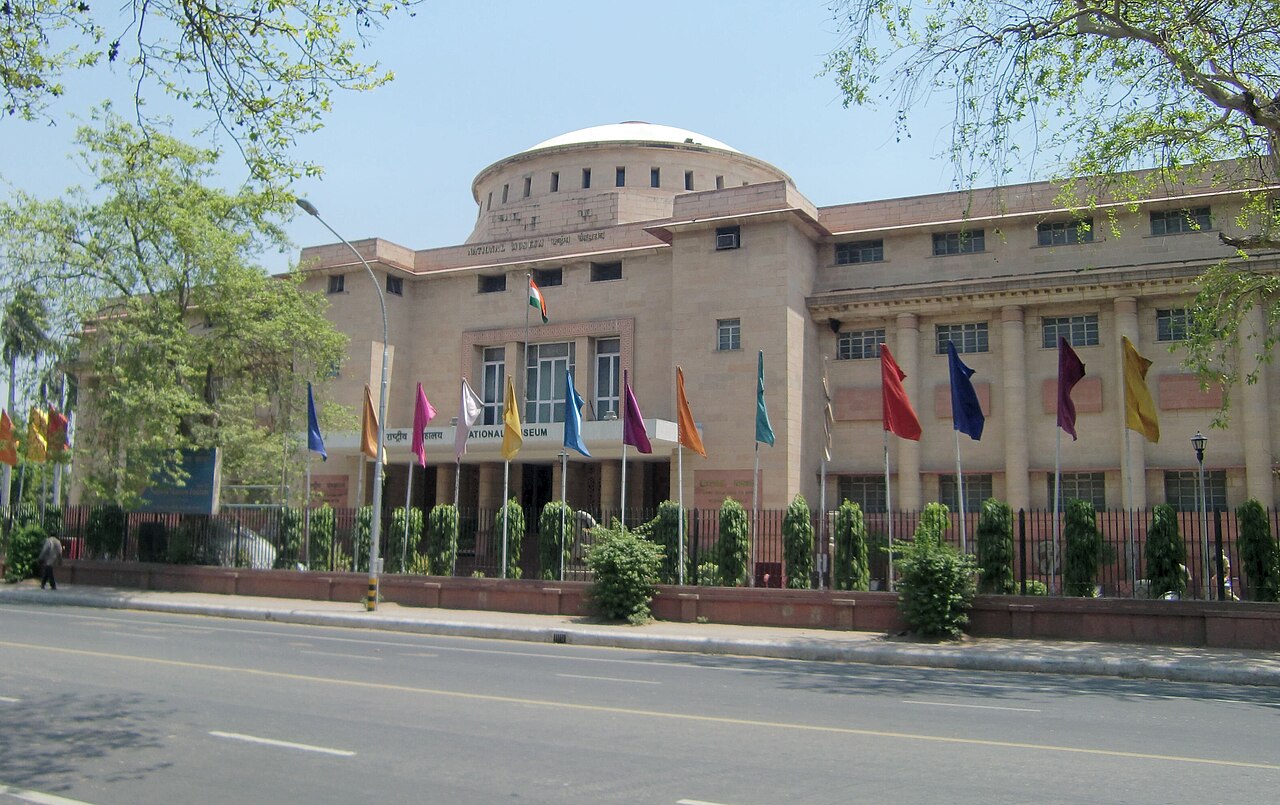
National Museum, Delhi
Museum · 2.1 km · about 34 min walk
 #5 in New DelhiFree entry
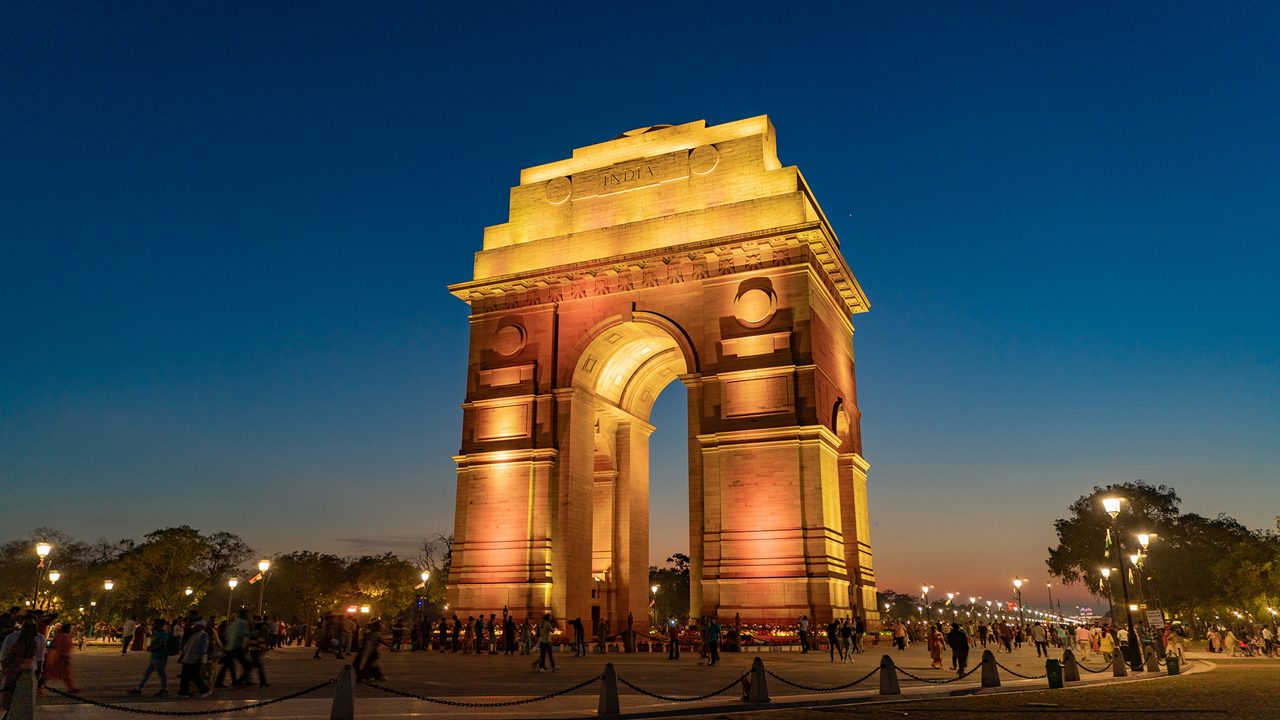
India Gate
Memorial · 2.4 km · about 39 min walk
 #6 in New DelhiFree entry
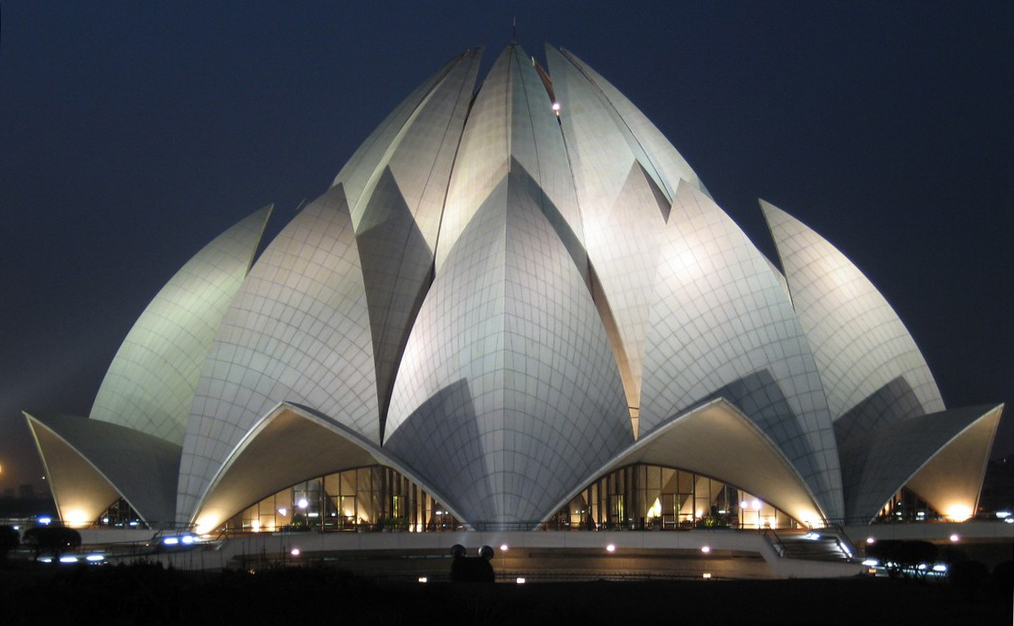
Lotus Temple
Temple · 6 km · about 20 min by road
 #3 in New DelhiFree entry
Jama Masjid
Mosque · 7 km · about 20 min by road