
Chandni Chowk
#4of 9 places to visit in New DelhiNew Delhi, Delhi
Also known as Moonlight Square · Old Delhi Bazaar
Quick answer
Opening hours: 10:00–20:00, closed Sundays. Entry is free. Allow 3 hrs. Best time: 08:00 – 10:00 or 17:00 – 19:00.
Updated · Compiled by Traveliac, AI-assisted · 5 min read
- Opening hours
- 10:00–20:00
- Closed Sundays
- Entry fee
- Free
- Time needed
- 3 hrs
- Best time of day
- 08:00 – 10:00 or 17:00 – 19:00
- Best months
- Oct – Nov, Feb – Mar
- Address
- Chandni Chowk Road, Old Delhi, Delhi 110006
About Chandni Chowk
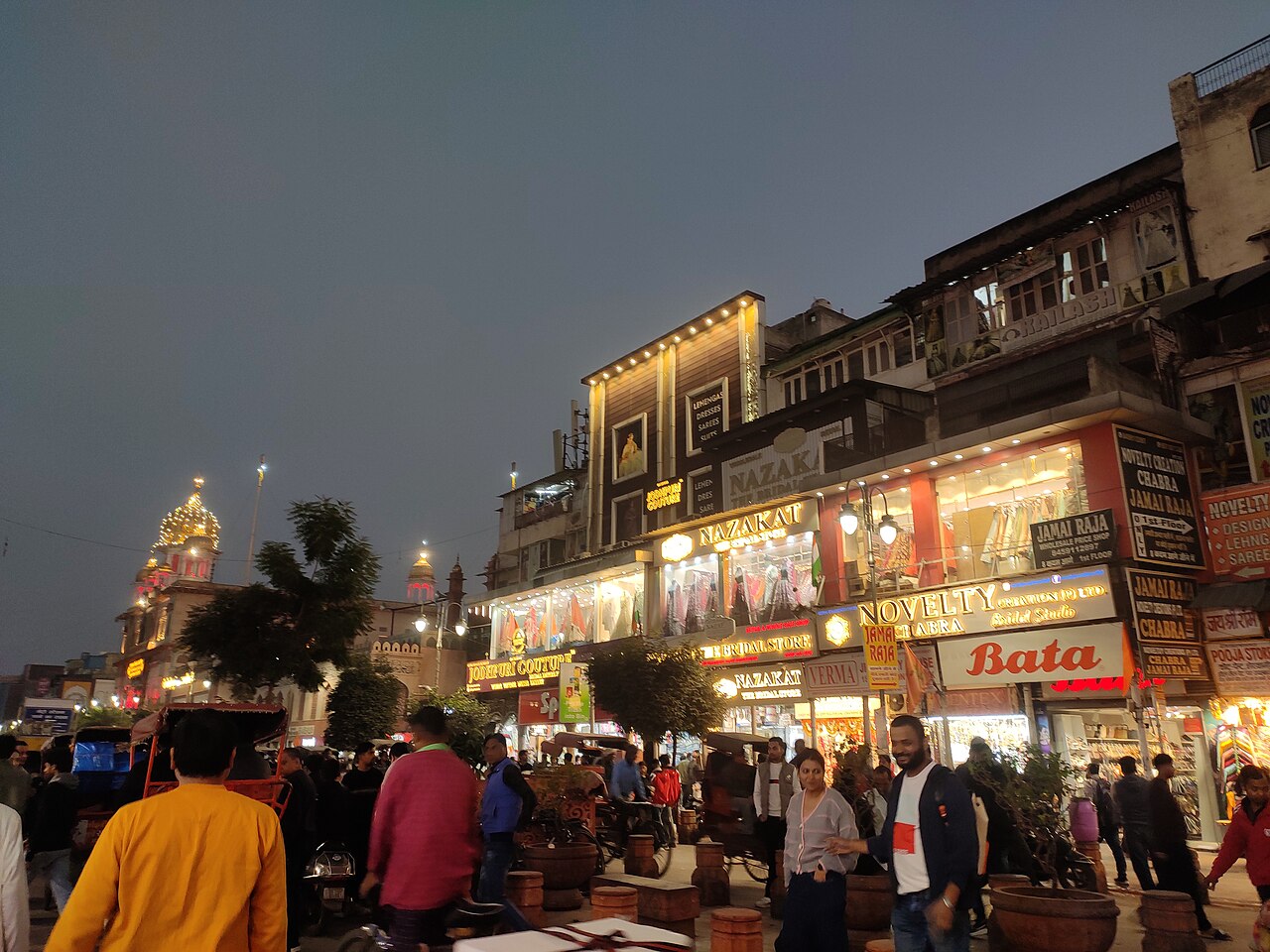
Jahanara Begum, Shah Jahan's eldest daughter, laid out Chandni Chowk in the 1650s as the principal commercial street of Shahjahanabad, running from the Red Fort's Lahore Gate to the Fatehpuri Masjid. The original design centred on a canal that ran down the street's middle, reflecting moonlight across the water at night — the source of the name, which translates as 'moonlit square' — flanked by a caravanserai and silver-trading shops that gave the surrounding lanes their mercantile character. The canal was filled in during the British period, but the street's role as Old Delhi's commercial spine has never lapsed; it now functions as a dense, semi-organised warren of specialised bazaars, each lane historically dedicated to a single trade. Khari Baoli, at the western end near Fatehpuri Masjid, is reckoned Asia's largest wholesale spice market, its narrow lane thick with the smell of dried chillies and turmeric sold from sacks stacked floor to ceiling. Kinari Bazaar specialises in wedding trims, zari embroidery, and ornamental borders; Dariba Kalan is the traditional jewellery and silver lane; and Paranthe Wali Gali, barely wide enough for two people to pass, has served stuffed fried parathas from the same handful of family kitchens for over a century.
Best time of day: 08:00 – 10:00 or 17:00 – 19:00. For Khari Baoli spice market and Paranthe Wali Gali before the crowds and heat build; 17:00 – 19:00 for the general bazaar atmosphere and Sisganj Gurudwara's evening prayers.
Chandni Chowk timings
Chandni Chowk opens at 10:00 and closes at 20:00. It is open on Saturday (10:00–20:00) but closed on Sunday.
- Opening hours
- 10:00–20:00
Mon–Sat 10:00–20:00 Sunday Closed - Shops generally 10:00 – 20:00; food stalls and the spice market at Khari Baoli often open earlier, from 08:00, and some sweet shops stay open past 22:00.
- Closed on
- Sunday
Good to know: Khari Baoli spice market and most wholesale traders close on Sundays; the street itself remains walkable and some food stalls stay open regardless.
Opening hours compiled from delhitourism.gov.in and public records, last updated . They change without notice — confirm before you travel. How we write these guides
Chandni Chowk ticket price
| Ticket | Price |
|---|---|
| Indian visitors | Free |
| Foreign visitors | Free |
| Children | Free |
| Camera | Free |
No entry fee — this is an open public street and market district, not a ticketed site. Individual shops, food stalls, and the Sisganj Gurudwara's langar (free community kitchen) operate on their own pricing or none at all. Guided food-walk tours run privately, typically ₹1,500–₹2,500 per person for a two-to-three-hour route.
Prices compiled from delhitourism.gov.in and public records, last updated . They change without notice — confirm before you travel. How we write these guides
Best time to visit Chandni Chowk
- Quiet
- Moderate
- Busy
- Very busy
08:00 – 10:00
Early Morning MarketBest time to go
Khari Baoli traders are setting up and Paranthe Wali Gali kitchens are least rushed. Cycle-rickshaws are easy to flag and negotiate.
Quiet11:00 – 14:00
Midday Trading Peak
Wholesale and retail trade in Kinari Bazaar and Dariba Kalan reaches its densest point. Side lanes become genuinely difficult to move through quickly.
Very busy14:00 – 17:00
Afternoon Lull
A relative easing as trading slows for a few hours. Still busy by most cities' standards, but noticeably more navigable than midday.
Moderate17:00 – 20:00
Evening Bazaar
Shoppers and food-stall crowds build again toward evening. Sisganj Gurudwara sees its evening prayer crowd, and sweet shops near Town Hall are at their busiest.
Busy
History of Chandni Chowk
The street's construction under Jahanara Begum in the 1650s was part of the broader founding of Shahjahanabad, and its layout reflected a deliberate commercial logic: a central canal for cooling and prestige, flanked by a covered market selling luxury goods including silver and jewellery, positioned to serve both the imperial court at the Red Fort and a growing merchant population. The Fatehpuri Masjid at the street's western terminus, built in 1650 by one of Shah Jahan's wives, bookends the boulevard architecturally, mirroring the Red Fort's Lahore Gate at the eastern end.
The canal was drained and paved over during British colonial administration in the 19th century as sanitation priorities shifted, and the street's tram line, installed under British rule, operated until 1962. Sisganj Gurudwara, on the main road, marks the site where the ninth Sikh Guru, Guru Tegh Bahadur, was executed in 1675 on the orders of Emperor Aurangzeb for refusing to convert to Islam — a martyrdom that remains central to Sikh religious memory and draws a steady flow of pilgrims independent of the surrounding market's tourist traffic.
A major redevelopment project, the Chandni Chowk Redevelopment Scheme completed around 2021, pedestrianised the central stretch of the main road during daytime hours, restricting most vehicular traffic and widening footpaths — a significant change from the street's historic reputation for gridlocked mixed traffic, though the change applies only to the central artery, not the dense side lanes where cycle-rickshaws, handcarts, and pedestrians still compete for the same narrow space.
Rules & etiquette at Chandni Chowk
The side lanes off the main pedestrianised stretch remain as congested as ever, with cycle-rickshaws, handcarts, motorbikes, and pedestrians occupying the same width simultaneously — there is no meaningful separation of traffic types once you leave the main road, and moving through Kinari Bazaar or Khari Baoli at peak hours means constant, close-quarters negotiation of space. Keep bags in front, phones in a zipped pocket, and be deliberately aware of surroundings in the densest stretches; pickpocketing is a genuine and commonly reported risk in crowds this compressed, not a theoretical one.
Cycle-rickshaw fares are unmetered and should be negotiated before boarding, not after — a short ride within the bazaar typically runs ₹30–₹60 depending on distance and time of day, with a premium after dark. Bargaining is standard practice at nearly every stall; quoted prices, particularly for tourists, often carry significant room for negotiation, especially in Kinari Bazaar and at souvenir stalls near Sisganj Gurudwara.
Sisganj Gurudwara welcomes visitors of all faiths but requires head covering (scarves are provided free at the entrance) and shoe removal; the free community kitchen, or langar, serves simple vegetarian food to anyone who sits and eats, and it is customary to help with cleanup or a small voluntary donation rather than simply leaving after the meal.
Tips for visiting Chandni Chowk
- 1
Go hungry and go early. Paranthe Wali Gali's parathas, Old Famous Jalebi Wala's syrup-soaked jalebis near the Town Hall corner, and Karim's Mughlai fare near Jama Masjid are all better experienced before the late-morning crowds arrive, when kitchens are working at a manageable pace rather than a frantic one.
- 2
Khari Baoli rewards a slow walk rather than a shopping mission — even without buying anything, the sheer density of sacks, dried goods, and wholesale trading provides a more visceral sense of Old Delhi's mercantile history than any single monument nearby. Bring a handkerchief or scarf if sensitive to strong spice dust in the air.
- 3
The bazaar connects naturally to both Red Fort (a ten-minute walk east) and Jama Masjid (a similar distance south), making a logical half-day circuit; treat Chandni Chowk itself as requiring at least two to three unhurried hours rather than a quick pass-through between the two monuments, since its value is in the walking and eating rather than any single sight.
How to reach Chandni Chowk
The red star is Chandni Chowk; the numbered pins are the 6 nearest places in our guides, each showing its rank in its city. Tap a pin for details.
Chandni Chowk Road, Old Delhi, Delhi 110006Directions in Google Maps
From Indira Gandhi International Airport (DEL)
₹500–₹75023 km · 45–75 min
Prepaid taxi or app-based cab).
From New Delhi Railway Station
₹60–₹1202.5 km · 12–20 min
Auto-rickshaw, negotiated); Metro Yellow Line direct to Chandni Chowk station, ₹10–₹20.
From Connaught Place
₹15–₹204 km · 15–20 min
Via Metro (Yellow Line direct, 5 stops); ₹120–₹180 by app-based cab.
Nearest airport
From Indira Gandhi International Airport (DEL)
approximately 23 km, 45–75 minutes by road.
Nearest railway station
From Chandni Chowk Metro Station (Yellow Line)
exits directly onto the main bazaar road near the Town Hall end.
Chandni Chowk FAQs
Is Chandni Chowk still as chaotic as its reputation suggests?
The central road was pedestrianised around 2021, restricting vehicular traffic and widening footpaths, which has genuinely improved the main artery. The side lanes — Kinari Bazaar, Khari Baoli, Dariba Kalan — remain as dense and mixed with cycle-rickshaws, handcarts, and pedestrians as ever, and moving through them at peak hours still requires patience.
Is pickpocketing a real concern in Chandni Chowk?
Yes, it is a commonly reported risk given how compressed the crowds get in the narrower lanes, particularly Khari Baoli and Kinari Bazaar during midday trading hours. Keeping bags zipped and in front, and phones in a secured pocket rather than a loose bag pocket, is standard practical advice rather than excessive caution.
Why is Khari Baoli closed on Sundays?
The wholesale spice market and most established traders in Khari Baoli observe a traditional Sunday closure, consistent with many of Old Delhi's older wholesale markets. The street itself remains walkable and some food stalls stay open regardless of the wholesale closure.
What is Sisganj Gurudwara and why does it matter historically?
Sisganj Gurudwara marks the site where the ninth Sikh Guru, Guru Tegh Bahadur, was executed in 1675 on Emperor Aurangzeb's orders for refusing to convert to Islam. It remains an active Sikh place of worship with a free community kitchen (langar) open to visitors of any background, and requires head covering and shoe removal to enter.
Compiled with AI assistance from official sources and public records, and published only after the checks in How we write these guides. Nobody from Traveliac has visited this place. Last updated . How we rank and check places
Places to visit near Chandni Chowk
Straight-line distances from our map; times are estimates.
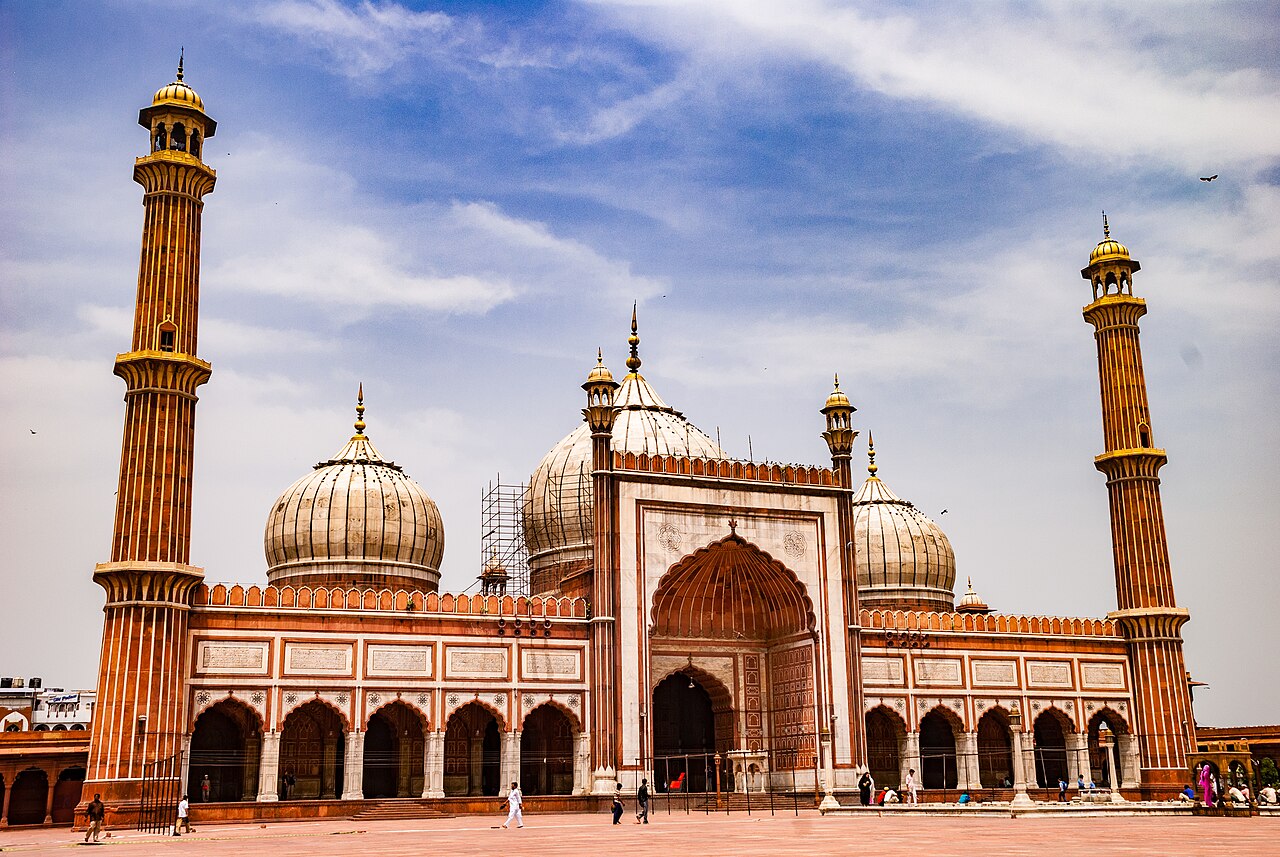 #3 in New DelhiFree entry
Jama Masjid
Mosque · 650 m · about 10 min walk
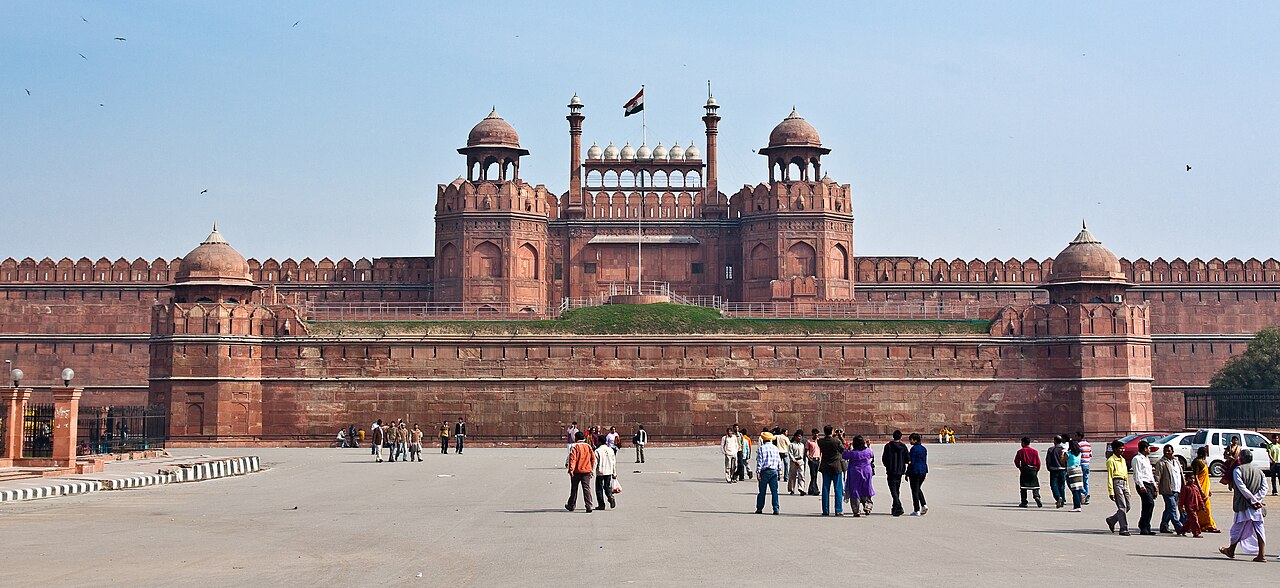 #1 in New Delhi
Red Fort
Fort · 950 m · about 16 min walk
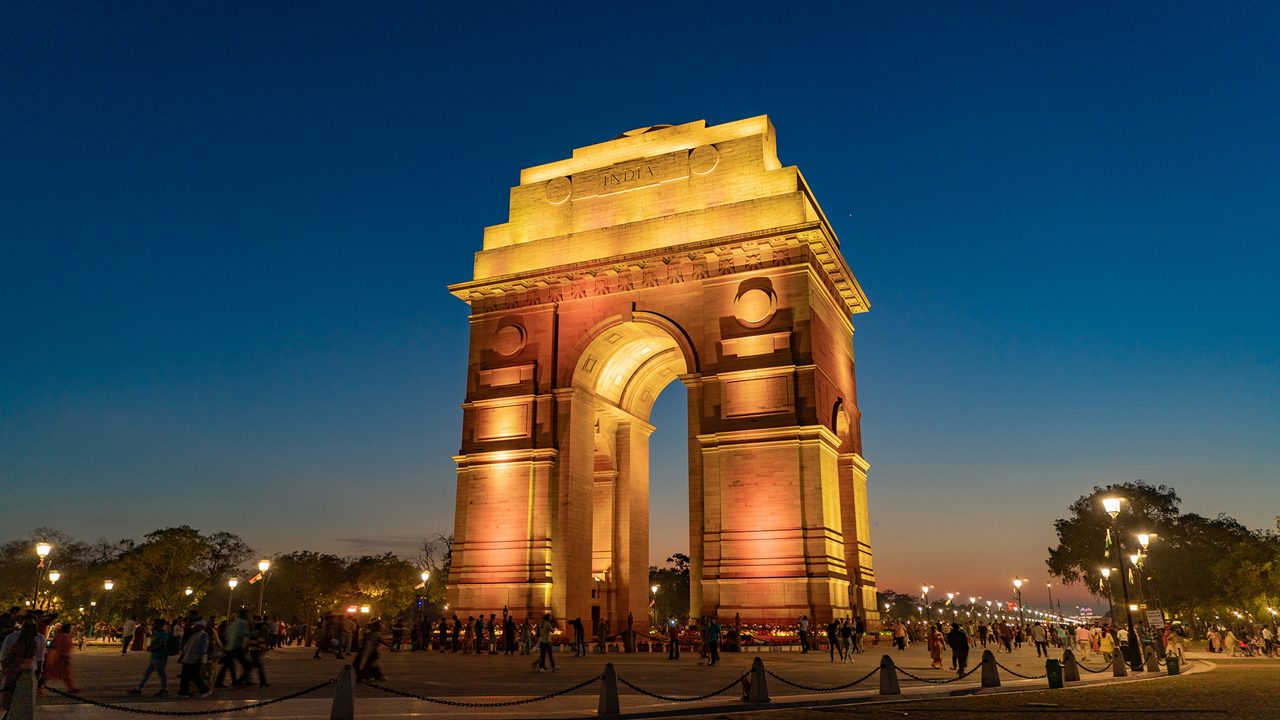 #5 in New DelhiFree entry
India Gate
Memorial · 5 km · about 15 min by road
 #8 in New Delhi
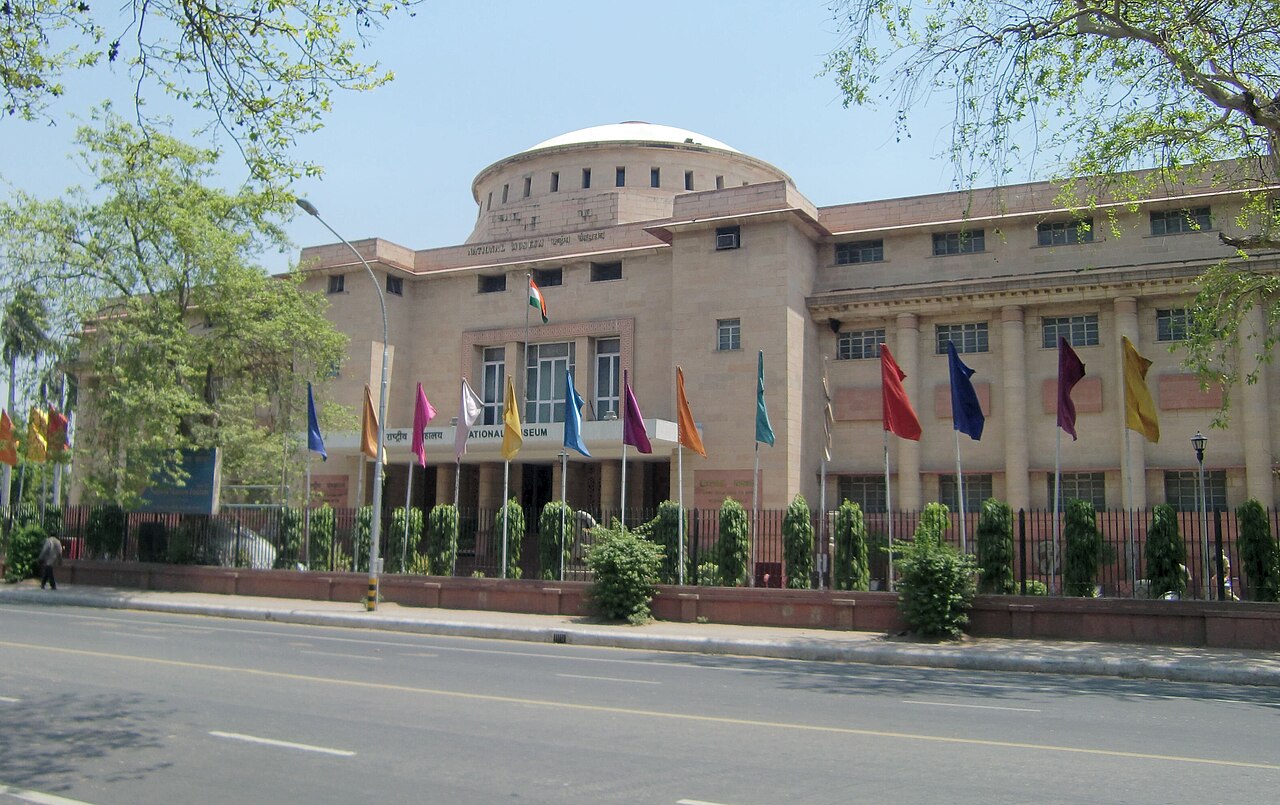
National Museum, Delhi
Museum · 5 km · about 15 min by road