
National Museum, Delhi
#8of 9 places to visit in New DelhiNew Delhi, Delhi
Also known as National Museum of India
Quick answer
Opening hours: 10:00–17:00, closed Mondays, last entry 16:30. Entry: ₹20 Indian · ₹650 foreign. Allow 2 hrs. Best time: 10:00 – 12:00.
Updated · Compiled by Traveliac, AI-assisted · 5 min read
- Opening hours
- 10:00–17:00
- Closed Mondays
- Entry fee
- ₹20 Indian
- Ticket from
- Time needed
- 2 hrs
- Best time of day
- 10:00 – 12:00
- Best months
- Oct – Nov, Feb – Mar
- Address
- Janpath, near Rajpath, New Delhi, Delhi 110011
About National Museum, Delhi
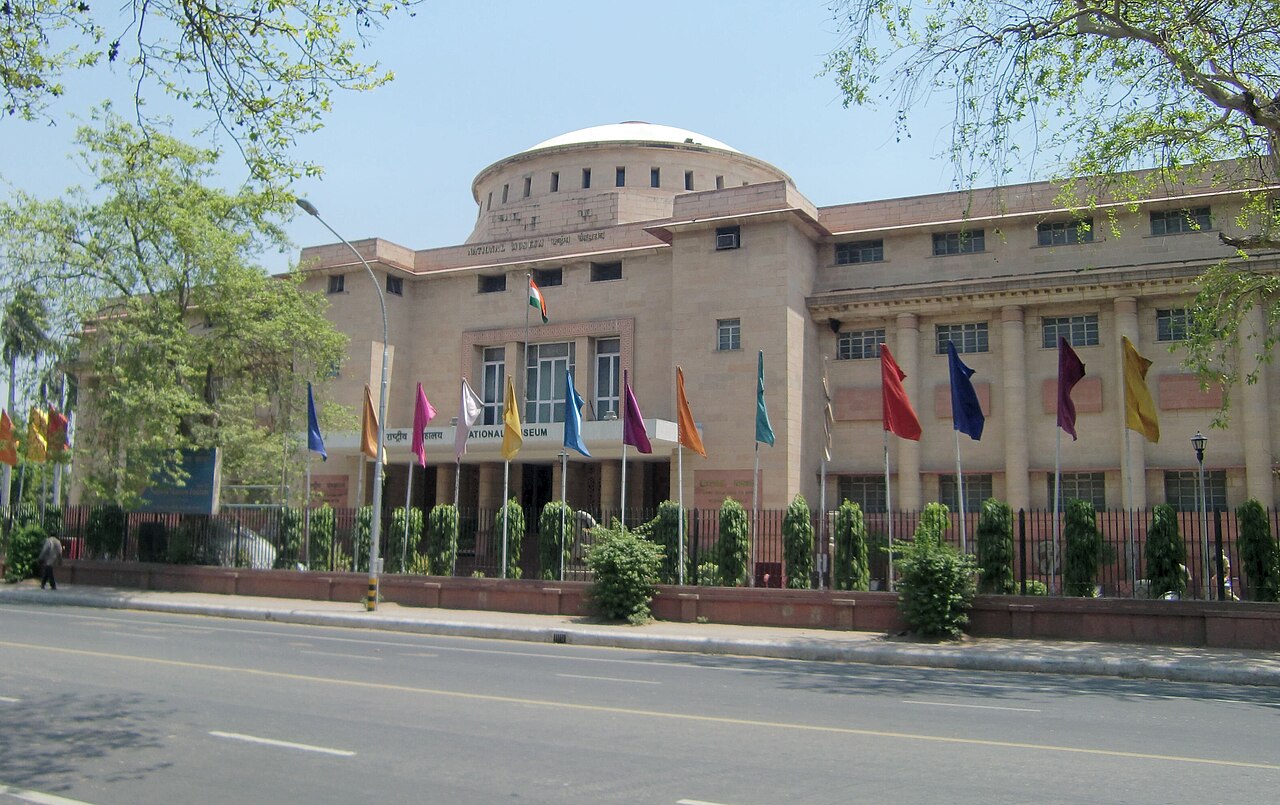
The National Museum's collection began not in Delhi but in London, assembled for a 1947–48 Exhibition of Indian Art at the Royal Academy that toured artefacts loaned from museums and private collections across the newly independent country. Rather than returning the pieces individually after the exhibition closed, the organisers proposed a permanent national museum, and the collection was first housed temporarily inside Rashtrapati Bhavan before the purpose-built Janpath building opened in 1960. The museum now holds an estimated 200,000 objects spanning five millennia, from Indus Valley Civilization seals and terracotta to Mughal miniature painting and colonial-era decorative arts. Among its most significant holdings are artefacts from the Harappan sites of Mohenjo-daro and Harappa, including terracotta figurines, seals with undeciphered script, and jewellery recovered from 1920s–40s excavations — though the single most famous Harappan object, the bronze 'Dancing Girl' figurine, remains in Pakistan's National Museum in Karachi following Partition-era division of archaeological holdings, and Delhi's collection consists of other, less widely reproduced pieces from the same sites. A separate gallery houses relics traditionally associated with the Buddha, recovered from the Piprahwa stupa excavation near the Nepal border, displayed in a casket considered one of the museum's most religiously significant single objects.
Best time of day: 10:00 – 12:00. Galleries are least crowded shortly after opening, and this window avoids the midday school-group influx that peaks between 12:00 and 14:00.
Photography
₹20 camera fee
National Museum, Delhi timings
National Museum, Delhi opens at 10:00 and closes at 17:00. Those hours hold on Saturday and Sunday too.
- Opening hours
- 10:00–17:00
Monday Closed Tue–Sun 10:00–17:00 - 10:00 – 17:00 (Tuesday–Sunday, last entry 16:30)
- Closed on
- Monday
Good to know: Selected galleries periodically close on a rotating basis as parts of the collection are relocated in connection with the planned Yuge Yugeen Bharat National Museum project at the Central Vista redevelopment site — check gallery availability before visiting for a specific collection.
Opening hours compiled from nationalmuseumindia.gov.in and public records, last updated . They change without notice — confirm before you travel. How we write these guides
National Museum, Delhi ticket price
| Ticket | Price |
|---|---|
| Indian visitors | ₹20 |
| Foreign visitors | ₹650 |
| Children | Free |
| Camera | ₹20 |
Children under 15 enter free. Foreign visitor pricing includes access to most special exhibitions; some temporary shows carry a separate supplementary fee. A still-camera fee of ₹20 applies for personal photography in permitted galleries; several sections, including the manuscripts and miniature paintings galleries, prohibit photography outright regardless of fee paid.
Prices compiled from nationalmuseumindia.gov.in and public records, last updated . They change without notice — confirm before you travel. How we write these guides
Best time to visit National Museum, Delhi
- Quiet
- Moderate
- Busy
10:00 – 12:00
Morning OpeningBest time to go
Quietest window of the day. Galleries are easy to move through without competing for sightlines at display cases, particularly in the Harappan and sculpture sections.
Quiet12:00 – 14:00
School Group Peak
Organised school trips converge on the ground-floor galleries. Noise levels rise noticeably and popular cases such as the Harappan seals draw sustained crowding.
Busy14:00 – 15:30
Afternoon Lull
School groups typically depart by early afternoon, leaving a more even mix of independent visitors and tourists.
Moderate15:30 – 17:00
Late Afternoon
Visitor numbers taper toward closing. Last entry is 16:30, so arrival after 16:00 means a compressed visit with limited time in the upper-floor galleries.
Quiet
History of National Museum, Delhi
The 1947–48 Royal Academy exhibition in London was conceived as a showcase of Indian art at the moment of independence, drawing on loans from princely state collections, British museums, and private Indian collectors. Rather than dispersing the assembled works back to their original owners, a committee including senior Indian cultural administrators proposed establishing a permanent national collection, and the pieces were brought to Delhi and initially displayed within Rashtrapati Bhavan's own halls as a temporary arrangement pending a dedicated building.
The present Janpath building, designed in a restrained modernist style distinct from the colonial and Mughal architecture surrounding it on the Central Vista axis, opened to the public in 1960. Over the following decades the collection expanded considerably through further excavation finds, notably from Sir Aurel Stein's early 20th-century Central Asian expeditions, alongside acquisitions of miniature painting traditions from Rajasthani and Pahari schools, and an extensive numismatics collection covering coinage from the Mauryan period through British India.
As of the mid-2020s, the museum is in a prolonged transitional phase: the Government of India's Central Vista redevelopment plan includes construction of a new, larger institution — the Yuge Yugeen Bharat National Museum, to be housed in the North and South Block complex near Rashtrapati Bhavan — intended to eventually absorb and expand upon the Janpath museum's collection. This has meant selected galleries closing on a rotating basis as artefacts are catalogued and prepared for eventual relocation, a process that has affected visitor access to specific sections without a fixed public timeline.
Rules & etiquette at National Museum, Delhi
Large bags, backpacks, and any liquid containers must be deposited at the free cloakroom near the entrance before proceeding through security screening — this is standard museum security rather than an unusual imposition, but it adds 10–15 minutes to arrival that is worth budgeting for.
Photography rules vary by gallery rather than applying uniformly across the museum: the manuscripts, miniature paintings, and several of the more fragile textile and decorative arts galleries prohibit photography outright regardless of whether the camera fee has been paid, while the sculpture, Harappan, and arms and armour galleries generally permit it. Museum staff at each gallery entrance will indicate the rule for that specific room; it is worth asking rather than assuming a blanket policy applies throughout.
Given the ongoing rotation of galleries connected to the Yuge Yugeen Bharat relocation project, specific collections advertised in older guidebooks or online descriptions may not be on display on a given day — checking gallery status at the information desk on arrival avoids a wasted special trip for a single specific object or gallery.
Tips for visiting National Museum, Delhi
- 1
Budget genuine time for the Harappan and Buddhist relics galleries specifically, since these two collections are among the most historically significant anywhere in India and are frequently rushed past by visitors treating the museum as a single quick stop rather than a destination in its own right.
- 2
Audio guides, where available, are worth the modest additional cost for the miniature painting and Central Asian antiquities galleries in particular, since object labelling in these sections assumes more background knowledge than the average visitor brings, and gallery attendants are not generally equipped to give detailed explanations.
- 3
The museum sits within easy walking distance of India Gate and the Kartavya Path lawns, making it straightforward to combine a morning museum visit with an afternoon or evening walk along the ceremonial boulevard — the Janpath shopping street immediately outside also offers a reasonable lunch and market-browsing break between the two.
How to reach National Museum, Delhi
The red star is National Museum, Delhi; the numbered pins are the 7 nearest places in our guides, each showing its rank in its city. Tap a pin for details.
Janpath, near Rajpath, New Delhi, Delhi 110011Directions in Google Maps
From Indira Gandhi International Airport (DEL)
₹400–₹60016 km · 30–50 min
Prepaid taxi or app-based cab).
From Connaught Place
₹10–₹152 km · 8–12 min
Via Metro (Yellow Line to Udyog Bhawan); ₹60–₹100 by app-based cab; walkable in 20–25 minutes down Janpath.
From New Delhi Railway Station
₹100–₹1504 km · 15–20 min
Auto-rickshaw, negotiated); ₹110–₹170 by app-based cab.
Nearest airport
From Indira Gandhi International Airport (DEL)
approximately 16 km, 30–50 minutes by road.
Nearest railway station
From Udyog Bhawan Metro Station (Yellow Line)
900 metres, a 10–12 minute walk; Central Secretariat Metro Station (Yellow Line / Violet Line interchange) is a similar distance via a different approach road.
National Museum, Delhi FAQs
Why do parts of the National Museum sometimes appear closed?
The Government of India's Central Vista redevelopment includes a planned new museum, the Yuge Yugeen Bharat National Museum, intended to eventually absorb this collection. Selected galleries at the Janpath building close on a rotating basis as artefacts are catalogued and prepared for that future relocation, without a fixed public schedule, so specific galleries can be unavailable on a given visit.
Is the famous Harappan 'Dancing Girl' bronze on display here?
No. That specific figurine remains in the National Museum in Karachi, Pakistan, following the Partition-era division of archaeological holdings from the original excavations at Mohenjo-daro. Delhi's National Museum holds other Harappan artefacts from the same and related sites, including seals, terracotta figurines, and jewellery, but not that particular object.
Can I take photographs throughout the museum?
Photography rules vary by gallery. Sculpture, Harappan, and arms and armour galleries generally permit photography for a small fee, while manuscripts, miniature paintings, and several textile and decorative arts galleries prohibit it entirely regardless of fee. Gallery staff at each room's entrance can confirm the specific rule.
Why is the National Museum closed on Mondays?
The museum observes a standard weekly closure every Monday, opening Tuesday through Sunday from 10:00 to 17:00 with last entry at 16:30.
Compiled with AI assistance from official sources and public records, and published only after the checks in How we write these guides. Nobody from Traveliac has visited this place. Last updated . How we rank and check places
Places to visit near National Museum, Delhi
Straight-line distances from our map; times are estimates.
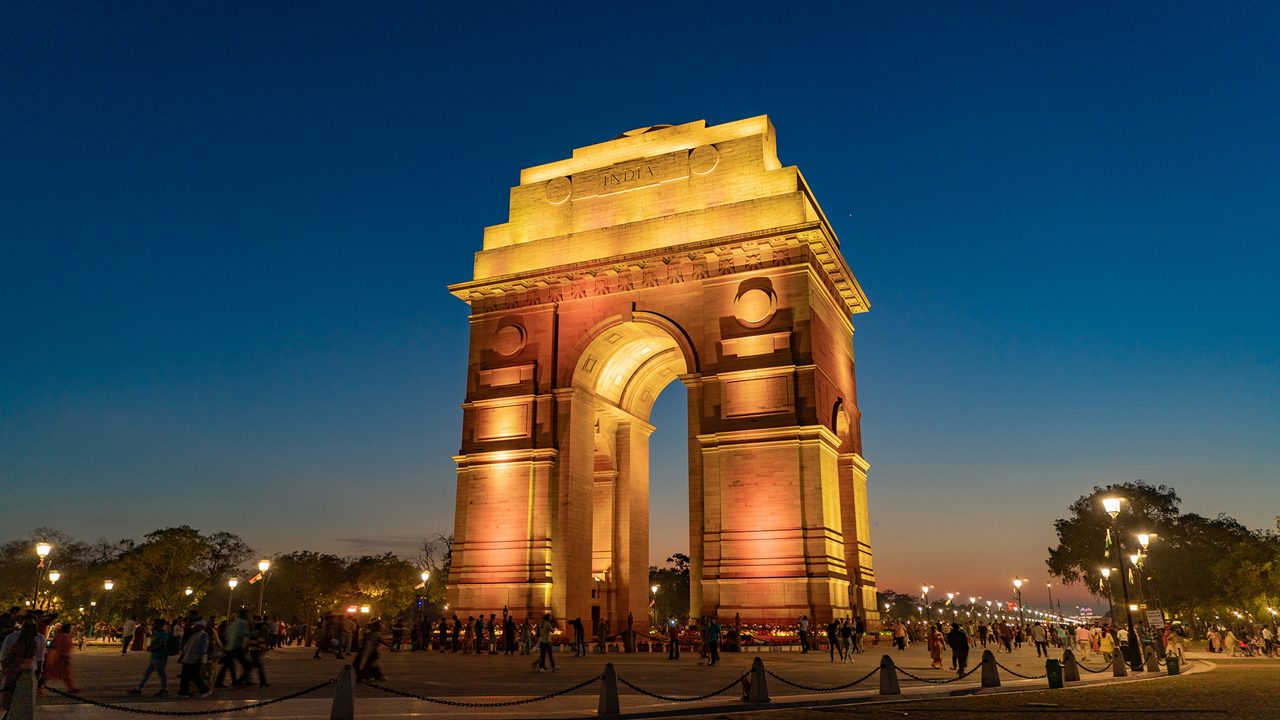 #5 in New DelhiFree entry
India Gate
Memorial · 1000 m · about 16 min walk
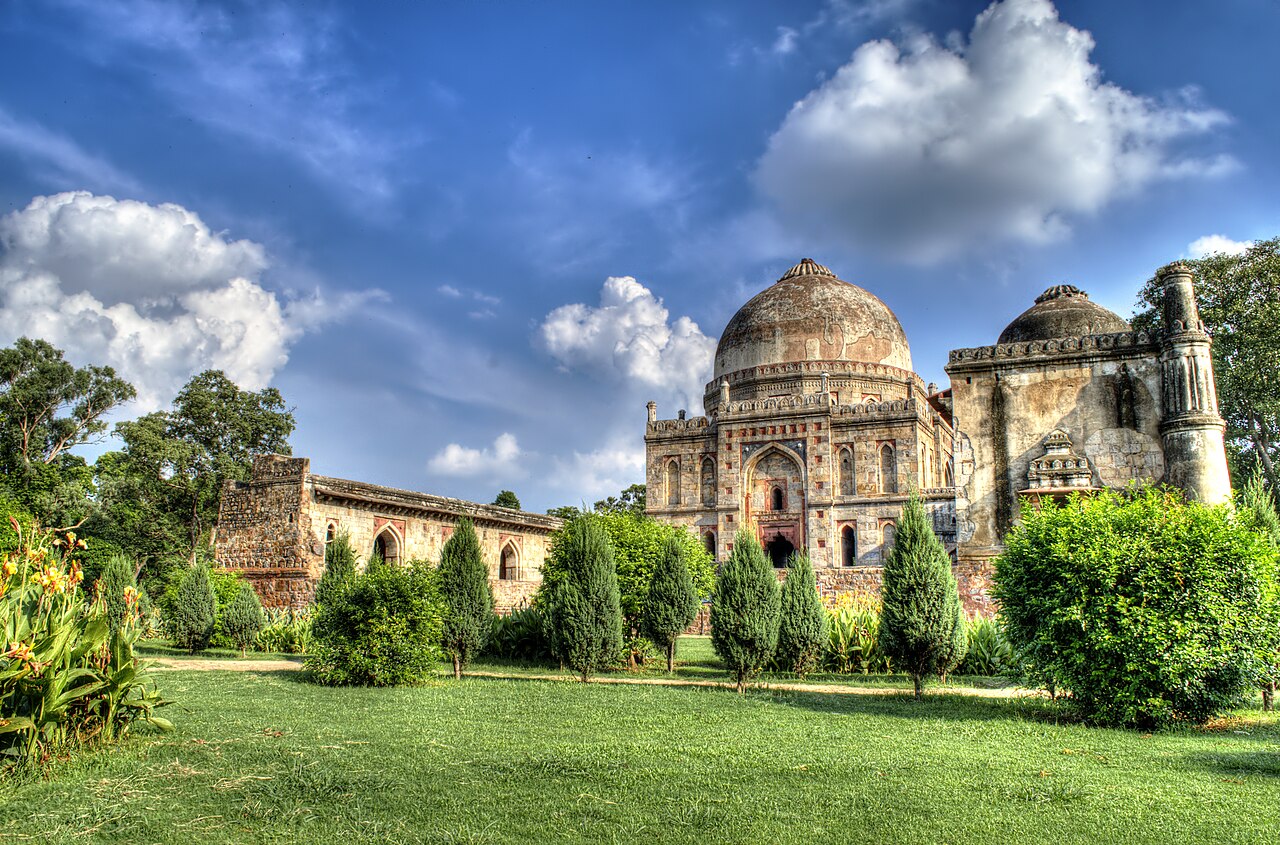 #9 in New DelhiFree entry
Lodhi Gardens
Garden · 2.1 km · about 34 min walk
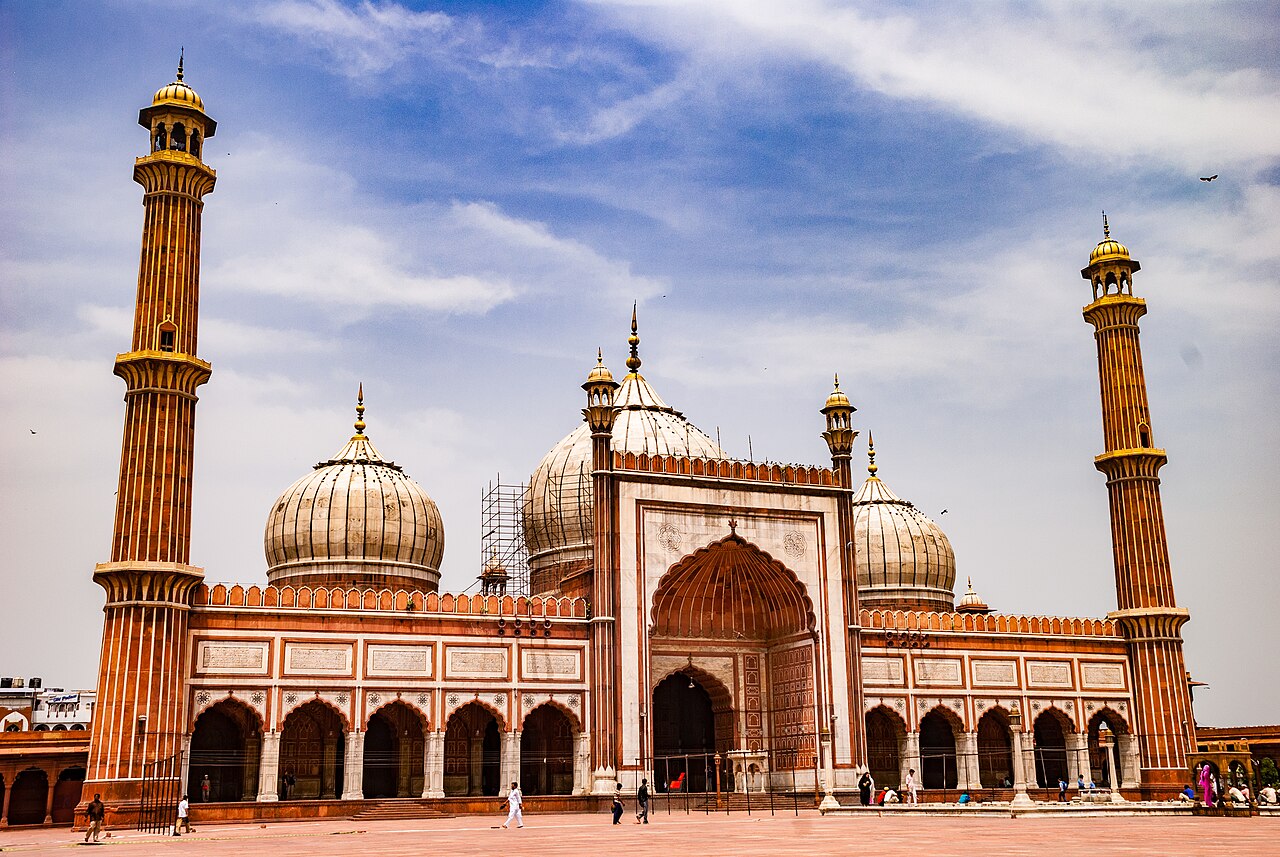 #3 in New DelhiFree entry
Jama Masjid
Mosque · 5 km · about 15 min by road
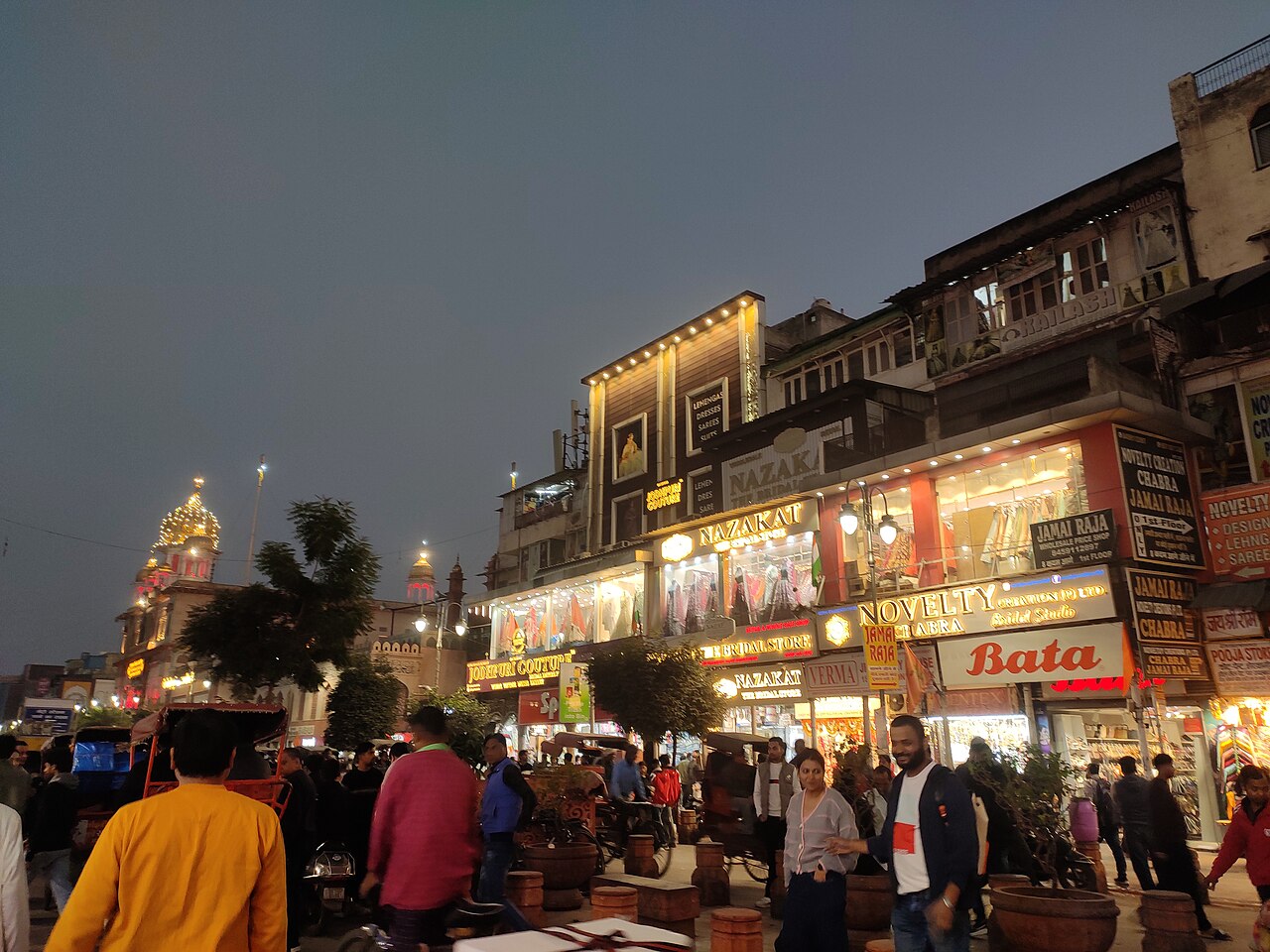 #4 in New DelhiFree entry
Chandni Chowk
Market · 5 km · about 15 min by road