
Lotus Temple
#6of 9 places to visit in New DelhiNew Delhi, Delhi
Also known as Bahá'í House of Worship, New Delhi · Kamal Mandir
Quick answer
Opening hours: 09:00–17:30 and 09:30–19:00, closed Mondays. Entry is free. Allow 1 hr. Best time: 09:00 – 10:30.
Updated · Compiled by Traveliac, AI-assisted · 5 min read
- Opening hours
- 09:00–19:00
- Closed Mondays
- Entry fee
- Free
- Time needed
- 1 hr
- Best time of day
- 09:00 – 10:30
- Best months
- Oct – Nov, Feb – Mar
- Address
- Lotus Temple Road, Bahapur, Kalkaji, New Delhi, Delhi 110019
About Lotus Temple
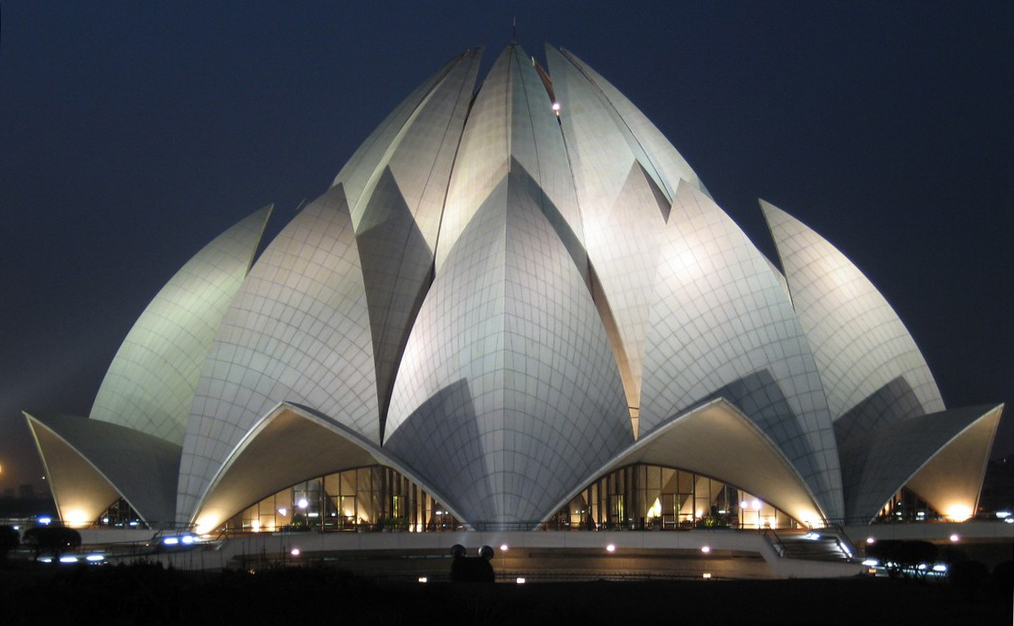
The Lotus Temple's structure comprises 27 free-standing marble-clad petals, arranged in three ranks of nine to form a shape read universally as a lotus flower, sitting atop a podium surrounded by nine reflecting pools. Iranian-Canadian architect Fariborz Sahba designed the building, completed in 1986, with structural engineering by the London firm Flint & Neill; the petals are reinforced concrete shells surfaced in white marble panels sourced from Penteli, Greece — the same quarry that supplied marble for the Sydney Opera House's podium steps, though the Opera House's iconic shells themselves are tiled rather than marble-clad. As a Bahá'í House of Worship, the building carries no idols, pulpits, or religious imagery inside; the interior is a single unadorned domed hall intended for silent individual prayer or meditation in any faith tradition, with sacred texts from multiple religions available for reading rather than a single scripture. The building has won architectural awards for its structural engineering and is regularly cited by GlobalHolidays and design publications among the most-visited buildings in the world by annual footfall, a claim that is difficult to verify precisely but reflects sustained visitor numbers reported in the tens of thousands on peak days. Unlike the Bahá'í Faith's Mother Temple in Wilmette, Illinois, or the Baháʼí gardens in Haifa, the Delhi temple is one of only a handful of continental 'Mother Temples' worldwide, built explicitly to serve the entire Indian subcontinent's Bahá'í community and the broader public.
Best time of day: 09:00 – 10:30. The white marble petals catch clean, undiffused morning light and the entry queue is shortest right after opening, before school groups and tour coaches arrive.
Lotus Temple timings
- Opening hours
- 09:00–19:00
Monday Closed Tue–Sun 09:00–17:30 and 09:30–19:00 - 09:00 – 17:30 (October–March); 09:30 – 19:00 (April–September)
- Closed on
- Monday
Good to know: Timings shift roughly a month around daylight saving conventions used locally; check the same-day schedule posted at the visitor entrance if arriving near closing.
Opening hours compiled from bahaihouseofworship.in and public records, last updated . They change without notice — confirm before you travel. How we write these guides
Lotus Temple ticket price
| Ticket | Price |
|---|---|
| Indian visitors | Free |
| Foreign visitors | Free |
| Children | Free |
| Camera | Free |
Free entry for all visitors regardless of nationality or faith. There is no photography fee, though tripods and flash are not permitted inside the prayer hall. Parking on-site is separately charged at a modest flat rate.
Prices compiled from bahaihouseofworship.in and public records, last updated . They change without notice — confirm before you travel. How we write these guides
Best time to visit Lotus Temple
- Quiet
- Moderate
- Busy
- Very busy
09:00 – 10:30
Morning OpeningBest time to go
Shortest queue for both shoe deposit and hall entry. Morning light gives the cleanest exterior photographs of the marble petals.
Quiet10:30 – 13:00
School and Tour Groups
Domestic school trips and tour coaches converge; hall entry queue frequently exceeds 30 minutes on weekdays during the academic term.
Busy13:00 – 16:00
Midday Lull
A modest dip as morning groups depart before afternoon arrivals build; a reasonable window for a second attempt if the morning queue was too long.
Moderate16:00 – 17:30
Late Afternoon Peak
The single busiest period on weekends, as local visitors arrive for cooler evening light. Queues for both hall entry and photography spots at the main approach path are at their longest.
Very busy
History of Lotus Temple
The Bahá'í Faith, founded in 19th-century Persia by Bahá'u'lláh, established its first house of worship on the Indian subcontinent in Delhi following a design competition process managed by the National Spiritual Assembly of the Bahá'ís of India in the 1970s. Fariborz Sahba, then a young architect working with the Bahá'í World Centre, won the commission and spent years researching lotus symbolism across Indian religious traditions — the flower appears in Hindu, Buddhist, and Jain iconography alike as a symbol of purity emerging from muddy water, which made it a deliberately unifying rather than sectarian architectural motif for a faith that emphasises the essential oneness of all religions.
Construction ran through the early 1980s, engineered by Flint & Neill using a then-unusual approach: each of the 27 petals is an independent doubly curved concrete shell, cast and clad separately before assembly, allowing the building to achieve its complex geometry without visible internal support columns interrupting the hall's open span. The temple was dedicated in December 1986 and opened to the public shortly after.
The surrounding nine pools function as passive cooling for the building's roof-level ventilation system, drawing air across the water before it circulates through the hall — an engineering solution addressing Delhi's summer heat without mechanical air conditioning in the original design, though supplementary systems have since been added.
Rules & etiquette at Lotus Temple
Silence is strictly enforced inside the main prayer hall — this is not a suggestion but an actively monitored rule, with volunteer stewards asking visitors who talk, use phones, or take photographs inside the hall to stop or leave. Footwear is removed before entering the hall and left at a free rack near the base of the entrance stairs; queues for shoe deposit can be as slow-moving as the queue for the hall itself on busy days.
Photography of the exterior petals and grounds is unrestricted and a major draw in its own right, but cameras, phones, and any recording device must be silenced and put away entirely once inside the hall — security volunteers actively watch for this at the doorway. No food, drink, or chewing gum is permitted anywhere within the temple grounds, not just the hall.
The temple does not conduct any ritual, sermon, or organised service during general visiting hours; visitors are free to sit in silence for as long as they wish, and there is no expectation to participate in any specific practice regardless of personal faith.
Tips for visiting Lotus Temple
- 1
Visit at opening on a weekday if the goal is an uncrowded interior experience — weekend footfall regularly reaches into the tens of thousands and the hall queue alone can run 30–45 minutes, even though the building itself accommodates roughly 2,500 people at once.
- 2
The exterior grounds and reflecting pools are worth as much time as the hall interior; the classic photograph — all 27 petals visible with pool reflections — requires standing near the main approach path roughly 80–100 metres from the podium, a spot that gets crowded by mid-morning.
- 3
Kalkaji Mandir, an active Hindu temple dedicated to the goddess Kali with its own centuries-old pilgrimage history, sits directly across the road from the Lotus Temple's metro station and makes a natural, unplanned add-on for travellers curious about the contrast between the two very different approaches to sacred architecture within a five-minute walk of each other.
How to reach Lotus Temple
The red star is Lotus Temple; the numbered pins are the 7 nearest places in our guides, each showing its rank in its city. Tap a pin for details.
Lotus Temple Road, Bahapur, Kalkaji, New Delhi, Delhi 110019Directions in Google Maps
From Indira Gandhi International Airport (DEL)
₹350–₹55014 km · 30–45 min
Prepaid taxi or app-based cab).
From Connaught Place
₹25–₹3510 km · 25–30 min
Via Metro (Yellow Line to Central Secretariat, change to Violet Line, alight Kalkaji Mandir); ₹180–₹250 by app-based cab.
From Nehru Place
₹10–₹152 km · 8–10 min
Via Metro (one stop on the Magenta Line); ₹60–₹90 by auto-rickshaw.
Nearest airport
From Indira Gandhi International Airport (DEL)
approximately 14 km, 30–45 minutes by road.
Nearest railway station
From Kalkaji Mandir Metro Station (Violet Line / Magenta Line interchange)
1 km, a 10–15 minute walk or a short auto-rickshaw ride.
Lotus Temple FAQs
Do I need to belong to the Bahá'í Faith to visit the Lotus Temple?
No. The temple is open to people of any faith or none, and the interior contains no religious symbols specific to any single tradition. Visitors are free to sit in silent prayer or reflection according to their own beliefs; there is no ritual or service to join.
Can I take photos inside the Lotus Temple?
Photography and any phone use are not permitted inside the main prayer hall, and silence is strictly enforced by volunteer stewards. The exterior petals, reflecting pools, and grounds can be photographed freely and are, in practice, the more popular photography subject.
Why is the Lotus Temple closed on Mondays?
The Bahá'í House of Worship in Delhi observes a standard weekly closure on Mondays, consistent across the year regardless of season. All other days it operates on either a winter (09:00–17:30) or summer (09:30–19:00) schedule.
What is the marble made of and where does it come from?
The 27 petals are reinforced concrete shells clad in white marble panels quarried from Penteli, Greece — the same source used for the podium steps of the Sydney Opera House. The petals were cast and finished as independent structural units before assembly, which is how the building achieves its curved form without internal columns.
Compiled with AI assistance from official sources and public records, and published only after the checks in How we write these guides. Nobody from Traveliac has visited this place. Last updated . How we rank and check places
Places to visit near Lotus Temple
Straight-line distances from our map; times are estimates.
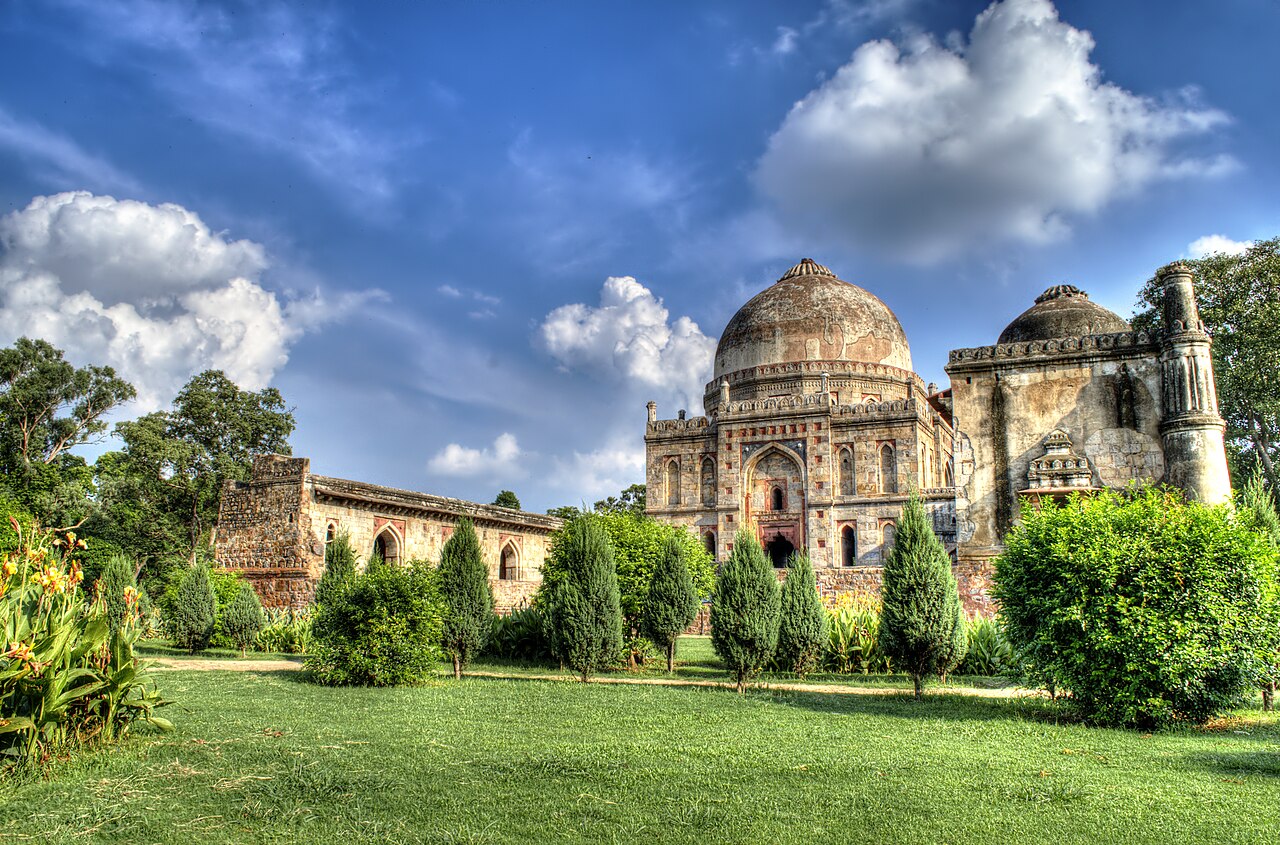 #9 in New DelhiFree entry
Lodhi Gardens
Garden · 6 km · about 20 min by road
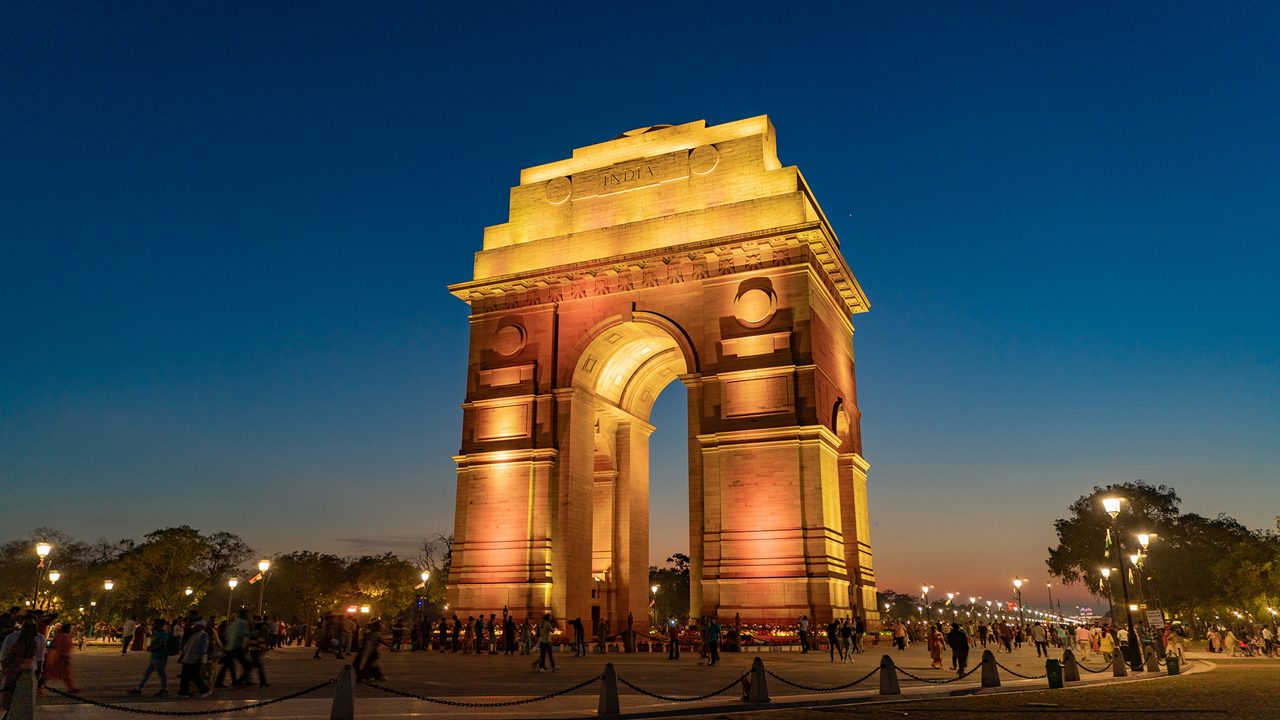 #5 in New DelhiFree entry
India Gate
Memorial · 7 km · about 20 min by road
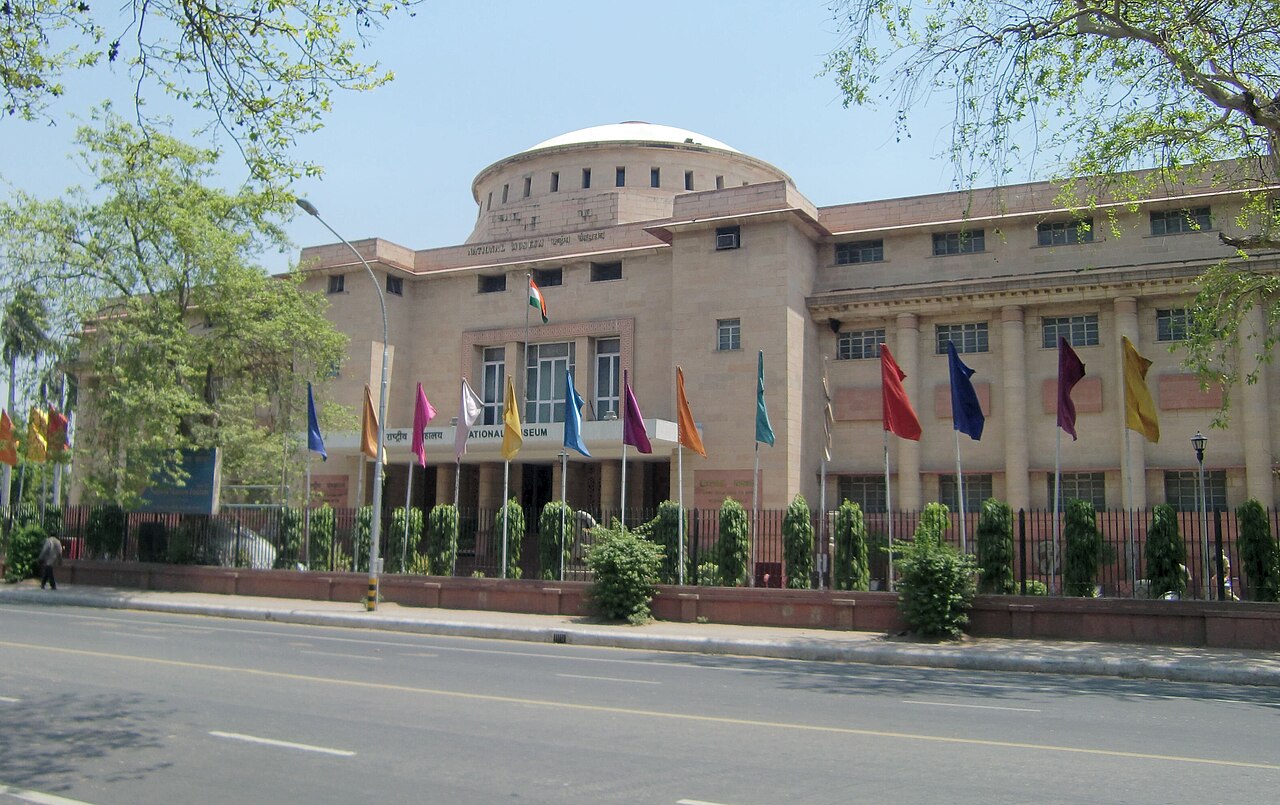 #8 in New Delhi
National Museum, Delhi
Museum · 8 km · about 25 min by road
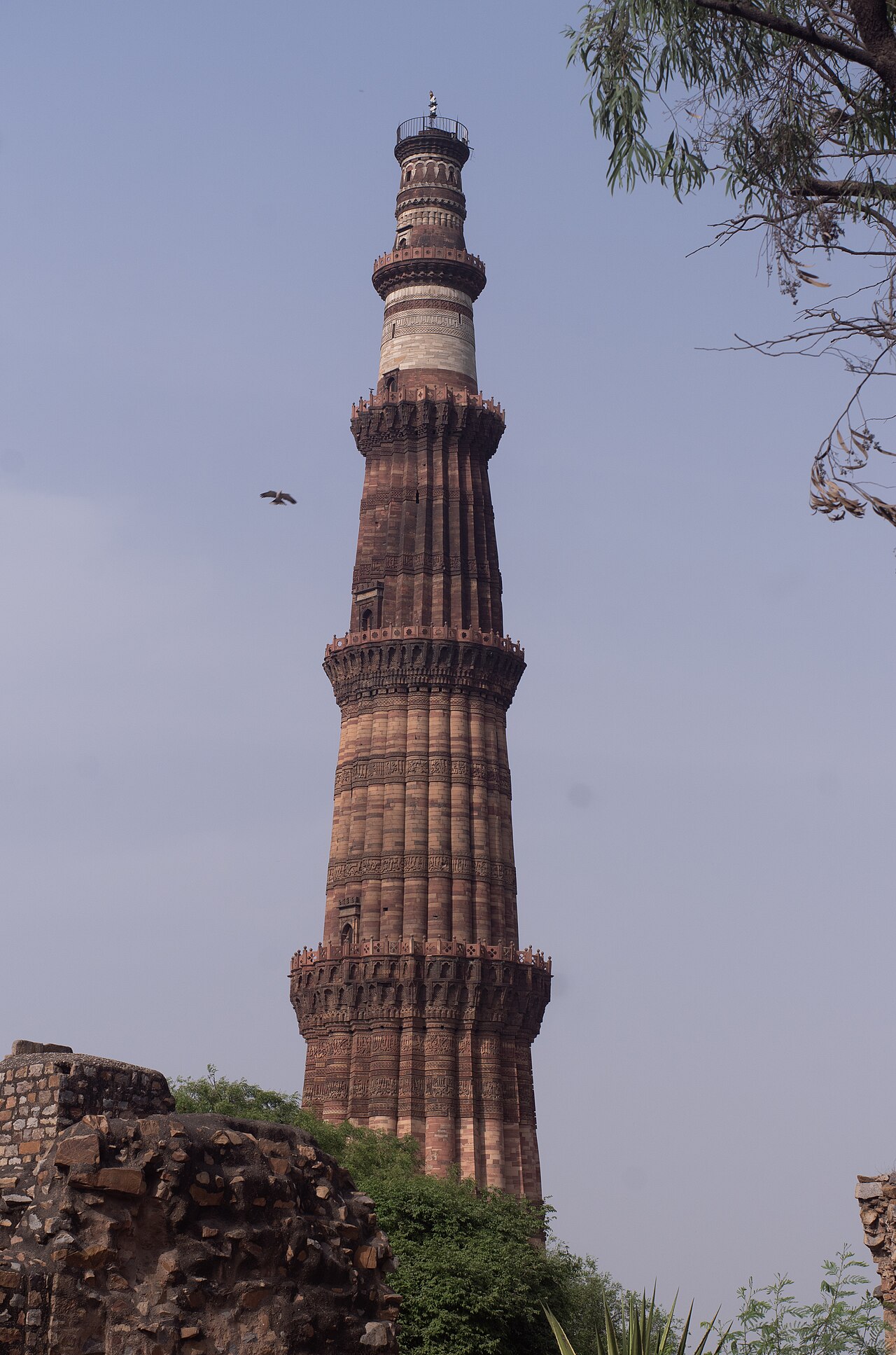 #2 in New Delhi
Qutub Minar
Monument · 8 km · about 25 min by road