
Guía de viaje de Delhi
9 lugares para visitar en New Delhi
También conocido como Delhi · NCT Delhi · Dilli
New Delhi is technically only the administrative district designed by Edwin Lutyens and Herbert Baker between 1911 and 1931 — the broad ceremonial boulevards, the white colonnaded bungalows of the diplomat belt, and the Rajpath axis from India Gate to Rashtrapati Bhavan.
Actualizado el ·Redactado por Traveliac, con ayuda de IA ·Cómo clasificamos
- Mejor momento
- Oct – Nov, Feb – Mar
- Tiempo necesario
- Unos 3 días
- 17 horas de visitas
- Aeropuerto de llegada
- Indira Gandhi International Airport (DEL)
- Estación más cercana
- Lal Qila Metro Station (Violet Line)
- Entrada gratuita
- 6 de 9
Lo mejor para hacer en New Delhi
Clasificado según cinco criterios publicados- 1
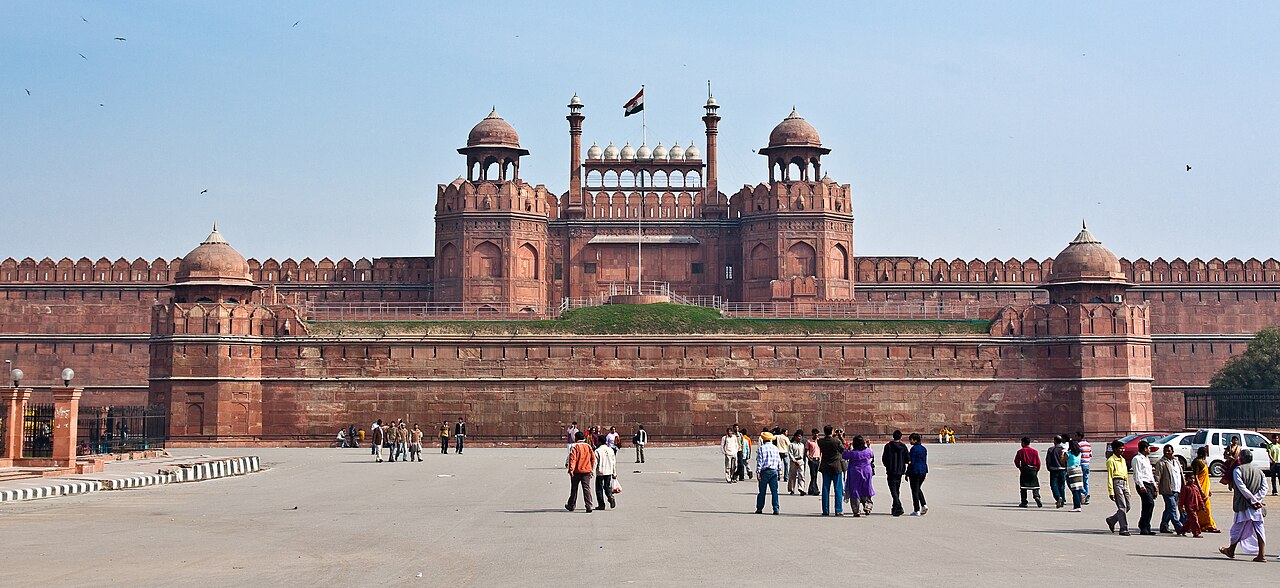
Fuerte
Red Fort
Shah Jahan construyó el Fuerte Rojo como palacio fortificado de Shahjahanabad, la capital amurallada que fundó al trasladar la sede del poder mogol…
2.5 hrs₹35 indios
 2
2Monumento
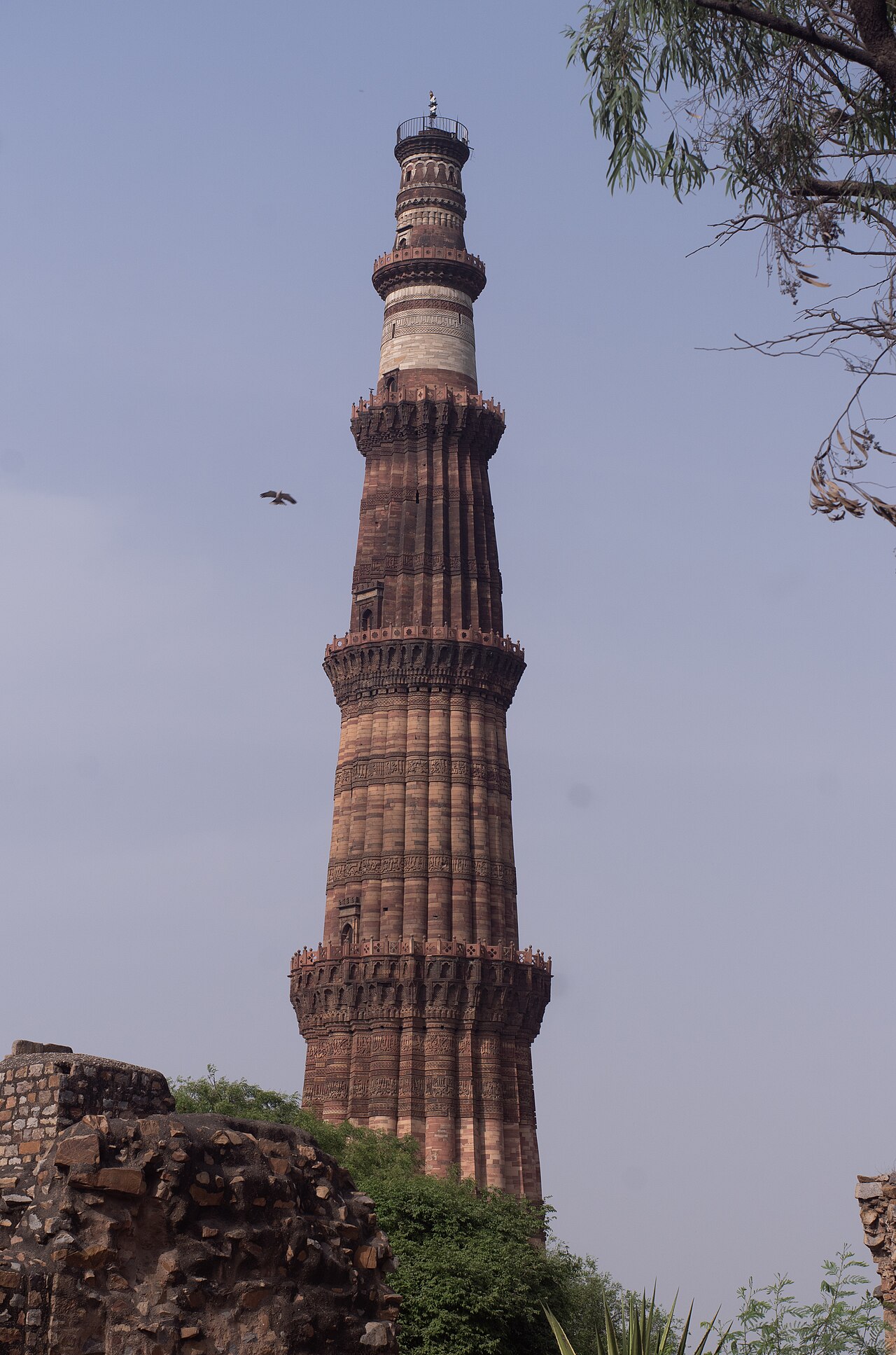
Qutub Minar
El Qutub Minar se eleva 72,5 metros a lo largo de cinco plantas decrecientes, lo que lo convierte en el alminar de ladrillo más alto del mundo, y su…
1.5 hrs₹40 indios
 3Entrada gratuita
Mezquita
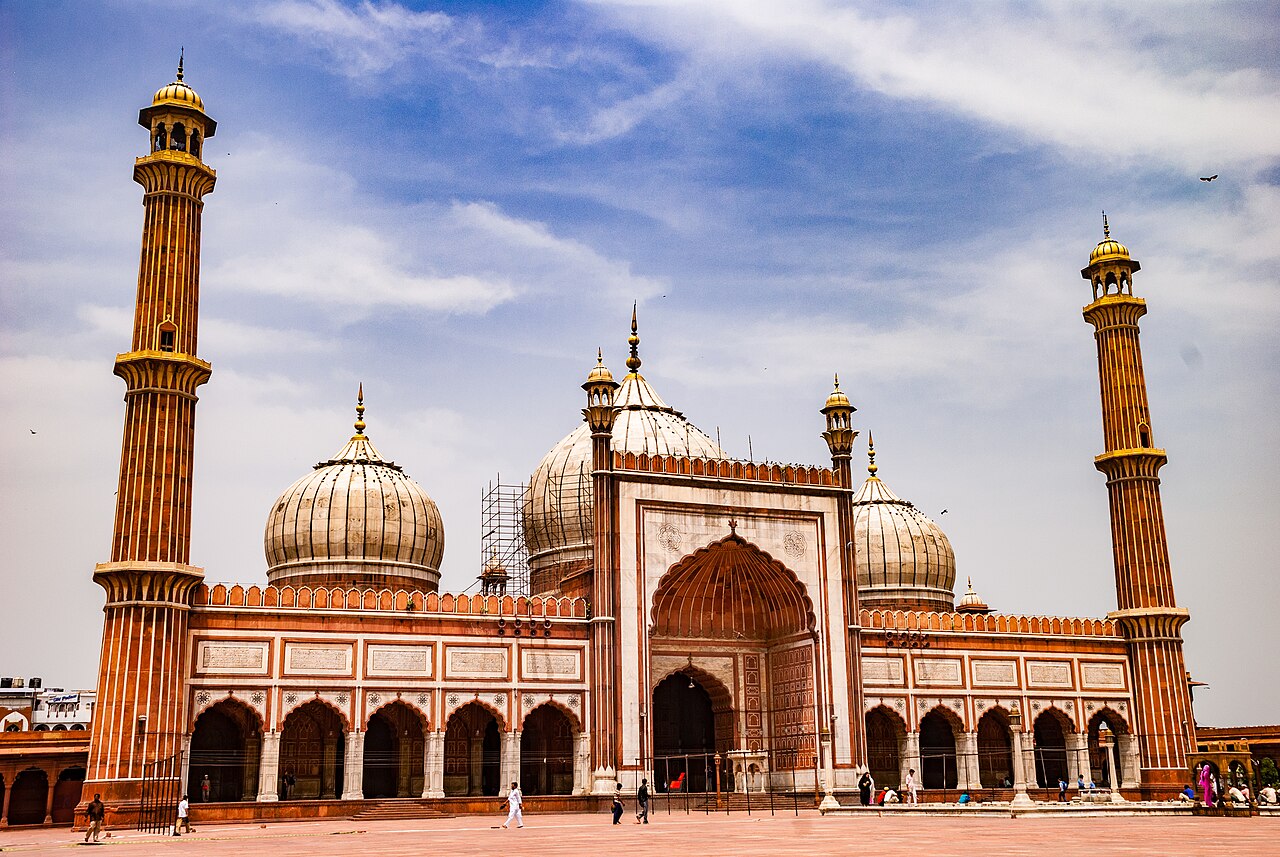
Jama Masjid
La Jama Masjid fue la mezquita imperial que Shah Jahan mandó construir para Shahjahanabad entre 1650 y 1656, en el mismo registro de piedra arenisca…
1 hr
 4Entrada gratuita
Mercado
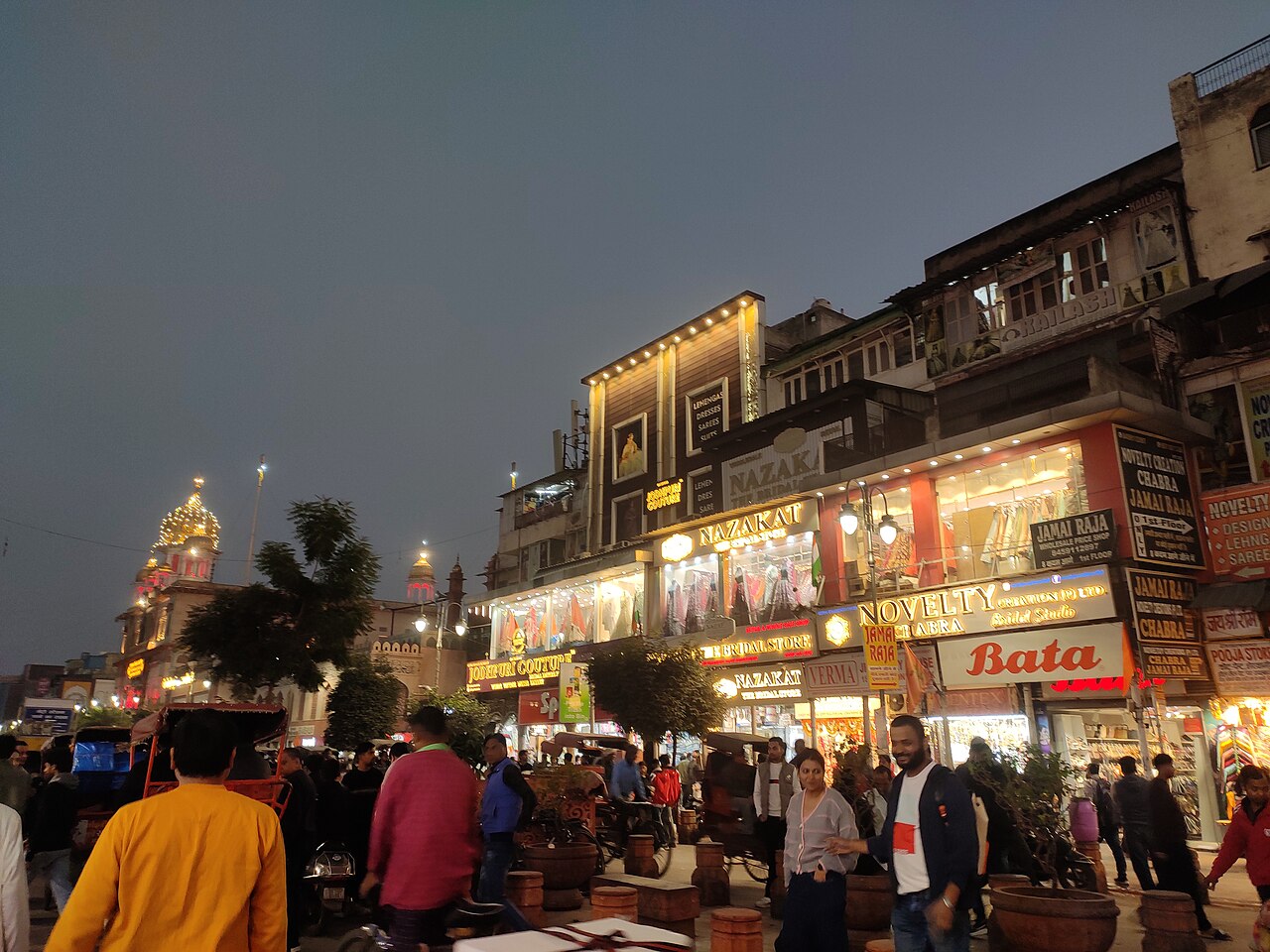
Chandni Chowk
Jahanara Begum, la hija mayor de Shah Jahan, trazó Chandni Chowk en la década de 1650 como la calle comercial principal de Shahjahanabad, entre la…
3 hrs
 5Entrada gratuita
Memorial
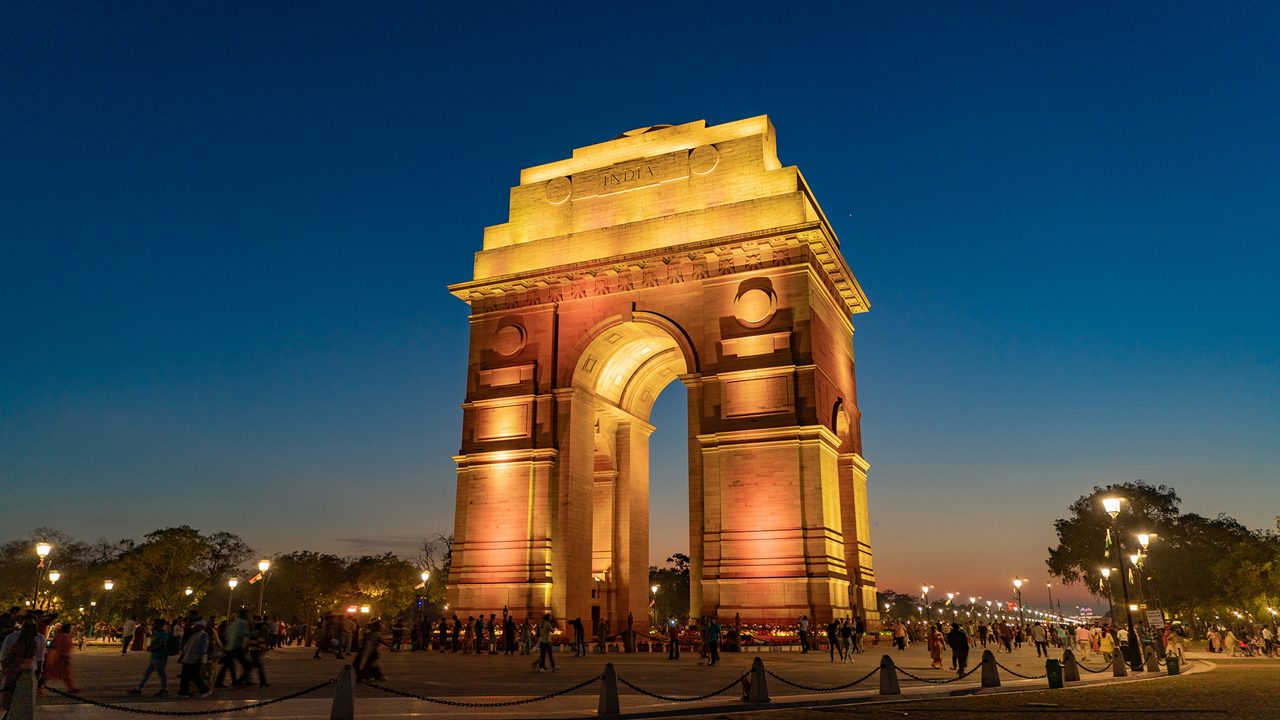
India Gate
La Puerta de la India es un arco de triunfo de 42 metros en piedra arenisca y granito, diseñado por Sir Edwin Lutyens —el mismo arquitecto…
1 hr
 6Entrada gratuita
Templo
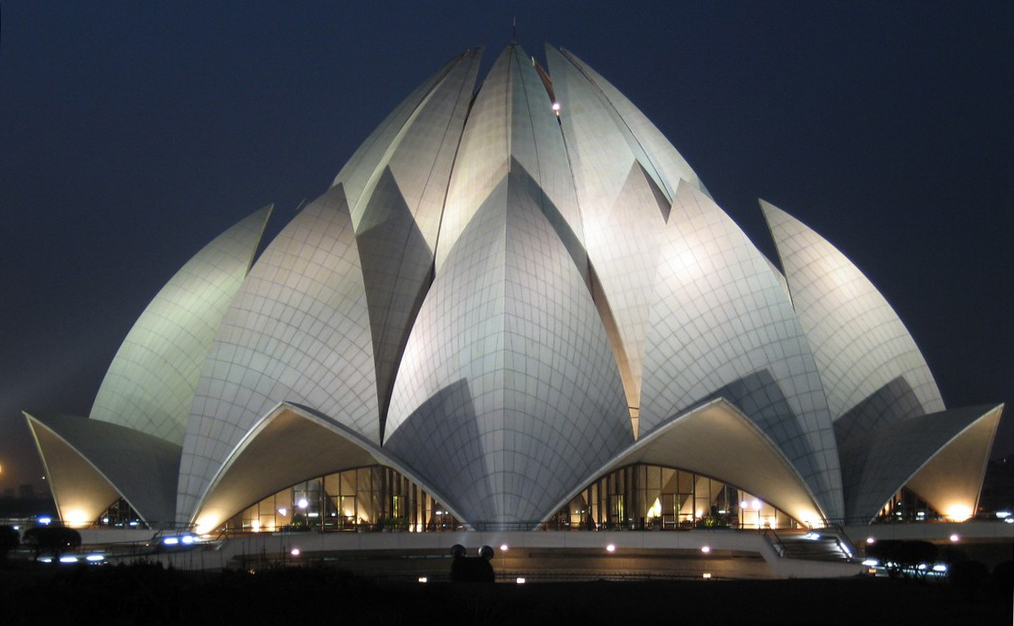
Lotus Temple
La estructura del Templo del Loto está formada por 27 pétalos independientes revestidos de mármol, dispuestos en tres filas de nueve para formar una…
1 hr
 7Entrada gratuita
Templo
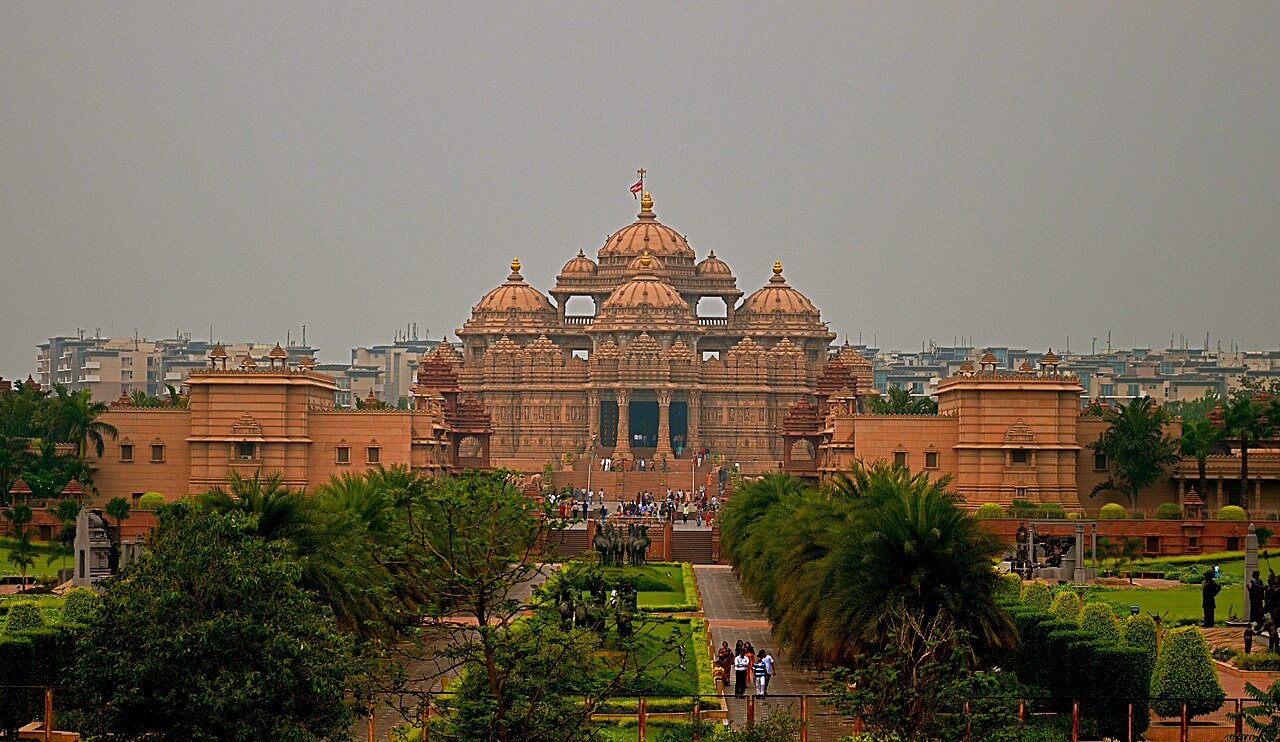
Akshardham Temple
Swaminarayan Akshardham ocupa 100 acres (unas 40 hectáreas) en la orilla oriental del Yamuna y se terminó en 2005, construido enteramente sin acero…
3.5 hrs
 8
8Museo
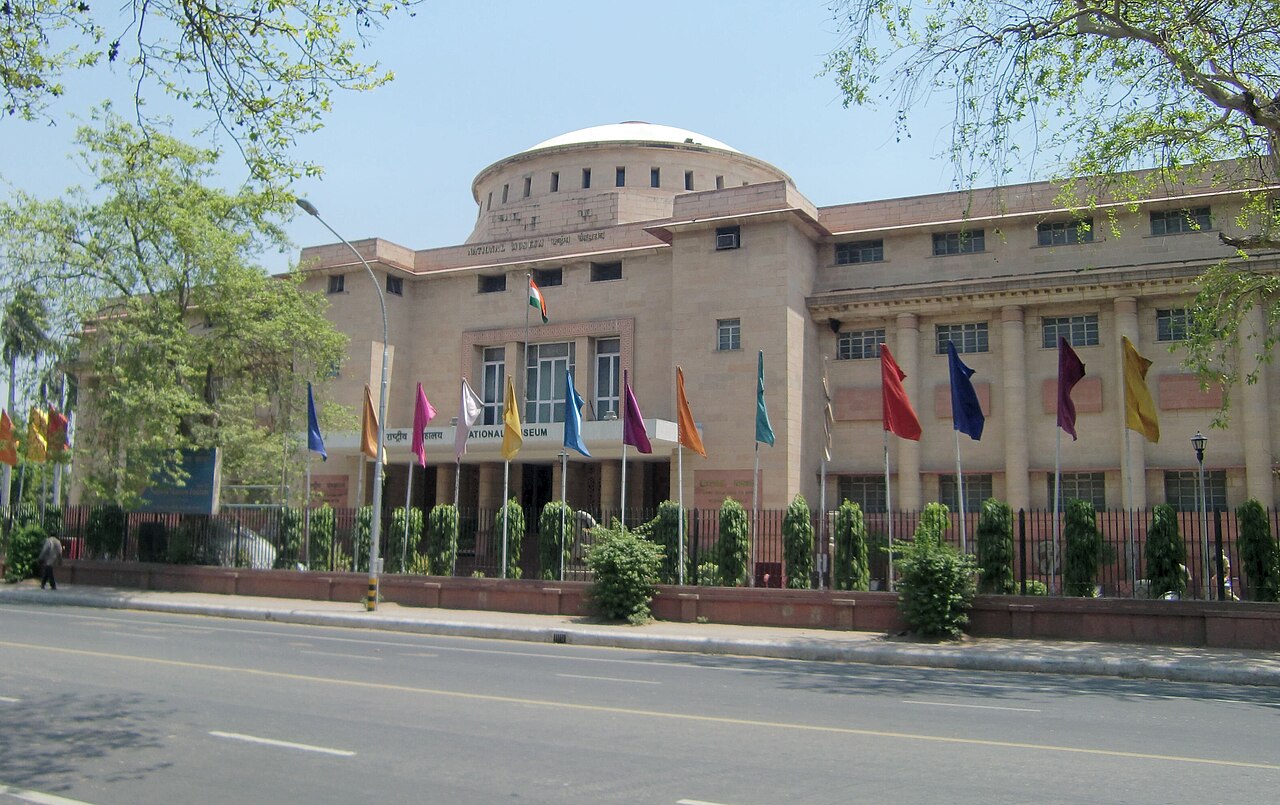
National Museum, Delhi
La colección del Museo Nacional no nació en Delhi, sino en Londres, reunida para una Exposición de Arte Indio celebrada en 1947-48 en la Royal…
2 hrs₹20 indios
 9Entrada gratuita
Jardín
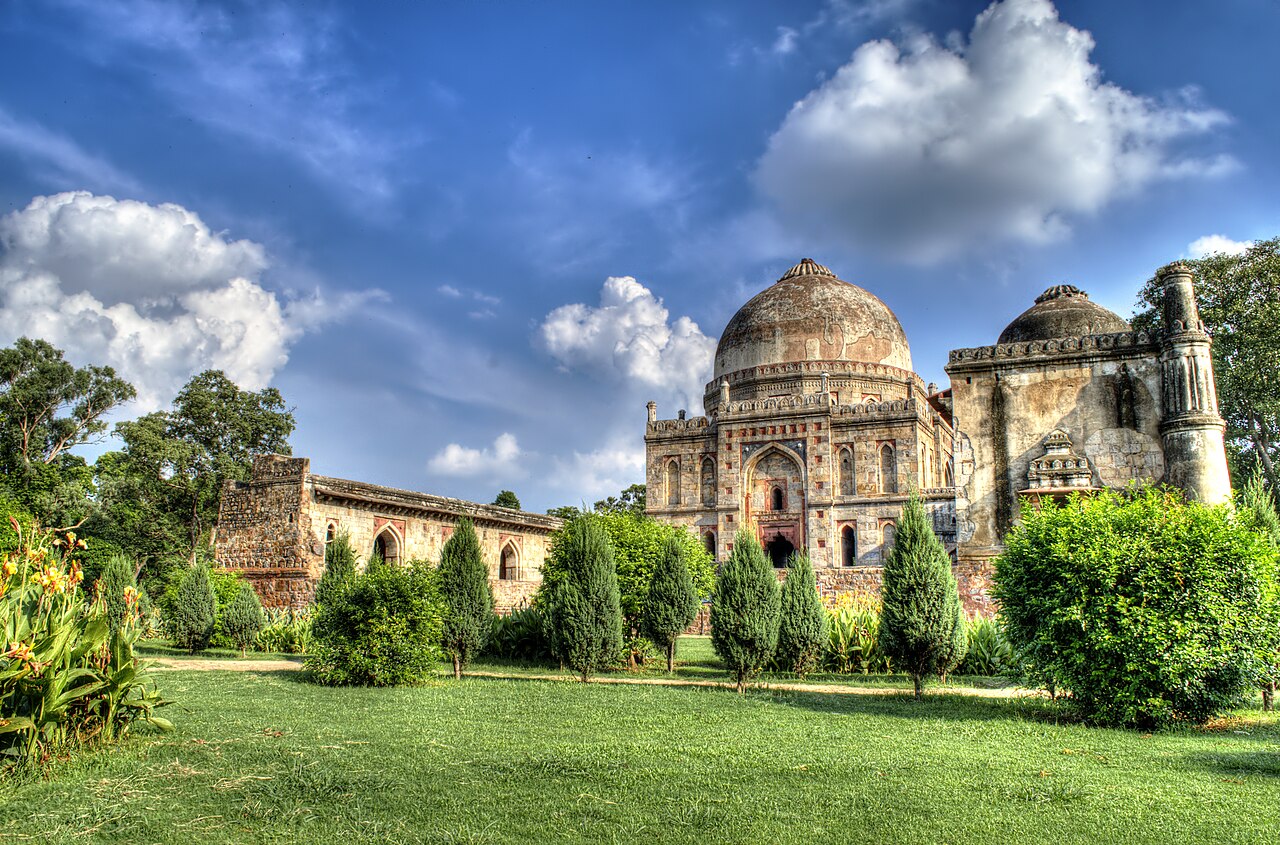
Lodhi Gardens
Los Jardines Lodhi se extienden por 90 acres de césped ajardinado, arbolado maduro y senderos formales construidos en torno a cuatro tumbas del siglo…
1.5 hrs
Mapa de lugares para visitar en New Delhi
Los números coinciden con la clasificación; el top 3 está en naranja. Toca un pin para ver su guía. 1 lugar(es) todavía no tienen posición en el mapa.
Excursiones desde New Delhi
Vale la pena si te sobra un día, empezando por los más cercanos.
50 km · 1–1.5 hours via NH 48 and the Gurugram-Farrukhnagar road
Sultanpur National Park (Bird Sanctuary)
A Ramsar-listed wetland reserve drawing migratory waterfowl — including painted storks, greater flamingos and thousands of wintering ducks and waders — between November and March; a manageable half-day trip that pairs well with an early departure and a return before evening traffic builds on NH 48.
122 km · 2 hours via NH 48
Neemrana Fort-Palace, Rajasthan
A 15th-century Rajput fort converted into a heritage hotel; the stepped structure drops fourteen levels down a hillside, with a pool suspended over the Aravalli foothills.
200 km · 3 hours
Sariska Tiger Reserve
Rajasthan's closest tiger reserve to Delhi, with Project Tiger population recovery ongoing; morning safaris through dry deciduous forest and ruined temples within the reserve boundary.
230 km · 3–4 hours by road; 100 minutes by Gatimaan Express train
Agra
The Taj Mahal, Agra Fort, and Fatehpur Sikri can be done as an ambitious day trip on the Gatimaan Express departing Hazrat Nizamuddin at 08:10, returning by 21:35 — though two days is far more honest.
Sobre New Delhi
In common usage, however, the name covers the entire National Capital Territory, a 1,484-square-kilometre patchwork of colonial planning, Mughal ruins, medieval villages absorbed by expansion, and contemporary high-rises that refuses to cohere into anything like a conventional city.
For monument visitors, the itinerary divides naturally by geography and era. Shahjahanabad — Old Delhi — contains the 1638–1648 Red Fort complex and the 17th-century Jama Masjid mosque, reachable via Delhi Metro's Yellow Line at Chandni Chowk. South Delhi's Mehrauli neighbourhood, a thirty-minute Metro ride away, holds the 12th-century Qutub Minar complex, representing the earliest phase of Islamic architecture in the subcontinent. Between these extremes, Nizamuddin — accessible from the Violet Line — delivers Humayun's Tomb, the 1570 garden mausoleum that served as the direct architectural prototype for the Taj Mahal, sitting alongside the living Sufi shrine of Nizamuddin Auliya.
The Delhi Metro is the correct answer to almost every transit question. The network's four key monument corridors — Chandni Chowk (Yellow Line), Qutub Minar via HUDA City Centre (Yellow Line to Qutub Minar station), and Jangpura/Nizamuddin (Violet Line) — connect every major site with journeys under 45 minutes for ₹20–₹60. Auto-rickshaw fares should be metered in theory; in practice, quote ₹100–₹200 for cross-neighbourhood short hops and expect negotiation. App-based autos (Ola, Rapido) consistently undercut street-flagged rates.
¿Ves algo incorrecto, o un lugar que falta?
Avísanos y un editor lo verificará con fuentes oficiales y corregirá la página.