
Guide de voyage — Delhi
9 lieux à visiter à New Delhi
Aussi appelé Delhi · NCT Delhi · Dilli
New Delhi is technically only the administrative district designed by Edwin Lutyens and Herbert Baker between 1911 and 1931 — the broad ceremonial boulevards, the white colonnaded bungalows of the diplomat belt, and the Rajpath axis from India Gate to Rashtrapati Bhavan.
Mis à jour le ·Rédigé par Traveliac, avec assistance IA ·Notre méthode de classement
- Meilleure période
- Oct – Nov, Feb – Mar
- Durée nécessaire
- Environ 3 jours
- 17 heures de visite
- Aéroport d'arrivée
- Indira Gandhi International Airport (DEL)
- Gare la plus proche
- Lal Qila Metro Station (Violet Line)
- Entrée gratuite
- 6 sur 9
Incontournables à New Delhi
Classement selon cinq critères publiés- 1
Fort
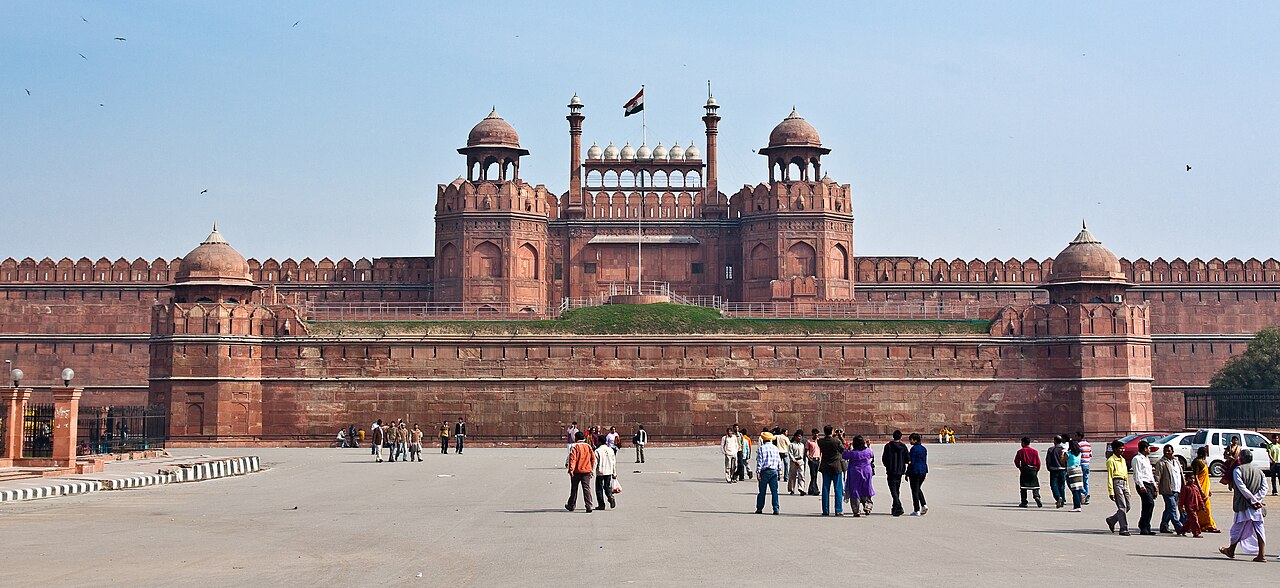
Red Fort
Shah Jahan fit construire le Fort Rouge comme le palais fortifié de Shahjahanabad, la capitale fortifiée qu'il fonda en transférant le siège du…
2.5 hrs₹35 pour les Indiens
 2
2Monument
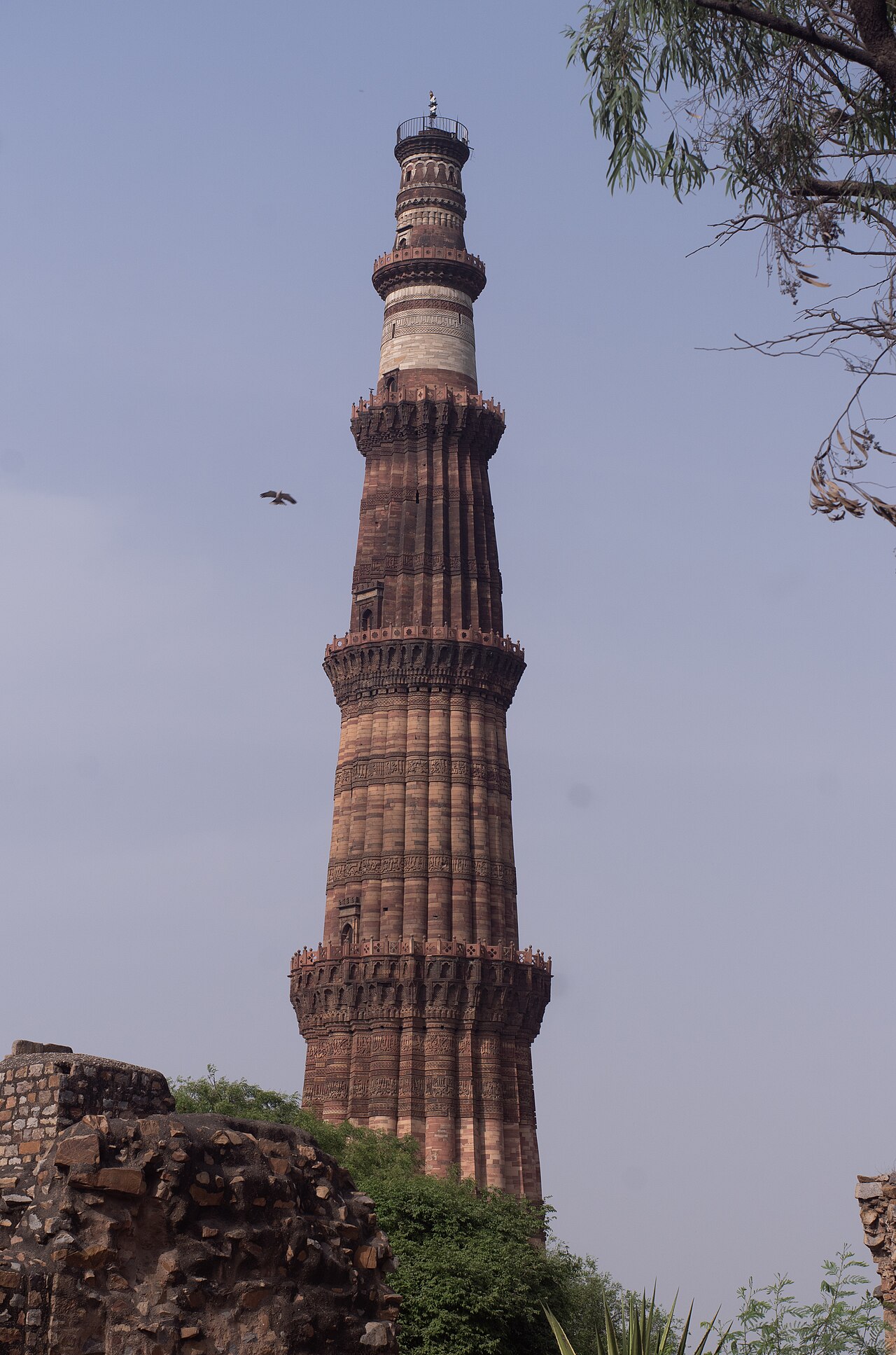
Qutub Minar
Le Qutub Minar s'élève à 72,5 mètres sur cinq étages effilés, ce qui en fait le plus haut minaret de brique au monde, et sa surface se lit comme le…
1.5 hrs₹40 pour les Indiens
 3Entrée gratuite
Mosquée
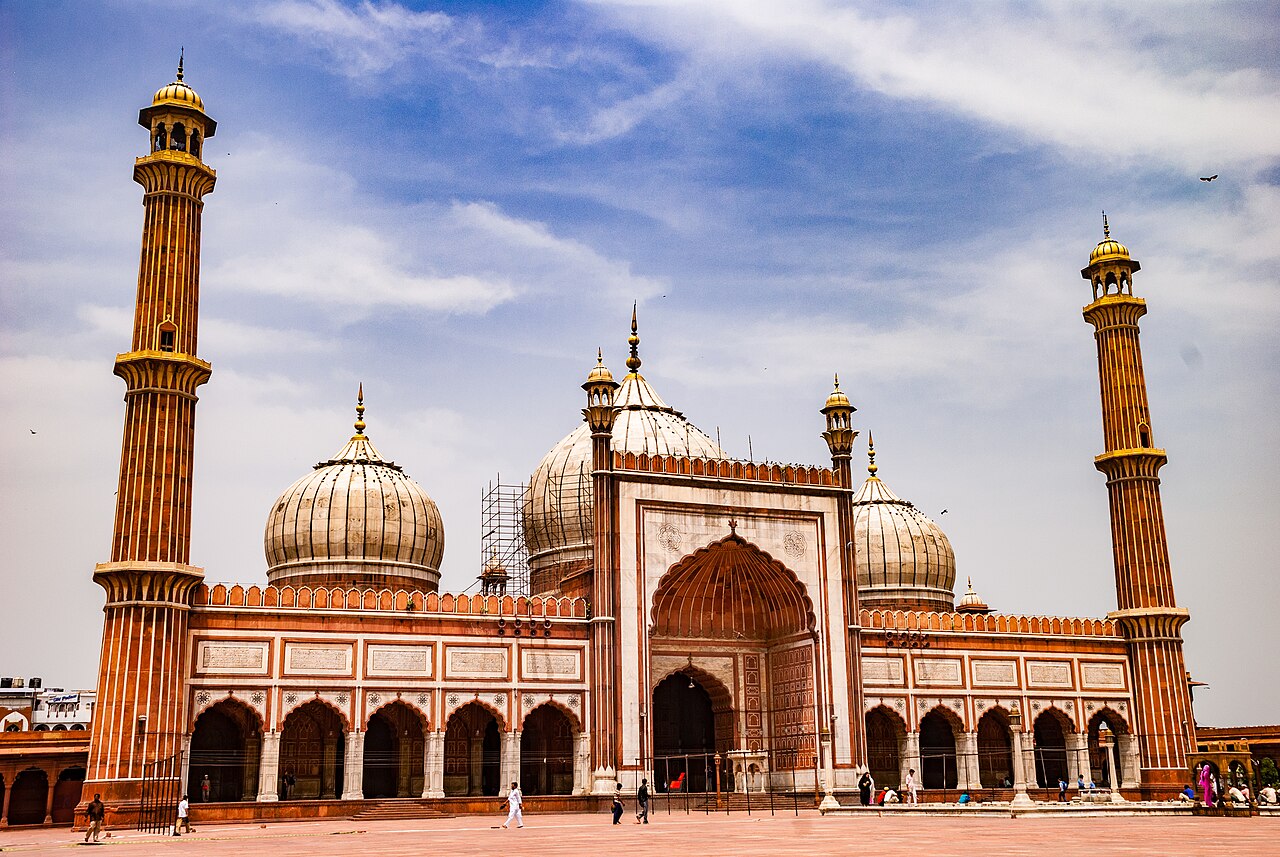
Jama Masjid
La Jama Masjid fut la mosquée impériale de Shah Jahan pour Shahjahanabad, construite entre 1650 et 1656 dans le même registre de grès rouge et de…
1 hr
 4Entrée gratuite
Marché
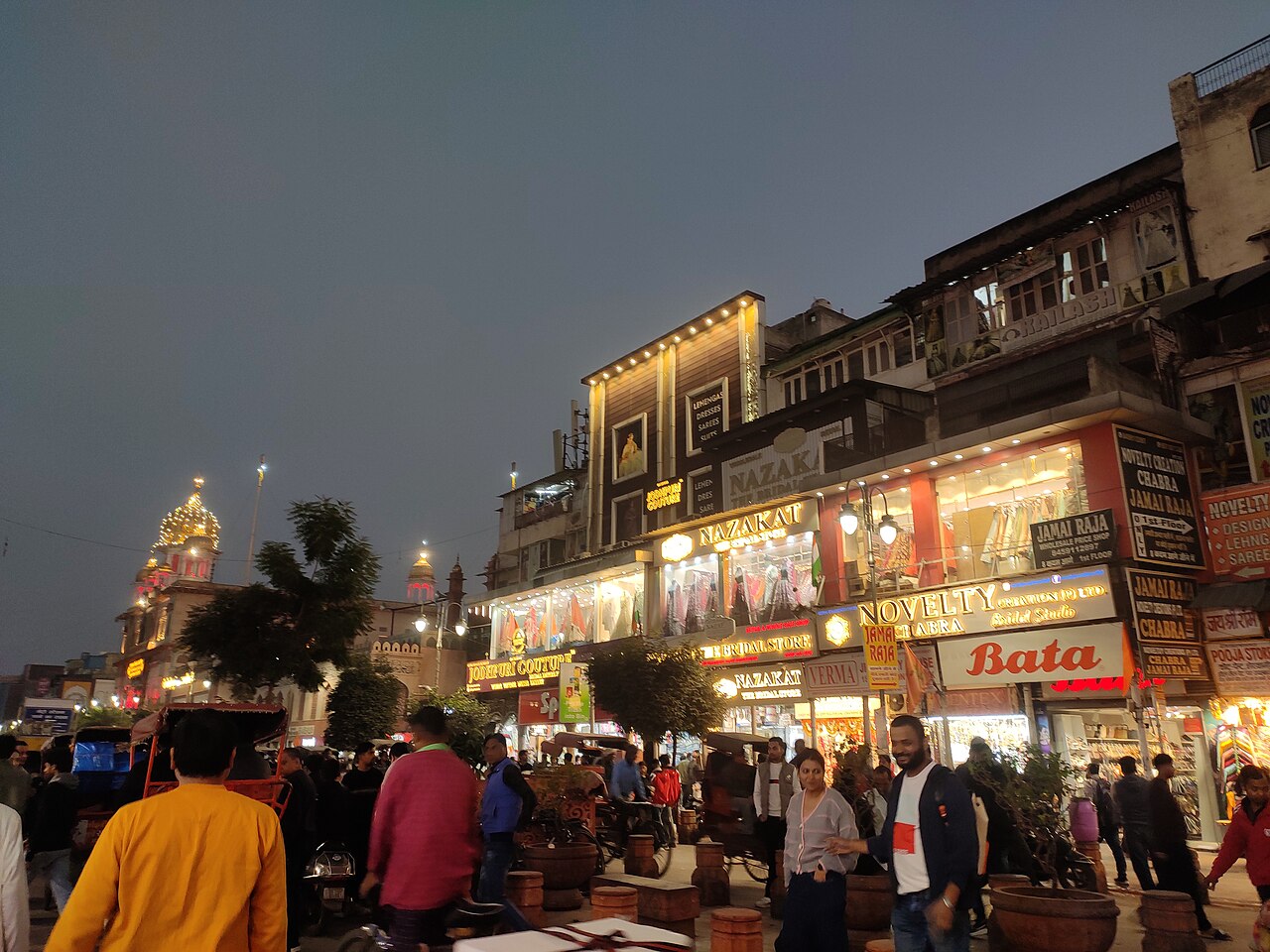
Chandni Chowk
Jahanara Begum, fille aînée de Shah Jahan, traça Chandni Chowk dans les années 1650 comme l'artère commerciale principale de Shahjahanabad, reliant…
3 hrs
 5Entrée gratuite
Mémorial
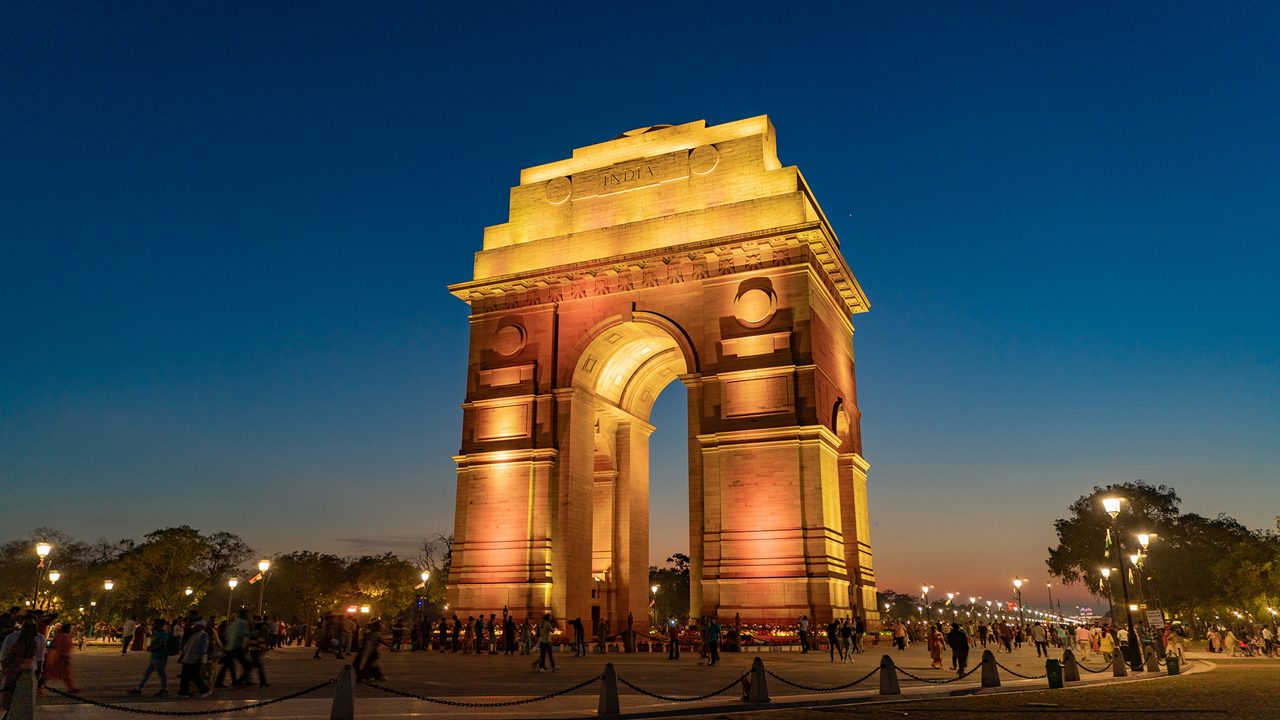
India Gate
India Gate est un arc de triomphe de 42 mètres en grès et granit conçu par Sir Edwin Lutyens, l'architecte également responsable du plan d'ensemble…
1 hr
 6Entrée gratuite
Temple
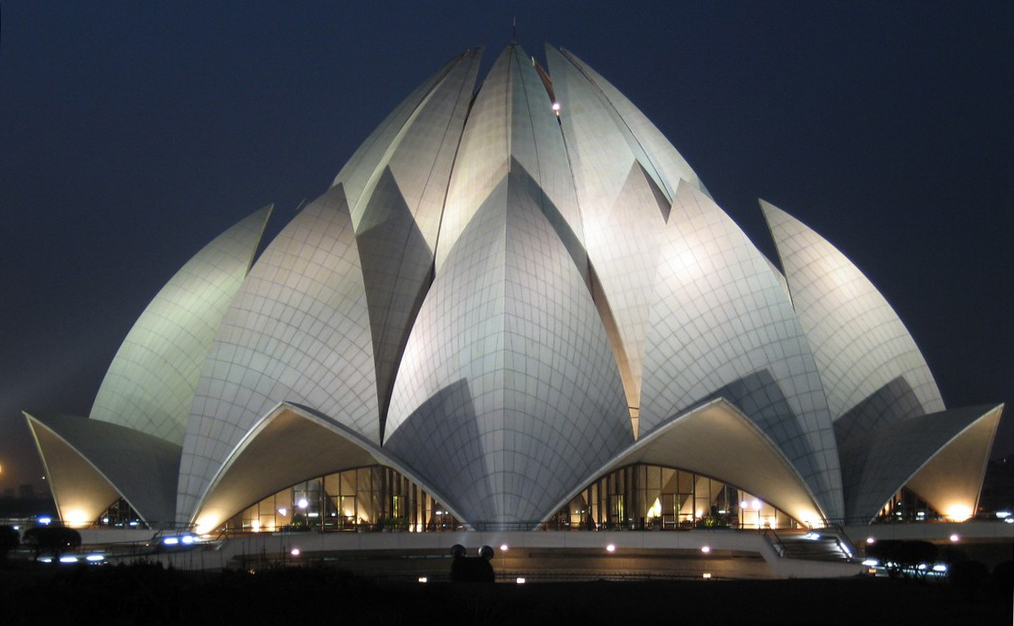
Lotus Temple
La structure du Temple du Lotus comprend 27 pétales autoportants recouverts de marbre, disposés en trois rangées de neuf pour former une silhouette…
1 hr
 7Entrée gratuite
Temple
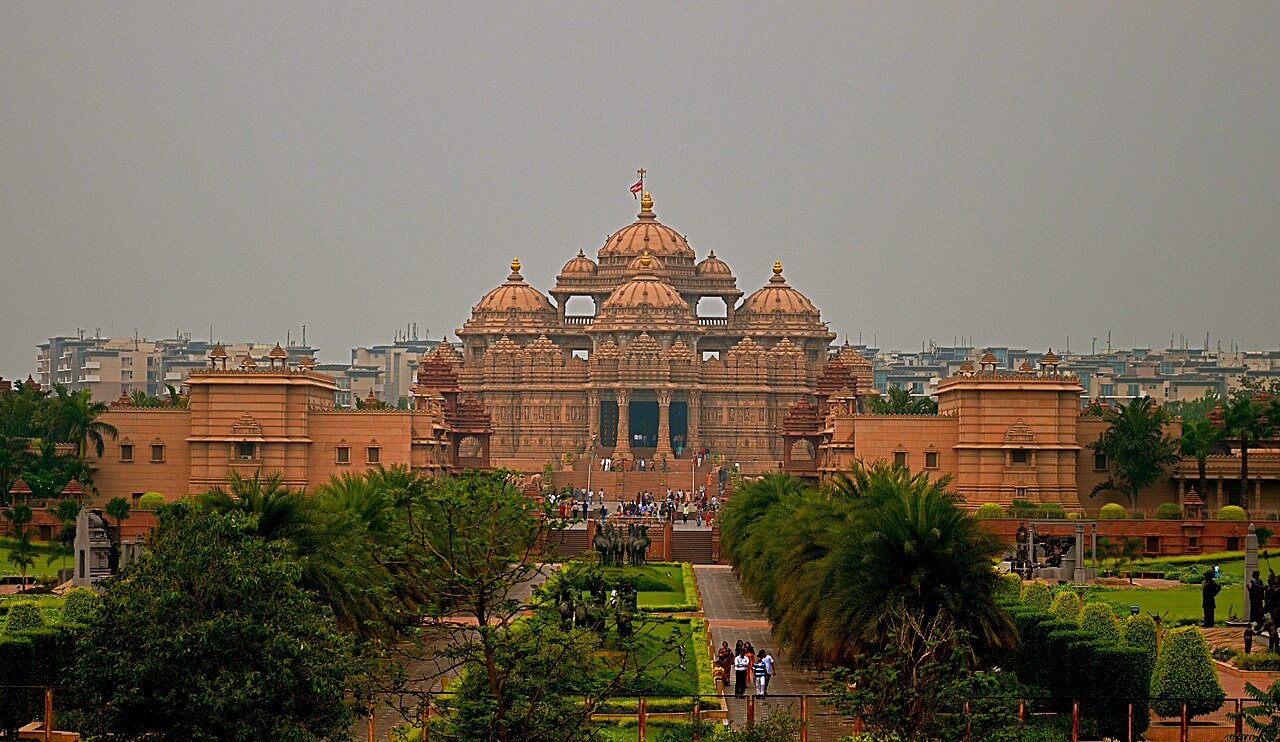
Akshardham Temple
Le Swaminarayan Akshardham s'étend sur 40 hectares sur la rive orientale de la Yamuna et fut achevé en 2005, construit entièrement sans acier…
3.5 hrs
 8
8Musée
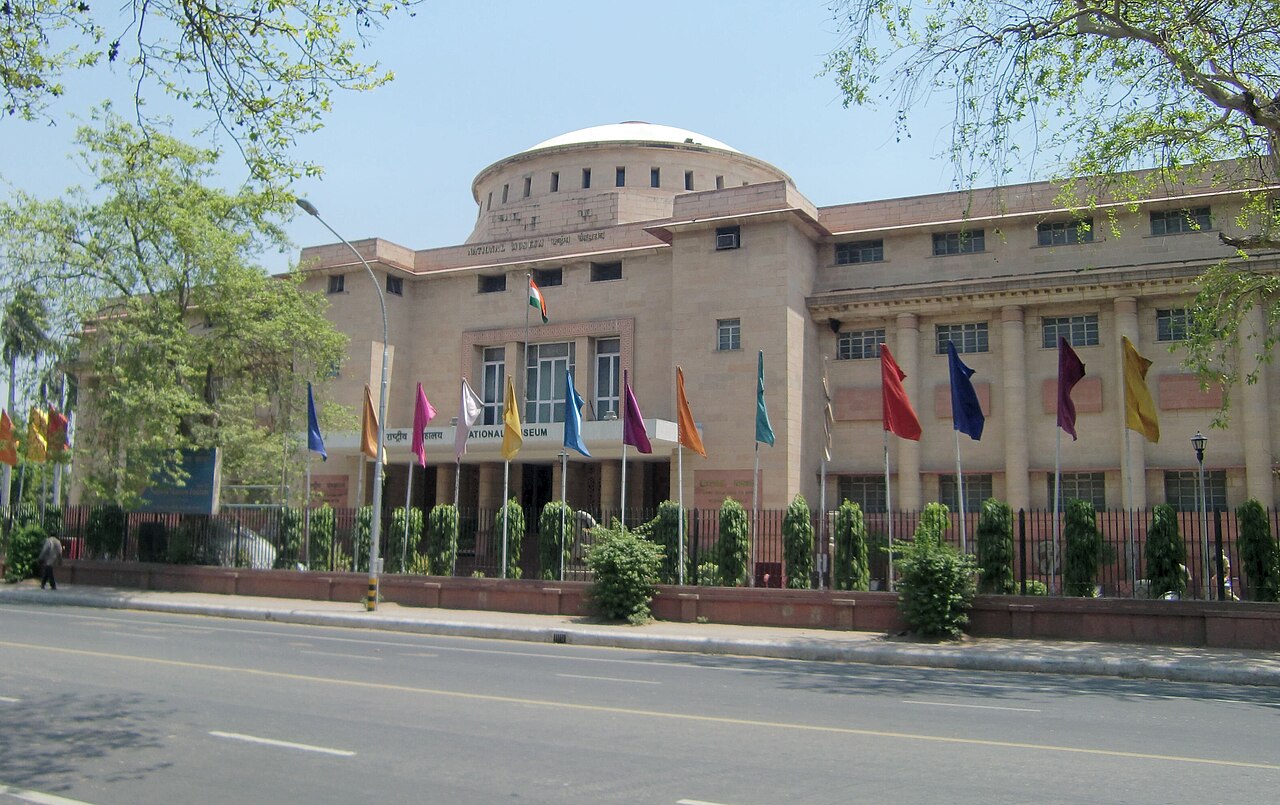
National Museum, Delhi
La collection du Musée national n'a pas commencé à Delhi, mais à Londres, réunie pour une exposition d'art indien organisée en 1947-1948 à la Royal…
2 hrs₹20 pour les Indiens
 9Entrée gratuite
Jardin
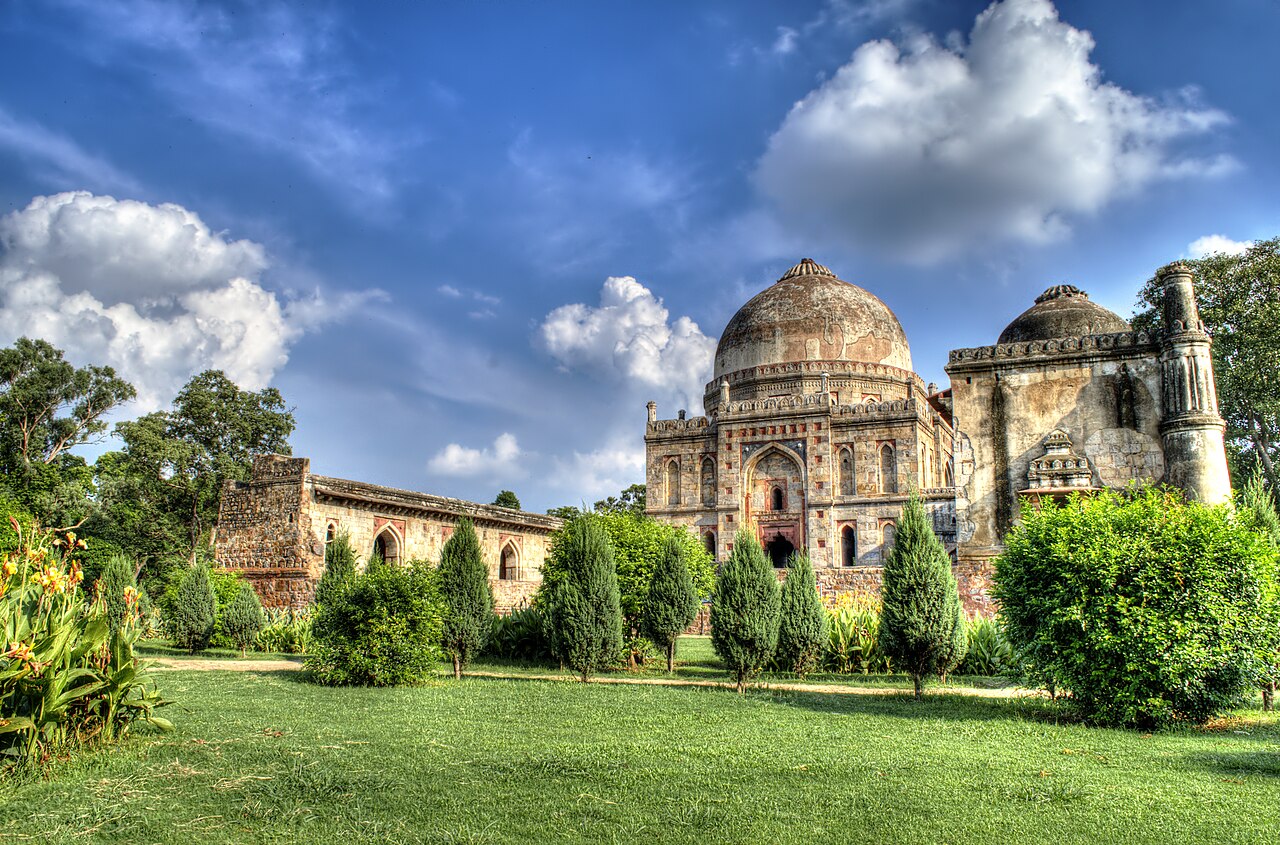
Lodhi Gardens
Les Lodhi Gardens s'étendent sur 36 hectares de pelouses paysagées, de couverture arborée mature et d'allées formelles, aménagés autour de quatre…
1.5 hrs
Carte des lieux à visiter à New Delhi
Les numéros correspondent au classement ; le top 3 est en orange. Touchez un repère pour son guide. 1 lieu(x) n'ont pas encore de position sur la carte.
Excursions au départ de New Delhi
Une bonne idée de sortie s'il vous reste une journée, les plus proches en premier.
50 km · 1–1.5 hours via NH 48 and the Gurugram-Farrukhnagar road
Sultanpur National Park (Bird Sanctuary)
A Ramsar-listed wetland reserve drawing migratory waterfowl — including painted storks, greater flamingos and thousands of wintering ducks and waders — between November and March; a manageable half-day trip that pairs well with an early departure and a return before evening traffic builds on NH 48.
122 km · 2 hours via NH 48
Neemrana Fort-Palace, Rajasthan
A 15th-century Rajput fort converted into a heritage hotel; the stepped structure drops fourteen levels down a hillside, with a pool suspended over the Aravalli foothills.
200 km · 3 hours
Sariska Tiger Reserve
Rajasthan's closest tiger reserve to Delhi, with Project Tiger population recovery ongoing; morning safaris through dry deciduous forest and ruined temples within the reserve boundary.
230 km · 3–4 hours by road; 100 minutes by Gatimaan Express train
Agra
The Taj Mahal, Agra Fort, and Fatehpur Sikri can be done as an ambitious day trip on the Gatimaan Express departing Hazrat Nizamuddin at 08:10, returning by 21:35 — though two days is far more honest.
À propos de New Delhi
In common usage, however, the name covers the entire National Capital Territory, a 1,484-square-kilometre patchwork of colonial planning, Mughal ruins, medieval villages absorbed by expansion, and contemporary high-rises that refuses to cohere into anything like a conventional city.
For monument visitors, the itinerary divides naturally by geography and era. Shahjahanabad — Old Delhi — contains the 1638–1648 Red Fort complex and the 17th-century Jama Masjid mosque, reachable via Delhi Metro's Yellow Line at Chandni Chowk. South Delhi's Mehrauli neighbourhood, a thirty-minute Metro ride away, holds the 12th-century Qutub Minar complex, representing the earliest phase of Islamic architecture in the subcontinent. Between these extremes, Nizamuddin — accessible from the Violet Line — delivers Humayun's Tomb, the 1570 garden mausoleum that served as the direct architectural prototype for the Taj Mahal, sitting alongside the living Sufi shrine of Nizamuddin Auliya.
The Delhi Metro is the correct answer to almost every transit question. The network's four key monument corridors — Chandni Chowk (Yellow Line), Qutub Minar via HUDA City Centre (Yellow Line to Qutub Minar station), and Jangpura/Nizamuddin (Violet Line) — connect every major site with journeys under 45 minutes for ₹20–₹60. Auto-rickshaw fares should be metered in theory; in practice, quote ₹100–₹200 for cross-neighbourhood short hops and expect negotiation. App-based autos (Ola, Rapido) consistently undercut street-flagged rates.
Une erreur, ou un lieu oublié ?
Signalez-le-nous : un éditeur vérifiera auprès des sources officielles et corrigera la page.