
Akbar's Tomb, Sikandra
#8of 9 places to visit in AgraAgra, Uttar Pradesh
Also known as Sikandra Fort
Quick answer
Opening hours: 06:00–18:00. Entry: ₹20 Indian · ₹250 foreign. Allow 1.5 hrs. Best time: Before 09:00.
Updated · Compiled by Traveliac, AI-assisted · 4 min read
- Opening hours
- 06:00–18:00
- Entry fee
- ₹20 Indian
- Ticket from
- Time needed
- 1.5 hrs
- Best time of day
- Before 09:00
- Best months
- Oct – Mar
- Address
- Sikandra, Agra, Uttar Pradesh 282007, on the Agra–Mathura road (NH19)
About Akbar's Tomb, Sikandra
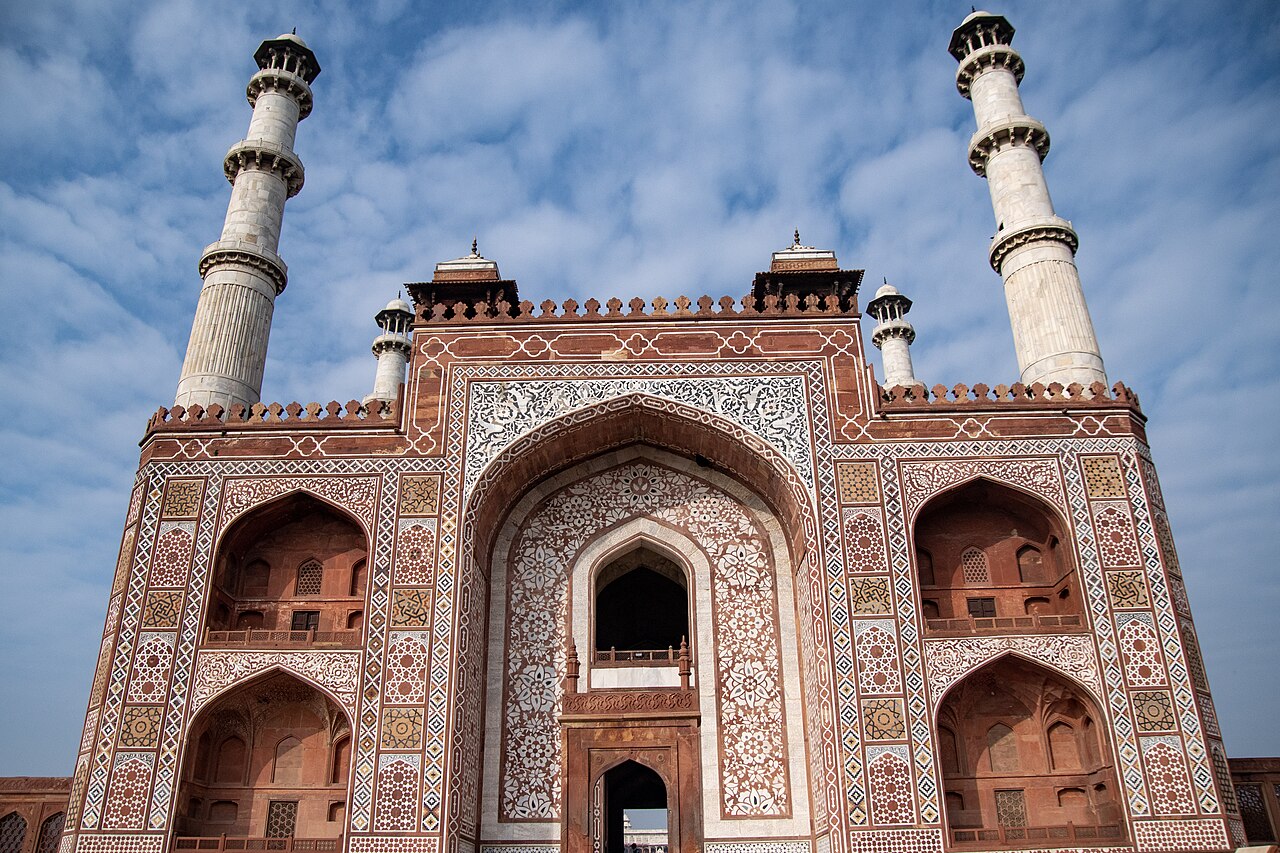
Akbar's Tomb charges Indian and SAARC/BIMSTEC nationals ₹20 and foreign nationals ₹250 for entry as of 2026, rates worth confirming at the gate given periodic ASI revisions. Akbar began planning his own mausoleum during his lifetime, a Mughal custom, and construction started around 1605 at Sikandra, a site he selected personally roughly 13 kilometres northwest of central Agra; his son Jahangir completed the structure around 1613 after making changes to Akbar's original design. The five-tiered structure breaks from the domed-mausoleum convention of Humayun's Tomb or the later Taj Mahal, rising instead in a stepped pyramid of red sandstone pavilions that culminates in an open-air marble platform holding a plain cenotaph exposed to the sky.
Best time of day: Before 09:00. When the resident deer and blackbuck are most active near the garden's tree lines and the heat has not yet set in.
Akbar's Tomb, Sikandra timings
Akbar's Tomb, Sikandra opens at 06:00 and closes at 18:00. Those hours hold on Saturday and Sunday too.
- Opening hours
- 06:00–18:00
Mon–Sun 06:00–18:00 - Closed on
- Open every day
Opening hours compiled from uptourism.gov.in and public records, last updated . They change without notice — confirm before you travel. How we write these guides
Akbar's Tomb, Sikandra ticket price
| Ticket | Price |
|---|---|
| Indian visitors | ₹20 |
| Foreign visitors | ₹250 |
| Children | Free |
| Camera | Free |
SAARC/BIMSTEC nationals pay the Indian rate of ₹20. Children under 15 enter free. As of 2026, verify at the gate for any revision.
Prices compiled from uptourism.gov.in and public records, last updated . They change without notice — confirm before you travel. How we write these guides
Best time to visit Akbar's Tomb, Sikandra
- Quiet
- Moderate
06:00 – 09:00
Morning OpeningBest time to go
Deer and blackbuck are most active near the tree lines. Independent travellers and photographers make up most of the early count.
Quiet09:00 – 12:00
Mid-Morning
Groups travelling the Agra–Mathura road stop en route. Still noticeably quieter than the Taj Mahal or Agra Fort.
Moderate12:00 – 15:00
Midday Heat
Visitor numbers drop through the hottest hours; the exposed upper terrace of the stepped pyramid gets uncomfortably hot in summer.
Quiet15:00 – 18:00
Late Afternoon
Low sun picks out the carved sandstone gateway relief work. Last entry approaches 18:00 closing.
Moderate
History of Akbar's Tomb, Sikandra
Akbar's Tomb sits on a site the emperor reportedly selected himself, overseeing an initial design that envisioned a structure blending Islamic, Hindu, Jain, Buddhist, and Christian architectural elements, an expression of the same religious pluralism he pursued through his Din-i-Ilahi philosophy and the multi-faith debates at Fatehpur Sikri's Ibadat Khana. Jahangir, who succeeded his father in 1605, altered elements of the original plan during the tomb's completion around 1613, and later Mughal-era accounts suggest some friction between father and son over the architectural vision, though the extent of these changes is debated among historians. The gateway at Sikandra is itself notable: its four white marble minarets and elaborate pietra dura and mosaic tile work predate the similar minaret treatment later used at the Taj Mahal by roughly three decades. The tomb complex suffered significant looting during a 1691 uprising led by the Jat leader Raja Ram Jat, whose forces reportedly broke open Akbar's cenotaph and scattered the emperor's bones, an act later Mughal chroniclers describe with outrage, though the precise extent of the desecration is not independently verified. The surrounding 119-acre garden, laid out as a charbagh, today functions as a protected deer and blackbuck sanctuary within the walled grounds.
Rules & etiquette at Akbar's Tomb, Sikandra
Akbar's Tomb permits visitors to climb all five tiers of the stepped pyramid to the open-air marble terrace at the top, unlike most Agra monuments where upper levels are closed to the public; the ascent involves several flights of narrow stone stairs without handrails in places. The surrounding garden hosts a resident population of spotted deer and blackbuck, which visitors should observe without approaching directly, since the animals are semi-wild and caretaker staff discourage feeding them. Photography is unrestricted throughout the complex, and the open terrace at the summit offers one of the widest unobstructed panoramas of any monument in Agra. The site sees noticeably fewer visitors than the Taj Mahal or Agra Fort, and guide services are correspondingly less organised, so arranging one in advance through a hotel or tour operator is more reliable than expecting one at the gate.
Tips for visiting Akbar's Tomb, Sikandra
- 1
Akbar's Tomb rewards a full hour or more, longer than most visitors budget, given the size of the surrounding garden and the five tiers worth climbing to appreciate the transition from red sandstone base to white marble summit. Early morning visits, before 09:00, coincide with the deer and blackbuck being most active near the garden's tree lines, before the day's heat pushes them into shade. Sikandra sits on the Agra–Mathura road, making it a natural stop when travelling toward Mathura and Vrindavan, roughly 50 kilometres further north, rather than a dedicated round trip from central Agra. The site's relative quiet compared to the Taj Mahal and Agra Fort makes it one of the more contemplative stops on a multi-day Agra itinerary, particularly in late afternoon when low sun picks out the carved sandstone relief work on the gateway's façade.
How to reach Akbar's Tomb, Sikandra
The red star is Akbar's Tomb, Sikandra; the numbered pins are the 7 nearest places in our guides, each showing its rank in its city. Tap a pin for details.
Sikandra, Agra, Uttar Pradesh 282007, on the Agra–Mathura road (NH19)Directions in Google Maps
From Agra Cantonment Railway Station (AGC)
₹200–28011 km · 25–30 min
Auto, negotiated
From Agra Airport (AGR, Kheria)
₹300–40015 km · 30–40 min
Prepaid taxi
Nearest airport
From Agra Airport (AGR, Kheria)
15 km, 30–40 minutes by road.
Nearest railway station
From Agra Cantonment Railway Station (AGC)
11 km, 25–30 minutes by road.
Akbar's Tomb, Sikandra FAQs
Can you climb to the top of Akbar's Tomb?
Yes. All five tiers of the stepped pyramid are open to the public, an unusual allowance compared to most Agra monuments, culminating in an open-air marble terrace with the emperor's plain cenotaph exposed to the sky.
Is it true Akbar's tomb was desecrated?
According to later Mughal chroniclers, Jat rebels under Raja Ram Jat broke open the cenotaph and scattered Akbar's bones during a 1691 uprising. The precise extent of the desecration is not independently verified by modern historians.
Are there really deer inside Akbar's Tomb complex?
Yes. The 119-acre walled charbagh garden functions as a protected sanctuary for spotted deer and blackbuck, which visitors can observe from a distance without approaching or feeding them.
How far is Sikandra from central Agra?
Sikandra is about 13 kilometres northwest of central Agra on the Agra–Mathura road (NH19), roughly a 25–30 minute drive from Agra Cantonment Railway Station.
Compiled with AI assistance from official sources and public records, and published only after the checks in How we write these guides. Nobody from Traveliac has visited this place. Last updated . How we rank and check places
Places to visit near Akbar's Tomb, Sikandra
Straight-line distances from our map; times are estimates.
 #3 in AgraFree entry
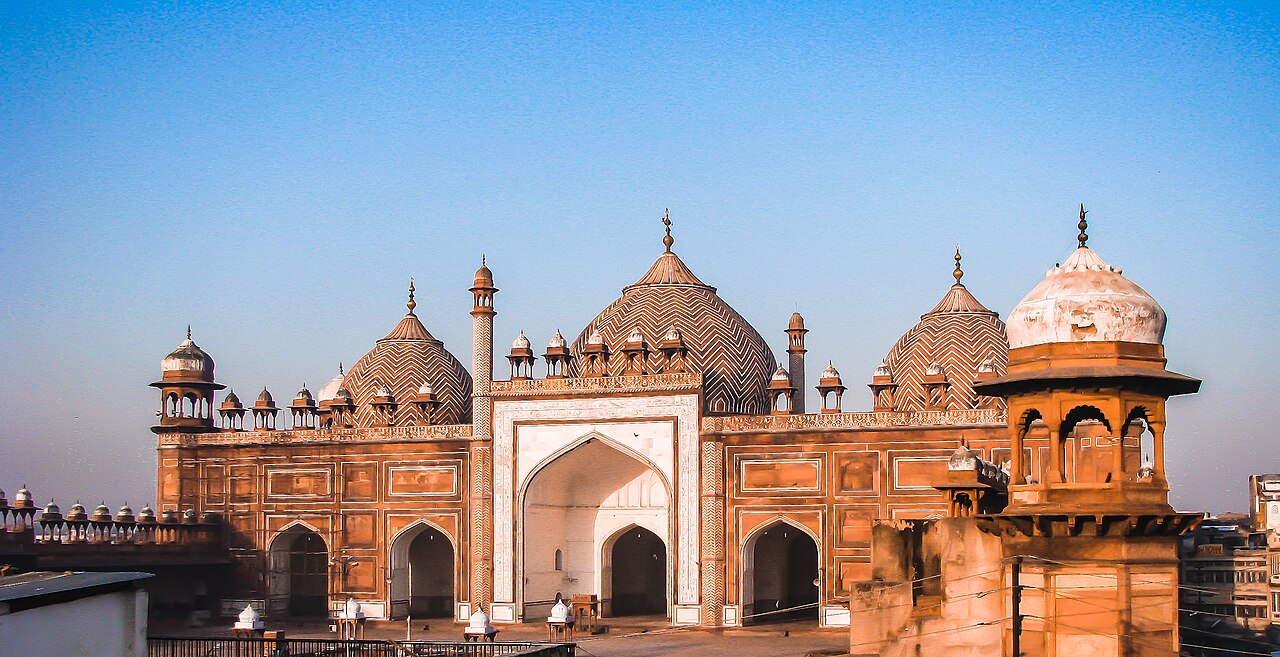
Jama Masjid, Agra
Mosque · 8 km · about 25 min by road
 #4 in AgraFree entry
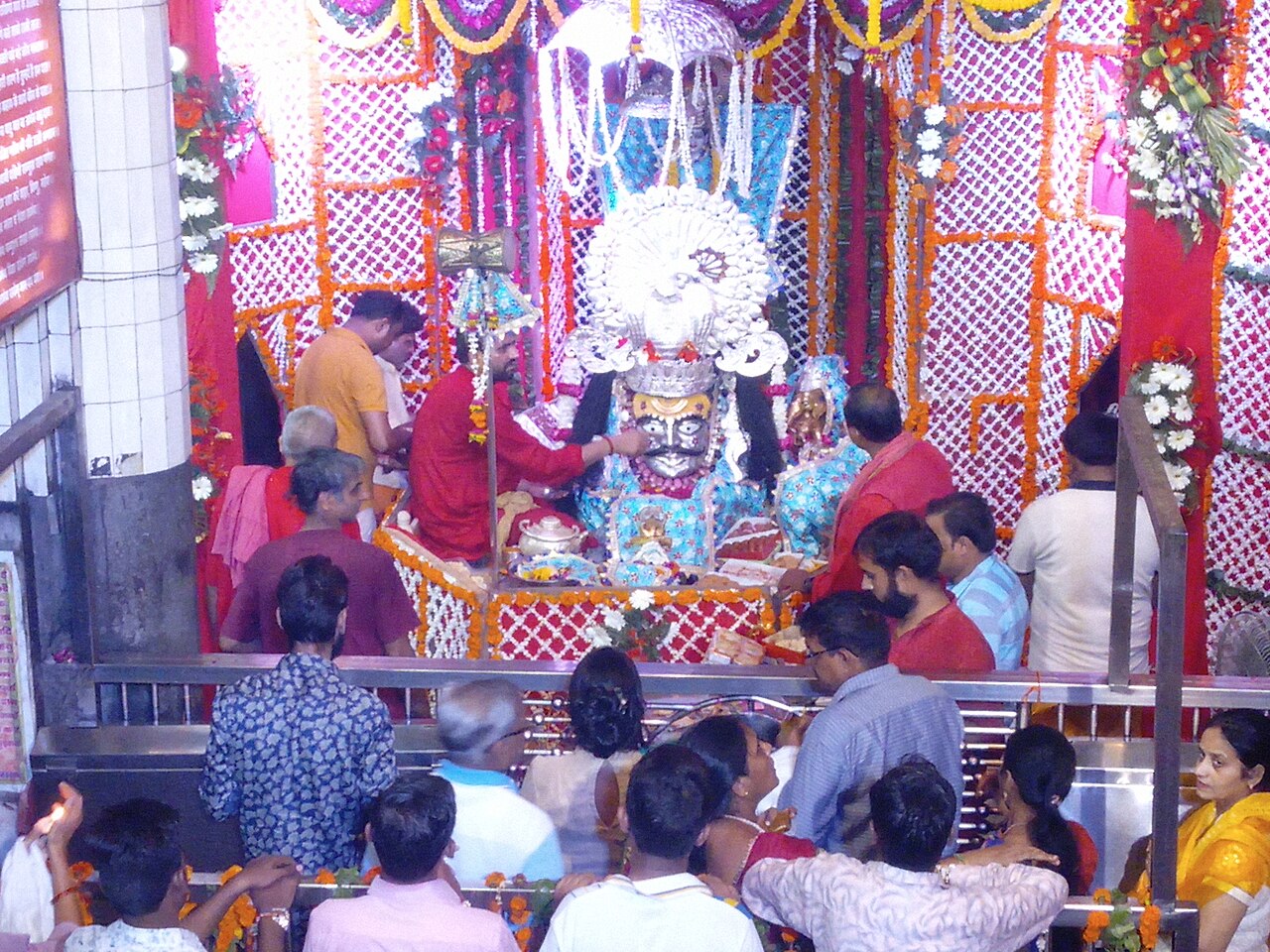
Mankameshwar Temple
Temple · 8 km · about 25 min by road
 #2 in Agra
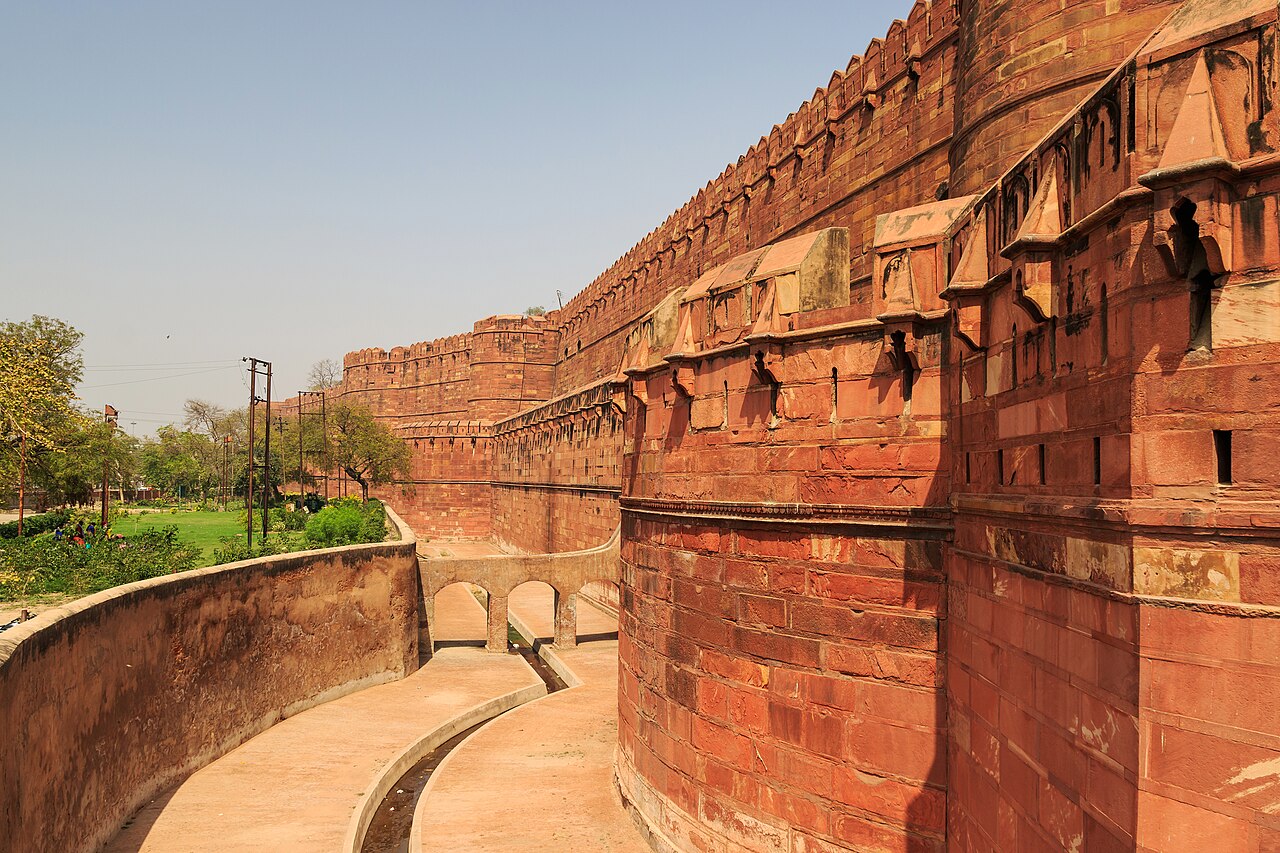
Agra Fort
Fort · 8 km · about 25 min by road
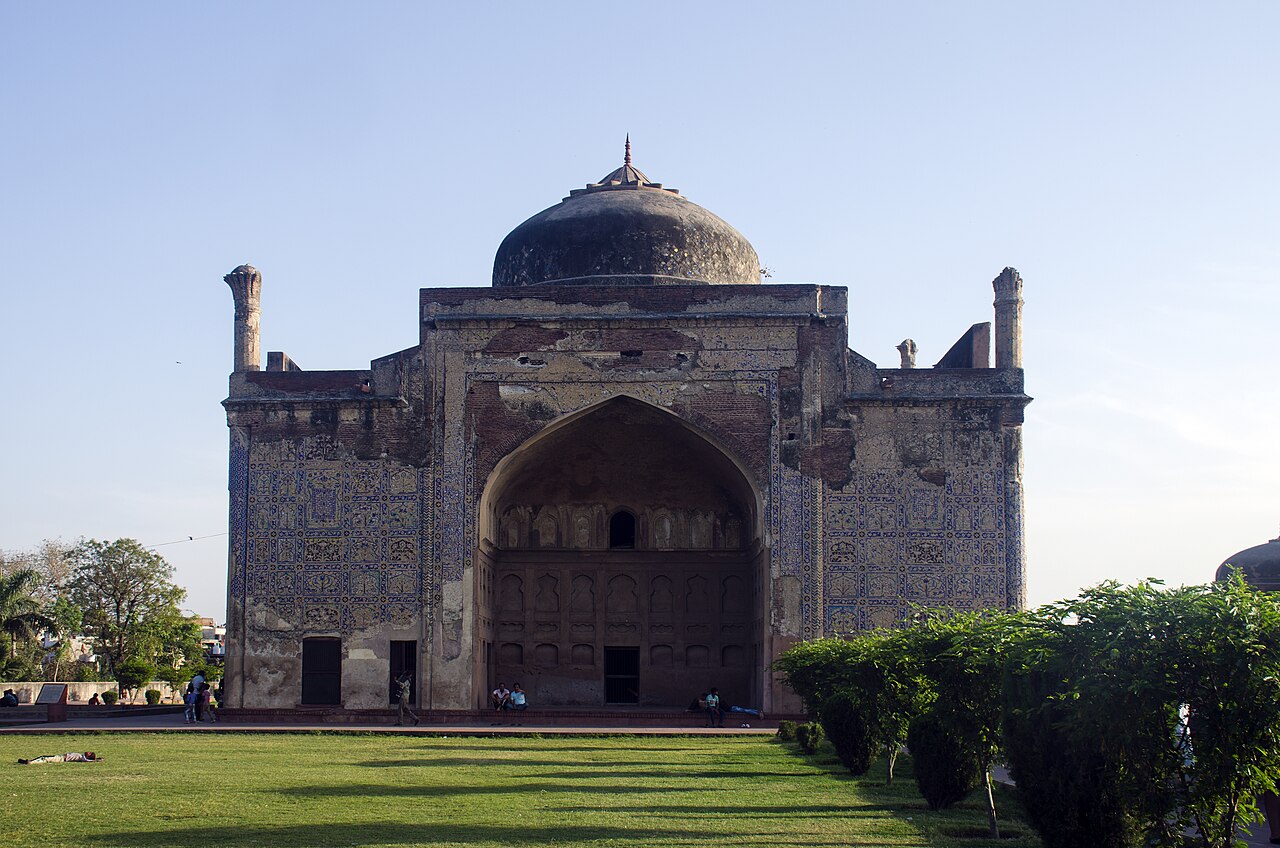 #5 in AgraFree entry
Chini Ka Rauza
Mausoleum · 9 km · about 25 min by road