Ram Bagh
#6of 9 places to visit in AgraAgra, Uttar Pradesh
Also known as Aram Bagh · Bagh-e-Aram
Quick answer
Opening hours: 06:00–18:00. Entry: ₹20 Indian · ₹250 foreign. Allow 1 hr. Best time: Weekday mornings before 10:00.
Updated · Compiled by Traveliac, AI-assisted · 4 min read
- Opening hours
- 06:00–18:00
- Entry fee
- ₹20 Indian
- Ticket from
- Time needed
- 1 hr
- Best time of day
- Weekday mornings before 10:00
- Best months
- Oct – Mar
- Address
- Yamuna Kinara Road, Ram Bagh, Agra, Uttar Pradesh 282001
About Ram Bagh
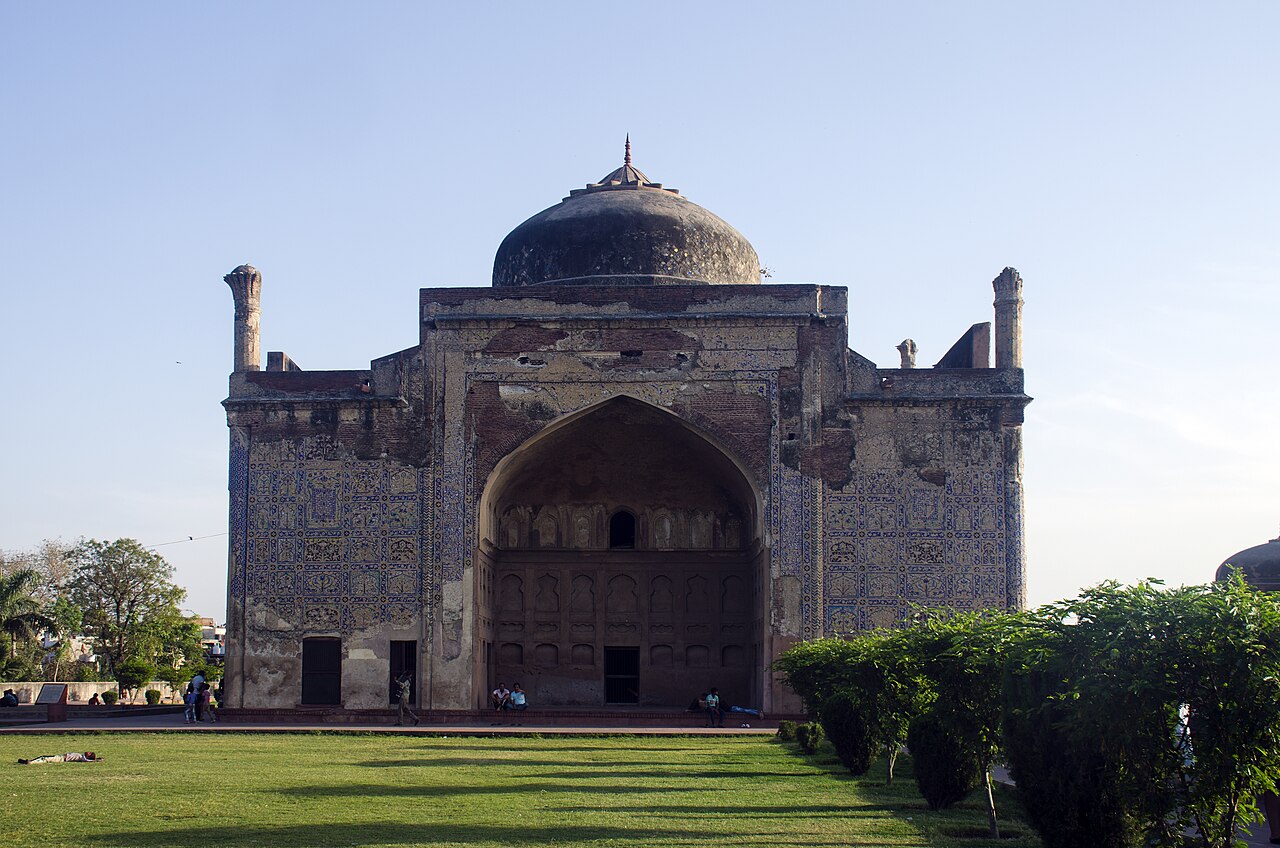
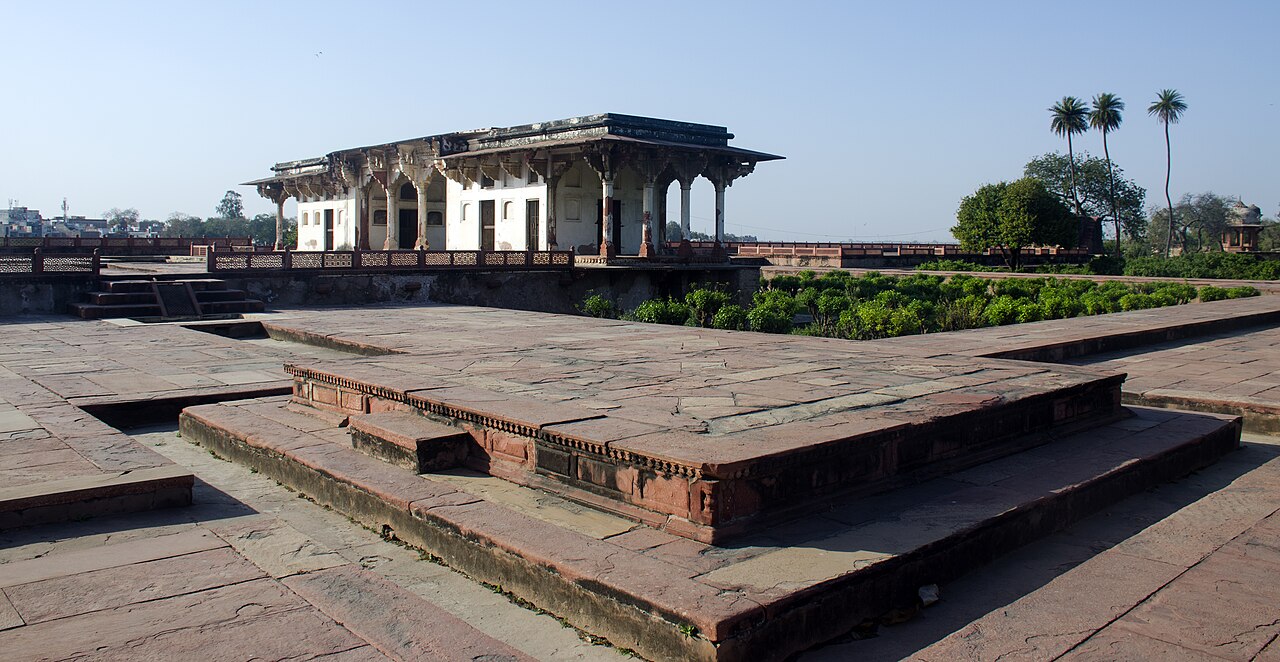
Ram Bagh charges Indian nationals approximately ₹15–20 and foreign nationals around ₹250 for entry as of 2026, figures that vary slightly across sources and should be confirmed at the gate. Emperor Babur, founder of the Mughal dynasty, laid out this charbagh garden in 1526, the same year he defeated Ibrahim Lodi at the Battle of Panipat, making it one of the earliest Persian-style formal gardens built anywhere in India. Babur was reportedly buried here temporarily after his death in 1530 before his remains were later moved to Kabul, and the garden's original name, Aram Bagh or 'Garden of Rest,' is thought to reference this brief interment.
Best time of day: Weekday mornings before 10:00. Ahead of weekend picnicking crowds.
Ram Bagh timings
Ram Bagh opens at 06:00 and closes at 18:00. The weekend is no different: Saturday and Sunday follow the same times.
- Opening hours
- 06:00–18:00
Mon–Sun 06:00–18:00 - Closed on
- Open every day
Opening hours compiled from uptourism.gov.in and public records, last updated . They change without notice — confirm before you travel. How we write these guides
Ram Bagh ticket price
| Ticket | Price |
|---|---|
| Indian visitors | ₹20 |
| Foreign visitors | ₹250 |
| Children | Free |
| Camera | Free |
Figures vary across sources between ₹15 and ₹20 for Indian nationals; as of 2026, verify at the counter, since some listings note a separate local development-authority ticket alongside the ASI ticket. Children under 15 enter free.
Prices compiled from uptourism.gov.in and public records, last updated . They change without notice — confirm before you travel. How we write these guides
Best time to visit Ram Bagh
- Quiet
- Moderate
06:00 – 10:00
Morning OpeningBest time to go
The quietest window of the day. Local walkers use the terraces before the heat sets in.
Quiet10:00 – 14:00
Midday
Visitor numbers stay thin through midday, well below the traffic seen at Agra's ticketed Mughal monuments.
Quiet14:00 – 17:00
Weekend Picnic Hours
Local families and picnicking groups use the grounds informally, particularly on Saturday and Sunday afternoons.
Moderate17:00 – 18:00
Late Afternoon
Crowds thin again as evening approaches. Gate closes at 18:00.
Quiet
History of Ram Bagh
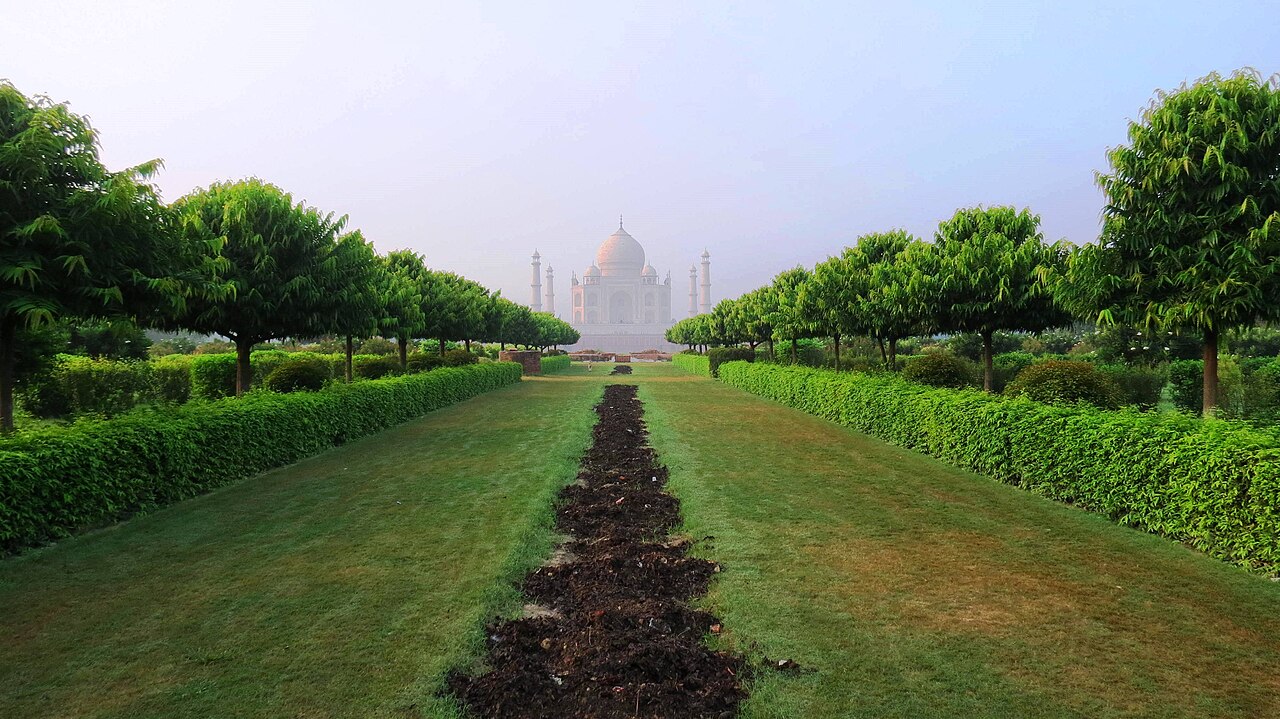
Ram Bagh grew out of Babur's own discomfort with the Indian landscape he had just conquered, recorded in his memoirs the Baburnama, and his determination to recreate the formal, terraced charbagh gardens of his native Ferghana Valley and Kabul; it was among his first such projects on Indian soil, built on the Yamuna's eastern bank using a stepped terrace system and a network of water channels fed by a Persian wheel drawing river water uphill. Empress Nur Jahan renovated and expanded the garden during Jahangir's reign in the early seventeenth century, adding pavilions and refining the water channel system, and the garden's current layout owes more to her modifications than to Babur's original scheme. The garden's terraced design, with its raised octagonal platforms and sunken parterres, directly influenced the layout of later, more famous Mughal gardens in Agra, including the charbagh surrounding the Taj Mahal itself. Maratha and then British colonial administrations maintained the garden through the eighteenth and nineteenth centuries with varying degrees of care, and the current name, Ram Bagh, was adopted sometime during the colonial period, replacing the original Persian name.
Rules & etiquette at Ram Bagh
Ram Bagh sees a small fraction of the visitor traffic of Agra's major monuments, and the garden's paths and terraces show correspondingly less maintenance investment than the manicured charbagh at the Taj Mahal. Some sections of the water channel system are non-functional, and visitors should not expect to see running water in the Persian wheel-fed channels that once defined the garden's engineering. Local families and picnicking groups use the grounds informally, particularly on weekends, and the atmosphere is considerably more relaxed than at ticketed monuments with strict photography or dress rules. No shoe removal or specific dress code applies, since the site holds no religious function.
Tips for visiting Ram Bagh
- 1
Ram Bagh rewards visitors specifically interested in Mughal garden engineering and landscape history rather than architecture in isolation, since the surviving structures are secondary to the terraced layout and water-channel system that made it historically significant. The garden sits close to both Chini Ka Rauza and Itmad-ud-Daulah's Tomb on the same eastern riverbank, and combining all three in a single half-day loop by auto-rickshaw avoids backtracking across the Yamuna. Weekday mornings before 10:00 offer the quietest experience, since weekend afternoons draw local picnicking families in numbers that can undercut the site's historical atmosphere. Because Ram Bagh predates the Taj Mahal's garden by roughly a century, visiting it before rather than after the main monuments gives a clearer sense of how Mughal garden design evolved across the dynasty's century in Agra.
How to reach Ram Bagh
The red star is Ram Bagh; the numbered pins are the 7 nearest places in our guides, each showing its rank in its city. Tap a pin for details.
Yamuna Kinara Road, Ram Bagh, Agra, Uttar Pradesh 282001Directions in Google Maps
From Chini Ka Rauza / Itmad-ud-Daulah's Tomb
₹80–1203 km · 10–15 min
Auto, negotiated
From Agra Cantonment Railway Station (AGC)
₹180–2509 km · 25–30 min
Auto, negotiated
Nearest airport
From Agra Airport (AGR, Kheria)
14 km, 30–40 minutes by road.
Nearest railway station
From Agra Cantonment Railway Station (AGC)
9 km, 25–30 minutes by road.
Ram Bagh FAQs
Who built Ram Bagh and when?
Emperor Babur, founder of the Mughal dynasty, laid it out in 1526, making it one of the earliest Persian-style charbagh gardens built in India, predating the Taj Mahal's garden by roughly a century.
Was Babur buried at Ram Bagh?
Yes, temporarily. After his death in 1530, Babur was reportedly interred here before his remains were later moved to Kabul for permanent burial, which is thought to be the source of the garden's original name, Aram Bagh, or Garden of Rest.
How much does it cost to visit Ram Bagh?
Approximately ₹15–20 for Indian nationals and around ₹250 for foreign nationals as of 2026, though figures vary slightly by source and should be confirmed at the gate.
Is Ram Bagh crowded like the Taj Mahal?
No. It receives a small fraction of the visitor traffic of Agra's major monuments, with the busiest period being weekend afternoons when local families use the grounds for informal picnics.
Compiled with AI assistance from official sources and public records, and published only after the checks in How we write these guides. Nobody from Traveliac has visited this place. Last updated . How we rank and check places
Places to visit near Ram Bagh
Straight-line distances from our map; times are estimates.