Mehtab Bagh
#7of 9 places to visit in AgraAgra, Uttar Pradesh
Also known as Moonlight Garden
Quick answer
Opening hours: 06:00–18:00. Entry: ₹20 Indian · ₹250 foreign. Allow 1 hr. Best time: Roughly 45 minutes before sunset.
Updated · Compiled by Traveliac, AI-assisted · 4 min read
- Opening hours
- 06:00–18:00
- Entry fee
- ₹20 Indian
- Ticket from
- Time needed
- 1 hr
- Best time of day
- Roughly 45 minutes before sunset
- Best months
- Oct – Mar
- Address
- Mehtab Bagh Road, Nagla Devjit, Agra, Uttar Pradesh 282001
About Mehtab Bagh
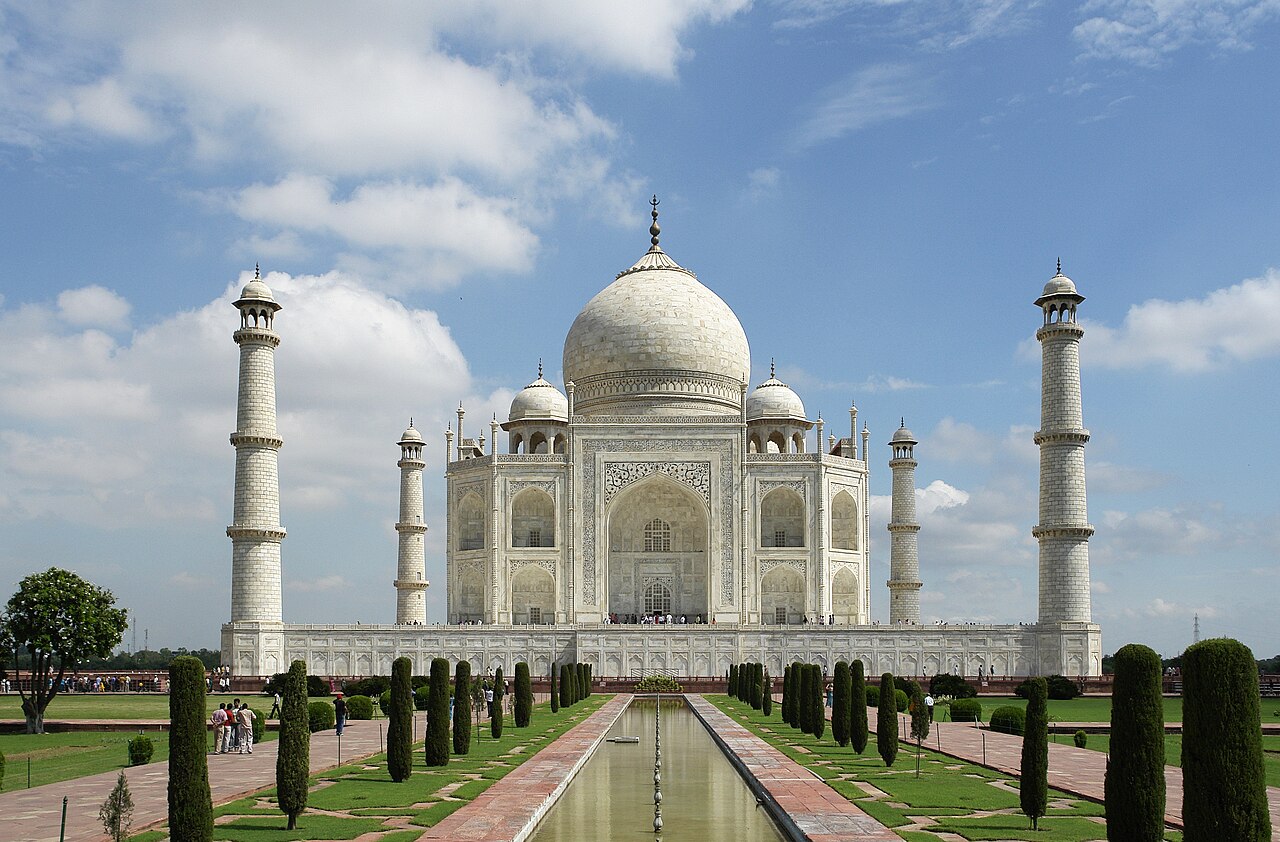
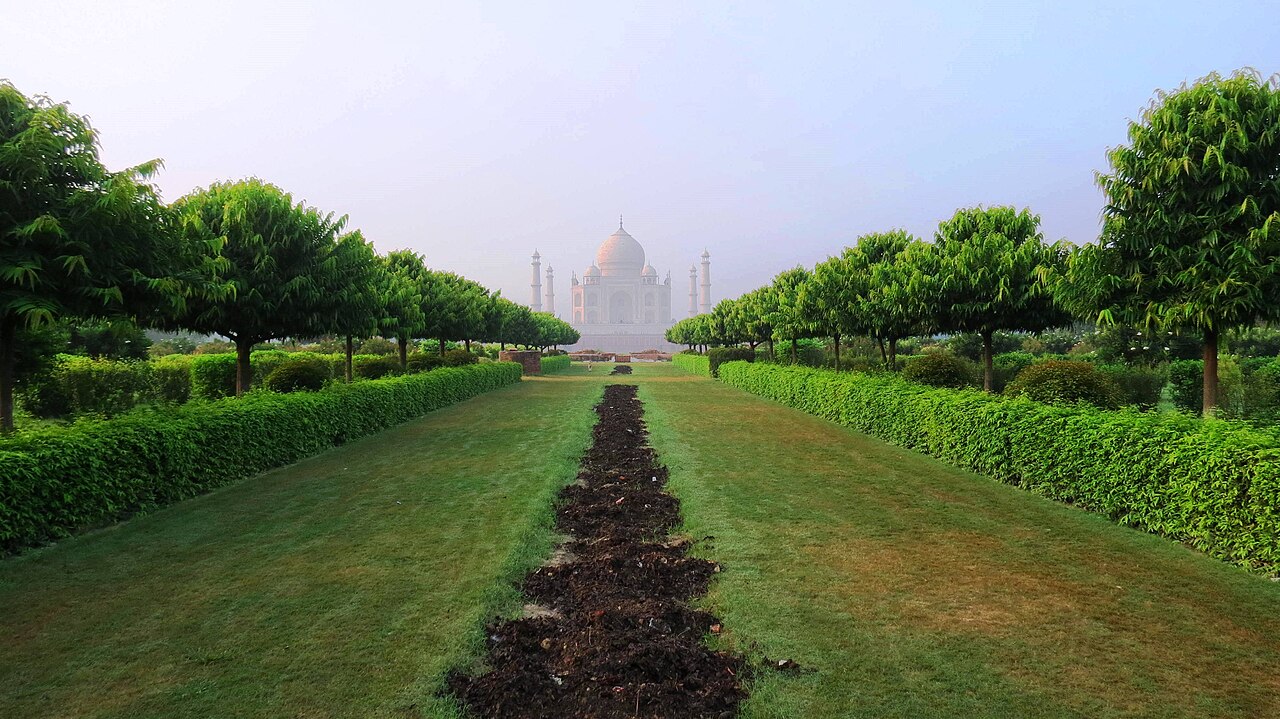
Mehtab Bagh charges Indian nationals ₹20 online (₹25 at the counter) and foreign nationals ₹250 online (₹300 at the counter) as of 2026, according to the ASI's ticketing portal, though visitors should confirm current rates before travelling. Emperor Babur laid out the first Mughal charbagh gardens on this stretch of the Yamuna's eastern bank in the 1520s, and Shah Jahan later redeveloped this particular plot around 1650 as a moonlight-viewing garden directly opposite the Taj Mahal, its name translating to 'Moonlight Garden.' Archaeological excavation in the 1990s and 2000s uncovered the octagonal pool at the garden's centre, now restored, which once mirrored the mausoleum's dome across the river in still water.
Best time of day: Roughly 45 minutes before sunset. When the Taj Mahal's marble catches orange light directly across the river.
Mehtab Bagh timings
Mehtab Bagh opens at 06:00 and closes at 18:00. It keeps the same hours on Saturday and Sunday.
- Opening hours
- 06:00–18:00
Mon–Sun 06:00–18:00 - Closed on
- Open every day
Opening hours compiled from uptourism.gov.in and public records, last updated . They change without notice — confirm before you travel. How we write these guides
Mehtab Bagh ticket price
| Ticket | Price |
|---|---|
| Indian visitors | ₹20 |
| Foreign visitors | ₹250 |
| Children | Free |
| Camera | Free |
Online ASI booking rate; on-site counter tickets run slightly higher at ₹25 Indian / ₹300 foreign. SAARC/BIMSTEC nationals pay the Indian rate. Children under 15 enter free. As of 2026, verify at the counter.
Prices compiled from uptourism.gov.in and public records, last updated . They change without notice — confirm before you travel. How we write these guides
Best time to visit Mehtab Bagh
- Quiet
- Moderate
- Busy
06:00 – 09:00
Morning OpeningBest time to go
Early light on the Taj Mahal's eastern face draws a small number of photographers. Gravel paths are quiet and unhurried.
Quiet09:00 – 14:00
Midday
Visitor numbers stay thin through the middle of the day; this side of the river sees a fraction of the main complex's footfall.
Quiet14:00 – 16:30
Afternoon
Independent travellers pairing the site with Itmad-ud-Daulah's Tomb arrive in small clusters.
Moderate16:30 – 18:00
Sunset Viewing
The busiest window of the day, as photographers gather for the orange-light view of the Taj Mahal's marble across the river. Gate closes at 18:00.
Busy
History of Mehtab Bagh
Mehtab Bagh fell out of use after Shah Jahan's deposition in 1658 and was subsequently damaged by repeated Yamuna flooding through the eighteenth and nineteenth centuries, which buried much of its original sandstone paving and octagonal pool under several metres of silt. The Archaeological Survey of India began systematic excavation of the site in 1996, uncovering the pool's octagonal form along with sections of a sandstone terrace and orchard walls consistent with Mughal-era charbagh design. A long-standing theory, popularised by some historians in the twentieth century, held that Shah Jahan intended to build a mirror-image black marble mausoleum for himself on this exact plot, a 'Black Taj' facing the white one across the river. Archaeological surveys of the site's foundations have not produced physical evidence supporting a second mausoleum, and most current Mughal-era scholarship treats the black-marble tomb as an unverified legend rather than a documented plan. The garden today functions primarily as a public viewpoint and a buffer zone protecting the Taj Mahal from erosion and pollution along the river's opposite bank.
Rules & etiquette at Mehtab Bagh
Mehtab Bagh's grounds are flat and gravel-paved, making it one of the more physically accessible ASI sites in Agra, with no stairs between the entrance gate and the main viewing terrace. The Yamuna's water level fluctuates seasonally, and the garden's lower sections closest to the riverbank can become muddy or partially flooded during the July–September monsoon. Photography is unrestricted and tripods are permitted, unlike at the Taj Mahal itself, making this one of the few legal vantage points for a tripod-mounted, full-frame shot of the mausoleum. The site closes at sunset with no evening or night access, unlike the Taj Mahal's limited full-moon viewing sessions.
Tips for visiting Mehtab Bagh
- 1
Mehtab Bagh's sunset viewing window, roughly 45 minutes before official closing, produces one of the most photographed images of the Taj Mahal available from any vantage point in Agra, with the mausoleum's marble catching orange light while the garden's dark foliage frames the foreground. The approach road from the main Agra-Delhi highway crosses the Yamuna via a narrow bridge that can back up with traffic in the late afternoon, so building in an extra 15–20 minutes is prudent. Combining Mehtab Bagh with Itmad-ud-Daulah's Tomb in a single loop makes sense geographically, since both sit on the eastern riverbank within a 10-minute auto-rickshaw ride of each other. Unlike the crowded western-bank approach to the Taj Mahal, this side of the river sees a fraction of the footfall, and the garden rarely feels crowded even in the October-to-March peak season.
How to reach Mehtab Bagh
The red star is Mehtab Bagh; the numbered pins are the 7 nearest places in our guides, each showing its rank in its city. Tap a pin for details.
Mehtab Bagh Road, Nagla Devjit, Agra, Uttar Pradesh 282001Directions in Google Maps
From Itmad-ud-Daulah's Tomb
₹80–1204 km · 10–15 min
Auto, negotiated
From Agra Cantonment Railway Station (AGC)
₹180–2509 km · 25–30 min
Auto, negotiated
Nearest airport
From Agra Airport (AGR, Kheria)
15 km, 35–45 minutes by road.
Nearest railway station
From Agra Cantonment Railway Station (AGC)
9 km, 25–30 minutes by road.
Mehtab Bagh FAQs
Is Mehtab Bagh really the site of a planned 'Black Taj'?
No firm evidence supports this. It is a popular legend that Shah Jahan intended a mirror-image black marble mausoleum on this plot, but archaeological excavation of the site's foundations has found no physical evidence of a second tomb structure.
What is the best reason to visit Mehtab Bagh?
The unobstructed, straight-on view of the Taj Mahal's northern façade across the Yamuna, best seen about 45 minutes before sunset, is the main draw, along with tripod-friendly photography rules the Taj Mahal itself does not allow.
How much does Mehtab Bagh cost to enter?
As of 2026, ₹20 for Indian nationals and ₹250 for foreign nationals when booked online through the ASI portal; on-site counter tickets run slightly higher at ₹25 and ₹300 respectively.
Can Mehtab Bagh be combined with other sites nearby?
Yes. Itmad-ud-Daulah's Tomb sits roughly 4 kilometres away on the same eastern riverbank, a 10–15 minute auto-rickshaw ride, making the two a natural half-day pairing without crossing back to the western bank.
Compiled with AI assistance from official sources and public records, and published only after the checks in How we write these guides. Nobody from Traveliac has visited this place. Last updated . How we rank and check places
Places to visit near Mehtab Bagh
Straight-line distances from our map; times are estimates.