Chini Ka Rauza
#5of 9 places to visit in AgraAgra, Uttar Pradesh
Also known as Tomb of Afzal Khan
Quick answer
Opening hours: 06:00–18:00. Entry is free. Allow 45 min. Best time: Morning.
Updated · Compiled by Traveliac, AI-assisted · 4 min read
- Opening hours
- 06:00–18:00
- Entry fee
- Free
- Time needed
- 45 min
- Best time of day
- Morning
- Best months
- Oct – Mar
- Address
- Yamuna Kinara Road, near Itmad-ud-Daulah's Tomb, Agra, Uttar Pradesh 282001
About Chini Ka Rauza
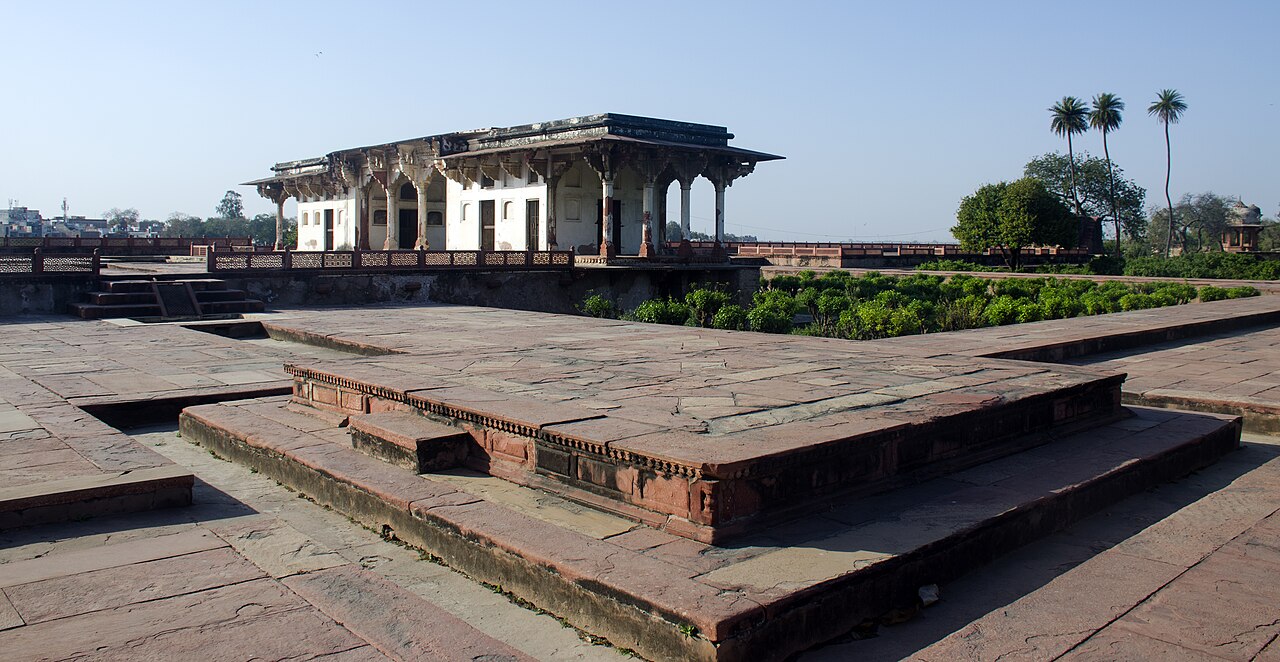
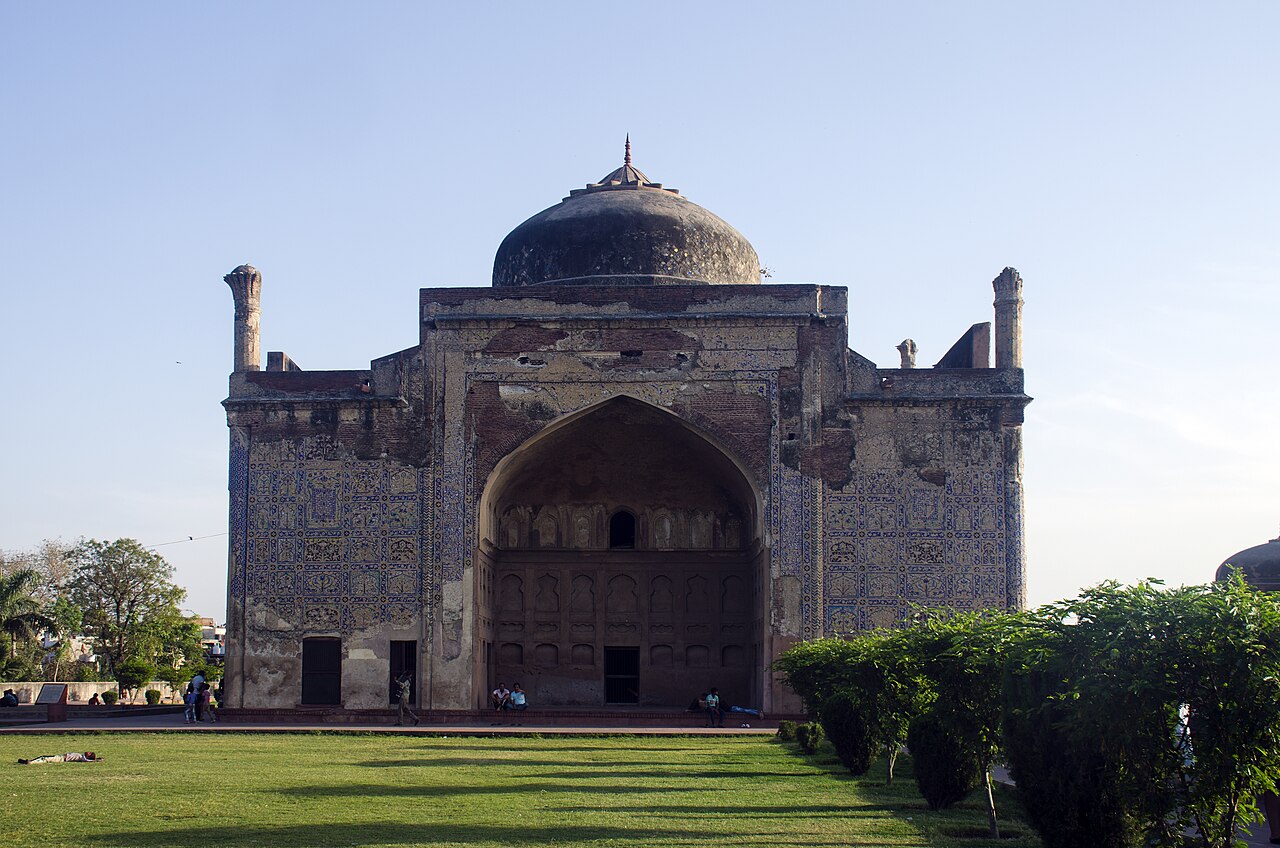
Chini Ka Rauza charges no entry fee as of 2026, one of the few significant Mughal-era monuments in Agra that remains free to visit. Allama Afzal Khan Mullah, a Persian-born poet and scholar who served as prime minister under Shah Jahan, commissioned his own tomb here around 1635, with construction generally dated to between 1628 and 1639. The building takes its name from the Hindi and Urdu word 'chini,' meaning porcelain or china, a reference to the glazed ceramic tilework that once covered its exterior surfaces, the first known use of this Persian-style tile technique on a Mughal building in India.
Best time of day: Morning. When direct light on the northern wall best shows the surviving cobalt-and-turquoise tile fragments.
Chini Ka Rauza timings
Chini Ka Rauza opens at 06:00 and closes at 18:00. The weekend is no different: Saturday and Sunday follow the same times.
- Opening hours
- 06:00–18:00
Mon–Sun 06:00–18:00 - Closed on
- Open every day
Opening hours compiled from uptourism.gov.in and public records, last updated . They change without notice — confirm before you travel. How we write these guides
Chini Ka Rauza ticket price
| Ticket | Price |
|---|---|
| Indian visitors | Free |
| Foreign visitors | Free |
| Children | Free |
| Camera | Free |
No entry fee for any nationality as of 2026. The site is lightly staffed with a single ASI caretaker; no ticket counter operates here.
Prices compiled from uptourism.gov.in and public records, last updated . They change without notice — confirm before you travel. How we write these guides
Best time to visit Chini Ka Rauza
- Quiet
06:00 – 09:00
Morning LightBest time to go
Direct morning light on the northern wall shows the surviving tile fragments best. Almost no visitor traffic at this hour.
Quiet09:00 – 13:00
Mid-Morning
A handful of independent travellers pairing the site with Itmad-ud-Daulah's Tomb pass through; no queue management is ever needed.
Quiet13:00 – 16:00
Midday
The site remains quiet through the afternoon; there is minimal shade around the exterior in summer heat.
Quiet16:00 – 18:00
Late Afternoon
A small number of photographers arrive for softer light on the tiled façade fragments before the 18:00 closing.
Quiet
History of Chini Ka Rauza
Chini Ka Rauza's builder, Afzal Khan Mullah, rose through the Mughal bureaucracy under Jahangir before becoming Shah Jahan's chief minister, a position that gave him the resources and royal favour to commission this mausoleum on the eastern bank of the Yamuna, a stretch of riverfront already favoured by Mughal nobility for garden tombs, including Itmad-ud-Daulah's tomb nearby. The exterior glazed-tile technique, imported from Persian and Central Asian building traditions via craftsmen Afzal Khan is thought to have brought to Agra himself, used cobalt blue, turquoise, and yellow ceramic tiles set into geometric and floral patterns across the façade, a decorative approach never repeated at this scale on a later Mughal monument in India. Centuries of exposure to Yamuna flooding, monsoon rainfall, and inconsistent conservation have stripped away most of the original tilework, leaving only fragmentary patches on the northern and western walls that hint at what was once a fully tiled exterior. The interior retains painted and gilded stucco ceiling work in reasonable condition, a rare surviving view of Mughal-era decorative painting that has not lasted on the exteriors of comparable monuments.
Rules & etiquette at Chini Ka Rauza
Chini Ka Rauza receives minimal ASI staffing compared to Agra's ticketed monuments, and the caretaker on duty is typically the only point of contact for questions about the site's history. Visitors should expect uneven, unmaintained pathways around the exterior compared to the manicured gardens at nearby ticketed sites, and sturdy footwear is more useful here than at the Taj Mahal or Agra Fort. No photography restrictions apply, and the site rarely sees enough visitors at once to require any queue management. The building's structural fragility, particularly around the remaining tiled sections, means visitors should not touch or lean against the exterior surfaces.
Tips for visiting Chini Ka Rauza
- 1
Chini Ka Rauza rewards visitors willing to look past its current state of disrepair: the surviving tile fragments on the northern wall, viewed in direct morning light, still show the cobalt-and-turquoise palette that once covered the entire building, a useful reference point for Persian-influenced Mughal tilework before three centuries of riverbank weathering. The site sits a short walk or five-minute auto-rickshaw ride from Itmad-ud-Daulah's Tomb along the same eastern riverbank road, making the two a logical pair on a half-day itinerary that also takes in Ram Bagh slightly further north. Because the site charges no admission and sees few visitors, it works well as a quiet mid-morning stop between the more crowded, ticketed monuments. Local historians and conservation groups have periodically called for restoration funding, so the tilework's current fragmentary state may not be permanent, a reason to see it now rather than assume it will look the same in a decade.
How to reach Chini Ka Rauza
The red star is Chini Ka Rauza; the numbered pins are the 7 nearest places in our guides, each showing its rank in its city. Tap a pin for details.
Yamuna Kinara Road, near Itmad-ud-Daulah's Tomb, Agra, Uttar Pradesh 282001Directions in Google Maps
From Itmad-ud-Daulah's Tomb
₹50–802 km · 5–10 min
Auto, negotiated); walkable
From Agra Cantonment Railway Station (AGC)
₹150–2008 km · 20–25 min
Auto, negotiated
Nearest airport
From Agra Airport (AGR, Kheria)
13 km, 25–35 minutes by road.
Nearest railway station
From Agra Cantonment Railway Station (AGC)
8 km, 20–25 minutes by road.
Chini Ka Rauza FAQs
Is there an entry fee for Chini Ka Rauza?
No. Chini Ka Rauza charges no admission fee for any nationality as of 2026, unlike most ASI-ticketed monuments in Agra.
Who is buried at Chini Ka Rauza?
Allama Afzal Khan Mullah, a Persian-born poet and scholar who served as prime minister under Shah Jahan, is buried here in a tomb he commissioned for himself around 1635.
Why is it called Chini Ka Rauza?
The name comes from 'chini,' meaning porcelain or china in Hindi and Urdu, referring to the glazed ceramic tiles that once covered the entire exterior, the first known use of this technique on a Mughal building in India.
Is much of the original tilework still visible?
Only in fragments. Centuries of Yamuna flooding and monsoon exposure have stripped most of the glazed tiles away, leaving surviving patches mainly on the northern and western walls.
Compiled with AI assistance from official sources and public records, and published only after the checks in How we write these guides. Nobody from Traveliac has visited this place. Last updated . How we rank and check places
Places to visit near Chini Ka Rauza
Straight-line distances from our map; times are estimates.