
Fatehpur Sikri
#9of 9 places to visit in AgraAgra, Uttar Pradesh
Also known as City of Victory
Quick answer
Opening hours: 06:00–18:00. Entry: ₹40 Indian · ₹610 foreign. Allow 2.5 hrs. Best time: Before 10:30.
Updated · Compiled by Traveliac, AI-assisted · 4 min read
- Opening hours
- 06:00–18:00
- 06:00 – 18:00 daily for the ASI palace complex; the Jama Masjid and dargah keep no fixed closing time as active places of worship.
- Entry fee
- ₹40 Indian
- Ticket from
- Time needed
- 2.5 hrs
- Best time of day
- Before 10:30
- Best months
- Oct – Mar
- Address
- Fatehpur Sikri, Agra district, Uttar Pradesh 283110
About Fatehpur Sikri
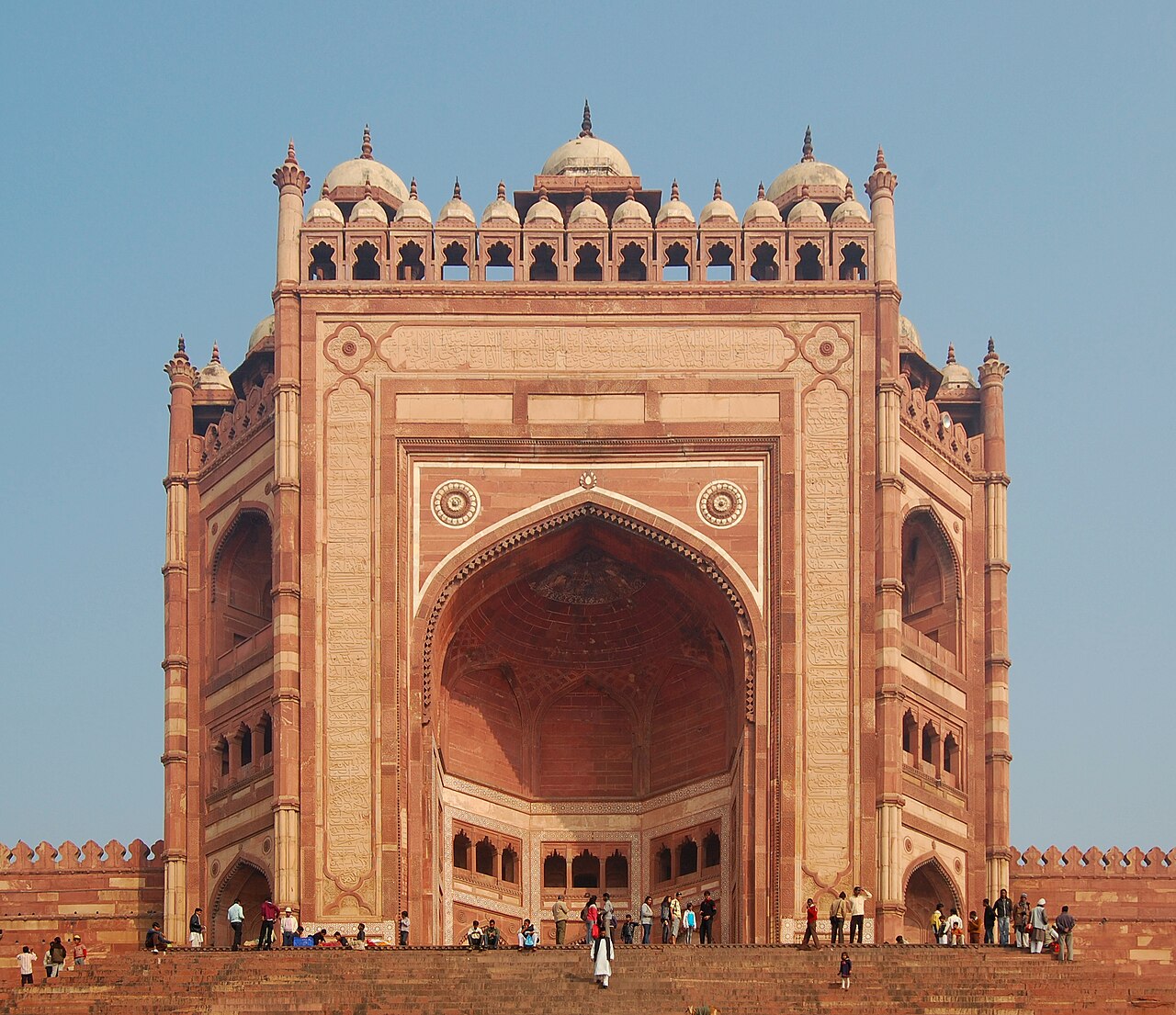
Fatehpur Sikri's ASI-administered palace complex charges Indian nationals ₹40 and foreign nationals ₹610 for entry as of 2026, while the working Jama Masjid and the tomb of Salim Chishti inside the same walled city remain free. Emperor Akbar built the entire capital between 1571 and 1585 from red Sikri sandstone quarried on-site, then abandoned it after roughly fourteen years of occupation, reportedly because the site's stepwell and lake could not sustain a growing garrison and court population through seasonal water shortages. The result is one of the most completely preserved Mughal-era cities in India, its palace courts, caravanserai, and administrative halls stripped of furnishings but structurally near-intact after four centuries.
Best time of day: Before 10:30. Ahead of the tour-bus circuit from Agra, when the sandstone courts are near-empty.
Fatehpur Sikri timings
Fatehpur Sikri opens at 06:00 and closes at 18:00. The weekend is no different: Saturday and Sunday follow the same times.
- Opening hours
- 06:00–18:00
Mon–Sun 06:00–18:00 - 06:00 – 18:00 daily for the ASI palace complex; the Jama Masjid and dargah keep no fixed closing time as active places of worship.
- Closed on
- Open every day
Opening hours compiled from uptourism.gov.in and public records, last updated . They change without notice — confirm before you travel. How we write these guides
Fatehpur Sikri ticket price
| Ticket | Price |
|---|---|
| Indian visitors | ₹40 |
| Foreign visitors | ₹610 |
| Children | Free |
| Camera | Free |
Rates apply to the ASI-administered palace complex (Jodha Bai's Palace, Panch Mahal, Diwan-i-Khas). The Jama Masjid and the tomb of Salim Chishti inside the same walled city are free, run by a separate local caretaker committee. Children under 15 enter free. As of 2026, verify at the counter.
Prices compiled from uptourism.gov.in and public records, last updated . They change without notice — confirm before you travel. How we write these guides
Best time to visit Fatehpur Sikri
- Quiet
- Moderate
- Very busy
07:00 – 10:30
Early OpeningBest time to go
Gates open at 06:00 but tour convoys have not yet arrived. The empty sandstone courts of Jodha Bai's Palace and Panch Mahal are at their quietest.
Quiet10:30 – 14:00
Tour Bus Peak
Coach groups combining Fatehpur Sikri with Agra converge. The Buland Darwaza steps and dargah courtyard become congested.
Very busy14:00 – 16:30
Afternoon Lull
Groups depart for Agra. Exposed sandstone courtyards remain hot with little shade through peak summer afternoons.
Moderate16:30 – 18:00
Late Afternoon
Local worshippers arrive at the dargah for evening prayers as tourist numbers drop. Low sun picks out the carved sandstone relief work.
Quiet
History of Fatehpur Sikri
Akbar founded Fatehpur Sikri in gratitude to the Sufi saint Shaikh Salim Chishti, who had reportedly predicted the birth of Akbar's long-awaited son and heir, Prince Salim, the future Jahangir, at the saint's hermitage on this ridge in 1569. Construction proceeded through the 1570s, mixing red sandstone architecture with design elements borrowed from Hindu, Jain, and Islamic traditions, a synthesis that mirrors Akbar's own religious experiments of the period, including the syncretic Din-i-Ilahi philosophy he is said to have debated with scholars of multiple faiths inside the Ibadat Khana within these walls. The Buland Darwaza, or 'Gate of Magnificence,' was added around 1575 to commemorate Akbar's military victory in Gujarat and stands 54 metres tall, among the largest gateways in the world. Court histories offer competing explanations for the capital's abandonment around 1585: chronic water scarcity from the seasonal lake silting up, the strategic pull of Lahore during frontier campaigns, and the general Mughal practice of a peripatetic court are all cited, and no single account is definitive. The tomb of Salim Chishti, rebuilt in white marble after Akbar's original red sandstone structure, still functions as an active dargah where visitors tie threads to a marble jali screen as votive wishes.
Rules & etiquette at Fatehpur Sikri
Fatehpur Sikri requires visitors to remove shoes before entering the Jama Masjid and the tomb of Salim Chishti, both active places of worship inside an otherwise deserted palace complex; a free shoe-deposit counter operates near the Badshahi Darwaza entrance. The 54-metre Buland Darwaza involves a steep flight of stone steps that becomes slippery during the July–September monsoon. Separate ASI and local caretaker tickets apply to different sections of the walled city, which confuses first-time visitors expecting one combined pass; the ASI counter covers the palace complex, while the mosque and dargah require no ticket at all. Touts inside the dargah courtyard soliciting payment for thread-tying rituals are not temple staff, and payment is voluntary.
Tips for visiting Fatehpur Sikri
- 1
Fatehpur Sikri rewards an early visit before the tour-bus circuit from Agra arrives around 10:30, since the empty sandstone courts photograph better without a scattered crowd for scale. Panch Mahal, the five-storey pillared pavilion designed as a breeze-catching pleasure hall, gives the best rooftop-level overview of the palace complex and is included in the standard ASI ticket. The 40-kilometre drive from Agra along NH19 takes 55 to 70 minutes and pairs naturally with Akbar's Tomb at Sikandra on the return route into the city. Licensed guides at the palace entrance, distinguishable by a government-issued badge, charge around ₹300–400 for a 90-minute walk-through and are worth the cost given the site's unlabelled layout.
How to reach Fatehpur Sikri
The red star is Fatehpur Sikri. Tap a pin for details.
Fatehpur Sikri, Agra district, Uttar Pradesh 283110Directions in Google Maps
From Agra Cantonment Railway Station (AGC)
₹800–1,20040 km · 55–70 min
Car, round trip negotiated
From Agra Airport (AGR, Kheria)
₹1,000–1,40047 km · 65–80 min
Prepaid taxi
Nearest airport
From Agra Airport (AGR, Kheria)
47 km, 65–80 minutes by road.
Nearest railway station
From Fatehpur Sikri Railway Station
2 km from the complex, though most travellers arrive by road from Agra Cantonment (40 km).
Fatehpur Sikri FAQs
Is there an entry fee for the Jama Masjid inside Fatehpur Sikri?
No. The Jama Masjid and the tomb of Salim Chishti are free to enter, run by a local caretaker committee separately from the ASI-ticketed palace complex. Only the palace section (Jodha Bai's Palace, Panch Mahal, Diwan-i-Khas) requires a paid ticket.
Why was Fatehpur Sikri abandoned?
The most commonly cited reason is chronic water scarcity, since the artificial lake supplying the city silted up and could not support a growing population. Strategic military demands on the northwest frontier are also cited by some historians. No single explanation is definitive.
How far is Fatehpur Sikri from Agra and how long does the trip take?
It is 40 kilometres from central Agra, a 55–70 minute drive along NH19. Most visitors combine it with Akbar's Tomb at Sikandra, which sits on the same return route.
Do you need a guide at Fatehpur Sikri?
It is not required, but recommended. The complex has minimal signage, and licensed guides at the palace entrance charge around ₹300–400 for a 90-minute walk-through that clarifies an otherwise confusing, unlabelled layout.
Compiled with AI assistance from official sources and public records, and published only after the checks in How we write these guides. Nobody from Traveliac has visited this place. Last updated . How we rank and check places
Places to visit near Fatehpur Sikri
Straight-line distances from our map; times are estimates.
 #8 in Agra
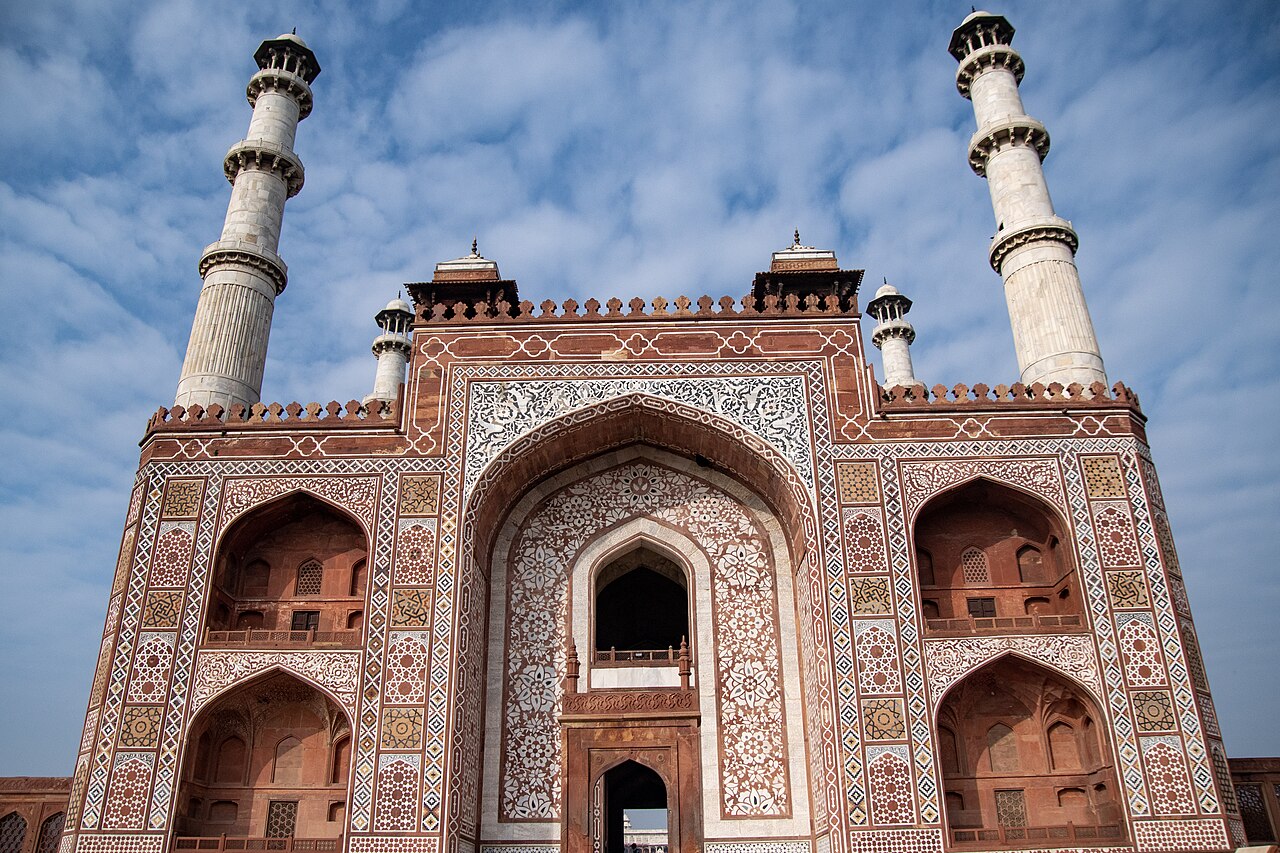
Akbar's Tomb, Sikandra
Mausoleum · 32 km · about 100 min by road
 #3 in AgraFree entry
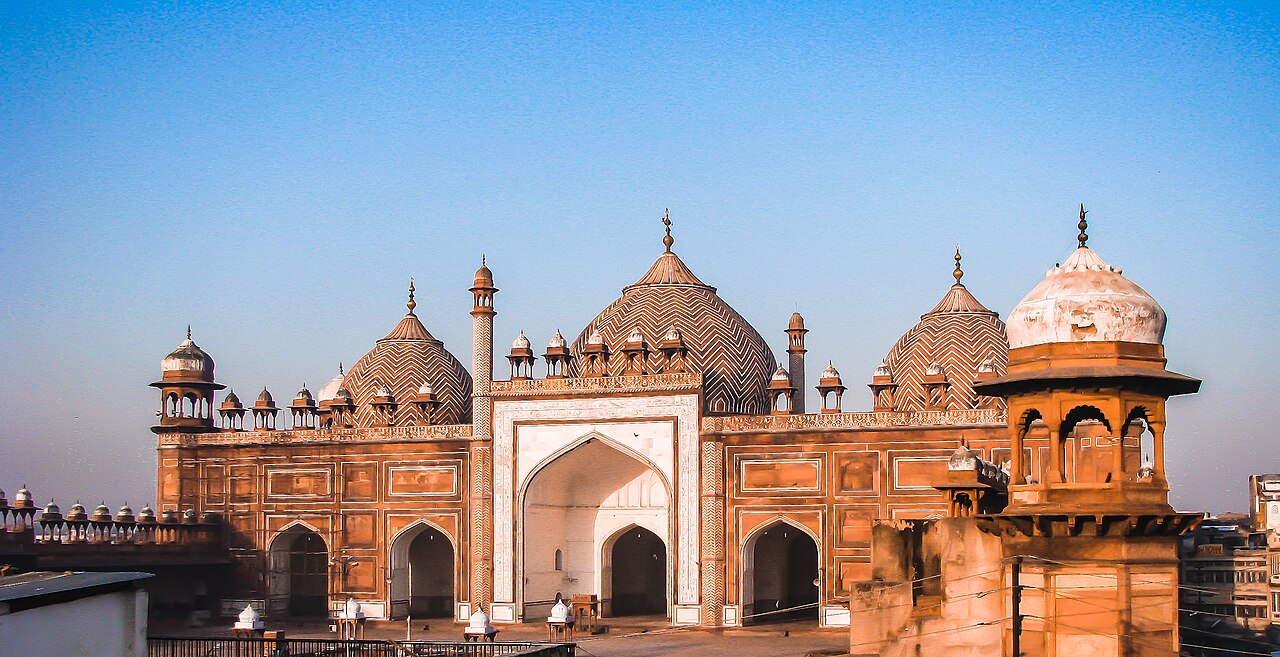
Jama Masjid, Agra
Mosque · 37 km · about 115 min by road
 #4 in AgraFree entry
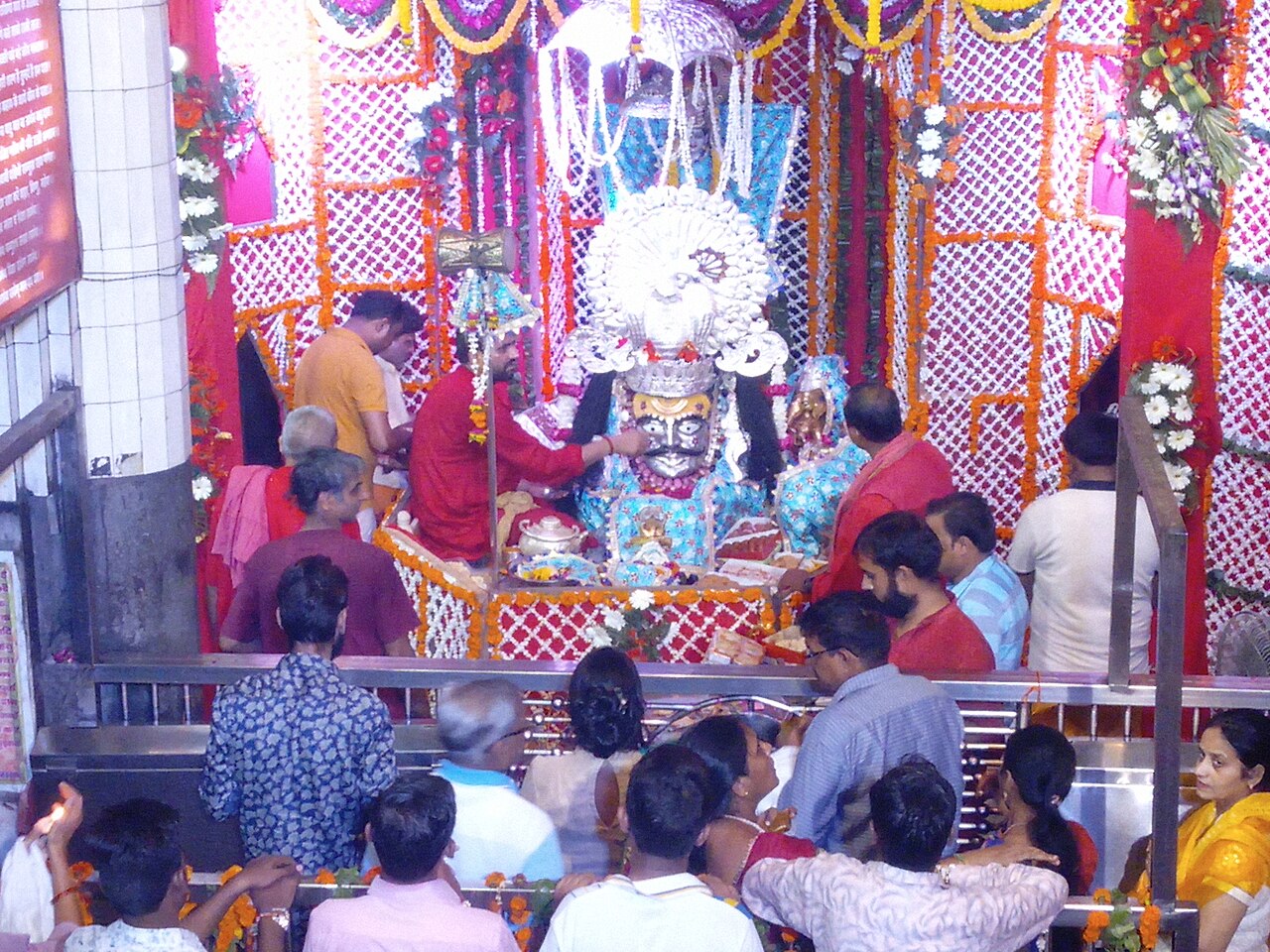
Mankameshwar Temple
Temple · 37 km · about 115 min by road
 #2 in Agra
Agra Fort
Fort · 37 km · about 115 min by road