
Goa travel guide
9 Places to Visit in Panaji
Also known as Panjim · Nova Goa
Panaji — officially renamed from Panjim in 1961 but still called Panjim by half its residents — is the most structurally surprising state capital in India. It has no skyscrapers, no flyovers, and no ring roads. The entire city centre can be walked in forty minutes at a leisurely pace.
Updated ·Compiled by Traveliac, AI-assisted ·How we rank
- Best time
- Oct – Mar
- Time needed
- About 3 days
- 16 hours of sightseeing
- Fly into
- Goa International Airport
- Nearest station
- Karmali Railway Station (GOA)
- Free to enter
- 7 of 9
Top things to do in Panaji
Ranked on five published criteria- 1Free entry
Church
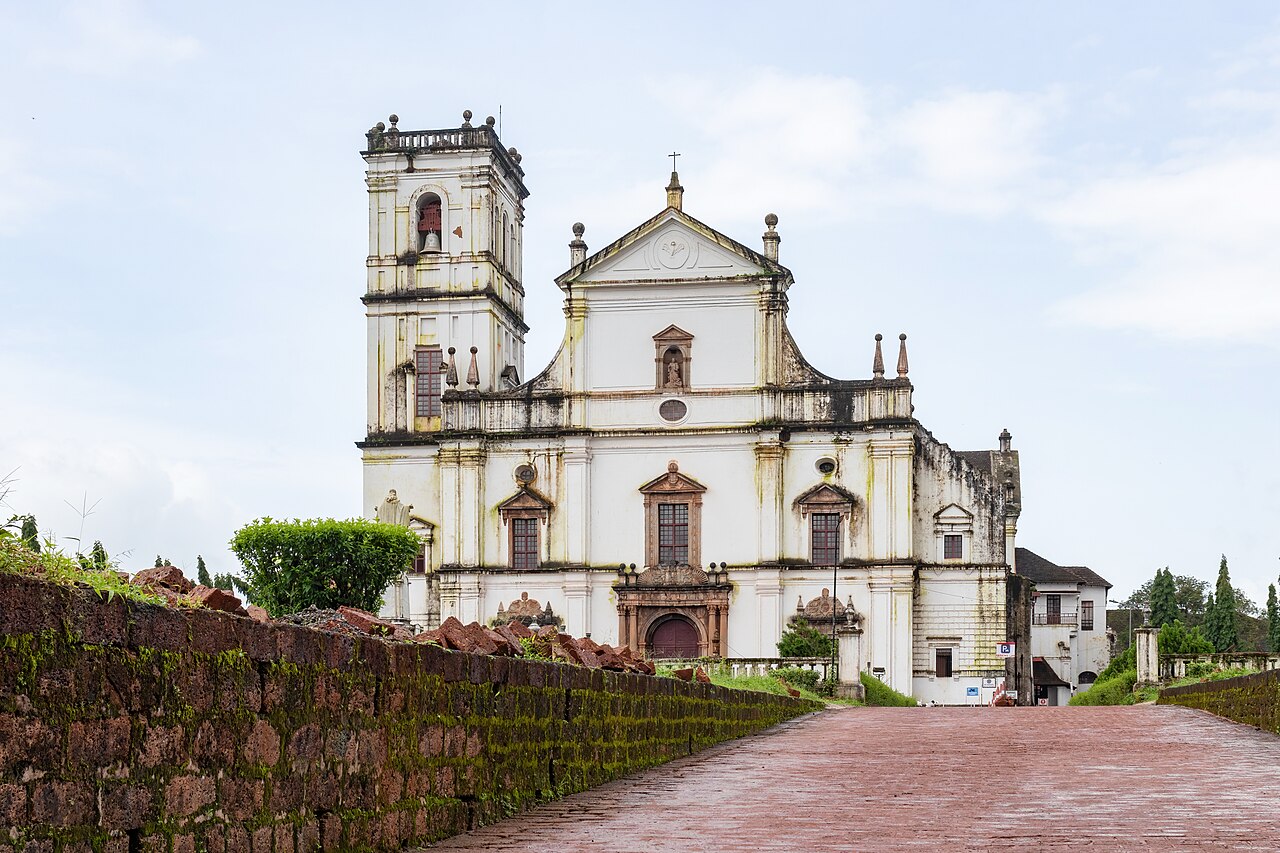
Se Cathedral
Se Cathedral is, by most conventional measures of floor area, the largest church in Asia — a claim repeated so often in guidebooks that it has become…
45 min
 2Free entry
Heritage
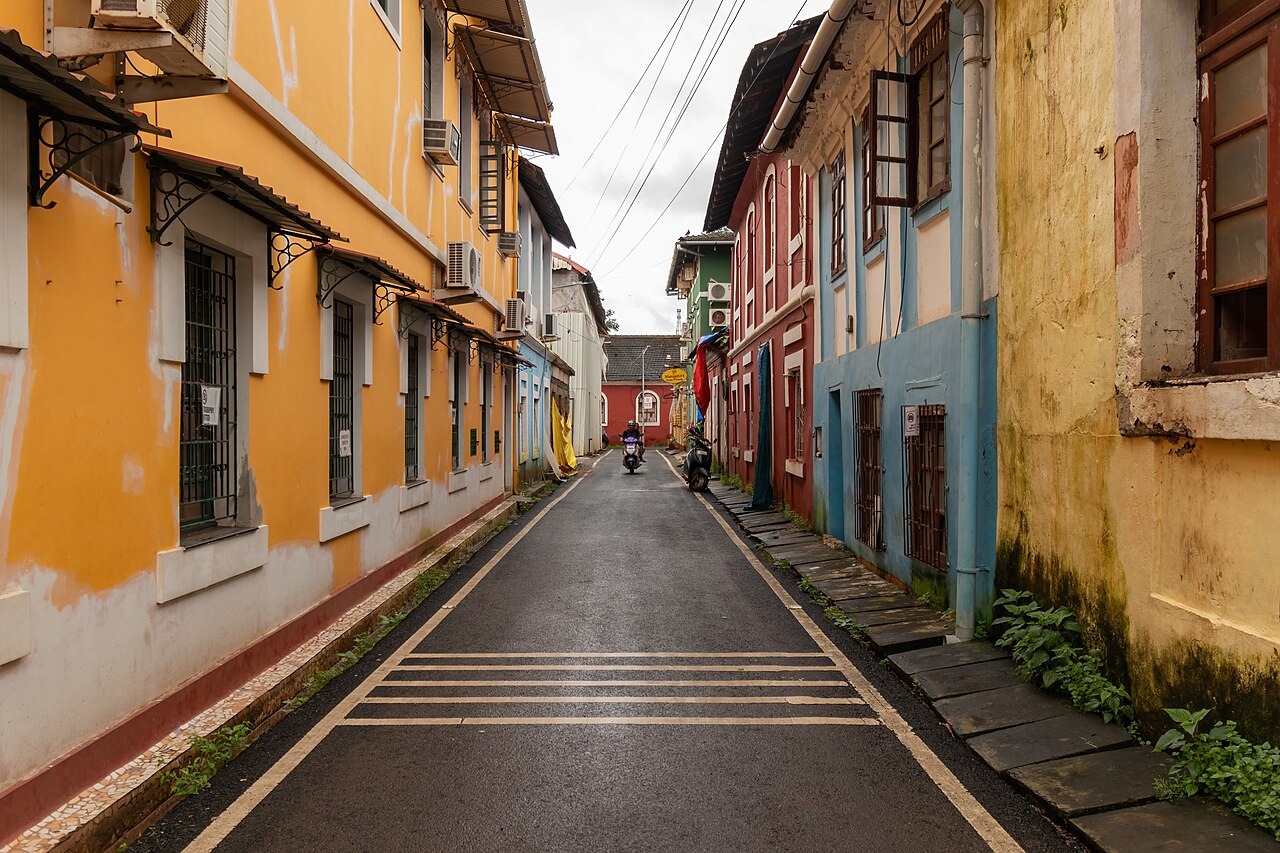
Fontainhas
Fontainhas takes its name from the Fonte Phoenix, a spring that once supplied fresh water to this slope of Panaji below Altinho hill, and the…
1.5 hrs
 3Free entry
Fort
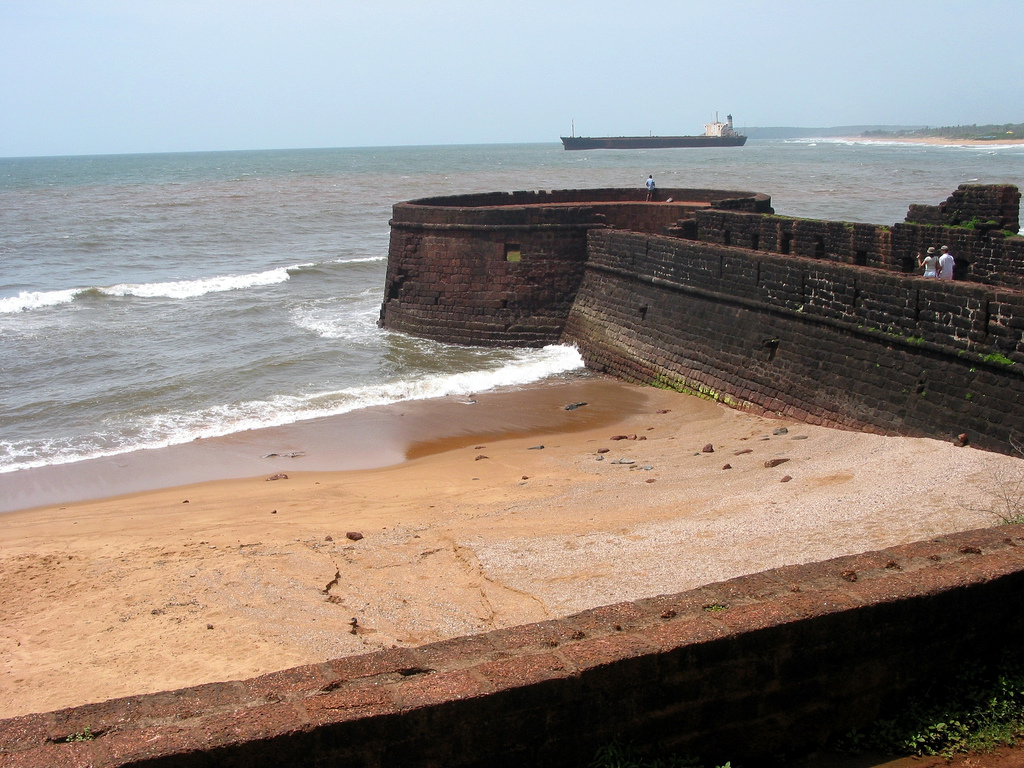
Fort Aguada
Fort Aguada sits on the laterite headland where the Mandovi River meets the Arabian Sea, and its 1612 construction date makes it the best-preserved…
1.5 hrs
 4
4Waterfall
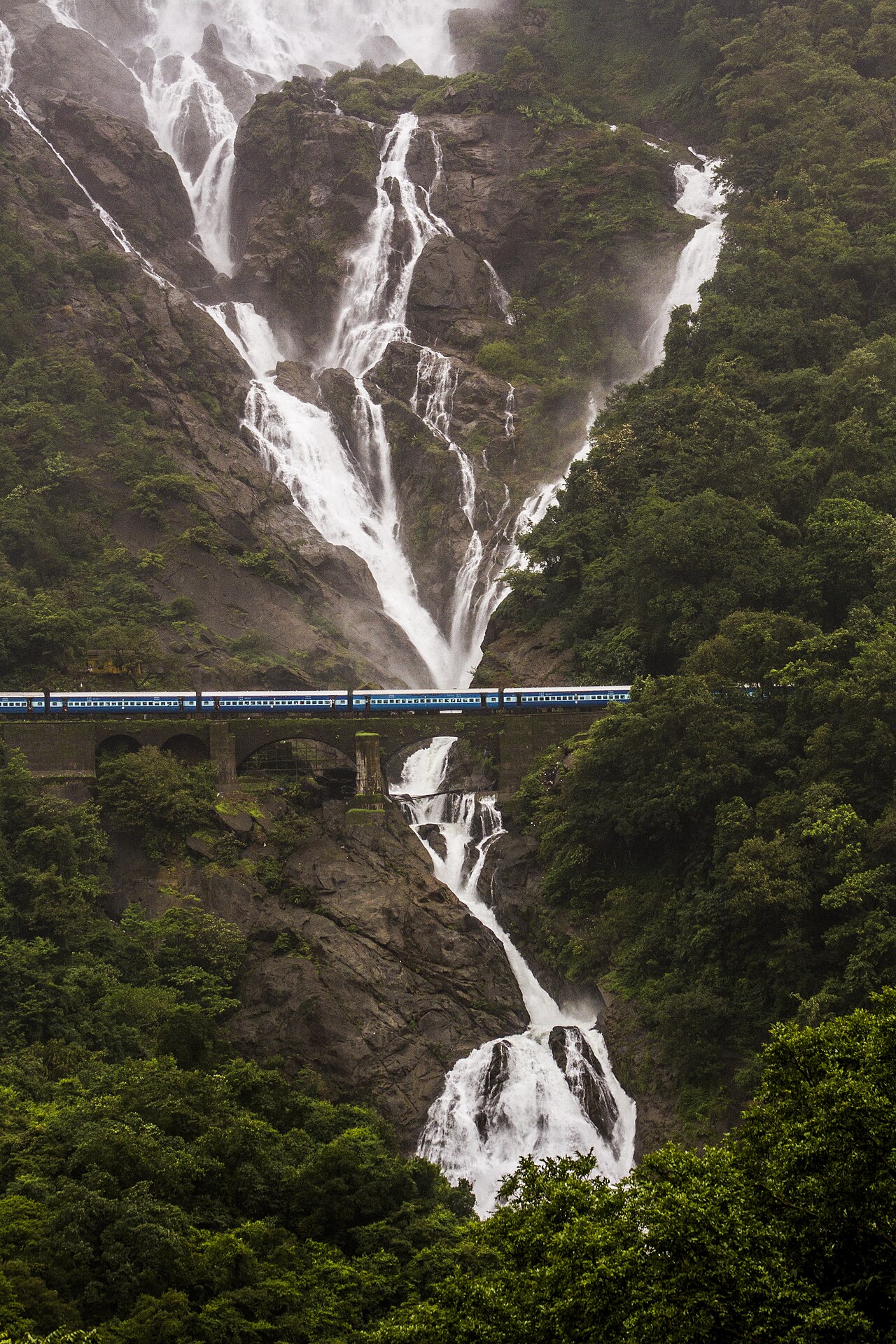
Dudhsagar Falls
Dudhsagar drops in four tiers down a granite-and-laterite escarpment on the Mandovi River at the Goa-Karnataka border, inside the Bhagwan Mahavir…
4 hrs₹400
 5Free entry
Fort
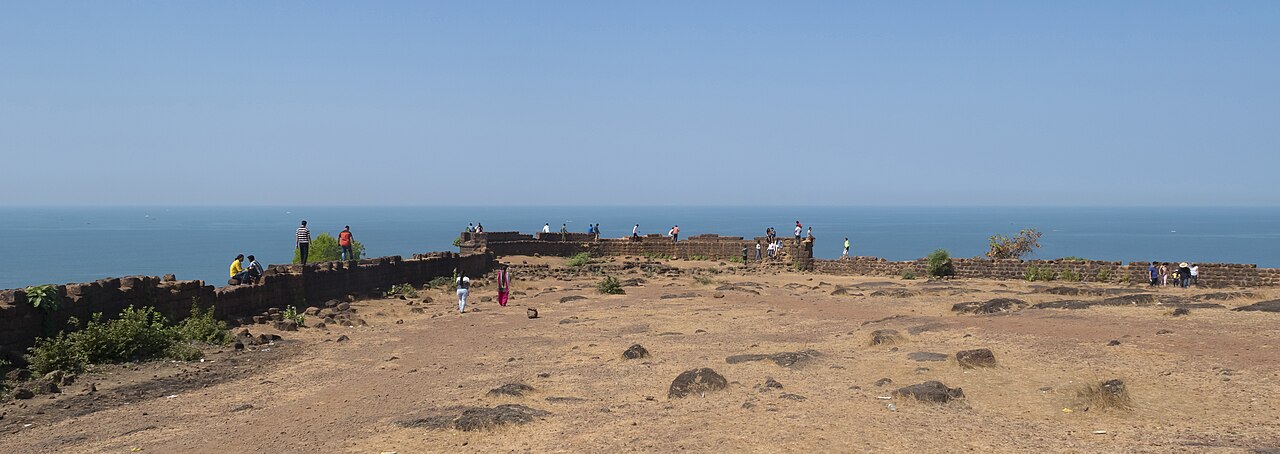
Chapora Fort
Chapora Fort is, structurally, not much more than a perimeter of laterite ramparts enclosing an empty hilltop — there are no roofed interiors, no…
1 hr
 6Free entry
Beach
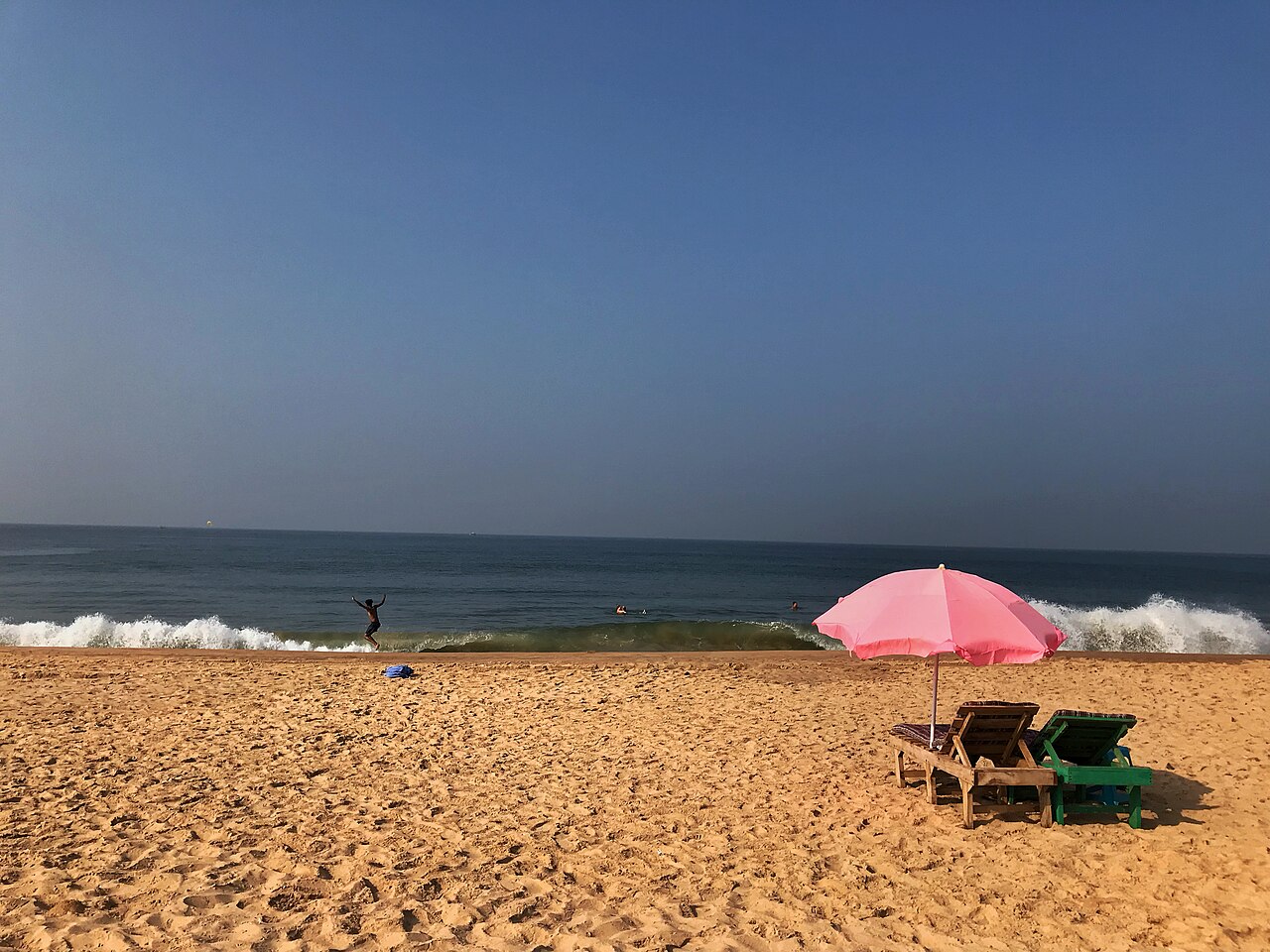
Calangute-Baga Beach Corridor
Calangute is the largest and most developed beach in North Goa, historically nicknamed the Queen of Beaches for its width and length rather than for…
3 hrs
 7
7Fort
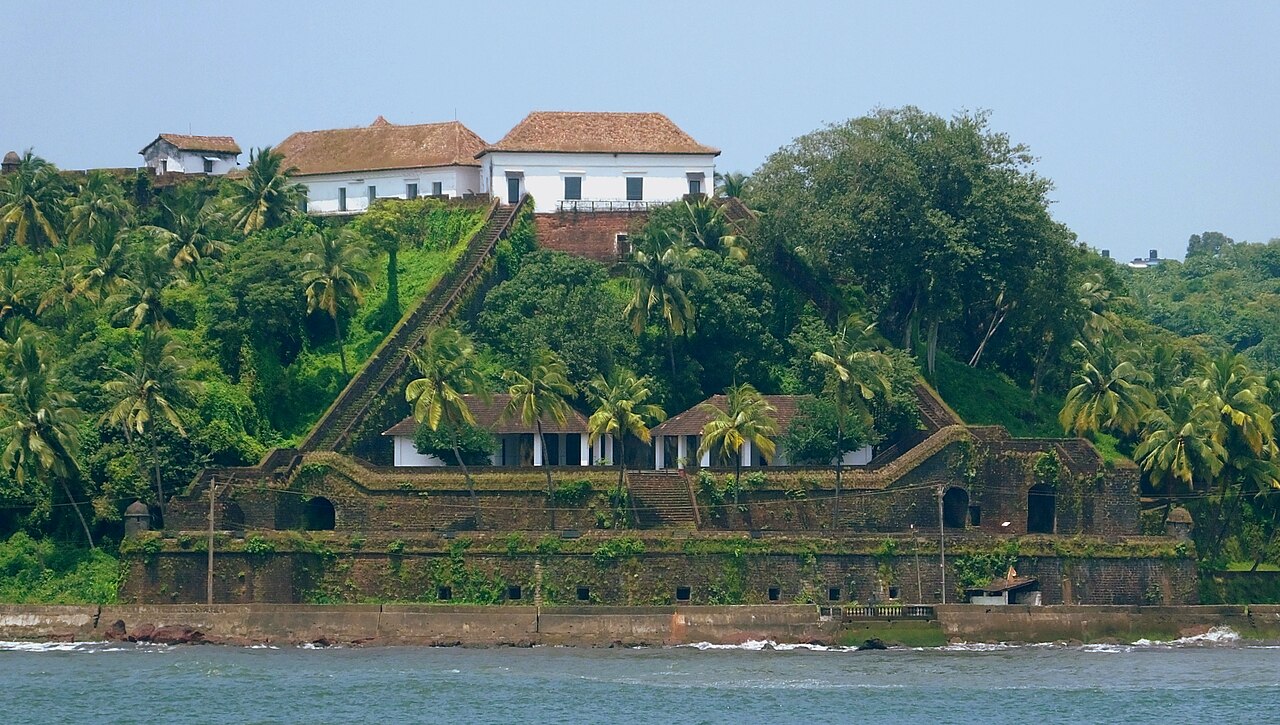
Reis Magos Fort
Reis Magos Fort, built in 1551, predates Fort Aguada by more than sixty years and is the oldest surviving Portuguese fortification in Goa, occupying…
1.5 hrs₹25
 8Free entry
Market
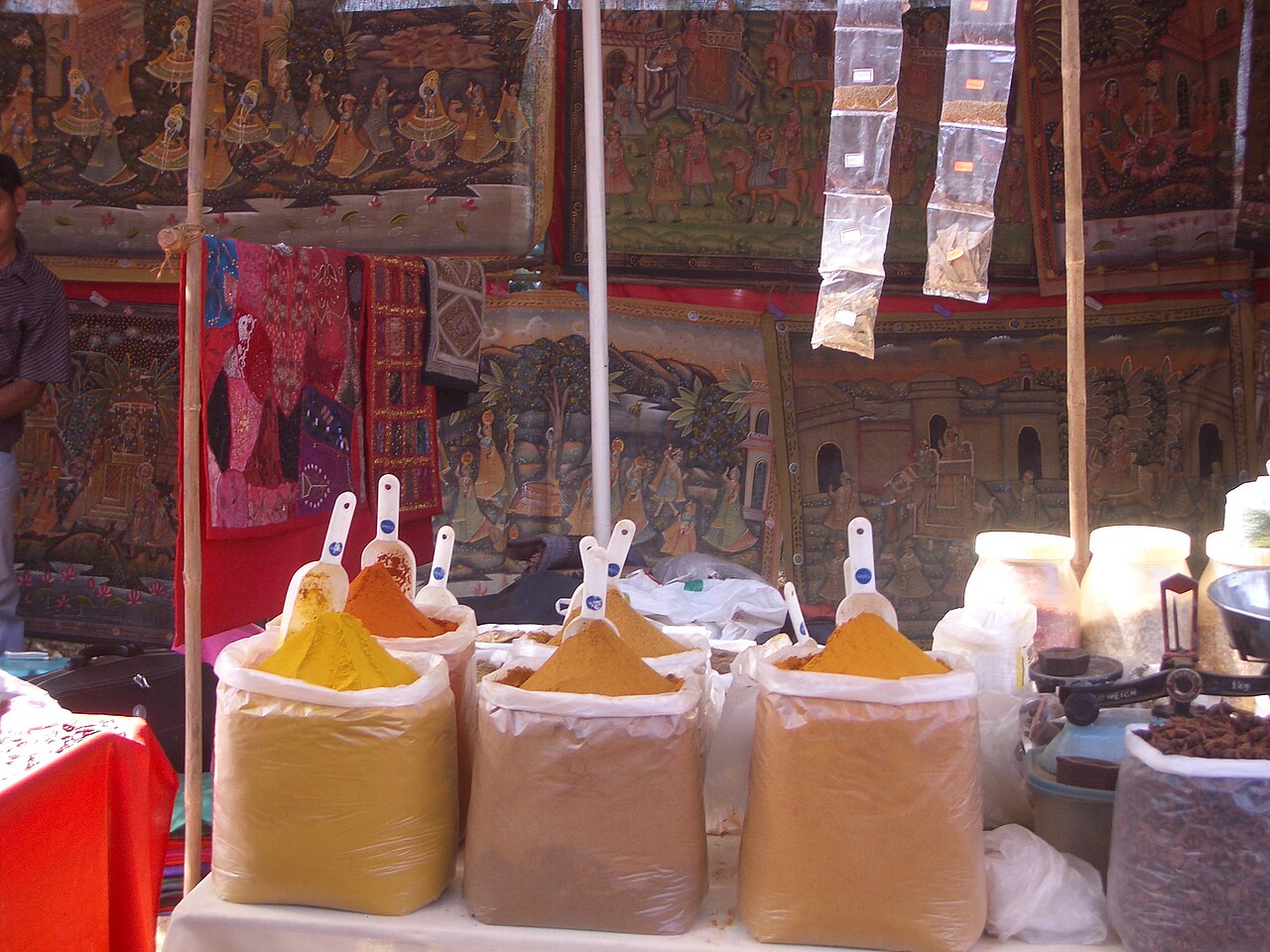
Anjuna Flea Market
Anjuna's Wednesday market began in the late 1960s and early 1970s as a barter economy run by the long-staying foreign travellers who settled around…
2.5 hrs
 9Free entry
Beach
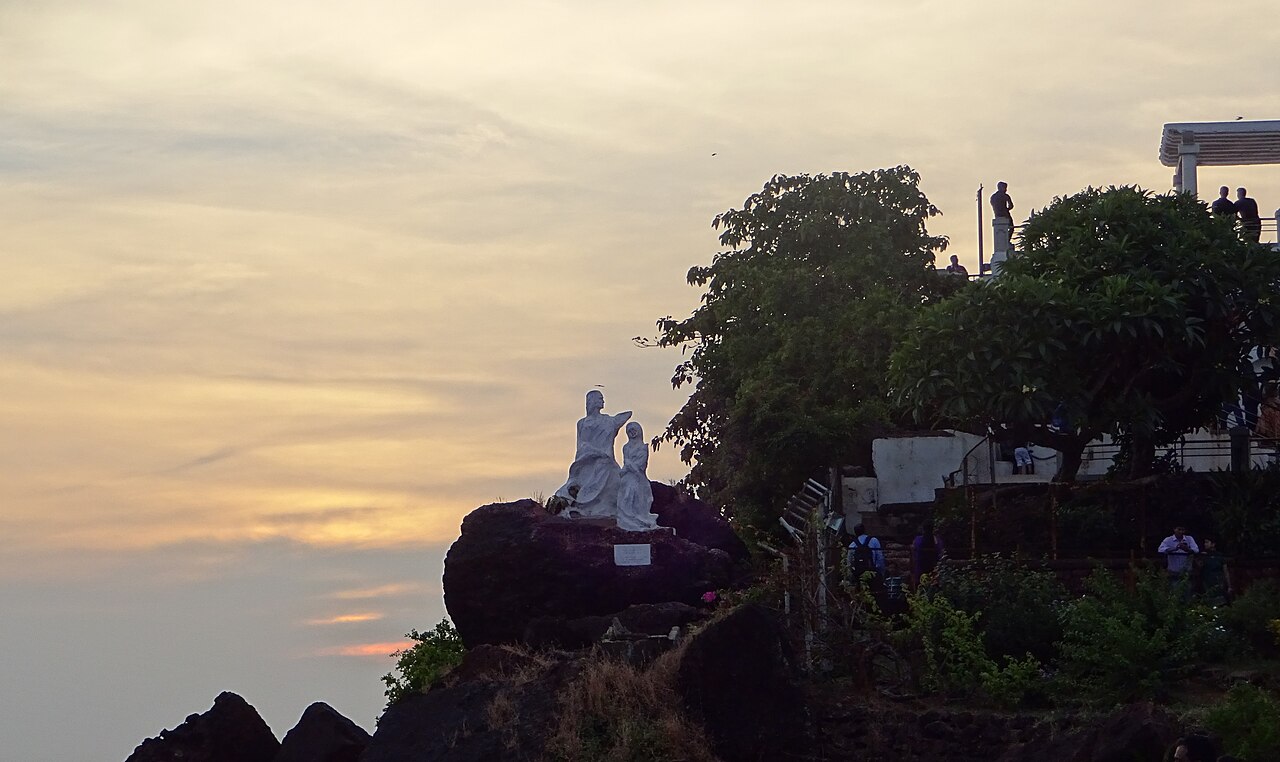
Dona Paula Viewpoint
Dona Paula occupies the headland where the Mandovi and Zuari rivers, having drained most of central Goa, meet the open Arabian Sea, and the resulting…
1 hr
Map of places to visit in Panaji
Numbers match the ranking; the top 3 are orange. Tap a pin for its guide.
Day trips from Panaji
Worth a day out if you have one to spare, nearest first.
7 km · 20min
Old Goa (Velha Goa)
The UNESCO-listed church complex of Old Goa — Basilica of Bom Jesus, Se Cathedral, Church of St. Francis of Assisi — represents the high-water mark of Goan Baroque architecture and is compact enough to walk between all sites in three hours. Frequent KTC buses run from Panaji's Kadamba bus terminal for ₹15. A taxi costs ₹200-300.
28 km · 45min
Spice Plantation, Ponda
The working spice farms around Ponda — Sahakari, Tropical Spice Plantation, Savoi — offer guided walks through vanilla, cardamom, nutmeg, and arecanut groves with included Goan lunch. The experience is unapologetically tourist-oriented but the spices are genuine and the ecology around them interesting. Admission typically ₹400-600 including lunch; book a taxi for ₹600-800 return.
45 km · 1h 15min
Arambol & Morjim Beaches (North Goa)
Arambol is the final functional outpost of the long-stay traveller culture that once defined North Goa — a small freshwater lake behind the beach, cliffs with rock-cut caves, and a market of hand-printed fabrics and silver jewellery that is more craft than kitsch. Morjim, just south, is where the Olive Ridley turtles nest from November through January. A taxi from Panaji runs ₹700-900 one way.
About Panaji
What it does have is Fontainhas, a neighbourhood of tightly packed houses painted in turmeric yellow, terracotta red, and deep colonial blue, their steep-pitched roof tiles the burnt-orange of Portuguese-era Mangalore clay. The houses have wrought-iron balconies, carved wooden doors with art-deco fanlights, and plaques in Portuguese and Konkani. The street plan has not changed since the eighteenth century.
The Mandovi River defines the city's northern edge. From the Campal promenade you can watch fishing trawlers coming in at dusk and — in season — the gaudy casino barges moored offshore, their neon signs absurdly cheerful against the far bank's mangroves. The Church of Our Lady of the Immaculate Conception, with its twin-towered baroque facade in brilliant white lime plaster, anchors the centre from its hilltop position and functions as the most photographed structure in the state after the Basilica of Bom Jesus.
The city's best food is concentrated in two zones: the informal Maruti temple precinct area market near Fontainhas, where fish thali at ₹120-180 are served on steel plates with the previous night's catch, and the cafes along Altinho Hill — formerly the quarter of government officials — where newer establishments serve Goan Catholic comfort food to a local rather than tourist audience. The municipal market near the KTC bus stand is the most honest indicator of what Goa actually eats: not prawn balchão from a tourist-facing menu, but dried Bombay duck, fresh jackfruit, toddy vinegar in recycled bottles, and coconut oil sold by the litre.
The Kadamba Transport Corporation runs city buses for ₹10-20 and connects Panaji to Old Goa (7km), Margao (33km), and the Dabolim airport area (29km). Auto-rickshaws operate on a meter-plus-waiting-charge system that most drivers ignore; expect to negotiate firmly for ₹50-100 within the city core.
Panaji travel FAQs
How many days do you need in Panaji?
Plan about 3 days for Panaji. Its top attractions take roughly 16 hours of sightseeing in total, so 3 days covers the highlights without rushing — you can move faster if you are short on time.
What is the best time to visit Panaji?
The best time to visit Panaji is Oct – Mar.
Is Panaji cheap or expensive to visit?
Entry to Panaji's top attractions ranges from ₹25 to ₹400 for Indian nationals (foreign visitors pay more — about ₹25 to ₹400), and 7 of the top 9 are free to enter. Prices are the latest checked on each place's page; always confirm current rates on the official website.
What is Panaji famous for?
Panaji is best known for its top sights, including Se Cathedral, Fontainhas and Fort Aguada. The full ranked list of things to do is on this page.
How much time should you spend at Se Cathedral?
Allow about 45 min for Se Cathedral.
Spotted something wrong, or a place we missed?
Tell us and an editor will check it against official sources and fix the page.