
Dudhsagar Falls
#4of 9 places to visit in PanajiPanaji, Goa
Also known as Doodhsagar Falls · Sea of Milk Falls
Quick answer
Opening hours: 08:00–16:00. Entry: ₹400. Allow 4 hrs. Best time: 08:30 – 11:00.
Updated · Compiled by Traveliac, AI-assisted · 5 min read
- Opening hours
- 08:00–16:00
- 08:00 – 16:00 daily (last jeep departs Kulem checkpoint by 15:00 to allow a return before dusk)
- Entry fee
- ₹400
- Ticket from
- Time needed
- 4 hrs
- Best time of day
- 08:30 – 11:00
- Best months
- Oct – Mar
- Address
- Bhagwan Mahavir Wildlife Sanctuary, Sonaulim, Sanguem taluka, South Goa – 403410 (jeep safari base: Kulem/Collem village)
About Dudhsagar Falls
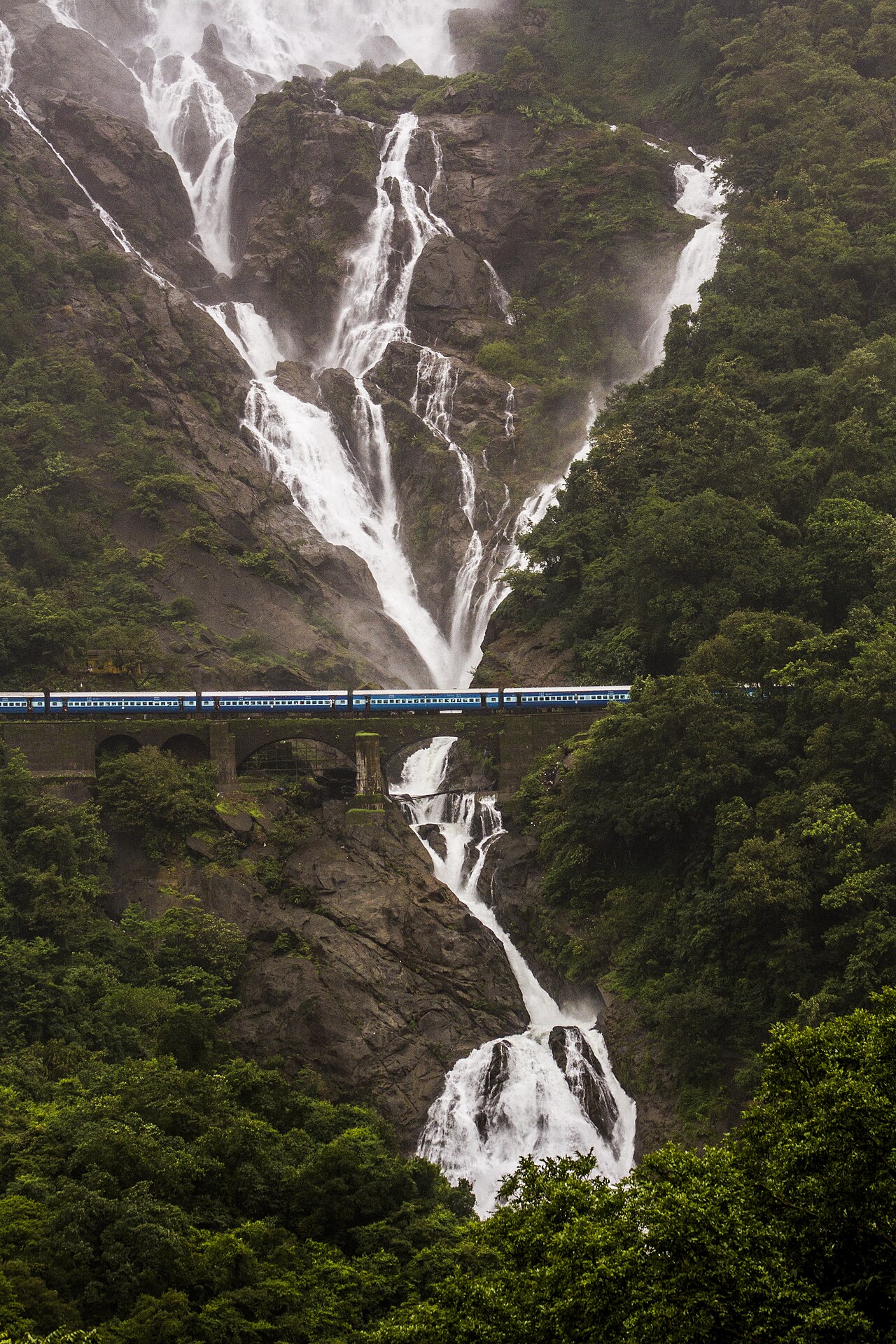
Dudhsagar drops in four tiers down a granite-and-laterite escarpment on the Mandovi River at the Goa-Karnataka border, inside the Bhagwan Mahavir Wildlife Sanctuary, and at roughly 310 metres it ranks among India's tallest waterfalls. The name — sea of milk — describes the effect at full monsoon-fed volume, when the water breaks into a continuous white sheet against the dark rock face; the local legend attached to the name involves a princess who bathed at the top pool and released a pot of milk into the current so that passers-by below would not see her unclothed. What the legend does not prepare visitors for is the total absence of independent access: there is no road for private cars, no walk-in gate, and — since a series of fatal accidents on the adjacent railway track — no officially sanctioned trekking route either. The falls are seen almost exclusively from a Forest Department-regulated jeep convoy running a single, fixed track from Kulem village, a genuine bottleneck that shapes every other aspect of the visit.
Best time of day: 08:30 – 11:00. For the first jeep convoys, before the midday queue at the Kulem checkpoint lengthens; October–December for maximum water volume shortly after the monsoon withdraws.
Dudhsagar Falls timings
Dudhsagar Falls opens at 08:00 and closes at 16:00. The weekend is no different: Saturday and Sunday follow the same times.
- Opening hours
- 08:00–16:00
Mon–Sun 08:00–16:00 - 08:00 – 16:00 daily (last jeep departs Kulem checkpoint by 15:00 to allow a return before dusk)
- Closed on
- Open every day
Good to know: Access is closed or severely restricted during the monsoon (roughly June to late September) by Forest Department order. The falls carry vastly higher water volume and force in this period, the approach track becomes unsafe for jeep transit, and the rocks at the viewing pool turn dangerously slick — fatalities have occurred at the base pool during and just after heavy rain. Confirm current access status with the Goa Forest Department before travelling, since reopening dates shift year to year with rainfall.
Opening hours compiled from goaforest.gov.in and public records, last updated . They change without notice — confirm before you travel. How we write these guides
Dudhsagar Falls ticket price
| Ticket | Price |
|---|---|
| Indian visitors | ₹400 |
| Foreign visitors | ₹400 |
| Children | ₹200 |
| Camera | Free |
The ₹400 figure covers the mandatory Forest Department entry permit plus the fixed-rate jeep safari from Kulem — there is no walk-in or private-vehicle option to the base of the falls. The jeep union operating from Kulem village sets a single non-negotiable per-jeep rate (roughly ₹2,500–3,000 for a jeep seating 6–7, split among the group), and every jeep in the queue quotes the identical price — this is a cartel arrangement enforced by the local operators' association, not a scam by any individual driver, and haggling will not lower it.
Prices compiled from goaforest.gov.in and public records, last updated . They change without notice — confirm before you travel. How we write these guides
Best time to visit Dudhsagar Falls
- Quiet
- Moderate
- Very busy
08:00 – 09:30
First ConvoysBest time to go
Shortest queue at the Kulem checkpoint. Early jeeps reach the base pool with the fewest other groups present, giving the clearest photography window before the pool churns with swimmers.
Quiet09:30 – 13:00
Peak Queue
The busiest window at the Kulem jeep checkpoint; wait times for a jeep slot regularly exceed 90 minutes in December–January. The base pool area is at its most crowded.
Very busy13:00 – 15:00
Afternoon Convoys
Queue pressure eases as day-trip groups from North Goa resorts begin their return journey. Later light is less favourable for photography against the rock face.
Moderate15:00 – 16:00
Last Departures
Final jeeps of the day; Forest Department staff begin closing the pool area for swimming. Only a short window remains at the base before the return convoy departs.
Quiet
History of Dudhsagar Falls
The falls sit within what became the Bhagwan Mahavir Wildlife Sanctuary, notified in 1978 and later expanded to include Mollem National Park, protecting a stretch of the Western Ghats that hosts gaur, leopard, and a significant population of endemic amphibians. The colonial-era South Western Railway line connecting Castle Rock in Karnataka to Kulem in Goa, opened in the late nineteenth century as part of the Portuguese-built Mormugao port network, runs directly past the base of the falls on the Braganza Ghat section — for decades this section offered train passengers one of the most dramatic waterfall views obtainable from a moving carriage anywhere on the subcontinent.
Informal trekking along this same railway track — walking the ballast bed directly toward the falls — became a popular backpacker route through the 2000s and early 2010s, promoted heavily online as a free alternative to the jeep safari. Konkan Railway and South Western Railway authorities banned the practice outright after multiple fatalities, including tourists struck by trains on curves with limited sightlines, and the ban is enforced with fines and, in repeat cases, prosecution under the Railways Act. The jeep safari from Kulem consequently became not merely the recommended route but the only legally sanctioned one, and the local jeep owners' association — organised initially to manage demand from the growing backpacker circuit — evolved into the fixed-rate cartel that now controls all vehicular access.
Rules & etiquette at Dudhsagar Falls
Do not attempt to walk the railway track to the falls under any circumstance; it is illegal, actively enforced, and has caused fatalities. The only legitimate approach is the Forest Department jeep safari queue at Kulem, which operates on a first-come basis with no advance online booking — arriving before 09:00 avoids the worst of the midday wait, which can exceed two hours in the December-January peak season.
The jeep fare is fixed by the local operators' association and identical across every vehicle in the queue; this is a structural arrangement rather than an individual driver's overcharge, and time spent negotiating with one driver in the hope of a better rate elsewhere is time wasted. Life jackets are mandatory at the base pool and are provided, sometimes for a small additional rental fee; swimming beyond the marked shallow zone is prohibited by Forest Department staff stationed at the pool, a rule enforced more strictly after past drowning incidents in the deeper channel near the main cascade.
Plastic bottles and food wrappers must be carried back out — there are no waste bins along the jeep track or at the pool, and Forest Department checks at the exit gate have become stricter about visible litter in vehicles.
Tips for visiting Dudhsagar Falls
- 1
October through December delivers the most dramatic water volume without the monsoon-season access restrictions, making this the genuine sweet spot rather than the more commonly recommended but visually flatter dry-season months of March through May. The jeep ride itself, over a rutted laterite track through dense sanctuary forest, is a substantial part of the experience — expect 45 minutes each way of considerable jolting, and secure loose items before departure.
- 2
Combine the visit with Tambdi Surla, a twelfth-century Kadamba-dynasty stone temple roughly 25 km from Kulem, if travelling with a private vehicle for the wider day — it is one of the few surviving pre-Portuguese stone temples in Goa and receives a fraction of Dudhsagar's footfall. Bottled water and basic snacks are available at the Kulem checkpoint but are limited and priced above Panaji rates; carrying your own is more reliable.
- 3
The jeep safari does not run in isolation from South Goa itinerary logic — most visitors combine it with a Molem or Tambdi Surla stop rather than treating it as a standalone half-day trip from Panaji, given the roughly two-hour drive each way from the capital.
How to reach Dudhsagar Falls
The red star is Dudhsagar Falls. Tap a pin for details.
Bhagwan Mahavir Wildlife Sanctuary, Sonaulim, Sanguem taluka, South Goa – 403410 (jeep safari base: Kulem/Collem village)Directions in Google Maps
From Kulem (Collem) Railway Station
₹2,500–3,00010 km · 45 min (jeep track, one way)
Per jeep (6–7 seats), fixed by the Kulem Jeep Owners' Association
From Panaji
₹1,800–2,40060 km · 90–110 min
Return, exclusive of the jeep safari fare at Kulem
From Madgaon (Margao) Junction (MAO)
₹900–1,30046 km · 60–75 min
Taxi); ₹40–60 (local bus, infrequent
Nearest airport
From Goa International Airport, Dabolim (GOI)
78 km, approximately 2 hours; Manohar International Airport, Mopa (GOX) – 130 km, approximately 3 to 3.5 hours.
Nearest railway station
From Kulem (Collem) Railway Station
10 km, the actual jeep-safari boarding point used by nearly all visitors; Madgaon (Margao) Junction (MAO) – 46 km, is the nearest station with major long-distance Konkan Railway connectivity.
Dudhsagar Falls FAQs
Can I drive my own car or rented scooter directly to Dudhsagar Falls?
No. There is no public road to the base of the falls. All vehicular access beyond the Kulem checkpoint is via the Forest Department-regulated jeep safari, which uses a rutted track through the wildlife sanctuary not open to private vehicles.
Is the jeep fare negotiable, and why do all the drivers quote the same price?
The fare is fixed by the Kulem Jeep Owners' Association and is identical across every jeep in the queue. This is a coordinated local arrangement rather than individual overcharging, and it is not negotiable regardless of group size or timing.
Can visitors walk along the railway tracks to reach the falls instead of taking a jeep?
This was a popular informal route until Konkan Railway and South Western Railway authorities banned it outright following fatal accidents. It is illegal, actively enforced with fines, and should not be attempted under any circumstance.
Is Dudhsagar Falls accessible during the monsoon?
Access is typically closed or heavily restricted from roughly June to late September by Forest Department order due to unsafe track conditions and dangerously high water force at the base pool. Reopening timing varies with rainfall each year, so check current status directly with the Forest Department before travelling.
Compiled with AI assistance from official sources and public records, and published only after the checks in How we write these guides. Nobody from Traveliac has visited this place. Last updated . How we rank and check places
Places to visit near Dudhsagar Falls
Straight-line distances from our map; times are estimates.
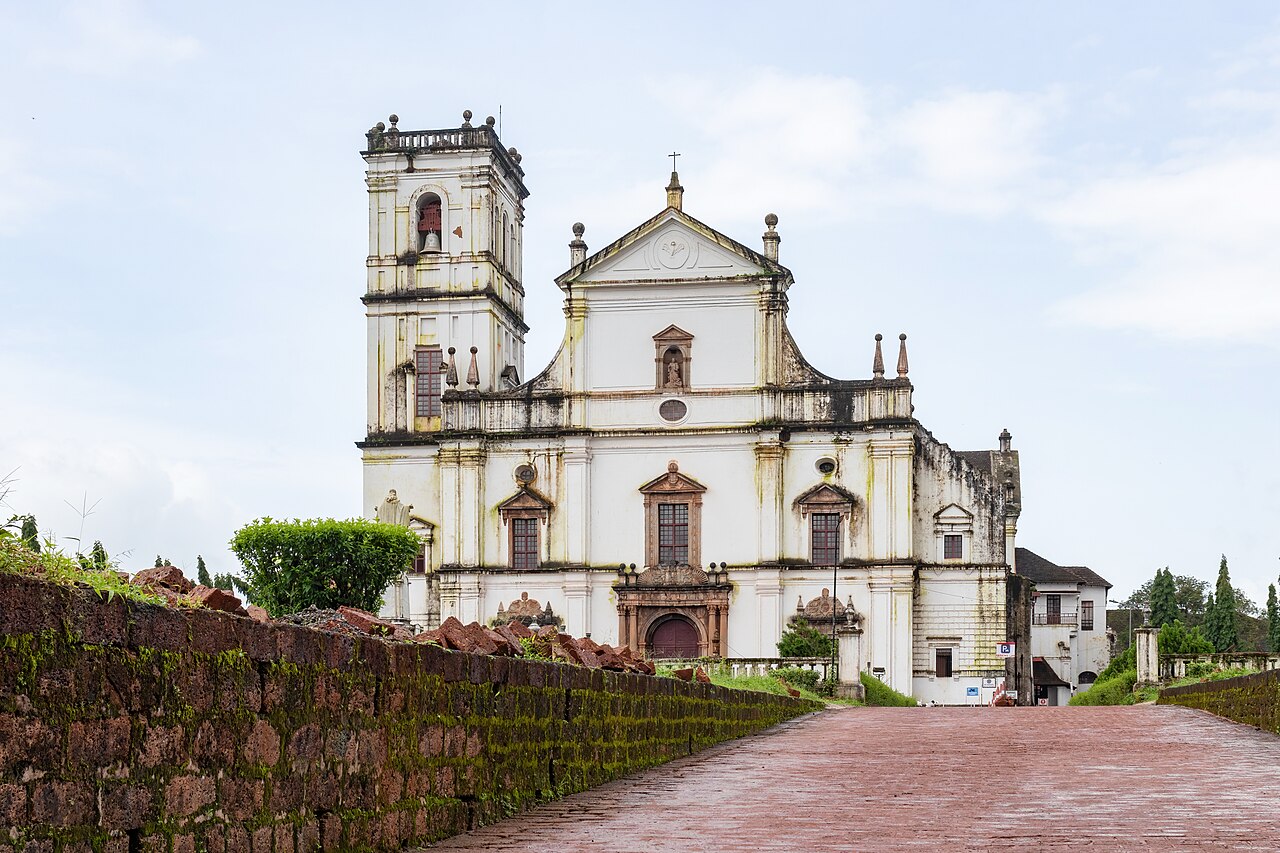 #1 in PanajiFree entry
Se Cathedral
Church · 48 km · about 150 min by road
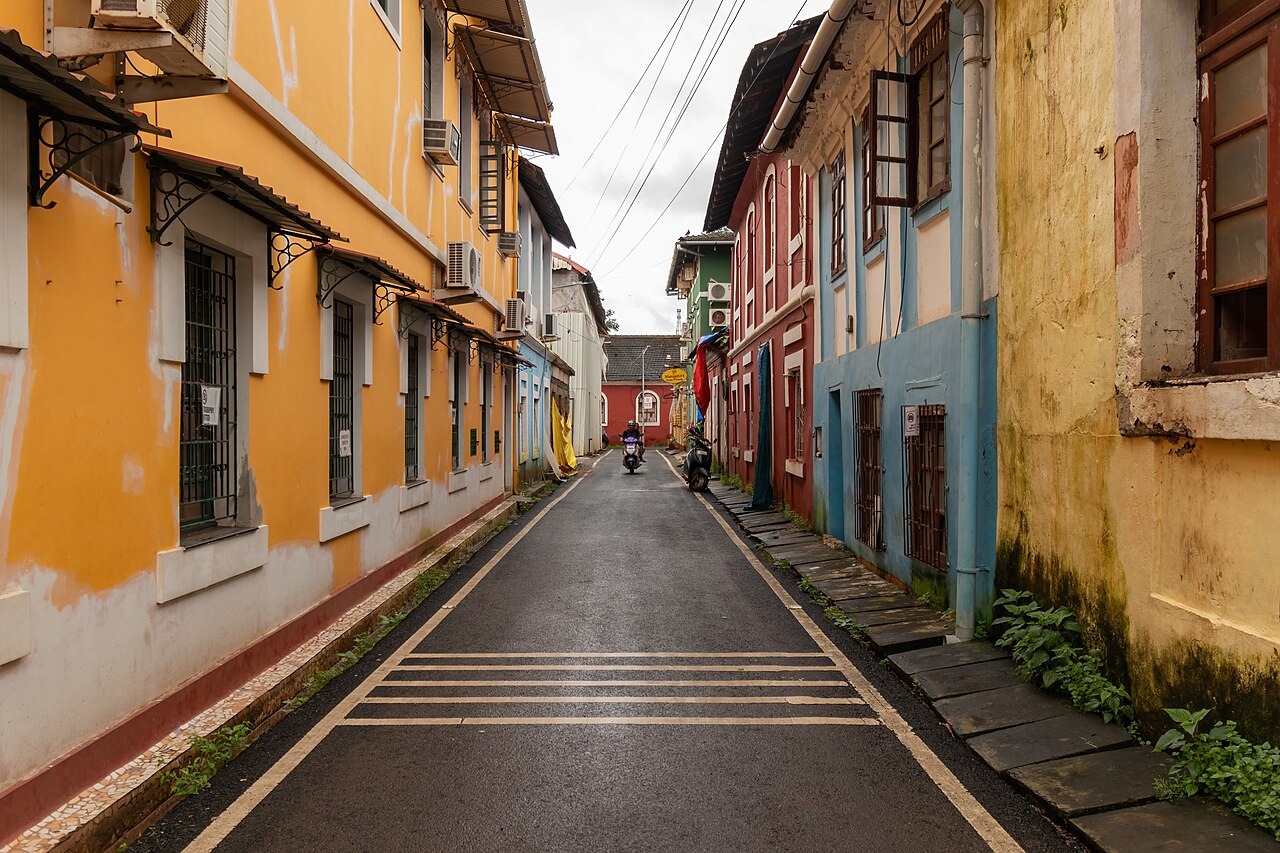 #2 in PanajiFree entry
Fontainhas
Heritage · 56 km · about 175 min by road
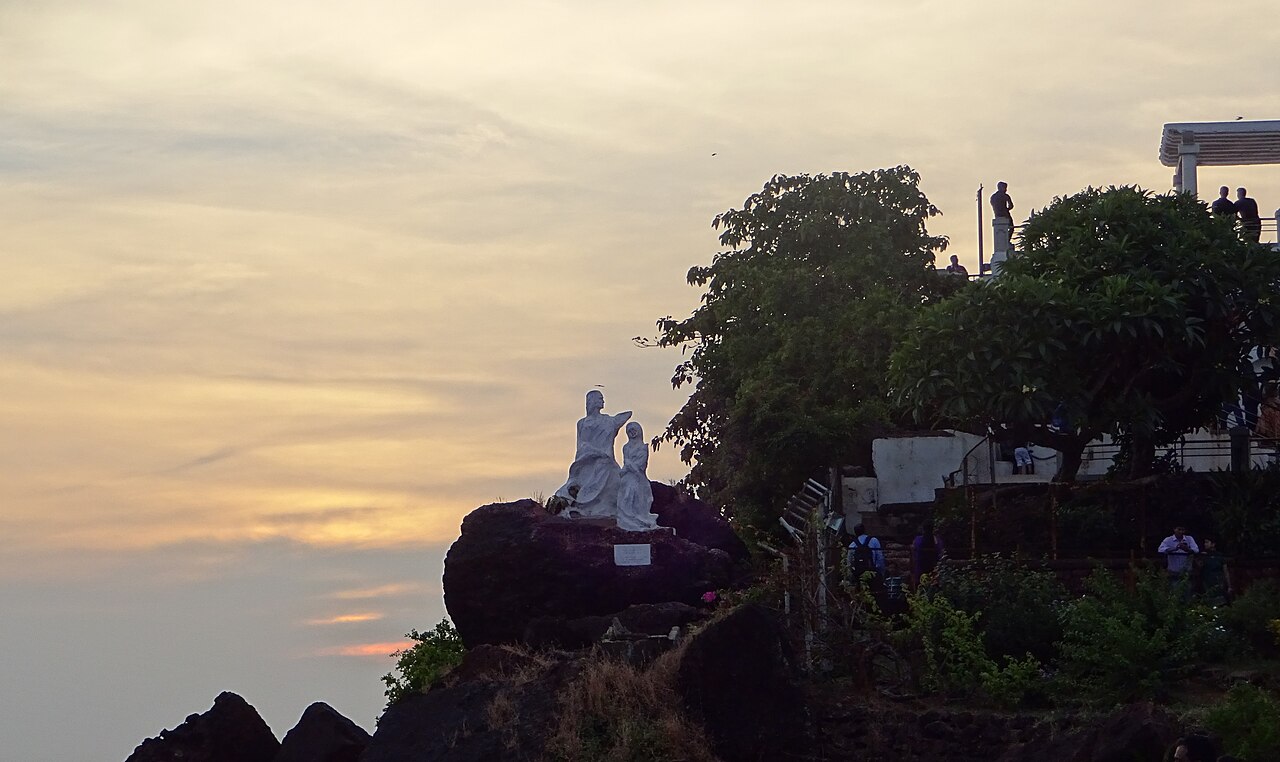 #9 in PanajiFree entry
Dona Paula Viewpoint
Beach · 57 km · about 180 min by road
 #7 in Panaji
Reis Magos Fort
Fort · 58 km · about 180 min by road