
Anjuna Flea Market
#8of 9 places to visit in PanajiPanaji, Goa
Also known as Anjuna Wednesday Market · Anjuna Beach Market
Quick answer
Opening hours: No fixed opening hours, closed Mondays, Tuesdays, Thursdays, Fridays, Saturdays and Sundays. Entry is free. Allow 2.5 hrs. Best time: 08:00 – 10:30.
Updated · Compiled by Traveliac, AI-assisted · 4 min read
- Opening hours
- No fixed hours
- Closed Mondays, Tuesdays, Thursdays, Fridays, Saturdays and Sundays
- Entry fee
- Free
- Time needed
- 2.5 hrs
- Best time of day
- 08:00 – 10:30
- Best months
- Oct – Mar
- Address
- Anjuna Beach Road, Anjuna, Bardez, Goa – 403509
About Anjuna Flea Market
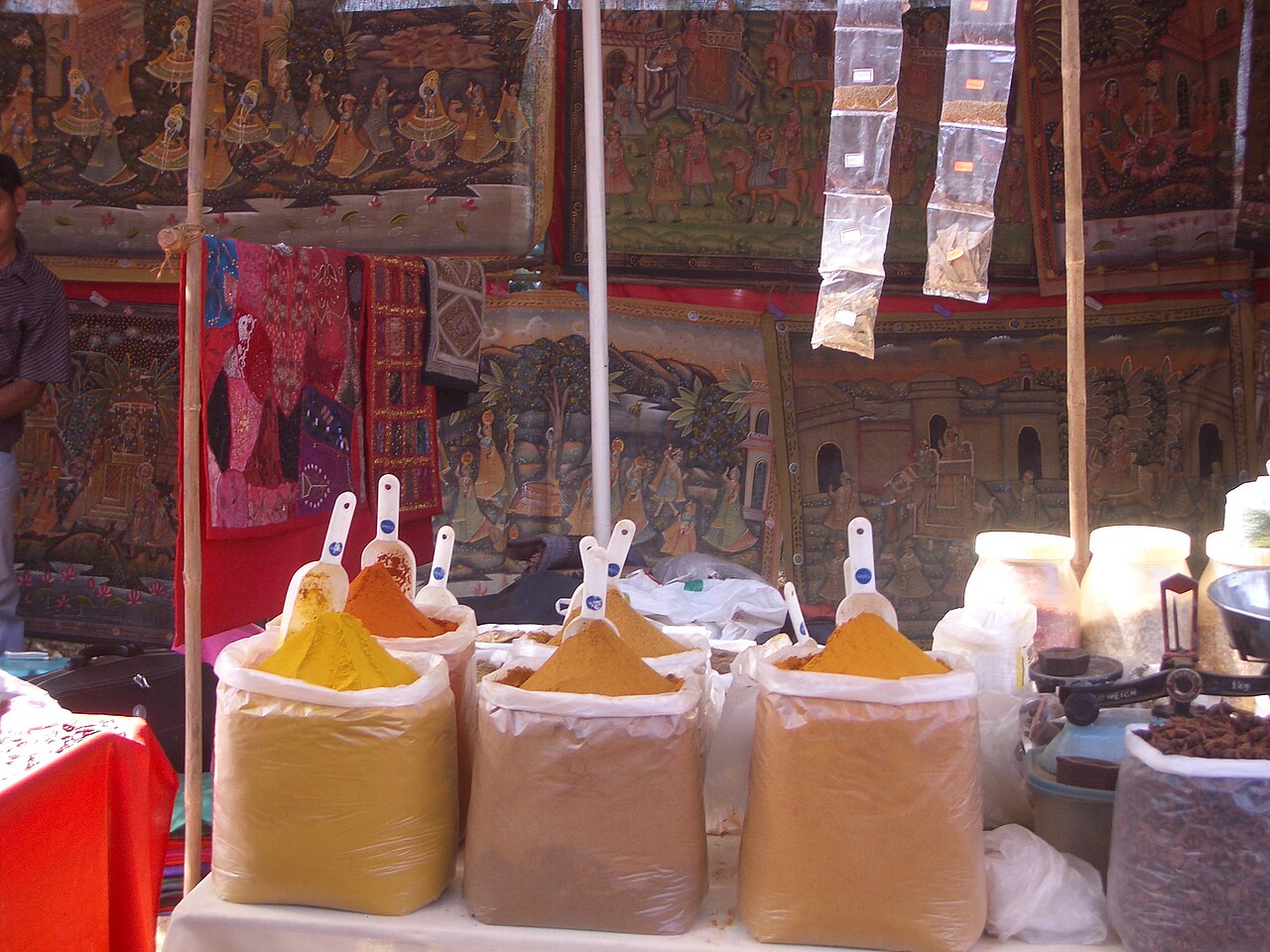
Anjuna's Wednesday market began in the late 1960s and early 1970s as a barter economy run by the long-staying foreign travellers who settled around Anjuna and Vagator during Goa's hippie era — an arrangement for selling clothing, jewellery, and possessions to fund an extended stay, conducted directly on the sand with no formal stalls. What exists today has scaled into a semi-permanent market covering several acres of beachfront and adjoining fields, with hundreds of vendors selling Kashmiri pashmina shawls, Tibetan silver and turquoise jewellery, Rajasthani leather, printed cotton clothing, and a substantial secondary layer of mass-produced tourist merchandise indistinguishable from what is sold at any Indian beach town. The market's origin as a counterculture barter space is still visible at the margins — a handful of long-term foreign residents still run stalls that predate the tourist-shopping era by decades — but the centre of gravity has shifted decisively toward a conventional, if large and atmospheric, souvenir bazaar.
Best time of day: 08:00 – 10:30. For browsing without the midday heat and before the tour-bus contingent arrives; 16:30 onward for the sunset atmosphere and live music that developed around the market's original hippie-era gatherings.
Anjuna Flea Market timings
- Opening hours
- No fixed hours
Mon–Tue Closed Wednesday No fixed hours Thu–Sun Closed - Wednesdays only, approximately 08:00 – sunset, with some stalls continuing after dark under generator lighting during peak season
- Closed on
- Monday, Tuesday, Thursday, Friday, Saturday, Sunday
Good to know: The market operates in full only during the tourist season, roughly late October through April. Coverage shrinks substantially or the market may not run at all during the monsoon months (June–September), when North Goa's beach tourism infrastructure generally scales down.
Opening hours compiled from goatourism.gov.in and public records, last updated . They change without notice — confirm before you travel. How we write these guides
Anjuna Flea Market ticket price
| Ticket | Price |
|---|---|
| Indian visitors | Free |
| Foreign visitors | Free |
| Children | Free |
| Camera | Free |
No entry fee to the market itself. Parking near the market grounds is managed informally by local operators charging ₹50-100 per vehicle for the day; this is a genuine, semi-organised charge rather than a scam, though rates are not officially posted and vary by lot.
Prices compiled from goatourism.gov.in and public records, last updated . They change without notice — confirm before you travel. How we write these guides
Best time to visit Anjuna Flea Market
- Quiet
- Moderate
- Busy
- Very busy
08:00 – 10:00
Early BrowsingBest time to go
Stalls are still setting up in places; the earliest browsers get first pick of new stock and the most patient bargaining conditions before vendors are dealing with high volume.
Quiet10:00 – 14:00
Midday Peak
Tour buses and taxi circuits from Calangute, Baga, and Candolim converge on the market. Aisles between stalls become genuinely congested and bargaining leverage decreases as vendors have plenty of other customers.
Very busy14:00 – 16:30
Afternoon Heat Lull
Crowd thins somewhat in the day's hottest hours; some vendors take a break. A reasonable window for a slower second pass through stalls of interest.
Moderate16:30 – Sunset
Evening Atmosphere
The market regains energy as temperatures drop; live music and a more festive, less transactional atmosphere develop, echoing the original hippie-era gatherings, though the shopping crowd itself is again substantial.
Busy
History of Anjuna Flea Market
Goa's countercultural arrival dates to the mid-1960s, when foreign travellers on the overland route from Europe began settling in Anjuna and neighbouring villages, drawn by cheap living costs, permissive local attitudes, and the area's relative isolation from mainstream Indian tourism infrastructure at the time. The flea market grew organically out of this community's practical need to liquidate possessions — clothing, instruments, jewellery brought from home — to fund continued stays or the journey onward, conducted informally on Anjuna beach itself with no municipal oversight.
Through the 1980s and 1990s, as Goa's tourism economy formalised and the trance-music scene that grew alongside the original hippie settlements gained international recognition, the market scaled up substantially, drawing traders from Rajasthan, Kashmir, and Tibet who recognised a captive, cash-rich foreign and domestic tourist audience. The market's Wednesday scheduling — a detail with no clear single origin story but widely attributed to an early informal agreement among the founding stallholders to concentrate trading into one predictable day — has remained fixed for decades and is now treated as a settled fact of the North Goa tourism calendar rather than an active choice.
Rules & etiquette at Anjuna Flea Market
Bargaining is the default and expected mode of transaction; initial asking prices for handicrafts and clothing commonly run at two to three times the price a firm, patient negotiation will yield. This is standard market practice rather than exploitation, and stallholders expect it.
Touts operating outside the formal stalls — offering to guide visitors to 'better' shops, drugs, or unlicensed currency exchange — are a persistent and long-documented feature of the Anjuna market environment; a firm decline without engaging in extended conversation is the most effective response, since prolonged politeness is frequently read as an opening for further pressure.
Photography of stallholders and their goods should be done with a request first, particularly for the older, long-resident foreign vendors who have dealt with decades of visitors treating them as photographic curiosities rather than people running a business. Parking attendants operate informally on the approach roads; agree the rate before leaving the vehicle rather than after returning to it.
Tips for visiting Anjuna Flea Market
- 1
Arrive before 10:00 to browse without the worst of the midday heat radiating off the sand and before the North Goa taxi-tour circuit deposits its largest crowds; the market is considerably more pleasant to navigate in the first two hours after opening.
- 2
The beachfront stretch closest to the water tends to carry the more tourist-oriented merchandise at the highest markup, while the inland rows further from the shore, run by longer-established traders, generally offer better quality and more reasonable opening prices for genuine Kashmiri and Tibetan goods — a worthwhile detour for anyone planning to make a substantial purchase rather than a casual souvenir.
- 3
Combine the visit with Anjuna's own beach, which is rockier and less developed than Calangute or Baga further south, and with Curlies or one of the neighbouring beach shacks for a lunch stop; the shacks operating during market hours are considerably busier than on non-market days and it is worth reserving a table in advance during peak season if arriving with a large group.
How to reach Anjuna Flea Market
The red star is Anjuna Flea Market; the numbered pins are the 5 nearest places in our guides, each showing its rank in its city. Tap a pin for details.
Anjuna Beach Road, Anjuna, Bardez, Goa – 403509Directions in Google Maps
From Calangute Beach
₹200–3009 km · 20–25 min
Auto
From Panaji (Kadamba Bus Terminal)
₹30–4018 km · 45–60 min
From Manohar International Airport, Mopa (GOX)
₹850–1,20026 km · 40–55 min
Nearest airport
From Manohar International Airport, Mopa (GOX)
26 km, approximately 40–55 minutes; Goa International Airport, Dabolim (GOI) – 48 km, approximately 80–100 minutes.
Nearest railway station
From Karmali Railway Station (GOA)
22 km, approximately 40 minutes; Thivim Railway Station is closer at roughly 12 km but sees far fewer long-distance trains stop.
Anjuna Flea Market FAQs
Is the Anjuna Flea Market open every day?
No, it operates only on Wednesdays, and only in full during the tourist season, roughly late October through April. Outside season and on other weekdays the grounds are largely empty of stalls.
Is bargaining expected, and by how much can prices realistically be reduced?
Yes, bargaining is the default mode of transaction. Initial asking prices for clothing and handicrafts commonly run at two to three times what a firm, patient negotiation will achieve. This is standard practice and stallholders expect it rather than take offence.
Where did the Anjuna market originate, and is that history still visible today?
It began in the late 1960s and 1970s as an informal barter market run by foreign travellers settled in Anjuna during Goa's hippie era, used to liquidate belongings for cash. A handful of long-resident foreign vendors from that era still trade at the market's margins, though the majority of stalls today are conventional tourist-facing commerce.
Is parking safe and legitimate at the Anjuna market, given the informal attendants?
Yes, informal parking management charging ₹50-100 per vehicle is a genuine, semi-organised local arrangement rather than a scam, though rates are not officially posted. Agreeing the fee before leaving the vehicle avoids any dispute on return.
Compiled with AI assistance from official sources and public records, and published only after the checks in How we write these guides. Nobody from Traveliac has visited this place. Last updated . How we rank and check places
Places to visit near Anjuna Flea Market
Straight-line distances from our map; times are estimates.
 #5 in PanajiFree entry
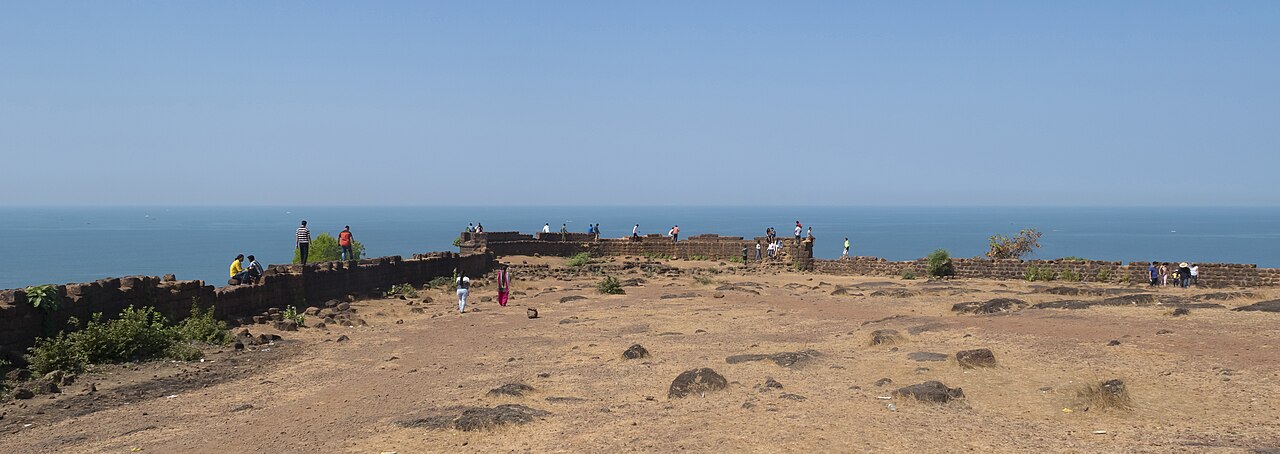
Chapora Fort
Fort · 3 km · about 10 min by road
 #6 in PanajiFree entry
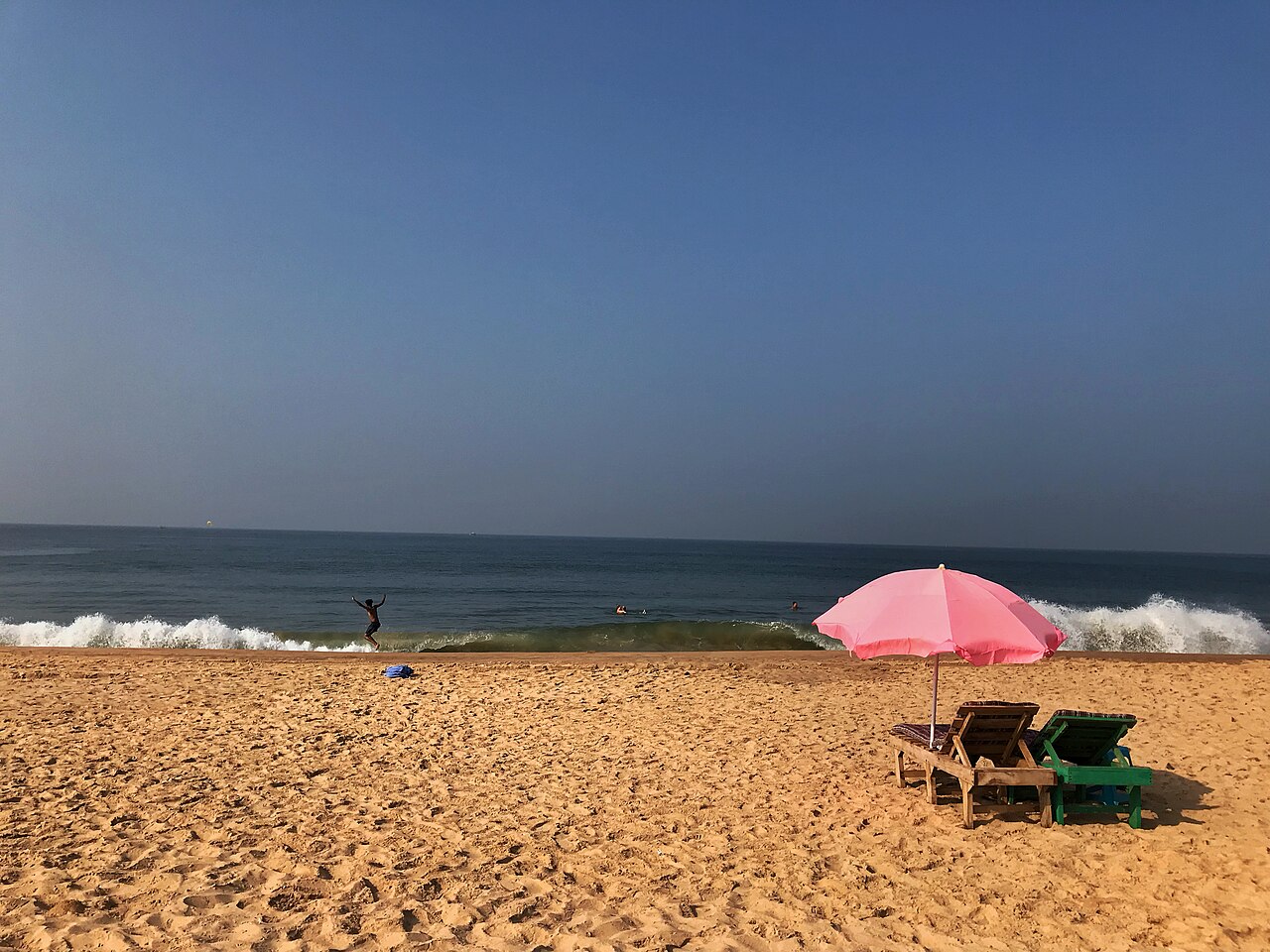
Calangute-Baga Beach Corridor
Beach · 4 km · about 15 min by road
 #3 in PanajiFree entry
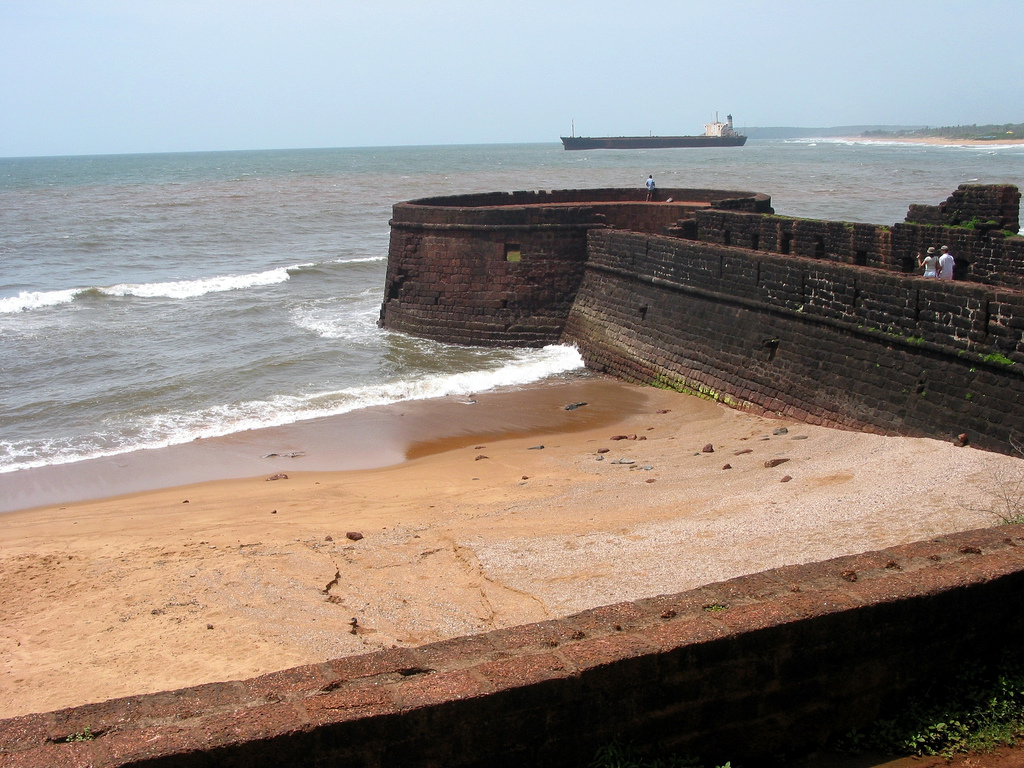
Fort Aguada
Fort · 10 km · about 30 min by road
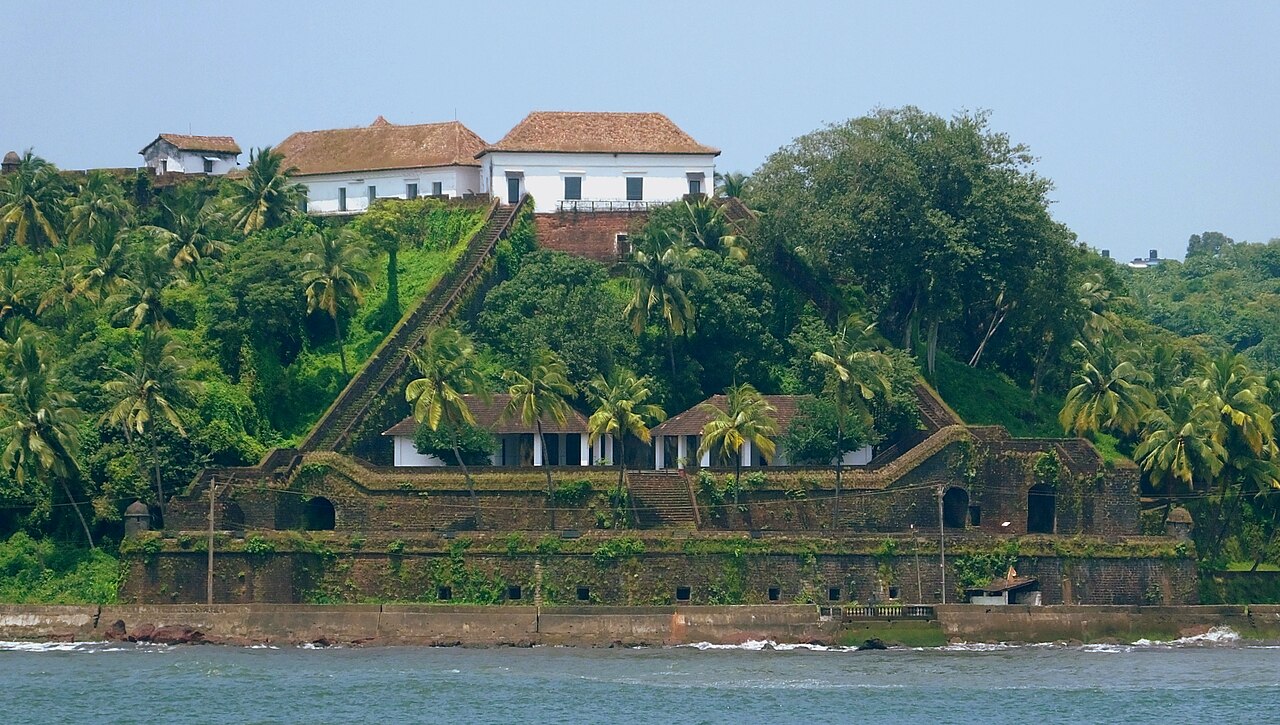 #7 in Panaji
Reis Magos Fort
Fort · 11 km · about 35 min by road