
Calangute-Baga Beach Corridor
#6of 9 places to visit in PanajiPanaji, Goa
Also known as Queen of Beaches · Calangute Beach
Quick answer
Opening hours: 08:00–23:00. Entry is free. Allow 3 hrs. Best time: 07:00 – 09:00.
Updated · Compiled by Traveliac, AI-assisted · 5 min read
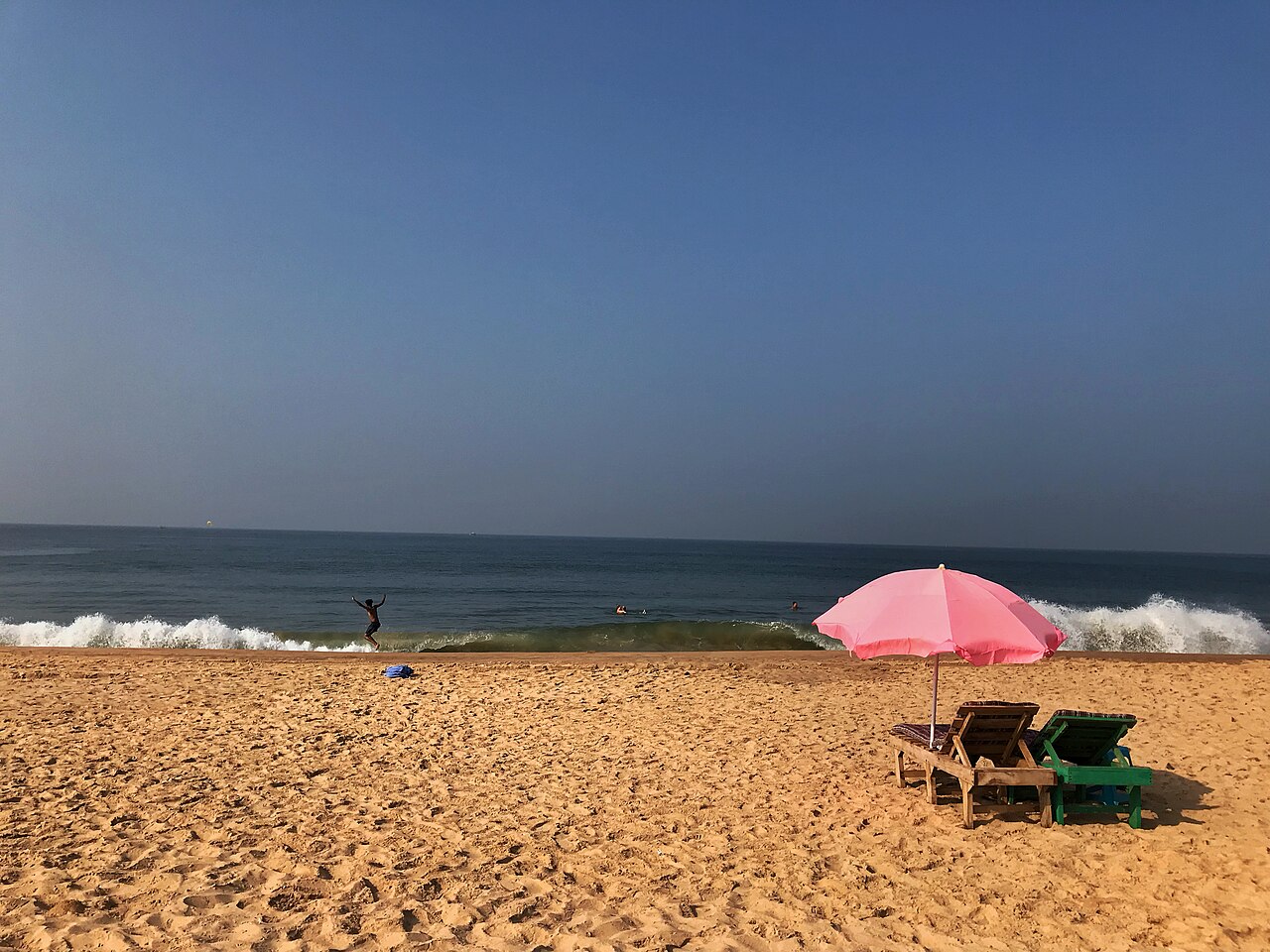
- Opening hours
- 08:00–23:00
- Beach access unrestricted, 24 hours; shacks and water-sports operators typically run 08:00 – 23:00 in season
- Entry fee
- Free
- Time needed
- 3 hrs
- Best time of day
- 07:00 – 09:00
- Best months
- Oct – Mar
- Address
- Calangute and Baga, Bardez, Goa – 403516 (contiguous coastline, roughly 2.5 km of connected beachfront)
About Calangute-Baga Beach Corridor
Calangute is the largest and most developed beach in North Goa, historically nicknamed the Queen of Beaches for its width and length rather than for any particular tranquillity — it has none, and has had none since it became the epicentre of Goa's mass-tourism economy decades ago. Baga, its immediate northern neighbour separated only by the mouth of the Baga creek, carries the corridor's concentrated nightlife, centred on the narrow strip locally known as Tito's Lane, where a dense cluster of clubs and bars has operated since the 1970s. Together the two beaches form a continuous 2.5-kilometre stretch of sand backed by an equally continuous strip of shacks, water-sports counters, souvenir stalls, and — increasingly — multi-storey resort construction that has crept closer to the high-tide line than Coastal Regulation Zone rules technically permit, an enforcement gap that periodically surfaces in Goa's local news cycle without materially changing the built environment.
Best time of day: 07:00 – 09:00. For a quiet walk along the sand before the day's crowds and vendors arrive; 18:00 onward at Baga's Tito's Lane for the nightlife the corridor is best known for.
Calangute-Baga Beach Corridor timings
Calangute-Baga Beach Corridor opens at 08:00 and closes at 23:00. Those hours hold on Saturday and Sunday too.
- Opening hours
- 08:00–23:00
Mon–Sun 08:00–23:00 - Beach access unrestricted, 24 hours; shacks and water-sports operators typically run 08:00 – 23:00 in season
- Closed on
- Open every day
Good to know: Beach shacks operate under seasonal licenses issued by the Goa government and are legally required to be dismantled during the monsoon (roughly June–September) under Coastal Regulation Zone rules; the beachfront in this period is comparatively bare of the shack infrastructure visible the rest of the year.
Opening hours compiled from goatourism.gov.in and public records, last updated . They change without notice — confirm before you travel. How we write these guides
Calangute-Baga Beach Corridor ticket price
| Ticket | Price |
|---|---|
| Indian visitors | Free |
| Foreign visitors | Free |
| Children | Free |
| Camera | Free |
Beach access itself carries no charge. Sun loungers and umbrellas placed by shacks are technically for paying customers, though enforcement is loose outside peak hours. Water-sports activities (parasailing, jet-ski, banana boat) are priced by a local operators' association and displayed on price boards near the main entry points at both beaches — treat these boards, not a roving tout's first quote, as the reference price.
Prices compiled from goatourism.gov.in and public records, last updated . They change without notice — confirm before you travel. How we write these guides
Best time to visit Calangute-Baga Beach Corridor
- Quiet
- Busy
- Very busy
07:00 – 09:00
Quiet Morning WalkBest time to go
Fishermen bringing in the night's catch and a small number of early joggers and swimmers. Shacks are largely still closed or setting up.
Quiet09:00 – 17:00
Daytime Beach Peak
Sun loungers fill, water-sports operators run continuous sessions, and both beaches reach maximum daytime density, particularly December through February.
Very busy17:00 – 19:00
Sunset Transition
Daytime crowd thins as beach-goers head to shacks for sunset drinks; Baga's Tito's Lane venues begin preparing for the evening ahead.
Busy20:00 – 02:00
Tito's Lane Nightlife
Baga's club and bar strip reaches its defining peak. Calangute's own nightlife is markedly quieter by comparison, concentrated in shack-adjacent bars rather than dedicated clubs.
Very busy
History of Calangute-Baga Beach Corridor
Calangute's transformation began with the same 1960s and 1970s hippie-era arrival that shaped Anjuna, though Calangute's easier access and broader beach made it the first Goan beach to attract organised, packaged tourism rather than remaining a long-stay backpacker enclave. Charter flights from the United Kingdom and continental Europe began arriving in volume through the 1980s, and the beach's proximity to Panaji — roughly 30 minutes by road — made it the default coastal base for a generation of package tourists whose numbers Goa's beach infrastructure was never originally designed to absorb.
Baga's Tito's Lane developed its nightlife identity somewhat separately, anchored by Tito's nightclub, which opened in 1971 and became one of the most recognised names in Indian nightlife, credited by many accounts with popularising the Western-style beach club format that subsequently spread along much of the Goan coast. The lane surrounding it grew into a dense concentration of competing venues through the 1990s and 2000s, cementing Baga's reputation as the corridor's entertainment district as distinct from Calangute's broader, more family-oriented daytime beach economy.
The two beaches' shared administrative and infrastructural pressure — traffic, waste management, and unlicensed construction — has been a recurring subject of Goa government intervention over decades, including periodic drives to remove illegal permanent structures encroaching on the no-development zone closest to the shoreline, with mixed and largely temporary results.
Rules & etiquette at Calangute-Baga Beach Corridor
Parking congestion on the roads feeding both beaches, particularly Baga's main approach lane, is a genuine and long-standing problem rather than an exaggeration — expect to circle for a parking spot for 15-20 minutes on weekends and through the December-January peak, and budget the time accordingly rather than assuming beachfront parking will be immediately available.
Water-sports operators are organised into a licensed association with posted price boards near the main beach entrances; agree the exact activity, duration, and price against this board before boarding a jet-ski or parasail rig, since informal add-on charges are a recurring complaint from first-time visitors who negotiated verbally rather than against the posted rate.
Goa's alcohol excise structure makes beer and spirits considerably cheaper here than in most of India, and beach shacks serve alcohol under license without the restrictive hours common elsewhere in the country — this liberal norm is real, but it does not extend to public intoxication disturbances, which local police do act on, particularly around Tito's Lane on weekend nights. Swimming beyond the marked lifeguard flags is discouraged; Baga and Calangute both have documented rip-current incidents, and lifeguard coverage, while present, is not continuous across the full stretch.
Tips for visiting Calangute-Baga Beach Corridor
- 1
The two beaches serve genuinely different purposes within the same visit: Calangute for daytime beach time, shopping along Calangute's main market road, and a broader spread of shacks with less aggressive late-night noise; Baga specifically for the Tito's Lane nightlife circuit after dark. Treating them as a single undifferentiated stretch, as many first-time visitors do, undersells the actual variety on offer across the corridor.
- 2
Early morning, before 08:30, remains the one reliable window for experiencing the beach itself without the shack-and-vendor density that defines the rest of the day — a genuinely different, quieter version of Calangute exists for early risers that the corridor's reputation does not suggest.
- 3
Baga creek, at the boundary between the two beaches, is a working fishing-boat mooring point as much as a tourist landmark, and the boats drawn up along its bank offer a useful, less commercialised counterpoint to the beach shacks a few hundred metres in either direction. St. Alex Church, a short walk inland from Calangute's main beach road, is a working parish church worth a brief detour for its more restrained, less crowded Goan-Portuguese architecture.
How to reach Calangute-Baga Beach Corridor
The red star is Calangute-Baga Beach Corridor; the numbered pins are the 6 nearest places in our guides, each showing its rank in its city. Tap a pin for details.
Calangute and Baga, Bardez, Goa – 403516 (contiguous coastline, roughly 2.5 km of connected beachfront)Directions in Google Maps
From Panaji (Kadamba Bus Terminal)
₹25–3516 km · 35–45 min
From Calangute Beach
₹80–1202.5 km · 10 min (auto); 30 min (walk along the sand)
Auto
From Manohar International Airport, Mopa (GOX)
₹1,000–1,40032 km · 50–65 min
Nearest airport
From Manohar International Airport, Mopa (GOX)
32 km, approximately 50–65 minutes; Goa International Airport, Dabolim (GOI) – 42 km, approximately 70–90 minutes.
Nearest railway station
From Karmali Railway Station (GOA)
17 km, approximately 35 minutes; Thivim Railway Station is closer at roughly 15 km but has fewer long-distance train stops.
Calangute-Baga Beach Corridor FAQs
What is the practical difference between Calangute and Baga beaches?
Calangute is broader and more oriented toward daytime family beach tourism and shopping along its main market road. Baga, its immediate northern neighbour, carries the corridor's concentrated nightlife, centred on Tito's Lane, a dense strip of bars and clubs active since the 1970s.
Is parking difficult at Calangute and Baga beaches?
Yes, this is a genuine and long-standing issue rather than an exaggeration. Expect to spend 15-20 minutes finding a parking spot on weekends and during the December-January peak season, particularly on Baga's narrow main approach lane.
How should water-sports prices be negotiated at these beaches?
Licensed operators post fixed price boards near the main beach entrances. Agree the exact activity, duration, and total price against this posted board before boarding any jet-ski, parasail, or banana-boat ride, since verbally negotiated deals are a common source of disputed add-on charges afterward.
Are the beaches safe for swimming?
Lifeguard coverage exists but is not continuous across the full stretch, and both beaches have documented rip-current incidents. Swimming within the marked lifeguard flag zones is advisable, and venturing beyond them, particularly outside of designated hours, carries real risk.
Compiled with AI assistance from official sources and public records, and published only after the checks in How we write these guides. Nobody from Traveliac has visited this place. Last updated . How we rank and check places
Places to visit near Calangute-Baga Beach Corridor
Straight-line distances from our map; times are estimates.
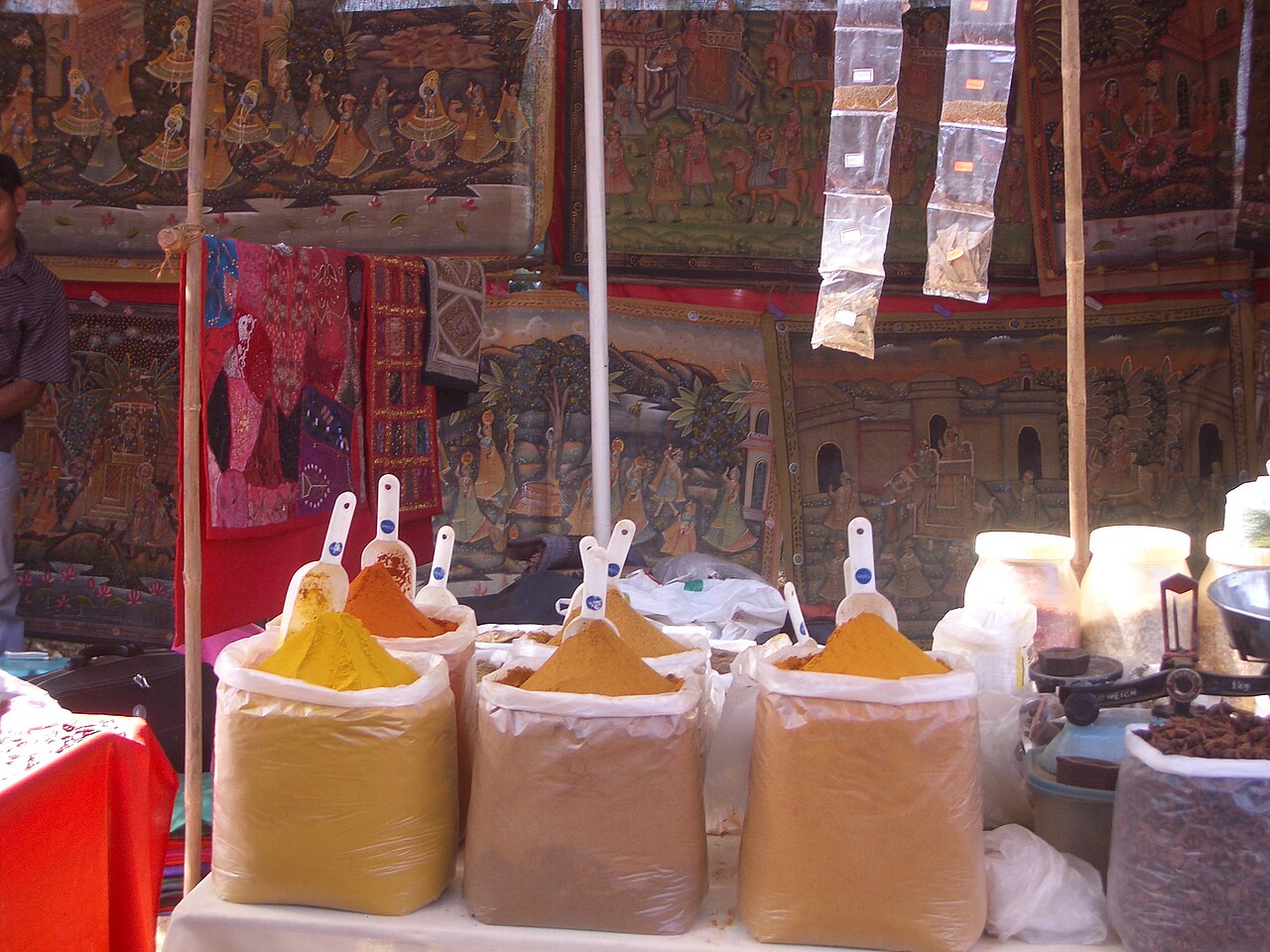 #8 in PanajiFree entry
Anjuna Flea Market
Market · 4 km · about 15 min by road
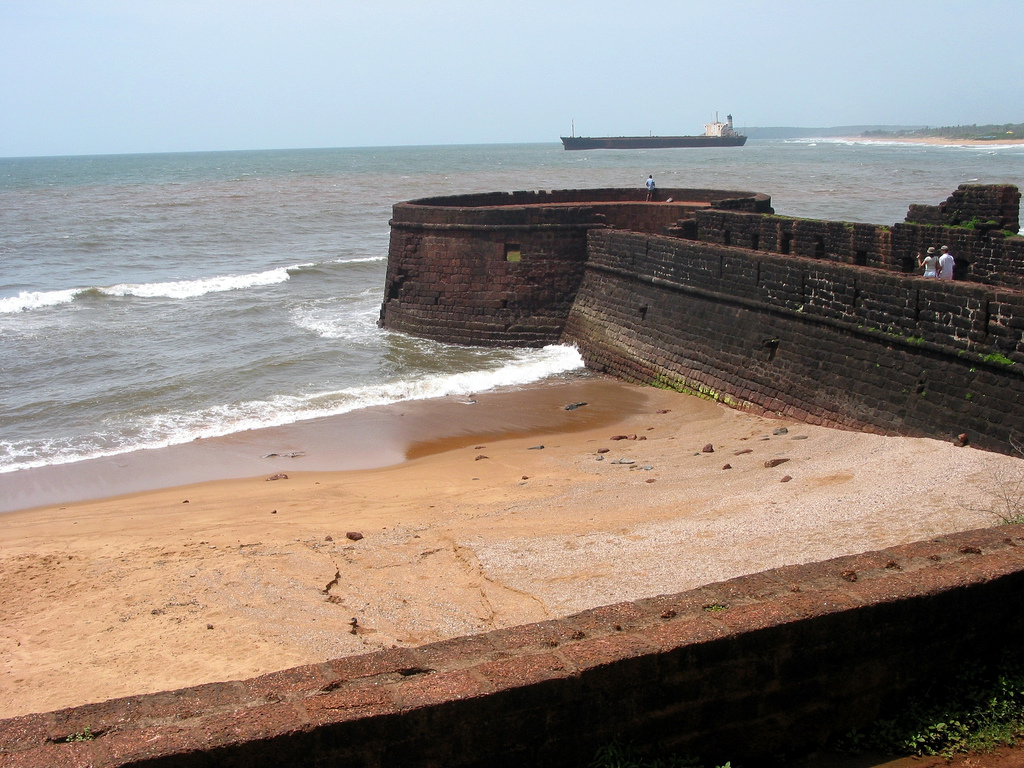 #3 in PanajiFree entry
Fort Aguada
Fort · 6 km · about 20 min by road
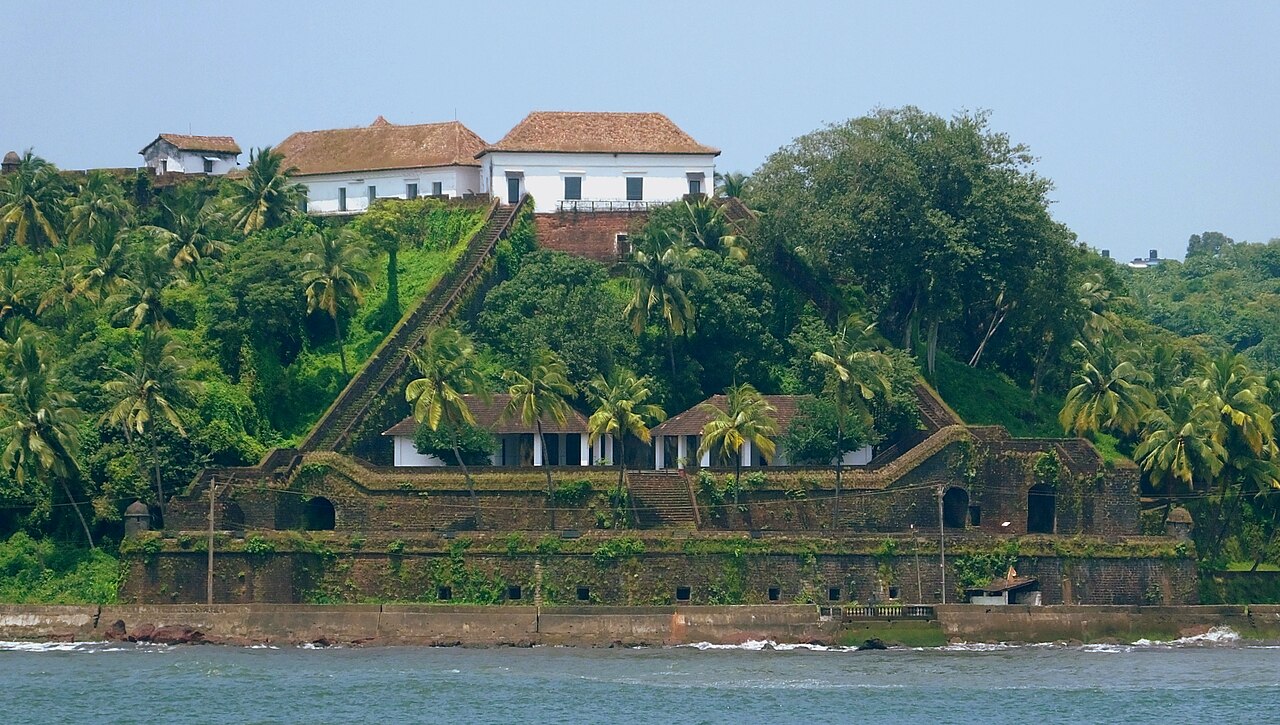 #7 in Panaji
Reis Magos Fort
Fort · 7 km · about 25 min by road
 #5 in PanajiFree entry
Chapora Fort
Fort · 8 km · about 25 min by road