
Reis Magos Fort
#7of 9 places to visit in PanajiPanaji, Goa
Also known as Reis Magos Fortress · Fort of the Three Wise Kings
Quick answer
Opening hours: 09:30–18:00, closed Mondays. Entry: ₹25. Allow 1.5 hrs. Best time: 10:00 – 12:00 or 16:30 – 17:45.
Updated · Compiled by Traveliac, AI-assisted · 4 min read
- Opening hours
- 09:30–18:00
- Closed Mondays
- Entry fee
- ₹25
- Ticket from
- Time needed
- 1.5 hrs
- Best time of day
- 10:00 – 12:00 or 16:30 – 17:45
- Best months
- Oct – Mar
- Address
- Reis Magos, Verem, Bardez, Goa – 403114, on the north bank of the Mandovi River opposite Panaji
About Reis Magos Fort
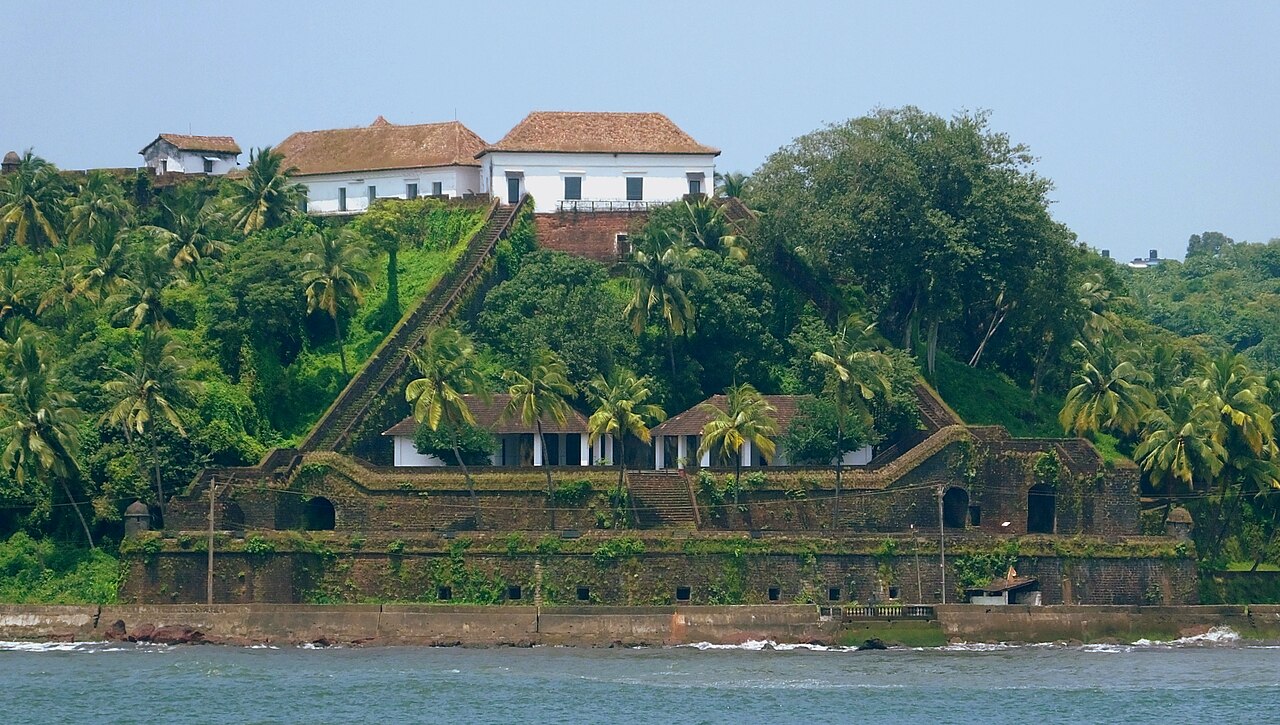
Reis Magos Fort, built in 1551, predates Fort Aguada by more than sixty years and is the oldest surviving Portuguese fortification in Goa, occupying a low hill on the Mandovi's northern bank directly across the water from Panaji — a position chosen precisely because it let the fort's guns cover the river approach to the then-capital at Old Goa in tandem with any vessel already past the river mouth. What distinguishes a present-day visit from most of Goa's other ruined coastal forts is that Reis Magos is not a ruin at all: a substantial 2008-2012 restoration returned the laterite ramparts, internal chambers, and the fort's water cistern to a maintained, weatherproofed condition, and the interior now houses a permanent art gallery, including the most significant public exhibition space in Goa dedicated to Mario Miranda, the Goan cartoonist whose ink-and-watercolour depictions of Goan village life remain the most widely reproduced visual shorthand for the state's culture in Indian print media.
Best time of day: 10:00 – 12:00 or 16:30 – 17:45. For the gallery interior in relative quiet; 16:30 – 17:45 for the ramparts and the view across the Mandovi to Panaji at golden hour.
Reis Magos Fort timings
Reis Magos Fort opens at 09:30 and closes at 18:00. It keeps the same hours on Saturday and Sunday.
- Opening hours
- 09:30–18:00
Monday Closed Tue–Sun 09:30–18:00 - Closed on
- Monday
Opening hours compiled from goatourism.gov.in and public records, last updated . They change without notice — confirm before you travel. How we write these guides
Reis Magos Fort ticket price
| Ticket | Price |
|---|---|
| Indian visitors | ₹25 |
| Foreign visitors | ₹25 |
| Children | ₹10 |
| Camera | Free |
The nominal entry fee covers the restored fort grounds, ramparts, and the permanent art gallery inside, which includes a dedicated exhibition of work by the Goan cartoonist Mario Miranda. Photography is permitted throughout without an additional charge.
Prices compiled from goatourism.gov.in and public records, last updated . They change without notice — confirm before you travel. How we write these guides
Best time to visit Reis Magos Fort
- Quiet
- Moderate
09:30 – 11:30
Morning OpeningBest time to go
The gallery and ramparts see minimal footfall immediately after opening; a comfortable, unhurried pace through the Mario Miranda exhibition is easiest in this window.
Quiet11:30 – 14:30
Midday Steady
A modest increase in visitors, largely independent travellers rather than tour groups, given the fort's lower profile compared to Fort Aguada. Never approaches genuinely crowded conditions.
Moderate14:30 – 16:30
Afternoon Lull
Visitor numbers dip through the hottest part of the afternoon; the fort's thick laterite walls keep the gallery interior noticeably cooler than the exposed ramparts outside.
Quiet16:30 – 18:00
Late Afternoon Light
The best window for photography of the Mandovi and Panaji skyline from the ramparts, drawing a modest increase in visitors before the 18:00 closing time.
Moderate
History of Reis Magos Fort
The Portuguese built the fort in 1551, within four decades of Afonso de Albuquerque's 1510 capture of Goa, making it a first-generation defensive structure from the earliest phase of Portuguese consolidation on the Mandovi. Its position on the river's northern bank, directly opposite the seat of colonial power, gave it a dual function — defending against seaborne attack and, in later centuries, serving domestic security purposes for the colonial administration, including a period of use as a detention facility, a role it shared in kind, though at a smaller scale, with Fort Aguada's later prison function.
The adjoining Reis Magos Church, built in 1555 and renovated in 1707, gives the fort its name — Reis Magos translates to the Three Wise Kings, or Magi, and the church's dedication to the Epiphany story is marked each January with a Feast of the Three Kings procession that remains one of the more distinctive Goan Catholic festivals still actively observed in the surrounding village.
The fort fell into disrepair through the twentieth century, its structural condition deteriorating to the point of significant risk to visitors, before a major restoration project, carried out between 2008 and 2012 under the Goa state government with support from private philanthropic funding, stabilised the ramparts and converted the interior chambers into the gallery and cultural space that exists today — a rare instance among Goa's forts of a full restoration to public-use condition rather than a preserved or unmanaged ruin.
Rules & etiquette at Reis Magos Fort
The fort keeps fixed museum-style hours, including a Monday closure common to most Indian heritage galleries, unlike Chapora Fort's unrestricted access or Fort Aguada's dawn-to-dusk plateau — plan the visit day accordingly, since arriving on a Monday means a wasted trip to the gate.
The Mario Miranda gallery rooms request no-flash photography to protect the original artwork on display; this is enforced more actively here than the general no-flash norms at some of Goa's larger heritage sites, given the relatively intimate gallery scale.
The adjoining Reis Magos Church, still an active parish, follows the same dress-code expectations as Goa's other working Catholic churches — shoulders and knees covered — though it is a separate building from the fort itself and not covered by the fort's entry ticket.
Tips for visiting Reis Magos Fort
- 1
Reis Magos rewards visitors specifically because it receives a fraction of the footfall of Fort Aguada or the Old Goa church complex despite comparable or greater historical significance as the state's oldest fort — the restoration investment has not yet translated into the same tourist volume, making it one of the more genuinely uncrowded heritage sites within easy reach of Panaji.
- 2
The view across the Mandovi to Panaji's skyline, including the Idalcao Palace (the Goa Secretariat building) and the Panaji Church on its hilltop, is a materially different angle on the capital than any viewpoint within Panaji itself offers, since it is the only vantage point that shows the city's waterfront profile as a whole rather than from within its own streets.
- 3
Combine the visit with the Reis Magos ferry crossing, a short passenger-and-two-wheeler ferry connecting Verem to Panaji's Betim side, which is a more atmospheric and considerably cheaper approach than driving the road-bridge route via Porvorim, though it runs on its own schedule and is not suited to visitors on a tight timetable.
How to reach Reis Magos Fort
The red star is Reis Magos Fort; the numbered pins are the 7 nearest places in our guides, each showing its rank in its city. Tap a pin for details.
Reis Magos, Verem, Bardez, Goa – 403114, on the north bank of the Mandovi River opposite PanajiDirections in Google Maps
From Panaji
₹5–105 km · 20 min (including ferry wait)
Foot passenger); free for pedestrians on some ferry routes, nominal for two-wheelers
From Panaji
₹200–28010 km · 20–25 min
From Goa International Airport, Dabolim (GOI)
₹850–1,15031 km · 55–70 min
Nearest airport
From Goa International Airport, Dabolim (GOI)
31 km, approximately 55–70 minutes; Manohar International Airport, Mopa (GOX) – 34 km, approximately 55–65 minutes.
Nearest railway station
From Karmali Railway Station (GOA)
14 km, approximately 25–30 minutes.
Reis Magos Fort FAQs
Is Reis Magos Fort older than Fort Aguada?
Yes, Reis Magos Fort was built in 1551, more than sixty years before Fort Aguada's 1612 construction, making it the oldest surviving Portuguese fortification in Goa.
What can visitors see inside Reis Magos Fort today?
Following a 2008-2012 restoration, the fort's interior chambers house a permanent art gallery, including a dedicated exhibition of work by the Goan cartoonist Mario Miranda, along with restored ramparts and a water cistern open for walking.
Is Reis Magos Fort closed on any particular day?
Yes, it is closed on Mondays, following the common closure pattern of Indian heritage galleries and museums, unlike unmanaged sites such as Chapora Fort which have no fixed hours at all.
Can visitors reach Reis Magos Fort by ferry from Panaji instead of driving?
Yes, a passenger ferry connects Panaji's Betim side to Verem near the fort, offering a cheaper and more atmospheric crossing than the road route via the Mandovi Bridge and Porvorim, though it runs on its own schedule rather than continuously.
Compiled with AI assistance from official sources and public records, and published only after the checks in How we write these guides. Nobody from Traveliac has visited this place. Last updated . How we rank and check places
Places to visit near Reis Magos Fort
Straight-line distances from our map; times are estimates.
 #2 in PanajiFree entry
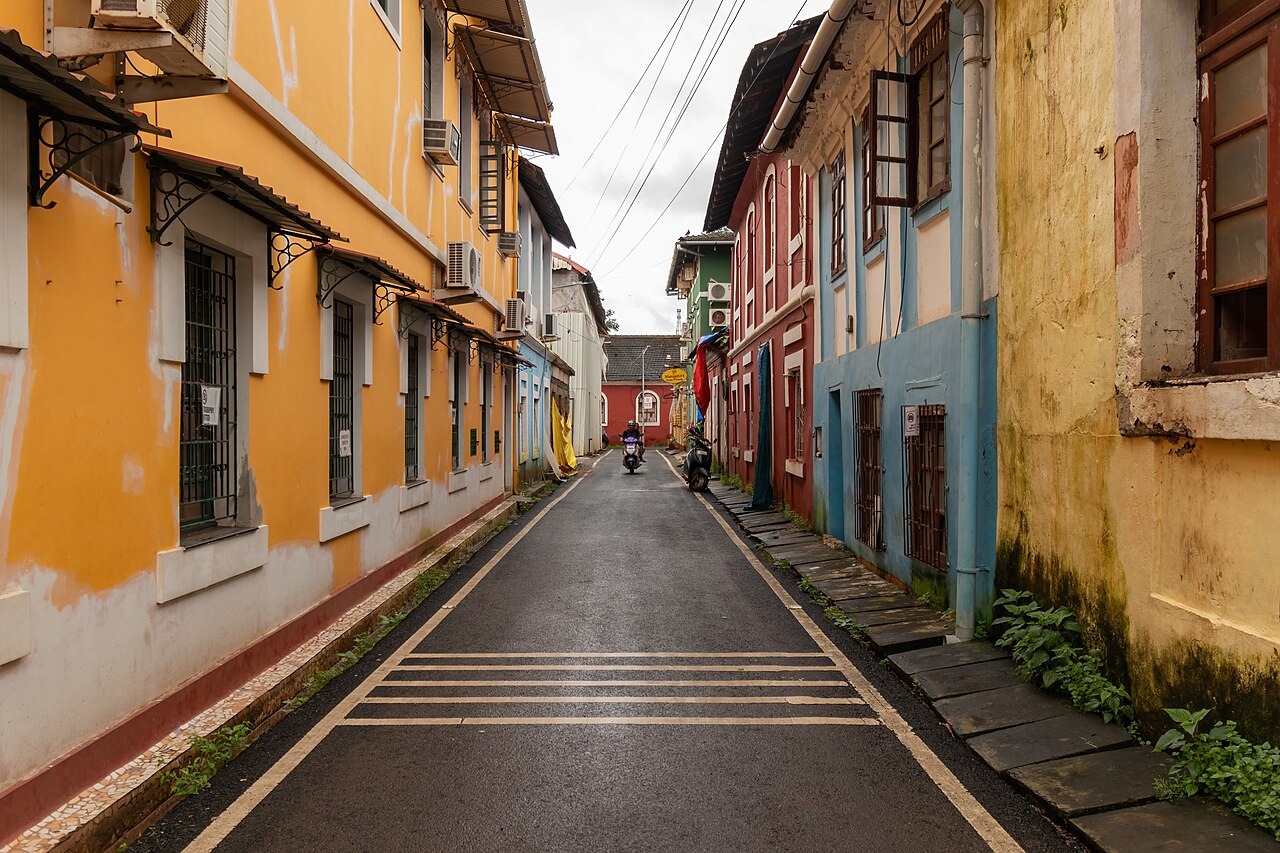
Fontainhas
Heritage · 2.4 km · about 39 min walk
 #3 in PanajiFree entry
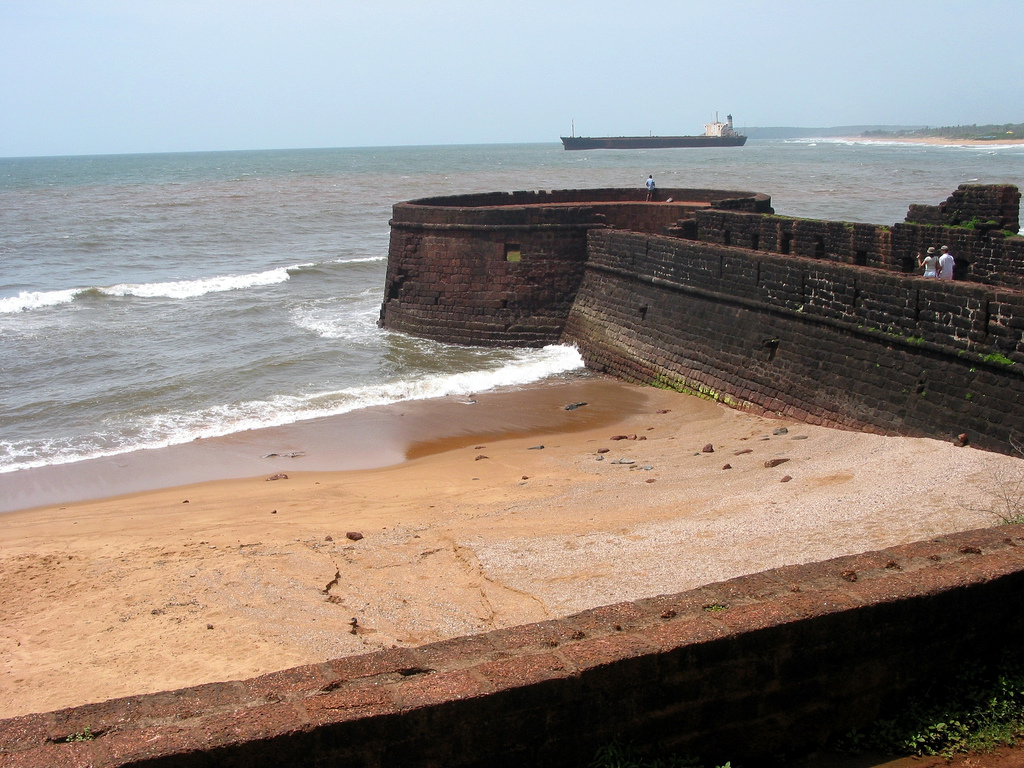
Fort Aguada
Fort · 5 km · about 15 min by road
 #9 in PanajiFree entry
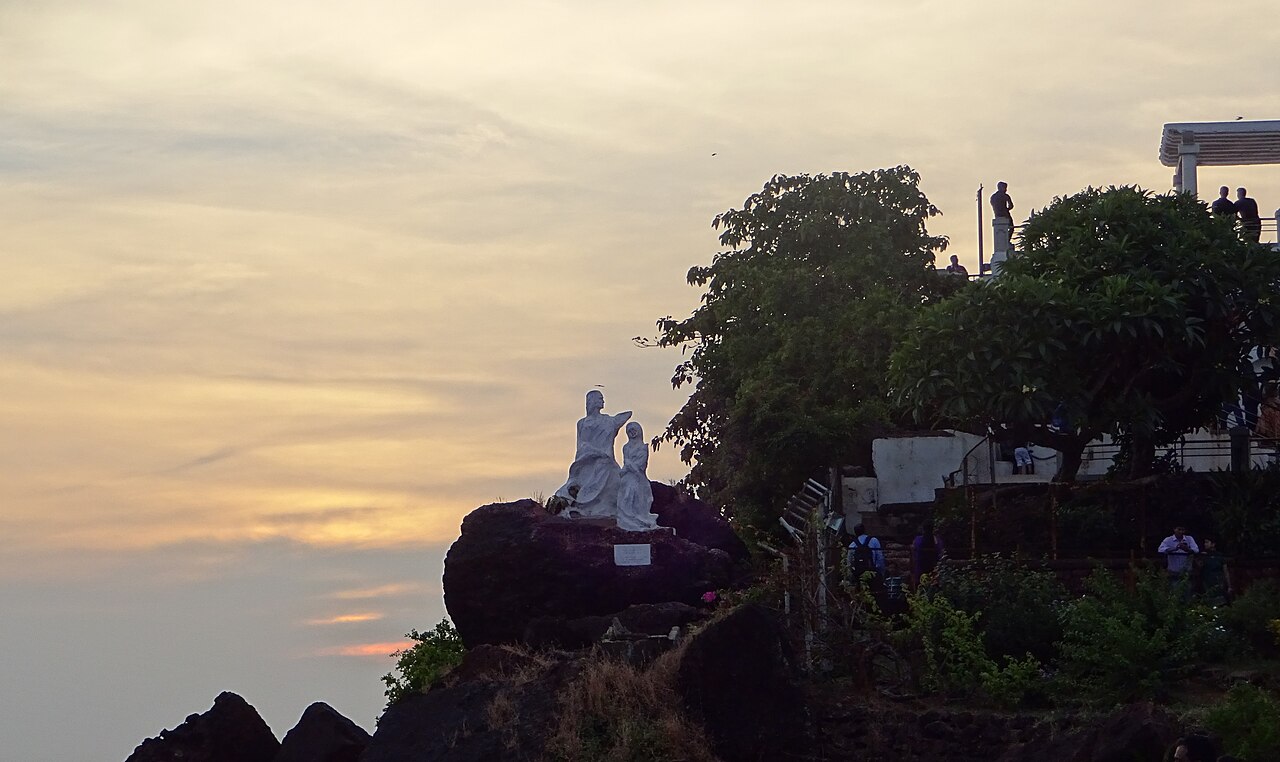
Dona Paula Viewpoint
Beach · 5 km · about 15 min by road
 #6 in PanajiFree entry
Calangute-Baga Beach Corridor
Beach · 7 km · about 25 min by road