
Fort Aguada
#3of 9 places to visit in PanajiPanaji, Goa
Also known as Aguada Fort · Sinquerim Fort
Quick answer
Opening hours: 08:30–18:00. Entry is free. Allow 1.5 hrs. Best time: 16:30 – 18:00 or 08:30–10:00.
Updated · Compiled by Traveliac, AI-assisted · 5 min read
- Opening hours
- 08:30–18:00
- Entry fee
- Free
- Time needed
- 1.5 hrs
- Best time of day
- 16:30 – 18:00 or 08:30–10:00
- Best months
- Oct – Mar
- Address
- Fort Aguada Road, Sinquerim, Candolim, Bardez, Goa – 403515
About Fort Aguada
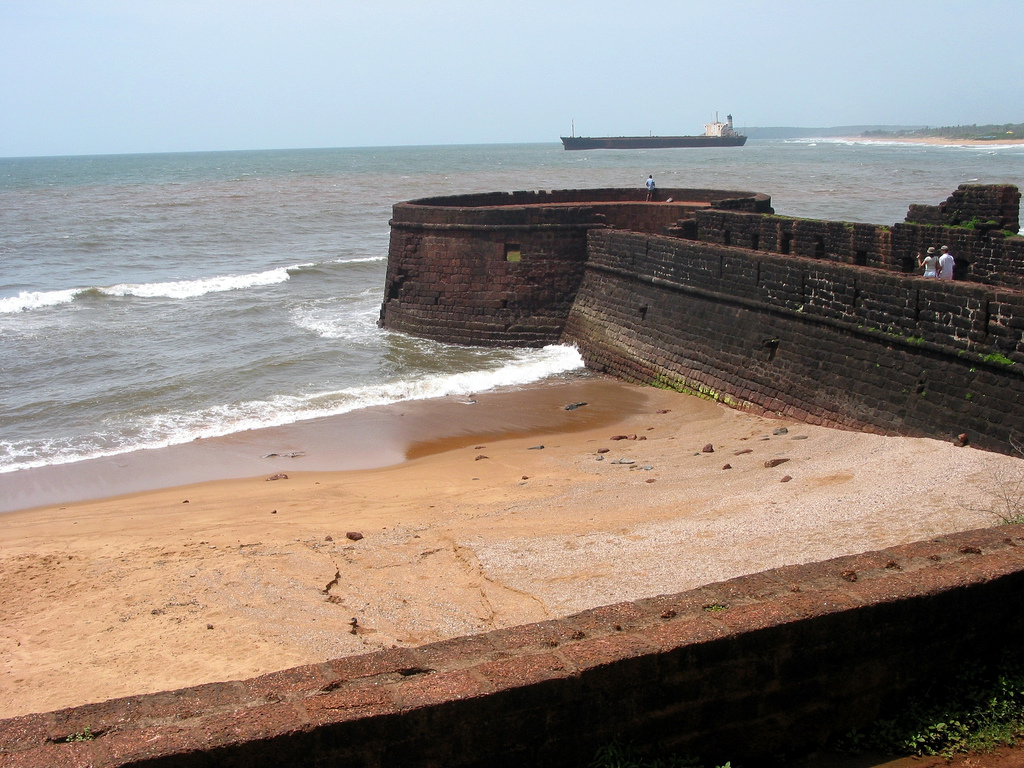
Fort Aguada sits on the laterite headland where the Mandovi River meets the Arabian Sea, and its 1612 construction date makes it the best-preserved of Goa's coastal defences — a distinction owed largely to the fact that a working prison still occupies part of its footprint, which has kept demolition and resort encroachment off roughly a third of the original perimeter. The fort walls are cut from local laterite, the reddish, porous volcanic-weathered stone that hardens on exposure to air, quarried within a few kilometres of the site. The name comes from the Portuguese água — water — a reference to the freshwater spring inside the fort that supplied passing ships and made Aguada a mandatory replenishment stop on the Lisbon-Goa sailing route for over two centuries. Two separate lighthouse structures stand on the plateau. The older, a squat four-storey stepped tower built in 1864, is the oldest lighthouse in Asia still standing, though it was decommissioned in 1976 in favour of a taller cylindrical replacement built 100 metres away. The bell that once hung in the old lighthouse — cast in 1652 and salvaged from the ruined Church of St. Augustine in Old Goa — was relocated decades ago and now hangs in the Goa Secretariat building in Panaji, a detail most visitors never learn on-site.
Best time of day: 16:30 – 18:00 or 08:30–10:00. For the sunset over the Arabian Sea from the upper bastion; early morning 08:30–10:00 for cooler walking conditions and empty ramparts.
Fort Aguada timings
Fort Aguada opens at 08:30 and closes at 18:00. It keeps the same hours on Saturday and Sunday.
- Opening hours
- 08:30–18:00
Mon–Sun 08:30–18:00 - Closed on
- Open every day
Opening hours compiled from goatourism.gov.in and public records, last updated . They change without notice — confirm before you travel. How we write these guides
Fort Aguada ticket price
| Ticket | Price |
|---|---|
| Indian visitors | Free |
| Foreign visitors | Free |
| Children | Free |
| Camera | Free |
The upper fort plateau, bastions, and the 1864 lighthouse exterior are open access with no ticket counter. The four-storey lighthouse tower itself is occasionally closed to interior climbing for maintenance — check with the Goa Tourism kiosk at the entrance. There is no fee for the cistern and lower fort area near Sinquerim beach either, though large sections there are fenced off.
Prices compiled from goatourism.gov.in and public records, last updated . They change without notice — confirm before you travel. How we write these guides
Best time to visit Fort Aguada
- Quiet
- Moderate
- Busy
08:30 – 10:30
Morning QuietBest time to go
Cooler temperatures and near-empty ramparts. Local joggers and a handful of independent travellers. Best window for unobstructed photography of the old lighthouse.
Quiet10:30 – 15:00
Midday Tour Traffic
North Goa taxi and rental-scooter circuits bring a steady stream of day visitors combining the fort with Candolim and Calangute beaches. Parking lot fills; laterite plateau offers minimal shade.
Moderate15:00 – 17:00
Afternoon Lull
A dip before the sunset rush. Comfortable temperatures return and the bastion walkways are walkable without crowd negotiation.
Quiet17:00 – 18:00
Sunset Peak
The single busiest hour, concentrated on the western bastion facing the sea. Photographers, couples, and tour groups converge; space along the wall parapet becomes contested.
Busy
History of Fort Aguada
The Portuguese built Fort Aguada in 1612, primarily to defend against Dutch naval incursions, which had already cost the Estado da India several territories elsewhere in Asia, and secondarily against Maratha raids from the mainland. Its position commanding the entrance to the Mandovi River gave it strategic priority over other Goan forts of the period; contemporary Portuguese records describe it as the most heavily armed coastal position on the west coast of India, mounting over 200 cannons at its peak in the seventeenth century.
The fort's freshwater cistern, cut into the laterite and capable of holding over 2.3 million litres, was the practical reason ships anchored here rather than proceeding directly upriver to Old Goa — replenishing water barrels at Aguada was safer than doing so under the guns of a hostile approach. This function persisted even after Old Goa's decline and the administrative shift to Panaji in the eighteenth century.
In the twentieth century, the lower fort area was converted into the Aguada Central Jail, which remains an active Goa state prison today — a continuity of institutional use that is unusual among Goa's forts and the direct reason the site was never repurposed into a resort in its entirety, unlike several other coastal forts. The upper fort's bastions and the older lighthouse were restored and opened to public visitation under the Goa Directorate of Archives and Archaeology from the 1980s onward.
Rules & etiquette at Fort Aguada
The Aguada Central Jail occupies the lower fort adjacent to Sinquerim beach and is a functioning prison — it is fenced, guarded, and strictly off-limits to visitors; do not approach the perimeter wall or attempt photography of the jail buildings, which local police treat as a security matter rather than a heritage one. The publicly accessible zone is the upper fort plateau, reached by the Fort Aguada Road that also leads past the Taj Fort Aguada resort gates.
The old lighthouse's interior staircase is narrow, spiral, and unlit in places; footwear with grip is advisable given the worn laterite steps. The lighthouse authority periodically closes the tower to climbers without posting advance notice, so treat the interior ascent as a bonus rather than a guarantee.
Hawkers selling coconut water, sunglasses, and beachwear cluster near the main entrance and along the road to Sinquerim beach below; prices are inflated for the tourist footfall and mild bargaining is standard practice. There is no dress code enforcement here, unlike Goa's active churches, since the fort has no religious function.
Tips for visiting Fort Aguada
- 1
Combine the visit with Sinquerim beach directly below the fort — it is quieter than Calangute and Baga further north and has a functional access road down from the fort's lower gate, though the walk down and back up in midday heat is more taxing than it looks on the map. Water-sports operators (jet-ski, parasailing) work from Sinquerim under a fixed-rate local operators' association; posted price boards at the beach entrance are the reliable reference point rather than the first quote from an approaching tout.
- 2
The golden-hour view from the upper bastion, looking west over the river mouth toward the open sea, is one of the more reliable unobstructed sunset points in North Goa precisely because it requires the short uphill walk that keeps casual beach crowds away. Arrive by 17:45 in winter months to secure a spot on the bastion wall before the light peaks.
- 3
Parking near the fort entrance is limited to a small gravel lot that fills quickly on weekends between December and February; arriving before 10:00 or after 15:30 avoids the worst of the vehicle congestion on the narrow approach road, which is shared with resort traffic and delivery vehicles serving the Taj property.
How to reach Fort Aguada
The red star is Fort Aguada; the numbered pins are the 6 nearest places in our guides, each showing its rank in its city. Tap a pin for details.
Fort Aguada Road, Sinquerim, Candolim, Bardez, Goa – 403515Directions in Google Maps
From Panaji (Kadamba Bus Terminal)
₹25–3518 km · 35–45 min
From Calangute Beach
₹150–2505 km · 12–18 min
Auto); scooter self-drive ₹300–400/day rental
From Manohar International Airport, Mopa (GOX)
₹1,100–1,50036 km · 55–70 min
Nearest airport
From Manohar International Airport, Mopa (GOX)
36 km, approximately 55–70 minutes; Goa International Airport, Dabolim (GOI) – 46 km, approximately 75–90 minutes.
Nearest railway station
From Karmali Railway Station (GOA)
24 km, approximately 45 minutes; Thivim Railway Station is geographically closer at 19 km but has far fewer long-distance train stops.
Fort Aguada FAQs
Can visitors enter the Aguada jail area or see inside the prison?
No. The Aguada Central Jail occupies the lower fort near Sinquerim beach and remains an active Goa state prison. It is fenced and guarded, entirely off-limits to tourists, and photography of the perimeter is discouraged by security personnel on site.
Is the lighthouse climbable, and is there an extra fee?
The 1864 lighthouse tower is sometimes open for interior climbing at no extra charge, but the lighthouse authority closes it for maintenance without consistent advance notice. Treat interior access as a possibility rather than a guarantee when planning the visit.
How is Fort Aguada different from other Goan forts like Chapora or Reis Magos?
Fort Aguada is the largest and most heavily fortified of Goa's coastal forts historically, mounting over 200 cannons at its seventeenth-century peak, and is unusual in that part of its structure remains in continuous institutional use as a prison rather than having been abandoned to ruin like Chapora Fort.
Is Fort Aguada walkable from Sinquerim or Candolim beach?
Yes, via the fort's lower gate and access road, though the elevation gain makes the walk more strenuous in midday heat than the short map distance suggests. Most visitors drive or take an auto-rickshaw to the upper plateau car park and walk down to the beach afterward rather than the reverse.
Compiled with AI assistance from official sources and public records, and published only after the checks in How we write these guides. Nobody from Traveliac has visited this place. Last updated . How we rank and check places
Places to visit near Fort Aguada
Straight-line distances from our map; times are estimates.
 #7 in Panaji
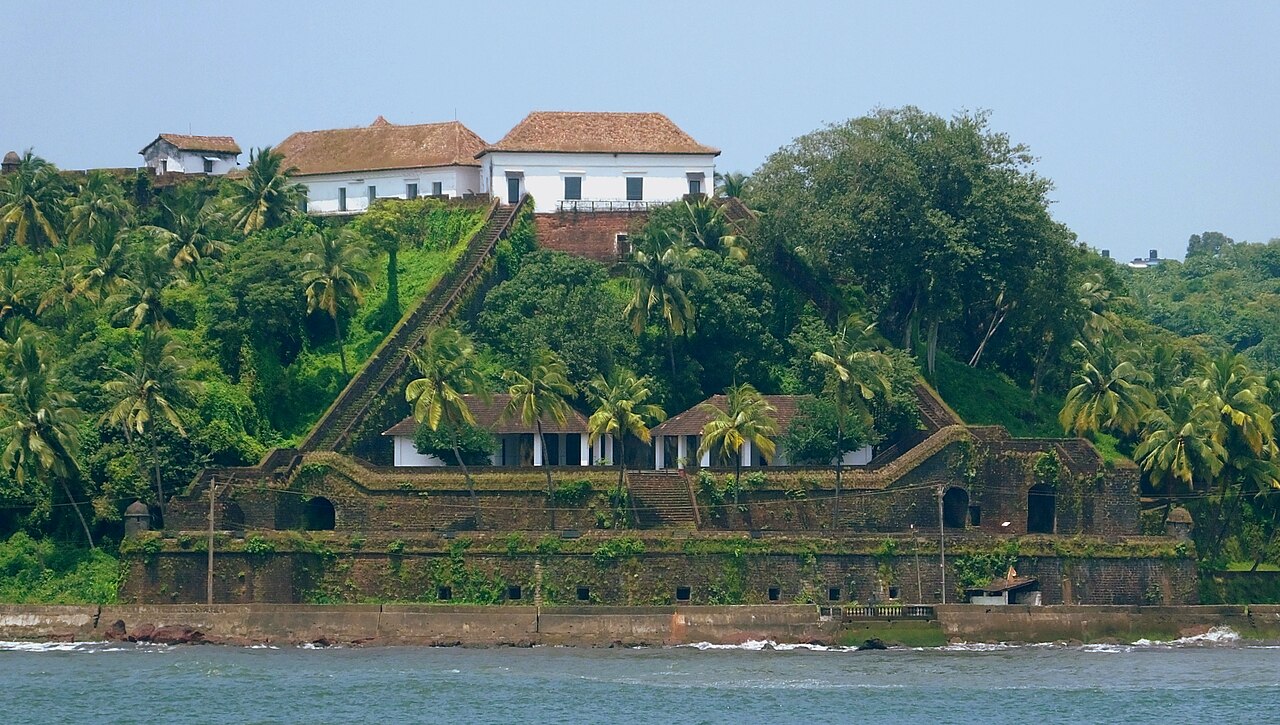
Reis Magos Fort
Fort · 5 km · about 15 min by road
 #6 in PanajiFree entry
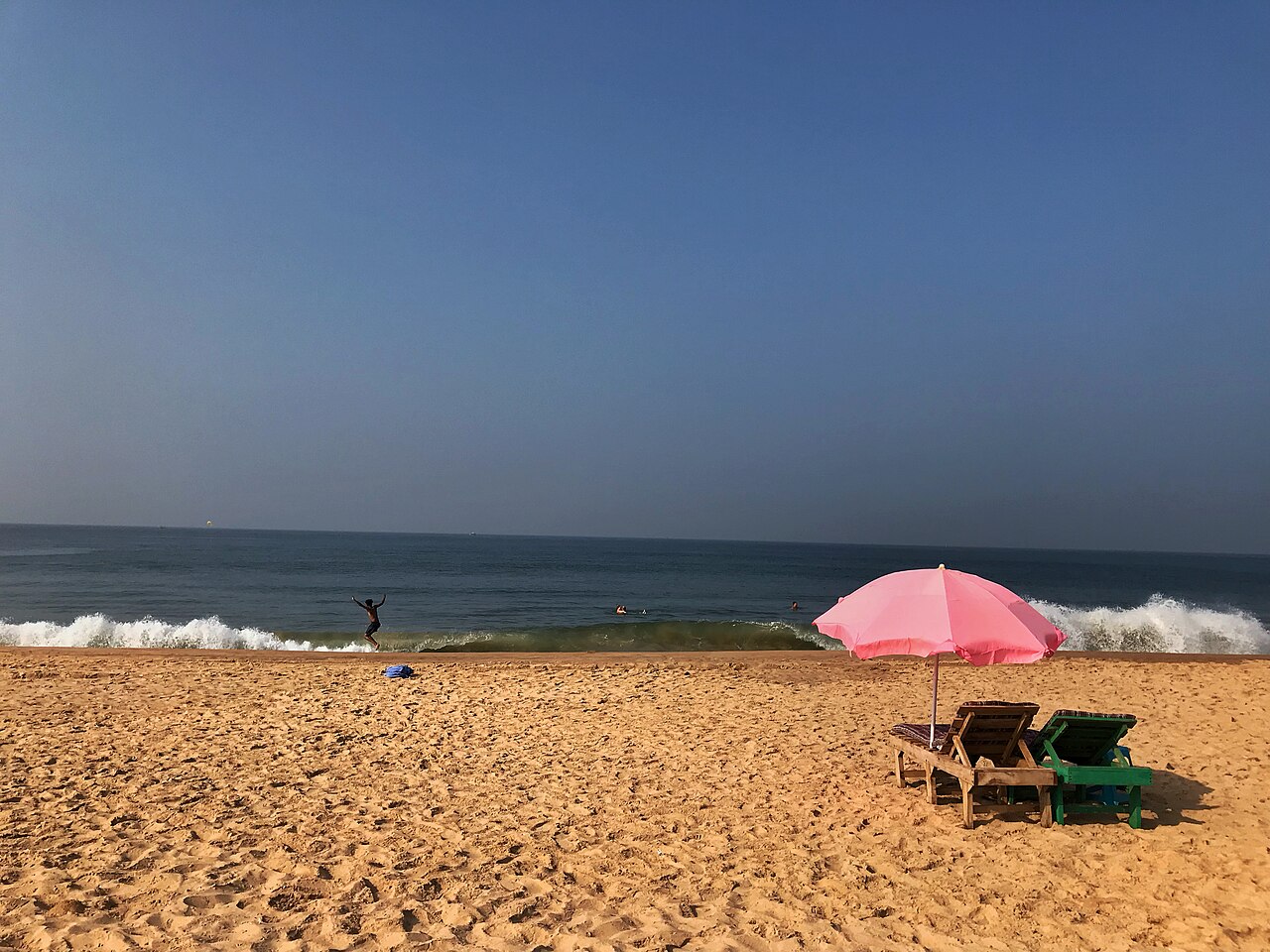
Calangute-Baga Beach Corridor
Beach · 6 km · about 20 min by road
 #9 in PanajiFree entry
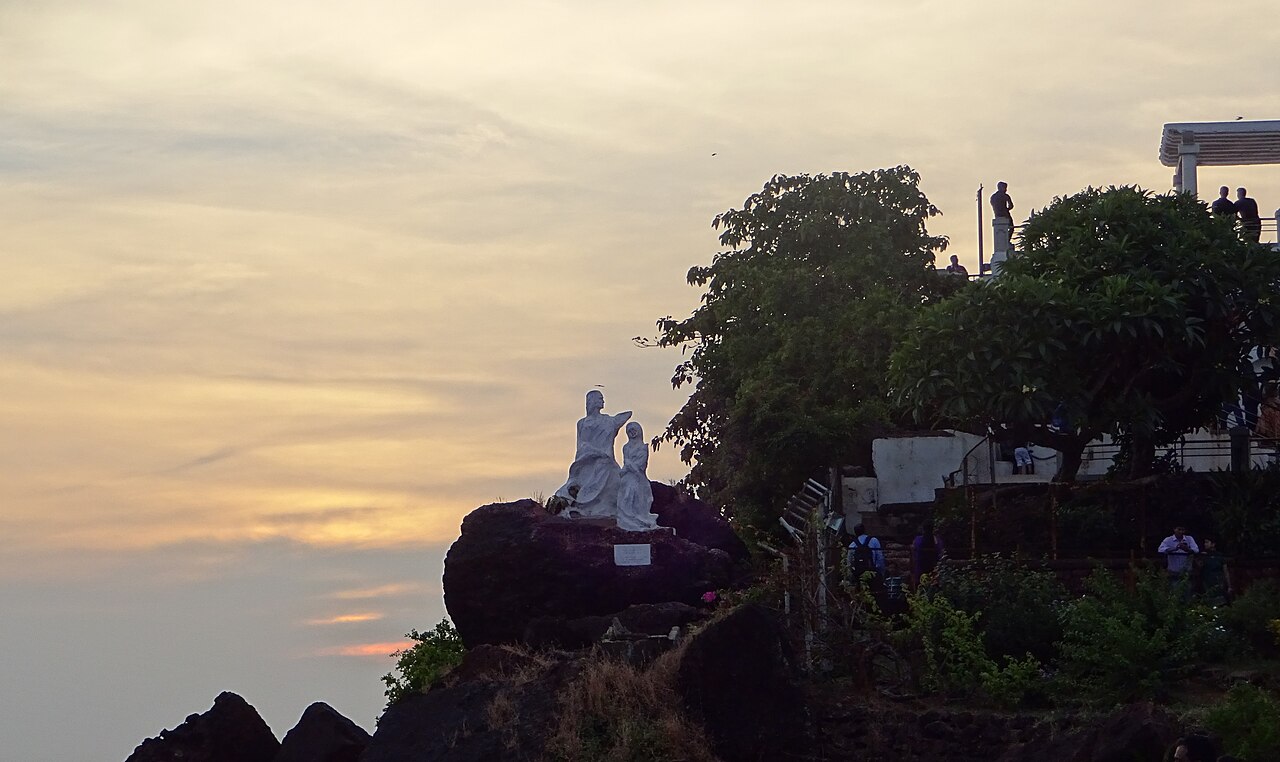
Dona Paula Viewpoint
Beach · 6 km · about 20 min by road
 #2 in PanajiFree entry
Fontainhas
Heritage · 7 km · about 25 min by road