
Chapora Fort
#5of 9 places to visit in PanajiPanaji, Goa
Also known as Chapora Fortress · Dil Chahta Hai Fort
Quick answer
Opening hours: No fixed opening hours. Entry is free. Allow 1 hr. Best time: 17:00 – 18:30.
Updated · Compiled by Traveliac, AI-assisted · 5 min read
- Opening hours
- No fixed hours
- Unrestricted access, no gate; sunrise to sunset is the practical and recommended window
- Entry fee
- Free
- Time needed
- 1 hr
- Best time of day
- 17:00 – 18:30
- Best months
- Oct – Mar
- Address
- Chapora, Bardez, Goa – 403509, above Chapora village, a short drive from Vagator beach
About Chapora Fort
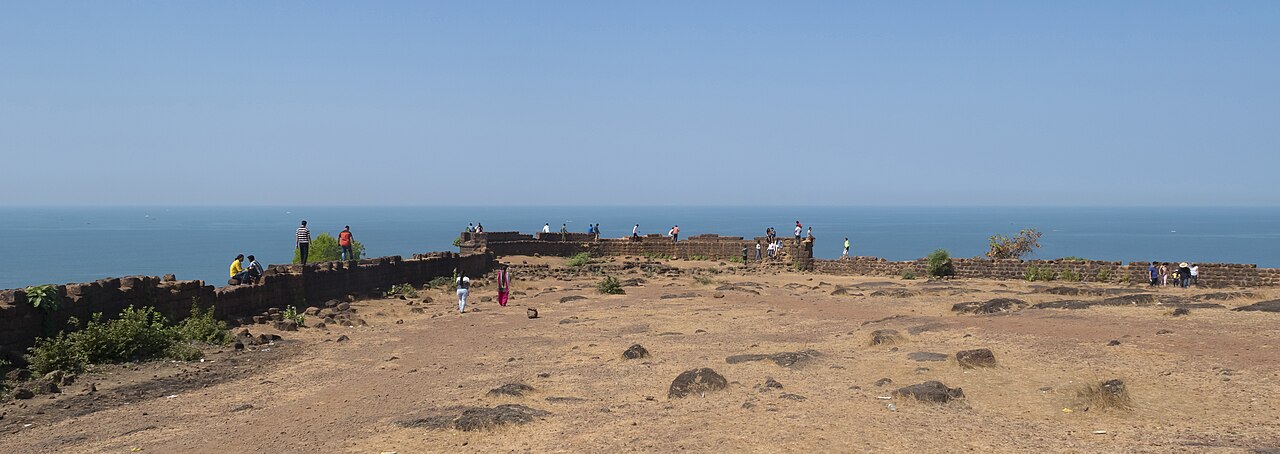
Chapora Fort is, structurally, not much more than a perimeter of laterite ramparts enclosing an empty hilltop — there are no roofed interiors, no galleries, no artefacts on display, and most first-time visitors expressing surprise at how little remains inside the walls have simply not been told in advance what to expect. What makes the site one of the most visited ruins in North Goa regardless is a combination of a genuinely dramatic 180-degree view over the Chapora River mouth and Vagator's cliffs, and the fort's afterlife as a filming location for the 2001 Bollywood film Dil Chahta Hai, whose rooftop and hilltop sequences were shot here and turned the ruin into an informal pilgrimage site for a generation of Indian moviegoers. The laterite the fort is built from is the same reddish, pitted volcanic-weathered stone used across Goa's coastal defences, quarried locally and left largely unplastered here, unlike the lime-rendered church facades of Old Goa — the exposed stone texture is part of what photographs so well at golden hour.
Best time of day: 17:00 – 18:30. For sunset over the Chapora River mouth and the Arabian Sea, the fort's primary draw; avoid after dark, since there is no lighting and the laterite paths are uneven and unrailed in places.
Chapora Fort timings
- Opening hours
- No fixed hours
Mon–Sun No fixed hours - Unrestricted access, no gate; sunrise to sunset is the practical and recommended window
- Closed on
- Open every day
Opening hours compiled from goatourism.gov.in and public records, last updated . They change without notice — confirm before you travel. How we write these guides
Chapora Fort ticket price
| Ticket | Price |
|---|---|
| Indian visitors | Free |
| Foreign visitors | Free |
| Children | Free |
| Camera | Free |
No ticket counter, gate, or entry fee of any kind. The site is an unmanaged, unroofed ruin with no ticketed enclosure, which also means no on-site facilities, drinking water, or lighting.
Prices compiled from goatourism.gov.in and public records, last updated . They change without notice — confirm before you travel. How we write these guides
Best time to visit Chapora Fort
- Quiet
- Moderate
- Very busy
07:00 – 10:00
Morning QuietBest time to go
Near-empty ramparts, cooler temperatures, and clear morning light over the river mouth. A small number of early photographers and joggers.
Quiet10:00 – 16:00
Daytime Lull
The fort has no shade and full midday sun makes it an uncomfortable stop; most visitors deliberately skip this window, keeping numbers low but conditions harsh.
Quiet16:00 – 17:00
Pre-Sunset Build-Up
Tour groups and independent travellers begin arriving to claim a viewing position ahead of sunset. Parking verge along the approach road starts to fill.
Moderate17:00 – 18:30
Sunset Peak
The single busiest period at Chapora Fort by a wide margin. The western rampart is crowded with visitors, photographers, and film-tourism pilgrims recreating Dil Chahta Hai shots.
Very busy
History of Chapora Fort
A fort existed on this site under the Adil Shahi rulers of Bijapur before the Portuguese captured the position; the Portuguese substantially rebuilt and re-fortified the structure in 1717, primarily to guard the mouth of the Chapora River against Maratha naval incursions from the north, a persistent threat to Portuguese Goa through much of the eighteenth century. Its hilltop position gave clear sightlines across the river toward Pernem territory and out to sea, making it an effective early-warning post even though it was never as heavily armed or garrisoned as Fort Aguada further south.
The fort's defensive relevance declined through the nineteenth century as the Maratha threat receded and Portuguese Goa settled into a longer period of relative peace, and by the twentieth century the structure had been left to the ruin visible today — walls, bastions, and a few underground passage openings, but no surviving roofed structures. Its modern cultural significance owes almost entirely to Dil Chahta Hai; the film's popularity introduced the site to a domestic tourism audience well beyond Goa's existing beach-and-heritage circuit, and the fort now receives a volume of visitors disproportionate to its modest physical remains.
Rules & etiquette at Chapora Fort
There is no barrier, gate, or supervision at Chapora Fort, which cuts both ways: access is unrestricted at any hour, but there is also no safety infrastructure. Several sections of the rampart walk have no railing and a real drop to the rocks below; footwear with grip matters more here than the short visit duration suggests, particularly on the laterite steps, which become slick when wet.
The fort and the village below it have a long-standing informal association with the sale of hashish and other substances to tourists, a reputation dating back to Goa's hippie-era decades and still occasionally encountered from vendors near the base of the hill; engagement is neither necessary nor advisable, and possession carries serious legal exposure under Indian narcotics law regardless of what is casually offered.
There are no toilets, no shops, and no water source inside the fort itself — carry water, particularly if visiting for sunset and planning to stay past dusk, when the walk back down the unlit hill path requires a torch or phone light.
Tips for visiting Chapora Fort
- 1
Combine Chapora Fort with Vagator beach directly below, which has a genuinely different character from the Calangute-Baga corridor further south — quieter, cliff-backed, and with fewer water-sports operators competing for beach space. The fort-to-beach descent takes 15-20 minutes on foot via the village road.
- 2
Sunset is unambiguously the reason to visit, and arriving by 17:00 in the November-February season secures a spot on the western rampart before the crowd concentrates in the final 30 minutes of daylight. Photographers with a tripod should note there is no restriction on their use here, unlike at some ticketed heritage sites, but space along the most photogenic stretch of wall becomes genuinely contested at peak sunset.
- 3
Parking is informal — a gravel verge along the approach road that fills on weekends and holidays — and scooter rental remains the most practical way to reach the fort independently, since it is a 10-15 minute ride from most Anjuna or Vagator accommodation rather than a walkable distance for most visitors staying beachside.
How to reach Chapora Fort
The red star is Chapora Fort; the numbered pins are the 4 nearest places in our guides, each showing its rank in its city. Tap a pin for details.
Chapora, Bardez, Goa – 403509, above Chapora village, a short drive from Vagator beachDirections in Google Maps
From Vagator Beach
2 km · 15–20 min (walk); 5 min (scooter)
Free (walk); no fare for own scooter
From Anjuna Flea Market
₹150–2006 km · 12–18 min
Auto
From Manohar International Airport, Mopa (GOX)
₹900–1,30028 km · 45–60 min
Nearest airport
From Manohar International Airport, Mopa (GOX)
28 km, approximately 45–60 minutes; Goa International Airport, Dabolim (GOI) – 52 km, approximately 90 minutes.
Nearest railway station
From Karmali Railway Station (GOA)
28 km, approximately 50 minutes; Thivim Railway Station is somewhat closer at roughly 17 km but has considerably fewer long-distance train stops.
Chapora Fort FAQs
Is there anything to see inside Chapora Fort besides the walls?
No roofed structures survive inside the fort. What remains is the laterite rampart perimeter, a few bastions, and openings to underground passages. The primary draw is the panoramic view and the fort's association with the film Dil Chahta Hai, not architectural interiors.
Why is Chapora Fort associated with the film Dil Chahta Hai?
The 2001 Bollywood film shot key rooftop and hilltop sequences at this fort, and its popularity introduced the site to a large domestic audience beyond Goa's existing heritage-tourism circuit. Many Indian visitors specifically come to photograph the same viewpoints used in the film.
Is it safe to visit Chapora Fort after dark?
It is not recommended. There is no lighting, no railing on several rampart sections, and the laterite steps become difficult to navigate safely without a light source. Visit before dusk and plan the descent to finish before full dark.
Are there vendors selling drugs near Chapora Fort, and how should visitors respond?
Chapora village and the fort area have a long-standing informal reputation for hashish sale to tourists, a holdover from Goa's earlier hippie-era tourism. Engagement is unnecessary and inadvisable — possession carries serious legal risk under Indian narcotics law regardless of how casually it is offered.
Compiled with AI assistance from official sources and public records, and published only after the checks in How we write these guides. Nobody from Traveliac has visited this place. Last updated . How we rank and check places
Places to visit near Chapora Fort
Straight-line distances from our map; times are estimates.
 #8 in PanajiFree entry
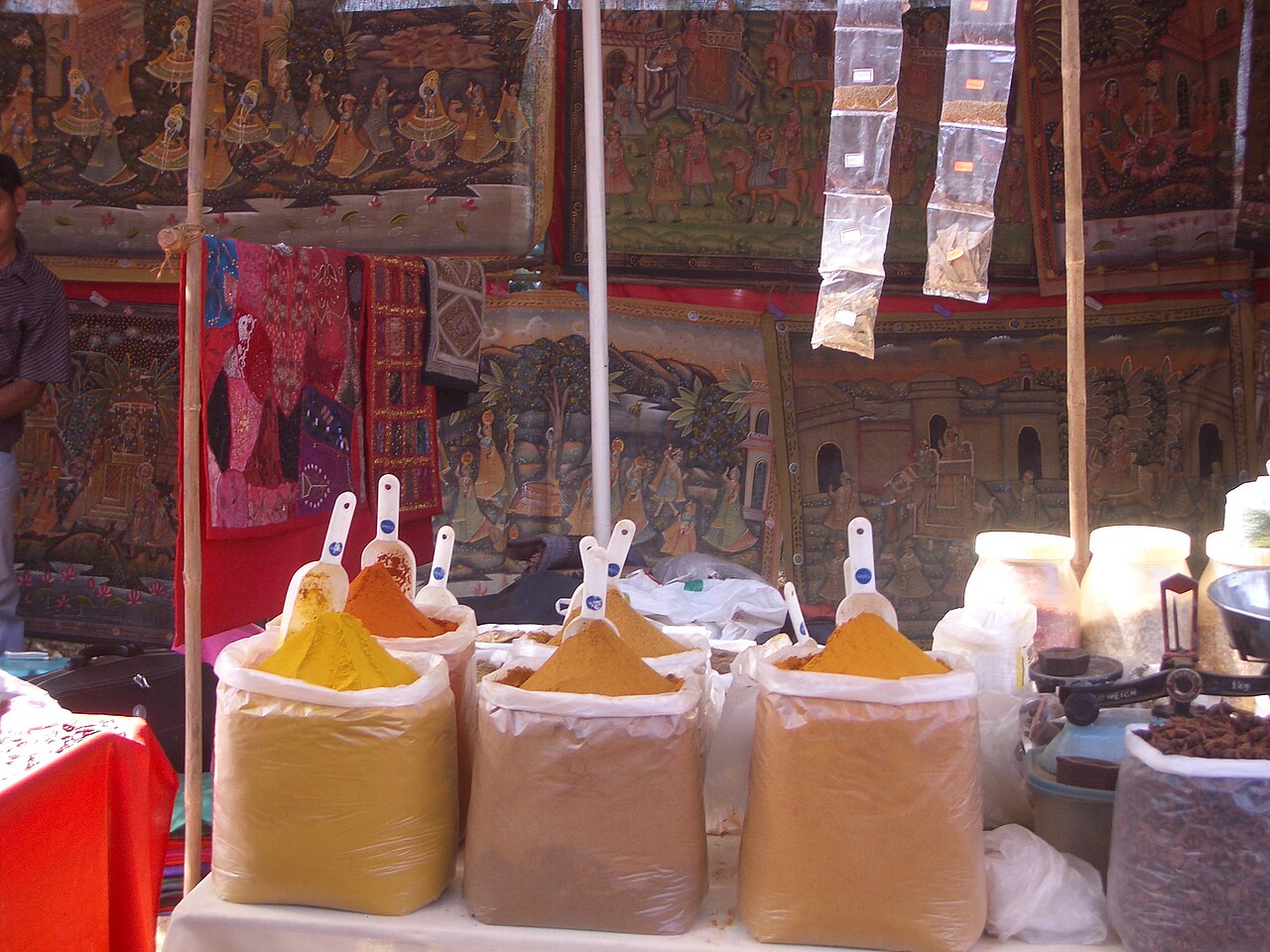
Anjuna Flea Market
Market · 3 km · about 10 min by road
 #6 in PanajiFree entry
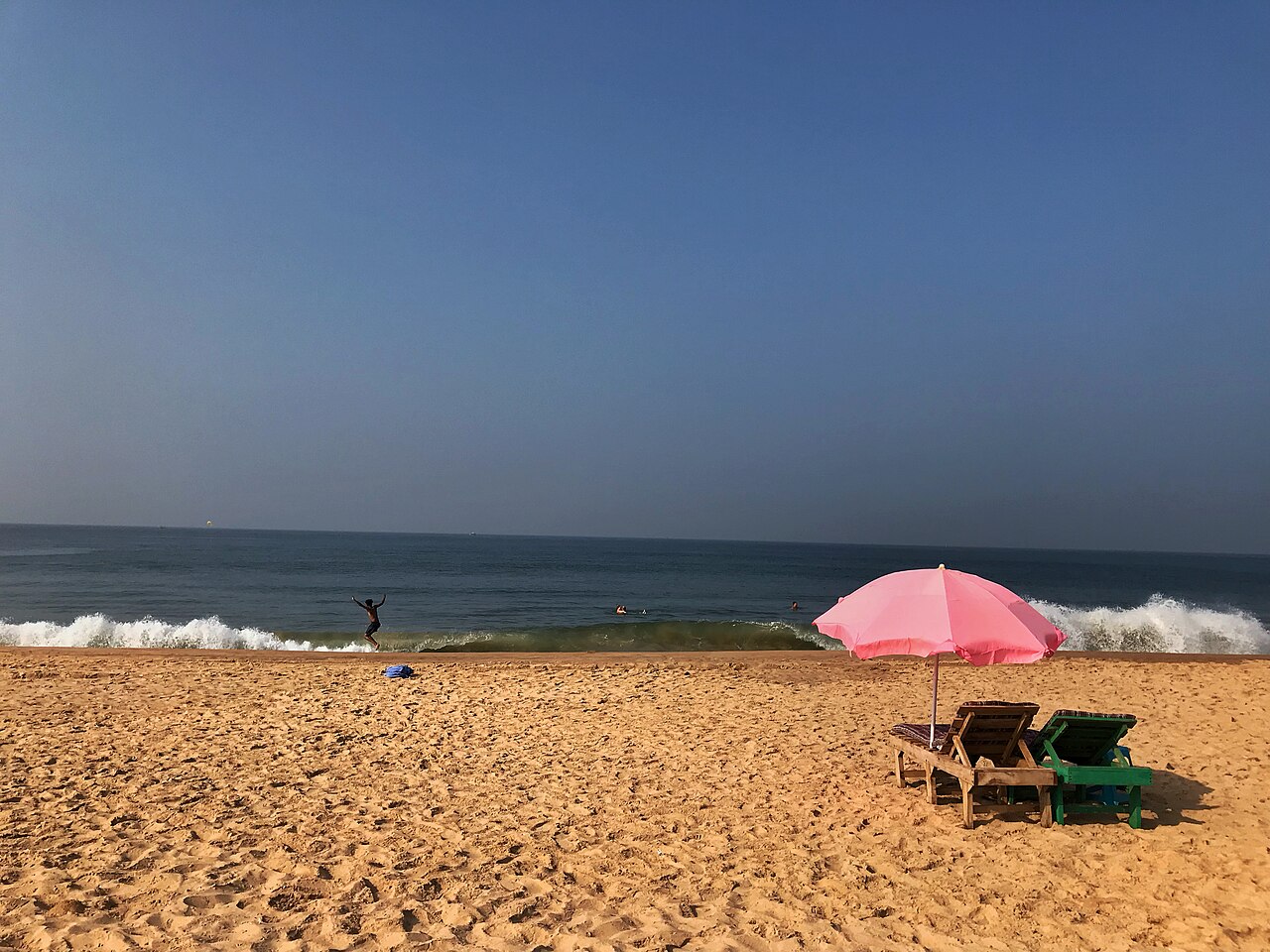
Calangute-Baga Beach Corridor
Beach · 8 km · about 25 min by road
 #3 in PanajiFree entry
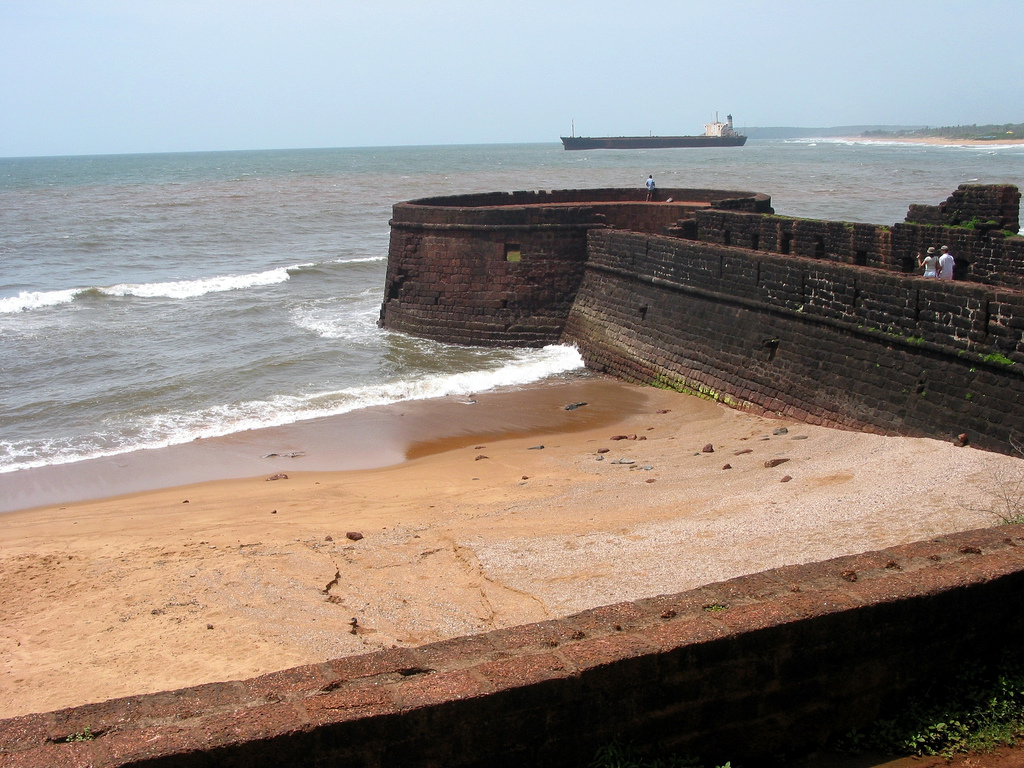
Fort Aguada
Fort · 13 km · about 40 min by road
 #7 in Panaji
Reis Magos Fort
Fort · 14 km · about 45 min by road