
Ambrai Ghat
#9of 10 places to visit in UdaipurUdaipur, Rajasthan
Also known as Amri Ghat
Quick answer
Opening hours: 08:00–23:00. Entry is free. Allow 45 min. Best time: 17:30 – 19:00.
Updated · Compiled by Traveliac, AI-assisted · 5 min read
- Opening hours
- 08:00–23:00
- Open 24 hours as a public ghat; most café and restaurant activity along the lane runs roughly 08:00 – 23:00.
- Entry fee
- Free
- Time needed
- 45 min
- Best time of day
- 17:30 – 19:00
- Best months
- Sep – Mar
- Address
- Ambrai Ghat, Hanuman Ghat Road area, northeastern shore of Lake Pichola, Udaipur, Rajasthan 313001
About Ambrai Ghat
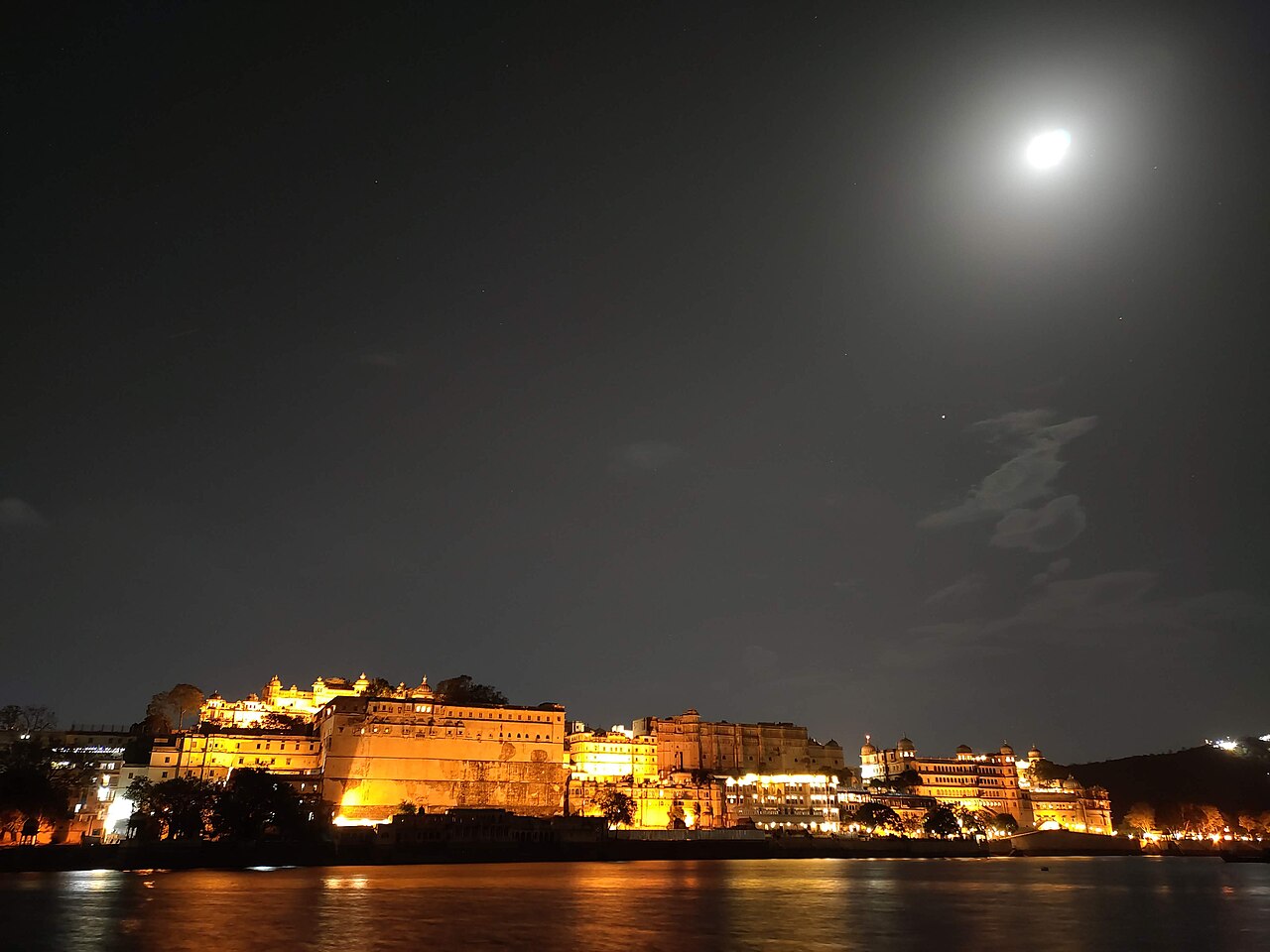
Ambrai Ghat sits on Lake Pichola's northeastern shore, directly opposite the City Palace and Jag Mandir, which places it on the correct side of the lake for photographing both landmarks with the sun behind the viewer in the evening — the single most important practical fact about the location, and the reason it has become the default sunset gathering point for independent travellers rather than the more commercial ghats closer to the palace itself. Unlike Gangori Ghat or the City Palace's own jetty, Ambrai Ghat has no entry fee, no ticketed boat counter, and no museum attached — it is simply a stone embankment and a short row of steps down to the water, backed by a lane of small rooftop cafés and guesthouses that have oriented their upper floors toward the view. The atmosphere is unmanaged and informal: local families, courting couples, street food vendors, and photographers share the same stretch of steps without any curated tourist infrastructure.
Best time of day: 17:30 – 19:00. This is the single most reliable sunset viewpoint in Udaipur for photographing the City Palace and Jag Mandir across the water, with the sun setting behind the visitor's back and lighting the palace façade directly.
Ambrai Ghat timings
Ambrai Ghat opens at 08:00 and closes at 23:00. Those hours hold on Saturday and Sunday too.
- Opening hours
- 08:00–23:00
Mon–Sun 08:00–23:00 - Open 24 hours as a public ghat; most café and restaurant activity along the lane runs roughly 08:00 – 23:00.
- Closed on
- Open every day
Opening hours compiled from udaipur.rajasthan.gov.in and public records, last updated . They change without notice — confirm before you travel. How we write these guides
Ambrai Ghat ticket price
| Ticket | Price |
|---|---|
| Indian visitors | Free |
| Foreign visitors | Free |
| Children | Free |
| Camera | Free |
The ghat itself is entirely free public access at all hours. The only costs typically incurred here are optional — ordering at one of the rooftop cafés lining the lane behind the ghat, which usually carry a minimum-order policy in the evening for outdoor lake-view seating during peak sunset hours.
Prices compiled from udaipur.rajasthan.gov.in and public records, last updated . They change without notice — confirm before you travel. How we write these guides
Best time to visit Ambrai Ghat
- Quiet
- Moderate
- Very busy
07:00 – 09:00
Morning Local UseBest time to go
Residents use the ghat for bathing and washing. Minimal tourist presence; a good time to see the ghat's working, unpolished daily function.
Quiet09:00 – 16:00
Daytime Lull
Cafés along the lane are open but lightly used. The ghat itself sees scattered visitors rather than crowds.
Quiet16:00 – 17:30
Pre-Sunset Build-up
Photographers and travellers begin arriving to claim good positions on the steps ahead of the light. Café tables start filling.
Moderate17:30 – 19:00
Sunset Peak
The single busiest window. Steps closest to the water fill with photographers; rooftop cafés reach full capacity and enforce order minimums for table seating.
Very busy
History of Ambrai Ghat
Ambrai Ghat's origins are municipal and functional rather than royal — like most of Udaipur's smaller ghats, it developed as a public bathing, washing, and boat-mooring point for residents of the surrounding neighbourhood on the lake's northeastern shore, a working-class counterpart to the more ceremonial, palace-facing ghats on the opposite bank.
Its rise as a dedicated tourist sunset destination is a comparatively recent phenomenon, tracking the broader growth of independent and backpacker travel to Udaipur from the 1990s onward, when travellers seeking budget guesthouses gravitated to the quieter northeastern shore rather than the pricier hotels clustered near City Palace. Guesthouse owners in the area progressively added rooftop seating and café service oriented toward the lake view across the following decades, transforming what had been a residential ghat into a recognised, if informal, viewpoint destination without any single dated founding or construction event attached to it.
The ghat's fame accelerated further with the rise of social media travel photography in the 2010s, as the specific composition available from its steps — City Palace's full elevation reflected in the water with Jag Mandir visible slightly to its right — became one of the most widely circulated single images representing Udaipur internationally.
Rules & etiquette at Ambrai Ghat
There is no formal entry control, ticketing, or opening-hours restriction at the ghat itself, which also means there is no official crowd management — during the sunset hour in peak season, the steps closest to the water can become genuinely crowded, and finding an unobstructed spot for photography sometimes requires arriving 20–30 minutes before the optimal light.
The ghat remains a working local space: residents use the steps for bathing, washing clothes, and mooring small private boats throughout the day, and visitors should be mindful of stepping around this ongoing daily use rather than treating the ghat purely as a photo backdrop.
Rooftop cafés along the lane facing the ghat generally require a food or drink order to occupy an evening table during the sunset rush, given the high demand for lake-facing seats at that hour; arriving without intending to order can mean being asked to free the table for paying customers.
Tips for visiting Ambrai Ghat
- 1
For the cleanest photograph, position on the ghat steps themselves rather than from a café balcony — the elevation change from a rooftop café, while pleasant for a drink, actually flattens the reflection angle of the City Palace in the water compared to shooting from close to water level on the steps.
- 2
Ambrai Ghat pairs naturally with a Bagore Ki Haveli Dharohar show, since the haveli sits a five-to-ten-minute walk south along the same shore — a common evening sequence is sunset at Ambrai Ghat, a short walk to Bagore Ki Haveli, dinner at one of the ghat-facing rooftop restaurants, then the 19:00 or 20:00 Dharohar performance.
- 3
The ghat is also a viable, free alternative to a paid sunset boat ride on Lake Pichola for travellers on a tighter budget or simply wanting a static rather than moving vantage point — the view of City Palace from here is arguably more complete than what is visible from most points along the standard tourist boat circuit, since the boat spends much of its time closer to the palace rather than at the optimal distance for a full-elevation shot.
How to reach Ambrai Ghat
The red star is Ambrai Ghat; the numbered pins are the 8 nearest places in our guides, each showing its rank in its city. Tap a pin for details.
Ambrai Ghat, Hanuman Ghat Road area, northeastern shore of Lake Pichola, Udaipur, Rajasthan 313001Directions in Google Maps
From Maharana Pratap Airport (UDR)
₹500–₹65025 km · 45–55 min
Prepaid taxi).
From Udaipur City Railway Station (UDZ)
₹120–₹1705 km · 18–22 min
Auto-rickshaw, negotiated).
From Bagore Ki Haveli / Gangori Ghat
0.6 km · 8–10 min walk
Free — walking distance along the shore lane.
Nearest airport
From Maharana Pratap Airport (UDR)
25 km, approximately 45–55 minutes.
Nearest railway station
From Udaipur City Railway Station (UDZ)
5 km, approximately 18–22 minutes.
Ambrai Ghat FAQs
Is there an entry fee for Ambrai Ghat?
No. Ambrai Ghat is a free, unticketed public embankment at all hours. The only typical expense is an optional order at one of the rooftop cafés along the adjoining lane, which usually require a minimum order for evening lake-view seating.
Why is Ambrai Ghat considered the best sunset spot in Udaipur?
It sits on the lake's northeastern shore directly across from City Palace and Jag Mandir, meaning the sun sets behind the viewer in the evening and lights the palace façade directly — a more favourable angle than most other ghats, which face the palace from a side-on position.
Should you photograph from the ghat steps or a rooftop café?
The steps at water level give a cleaner, more direct reflection of the City Palace in the lake than a rooftop café's elevated angle, which tends to flatten the reflection. Rooftop cafés are better suited to a relaxed drink with a view rather than the single best photograph.
What else is within walking distance of Ambrai Ghat?
Bagore Ki Haveli and Gangori Ghat are roughly a 5–10 minute walk south along the same shore, making a sunset-then-dinner-then-Dharohar-show sequence a common and efficient evening itinerary.
Compiled with AI assistance from official sources and public records, and published only after the checks in How we write these guides. Nobody from Traveliac has visited this place. Last updated . How we rank and check places
Places to visit near Ambrai Ghat
Straight-line distances from our map; times are estimates.
 #5 in Udaipur
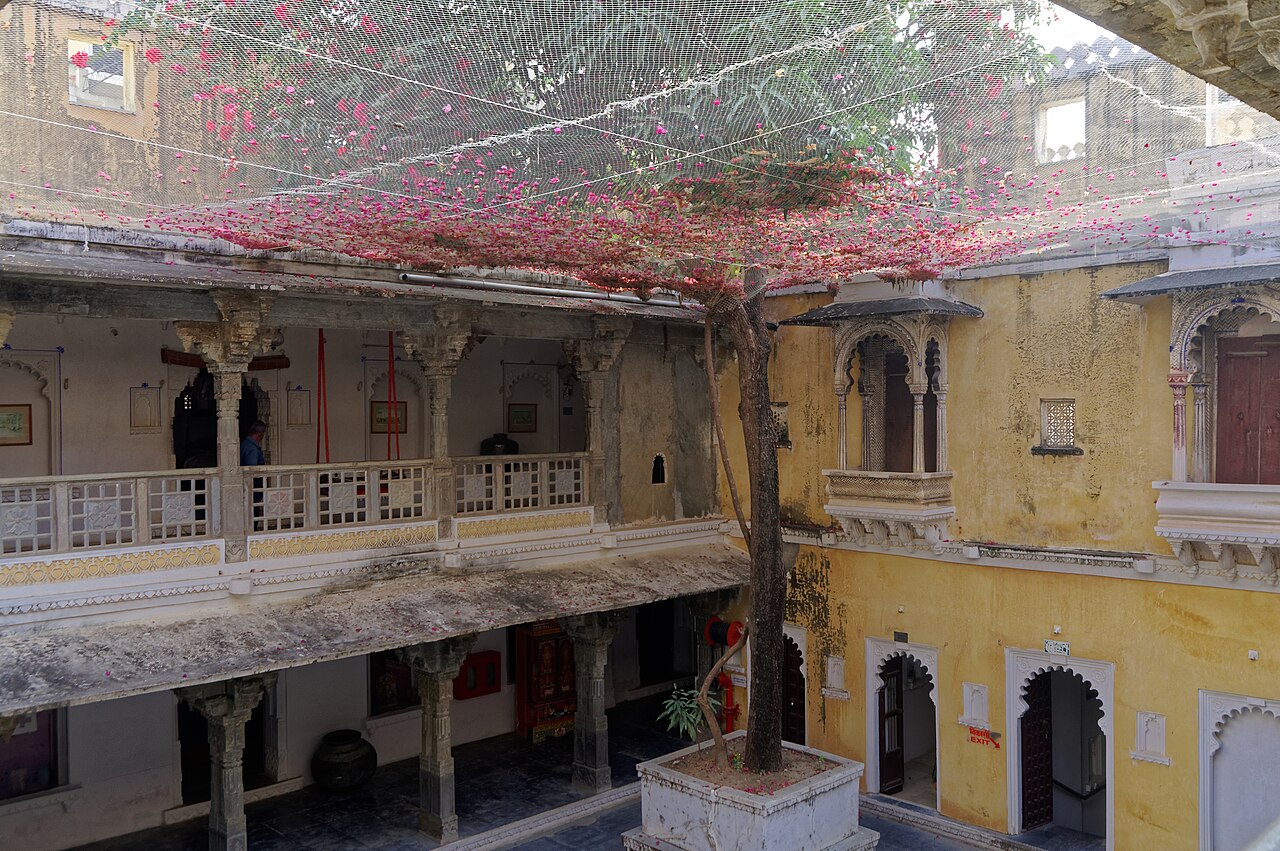
Bagore Ki Haveli
Palace · 300 m · about 5 min walk
 #1 in Udaipur
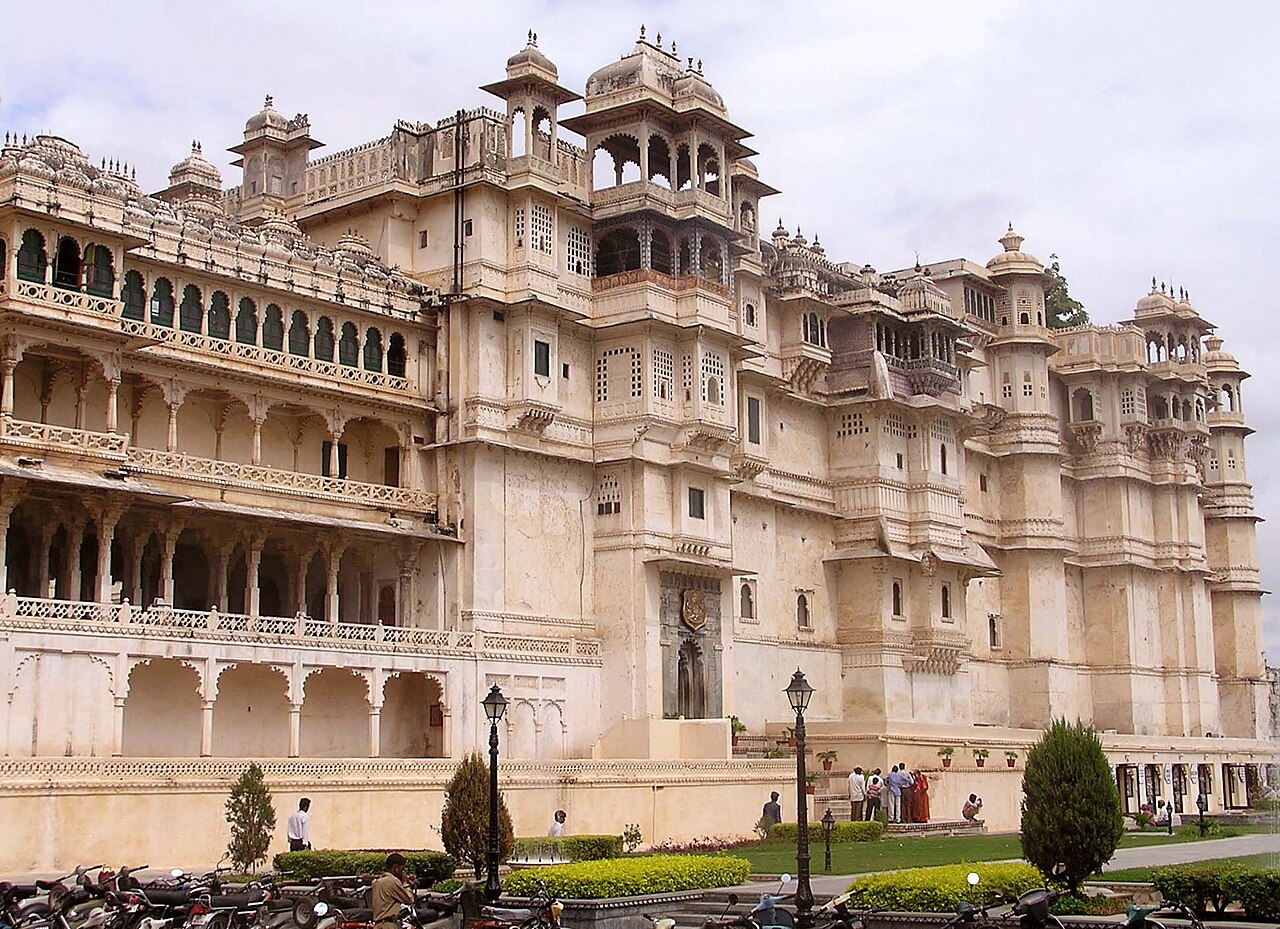
City Palace Udaipur
Palace · 550 m · about 9 min walk
 #2 in UdaipurFree entry
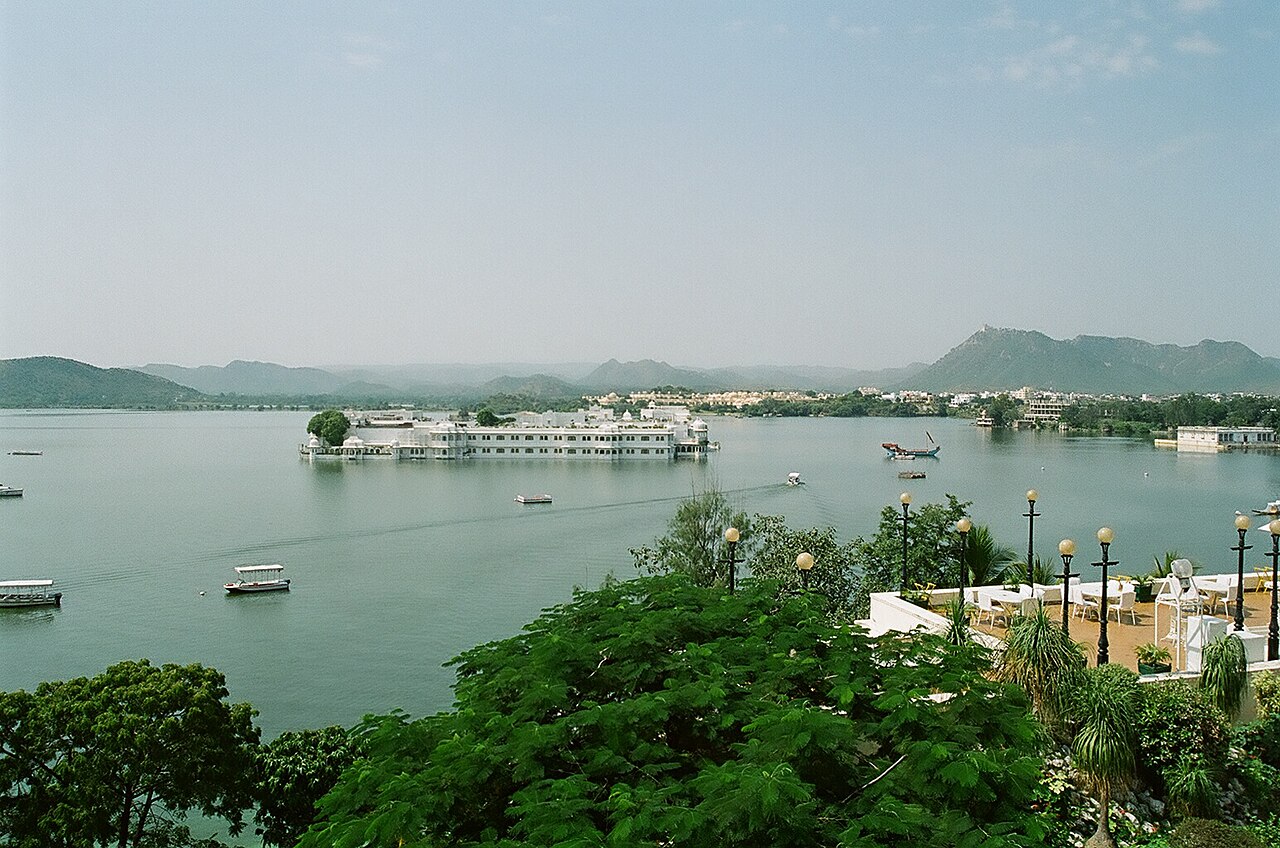
Lake Pichola
Lake · 600 m · about 10 min walk
 #4 in UdaipurFree entry
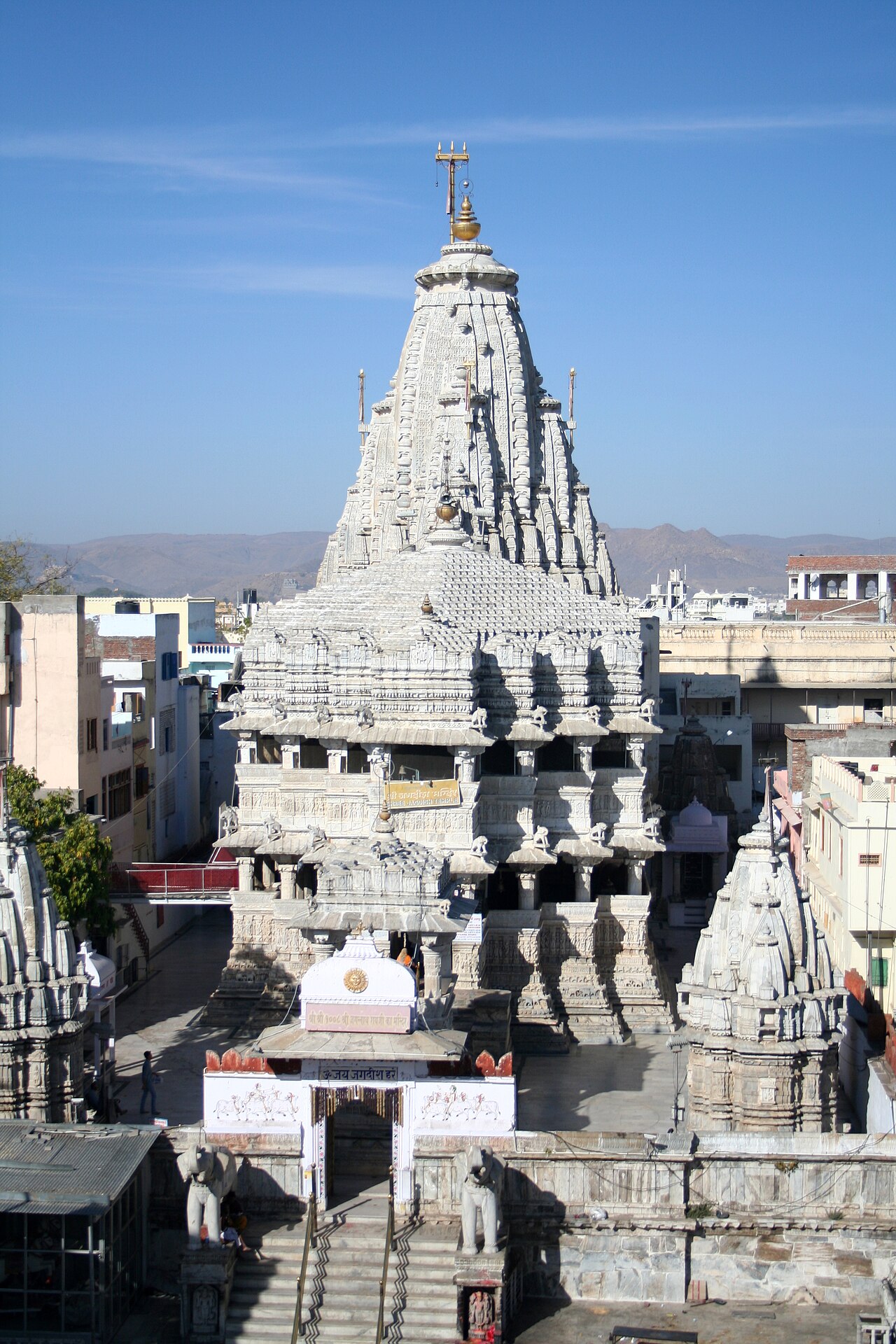
Jagdish Temple
Temple · 650 m · about 11 min walk