
Jag Mandir
#3of 10 places to visit in UdaipurUdaipur, Rajasthan
Also known as Lake Garden Palace · Jagat Mandir
Quick answer
Opening hours: 10:00–18:00. Entry: ₹200 Indian · ₹300 foreign. Allow 1 hr. Best time: 10:00 – 11:30.
Updated · Compiled by Traveliac, AI-assisted · 5 min read
- Opening hours
- 10:00–18:00
- 10:00 – 18:00 daily, tied to the boat operating schedule from the mainland.
- Entry fee
- ₹200 Indian
- Ticket from
- Time needed
- 1 hr
- Best time of day
- 10:00 – 11:30
- Best months
- Sep – Mar
- Address
- Jag Mandir Island, Lake Pichola, Udaipur, Rajasthan 313001
About Jag Mandir
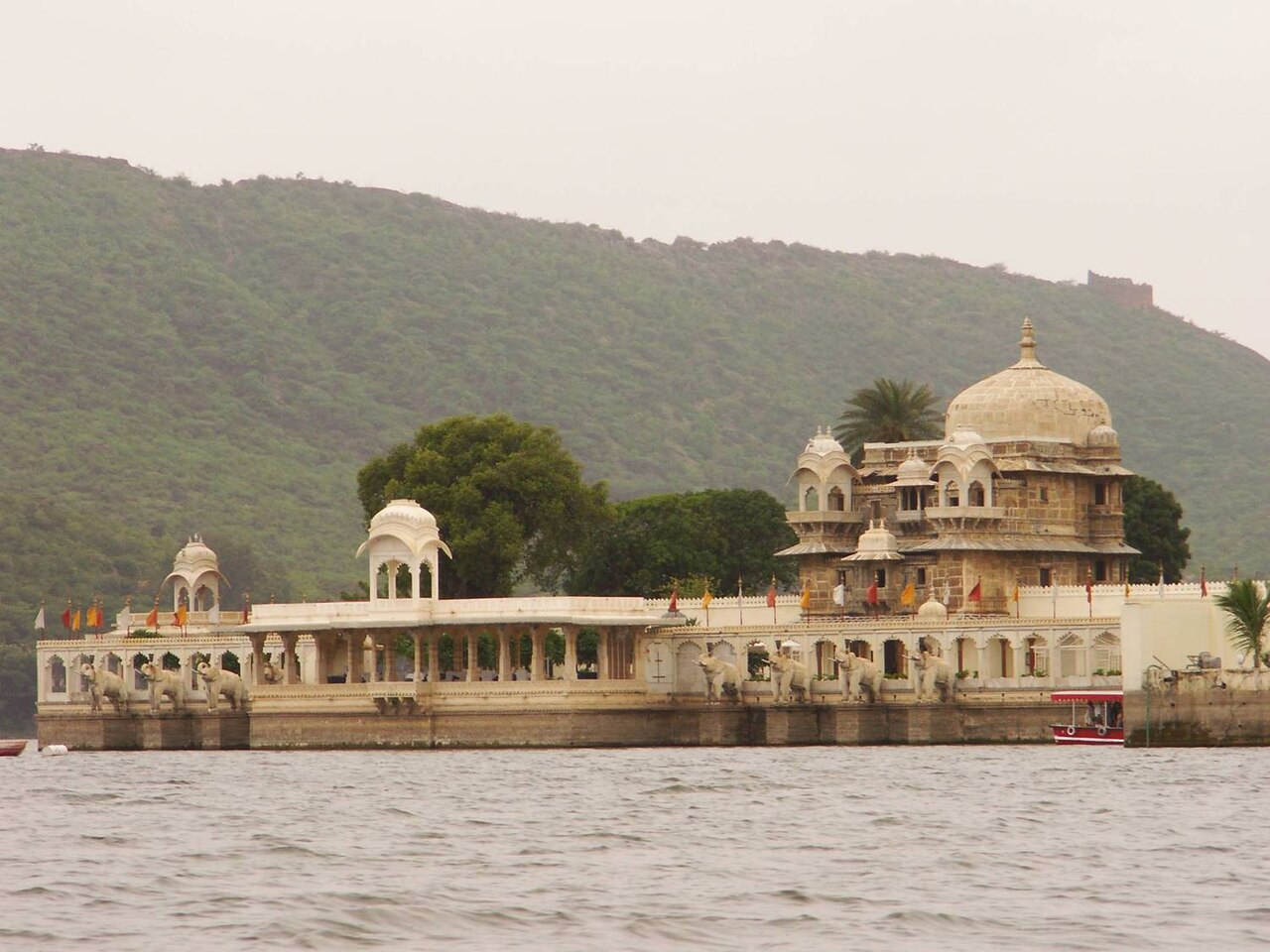
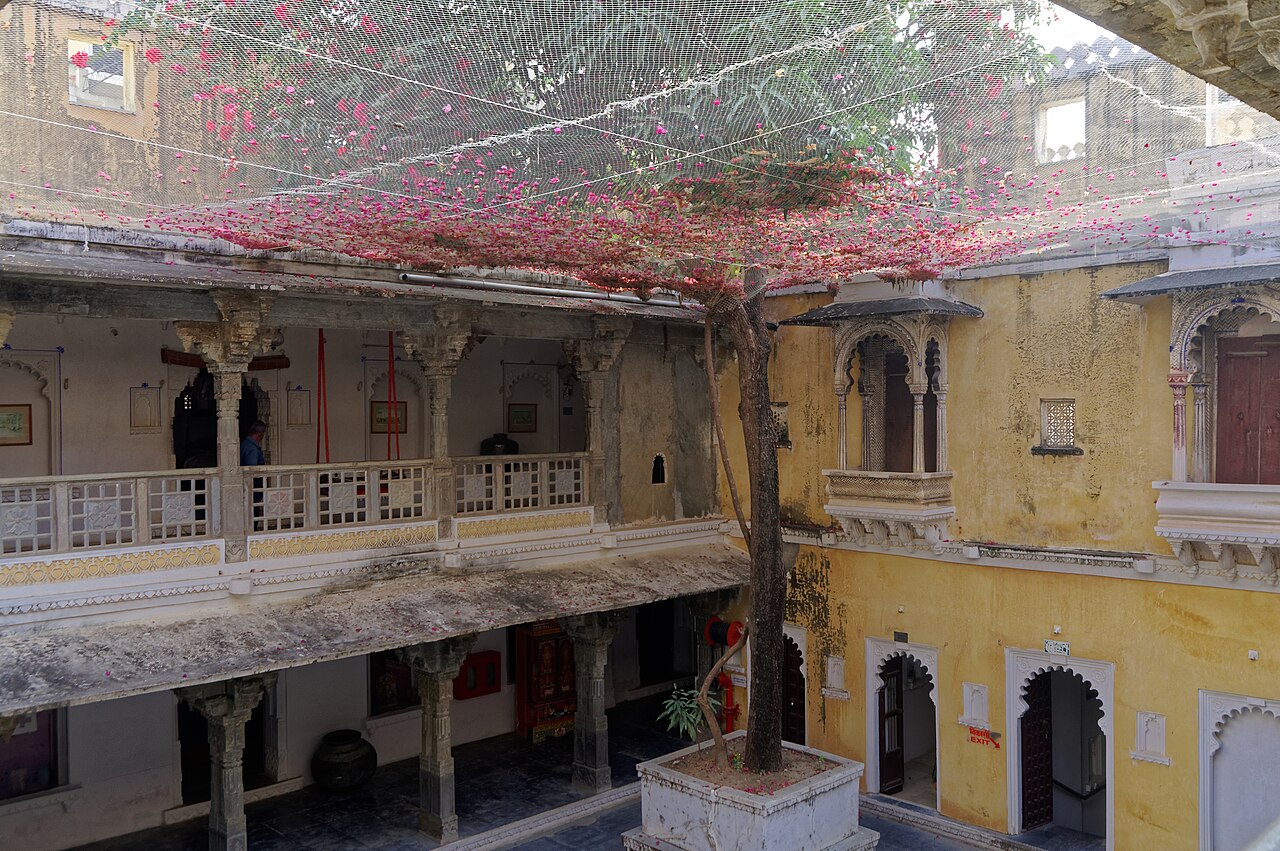
Jag Mandir sits on a natural rock outcrop near the southern end of Lake Pichola, built up over roughly forty years by three successive Maharanas rather than a single patron, which is why its architecture reads as an accumulation of distinct commissions rather than one coherent design. The palace is constructed largely of yellow-tinged sandstone quarried from the Aravalli hills, a warmer and softer stone than the granite base of the City Palace across the water, giving the island a visibly different colour temperature when viewed from the mainland. The Gul Mahal, the oldest surviving structure on the island, has a domed roof and marble-inlaid interior walls set with semi-precious stone in floral patterns — a technique related to pietra dura, the same inlay tradition used at the Taj Mahal, though executed here at a smaller and less refined scale. The island's outer wall is lined with a row of life-size stone elephant sculptures facing the water, a motif repeated at Saheliyon Ki Bari and a recurring Mewar decorative device for flanking ceremonial approaches.
Best time of day: 10:00 – 11:30. Morning light is more even on the yellow sandstone façade, and the island has not yet filled with the midday boat traffic from multiple tour operators landing at once.
Jag Mandir timings
Jag Mandir opens at 10:00 and closes at 18:00. Those hours hold on Saturday and Sunday too.
- Opening hours
- 10:00–18:00
Mon–Sun 10:00–18:00 - 10:00 – 18:00 daily, tied to the boat operating schedule from the mainland.
- Closed on
- Open every day
Good to know: Landing is suspended whenever lake-wide boating is suspended (typically May–June low water, or after heavy monsoon inflow).
Opening hours compiled from jagmandir-island-palace.net and public records, last updated . They change without notice — confirm before you travel. How we write these guides
Jag Mandir ticket price
| Ticket | Price |
|---|---|
| Indian visitors | ₹200 |
| Foreign visitors | ₹300 |
| Children | ₹100 |
| Camera | Free |
Fee is collected on landing at the island and is separate from the boat fare paid at Rameshwar Ghat or the City Palace jetty — carry both amounts and expect the island counter to want exact or small-denomination cash. Foreign nationals sometimes pay a combined boat-plus-island package quoted by operators rather than the two fees separately; ask for an itemised breakdown.
Prices compiled from jagmandir-island-palace.net and public records, last updated . They change without notice — confirm before you travel. How we write these guides
Best time to visit Jag Mandir
- Quiet
- Moderate
- Busy
- Very busy
10:00 – 11:30
Morning LandingBest time to go
First boats of the day land in small groups. Gul Mahal interior and garden walkways are uncrowded.
Quiet11:30 – 14:00
Midday Peak
Multiple shared-circuit boats land simultaneously, filling the small island footprint. The café and restaurant queue lengthens.
Very busy14:00 – 16:00
Afternoon Lull
Group tour volume drops. A better window for photographing the Gul Mahal's marble inlay interior without foot traffic in frame.
Moderate16:00 – 18:00
Late Sunset Boats
Sunset-circuit boats bring a second wave of visitors; the western garden wall gets crowded for the golden-hour view toward the City Palace.
Busy
History of Jag Mandir
Construction began under Maharana Amar Singh I in the early 17th century but the bulk of the palace, including the Gul Mahal, was built under his successor Maharana Karan Singh II between roughly 1620 and 1628. Maharana Jagat Singh I, who gives the island its name, completed and expanded the complex in the 1630s and 1650s, adding the garden courtyards and much of the decorative stonework visible today.
The island's best-documented historical episode involves the young Mughal prince Khurram — later Emperor Shah Jahan, builder of the Taj Mahal — who fled to Udaipur in 1623 during a rebellion against his father Emperor Jahangir. Maharana Karan Singh II sheltered Khurram on Jag Mandir for a period of months, a act of hospitality and calculated diplomacy that Mewar court chroniclers later credited with softening Mughal-Mewar relations in the following decades. Some architectural historians have suggested, without firm documentary proof, that Khurram's exposure to Jag Mandir's marble inlay work influenced the decorative vocabulary he later commissioned at the Taj Mahal — a claim popular with local guides but treated cautiously by scholars given the absence of direct written evidence.
In the 20th century Jag Mandir briefly served as an internment location for European civilians during World War I, before the Mewar family later restored the island and, in the 2000s, converted it into a private event and hospitality venue under a long-term lease arrangement, which is the basis of its current semi-private operating model distinct from the government-run City Palace museum.
Rules & etiquette at Jag Mandir
Landing is only possible via the licensed boat operators from Rameshwar Ghat or the City Palace jetty — there is no independent public ferry, and the island does not accept walk-up arrivals by private boat without prior arrangement with a recognised operator.
Because the island doubles as a wedding and private event venue, access to some garden sections and interior rooms is periodically restricted or entirely closed for a private function without advance public notice — this is the most common cause of visitor disappointment, and it is worth asking the boat operator at departure whether the island is open to full public access that day.
The complex includes a restaurant and café geared toward boat-tour visitors; prices run noticeably higher than mainland old-city rates given the captive-audience setting and logistics of supplying an island kitchen. Photography is permitted throughout the public garden and Gul Mahal exterior; interior photography rules for the inlaid rooms have varied by season and are worth confirming at the entry desk.
Tips for visiting Jag Mandir
- 1
Most boat packages allot 30–45 minutes on the island, which is sufficient for the Gul Mahal, the elephant-lined perimeter wall, and the garden courtyard, but rushed for a relaxed café stop — travellers wanting to linger should book a private charter rather than the shared circuit boat, which works to a fixed group schedule.
- 2
The view back toward the City Palace and the Aravalli hills from the island's western garden wall is one of the most complete lake-and-city panoramas available in Udaipur, arguably better than the more commonly recommended mainland ghats since it removes the City Palace's own bulk from the foreground.
- 3
Check ahead if travelling with a firm itinerary: private weddings booked on the island can close public landing for a full day with limited advance public notice, and boat operators are not always proactively informed until the morning of.
How to reach Jag Mandir
The red star is Jag Mandir; the numbered pins are the 8 nearest places in our guides, each showing its rank in its city. Tap a pin for details.
Jag Mandir Island, Lake Pichola, Udaipur, Rajasthan 313001Directions in Google Maps
From Maharana Pratap Airport (UDR)
₹500–₹65025 km · 45–55 min
Prepaid taxi to Rameshwar Ghat or City Palace jetty), plus boat fare.
From Udaipur City Railway Station (UDZ)
₹100–₹1504.5 km · 15–20 min
Auto-rickshaw), plus boat fare.
From City Palace Jetty
₹400–₹6003 km · 15–20 min by boat
Shared boat round trip (island fee charged separately on landing).
Nearest airport
From Maharana Pratap Airport (UDR)
25 km, approximately 45–55 minutes to the mainland jetty.
Nearest railway station
From Udaipur City Railway Station (UDZ)
4.5 km to the mainland jetty, approximately 15–20 minutes.
Jag Mandir FAQs
How do you get to Jag Mandir?
Only by licensed boat from Rameshwar Ghat or the City Palace jetty on the mainland. There is no independent public ferry and no walk-up private boat access without prior arrangement with a recognised operator.
Did Shah Jahan really take design inspiration from Jag Mandir for the Taj Mahal?
The historical fact is that Prince Khurram, later Shah Jahan, sheltered on Jag Mandir for several months in 1623 during a rebellion against his father Jahangir. The claim that this visit directly inspired the Taj Mahal's marble inlay work is a popular local tradition repeated by guides but is not backed by firm documentary evidence, and serious historians treat it as unproven.
Can Jag Mandil be closed to the public without notice?
Yes. The island operates as a private event and wedding venue alongside its sightseeing role, and a booked private function can restrict or close public access for a day with limited advance notice to boat operators. It is worth checking availability at the jetty before boarding.
Is the entry fee to Jag Mandir included in the boat ticket?
No. The boat fare from the mainland jetty and the island landing fee are charged separately — the landing fee (₹200 Indian / ₹300 foreign) is collected at a counter on the island itself, not at the mainland ghat.
Compiled with AI assistance from official sources and public records, and published only after the checks in How we write these guides. Nobody from Traveliac has visited this place. Last updated . How we rank and check places
Places to visit near Jag Mandir
Straight-line distances from our map; times are estimates.
 #2 in UdaipurFree entry
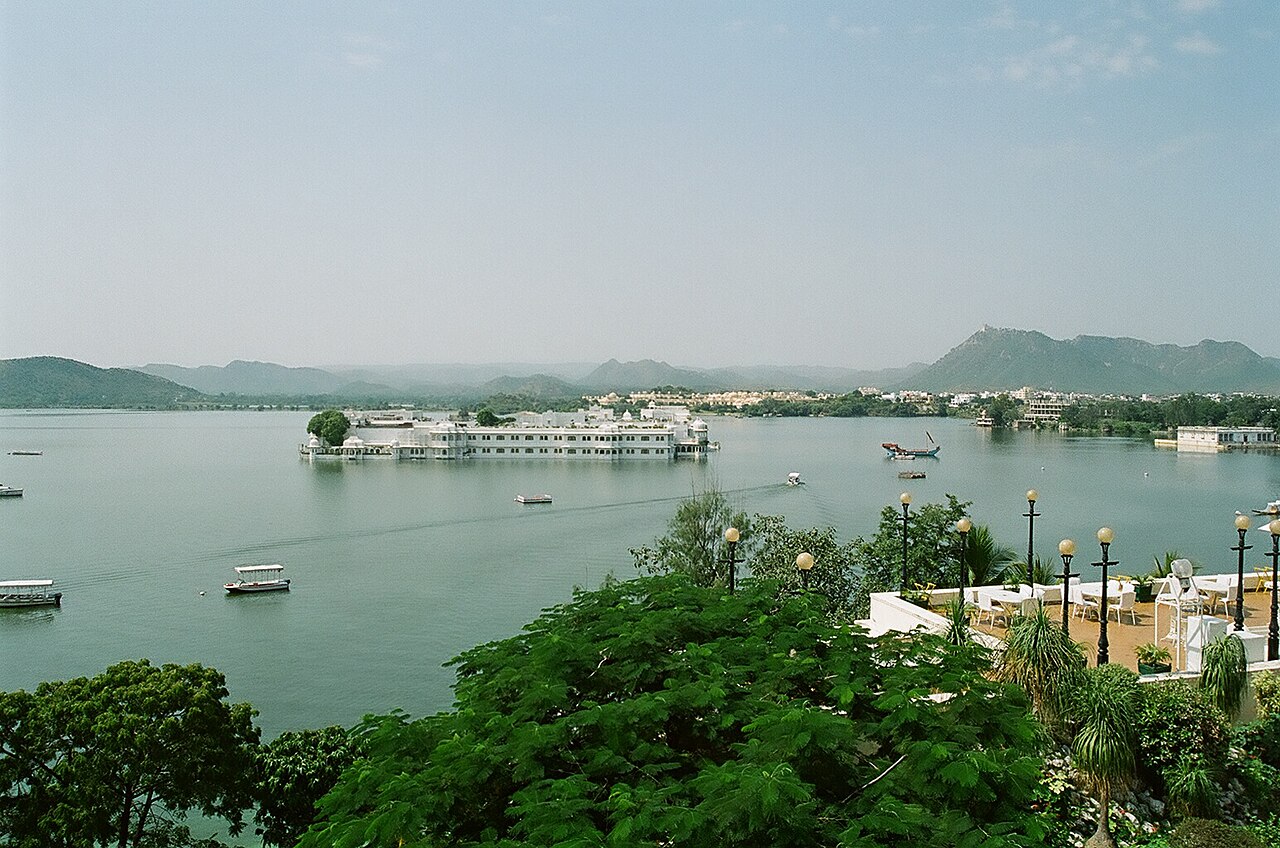
Lake Pichola
Lake · 550 m · about 9 min walk
 #1 in Udaipur
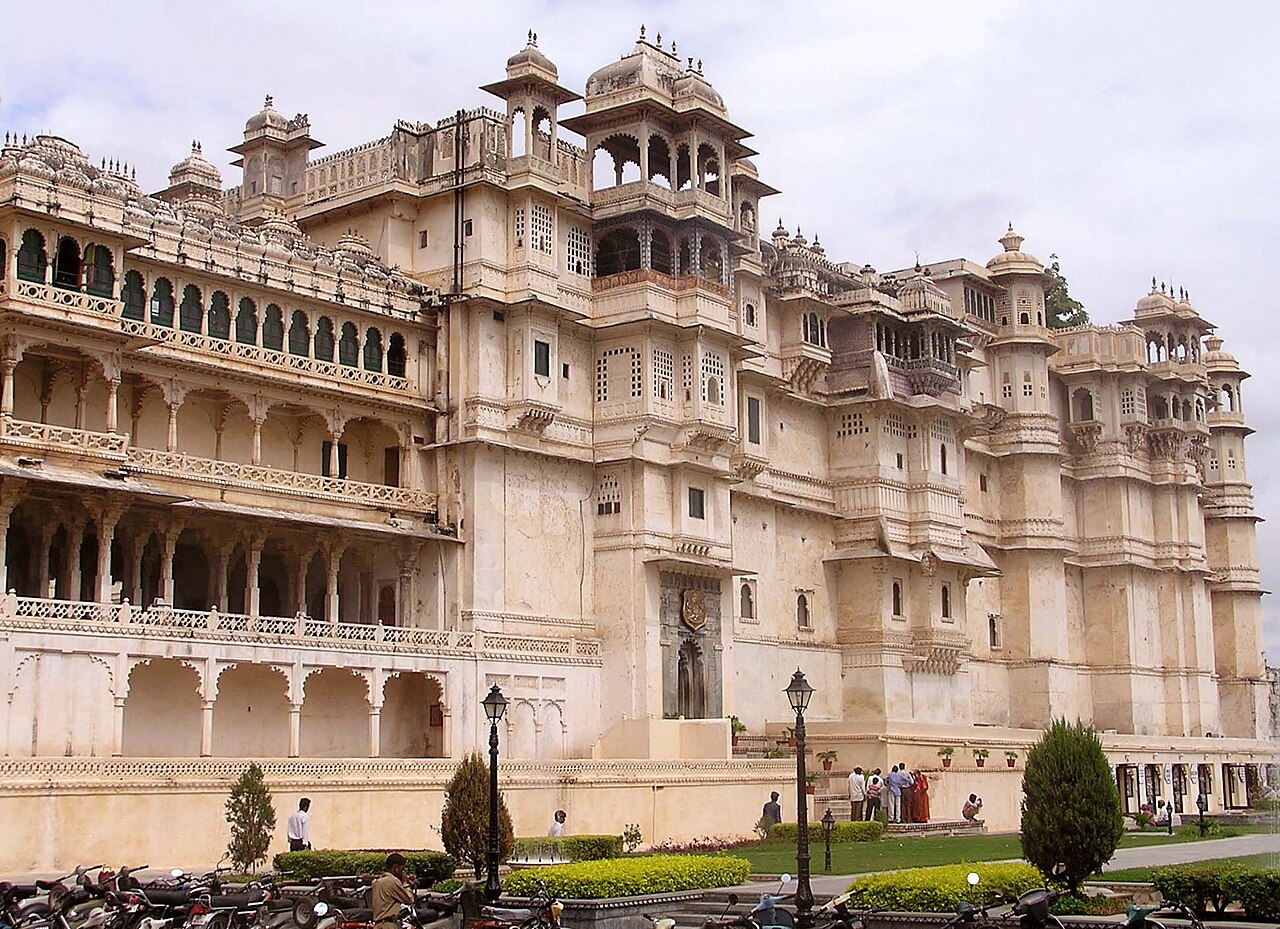
City Palace Udaipur
Palace · 1.1 km · about 18 min walk
 #9 in UdaipurFree entry
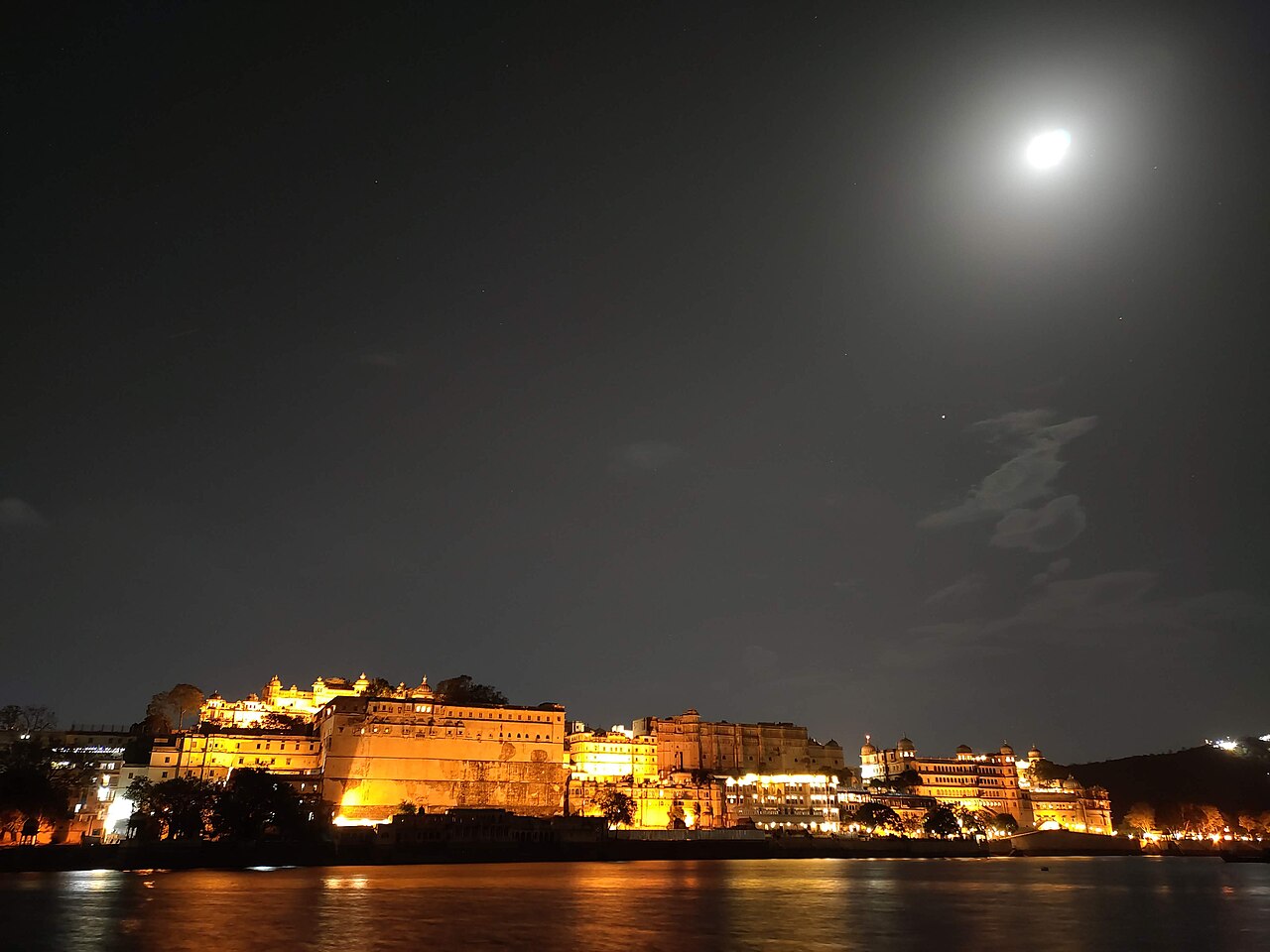
Ambrai Ghat
Nature · 1.1 km · about 19 min walk
 #5 in Udaipur
Bagore Ki Haveli
Palace · 1.4 km · about 23 min walk