
Bagore Ki Haveli
#5of 10 places to visit in UdaipurUdaipur, Rajasthan
Also known as Bagore Ki Haveli Museum
Quick answer
Opening hours: 09:00–17:00. Entry: ₹60 Indian · ₹150 foreign. Allow 2 hrs. Best time: 17:30 – 19:00.
Updated · Compiled by Traveliac, AI-assisted · 5 min read
- Opening hours
- 09:00–17:00
- Museum hours. The Dharohar dance show is separately ticketed, with two performances most nights at about 19:00 and 20:00.
- Entry fee
- ₹60 Indian
- Ticket from
- Time needed
- 2 hrs
- Best time of day
- 17:30 – 19:00
- Best months
- Sep – Mar
- Address
- Gangori Ghat, Old City, Udaipur, Rajasthan 313001
About Bagore Ki Haveli
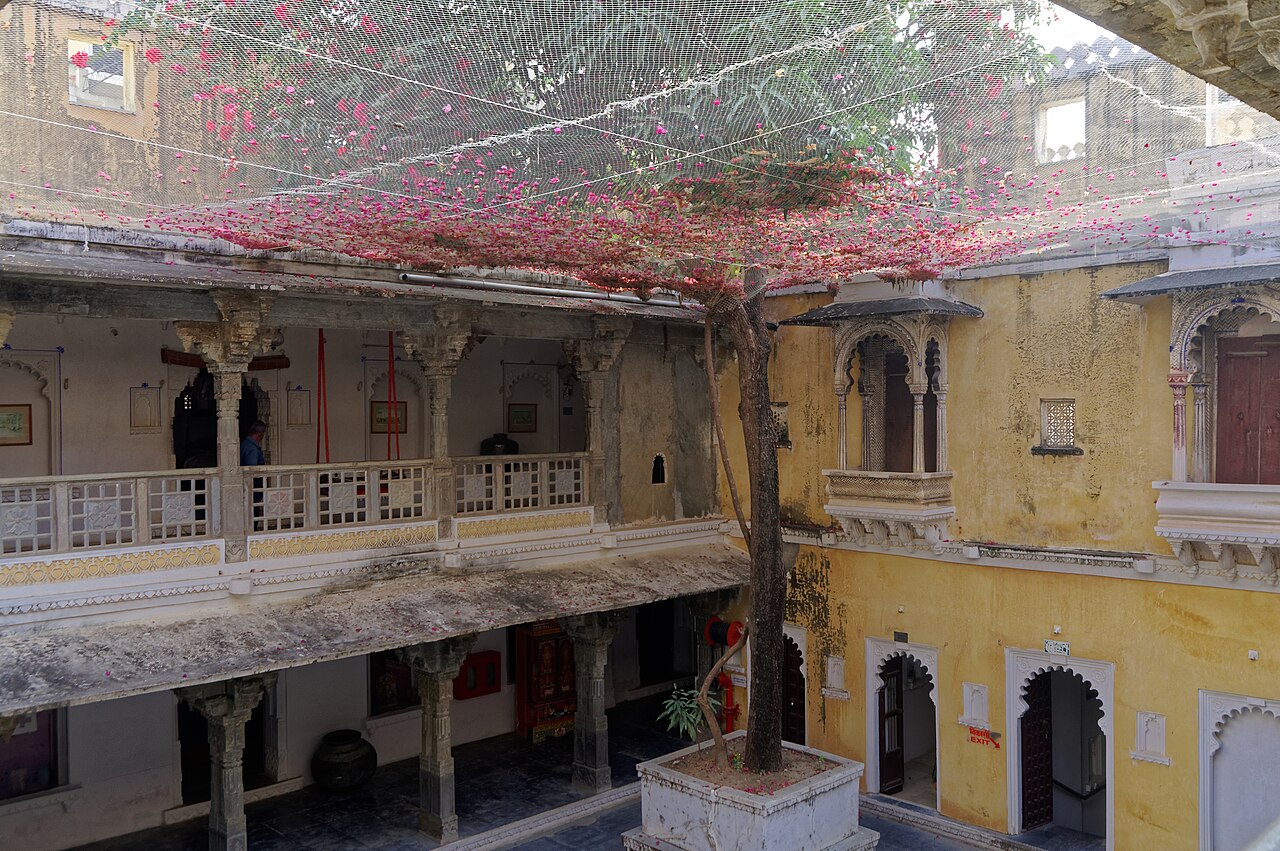
Bagore Ki Haveli sits directly on Gangori Ghat, a working stone bathing and boat-launch platform on Lake Pichola's eastern shore, which places the haveli in one of the most continuously used public spaces in the old city rather than a set-apart monument. Built across the 18th century, the haveli has more than 100 rooms arranged around several internal courtyards, with a mix of plain lime-plastered walls in the service quarters and finely painted, mirror-inlaid reception rooms in the sections used for entertaining guests — a material contrast that maps directly onto the building's original social hierarchy of space. Today the haveli functions as a folk-arts museum by day and a live cultural venue by night. The evening programme, Dharohar, stages traditional Rajasthani and Mewari folk dances — most notably the Kalbeliya gypsy dance and the Bhavai dance, in which performers balance a stack of earthen pots on their heads while dancing atop the rim of a brass plate or even the edge of a sword blade. The show runs in an open courtyard theatre built into the haveli's original architecture, giving it a setting unlike a purpose-built modern auditorium.
Best time of day: 17:30 – 19:00. Arriving in time to see the museum's ground-floor courtyards in late-afternoon light before the evening Dharohar show begins.
Photography
₹50 camera fee
Bagore Ki Haveli timings
Bagore Ki Haveli opens at 09:00 and closes at 17:00. Those hours hold on Saturday and Sunday too.
- Opening hours
- 09:00–17:00
Mon–Sun 09:00–17:00 - Museum hours. The Dharohar dance show is separately ticketed, with two performances most nights at about 19:00 and 20:00.
- Closed on
- Open every day
Good to know: Show timings can shift by 30 minutes seasonally; confirm at the ticket counter on the day.
Opening hours compiled from westzonecouncil.gov.in and public records, last updated . They change without notice — confirm before you travel. How we write these guides
Bagore Ki Haveli ticket price
| Ticket | Price |
|---|---|
| Indian visitors | ₹60 |
| Foreign visitors | ₹150 |
| Children | ₹30 |
| Camera | ₹50 |
Museum entry and the evening Dharohar folk dance show are ticketed separately. The dance show costs approximately ₹150–₹200 for standard seating and ₹300–₹400 for front-row or balcony seats with better sightlines; advance booking at the counter earlier in the day is recommended in peak season since evening walk-up seating fills.
Prices compiled from westzonecouncil.gov.in and public records, last updated . They change without notice — confirm before you travel. How we write these guides
Best time to visit Bagore Ki Haveli
- Quiet
- Moderate
- Busy
- Very busy
09:00 – 13:00
Morning Museum VisitBest time to go
Museum galleries are quiet, mostly independent travellers and small groups. Courtyards are calm and well-lit for photography.
Quiet13:00 – 17:00
Afternoon Museum Hours
Domestic tour groups pass through as part of old-city walking circuits. Museum remains manageable in size for a self-paced walk.
Moderate17:30 – 19:00
Pre-Show Build-up
Visitors arrive early to secure good seating for the Dharohar show and to see the courtyard in evening light. Ticket counter queue lengthens.
Busy19:00 – 21:00
Dharohar Show
Both nightly show sessions run at or near full capacity in peak season (November–February). Courtyard theatre seating fills completely for the first 19:00 session.
Very busy
History of Bagore Ki Haveli
Amar Chand Badwa, a Mewar prime minister (Diwan) serving under Maharana Sangram Singh II, built the haveli in stages through the 18th century as his official residence, a status that explains its scale and the quality of its interior ornamentation relative to a typical merchant haveli. Its position directly on Gangori Ghat gave the Diwan's household direct lake access, a significant practical and symbolic privilege in a city organised around Lake Pichola.
The haveli passed through several phases of use and neglect after the decline of the Diwan's family influence, and by the late 20th century had fallen into a state of considerable disrepair, with sections used for storage and informal habitation rather than any preserved function. The West Zone Cultural Centre, a Government of India body tasked with preserving and promoting folk and traditional performing arts across western India, took over restoration in the 1980s, converting the haveli into a living museum of Mewari decorative arts, costume, and craft, alongside a dedicated performance space for the region's folk dance traditions.
The restoration deliberately retained the building's original room hierarchy — grander mirrored and painted chambers for reception, plainer service quarters for household staff — rather than converting the whole interior into uniform gallery space, which is part of why a walk through the haveli today still communicates 18th-century domestic social structure rather than reading purely as a modern museum retrofit.
Rules & etiquette at Bagore Ki Haveli
The museum galleries and the evening show are ticketed and queued separately, even though most visitors do both in the same visit; buy the show ticket early in the day if visiting during the November–February peak season, as evening walk-up seats are not guaranteed.
The Dharohar show's Bhavai segment, involving a dancer balancing pots and dancing on the rim of a brass plate or blade edge, is performed at floor level close to the front rows — flash photography during this specific segment is discouraged by venue staff as it can distract performers during a genuinely hazardous balance act; still photography without flash and video recording (subject to a camera fee) are generally permitted throughout the rest of the show.
Seating in the courtyard theatre is largely on tiered stone or plastic chair rows without individual back support in the cheaper sections; visitors with back or knee issues may prefer the higher-priced reserved seating, which includes proper chairs.
Tips for visiting Bagore Ki Haveli
- 1
Arrive at the haveli by late afternoon to walk the museum courtyards in natural light before the show, rather than arriving right at showtime and skipping the museum sections entirely — many visitors default to doing only the show, which misses the building's own architectural and social history.
- 2
Gangori Ghat immediately outside the haveli is one of the more atmospheric lakeside spots in the old city at dusk, with local residents still using the ghat steps for bathing and washing, giving a more lived-in contrast to the more manicured Ambrai Ghat a short walk further along the shore.
- 3
The haveli sits within a five-minute walk of Jagdish Temple and roughly ten minutes from City Palace's main gate, making it a natural final stop on an old-city evening walking circuit that starts with a Lake Pichola sunset boat ride and ends with the Dharohar show.
How to reach Bagore Ki Haveli
The red star is Bagore Ki Haveli; the numbered pins are the 8 nearest places in our guides, each showing its rank in its city. Tap a pin for details.
Gangori Ghat, Old City, Udaipur, Rajasthan 313001Directions in Google Maps
From Maharana Pratap Airport (UDR)
₹450–₹60023 km · 40–50 min
Prepaid taxi).
From Udaipur City Railway Station (UDZ)
₹100–₹1504 km · 15–20 min
Auto-rickshaw, negotiated).
From City Palace Main Gate
0.6 km · 8–10 min walk
Free — walking distance along Gangori Ghat lane.
Nearest airport
From Maharana Pratap Airport (UDR)
23 km, approximately 40–50 minutes.
Nearest railway station
From Udaipur City Railway Station (UDZ)
4 km, approximately 15–20 minutes.
Bagore Ki Haveli FAQs
Is the Dharohar dance show included in the museum entry ticket at Bagore Ki Haveli?
No, the museum entry and the evening Dharohar folk dance show are ticketed separately. Standard show seating runs approximately ₹150–₹200, with premium front-row or balcony seats at ₹300–₹400.
Who built Bagore Ki Haveli and when?
Amar Chand Badwa, a Mewar prime minister (Diwan) under Maharana Sangram Singh II, built the haveli in stages through the 18th century as his official residence, taking advantage of its position directly on Gangori Ghat for lake access.
What folk dances are performed in the Dharohar show?
The programme features traditional Mewari and Rajasthani folk dances, most notably the Kalbeliya gypsy dance and the Bhavai dance, in which performers balance stacked earthen pots on their heads while dancing on the rim of a brass plate or the edge of a sword blade.
Should you book Dharohar show tickets in advance?
During the peak season (November–February), yes — buying the show ticket earlier in the day at the haveli's counter is advisable, since evening walk-up seating is not guaranteed and the first 19:00 session commonly sells out.
Compiled with AI assistance from official sources and public records, and published only after the checks in How we write these guides. Nobody from Traveliac has visited this place. Last updated . How we rank and check places
Places to visit near Bagore Ki Haveli
Straight-line distances from our map; times are estimates.
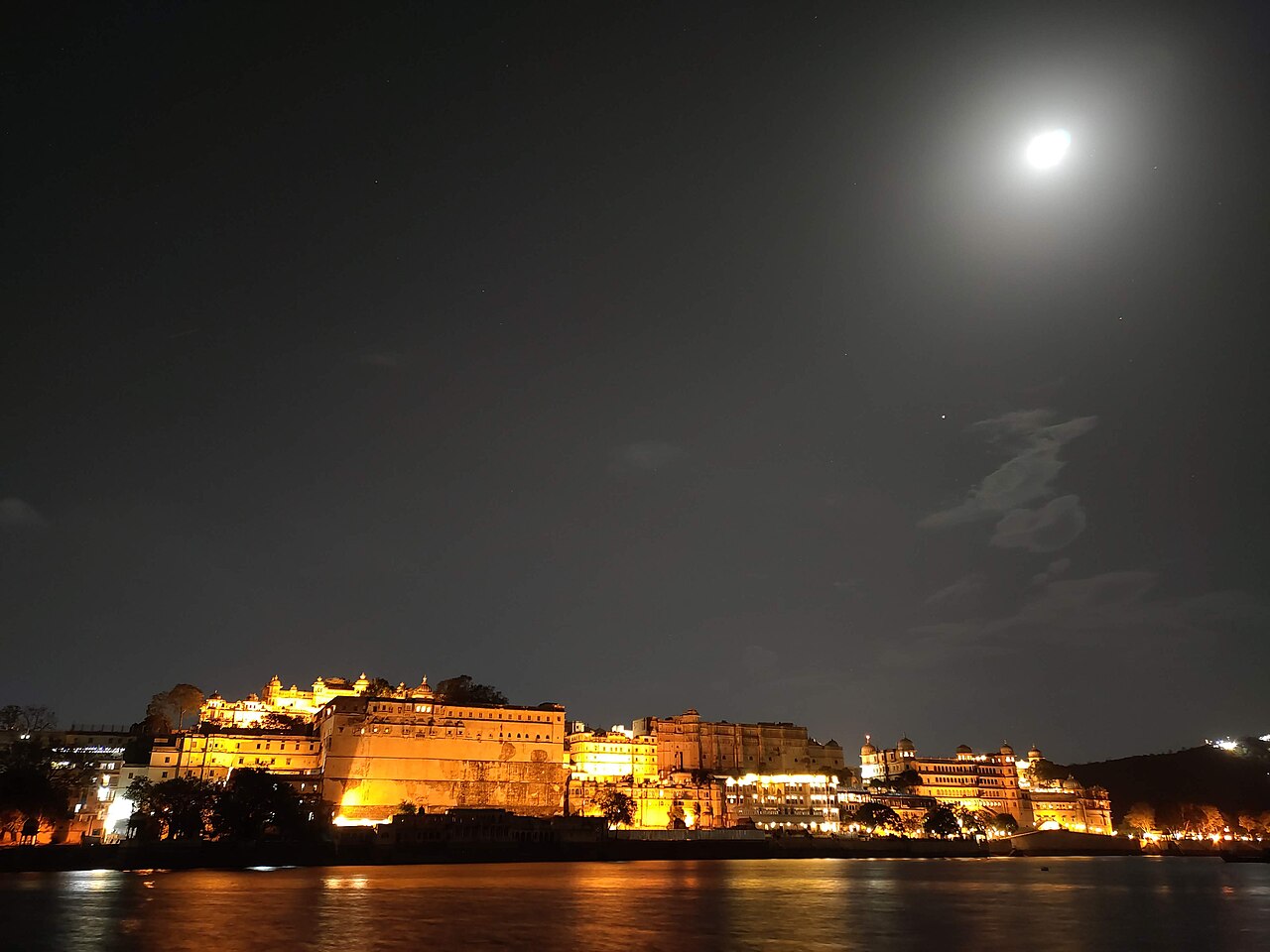 #9 in UdaipurFree entry
Ambrai Ghat
Nature · 300 m · about 5 min walk
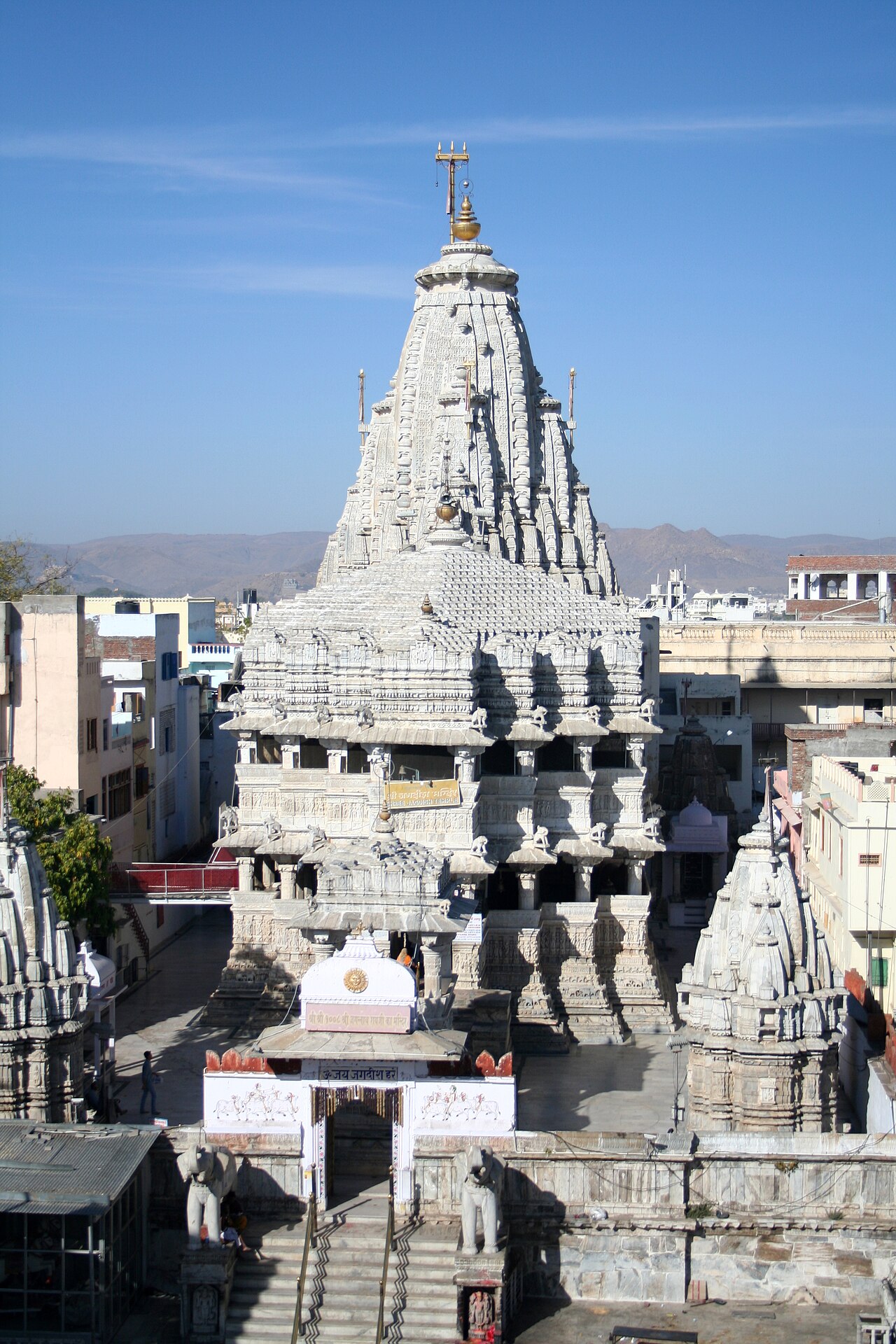 #4 in UdaipurFree entry
Jagdish Temple
Temple · 400 m · about 6 min walk
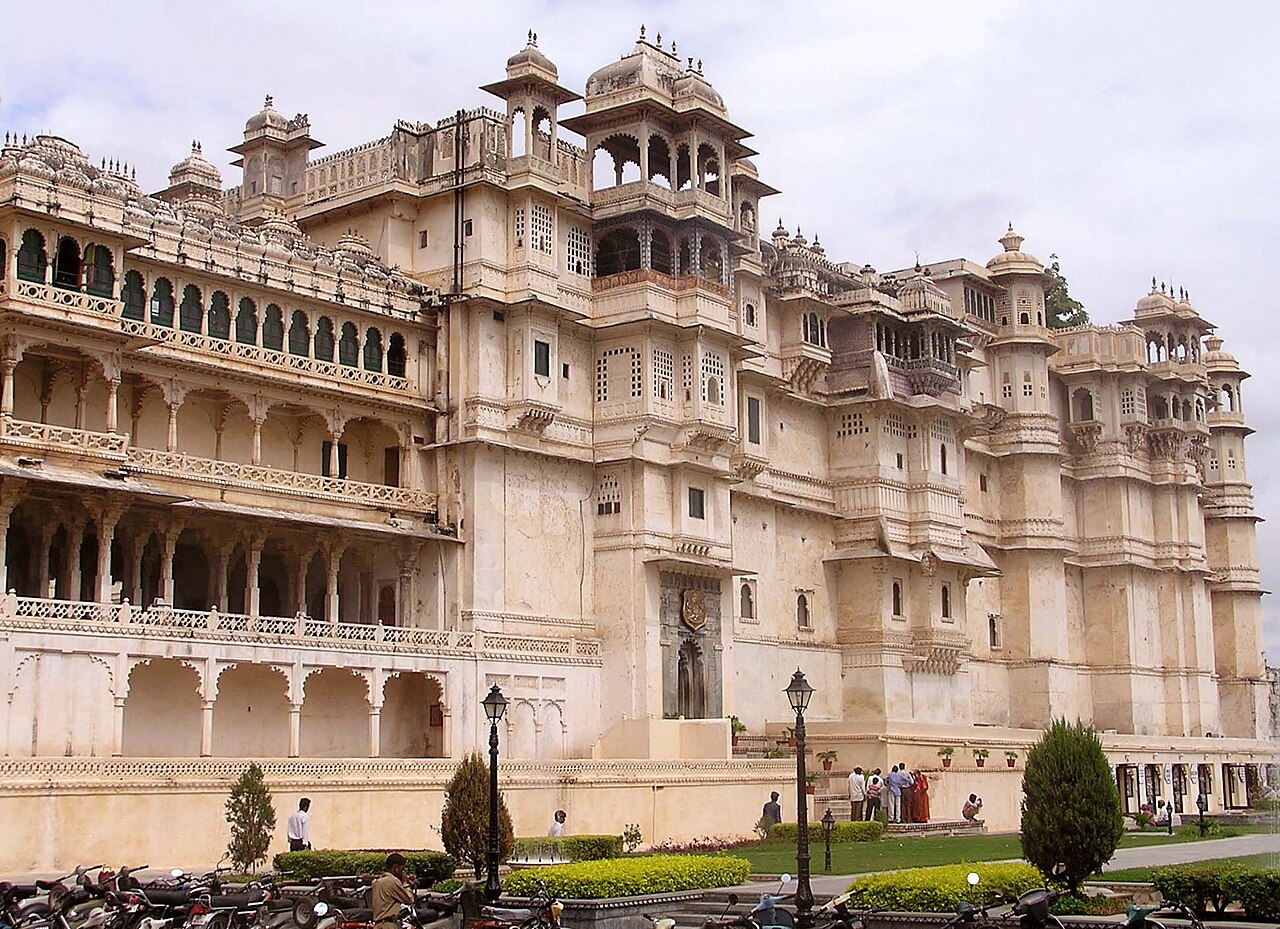 #1 in Udaipur
City Palace Udaipur
Palace · 500 m · about 8 min walk
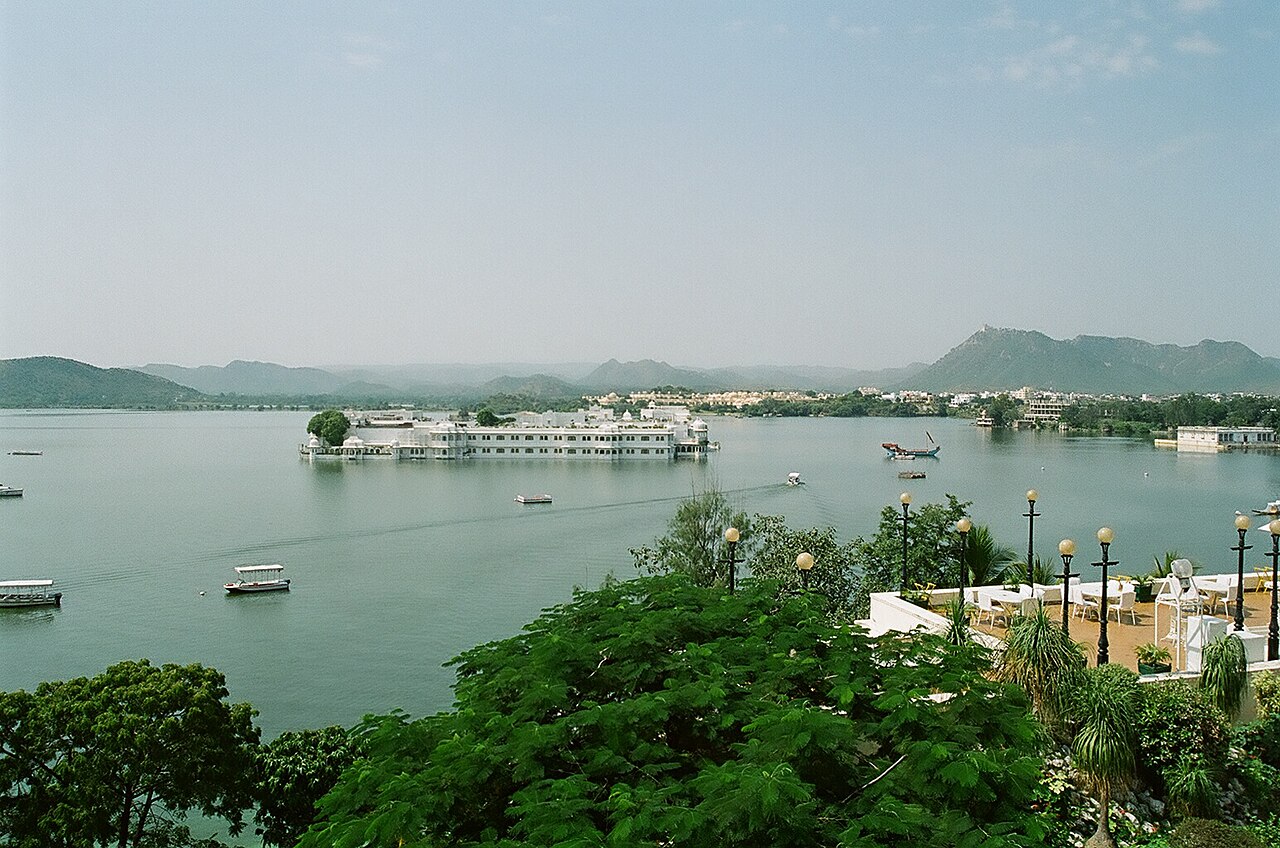 #2 in UdaipurFree entry
Lake Pichola
Lake · 850 m · about 14 min walk