
Jagdish Temple
#4of 10 places to visit in UdaipurUdaipur, Rajasthan
Also known as Jagannath Rai Temple · Jagdish Ji Mandir
Quick answer
Opening hours: 05:00–14:00 and 16:00–22:00. Entry is free. Allow 30 min. Best time: 07:00 – 08:30.
Updated · Compiled by Traveliac, AI-assisted · 5 min read
- Opening hours
- 05:00–22:00
- 05:00 – 14:00 and 16:00 – 22:00 daily, closed to visitors during the midday and late-night gap for temple staff rest and cleaning.
- Entry fee
- Free
- Time needed
- 30 min
- Best time of day
- 07:00 – 08:30
- Best months
- Sep – Mar
- Address
- Jagdish Temple Road, near City Palace, Udaipur, Rajasthan 313001
About Jagdish Temple
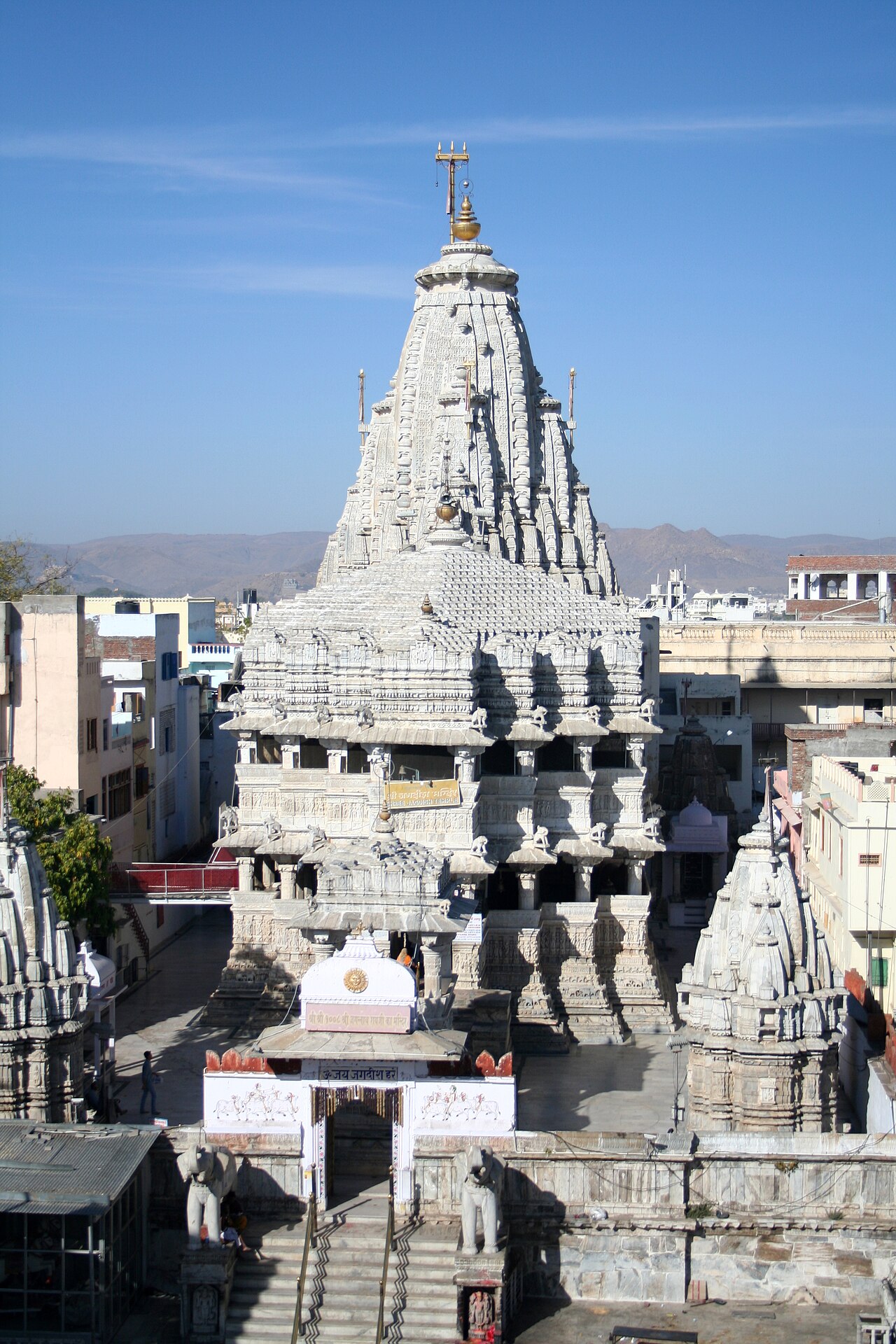
Jagdish Temple stands roughly 150 metres from City Palace's main gate, close enough that most visitors reach it on foot as an extension of a palace visit, but it functions as a fully independent institution — a living temple with a daily worship schedule rather than a museum piece. Built in the Indo-Aryan Nagara style typical of North Indian temple architecture, its stepped, tapering shikhara tower rises roughly 24 metres over the main sanctum, carved in horizontal registers of sculpted deities, musicians, and elephants that grow progressively finer in detail toward the base, where visitors can examine them at close range. The temple enshrines a black stone image of Vishnu in his form as Jagannath ('Lord of the Universe'), four-armed and standing beneath a carved canopy, installed in the main sanctum. Facing the sanctum, mounted on its own carved plinth just outside the main door, is a brass image of Garuda, Vishnu's mythological eagle-mount, cast in a kneeling posture of devotion — a standard iconographic pairing in Vaishnava temple architecture, positioned here so that devotees pass Garuda immediately before entering the main shrine.
Best time of day: 07:00 – 08:30. For the morning aarti, when the temple is active with worship, bells, and incense but has not yet filled with the midday sightseeing crowd walking over from City Palace.
Jagdish Temple timings
Jagdish Temple is open 05:00–14:00 and 16:00–22:00. The weekend is no different: Saturday and Sunday follow the same times.
- Opening hours
- 05:00–22:00
Mon–Sun 05:00–14:00 and 16:00–22:00 - 05:00 – 14:00 and 16:00 – 22:00 daily, closed to visitors during the midday and late-night gap for temple staff rest and cleaning.
- Closed on
- Open every day
Good to know: Aarti (devotional prayer ceremony) times shift slightly with sunrise and sunset across the year; the main evening aarti typically falls between 19:00 and 19:30.
Opening hours compiled from eternalmewar.in and public records, last updated . They change without notice — confirm before you travel. How we write these guides
Jagdish Temple ticket price
| Ticket | Price |
|---|---|
| Indian visitors | Free |
| Foreign visitors | Free |
| Children | Free |
| Camera | Free |
No entry fee for the temple itself, which remains a working place of worship rather than a ticketed monument. Photography of the exterior carvings is generally permitted; photography inside the inner sanctum during active worship is discouraged and sometimes actively stopped by temple staff, particularly during aarti.
Prices compiled from eternalmewar.in and public records, last updated . They change without notice — confirm before you travel. How we write these guides
Best time to visit Jagdish Temple
- Quiet
- Moderate
- Busy
- Very busy
05:00 – 07:00
Early Morning WorshipBest time to go
Local devotees attend the first worship rituals of the day. Tourist presence is minimal; the temple feels genuinely local at this hour.
Quiet07:00 – 09:00
Morning Aarti
Morning aarti draws a mixed crowd of devotees and early-arriving tourists coming from nearby old-city guesthouses. Bells and chanting are at their most active.
Moderate10:00 – 13:00
Sightseeing Hours
Visitors walking over from City Palace peak in this window, mixing with worship activity. The outer carved plinth and steps get busy with photography.
Busy19:00 – 19:30
Evening Aarti
The main evening aarti draws the temple's largest single gathering of the day. Sanctum area is tightly packed; non-worshippers observe from the outer hall.
Very busy
History of Jagdish Temple
Maharana Jagat Singh I commissioned the temple in 1651, and it took a reported architect and sculptor collective the better part of a decade working under royal patronage to complete the elaborate stone carving programme covering the exterior walls, plinth, and shikhara. Jagat Singh I's reign was a relatively stable and prosperous period for Mewar, coinciding with reduced direct Mughal military pressure, which gave the state's treasury room for large non-military architectural commissions — this temple, along with contributions to the Jag Mandir island palace, both date to his patronage.
The temple's construction followed the broader Mewar tradition of dynastic temple-building as an act of both piety and political legitimacy: a Maharana's major temple commission signalled prosperity and divine sanction for continued rule, publicly displayed at the doorstep of the palace rather than at a remote pilgrimage site. Jagdish Temple's location, a short walk from the City Palace's main gate, was a deliberate statement of the ruler's personal devotion made visible to his own capital's residents.
The temple has remained in continuous active worship since its 1651 consecration, surviving multiple political transitions with less structural intervention than most Mewar monuments — its carved stonework is considered one of the best-preserved examples of mid-17th-century Rajasthani temple sculpture, since it was never repurposed, abandoned, or substantially modified after completion.
Rules & etiquette at Jagdish Temple
Shoes must be removed before ascending the main stone steps to the temple platform; a free shoe-deposit rack sits at the base of the steps, though it is informally staffed and visitors should keep their own token or note the rack position, as there is no numbered claim ticket system.
As an active place of worship, modest dress is expected — shoulders and knees covered — though enforcement is less strict here than at some Rajasthan temples given the steady flow of international tourists; still, visitors in swimwear or very short clothing are sometimes asked to wait outside the inner sanctum. Leather items are not restricted here as they are at some Jain and Meena-clan-associated shrines, since this is a Vaishnava Hindu temple without that specific taboo.
During aarti, the inner sanctum area becomes tightly packed and non-worshippers are expected to observe from the outer mandapa (pillared hall) rather than crowd the sanctum steps. Photography inside the sanctum during active worship is generally discouraged by temple staff, even though no formal signage enforces this uniformly.
Tips for visiting Jagdish Temple
- 1
The temple's exterior carved plinth — a continuous frieze of elephants, dancers, and mythological figures running around the entire base of the structure — rewards a slow, close walk around the perimeter, which most rushed visitors skip in favour of going straight up the main steps to the sanctum.
- 2
Because the temple sits directly on the walking route between City Palace and the Bagore Ki Haveli / Gangori Ghat area, it is easily folded into a single old-city walking circuit rather than requiring a separate trip — many visitors do City Palace in the morning, Jagdish Temple immediately after, and Bagore Ki Haveli's evening Dharohar dance show as a natural close to the same day.
- 3
The surrounding lane is dense with small shops selling miniature paintings, textiles, and silver jewellery aimed at temple-visiting pilgrims and tourists alike; prices here run higher than in the main Hathi Pol market a few streets away, and bargaining is expected.
How to reach Jagdish Temple
The red star is Jagdish Temple; the numbered pins are the 8 nearest places in our guides, each showing its rank in its city. Tap a pin for details.
Jagdish Temple Road, near City Palace, Udaipur, Rajasthan 313001Directions in Google Maps
From Maharana Pratap Airport (UDR)
₹450–₹60023 km · 40–50 min
Prepaid taxi).
From Udaipur City Railway Station (UDZ)
₹100–₹1503.5 km · 12–18 min
Auto-rickshaw, negotiated).
From City Palace Main Gate
0.2 km · 3–5 min walk
Free — walking distance.
Nearest airport
From Maharana Pratap Airport (UDR)
23 km, approximately 40–50 minutes.
Nearest railway station
From Udaipur City Railway Station (UDZ)
3.5 km, approximately 12–18 minutes.
Jagdish Temple FAQs
Is there an entry fee for Jagdish Temple?
No. Jagdish Temple is a working place of worship, not a ticketed monument, and entry is free at all times it is open to visitors.
Who built Jagdish Temple and when?
Maharana Jagat Singh I commissioned it in 1651. It was built in the Indo-Aryan Nagara style with an elaborately carved stone shikeda tower and has remained in continuous active worship since its consecration.
What deity is enshrined at Jagdish Temple?
The main sanctum holds a black stone image of Vishnu in his form as Jagannath, four-armed, installed beneath a carved canopy. A brass statue of Garuda, Vishnu's eagle-mount, faces the sanctum on its own plinth just outside the main door.
Can you visit Jagdish Temple and City Palace in the same walk?
Yes. The temple sits roughly 150 metres from City Palace's main Tripolia Gate, a 3–5 minute walk, making it straightforward to combine both in a single old-city itinerary along with Bagore Ki Haveli further along the same walking route.
Compiled with AI assistance from official sources and public records, and published only after the checks in How we write these guides. Nobody from Traveliac has visited this place. Last updated . How we rank and check places
Places to visit near Jagdish Temple
Straight-line distances from our map; times are estimates.
 #5 in Udaipur
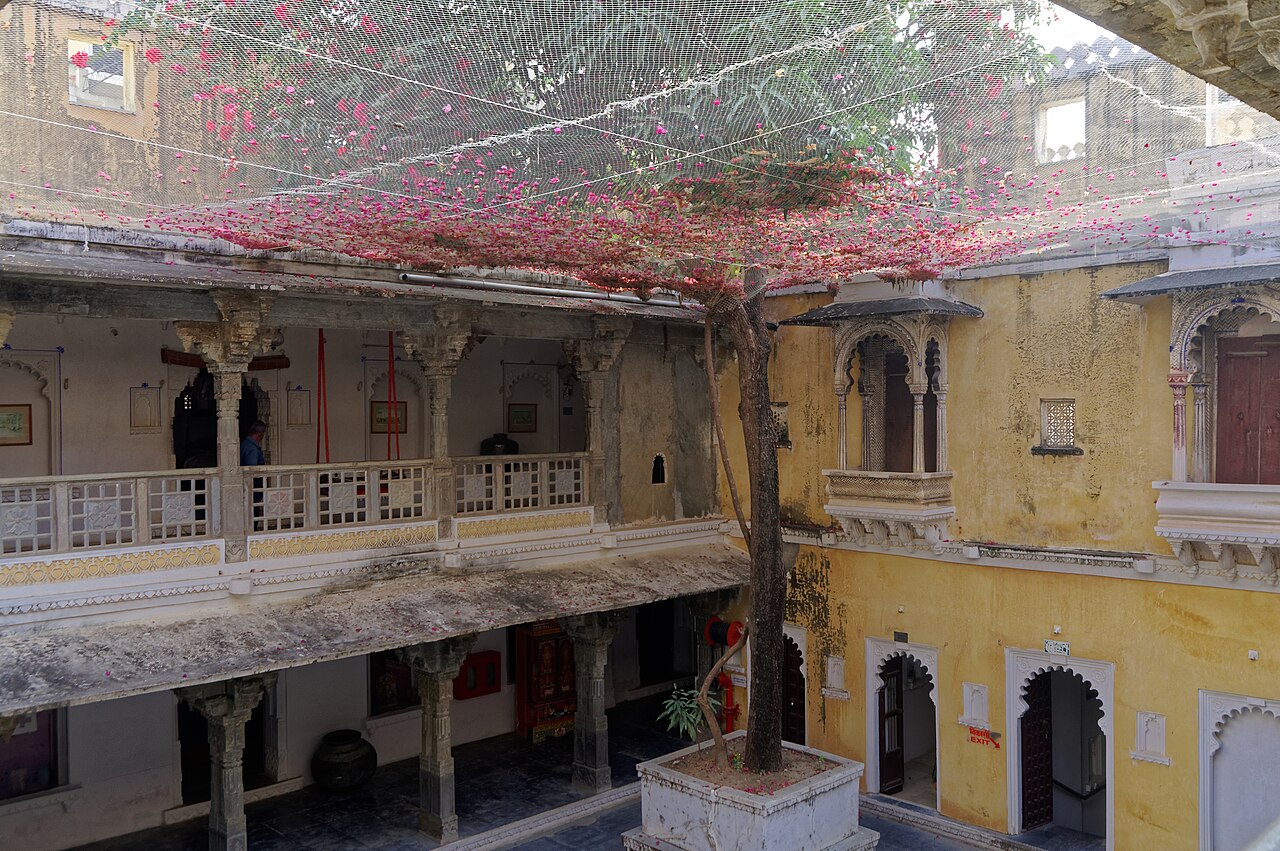
Bagore Ki Haveli
Palace · 400 m · about 6 min walk
 #1 in Udaipur
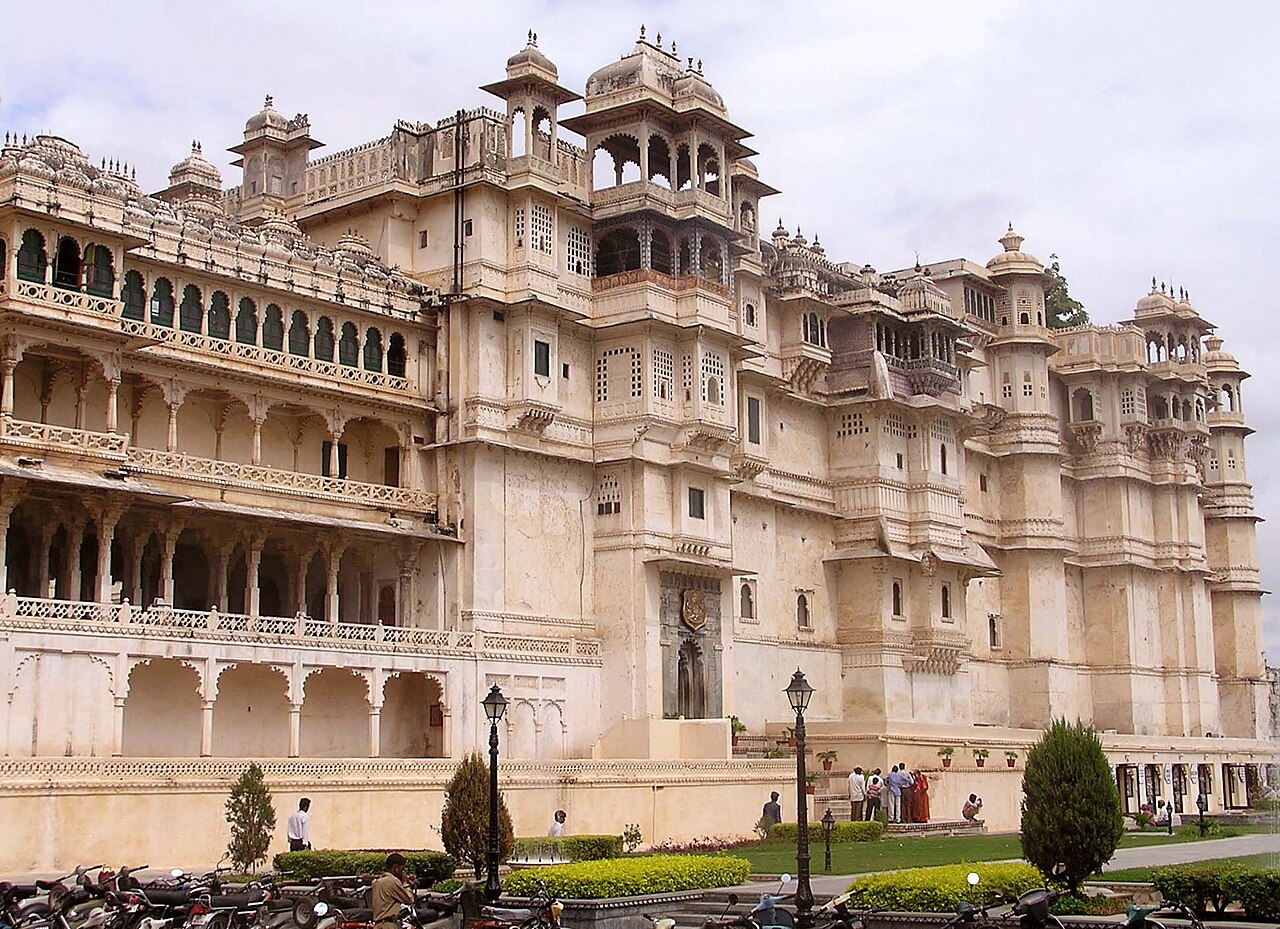
City Palace Udaipur
Palace · 450 m · about 7 min walk
 #9 in UdaipurFree entry
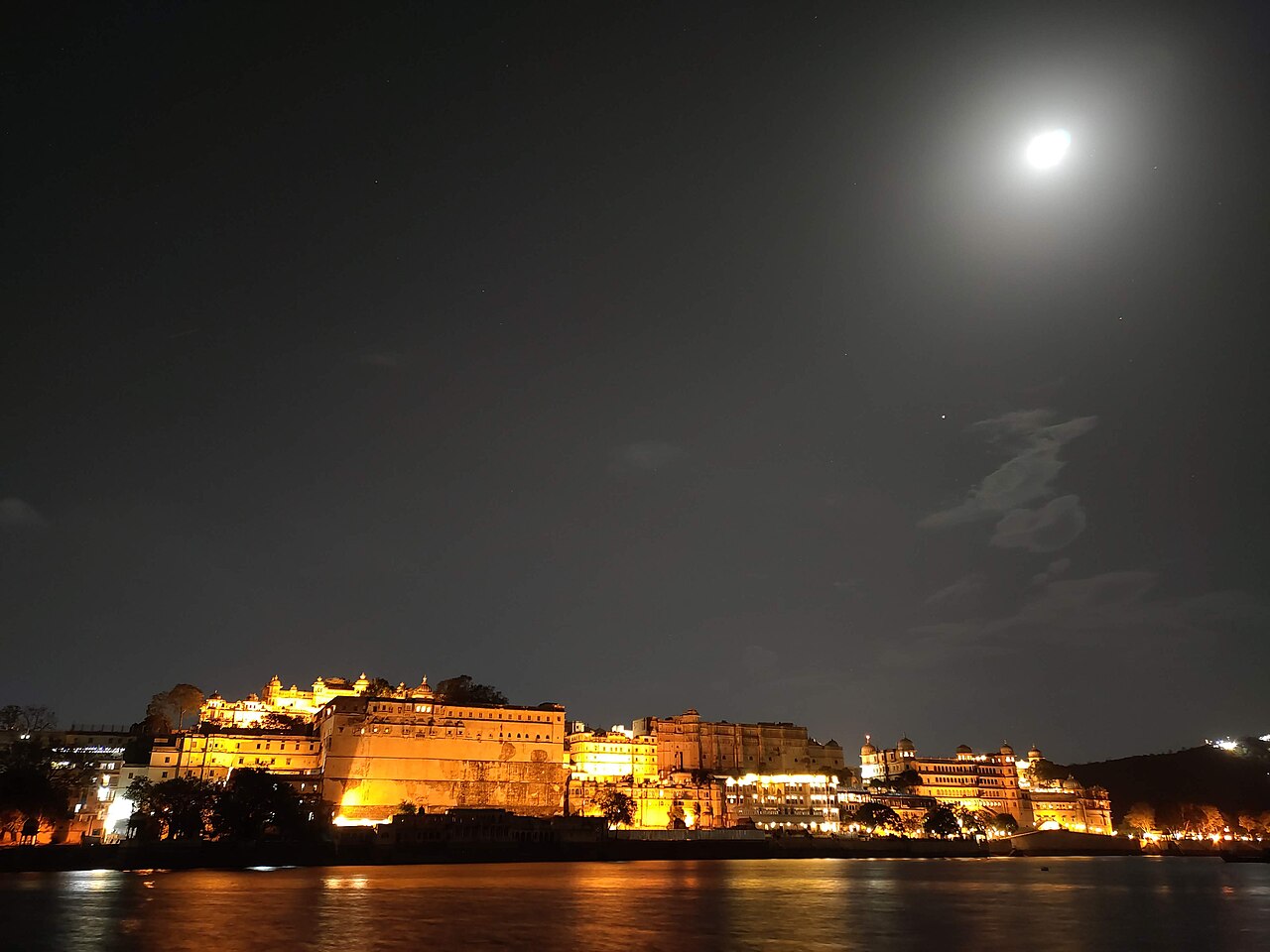
Ambrai Ghat
Nature · 650 m · about 11 min walk
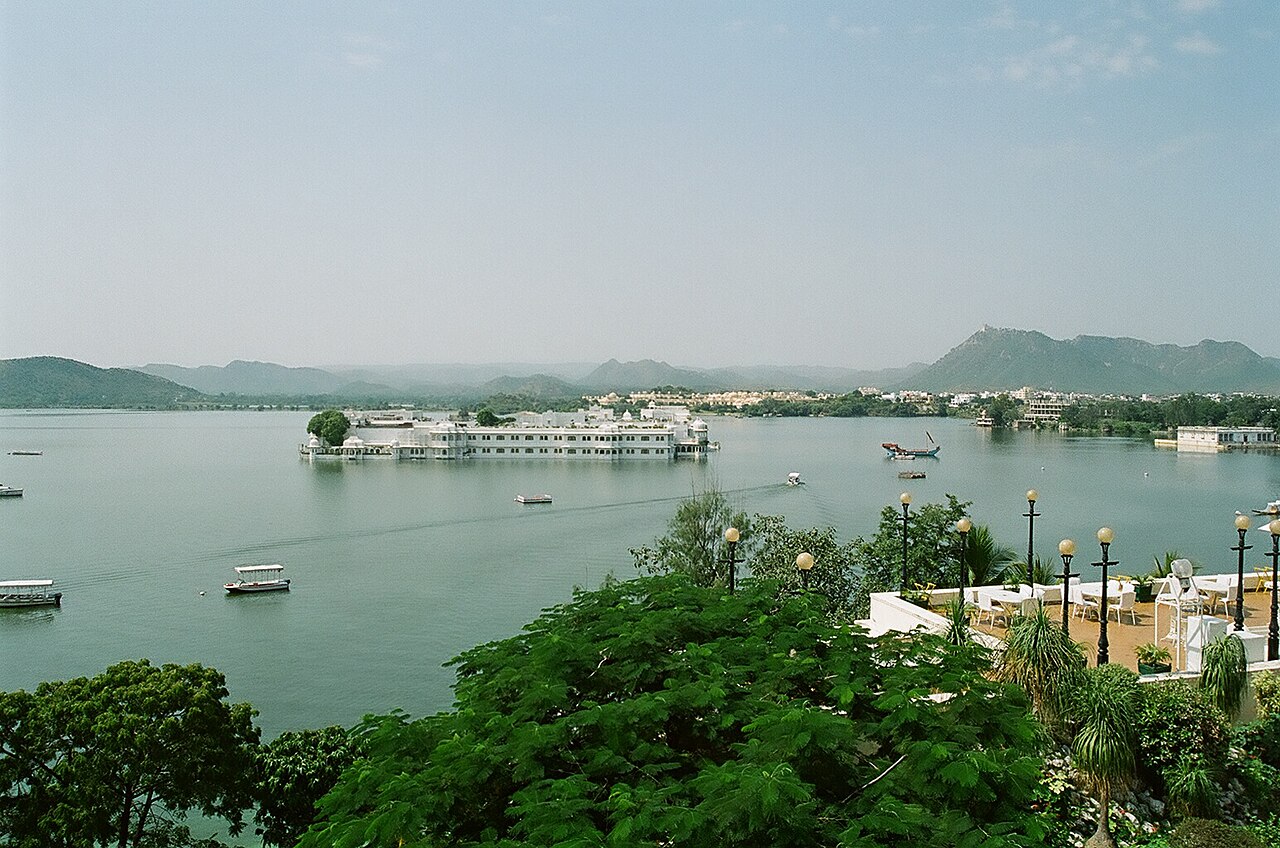 #2 in UdaipurFree entry
Lake Pichola
Lake · 1000 m · about 16 min walk