
Delhi travel guide
9 Places to Visit in New Delhi
Also known as Delhi · NCT Delhi · Dilli
New Delhi is technically only the administrative district designed by Edwin Lutyens and Herbert Baker between 1911 and 1931 — the broad ceremonial boulevards, the white colonnaded bungalows of the diplomat belt, and the Rajpath axis from India Gate to Rashtrapati Bhavan.
Updated ·Compiled by Traveliac, AI-assisted ·How we rank
- Best time
- Oct – Nov, Feb – Mar
- Time needed
- About 3 days
- 17 hours of sightseeing
- Fly into
- Indira Gandhi International Airport (DEL)
- Nearest station
- Lal Qila Metro Station (Violet Line)
- Free to enter
- 6 of 9
Top things to do in New Delhi
Ranked on five published criteria- 1
Fort
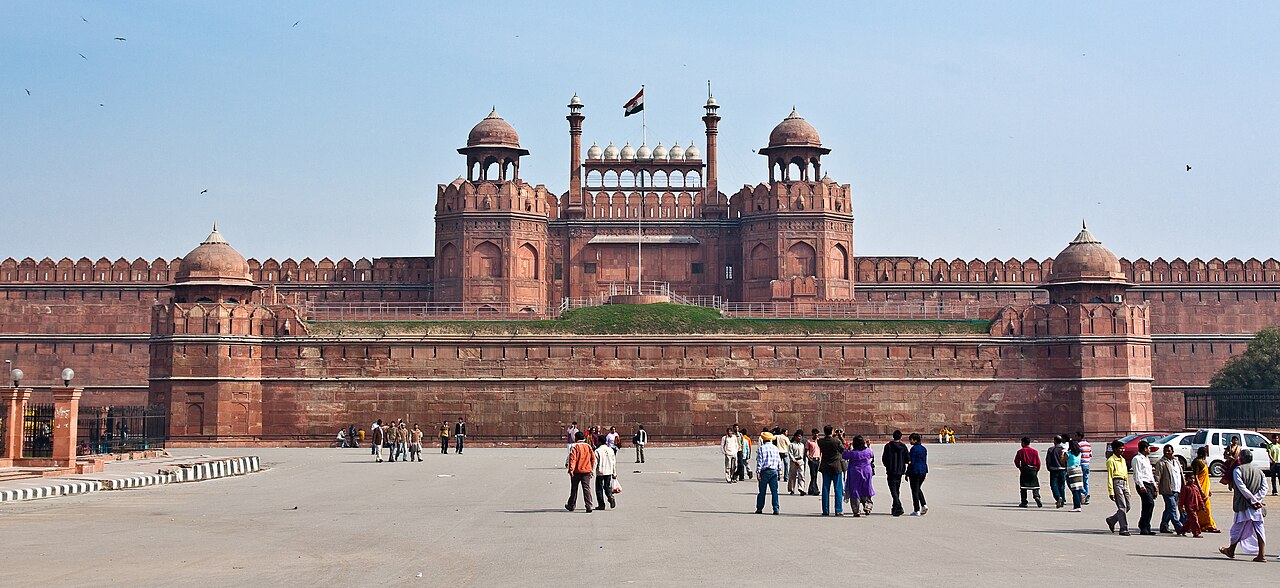
Red Fort
Shah Jahan built the Red Fort as the fortified palace of Shahjahanabad, the walled capital he founded when he moved the Mughal seat of power from…
2.5 hrs₹35 Indian
 2
2Monument
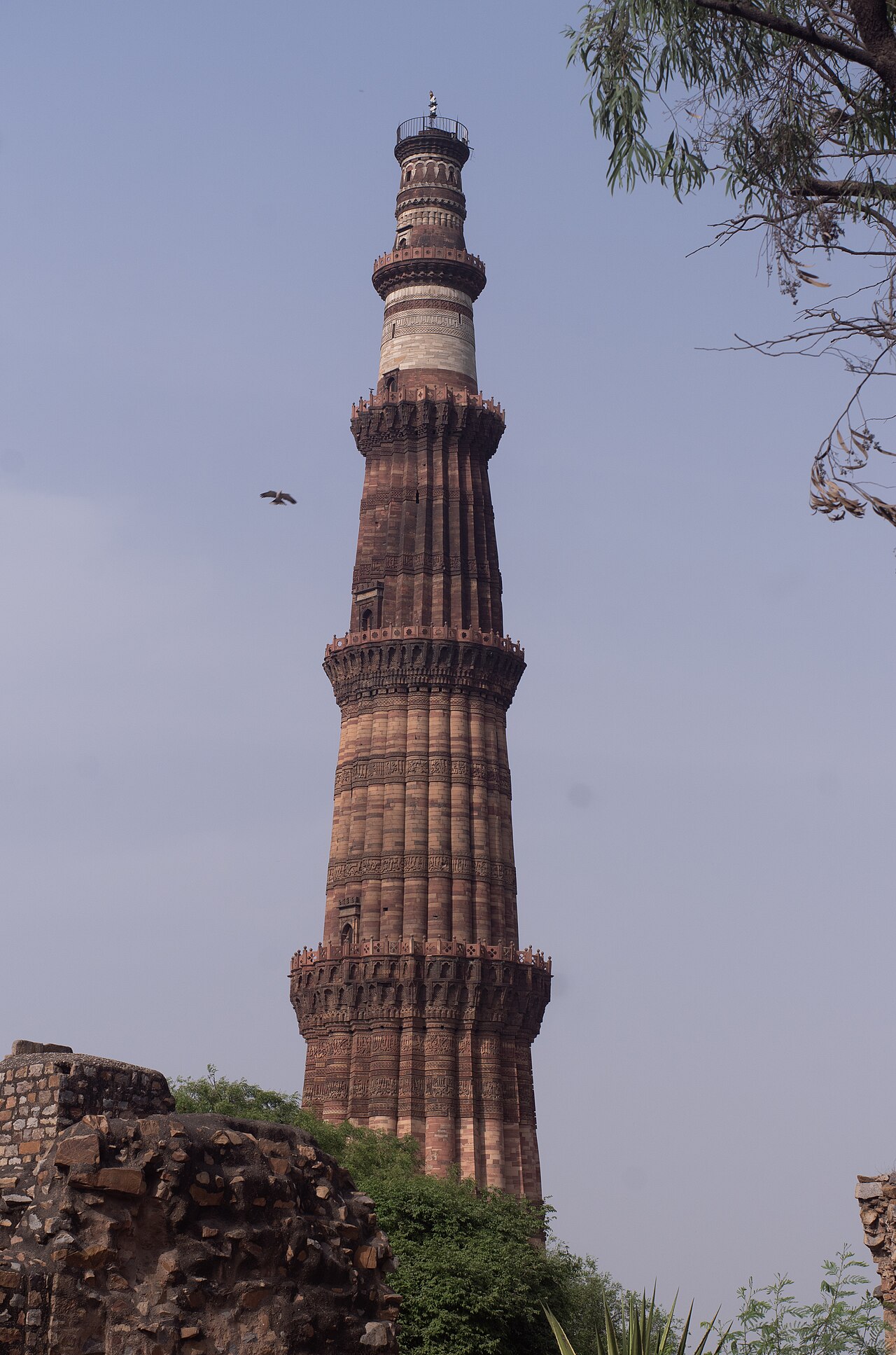
Qutub Minar
Qutub Minar rises 72.5 metres over five tapering storeys, making it the tallest brick minaret in the world, and its surface reads as a stacked record…
1.5 hrs₹40 Indian
 3Free entry
Mosque
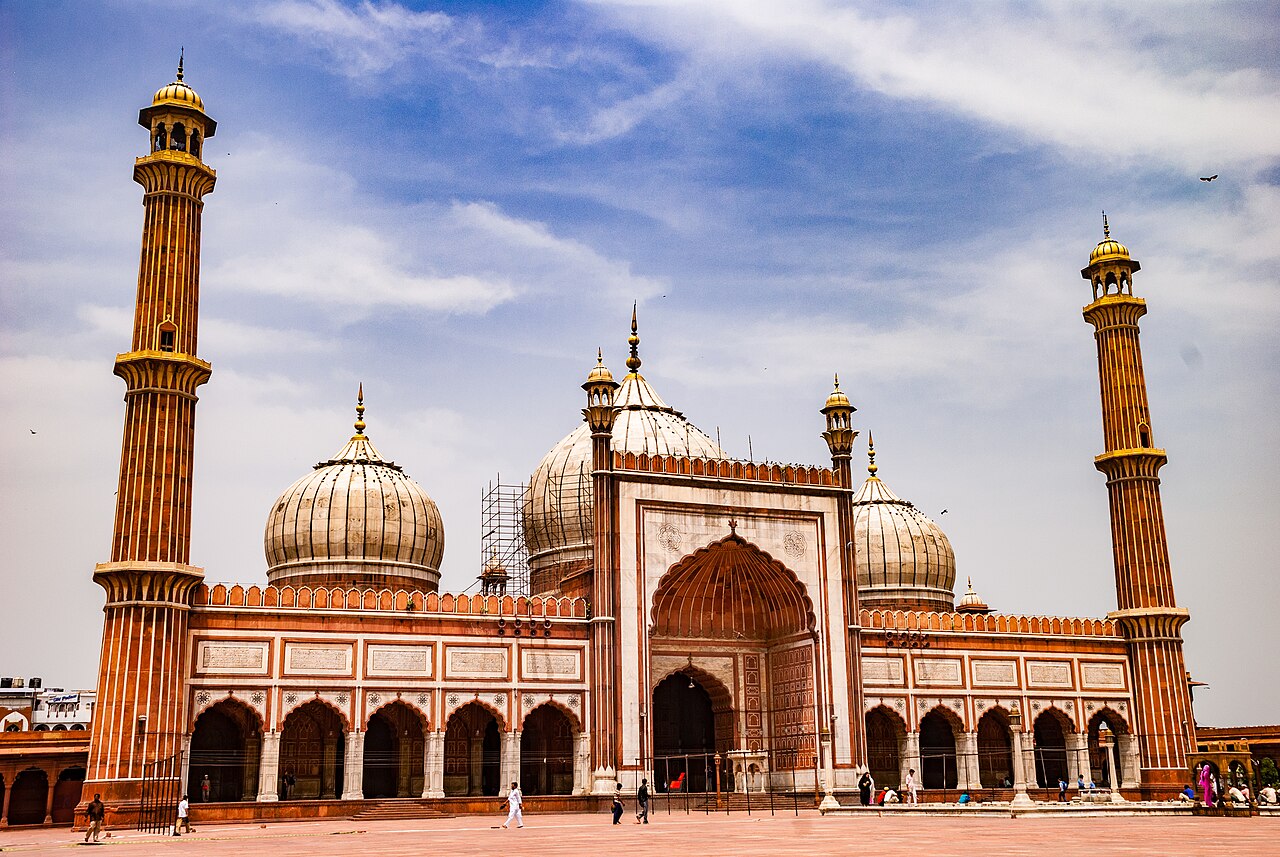
Jama Masjid
Jama Masjid was Shah Jahan's imperial mosque for Shahjahanabad, built between 1650 and 1656 in the same red sandstone and white marble register as…
1 hr
 4Free entry
Market
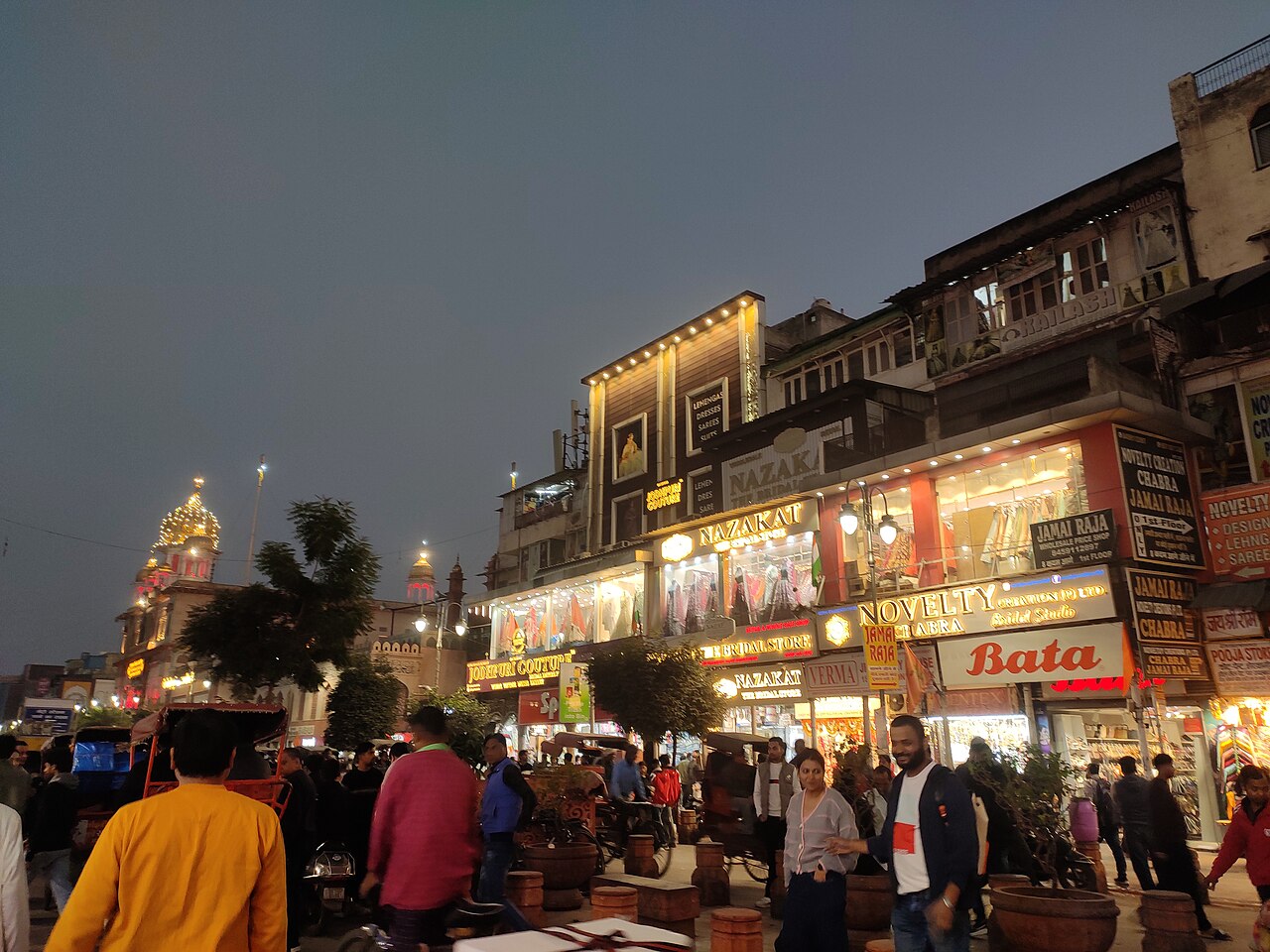
Chandni Chowk
Jahanara Begum, Shah Jahan's eldest daughter, laid out Chandni Chowk in the 1650s as the principal commercial street of Shahjahanabad, running from…
3 hrs
 5Free entry
Memorial
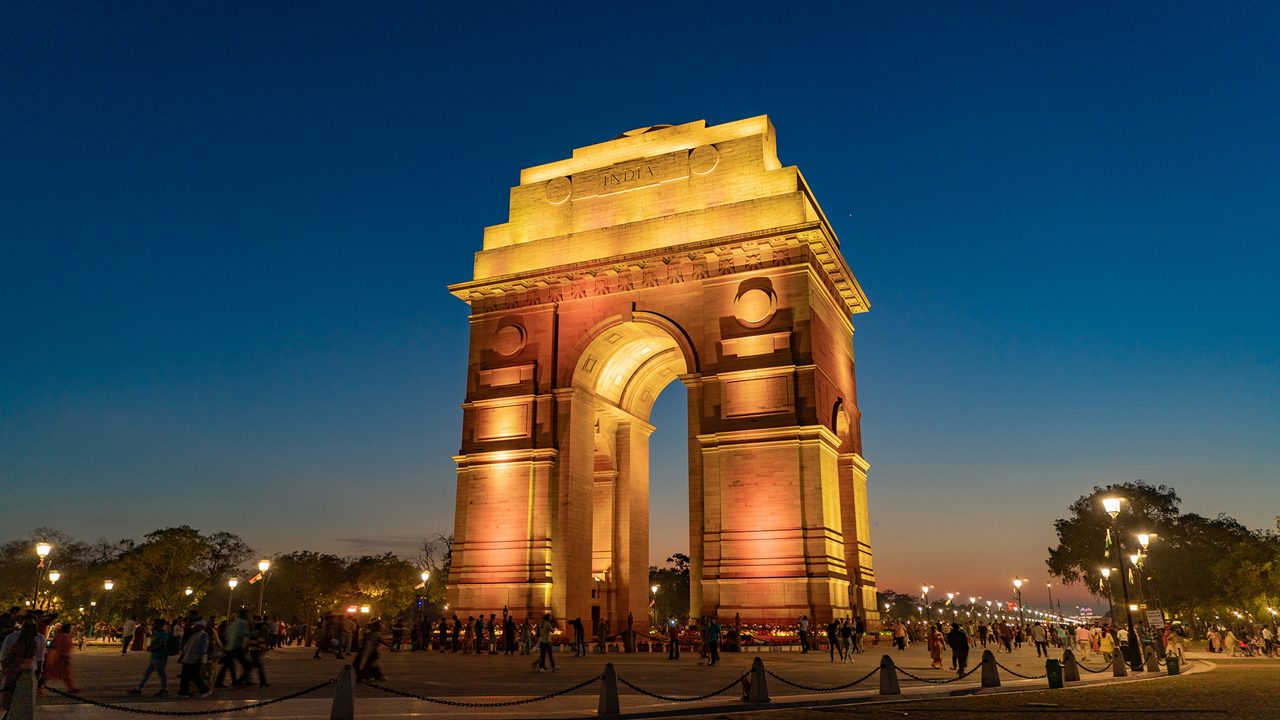
India Gate
India Gate is a 42-metre sandstone and granite triumphal arch designed by Sir Edwin Lutyens, the same architect responsible for the broader New Delhi…
1 hr
 6Free entry
Temple
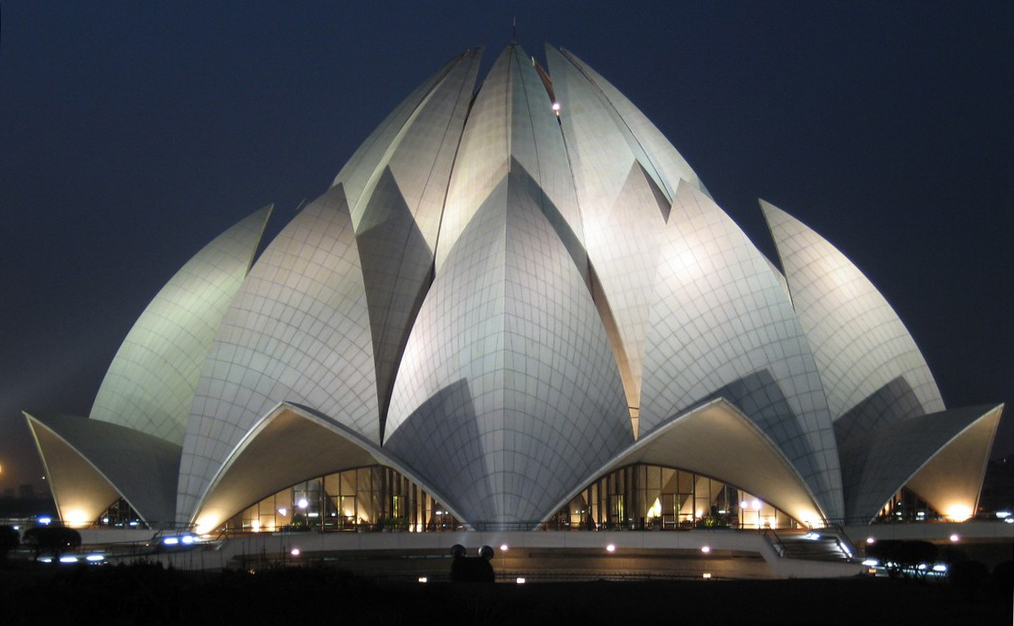
Lotus Temple
The Lotus Temple's structure comprises 27 free-standing marble-clad petals, arranged in three ranks of nine to form a shape read universally as a…
1 hr
 7Free entry
Temple
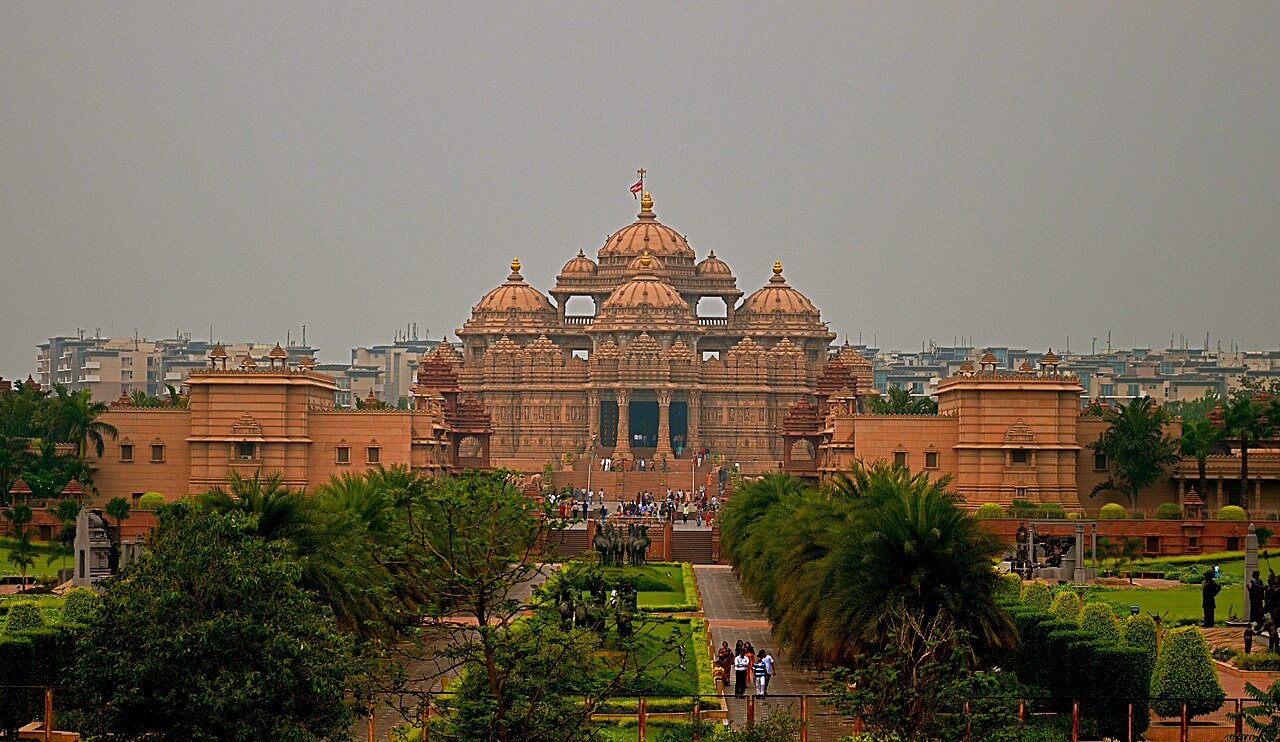
Akshardham Temple
Swaminarayan Akshardham occupies 100 acres on the eastern bank of the Yamuna and was completed in 2005, built entirely without structural steel —…
3.5 hrs
 8
8Museum
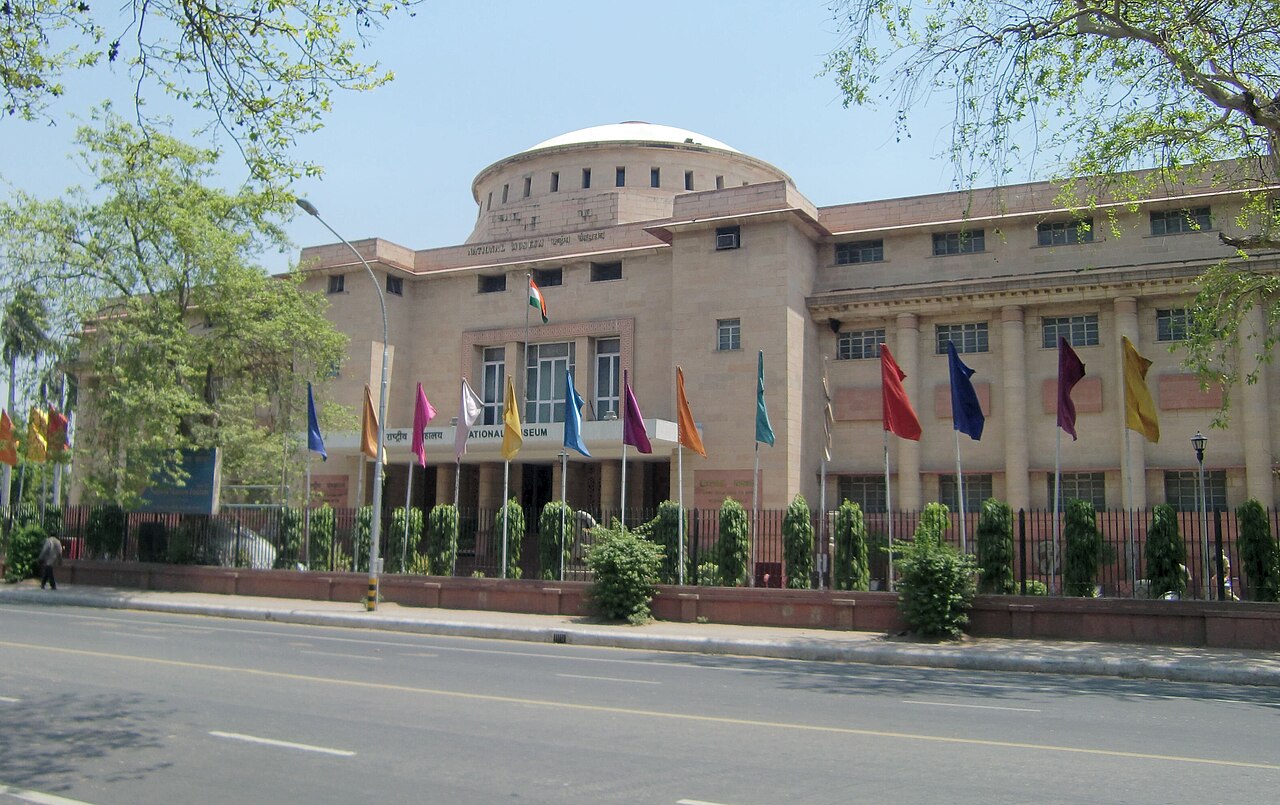
National Museum, Delhi
The National Museum's collection began not in Delhi but in London, assembled for a 1947–48 Exhibition of Indian Art at the Royal Academy that toured…
2 hrs₹20 Indian
 9Free entry
Garden
Lodhi Gardens
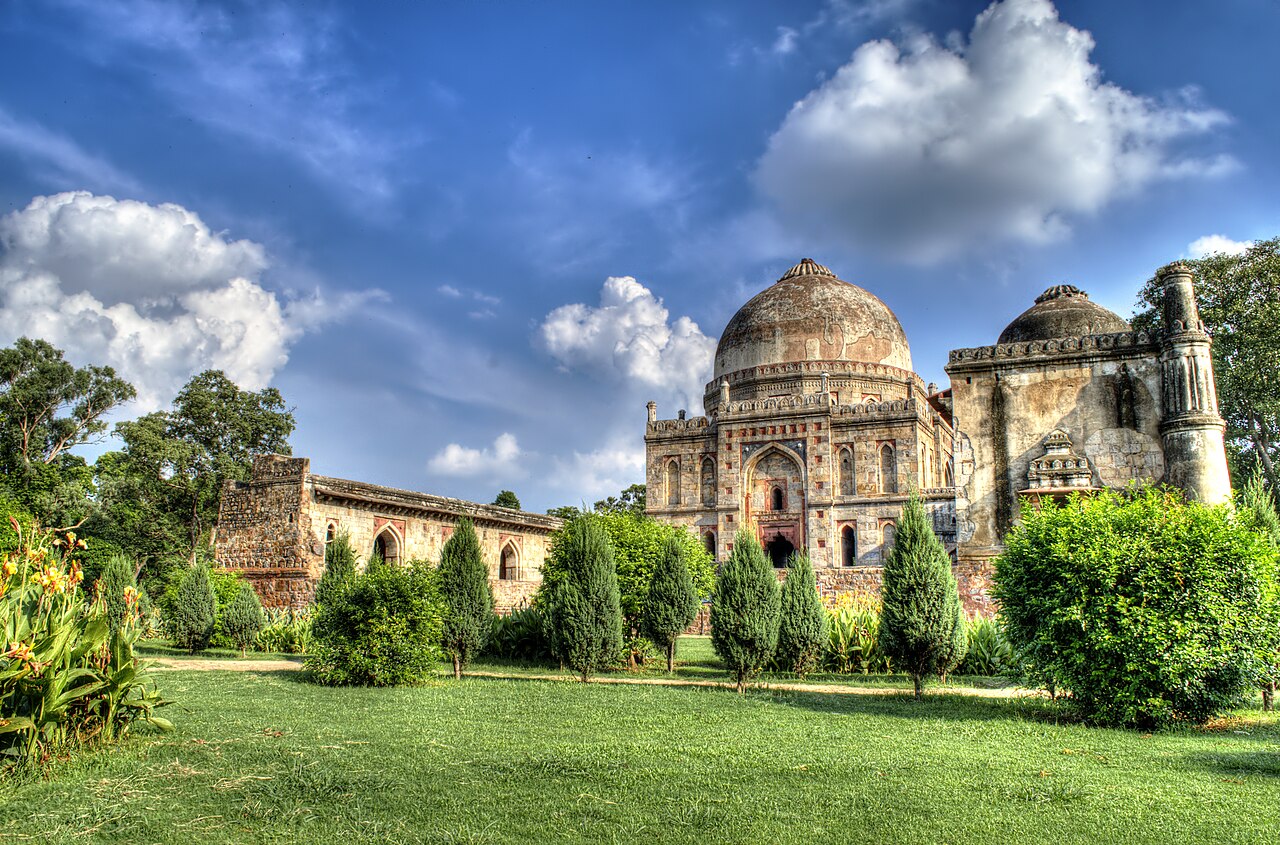
Lodhi Gardens spreads across 90 acres of landscaped lawns, mature tree cover, and formal pathways built around four surviving 15th- and 16th-century…
1.5 hrs
Map of places to visit in New Delhi
Numbers match the ranking; the top 3 are orange. Tap a pin for its guide. 1 place has no map position yet.
Day trips from New Delhi
Worth a day out if you have one to spare, nearest first.
50 km · 1–1.5 hours via NH 48 and the Gurugram-Farrukhnagar road
Sultanpur National Park (Bird Sanctuary)
A Ramsar-listed wetland reserve drawing migratory waterfowl — including painted storks, greater flamingos and thousands of wintering ducks and waders — between November and March; a manageable half-day trip that pairs well with an early departure and a return before evening traffic builds on NH 48.
122 km · 2 hours via NH 48
Neemrana Fort-Palace, Rajasthan
A 15th-century Rajput fort converted into a heritage hotel; the stepped structure drops fourteen levels down a hillside, with a pool suspended over the Aravalli foothills.
200 km · 3 hours
Sariska Tiger Reserve
Rajasthan's closest tiger reserve to Delhi, with Project Tiger population recovery ongoing; morning safaris through dry deciduous forest and ruined temples within the reserve boundary.
230 km · 3–4 hours by road; 100 minutes by Gatimaan Express train
Agra
The Taj Mahal, Agra Fort, and Fatehpur Sikri can be done as an ambitious day trip on the Gatimaan Express departing Hazrat Nizamuddin at 08:10, returning by 21:35 — though two days is far more honest.
About New Delhi
In common usage, however, the name covers the entire National Capital Territory, a 1,484-square-kilometre patchwork of colonial planning, Mughal ruins, medieval villages absorbed by expansion, and contemporary high-rises that refuses to cohere into anything like a conventional city.
For monument visitors, the itinerary divides naturally by geography and era. Shahjahanabad — Old Delhi — contains the 1638–1648 Red Fort complex and the 17th-century Jama Masjid mosque, reachable via Delhi Metro's Yellow Line at Chandni Chowk. South Delhi's Mehrauli neighbourhood, a thirty-minute Metro ride away, holds the 12th-century Qutub Minar complex, representing the earliest phase of Islamic architecture in the subcontinent. Between these extremes, Nizamuddin — accessible from the Violet Line — delivers Humayun's Tomb, the 1570 garden mausoleum that served as the direct architectural prototype for the Taj Mahal, sitting alongside the living Sufi shrine of Nizamuddin Auliya.
The Delhi Metro is the correct answer to almost every transit question. The network's four key monument corridors — Chandni Chowk (Yellow Line), Qutub Minar via HUDA City Centre (Yellow Line to Qutub Minar station), and Jangpura/Nizamuddin (Violet Line) — connect every major site with journeys under 45 minutes for ₹20–₹60. Auto-rickshaw fares should be metered in theory; in practice, quote ₹100–₹200 for cross-neighbourhood short hops and expect negotiation. App-based autos (Ola, Rapido) consistently undercut street-flagged rates.
New Delhi travel FAQs
How many days do you need in New Delhi?
Plan about 3 days for New Delhi. Its top attractions take roughly 17 hours of sightseeing in total, so 3 days covers the highlights without rushing — you can move faster if you are short on time.
What is the best time to visit New Delhi?
The best time to visit New Delhi is Oct – Nov, Feb – Mar.
Is New Delhi cheap or expensive to visit?
Entry to New Delhi's top attractions ranges from ₹20 to ₹40 for Indian nationals (foreign visitors pay more — about ₹550 to ₹650), and 6 of the top 9 are free to enter. Prices are the latest checked on each place's page; always confirm current rates on the official website.
What is New Delhi famous for?
New Delhi is best known for its top sights, including Red Fort, Qutub Minar and Jama Masjid. The full ranked list of things to do is on this page.
How much time should you spend at Red Fort?
Allow about 2.5 hrs for Red Fort.
Spotted something wrong, or a place we missed?
Tell us and an editor will check it against official sources and fix the page.