
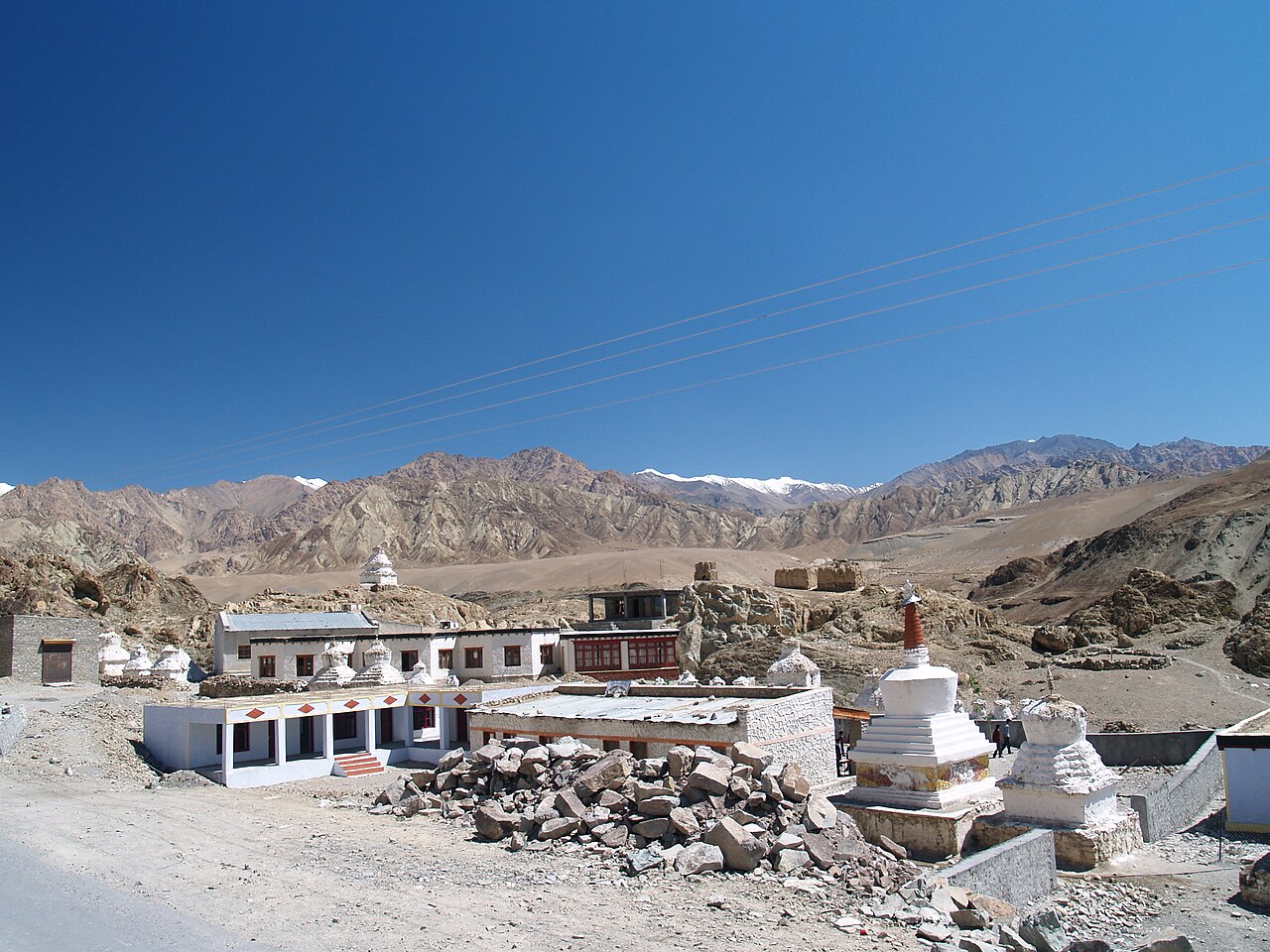
Alchi Monastery
#8of 9 places to visit in LehLeh, Ladakh
Also known as Alchi Choskor · Alchi Gompa
Quick answer
Opening hours: 08:00–18:00. Entry: ₹50 Indian · ₹100 foreign. Allow 1.5 hrs. Best time: 10:00 – 13:00.
Updated · Compiled by Traveliac, AI-assisted · 6 min read
- Opening hours
- 08:00–18:00
- 08:00 – 18:00 daily; temples may close briefly around midday if the caretaker steps away, though this is informal rather than a fixed schedule.
- Entry fee
- ₹50 Indian
- Ticket from
- Time needed
- 1.5 hrs
- Best time of day
- 10:00 – 13:00
- Best months
- Jun – Sep
- Address
- Alchi Village, Leh District, Ladakh — 194103, approximately 70 km west of Leh on the south bank of the Indus, reached via the Leh–Kargil Highway and a short bridge crossing near Saspol.
About Alchi Monastery
Alchi is, by most art-historical accounts, the most significant surviving example of the early Kashmiri-influenced school of Buddhist mural painting anywhere in the Western Himalayas, and its temples hold this significance precisely because of what they lack: unlike almost every other Ladakhi gompa, Alchi was never built on a defensible hilltop, and its temples were never substantially rebuilt or repainted over the centuries in the way most active monasteries eventually are. It sits instead on the flat river terrace beside the Indus, and this unusual siting — along with a shift in regional religious and political focus toward institutions elsewhere — appears to have left it in a kind of undisturbed obscurity for long stretches of its history, which is likely why its 11th-century murals survive at all. The murals themselves, found principally in the Dukhang and the three-storey Sumtsek temple, depict multi-armed bodhisattvas, mandalas, and narrative scenes rendered in a style showing clear stylistic debt to Kashmiri Buddhist art of the period — a tradition that was itself largely erased in Kashmir following its later religious and political transformations, making Alchi's murals a rare surviving window into an artistic idiom that barely exists anywhere else. The Sumtsek's three monumental clay bodhisattva statues, each several metres tall and adorned with intricately painted robes depicting miniature narrative scenes within the fabric patterns, are considered among the most important surviving works of this school.
Best time of day: 10:00 – 13:00. When the sun angle provides the most usable indirect daylight through the temples' small window openings without direct glare; this is one of the few Ladakhi monasteries where a dawn visit offers no particular advantage, since there is no active daily puja cycle to observe here.
Alchi Monastery timings
Alchi Monastery opens at 08:00 and closes at 18:00. It keeps the same hours on Saturday and Sunday.
- Opening hours
- 08:00–18:00
Mon–Sun 08:00–18:00 - 08:00 – 18:00 daily; temples may close briefly around midday if the caretaker steps away, though this is informal rather than a fixed schedule.
- Closed on
- Open every day
Good to know: Interior temple viewing depends on natural and lamp light, since the murals are not artificially floodlit to preserve pigment condition — overcast days or late-afternoon low light can make some mural details harder to see clearly.
Opening hours compiled from leh.nic.in and public records, last updated . They change without notice — confirm before you travel. How we write these guides
Alchi Monastery ticket price
| Ticket | Price |
|---|---|
| Indian visitors | ₹50 |
| Foreign visitors | ₹100 |
| Children | Free |
| Camera | Free |
Fee covers the full Choskor (temple cluster) complex, including the Dukhang (main assembly hall), Sumtsek, and the smaller Manjushri and Lotsawa temples. Photography inside the temples is prohibited to protect the fragile centuries-old murals — this is strictly enforced by resident caretakers, unlike the more relaxed photography rules at Thiksey or Hemis. Exterior courtyard photography is permitted.
Prices compiled from leh.nic.in and public records, last updated . They change without notice — confirm before you travel. How we write these guides
Best time to visit Alchi Monastery
- Quiet
- Moderate
08:00 – 10:00
Early openingBest time to go
Few visitors this early given the drive time from Leh. Interior light is still limited, making some murals harder to view clearly.
Quiet10:00 – 13:00
Main visiting window
The bulk of day-trip visitors from Leh arrive in this window, when interior daylight is at its most usable for viewing the murals. Guides are most readily available.
Moderate13:00 – 16:00
Afternoon
Visitor numbers drop as most day-trippers begin the return drive to Leh or continue toward Likir. A quieter window for unhurried viewing.
Quiet16:00 – 18:00
Late afternoon closing
Interior light diminishes noticeably, making this a weaker window for mural viewing despite lower crowds; better suited to exterior courtyard photography.
Quiet
History of Alchi Monastery
Alchi's founding is traditionally credited to Rinchen Zangpo, the 11th-century Tibetan translator and religious reformer known as the 'Great Translator' (Lotsawa), who is credited with founding or inspiring over a hundred monasteries across the Western Himalayas as part of a broader project of re-establishing and systematising Buddhist teaching and translation in the region following an earlier period of religious decline. Alchi's construction is generally dated to the 11th or 12th century, making it, along with a small number of related sites in the same valley, among the oldest surviving Buddhist religious complexes in Ladakh.
The murals' distinctly Kashmiri stylistic character reflects the artistic and religious networks of the period, when Kashmir remained a major centre of Buddhist scholarship and art before its later, gradual transition away from Buddhism. Artists and craftsmen associated with these Kashmiri traditions are understood to have worked on Alchi's temples, either directly or through students trained in that tradition, producing a body of painting that has no close surviving parallel in Kashmir itself today.
Unlike Thiksey, Hemis, or Shey, Alchi ceased to function as an active centre of ongoing monastic life relatively early in its history, and it is maintained today under the religious authority of Likir Monastery rather than sustaining its own resident community in the way Ladakh's larger, continuously active gompas do. This relative dormancy, somewhat paradoxically, is a significant part of why its murals survived largely unaltered: an active, wealthy, continuously used monastery is also one more likely to see its older murals overpainted, replaced, or renovated according to changing tastes and available patronage, a fate more evident at some of Ladakh's other historic sites than at Alchi.
Rules & etiquette at Alchi Monastery
Photography inside all temples is prohibited without exception, a rule enforced more strictly here than almost anywhere else on a standard Ladakh monastery circuit, given the fragility and irreplaceable nature of the murals — do not attempt to photograph discreetly, as caretakers monitor visitors inside the temple spaces specifically for this reason. Exterior courtyard and building photography is permitted.
Footwear must be removed before entering any of the temple structures. Interior lighting is deliberately minimal to protect the pigments, so allow your eyes to adjust rather than using a phone flashlight directly on painted surfaces, which caretakers may also discourage due to heat and light exposure concerns; a caretaker or guide with a dim torch will typically point out specific murals rather than allowing visitors free use of their own lights.
As with other Ladakhi religious sites, walk clockwise around the temple cluster and any stupas in the courtyard. Given the complex's status as a heritage and art-historical site as much as an active place of worship, visitors should expect a more museum-like hush than the sometimes more casual atmosphere at bigger, continuously active monasteries.
Tips for visiting Alchi Monastery
- 1
Hiring a knowledgeable local guide at the entrance — informal guiding is available, typically ₹300–₹500 for the full complex — is more valuable here than at almost any other Ladakh monastery, since the murals' significance depends heavily on being able to identify specific mandalas, bodhisattvas, and narrative panels that are otherwise easy to walk past without context in the dim interior light. Budget genuine time for the Sumtsek in particular; the three-storey clay bodhisattva statues reward slow, attentive viewing rather than a quick pass-through.
- 2
Alchi's distance from Leh — roughly 70 km, a good deal further than Thiksey, Shey, or Hemis — means it is not typically combined into the same single-day circuit as the closer south-eastern monasteries. It pairs more naturally with Likir Monastery (a further roughly 10 km) and the Basgo Fort ruins along the same Leh–Kargil Highway corridor, making a fuller day trip focused on this western stretch of the Indus valley rather than an add-on to an eastern-valley itinerary.
- 3
Because the murals are the primary reason to visit rather than an active spiritual experience akin to Thiksey's dawn puja, Alchi is a comparatively forgiving stop for visitors still acclimatising, provided the return drive itself is factored into fatigue planning — at Leh's own altitude throughout, with no significant elevation gain or loss along the route, it carries none of the additional altitude risk of a Khardung La or Chang La crossing, making it one of the more physiologically low-risk day trips available from Leh.
How to reach Alchi Monastery
The red star is Alchi Monastery. Tap a pin for details.
Alchi Village, Leh District, Ladakh — 194103, approximately 70 km west of Leh on the south bank of the Indus, reached via the Leh–Kargil Highway and a short bridge crossing near Saspol.Directions in Google Maps
From Leh Main Bazaar
₹2,200–₹3,20070 km · 120–150 min
Return per vehicle; combined Alchi–Likir–Basgo day circuit ₹2,800–₹3,800
From Leh Main Bazaar
₹100–₹18070 km · 150–180 min
Per seat; infrequent departures, confirm return timing before travelling
From Kushok Bakula Rimpochhe Airport (IXL)
₹2,000–₹3,00067 km · 120–140 min
Nearest airport
From Kushok Bakula Rimpochhe Airport (IXL), Leh
approximately 67 km, 2–2.5 hours by road.
Nearest railway station
From No railway connectivity to Ladakh as of 2026. Nearest railhead: Jammu Tawi (JAT), approximately 770 km by road.
Alchi Monastery FAQs
Why is photography banned inside Alchi's temples when it is allowed at other Ladakh monasteries?
Alchi's murals date to the 11th or 12th century and are among the last substantially intact examples of the Kashmiri-influenced school of Buddhist painting in the region. Their pigments are fragile and irreplaceable, and unlike actively renovated monasteries elsewhere in Ladakh, these murals have never been overpainted — the strict no-photography rule, enforced by resident caretakers, exists specifically to protect this rare survival.
Is Alchi Monastery still an active monastery with resident monks?
Not in the continuous sense that Thiksey or Hemis are. Alchi ceased to be a primary centre of ongoing monastic life relatively early in its history and is maintained today under the religious authority of Likir Monastery rather than sustaining its own large resident community. There is no daily puja cycle to observe here, unlike at Ladakh's larger active gompas.
How far is Alchi from Leh, and can it be combined with other sites in one day?
Alchi is roughly 70 km from Leh, about 2 to 2.5 hours by road — considerably further than Thiksey, Shey, or Hemis, and it is not typically combined with those closer, eastern-valley monasteries. It pairs more naturally with Likir Monastery and the Basgo Fort ruins, both along the same western Leh–Kargil Highway corridor.
Is a guide necessary to appreciate Alchi's murals?
Not strictly necessary, but strongly recommended. The murals' significance rests on specific iconographic and stylistic details — particular mandalas, bodhisattva forms, narrative panels — that are easy to miss without context in the dim interior lighting. Informal local guides are available at the entrance for approximately ₹300–₹500 for the full complex.
Compiled with AI assistance from official sources and public records, and published only after the checks in How we write these guides. Nobody from Traveliac has visited this place. Last updated . How we rank and check places
Places to visit near Alchi Monastery
Straight-line distances from our map; times are estimates.
 #9 in LehFree entry
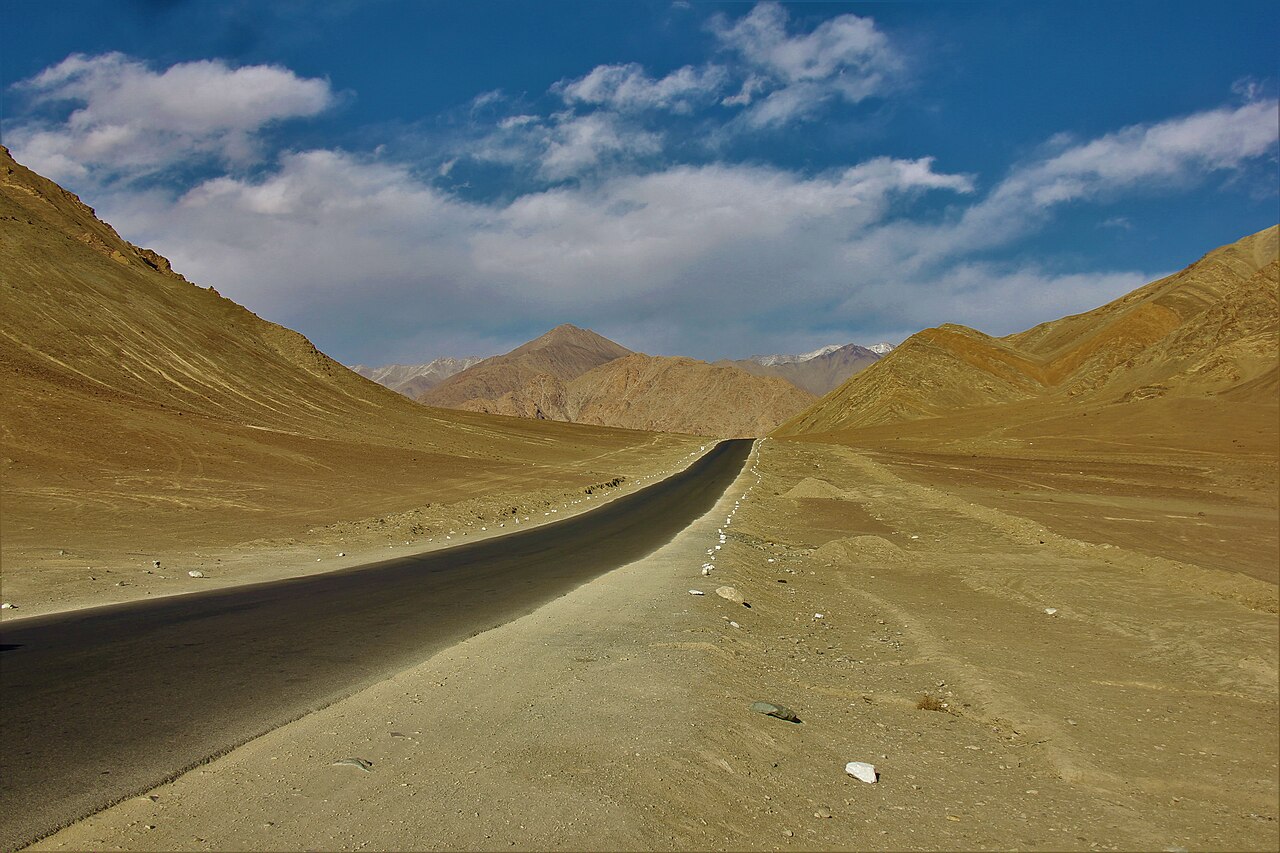
Magnetic Hill
Viewpoint · 18 km · about 55 min by road
 #5 in LehFree entry
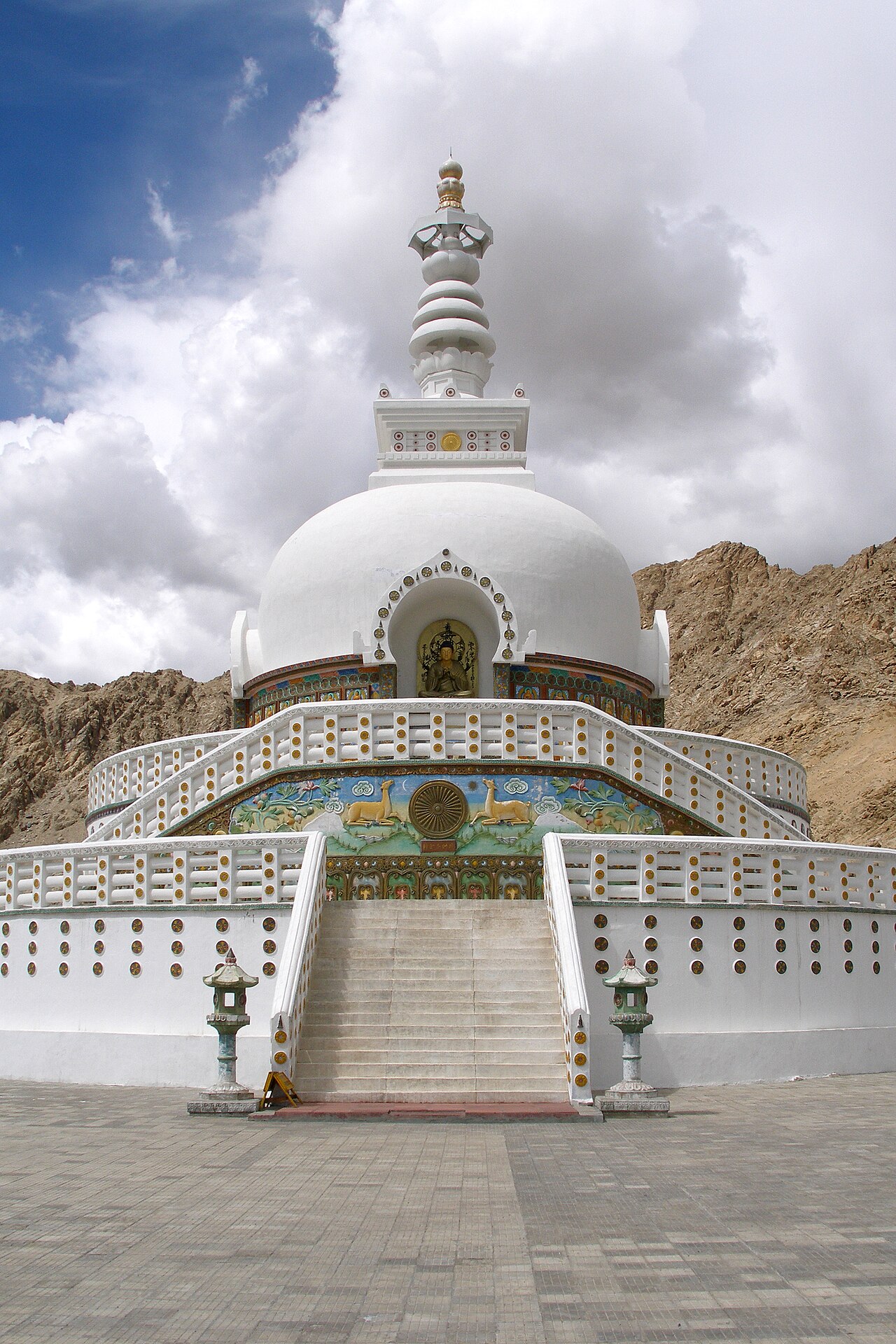
Shanti Stupa
Stupa · 38 km · about 120 min by road
 #3 in Leh
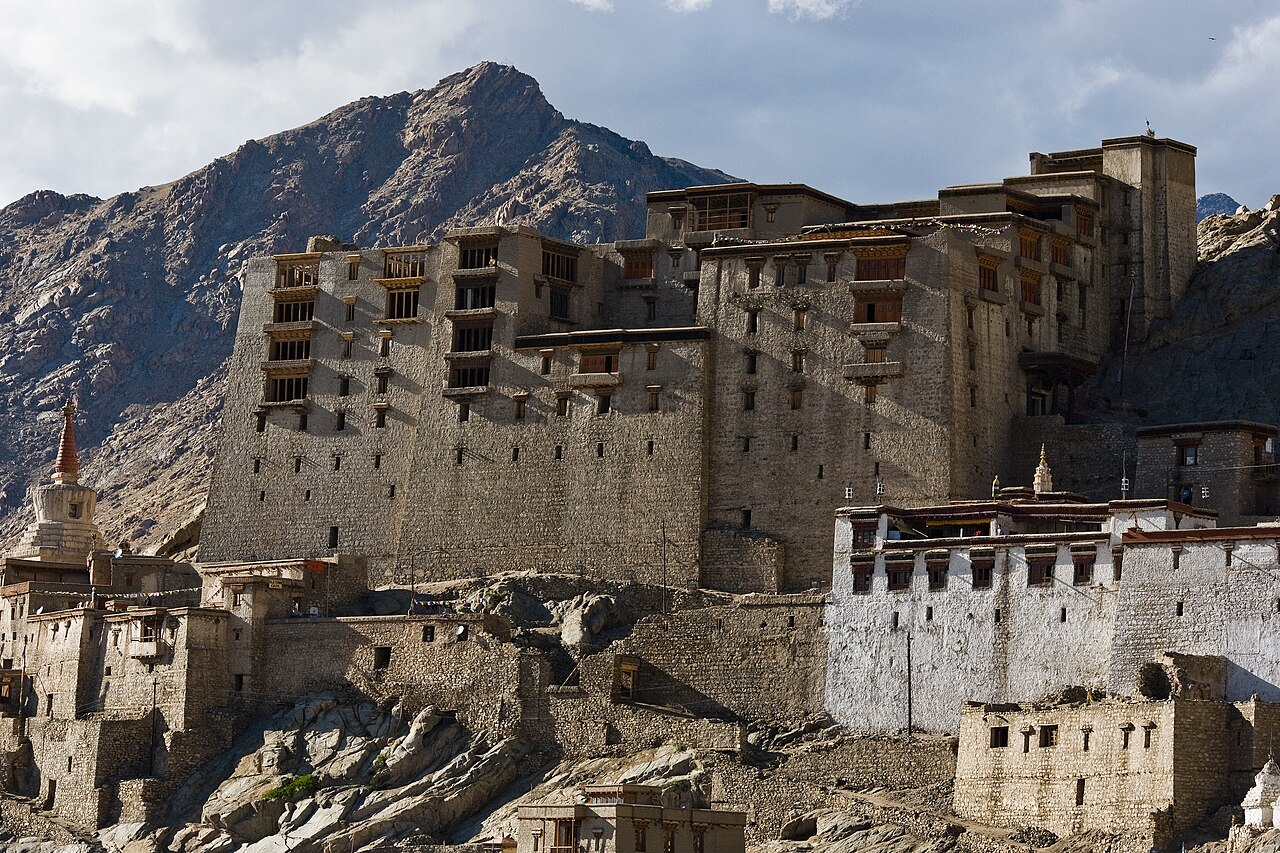
Leh Palace
Palace · 39 km · about 120 min by road
 #6 in LehFree entry
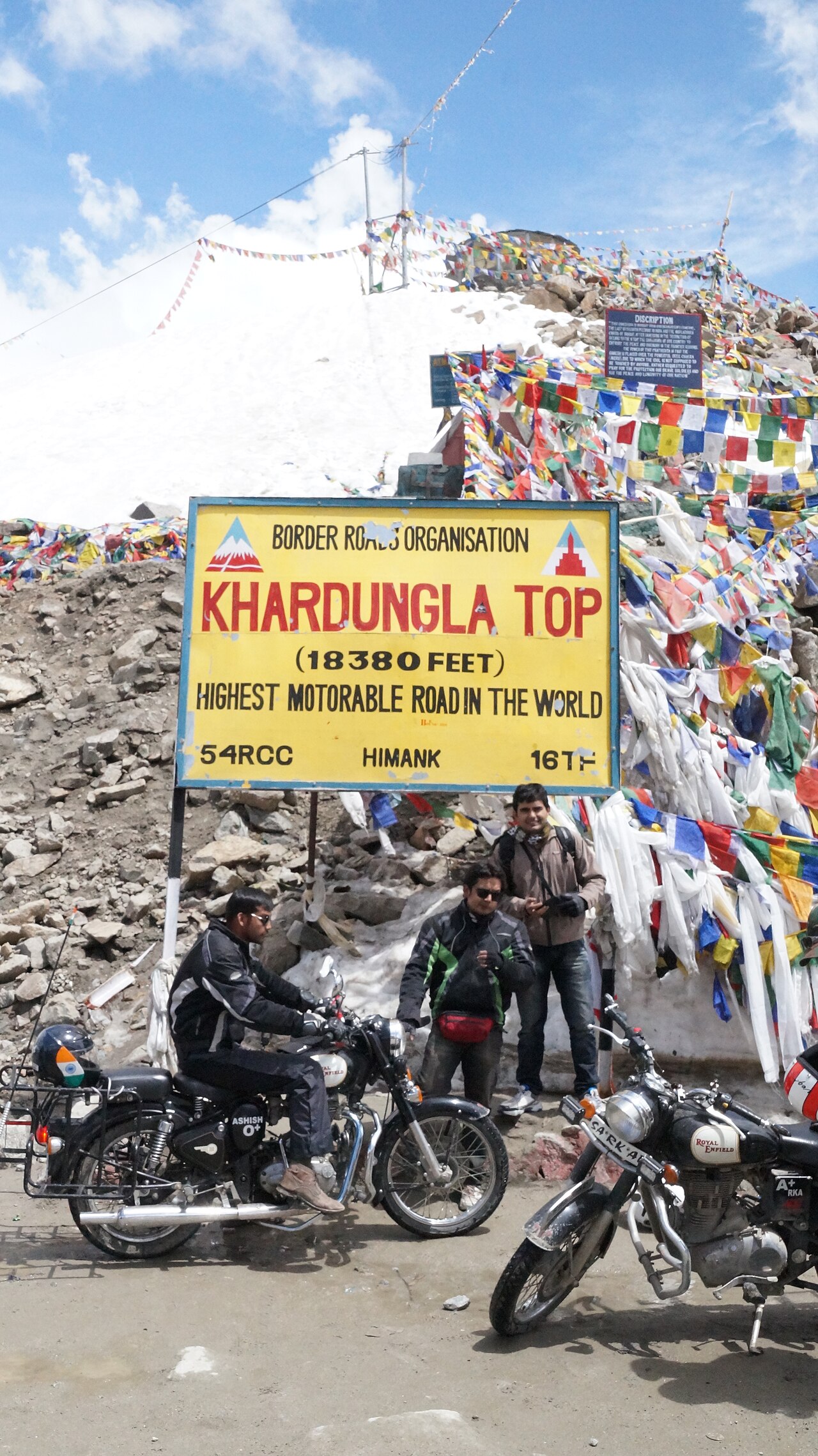
Khardung La Pass
Mountain pass · 41 km · about 125 min by road