
Leh Palace
#3of 9 places to visit in LehLeh, Ladakh
Also known as Lehchen Palkhar · Leh Royal Palace
Quick answer
Opening hours: 09:00–16:30, last entry 16:00. Entry: ₹50 Indian · ₹300 foreign. Allow 1 hr. Best time: 07:30 – 09:30 or 16:00–16:30.
Updated · Compiled by Traveliac, AI-assisted · 6 min read
- Opening hours
- 09:00–16:30
- Entry fee
- ₹50 Indian
- Ticket from
- Time needed
- 1 hr
- Best time of day
- 07:30 – 09:30 or 16:00–16:30
- Best months
- Jun – Sep
- Address
- Old Town, above Chowkhang, Leh, Ladakh — 194101. A 10–15 minute uphill walk from Leh Main Bazaar.
About Leh Palace
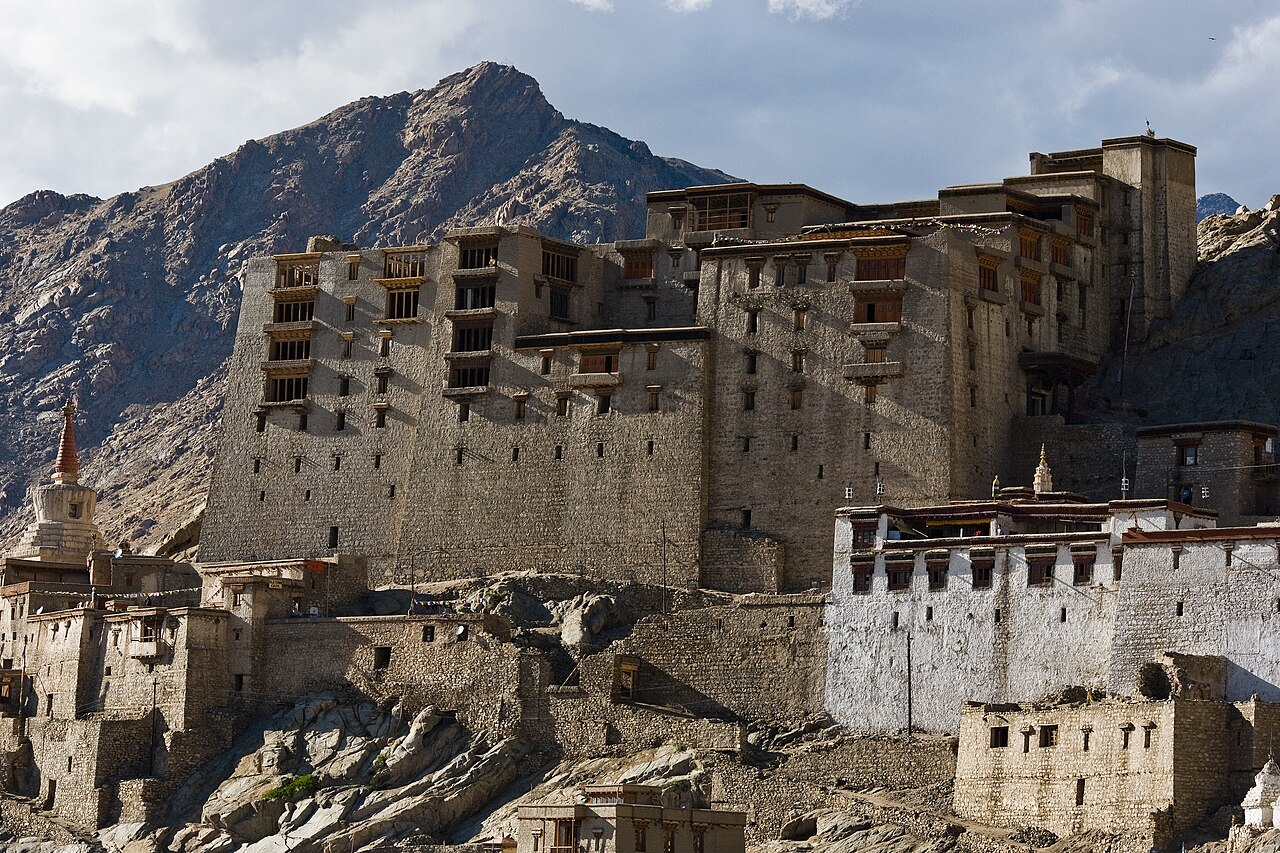
Leh Palace stands nine storeys above the old town on a spur of the same ochre-conglomerate ridge that carries the Namgyal Tsemo fort further up the hillside, its mud-brick and timber-beam construction tapering inward from a broad defensive base to a narrower upper palace in the manner its builders openly modelled on the Potala Palace in Lhasa — indeed, some Ladakhi and Tibetan accounts hold that the Potala's 17th-century reconstruction under the Fifth Dalai Lama drew in turn on Leh's example, though the traffic of architectural influence in this period ran in both directions and is not fully settled by documentary evidence. The building was the royal seat of the Namgyal dynasty through the 17th and 18th centuries, and its scale — roughly 40 metres from base to roofline across nine internal levels, most now inaccessible or structurally closed — reflected a capital of a genuinely independent Ladakhi kingdom rather than a provincial administrative seat. The palace has stood substantially unoccupied and in progressive disrepair since the mid-19th century, and what a visitor sees today is a conservation project as much as a monument: bare mud-brick chambers, timber ceiling beams left exposed, and a central prayer room retaining fragments of its original wall paintings, all undergoing a still-incomplete ASI stabilisation programme rather than a fully restored palace interior.
Best time of day: 07:30 – 09:30 or 16:00–16:30. For exterior photography from the Old Town lanes below, when low-angle light picks out the texture of the mud-brick and timber facade; late afternoon (16:00–16:30, last entry) for warm light across the Indus Valley from the rooftop terrace.
Leh Palace timings
Leh Palace opens at 09:00 and closes at 16:30. The weekend is no different: Saturday and Sunday follow the same times.
- Opening hours
- 09:00–16:30
Mon–Sun 09:00–16:30 - Closed on
- Open every day
Good to know: Winter hours (November–February) can shorten by up to 30 minutes at each end due to early dusk and reduced staffing; confirm with the ticket counter if visiting outside peak season.
Opening hours compiled from asi.nic.in and public records, last updated . They change without notice — confirm before you travel. How we write these guides
Leh Palace ticket price
| Ticket | Price |
|---|---|
| Indian visitors | ₹50 |
| Foreign visitors | ₹300 |
| Children | Free |
| Camera | Free |
Ticket counter is at the palace's lower entrance gate. The fee covers the ASI-maintained sections including the central prayer room, the upper storeys, and the rooftop terrace; several side chambers remain closed for structural safety and are roped off rather than separately ticketed. Camera and phone photography is unrestricted throughout the accessible sections.
Prices compiled from asi.nic.in and public records, last updated . They change without notice — confirm before you travel. How we write these guides
Best time to visit Leh Palace
- Quiet
- Moderate
09:00 – 10:30
Morning openingBest time to go
First visitors of the day, mostly independent travellers walking up from Old Town guesthouses. Interior chambers and rooftop are quiet.
Quiet10:30 – 13:00
Tour group window
Half-day Leh city tour groups, typically combined with Shanti Stupa and Namgyal Tsemo, arrive by taxi. Narrow staircases see brief bottlenecks when groups pass each other.
Moderate13:00 – 15:30
Midday lull
Most tour groups have moved on to lunch or other sights. A comparatively calm window for unhurried interior viewing.
Quiet15:30 – 16:30
Late-afternoon light
A second wave arrives for rooftop-terrace photography before last entry at 16:00. Light across the Indus Valley is at its warmest in this window.
Moderate
History of Leh Palace
The palace was built in the first half of the 17th century under King Sengge Namgyal, the most militarily accomplished ruler of the Namgyal dynasty, who also commissioned Hemis Monastery's founding endowment and extended Ladakhi control into Zanskar, Spiti, and parts of western Tibet during his reign. Leh had by then supplanted Shey, the older royal seat a short distance to the south-east, as the kingdom's political centre, and the new palace was conceived at a scale commensurate with a dynasty at the height of its regional power.
The Namgyal dynasty's fortunes declined through the 18th and early 19th centuries under pressure from Mughal, Balti, and later Sikh incursions, and the palace's role diminished in step. The decisive rupture came in 1834–1840, when Dogra general Zorawar Singh, acting under Maharaja Gulab Singh of Jammu, invaded and annexed Ladakh, ending Namgyal independent rule. The royal family relocated to Stok Palace, a smaller residence across the Indus that remains the ceremonial seat of the Namgyal lineage's descendants to this day, and Leh Palace was left without a resident court.
Without occupation or maintenance, the building deteriorated steadily through the late 19th and 20th centuries — earthquake damage, water infiltration through the flat mud roofing, and the simple absence of anyone charged with its upkeep took a cumulative toll. The Archaeological Survey of India assumed formal conservation responsibility in the latter half of the 20th century, and the ongoing structural stabilisation work — reinforcing timber lintels, consolidating mud-brick walls, and controlled reopening of sections as they are deemed safe — continues in phases into the 2020s.
Rules & etiquette at Leh Palace
Several upper floors and side chambers remain closed to the public for structural safety reasons; respect the barriers and signage rather than attempting to access roped-off sections, since the building's timber flooring in unrestored areas is not load-tested for visitor traffic. The central prayer room retains original butter-lamp niches and wall-painting fragments — do not touch painted surfaces, which are fragile and in active conservation.
Footwear is not required to be removed in the general palace circulation areas, but should be removed if entering the small working shrine room, where a resident caretaker maintains butter lamps; a modest donation is customary if you do so. The staircases connecting floors are steep, narrow, and unlit in places — visitors with mobility concerns or a fear of confined stone stairwells should ask the ticket counter staff about the current extent of accessible floors before purchasing a ticket.
Drone photography over the palace and the adjoining Namgyal Tsemo ridge is restricted, both due to the monument's protected status and its proximity to sensitive military and government installations elsewhere in Leh; check current rules with the ASI office or the district administration before flying any drone in the area.
Tips for visiting Leh Palace
- 1
Leh Palace pairs naturally with the steeper uphill continuation to Namgyal Tsemo Fort and Gompa, a further 20–30 minutes' climb above the palace along a rough path, which most visitors underestimate at altitude — the combined circuit gains roughly 150 metres of elevation from the Old Town, a meaningful exertion in Leh's thin air, particularly within the first two days of arrival. Pace the climb deliberately and turn back if you feel breathless beyond normal exertion.
- 2
The palace's rooftop terrace, reached via the upper accessible floors, gives one of the most complete views over Leh available from any single point: the Old Town's flat mud roofs immediately below, the Indus Valley's irrigated green belt beyond, and the Stok Kangri massif (6,153m) on the southern skyline. Arrive close to last entry (16:00) in clear weather for the best combination of light and visibility, though this means less time to explore the interior chambers unhurried, so a mid-morning visit is the better choice if photography is secondary to reading the building itself.
- 3
The walk up from Main Bazaar passes through the Old Town's narrow lanes, themselves a UNESCO tentative-list heritage area with restored traditional Ladakhi houses — allow extra time to explore this approach on foot rather than driving directly to the palace gate, since the lanes are as much a part of the experience as the monument itself. A combined ticket or joint visit with Namgyal Tsemo is not formally bundled, but both sit on the same walking route and are typically done in one outing.
How to reach Leh Palace
The red star is Leh Palace; the numbered pins are the 3 nearest places in our guides, each showing its rank in its city. Tap a pin for details.
Old Town, above Chowkhang, Leh, Ladakh — 194101. A 10–15 minute uphill walk from Leh Main Bazaar.Directions in Google Maps
From Leh Main Bazaar
1 km · 10–15 min
Free (walking); a steep but short uphill climb
From Leh Main Bazaar
₹100–₹1501 km · 5–8 min
One-way, negotiated
From Kushok Bakula Rimpochhe Airport (IXL)
₹300–₹4505 km · 12–18 min
Nearest airport
From Kushok Bakula Rimpochhe Airport (IXL), Leh
approximately 5 km, 12–18 minutes by road.
Nearest railway station
From No railway connectivity to Ladakh as of 2026. Nearest railhead: Jammu Tawi (JAT), approximately 730 km by road.
Leh Palace FAQs
Is Leh Palace's interior fully restored, or still in ruins?
Neither fully — it is an active, phased ASI conservation project. Some floors and the central prayer room are stabilised and open with original wall-painting fragments visible; other sections remain closed for structural safety while conservation work continues. Expect a bare, unfurnished interior rather than a decorated palace museum.
Can Leh Palace be combined with Namgyal Tsemo Fort in one visit?
Yes, and most visitors do. Namgyal Tsemo sits a further 20–30 minutes' climb above the palace along a rough path, gaining roughly 150 metres of additional elevation. Pace this climb carefully, especially within your first two days in Leh, since the combined altitude gain is a genuine exertion at 3,500m-plus.
Why does Leh Palace look like the Potala Palace in Lhasa?
Both buildings share the same tapering, multi-storey construction logic rising from a broad defensive base to a narrower upper palace, built in mud-brick and timber. Leh Palace was completed in the first half of the 17th century under King Sengge Namgyal; the Potala's major reconstruction under the Fifth Dalai Lama followed shortly after, and the exact direction of architectural influence between the two remains debated rather than definitively established.
Is Leh Palace difficult to visit for someone still acclimatising to the altitude?
The palace itself involves several flights of steep, narrow internal stairs, and the walk up from Main Bazaar is a noticeable uphill climb. It is manageable within your first day or two in Leh if taken slowly, but should not be rushed — stop and rest on the stairwells if you feel breathless, and skip the additional Namgyal Tsemo climb until you feel fully acclimatised.
Compiled with AI assistance from official sources and public records, and published only after the checks in How we write these guides. Nobody from Traveliac has visited this place. Last updated . How we rank and check places
Places to visit near Leh Palace
Straight-line distances from our map; times are estimates.
 #5 in LehFree entry
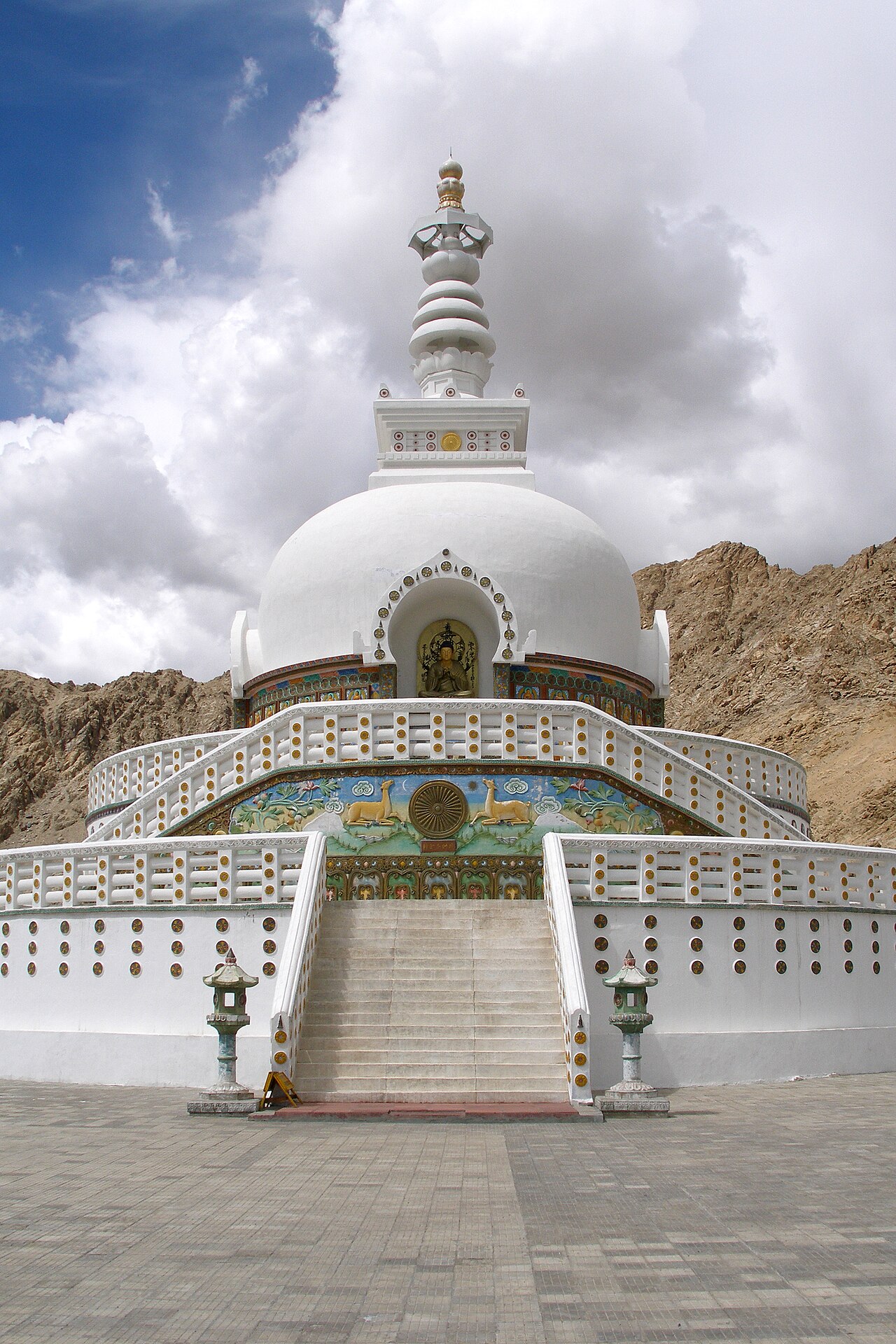
Shanti Stupa
Stupa · 1.3 km · about 22 min walk
 #7 in Leh
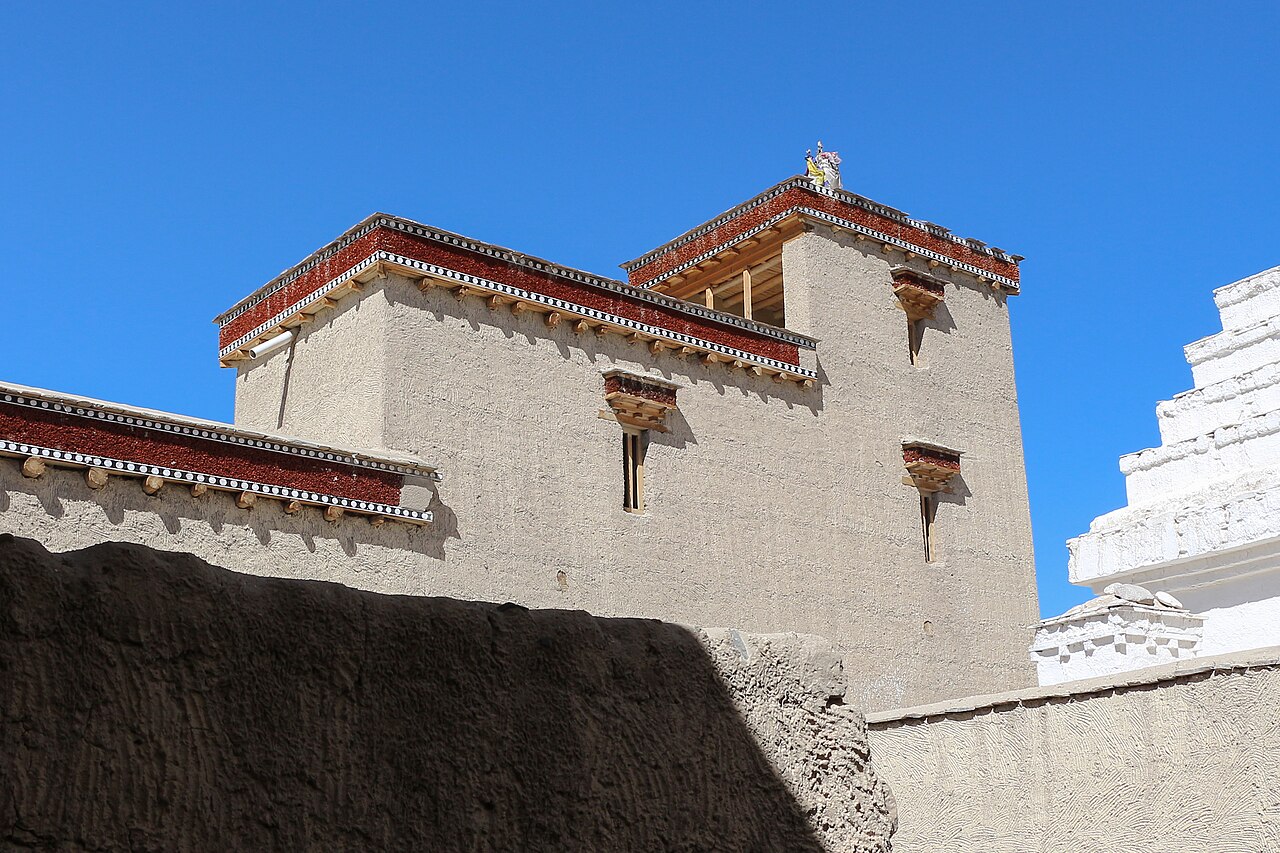
Shey Palace & Monastery
Monastery · 11 km · about 35 min by road
 #6 in LehFree entry
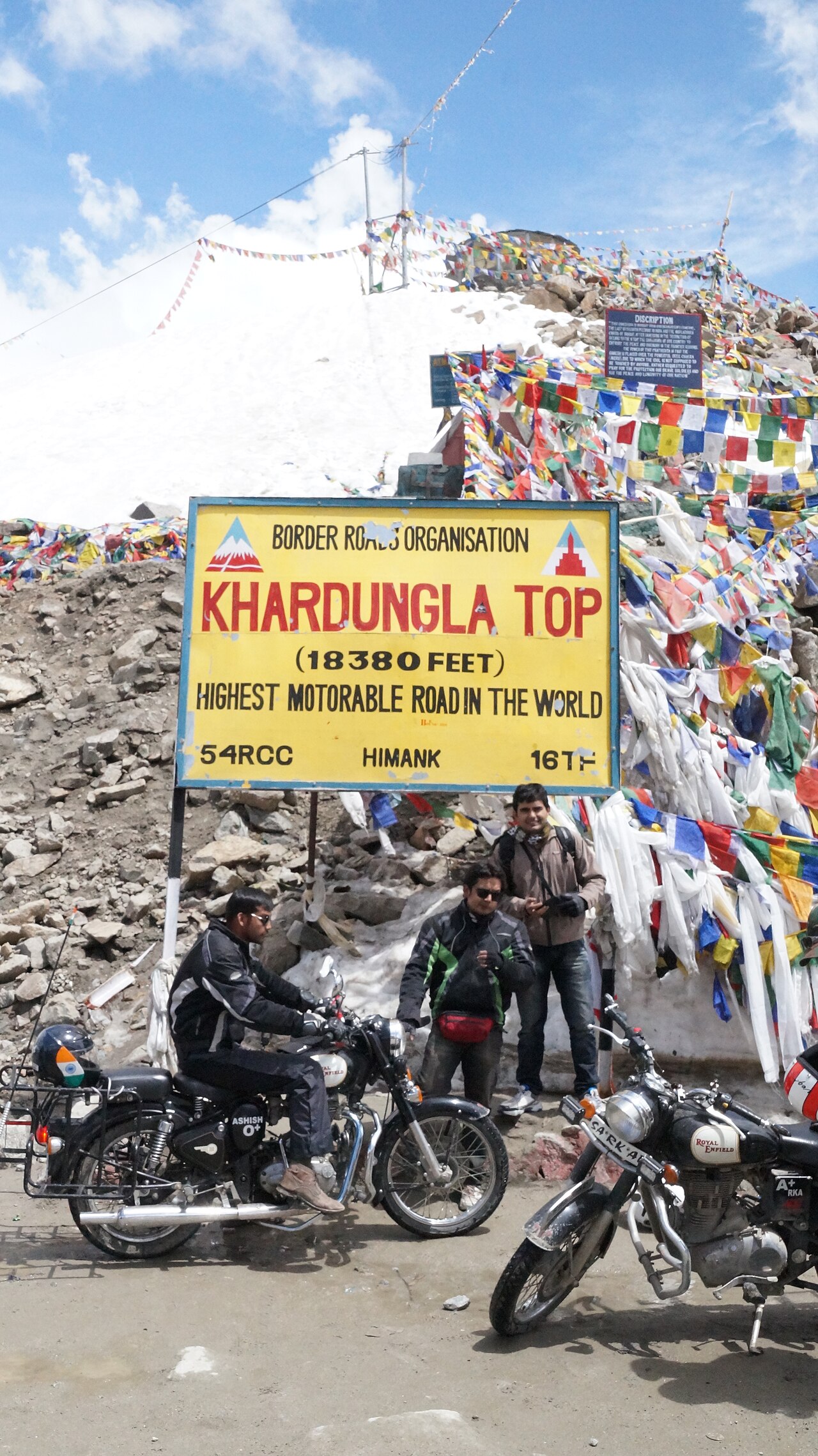
Khardung La Pass
Mountain pass · 13 km · about 40 min by road
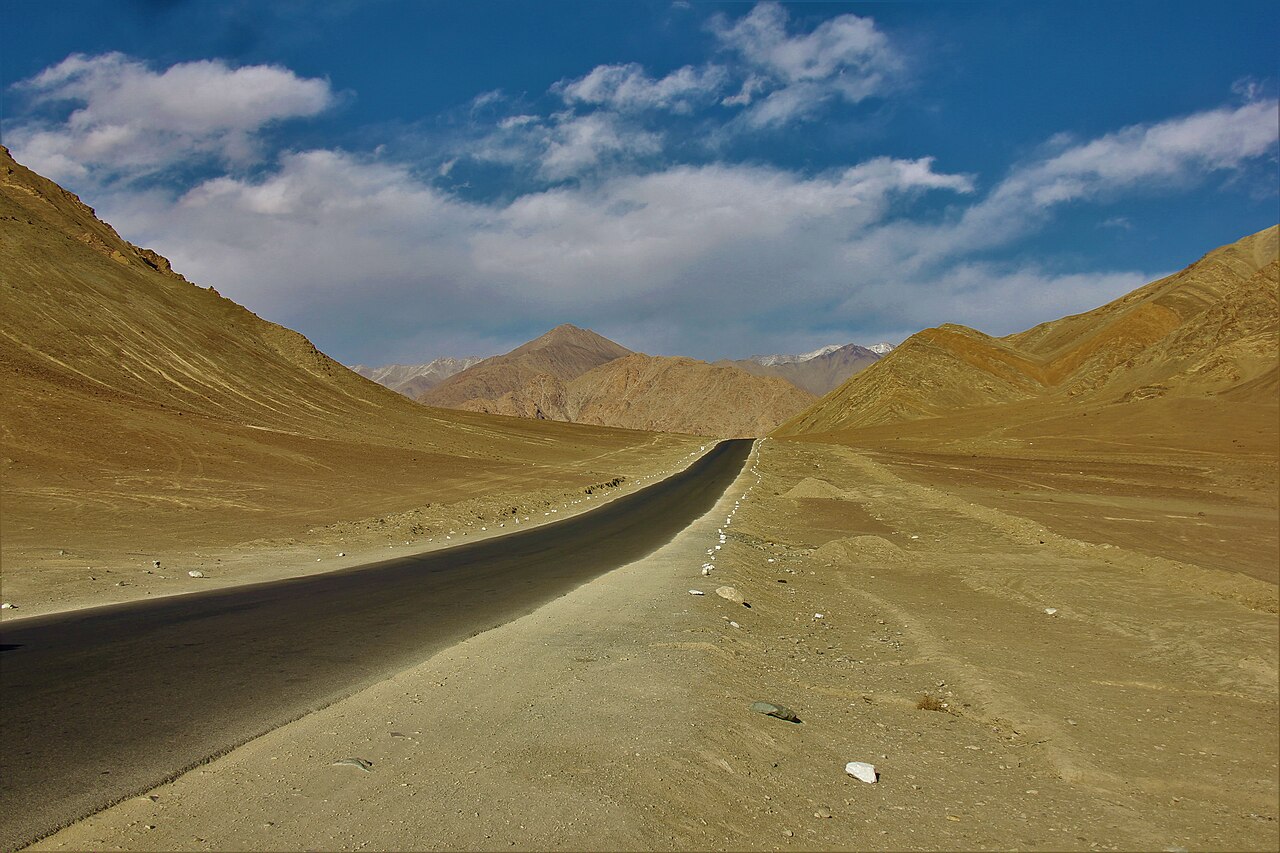 #9 in LehFree entry
Magnetic Hill
Viewpoint · 22 km · about 65 min by road