
Hemis Monastery
#4of 9 places to visit in LehLeh, Ladakh
Also known as Hemis Gompa · Chang Chub Sam Ling
Quick answer
Opening hours: 08:00–13:00 and 14:00–18:00. Entry: ₹50 Indian · ₹100 foreign. Allow 2 hrs. Best time: 08:00 – 10:00.
Updated · Compiled by Traveliac, AI-assisted · 5 min read
- Opening hours
- 08:00–18:00
- 08:00 – 13:00 and 14:00 – 18:00 daily (closed for a midday break)
- Entry fee
- ₹50 Indian
- Ticket from
- Time needed
- 2 hrs
- Best time of day
- 08:00 – 10:00
- Best months
- Jun – Sep
- Address
- Hemis Village, Leh District, Ladakh — 194101, approximately 45 km south-east of Leh, reached via the Leh–Manali Highway and a short branch road across the Indus at Karu.
About Hemis Monastery
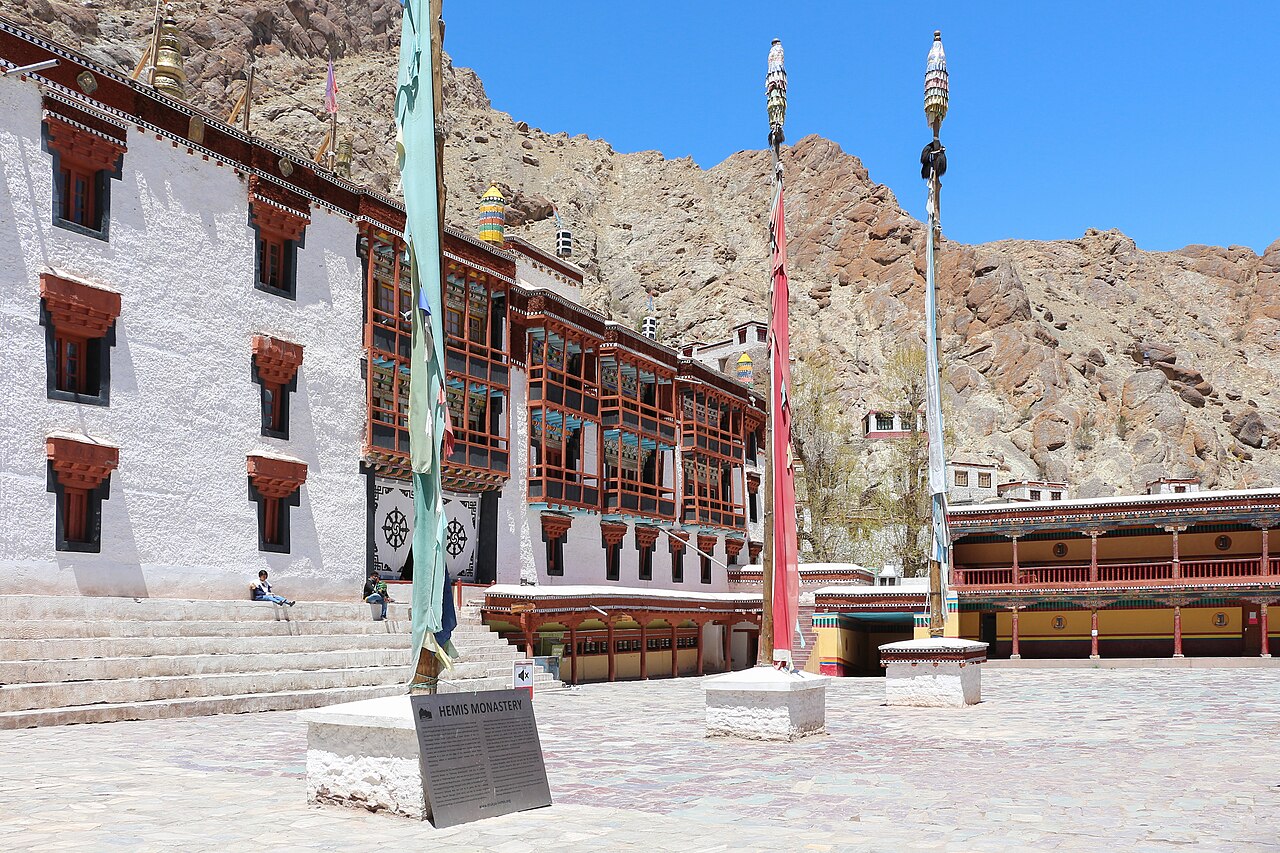
Hemis is, by most measures of endowment, landholding, and monastic population, the wealthiest and largest monastery in Ladakh, and it holds this position while sitting in a fold of the hills that keeps it largely hidden from the Leh–Manali Highway until the final approach — a deliberate defensive siting rather than an accident of terrain. It belongs to the Drukpa Kagyu lineage, distinguishing it from the Gelug institutions (Thiksey, Spituk) that dominate elsewhere around Leh, and its central courtyard, ringed by galleried monastic quarters, is the stage for the most famous of Ladakh's monastic festivals: the Hemis Tsechu, a two-day cham mask-dance festival held annually in honour of Guru Padmasambhava, the eighth-century tantric master credited with establishing Buddhism in Tibet and the Himalayan region. The monastery's museum, added in more recent decades, houses one of the more significant collections of Buddhist art and ritual objects in Ladakh: thangka paintings, ceremonial masks used in the cham dances, ancient weapons, and manuscripts including texts inked in gold and silver — a level of material wealth that reflects centuries of royal patronage rather than a modern acquisition programme.
Best time of day: 08:00 – 10:00. For the quietest courtyard and best light on the whitewashed facade; during the Hemis Tsechu festival, arrive by 08:30 to secure a courtyard viewing position before the cham dances begin.
Photography
₹50 camera fee
Hemis Monastery timings
Hemis Monastery is open 08:00–13:00 and 14:00–18:00. It keeps the same hours on Saturday and Sunday.
- Opening hours
- 08:00–18:00
Mon–Sun 08:00–13:00 and 14:00–18:00 - 08:00 – 13:00 and 14:00 – 18:00 daily (closed for a midday break)
- Closed on
- Open every day
Good to know: During the two-day Hemis Tsechu festival, usually falling in June or July according to the Tibetan lunar calendar, the monastery operates on an extended festival schedule with cham mask dances performed in the main courtyard from roughly 09:00 to 17:00. Once every twelve years, in the Tibetan Year of the Monkey (most recently 2016, next in 2028), a giant thangka of Guru Padmasambhava is unveiled during the festival — a considerably larger event drawing pilgrims and visitors well beyond the usual festival crowd.
Opening hours compiled from hemismonastery.info and public records, last updated . They change without notice — confirm before you travel. How we write these guides
Hemis Monastery ticket price
| Ticket | Price |
|---|---|
| Indian visitors | ₹50 |
| Foreign visitors | ₹100 |
| Children | Free |
| Camera | ₹50 |
Entry fee covers the main courtyard and assembly halls. The monastery museum, housing thangka paintings, ritual masks, weapons, and manuscripts including gold and silver-inked texts, has a separate entry fee of approximately ₹100. A camera fee of roughly ₹50 applies for photography inside the museum specifically; courtyard and exterior photography is otherwise unrestricted outside active puja sessions.
Prices compiled from hemismonastery.info and public records, last updated . They change without notice — confirm before you travel. How we write these guides
Best time to visit Hemis Monastery
- Quiet
- Moderate
08:00 – 10:00
Morning openingBest time to go
The monastery has reopened after its dawn routine. Independent travellers and photographers are the main visitors; the courtyard is calm outside festival dates.
Quiet10:00 – 13:00
Day-trip arrival
Taxis combining Hemis with Thiksey and Shey arrive through the late morning. Museum queues can form briefly when a tour group arrives at once.
Moderate13:00 – 14:00
Midday closure
Monastery closes for its midday break. Visitors should plan around this gap rather than arriving expecting continuous access.
Quiet14:00 – 18:00
Afternoon reopening
A second, generally smaller wave of visitors in the afternoon. During the Hemis Tsechu festival this entire window is instead dominated by the cham dance performance and courtyard crowds reach their peak of the year.
Moderate
History of Hemis Monastery
Hemis was founded in 1630 under the patronage of King Sengge Namgyal, the same ruler responsible for Leh Palace, by the Bhutanese lama Stagsang Raspa Nawang Gyatso, who established the monastery for the Drukpa Kagyu order at the king's invitation. Sengge Namgyal's endowment was substantial and included extensive land grants, which over subsequent centuries made Hemis the wealthiest monastic institution in Ladakh, a position it retains today relative to its Gelug counterparts.
The monastery's relatively concealed valley location, some distance off the main Indus valley road, is widely understood to have protected it from the worst of the destruction that afflicted more exposed religious sites during the Dogra invasions of the 1830s and 1840s under General Zorawar Singh — Hemis's treasury and library survived this period comparatively intact, which is part of why its collection of manuscripts, thangkas, and ritual objects today is unusually extensive by regional standards.
The Hemis Tsechu festival itself commemorates the birth anniversary of Guru Padmasambhava (Guru Rinpoche) according to the Tibetan lunar calendar, and the cham dances performed by monks in elaborate silk costumes and painted wooden or papier-mâché masks depict the struggle between benevolent and malevolent forces, culminating in the ritual destruction of a symbolic effigy representing ignorance and ego. The twelve-yearly unveiling of the monastery's largest thangka, depicting Guru Padmasambhava and measurable in storeys rather than metres, is a distinct and rarer event from the annual festival, occurring only in the Tibetan Year of the Monkey.
Rules & etiquette at Hemis Monastery
As at other Ladakhi gompas, walk clockwise around the courtyard, stupas, and prayer wheels. Remove footwear before entering the assembly halls, and maintain silence if a puja is underway — visitors are generally permitted to observe respectfully from the hall's rear.
During the Hemis Tsechu festival, photography of the cham dances is permitted from the courtyard viewing areas, but flash photography and any use of drones over the festival grounds are prohibited; monastery staff and volunteers actively enforce this given the festival's status as a living religious ceremony rather than a staged performance for visitors. Seating in the courtyard during the festival is informal — arrive early to claim a spot on the surrounding steps or galleries, since reserved seating is limited and generally allocated to local dignitaries and monastic guests.
The monastery museum charges a separate camera fee; settle this at the museum entrance rather than the main monastery ticket counter, as the two are collected independently. Photography of manuscripts and certain older thangkas within the museum may be restricted regardless of the camera fee paid, at the discretion of the museum staff, due to the fragility of the materials.
Tips for visiting Hemis Monastery
- 1
If your visit does not coincide with the Hemis Tsechu festival, the monastery is still worth the drive for its scale, its relatively less crowded courtyard compared with Thiksey, and its museum collection — but temper expectations of witnessing any dance performance outside the festival dates, which shift annually according to the Tibetan lunar calendar and should be confirmed in advance through the Ladakh Tourism department or the monastery's own communications rather than assumed to fall on a fixed Gregorian date.
- 2
Hemis pairs naturally with Thiksey and Shey on a single day's excursion from Leh, since all three lie along or near the same stretch of the Leh–Manali Highway on the south-eastern side of the Indus; a private taxi covering all three in one day typically costs ₹1,800–₹2,500, and this is a more efficient use of a vehicle-hire day than visiting Hemis alone.
- 3
During the Hemis Tsechu, accommodation in Leh books out well in advance, particularly for the years when the giant thangka unveiling coincides with the festival — plan lodging months ahead if travelling specifically for a Year of the Monkey festival. Outside festival dates, the drive itself, crossing the Indus at Karu and climbing into the side valley that hides Hemis from the highway, is a pleasant, uncrowded portion of the day even in peak season, since most day-trip traffic concentrates on Thiksey rather than continuing the extra distance to Hemis.
How to reach Hemis Monastery
The red star is Hemis Monastery. Tap a pin for details.
Hemis Village, Leh District, Ladakh — 194101, approximately 45 km south-east of Leh, reached via the Leh–Manali Highway and a short branch road across the Indus at Karu.Directions in Google Maps
From Leh Main Bazaar
₹1,200–₹1,80045 km · 75–95 min
Return per vehicle; combined Thiksey–Shey–Hemis day circuit ₹1,800–₹2,500
From Leh Main Bazaar
₹60–₹10045 km · 90–110 min
Per seat; confirm departure and return times at Leh bus stand, as schedules are limited
From Kushok Bakula Rimpochhe Airport (IXL)
₹1,300–₹1,90049 km · 90 min
Nearest airport
From Kushok Bakula Rimpochhe Airport (IXL), Leh
approximately 49 km, 1.5 hours by road.
Nearest railway station
From No railway connectivity to Ladakh as of 2026. Nearest railhead: Jammu Tawi (JAT), approximately 750 km by road.
Hemis Monastery FAQs
When is the Hemis Tsechu festival, and how do I find the exact dates?
The two-day festival is set according to the Tibetan lunar calendar and typically falls in June or July, but the precise Gregorian dates shift by 10–20 days each year. Confirm current-year dates through the Ladakh Tourism department's website or the monastery directly rather than assuming a fixed calendar date.
What is the giant thangka unveiling, and is it different from the annual festival?
Yes, it is a separate and much rarer event. The monastery's largest thangka, depicting Guru Padmasambhava, is unveiled only once every twelve years, during the Tibetan Year of the Monkey — most recently 2016, with the next occurrence in 2028. It coincides with that year's Hemis Tsechu but draws considerably larger crowds than a standard annual festival.
Why is Hemis considered the wealthiest monastery in Ladakh?
Hemis was founded in 1630 under King Sengge Namgyal's patronage, with substantial land endowments that compounded over centuries. Its relatively hidden valley location also protected its treasury and library from destruction during the Dogra invasions of the 1830s-40s, leaving its collection of manuscripts, thangkas, and ritual objects unusually intact compared with more exposed monasteries.
Can Hemis be combined with other monasteries in one day trip from Leh?
Yes. Hemis lies along the same south-eastern stretch of the Indus Valley as Thiksey and Shey, and a private taxi covering all three costs roughly ₹1,800–₹2,500 for the day — a more efficient use of a vehicle hire than visiting Hemis in isolation.
Compiled with AI assistance from official sources and public records, and published only after the checks in How we write these guides. Nobody from Traveliac has visited this place. Last updated . How we rank and check places
Places to visit near Hemis Monastery
Straight-line distances from our map; times are estimates.
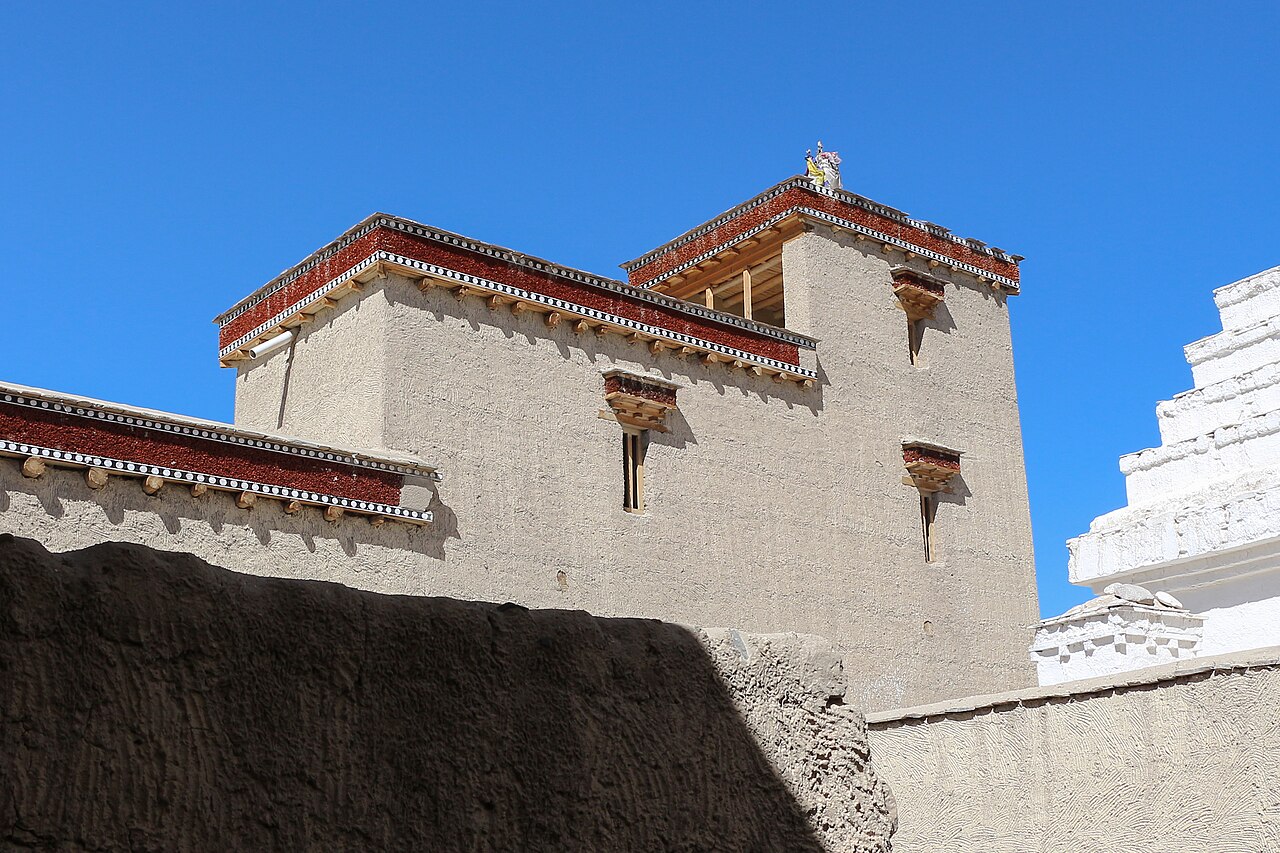 #7 in Leh
Shey Palace & Monastery
Monastery · 19 km · about 60 min by road
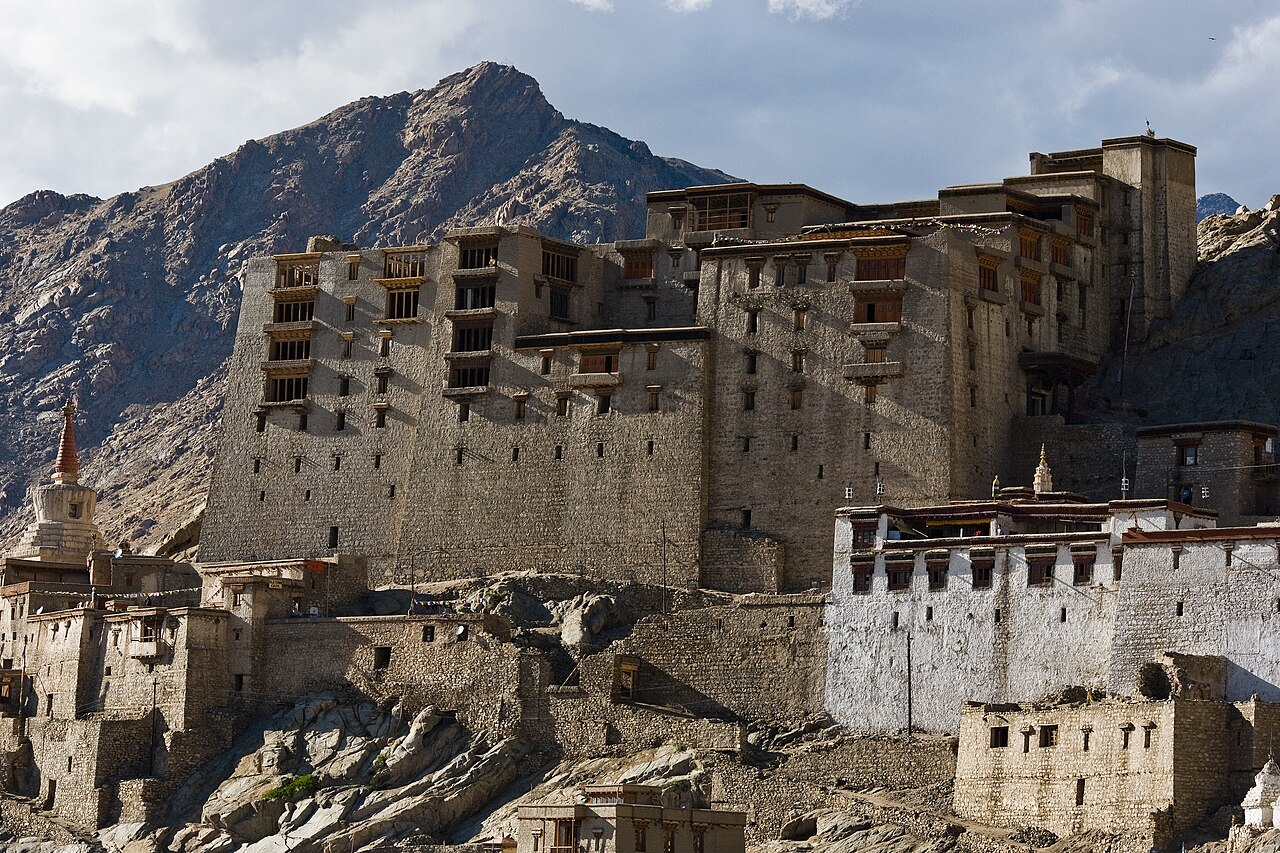 #3 in Leh
Leh Palace
Palace · 30 km · about 95 min by road
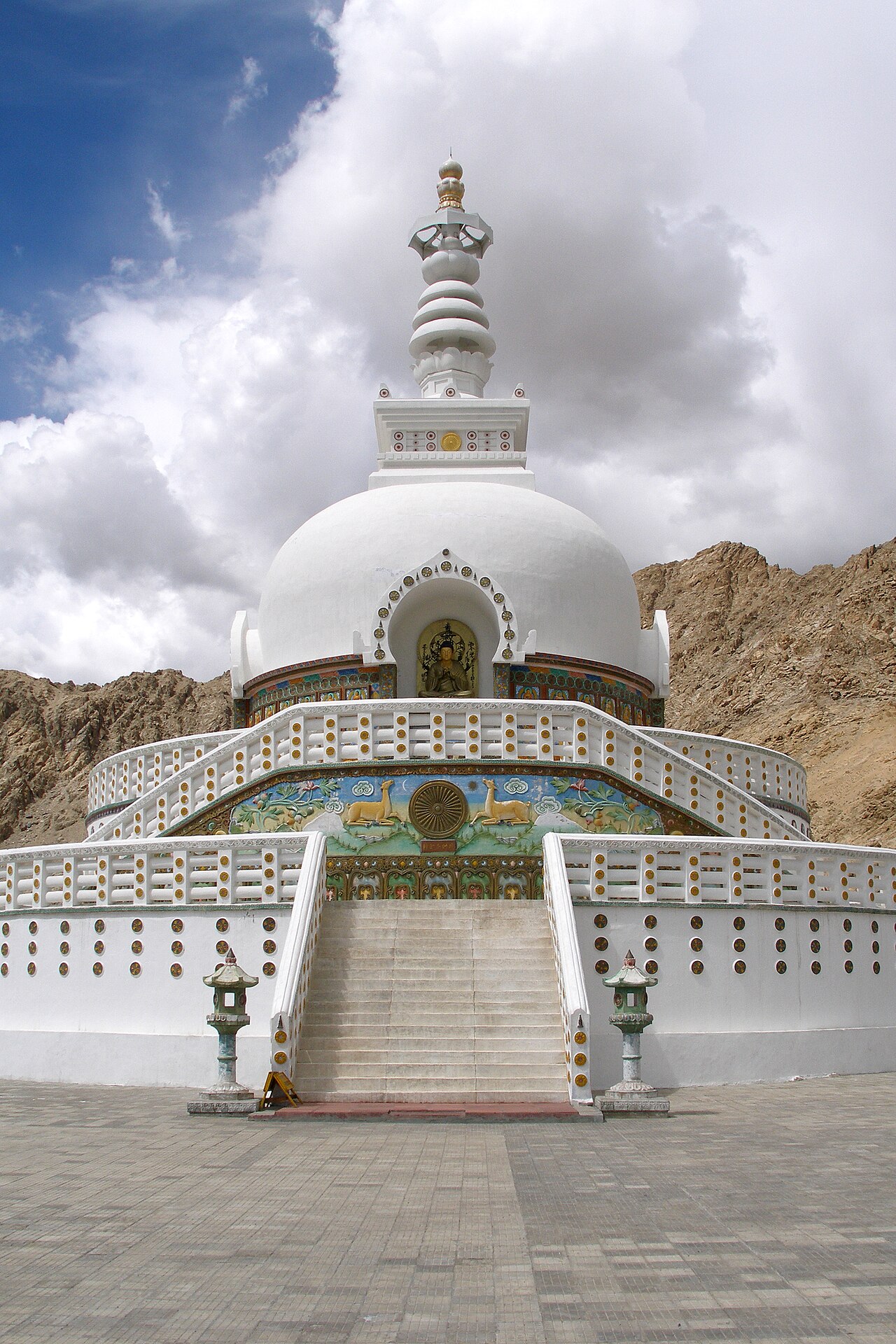 #5 in LehFree entry
Shanti Stupa
Stupa · 31 km · about 100 min by road
 #6 in LehFree entry
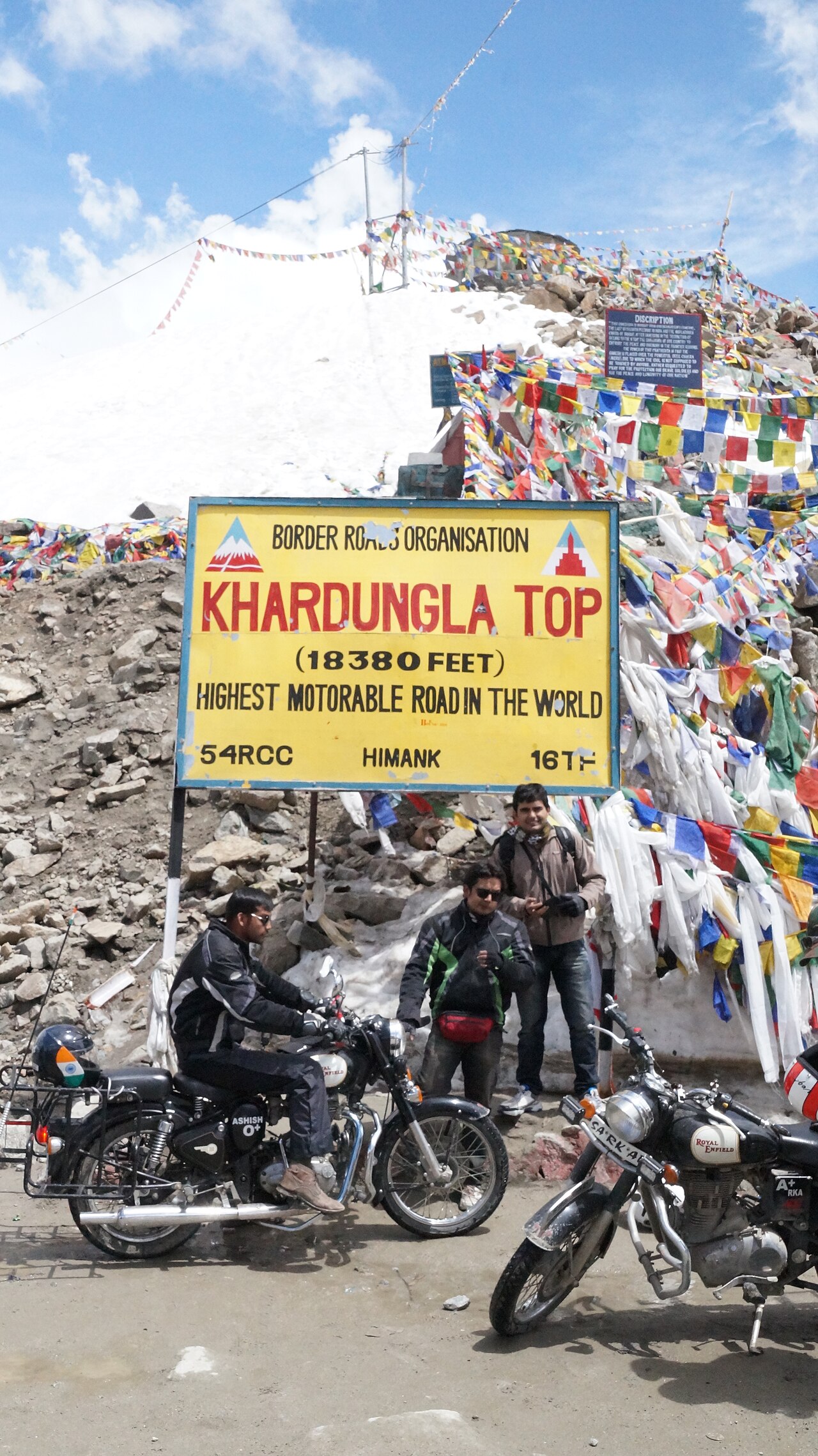
Khardung La Pass
Mountain pass · 42 km · about 130 min by road