
Nubra Valley
#2of 9 places to visit in LehLeh, Ladakh
Also known as Ldumra (the Valley of Flowers, in classical Ladakhi) · Nubra Shyok Valley
Quick answer
Opening hours: 07:00–18:00. Entry is free. Allow 24 hrs. Best time: Overnight stay recommended.
Updated · Compiled by Traveliac, AI-assisted · 6 min read
- Opening hours
- 07:00–18:00
- Villages and viewpoints are accessible sunrise to sunset. Diskit Monastery's main halls are typically open 07:00–18:00; the Maitreya statue courtyard has no fixed closing time.
- Entry fee
- Free
- Time needed
- 24 hrs
- Best time of day
- Overnight stay recommended
- Best months
- Jun – Sep
- Address
- Nubra Valley spans the villages of Diskit, Hunder, Sumur, and Panamik, Leh District, Ladakh — approximately 120–160 km north of Leh via Khardung La, at the confluence of the Nubra and Shyok rivers.
About Nubra Valley
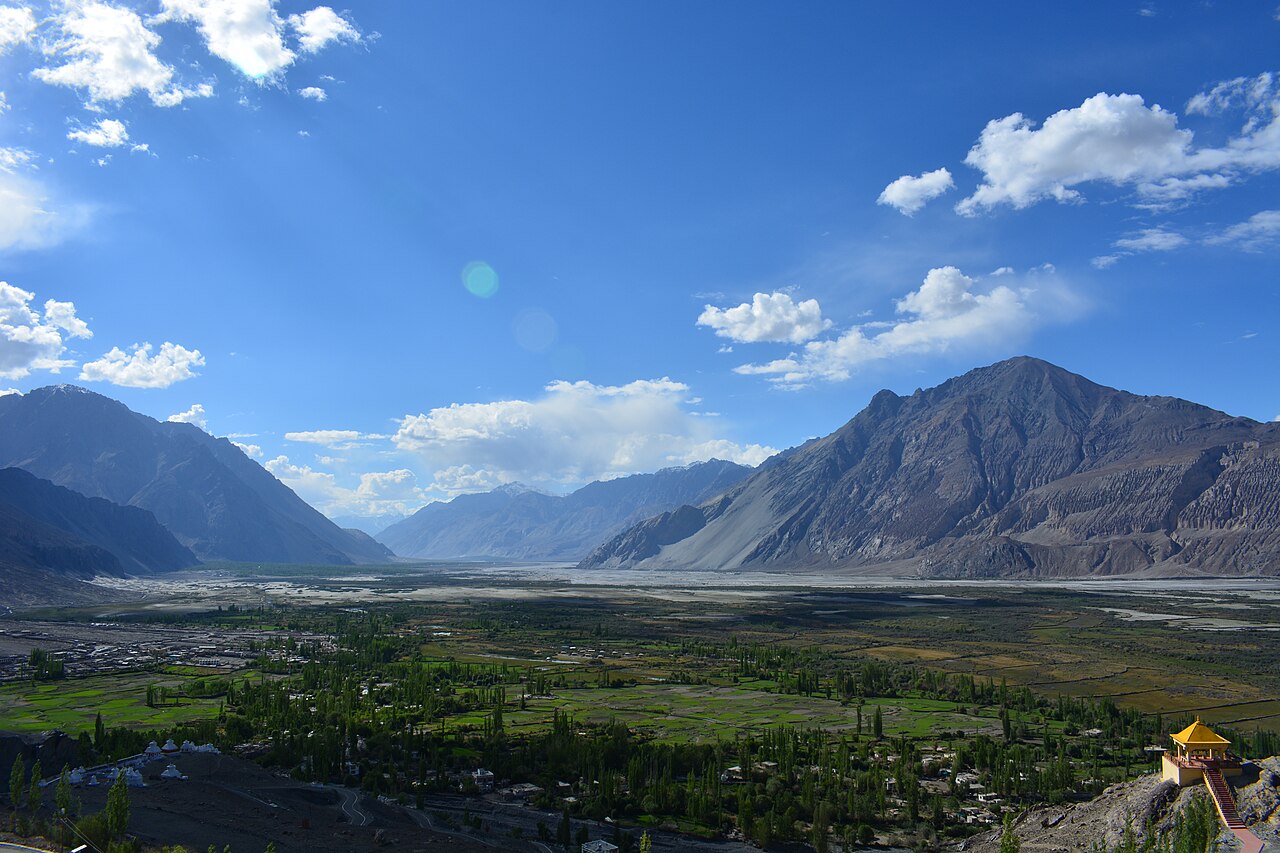
Nubra Valley sits in the rain shadow beyond Khardung La, where the Shyok and Nubra rivers meet in a wide, flat basin of pale sand flanked by irrigated poplar groves and barley terraces. It is roughly a thousand metres lower than Leh in its lowest stretches, which makes the air noticeably thicker and the growing season longer — apricot orchards around Sumur and Panamik produce some of the sweetest fruit in Ladakh, sold roadside in August. The valley's most photographed feature is the field of sand dunes at Hunder, an improbable stretch of wind-sculpted sand between snow-capped peaks, where double-humped Bactrian camels — descendants of pack animals used on the old Silk Route caravans between Yarkand and Leh — are now walked in short tourist circuits rather than laden with trade goods. The valley's other centre of gravity is Diskit Monastery, whose 32-metre gilded Maitreya Buddha statue, completed in 2010 and consecrated by the 14th Dalai Lama, faces down the valley toward the Pakistan border as, according to local account, a symbolic guardian against conflict. The statue is visible from a considerable distance across the valley floor, disproportionate in scale to the low mud-brick village beneath it.
Best time of day: Overnight stay recommended. Late afternoon light on the Hunder dunes (16:00–18:30) produces the sharpest dune-ridge shadows, and early morning at Diskit Monastery (07:30–09:00) coincides with the daily puja and quiet light on the Maitreya statue.
Nubra Valley timings
Nubra Valley opens at 07:00 and closes at 18:00. It keeps the same hours on Saturday and Sunday.
- Opening hours
- 07:00–18:00
Mon–Sun 07:00–18:00 - Villages and viewpoints are accessible sunrise to sunset. Diskit Monastery's main halls are typically open 07:00–18:00; the Maitreya statue courtyard has no fixed closing time.
- Closed on
- Open every day
Good to know: Khardung La, the main access route from Leh, is officially open May through October depending on snow clearance by the Border Roads Organisation; the alternative Wari La / Agham route is rougher and less reliable. Nubra's own valley floor is milder than the passes on either side of it and rarely sees the same closures, but a spell of bad weather at Khardung La can strand the valley from Leh for a day or more even in July or August. Winter access (November–April) is unpredictable and not recommended for tourism.
Opening hours compiled from leh.nic.in and public records, last updated . They change without notice — confirm before you travel. How we write these guides
Nubra Valley ticket price
| Ticket | Price |
|---|---|
| Indian visitors | Free |
| Foreign visitors | Free |
| Children | Free |
| Camera | Free |
The valley itself has no entry ticket, but individual sites within it charge separately: Diskit Monastery ₹30–₹50 entry, the Hunder sand dunes double-hump (Bactrian) camel ride approximately ₹300–₹500 for a 20–30 minute circuit, and the Panamik hot springs a nominal ₹20–₹30 bathing fee. Inner Line Permit is mandatory and checked at the North Pullu checkpost before Khardung La and again on entry to Diskit/Hunder — carry printed copies and several spare passport photographs.
Prices compiled from leh.nic.in and public records, last updated . They change without notice — confirm before you travel. How we write these guides
Best time to visit Nubra Valley
- Quiet
- Moderate
- Busy
07:00 – 09:00
Diskit morning pujaBest time to go
Overnight guests visit Diskit Monastery for the morning prayer session. The Maitreya statue courtyard is near empty and light on the gilded statue is soft and directional.
Quiet10:00 – 13:00
Day-trip convoy arrival
Vehicles that left Leh at dawn arrive at Hunder and Diskit in this window. Camel-ride queues form at the Hunder dune cooperative counter.
Busy13:00 – 16:00
Midday dispersal
Some day-trippers begin the return crossing over Khardung La to reach Leh before evening. Overnight guests settle into Hunder or Sumur camps.
Moderate16:00 – 18:30
Golden hour on the dunes
Remaining overnight guests and a smaller second wave of visitors gather at Hunder for dune photography as shadows lengthen across the sand ridges.
Moderate
History of Nubra Valley
Nubra's old name, Ldumra, translates roughly as 'the valley of flowers', a name that predates its modern administrative and tourist identity and reflects its comparative fertility against the starker terrain elsewhere in Ladakh. The valley's historical importance rests on its position on a branch of the Silk Route: caravans of double-humped Bactrian camels carried pashmina wool, silk, and other goods between Yarkand in the Tarim Basin and Leh via the Nubra corridor and Karakoram Pass, a route that functioned into the early 20th century before the closure of the India-China and India-Pakistan frontiers ended cross-border caravan trade. The Bactrian camels seen today at Hunder are the direct descendants of animals from that trade, left in the valley after the routes closed and now maintained partly for tourism.
Diskit Monastery, the oldest and largest in the valley, was founded in the 14th century by Changzem Tserab Zangpo, a disciple of Tsongkhapa, placing it within the Gelug lineage alongside Thiksey and Spituk. It functioned historically as the seat of religious authority for the Nubra region and held administrative influence over the smaller village gompas.
Nubra's proximity to the Line of Control with Pakistan and, further north-east, the disputed Aksai Chin frontier with China via the Karakoram Pass, has made it a sensitive military corridor since the 1947 and 1962 conflicts, which is the underlying reason the Inner Line Permit system governs access here as strictly as it does at Pangong Tso. The valley opened to general tourism only in 1994, after decades in which it was accessible mainly to military and administrative personnel.
Rules & etiquette at Nubra Valley
Apply for the Inner Line Permit before travelling, either online through the LAHDC Leh portal or at the DC office in Leh's Main Bazaar; both routes require passport-size photographs and photocopies of identity documents, and processing during July–August peak season can take longer than a single day. The permit is checked at North Pullu before Khardung La and again on arrival in the Diskit/Hunder area.
At Diskit Monastery, remove footwear before entering prayer halls, walk clockwise around the stupas and the Maitreya statue's base, and keep voices low if a puja is in progress — visitors may observe from the rear of the hall. Photography inside the main assembly hall during active prayer requires a monk's permission; the exterior statue and courtyard have no such restriction.
At Hunder, camel operators are organised through a local cooperative with fixed posted rates; agree the price and duration before mounting, and note that welfare standards vary between operators, so choose one where the animals appear well-fed and are not worked continuously through the hottest midday hours. Do not drive vehicles directly onto the dune field — it damages the fragile sand-grass stabilisation the local council has been trying to protect.
Camping outside designated sites is discouraged near the Shyok riverbank due to sudden water-level changes from upstream glacial melt; use the established campsites in Hunder and Sumur instead.
Tips for visiting Nubra Valley
- 1
The journey to Nubra crosses Khardung La at 5,359 metres before descending into the valley, so altitude planning has to account for both the pass and the valley floor, not just the destination. Complete the standard 48-hour acclimatisation in Leh first; even though Nubra's villages sit somewhat lower than Leh, the crossing itself exposes you to the trip's highest point, and rushing it is the most common cause of altitude sickness on this route. Fuel up fully in Leh — the last reliable pump before Khardung La is at the edge of Leh town, and the next reliable one is in Diskit, a comfortable margin if your tank is full but a risk if it is not.
- 2
An overnight stay in Nubra is close to essential rather than optional: the round trip over Khardung La in a single day is exhausting at altitude, and a one-night stop (commonly in Hunder or Sumur) allows both the Hunder dunes at golden hour and Diskit Monastery's morning puja without a rushed itinerary. Guesthouses and a growing number of Swiss-tent camps in Hunder offer basic but comfortable accommodation from roughly ₹1,500–₹4,000 per night depending on season and standard.
- 3
Mobile network coverage is limited to BSNL and, in some villages, Airtel — do not assume continuous signal across the whole valley, particularly on the Khardung La crossing itself. The Panamik hot springs, a further 45 minutes past Sumur, are a worthwhile extension for travellers with an extra half-day, and Turtuk village — an ethnically Balti settlement close to the LoC that opened to tourists only in 2010 — rewards those with time for a longer loop, though it requires its own separate permit clearance and a further 1.5–2 hours of driving beyond Hunder.
How to reach Nubra Valley
The red star is Nubra Valley. Tap a pin for details.
Nubra Valley spans the villages of Diskit, Hunder, Sumur, and Panamik, Leh District, Ladakh — approximately 120–160 km north of Leh via Khardung La, at the confluence of the Nubra and Shyok rivers.Directions in Google Maps
From Leh Main Bazaar
₹5,500–₹8,500120 km · 240–300 min
One-way to Diskit/Hunder per vehicle; overnight round-trip packages ₹9,000–₹14,000 inclusive of driver charges
From Leh Main Bazaar
₹1,800–₹3,000120 km · 240–300 min
Per seat for a 1-night/2-day package, subject to minimum group size
From Diskit
₹100–₹3008 km · 15–60 min
Per seat depending on destination within the valley; private cab ₹800–₹1,500 return
Nearest airport
From Kushok Bakula Rimpochhe Airport (IXL), Leh
approximately 120 km to Diskit via Khardung La, 4–5 hours by road.
Nearest railway station
From No railway connectivity to Ladakh as of 2026. Nearest railhead: Jammu Tawi (JAT), roughly 820 km by road from Diskit.
Nubra Valley FAQs
Do I need a separate permit for Nubra Valley if I already have one for Pangong Tso?
No single ILP automatically covers both. When applying, list every restricted area you intend to visit — Nubra Valley, Pangong Tso, Khardung La, Turtuk — on the same application, since the LAHDC portal allows multiple zones on one permit. If you apply separately for each, you will need multiple permits and multiple sets of passport photographs.
Is it safe to cross Khardung La to reach Nubra Valley?
The pass itself is a well-maintained, BRO-managed road, but at 5,359 metres it exposes travellers to significant altitude well above Leh. Complete at least 48 hours of acclimatisation in Leh before attempting the crossing, watch for headache, dizziness, or breathlessness, and ask your driver to stop if you feel unwell rather than push through to the top for photographs.
Are the Hunder sand dunes an actual desert?
They are a genuine cold desert dune field, not a manufactured tourist installation, formed by wind-blown sand deposited along the Shyok riverbed. The double-humped Bactrian camels offered for rides there are descendants of pack animals used on the historical Silk Route caravan trade between Yarkand and Leh, which passed through this valley until the mid-20th century border closures ended it.
Should I do Nubra Valley as a day trip from Leh?
It is possible but not advisable. The round trip over Khardung La in a single day is long and tiring at altitude, and compresses the valley's best light — Hunder at golden hour, Diskit at the morning puja — into a rushed midday visit. An overnight stay in Hunder or Sumur, at roughly ₹1,500–₹4,000 for a guesthouse or tent camp, is the standard and recommended approach.
Compiled with AI assistance from official sources and public records, and published only after the checks in How we write these guides. Nobody from Traveliac has visited this place. Last updated . How we rank and check places
Places to visit near Nubra Valley
Straight-line distances from our map; times are estimates.
 #6 in LehFree entry
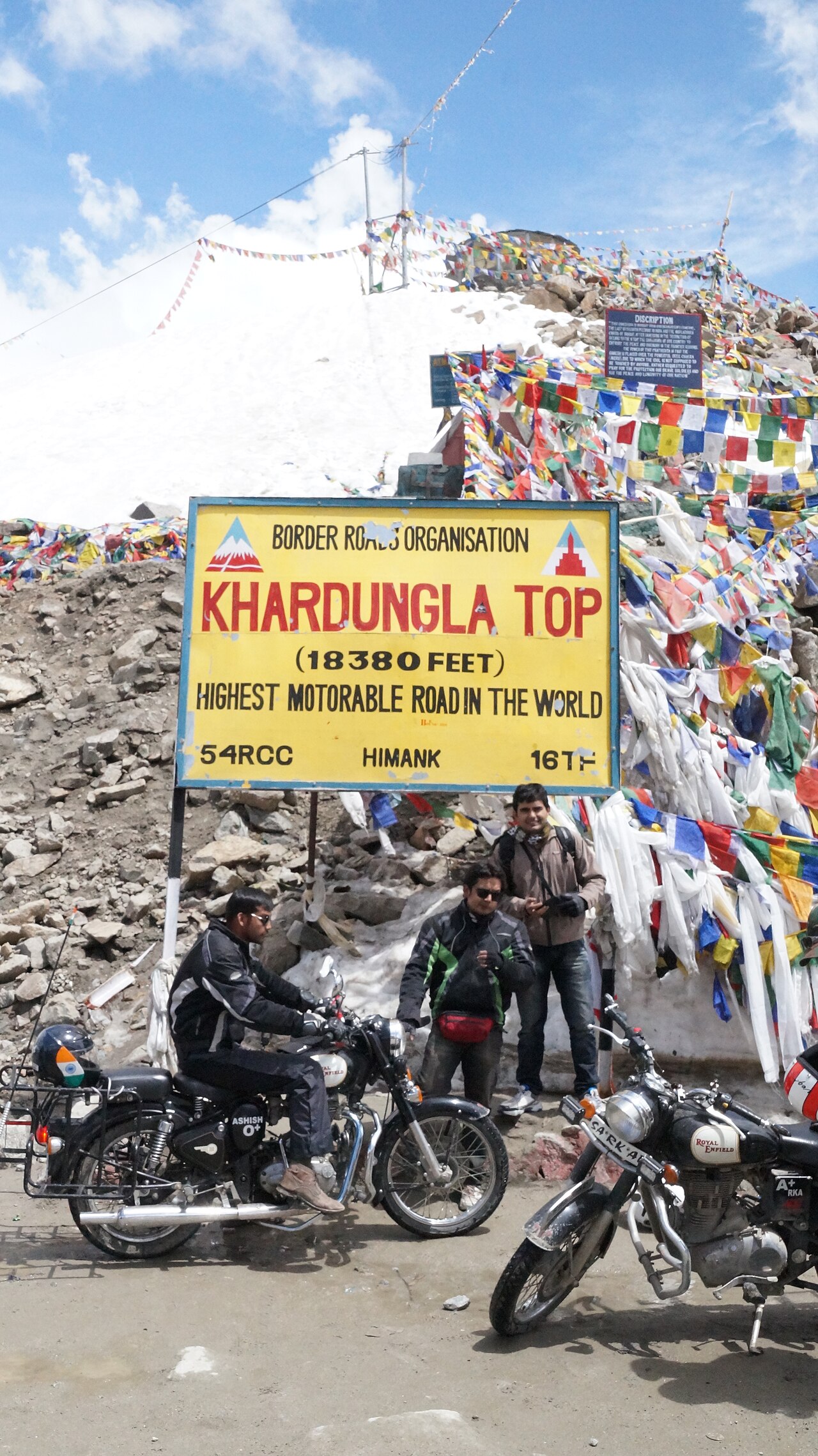
Khardung La Pass
Mountain pass · 31 km · about 95 min by road
 #5 in LehFree entry
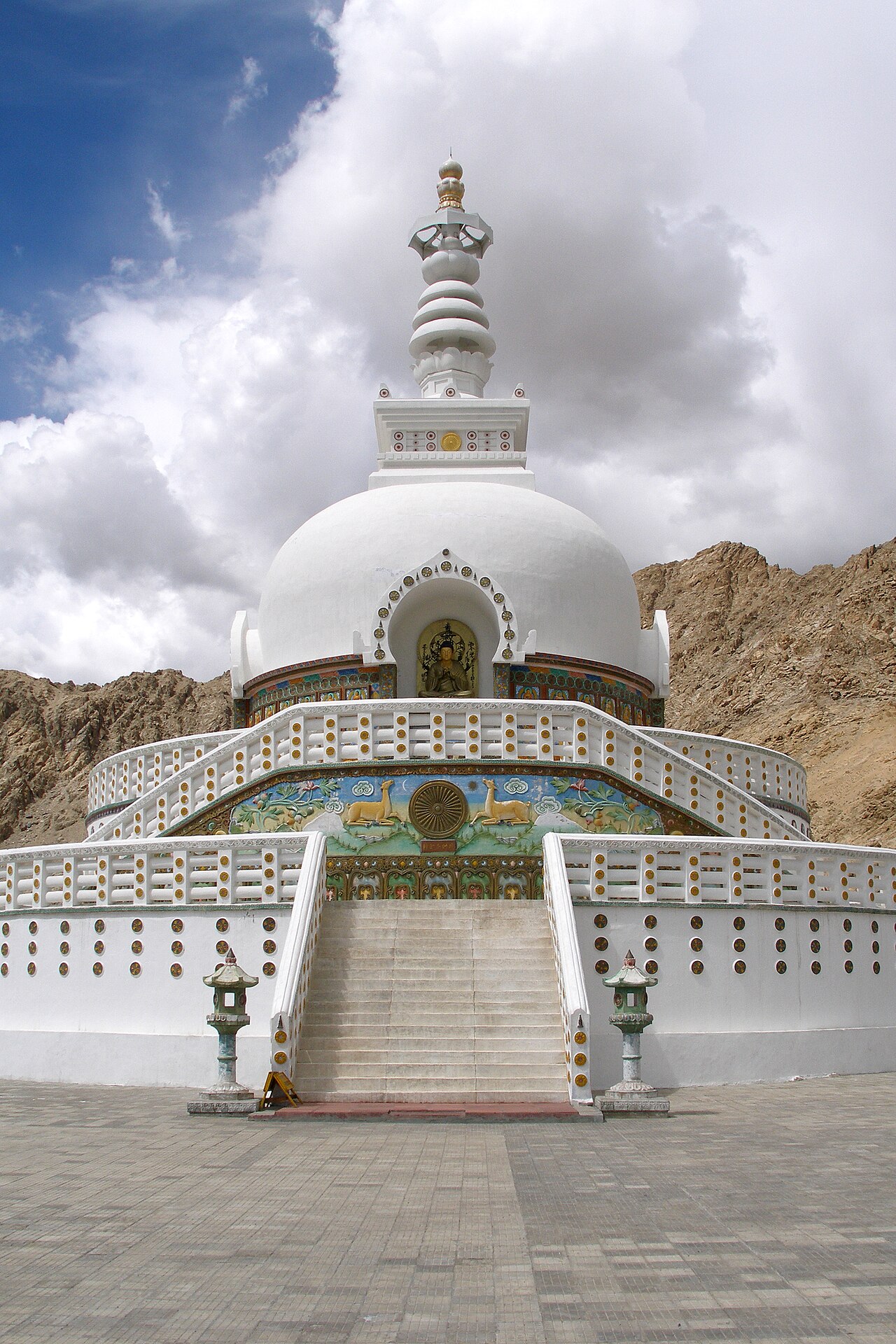
Shanti Stupa
Stupa · 42 km · about 130 min by road
 #3 in Leh
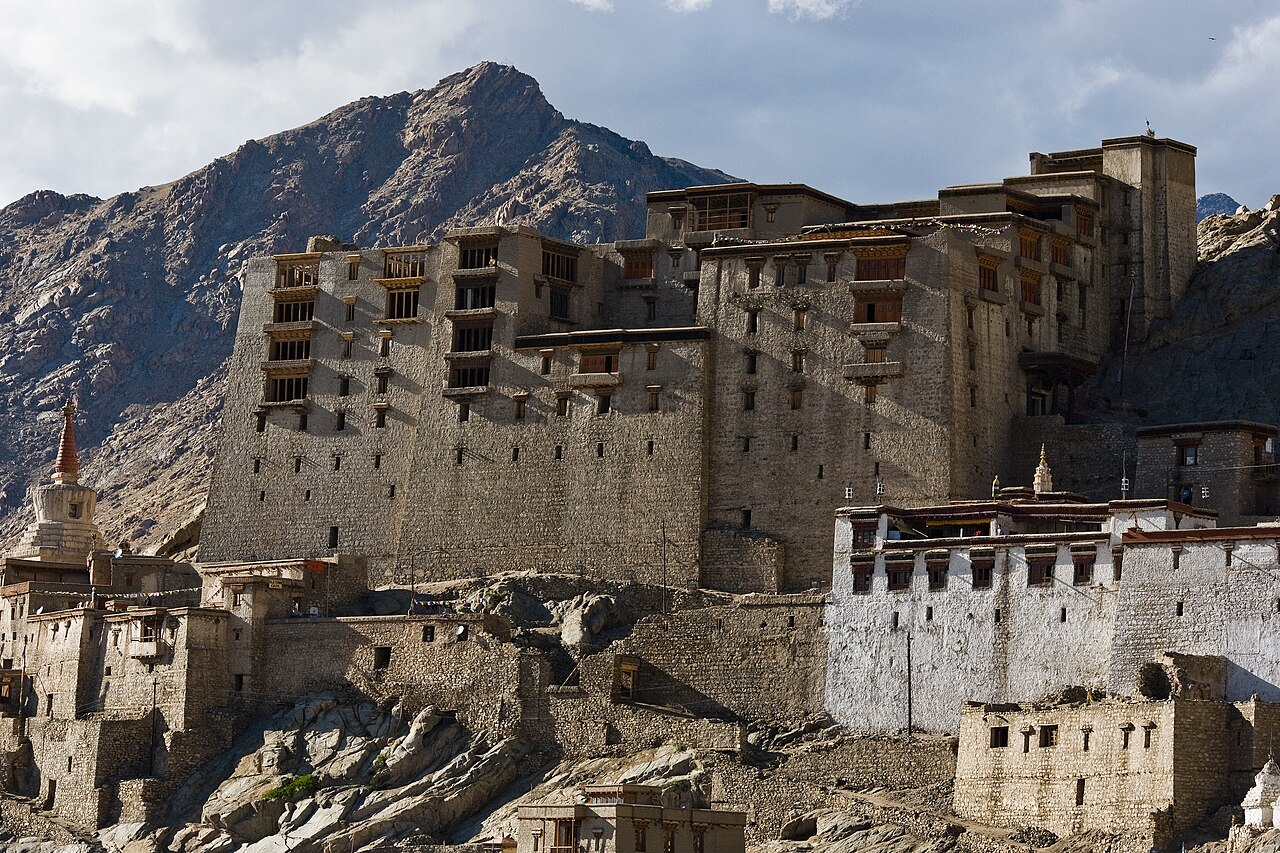
Leh Palace
Palace · 43 km · about 135 min by road
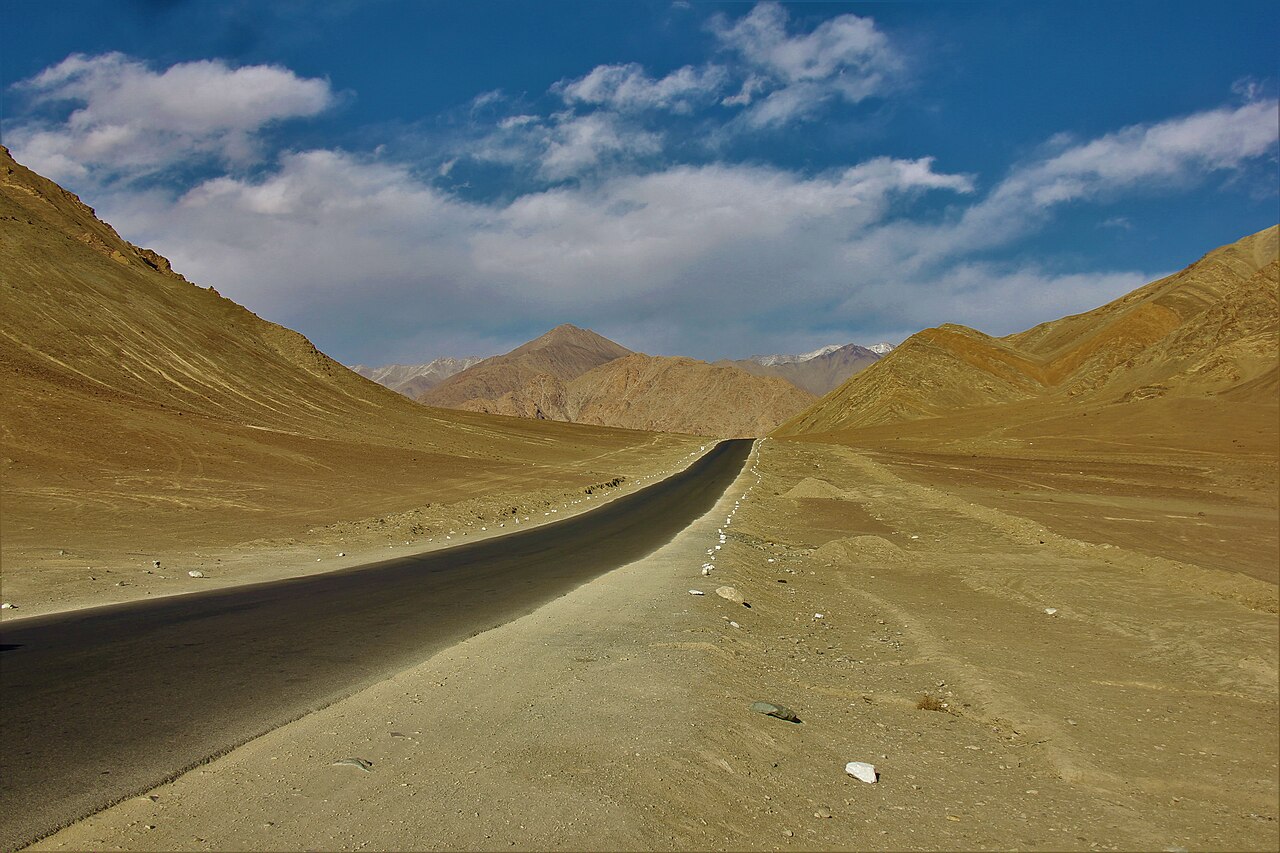 #9 in LehFree entry
Magnetic Hill
Viewpoint · 46 km · about 145 min by road