
Shey Palace & Monastery
#7of 9 places to visit in LehLeh, Ladakh
Also known as Shey Gompa · Shey Palace Complex
Quick answer
Opening hours: 07:00–18:00. Entry: ₹30 Indian · ₹50 foreign. Allow 1 hr. Best time: 08:00 – 10:00.
Updated · Compiled by Traveliac, AI-assisted · 5 min read
- Opening hours
- 07:00–18:00
- Entry fee
- ₹30 Indian
- Ticket from
- Time needed
- 1 hr
- Best time of day
- 08:00 – 10:00
- Best months
- Jun – Sep
- Address
- Shey Village, Leh District, Ladakh — 194101, approximately 15 km south-east of Leh on the Leh–Manali Highway, on the east bank of the Indus.
About Shey Palace & Monastery
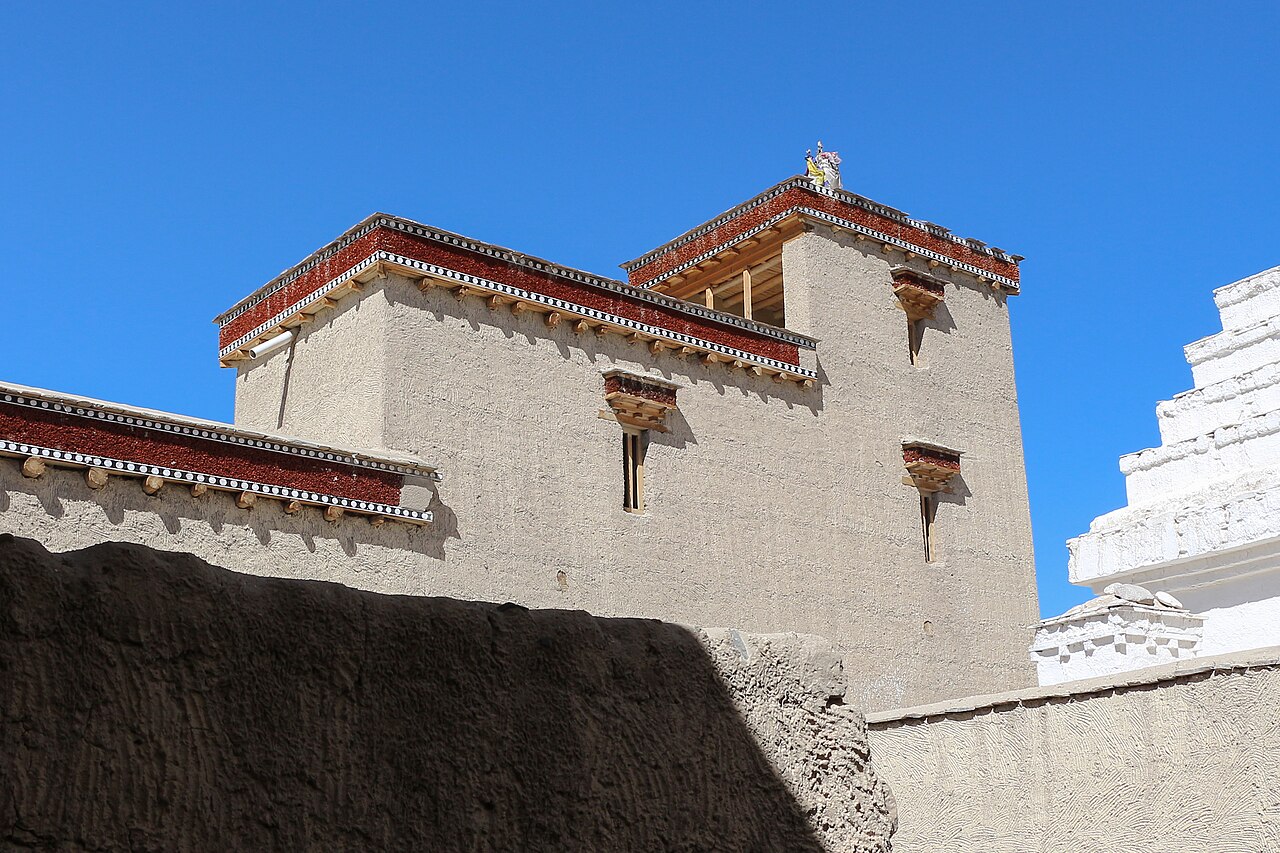
Shey was the summer capital of the Namgyal kings before Leh Palace supplanted it as the dynasty's primary seat, and what remains today is a modest hilltop cluster of ruined palace walls above a still-active temple, considerably smaller and less visited than Leh Palace or the major monasteries further along the Indus valley. The temple's principal feature is a seated Shakyamuni Buddha statue roughly 12 metres tall, built from copper sheets and gilded with gold — one of the largest such statues in Ladakh — housed in a two-storey chamber that allows visitors to view the statue's face from the upper level and its base from the ground floor. The palace ruins above the temple are largely unrestored, their mud-brick walls eroding in a manner that reads less as a preserved monument than as a visible record of the site's long abandonment following the shift of royal residence to Leh in the 17th century. The contrast between the crumbling palace and the still-functioning temple below is, in a sense, the site's most legible historical fact: religious institutions in Ladakh have generally outlasted the secular power structures that once patronised them.
Best time of day: 08:00 – 10:00. For quiet access to the main temple and soft light on the palace ruins above; the site is small enough that even a midday visit rarely feels overcrowded compared with Thiksey or Hemis.
Shey Palace & Monastery timings
Shey Palace & Monastery opens at 07:00 and closes at 18:00. Those hours hold on Saturday and Sunday too.
- Opening hours
- 07:00–18:00
Mon–Sun 07:00–18:00 - Closed on
- Open every day
Good to know: The annual Shey Doo Lha festival, held in the courtyard in late July or early August according to the local calendar, draws a masked cham dance performance and a larger-than-usual crowd; dates should be confirmed with Ladakh Tourism ahead of a planned visit.
Opening hours compiled from leh.nic.in and public records, last updated . They change without notice — confirm before you travel. How we write these guides
Shey Palace & Monastery ticket price
| Ticket | Price |
|---|---|
| Indian visitors | ₹30 |
| Foreign visitors | ₹50 |
| Children | Free |
| Camera | Free |
Fee covers the monastery and the palace ruins above it. Photography of the seated Buddha statue is generally permitted, though flash photography is discouraged given the age and fragility of the gilding. No separate camera fee is charged.
Prices compiled from leh.nic.in and public records, last updated . They change without notice — confirm before you travel. How we write these guides
Best time to visit Shey Palace & Monastery
- Quiet
- Moderate
08:00 – 10:00
Morning quietBest time to go
Few visitors present. The temple and palace ruins can be explored without queuing for the statue viewing platform.
Quiet10:00 – 13:00
Circuit-tour arrival
Taxis combining Shey with Thiksey and Hemis pass through. Crowds remain noticeably lighter than at Thiksey during the same window.
Moderate13:00 – 16:00
Midday
A quiet period; most day-trip traffic has moved on to Hemis or returned toward Leh for lunch.
Quiet16:00 – 18:00
Late afternoon
Warm directional light on the palace ruins' eroded mud-brick walls; a good window for unhurried photography before closing.
Quiet
History of Shey Palace & Monastery
Shey served as the summer residence and, by some accounts, an earlier primary capital of the Namgyal dynasty before Leh's ascendance under King Sengge Namgyal in the 17th century. The palace's construction is variously attributed across different phases to earlier Namgyal rulers, with Sengge Namgyal himself credited with a significant building phase in the early 17th century that included the great Buddha temple, built as a memorial to his father, King Jamyang Namgyal.
The monumental copper-and-gold Buddha statue was commissioned specifically as this memorial act, and Ladakhi accounts describe its construction as a major undertaking of the period, requiring copper sourced and worked locally by craftsmen whose techniques are recorded, if not always with full documentary precision, in monastic chronicles of the time.
As Leh grew into the dynasty's primary seat through the 17th and 18th centuries, Shey's palace gradually lost its residential function, and by the time of the Dogra conquest in the 1830s-40s it appears to have already been in a state of partial disuse, which likely spared it the deliberate destruction visited on some more actively contested sites during that period, even as ordinary weathering and neglect took their own toll over the following two centuries. The temple below the palace, in contrast, retained an active religious function throughout and continues to be maintained by a small resident caretaker community today.
Rules & etiquette at Shey Palace & Monastery
Remove footwear before entering the temple housing the Buddha statue. Walk clockwise around the temple structure and any stupas on the approach path, consistent with practice at Ladakh's other monastic sites. The statue chamber's upper viewing level, from which the Buddha's face is seen at closer range, has limited standing room — be mindful of other visitors waiting to view from the same vantage point rather than lingering excessively.
The palace ruins above the temple are unfenced in most sections and structurally unstable in places; exercise caution when exploring, particularly around collapsed wall sections, and do not climb on remaining wall fragments for photographs. There is no ASI staff presence actively monitoring the ruins in the way there is at Leh Palace, which places more responsibility on visitors' own judgment regarding safety.
During the Shey Doo Lha festival, cham dance performers and monastic staff should not be obstructed for photographs; keep to the designated courtyard viewing areas.
Tips for visiting Shey Palace & Monastery
- 1
Shey is most efficiently visited as one stop on the same south-eastern Indus valley circuit as Thiksey and Hemis, since all three lie within a short drive of one another along the Leh–Manali Highway — a private taxi covering Shey, Thiksey, and Hemis in one day typically runs ₹1,800–₹2,500, only marginally more than a Thiksey-only trip. Its comparative lack of crowds, even in peak season, makes it a worthwhile inclusion rather than an optional add-on, particularly for visitors who found Thiksey's late-morning tour-bus wave overwhelming.
- 2
The climb to the palace ruins above the temple is short but involves uneven, occasionally steep terrain without formal steps in all sections — manageable for most visitors but worth pacing carefully if you are within your first two days of altitude acclimatisation in Leh, since Shey sits at essentially the same elevation as Leh itself and offers no altitude-related advantage or disadvantage over the town.
- 3
A small settlement and a couple of modest tea stalls near the site entrance offer a low-key rest stop, considerably less commercial than the approach to Thiksey or Hemis. If travelling independently by rented motorbike or bicycle along the Leh–Manali Highway, Shey is an easy, low-effort stop to add without pre-arranging a taxi circuit.
How to reach Shey Palace & Monastery
The red star is Shey Palace & Monastery; the numbered pins are the 2 nearest places in our guides, each showing its rank in its city. Tap a pin for details.
Shey Village, Leh District, Ladakh — 194101, approximately 15 km south-east of Leh on the Leh–Manali Highway, on the east bank of the Indus.Directions in Google Maps
From Leh Main Bazaar
₹600–₹90015 km · 25–35 min
Return per vehicle; combined Shey–Thiksey–Hemis circuit ₹1,800–₹2,500
From Leh Main Bazaar
₹40–₹7015 km · 25–35 min
Per seat
From Kushok Bakula Rimpochhe Airport (IXL)
₹600–₹95019 km · 30–40 min
Nearest airport
From Kushok Bakula Rimpochhe Airport (IXL), Leh
approximately 19 km, 30–40 minutes by road.
Nearest railway station
From No railway connectivity to Ladakh as of 2026. Nearest railhead: Jammu Tawi (JAT), approximately 710 km by road.
Shey Palace & Monastery FAQs
Was Shey ever the capital of Ladakh?
Shey served as the summer residence and, in earlier periods, a primary seat of the Namgyal dynasty before Leh became the dynasty's main capital under King Sengge Namgyal in the 17th century. The palace's ruined state today reflects this centuries-long shift of royal residence away from Shey rather than any single destructive event.
What is the large Buddha statue at Shey, and why was it built?
A seated Shakyamuni Buddha statue roughly 12 metres tall, made of gilded copper sheets, commissioned by King Sengge Namgyal in the early 17th century as a memorial to his father, King Jamyang Namgyal. It is one of the largest such statues in Ladakh and remains the centrepiece of the still-active temple below the palace ruins.
Is Shey worth visiting given it is smaller than Thiksey or Hemis?
Yes, particularly for its comparative lack of crowds even during peak season, and its straightforward inclusion on the same day-trip circuit as Thiksey and Hemis with minimal added driving time. It offers a genuinely different atmosphere — a quiet, partially ruined palace above a small working temple — rather than duplicating the larger monasteries' experience.
Are the Shey palace ruins safe to explore?
The ruins are largely unfenced and structurally unstable in sections, with no active ASI staff presence monitoring visitor movement in the way there is at Leh Palace. Exercise your own caution, avoid climbing on wall fragments, and keep to established paths, particularly around collapsed sections.
Compiled with AI assistance from official sources and public records, and published only after the checks in How we write these guides. Nobody from Traveliac has visited this place. Last updated . How we rank and check places
Places to visit near Shey Palace & Monastery
Straight-line distances from our map; times are estimates.
 #3 in Leh
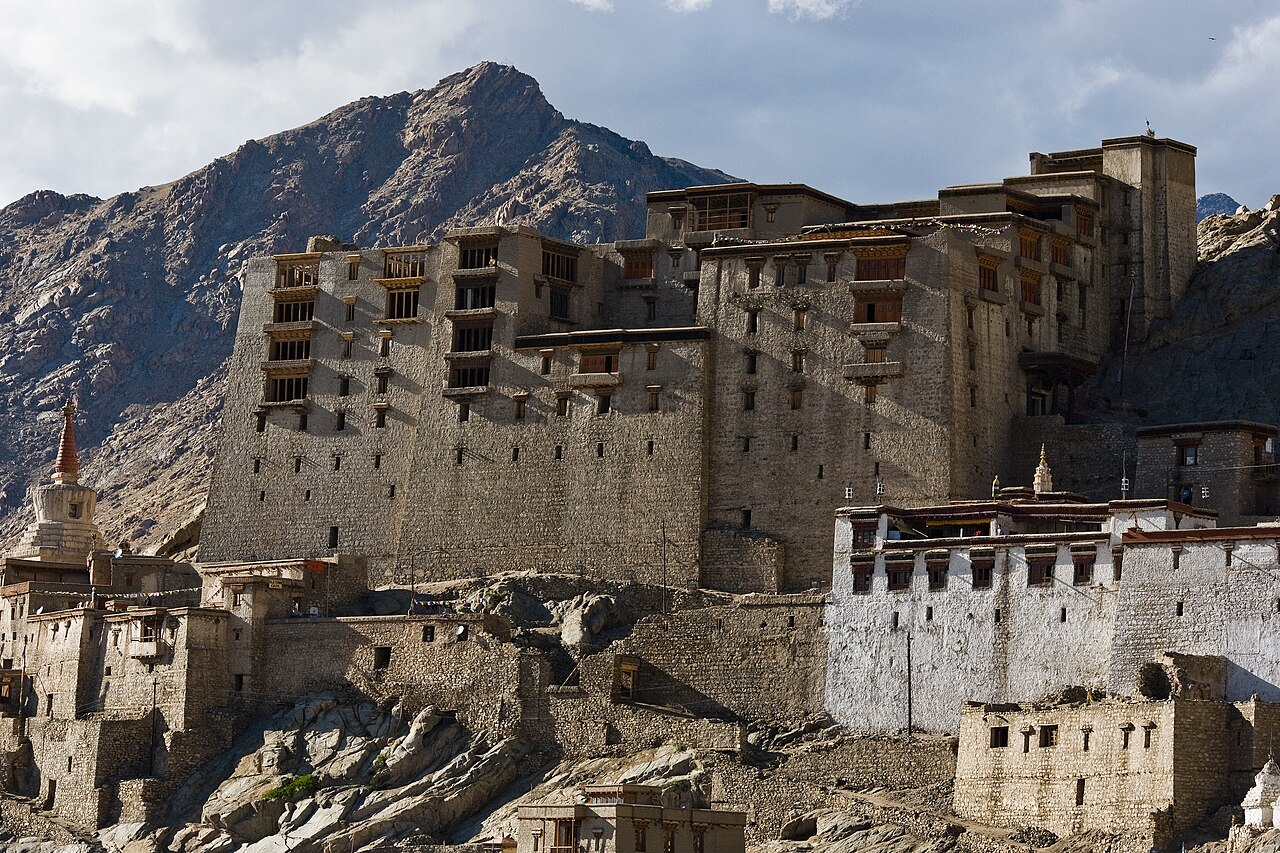
Leh Palace
Palace · 11 km · about 35 min by road
 #5 in LehFree entry
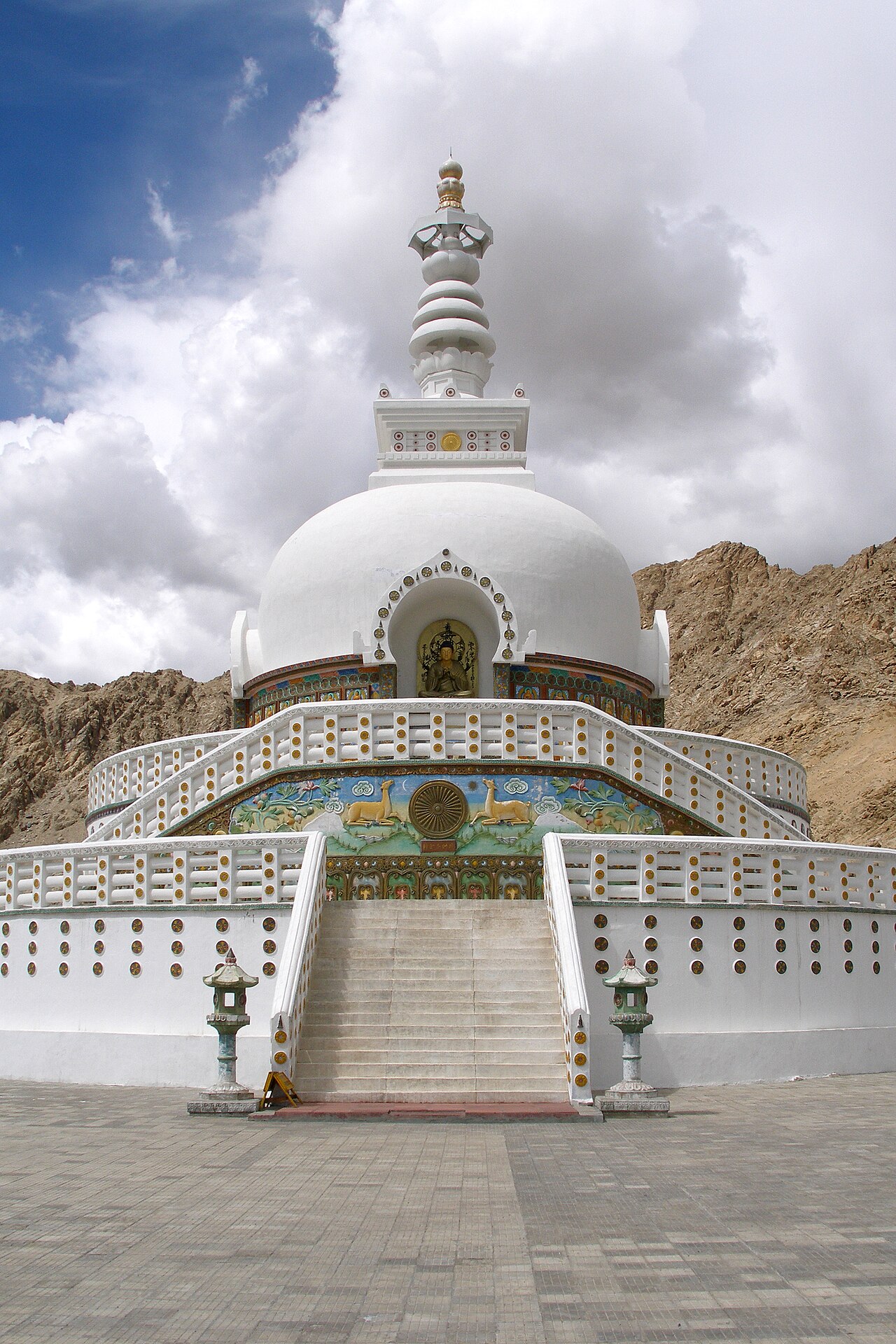
Shanti Stupa
Stupa · 13 km · about 40 min by road
 #4 in Leh
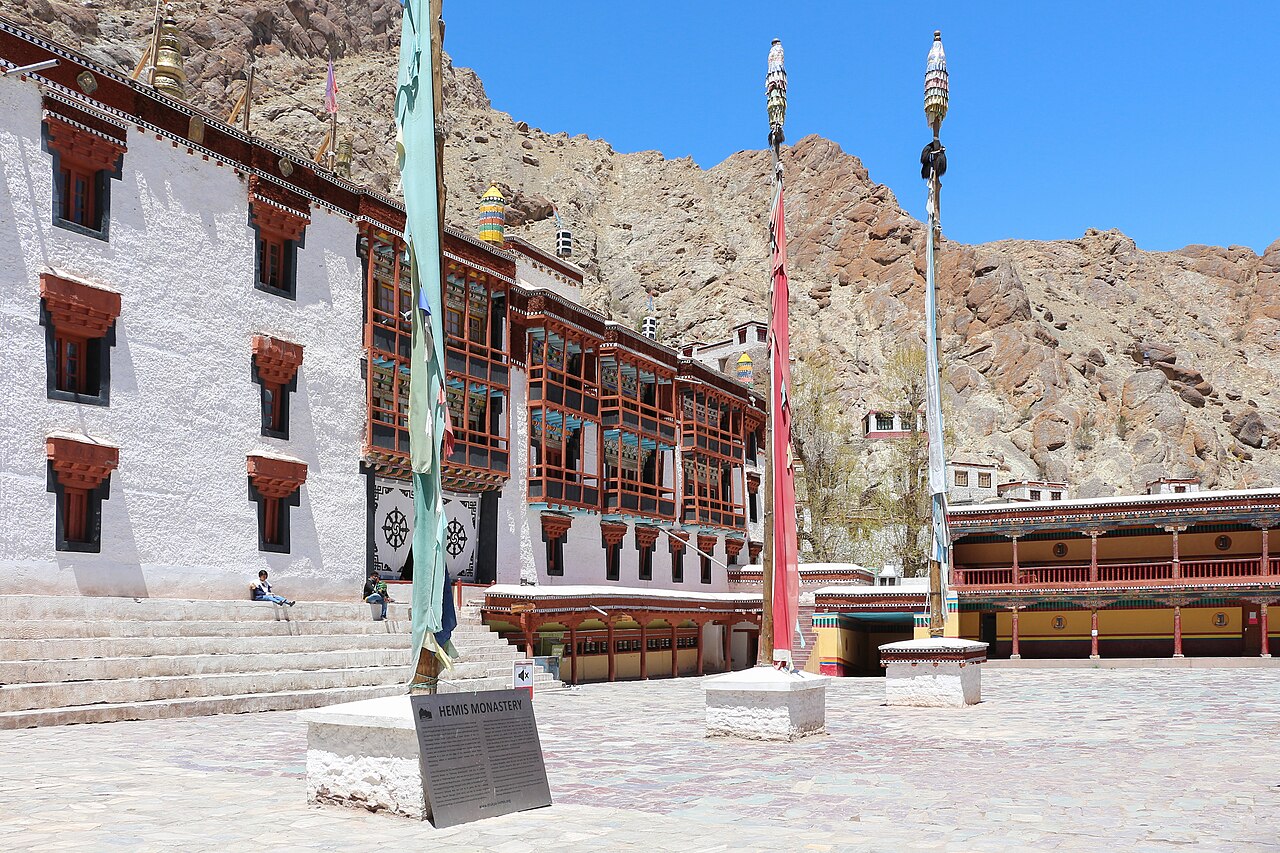
Hemis Monastery
Monastery · 19 km · about 60 min by road
 #6 in LehFree entry
Khardung La Pass
Mountain pass · 23 km · about 70 min by road