
Amber Fort & Palace
#1of 12 places to visit in JaipurJaipur, Rajasthan
Also known as Amer Fort · Amer Palace · Amer ka Qila
Quick answer
Opening hours: 08:00–17:30 and 18:30–21:15, last entry 17:00. Entry: ₹100 Indian · ₹550 foreign. Allow 3 hrs. Best time: 08:00 – 10:00.
Updated · Compiled by Traveliac, AI-assisted · 7 min read
- Opening hours
- 08:00–21:15
- 08:00 – 17:30 daily (last entry 17:00); Night tourism: 18:30 – 21:15 (Tuesday, Saturday, Sunday only, subject to seasonal suspension)
- Entry fee
- ₹100 Indian
- Ticket from
- Time needed
- 3 hrs
- Best time of day
- 08:00 – 10:00
- Best months
- Oct – Mar
- Address
- Devisinghpura, Amer, Jaipur, Rajasthan 302001
About Amber Fort & Palace
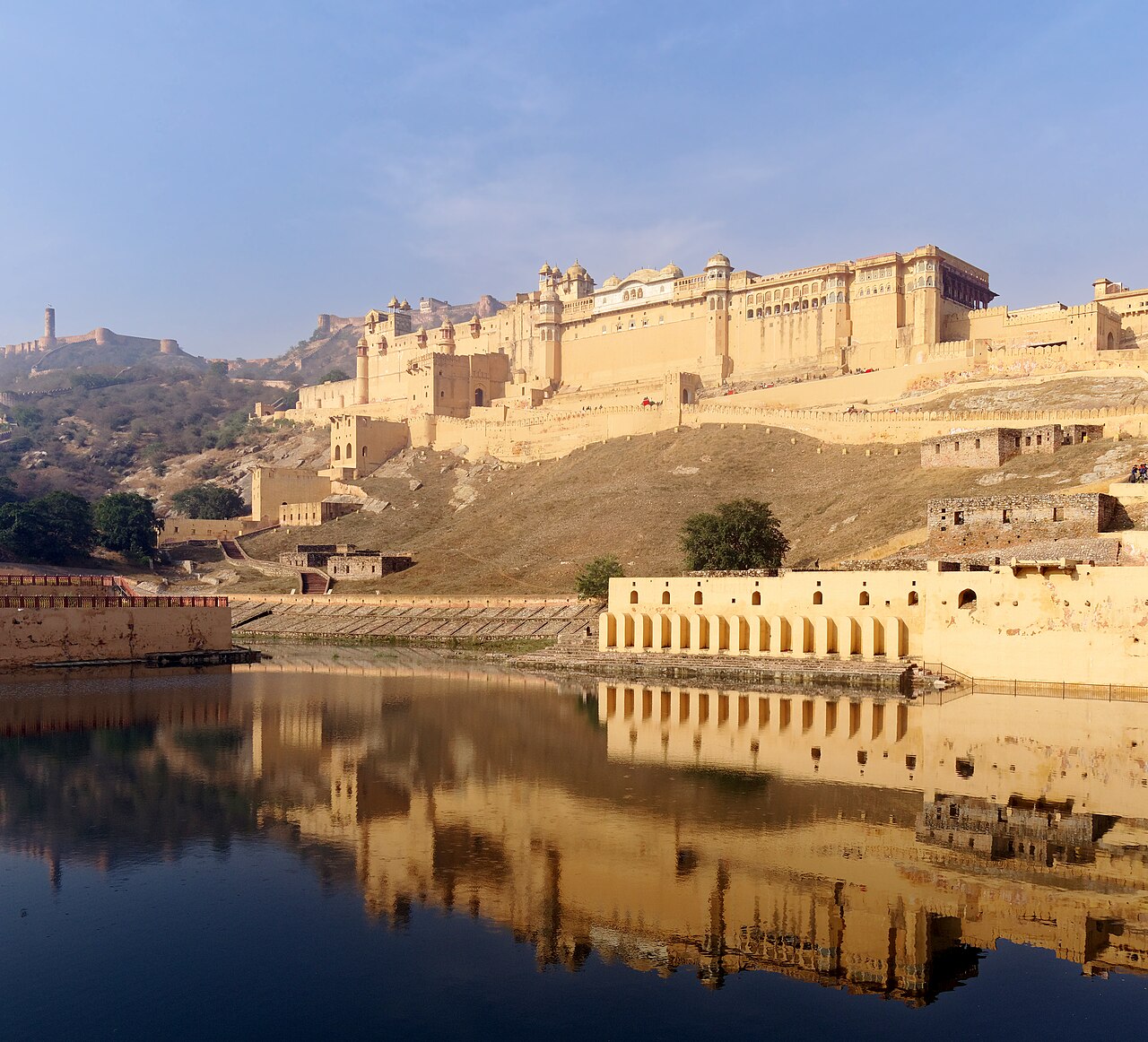
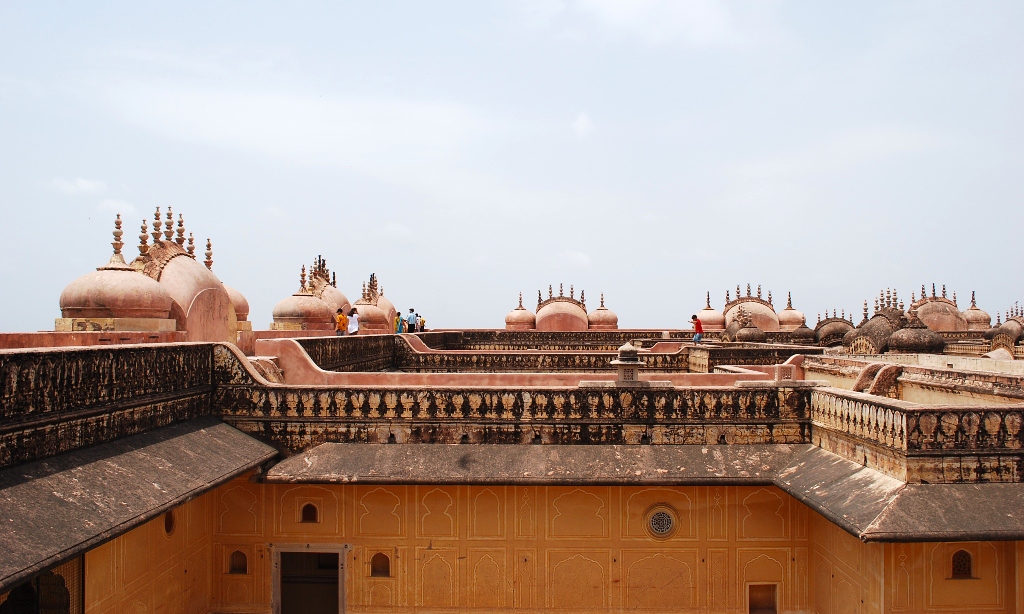
Amber Fort rises over the Aravalli ridge above Maota Lake in a sequence of ochre-yellow sandstone ramparts that took three Rajput dynasties and 150 years to complete. The colour is not uniform: the lower defensive walls, built under the Meena clan before 1592, are a rougher, darker sandstone quarried locally; the upper palace quarters commissioned by Raja Man Singh I and expanded by Mirza Raja Jai Singh I use the finer-grained warm honey stone from Karaundi in Bharatpur district. The contrast is visible from the car park — a geological record of the fort's stratified patronage. The centrepiece is the Sheesh Mahal, or Palace of Mirrors, in the private Jai Mandir sector. The ceiling is covered in convex glass pieces set into white lime plaster mixed with ground marble, amber, and crushed glass; when a single candle flame is held in the room, the reflections multiply to simulate a star-filled sky. The technique — aina-kari — was imported from Persia in the 17th century but the Amber craftsmen modified the convex curvature of each glass inlay to increase the reflection angle, a detail not replicated at any other Mughal or Rajput site.
Best time of day: 08:00 – 10:00. Ticket counters open at 08:00 sharp. The first 45 minutes deliver the highest quality light on Maota Lake from the Suraj Pole gate and the shortest queue at Shila Devi Temple.
Amber Fort & Palace timings
Amber Fort & Palace is open 08:00–17:30 and 18:30–21:15. Those hours hold on Saturday and Sunday too.
- Opening hours
- 08:00–21:15
Mon–Sun 08:00–17:30 and 18:30–21:15 - 08:00 – 17:30 daily (last entry 17:00); Night tourism: 18:30 – 21:15 (Tuesday, Saturday, Sunday only, subject to seasonal suspension)
- Closed on
- Open every day
Good to know: Night tourism sessions are suspended during the monsoon period (July–September) and during state elections.
Opening hours compiled from rajasthantourism.gov.in and public records, last updated . They change without notice — confirm before you travel. How we write these guides
Amber Fort & Palace ticket price
| Ticket | Price |
|---|---|
| Indian visitors | ₹100 |
| Foreign visitors | ₹550 |
| Children | Free |
| Camera | Free |
Photography is unrestricted throughout the fort including Sheesh Mahal. The Rajasthan Culture Department composite ticket (₹300 Indian / ₹1,000 foreign, valid 2 days) covers Amber Fort, Hawa Mahal, Jantar Mantar, Nahargarh Fort, and Albert Hall Museum. Purchase online at rajasthantickets.gov.in to skip the physical counter. Shila Devi Temple within the fort has a separate, voluntary donation box — no admission fee.
Prices compiled from rajasthantourism.gov.in and public records, last updated . They change without notice — confirm before you travel. How we write these guides
Best time to visit Amber Fort & Palace
- Quiet
- Moderate
- Busy
- Very busy
08:00 – 10:00
Morning OpeningBest time to go
Ticket counters open at 08:00; the first 45 minutes typically see fewer than 80 visitors in Jaleb Chowk. Maota Lake reflects golden light onto the lower ramparts. Shila Devi Temple queue under 10 minutes.
Quiet10:00 – 12:30
Tour Bus Peak
Delhi-based overnight tour coaches arrive from NH-48, typically parking in batches of 8–15 buses by 10:30. Diwan-i-Aam and Sheesh Mahal timed-entry queue can exceed 50 minutes.
Very busy12:30 – 15:00
Midday Heat
Most tour groups depart for lunch by 12:30. Open stone terraces reach 38–44°C in winter sun. Crowd levels drop 40% from peak.
Moderate15:00 – 17:00
Late Afternoon
Local Jaipur visitors and photographers arrive for the Aravalli ridge golden hour. Last entry 17:00.
Busy18:30 – 21:15
Night Illumination
Night tourism session (Tue/Sat/Sun only). Maximum 400 tickets. Palace interiors closed. Floodlit sandstone ramparts and Jaleb Chowk accessible.
Quiet
History of Amber Fort & Palace
The strategic location on the ridge above the Darbhawati River was occupied by the Meena rulers before the Kachwaha Rajput clan seized control in 1037 CE under Dulha Rai. For five centuries, Amber remained a mid-tier feudal seat, significant but not prosperous, until 1562 when Raja Bharmal forged a matrimonial alliance with Emperor Akbar by offering his daughter Jodha Bai in marriage. The political calculation transformed Amber's finances overnight: Kachwaha generals commanded Mughal imperial armies, and the tribute, land grants, and war spoils that followed funded the fort's most ambitious construction phase.
Raja Man Singh I (r. 1589–1614), Akbar's most decorated general and governor of Bengal and Afghanistan, commissioned the primary palace complex between 1592 and 1599. His architectural brief was unmistakably syncretic: the Diwan-i-Aam's pillars use the Mughal double-bracket capital imported from Fatehpur Sikri, while the roof chhatris (kiosks) and jharokha (overhanging lattice balconies) are pure Rajput desert-building vocabulary.
Mirza Raja Jai Singh I (r. 1621–1667), the longest-serving and most decorated of all Kachwaha rulers, added the Sheesh Mahal, expanded the zenana quarters, and constructed the Sukh Niwas ('Hall of Pleasure') with its sophisticated evaporative cooling system — a narrow stone channel running the length of the room through which water was diverted from the Maota Lake cistern, lowering room temperature by 6–8°C even in May. The hydraulic engineering for this system was more complex than the architecture that houses it. The fort was awarded UNESCO World Heritage status in 2013 as part of the Hill Forts of Rajasthan serial nomination.
What to see at Amber Fort & Palace
- Sheesh Mahal (Hall of Mirrors): Built by Raja Man Singh in the early 17th century and embellished by Mirza Raja Jai Singh with convex mirrors imported from Belgium. The walls and ceilings are inlaid with multi-faceted glass mosaics designed so that a single oil lamp or candle flame illuminates the entire hall with thousands of twinkling starry reflections.
- Ganesh Pol (The Royal Gateway): The grand three-tiered royal gate erected in 1640 CE, fusing Mughal cusped arches with Rajput fresco craft. The facade is adorned with natural vegetable-dye paintings of Lord Ganesha and delicate latticed marble screens (Jharokhas) from which royal women in purdah could observe state durbars and returning military processions without being seen.
- Diwan-i-Aam (Hall of Public Audience): A magnificent double-row colonnaded pavilion raised on a podium in the second courtyard. Supported by 27 red sandstone pillars with elephant-head bracket capitals on the outer perimeter and polished grey marble pillars inside, where the Maharaja addressed civic assemblies and heard petitions.
- Subterranean Jaigarh Tunnel: A 1.2-kilometre fortified underground tunnel originating from the lower courtyard of Amber Fort that emerges directly into the impregnable Jaigarh military bastion above. Built for covert royal troop movements and emergency escape during sieges, it features vaulted brick arches and arrow slits overlooking the valley.
- Maota Lake & Kesar Kyari (Saffron Garden): The natural reservoir cradling the foot of the ramparts. In its centre rests Mohan Bari (Kesar Kyari), an intricate star-shaped sunken garden built in the 16th century where saffron plants were historically cultivated in lake silt to perfume evening lakeside breezes.
- Sukh Niwas (Hall of Pleasure): Situated opposite the Diwan-i-Khas, this summer retreat features sandalwood doors inlaid with ivory and an ancient Rajput evaporative air-conditioning system: piped mountain water cascaded down marble relief channels (chhadar) into indoor fountain basins, cooling the arid desert breeze as it blew across the living quarters.
Rules & etiquette at Amber Fort & Palace
The Suraj Pole (Sun Gate) at the eastern entrance is the only authorised visitor entry point; the Chand Pole (Moon Gate) on the western face is exit-only. Visitors who enter from the wrong gate will be redirected to the car park level, adding 20 minutes.
Shila Devi Temple, the Kachwaha clan's presiding deity and a working temple to the goddess Shila (a form of Durga), operates under specific rules. Shoes must be deposited at the free rack outside the temple entrance, not at the fort's main shoe counter. Leather articles — belts, bags, wallets — must be left outside the inner sanctum gate. Mobile phones are permitted in the outer courtyard but camera shutters are prohibited inside the inner sanctum by temple trust regulation. Heads must be covered; paper cloth is provided free by temple volunteers.
For licensed guides, verify the laminated identity card issued by the Rajasthan Tourism Department (it bears a holographic seal and is numbered). Unlicensed 'guides' cluster at Suraj Pole and quote ₹100–200 before escalating requests inside. Official licensed guides charge ₹400–600 for a 2-hour full-fort circuit and are stationed at the kiosk inside Suraj Pole.
The Sheesh Mahal requires a timed entry during peak months (December–February): entry is in groups of 30, with a 10-minute viewing slot. Queue at the entrance of Jai Mandir sector from 09:00 if visiting on a weekend.
Tips for visiting Amber Fort & Palace
- 1
Night tourism sessions (Tuesday, Saturday, Sunday; 18:30–21:15) are the single most underused asset at Amber. The fort is illuminated by 400 LED warm-white floodlights. Ticket allocation is capped at 400 per session; book online via the Rajasthan tourism portal no later than 48 hours in advance. Walk-in capacity is approximately 60 tickets, which sell out by 17:30 on session days. The interior palace rooms are closed during night sessions, but Jaleb Chowk, Diwan-i-Aam, and the outer ramparts are fully accessible.
- 2
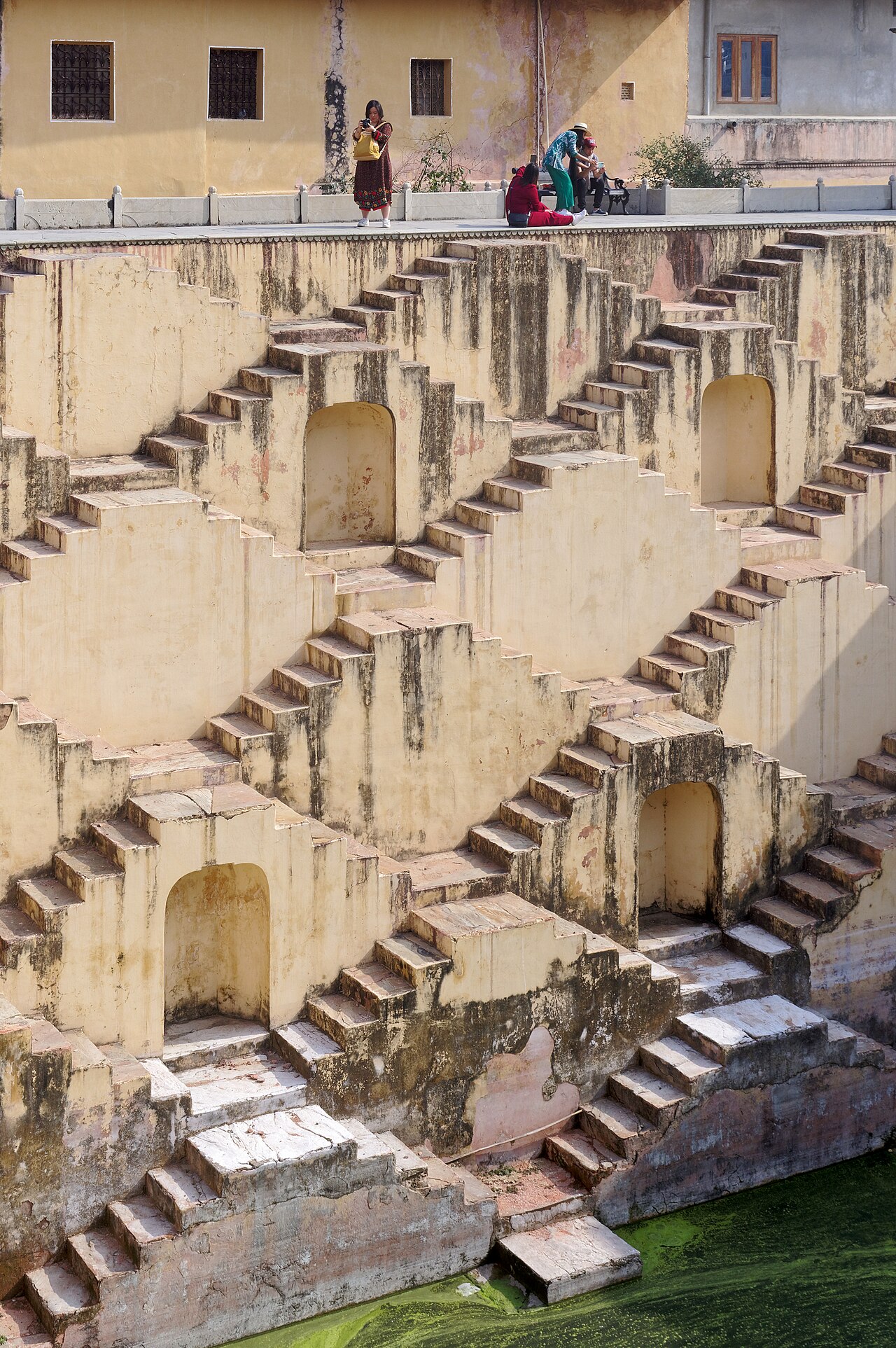
Combine your visit with Panna Meena Ka Kund (Panna Meena Stepwell), located just 1.5 km northeast behind the fort ramparts along Nahargarh Road. This 16th-century symmetrical stepwell is free to enter, takes only 15–20 minutes to visit, and provides an extraordinary geometric contrast to the fort's sprawling palatial terraces — walk or take a ₹50 auto from Suraj Pole.
- 3
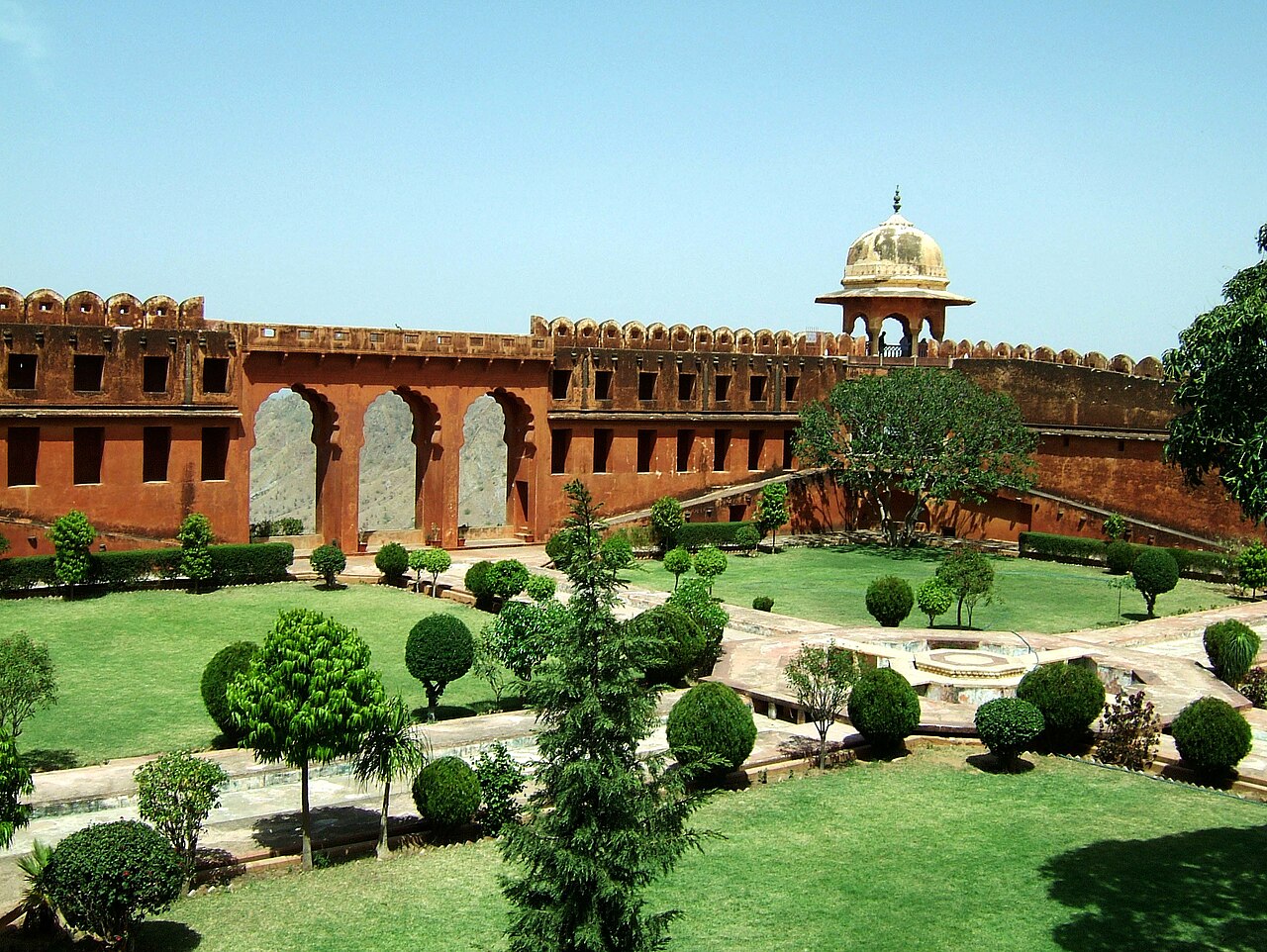
The subterranean passage from Amber Fort to Jaigarh Fort is accessed through the Suraj Pole sector's back ramp — a 1.2-kilometre stone-walled covered corridor originally built as an emergency evacuation route. The passage is fully walkable, requires 20–25 minutes of moderate uphill effort, and is included in the standard Amber ticket. Jaigarh Fort separately charges ₹35 Indian / ₹85 foreign.
- 4
Elephant rides to the Suraj Pole entrance operate under a state-mandated cap of 100 elephants. Rides begin at 06:00 and are suspended at 11:30 AM due to midday heat regulations. Lines average 35–55 minutes during October–February. For travellers concerned about animal welfare, authorized 4x4 jeeps (₹500 return per vehicle, capacity 5) depart from the lower car park and reach Suraj Pole in 3 minutes.
How to reach Amber Fort & Palace
The red star is Amber Fort & Palace; the numbered pins are the 10 nearest places in our guides, each showing its rank in its city. Tap a pin for details.
Devisinghpura, Amer, Jaipur, Rajasthan 302001Directions in Google Maps
From Jaipur International Airport (JAI)
₹480–₹68022 km · 55–75 min
Prepaid OLA/Uber cab). Auto-rickshaws from airport reach ₹600–₹800; fix the price before boarding.
From Jaipur Junction Railway Station (JP)
₹220–₹32013 km · 35–50 min
Auto, negotiated). ₹380–₹450 (Cab). City Bus Route #AC-4 to Amer Road bus stop (₹30 AC fare, every 20 minutes).
From Sindhi Camp ISBT
₹160–₹22011 km · 30–40 min
Auto). RSRTC Bus #C-2 to Amer Village (₹18 flat, every 15 minutes from Bay 7, journey 35 minutes).
Nearest airport
From Jaipur International Airport (JAI)
22 km, approximately 55–75 minutes by road depending on NH-48 traffic at the Sirsi junction.
Nearest railway station
From Jaipur Junction (JP)
13 km, approximately 35–50 minutes via Amer Road.
Amber Fort & Palace FAQs
Is it better to take an elephant, jeep, or walk up Amber Fort?
Walking the stepped stone ramp from Jaleb Chowk to Suraj Pole takes 10–12 minutes at a moderate pace and is free. Authorized 4x4 jeeps (₹500 return per vehicle, capacity 5) depart from the lower car park. Elephant rides operate from 06:00 to 11:30 AM under a 100-elephant state cap; lines average 35–55 minutes during peak season.
Does the Rajasthan Composite Ticket include Amber Fort?
Yes. The Rajasthan Culture Department composite ticket (₹300 Indian / ₹1,000 foreign) is valid for 2 days and covers Amber Fort, Hawa Mahal, Jantar Mantar, Nahargarh Fort, and Albert Hall Museum. Purchase online at rajasthantickets.gov.in to avoid the cash-only queue.
Can you walk directly from Amber Fort to Jaigarh Fort?
Yes. The 1.2-kilometre covered stone corridor begins near the back ramp of the Suraj Pole sector inside Amber and emerges inside Jaigarh Fort's lower courtyard. The uphill walk takes 20–25 minutes. The passage is included in the Amber entry ticket. Jaigarh Fort's separate entry (₹35 Indian / ₹85 foreign) is collected at its own gate.
What are the dress code and shoe rules for the Shila Devi Temple inside Amber Fort?
Footwear must be removed at the designated rack outside the temple entrance. Leather items including belts, leather-strap watches, and leather wallets must be left outside the inner sanctum. Heads must be covered; volunteers provide complimentary paper cloth. Photography inside the inner sanctum is prohibited.
Compiled with AI assistance from official sources and public records, and published only after the checks in How we write these guides. Nobody from Traveliac has visited this place. Last updated . How we rank and check places
Places to visit near Amber Fort & Palace
Straight-line distances from our map; times are estimates.
 #8 in JaipurFree entry
Panna Meena Ka Kund
Heritage · 300 m · about 5 min walk
 #7 in Jaipur
Jaigarh Fort (Jaivana Cannon)
Fort · 550 m · about 9 min walk
 #9 in JaipurFree entry
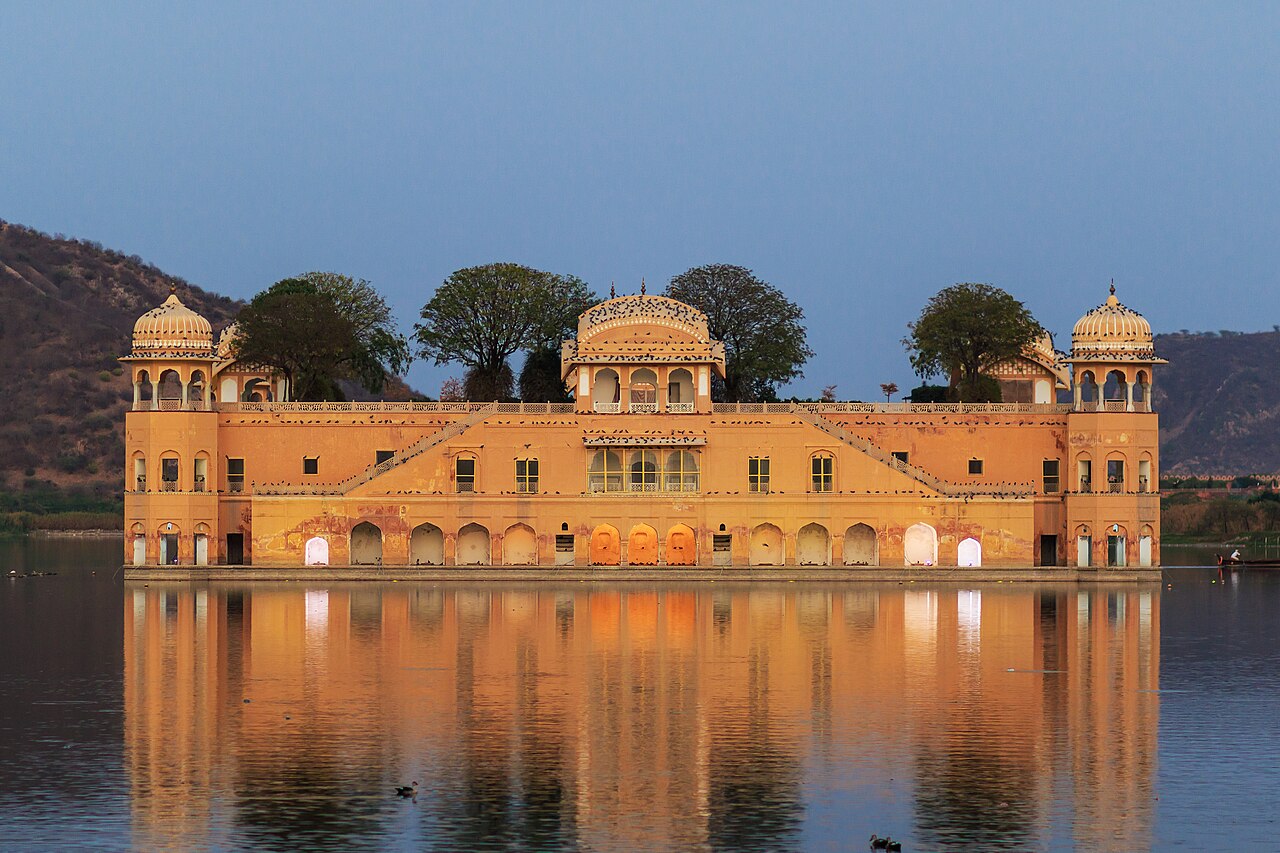
Jal Mahal (Water Palace)
Palace · 4 km · about 10 min by road
 #5 in Jaipur
Nahargarh Fort
Fort · 6 km · about 20 min by road