
Albert Hall Museum
#6of 12 places to visit in JaipurJaipur, Rajasthan
Also known as Central Museum Jaipur · Government Central Museum
Quick answer
Opening hours: 09:00–17:00 and 19:00–20:00. Entry: ₹40 Indian · ₹300 foreign. Allow 1.5 hrs. Best time: 16:00 – 17:00.
Updated · Compiled by Traveliac, AI-assisted · 4 min read
- Opening hours
- 09:00–20:00
- 09:00 – 17:00 daily; Night viewing 19:00 – 20:00 (ground floor only)
- Entry fee
- ₹40 Indian
- Ticket from
- Time needed
- 1.5 hrs
- Best time of day
- 16:00 – 17:00
- Best months
- Oct – Mar
- Address
- Ram Niwas Garden, Jaipur, Rajasthan 302004
About Albert Hall Museum
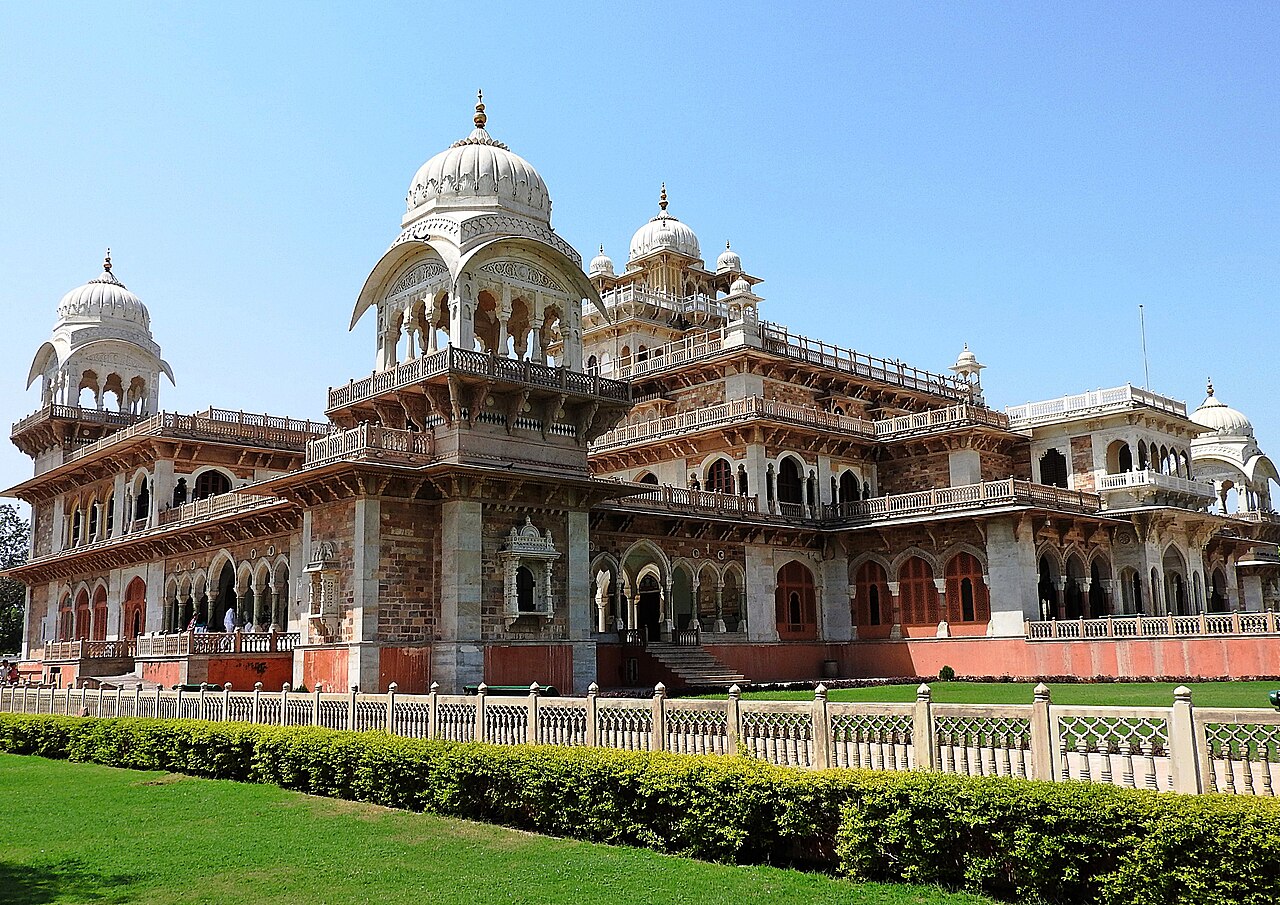
Albert Hall stands in the middle of Ram Niwas Garden as the most architecturally deliberate colonial-era building in Jaipur — a symmetrical, domed Indo-Saracenic structure in cream-and-red sandstone that borrows Rajput jharokha overhangs, Mughal chhatris, and Gothic-arched window frames within a single facade, a hybrid vocabulary Sir Samuel Swinton Jacob developed specifically for princely-state public buildings under British oversight. The stonework is quarried Rajasthan sandstone rather than imported material, cut to imitate European classical proportion while retaining regional ornamental detail in every capital and cornice. Inside, the collection is a genuine cabinet of curiosities rather than a curated single-theme museum: an unwrapped Egyptian mummy acquired in 1887, a room of Persian and Kashmiri carpets, a miniature painting gallery spanning the Mughal, Rajput, and Pahari schools, and a metalwork hall with Bidriware inlay pieces from the Deccan — the range reflects its founding purpose as a general 'improving' museum for the princely public rather than a focused archaeological repository.
Best time of day: 16:00 – 17:00. For interior galleries in the softest light through the building's original stained-glass and jharokha windows, followed by staying on for the exterior illumination after dark.
Photography
₹30 camera fee
Albert Hall Museum timings
Albert Hall Museum is open 09:00–17:00 and 19:00–20:00. It keeps the same hours on Saturday and Sunday.
- Opening hours
- 09:00–20:00
Mon–Sun 09:00–17:00 and 19:00–20:00 - 09:00 – 17:00 daily; Night viewing 19:00 – 20:00 (ground floor only)
- Closed on
- Open every day
Opening hours compiled from rajasthantourism.gov.in and public records, last updated . They change without notice — confirm before you travel. How we write these guides
Albert Hall Museum ticket price
| Ticket | Price |
|---|---|
| Indian visitors | ₹40 |
| Foreign visitors | ₹300 |
| Children | ₹20 |
| Camera | ₹30 |
Included in the Rajasthan Composite Ticket. Night viewing (18:00–19:30, when the illuminated exterior facade is the primary draw and only the ground floor stays open) carries a separate reduced ticket of ₹20 Indian / ₹100 foreign. Video camera fee is ₹150 flat.
Prices compiled from rajasthantourism.gov.in and public records, last updated . They change without notice — confirm before you travel. How we write these guides
Best time to visit Albert Hall Museum
- Quiet
- Moderate
- Busy
09:00 – 11:00
Morning OpeningBest time to go
Quiet galleries; ideal for unhurried viewing of the miniature painting collection.
Quiet11:00 – 14:00
Midday Peak
School groups and domestic tourists concentrate around the mummy gallery.
Moderate14:00 – 17:00
Afternoon
Crowd thins; best light for photographing stained-glass details and jharokha window frames.
Quiet19:00 – 20:00
Night Illumination
Ground floor and exterior facade illuminated; peak time for exterior photography at the reflecting pool.
Busy
History of Albert Hall Museum
The foundation stone was laid in 1876 by Albert Edward, Prince of Wales (later King Edward VII), during his official tour of India, which gave the building its name. Maharaja Sawai Ram Singh II, an active moderniser interested in public institutions, commissioned the project and engaged Sir Samuel Swinton Jacob — the same architect later responsible for City Palace's Mubarak Mahal — to design it as a public hall and museum combined.
Construction ran slowly over more than a decade due to funding and design revisions; the building was finally completed and formally opened in 1887 by Maharaja Sawai Madho Singh II, Ram Singh II's successor, who had inherited the unfinished project. It stands as the oldest museum in Rajasthan and one of the earliest purpose-built public museums in princely India, conceived explicitly to expose Jaipur's population to art, craft, and natural history in the same civic spirit as contemporary museums being built in British India's presidency cities.
The Egyptian mummy, among the collection's most visited objects, was acquired through a 19th-century antiquities exchange arranged by the museum's founding curators and has remained on continuous display since, making it one of only a handful of ancient Egyptian human remains on public view anywhere in India.
Rules & etiquette at Albert Hall Museum
Bags larger than a small daypack are checked at a free cloakroom near the entrance; the mummy gallery in particular restricts photography with flash to protect the desiccated remains, and a museum attendant is typically stationed at that room specifically to enforce it.
The night viewing session (19:00–20:00) opens only the ground floor and courtyard for the illuminated facade experience — visitors expecting the full upper-floor miniature painting and carpet galleries after dark will find them closed, since natural light dependency and staffing limits restrict the evening session's scope.
Ram Niwas Garden surrounding the museum is a public park with its own zoo and Ravindra Rangmanch open-air theatre; touts occasionally approach museum visitors near the garden gates offering unofficial 'guide' services for the wider garden — the museum's own ticket counter is the only reliable source for legitimate on-site guides.
Tips for visiting Albert Hall Museum
- 1
Visit the interior galleries in late afternoon, then stay through sunset for the exterior illumination — the building is genuinely one of Jaipur's better-lit night structures, and the reflecting pool in front of the main facade, when the fountains are running, delivers a symmetrical mirror shot that is one of the more reliable postcard images of the city after dark.
- 2
The miniature painting gallery on the upper floor is consistently under-visited relative to the mummy room, despite holding a stronger collection for anyone genuinely interested in Rajput and Mughal artistic technique — allocate deliberate time there rather than letting the crowd pull you straight to the ground floor.
- 3
Ram Niwas Garden itself, surrounding the museum, is worth 20–30 minutes before or after — it includes a modest zoo and the Ravindra Rangmanch theatre, both accessible on separate small tickets, making Albert Hall a natural anchor for a half-day in this part of the city away from the walled Pink City core.
How to reach Albert Hall Museum
The red star is Albert Hall Museum; the numbered pins are the 10 nearest places in our guides, each showing its rank in its city. Tap a pin for details.
Ram Niwas Garden, Jaipur, Rajasthan 302004Directions in Google Maps
From Jaipur International Airport (JAI)
₹250–₹38010 km · 25–35 min
OLA/Uber).
From Jaipur Junction Railway Station (JP)
₹70–₹1103 km · 10–15 min
Auto).
From Sindhi Camp ISBT
₹80–₹1204 km · 12–18 min
Auto).
Nearest airport
From Jaipur International Airport (JAI)
10 km, 25–35 minutes.
Nearest railway station
From Jaipur Junction (JP)
3 km, 10–15 minutes.
Albert Hall Museum FAQs
Is the Egyptian mummy at Albert Hall Museum real?
Yes, it is a genuine unwrapped ancient Egyptian mummy acquired through a 19th-century antiquities exchange around the museum's founding, and it has remained on continuous display since — one of the few ancient Egyptian human remains on public view in India.
What does the night viewing ticket at Albert Hall actually include?
The 19:00–20:00 night session (₹20 Indian / ₹100 foreign) opens only the ground floor and the illuminated exterior facade and courtyard — upper-floor galleries including the miniature painting and carpet collections are closed during this slot.
Who designed Albert Hall Museum and why does it look part-Mughal, part-Gothic?
Sir Samuel Swinton Jacob designed it in the Indo-Saracenic style, deliberately combining Rajput jharokha balconies, Mughal chhatris, and Gothic arch window frames — a hybrid architectural language he developed for princely-state public buildings under British colonial oversight.
Is Albert Hall Museum covered by the Rajasthan Composite Ticket?
Yes, standard daytime admission is included in the ₹300 Indian / ₹1,000 foreign composite ticket. The separate night viewing ticket is not included and must be purchased on-site.
Compiled with AI assistance from official sources and public records, and published only after the checks in How we write these guides. Nobody from Traveliac has visited this place. Last updated . How we rank and check places
Places to visit near Albert Hall Museum
Straight-line distances from our map; times are estimates.
 #3 in Jaipur
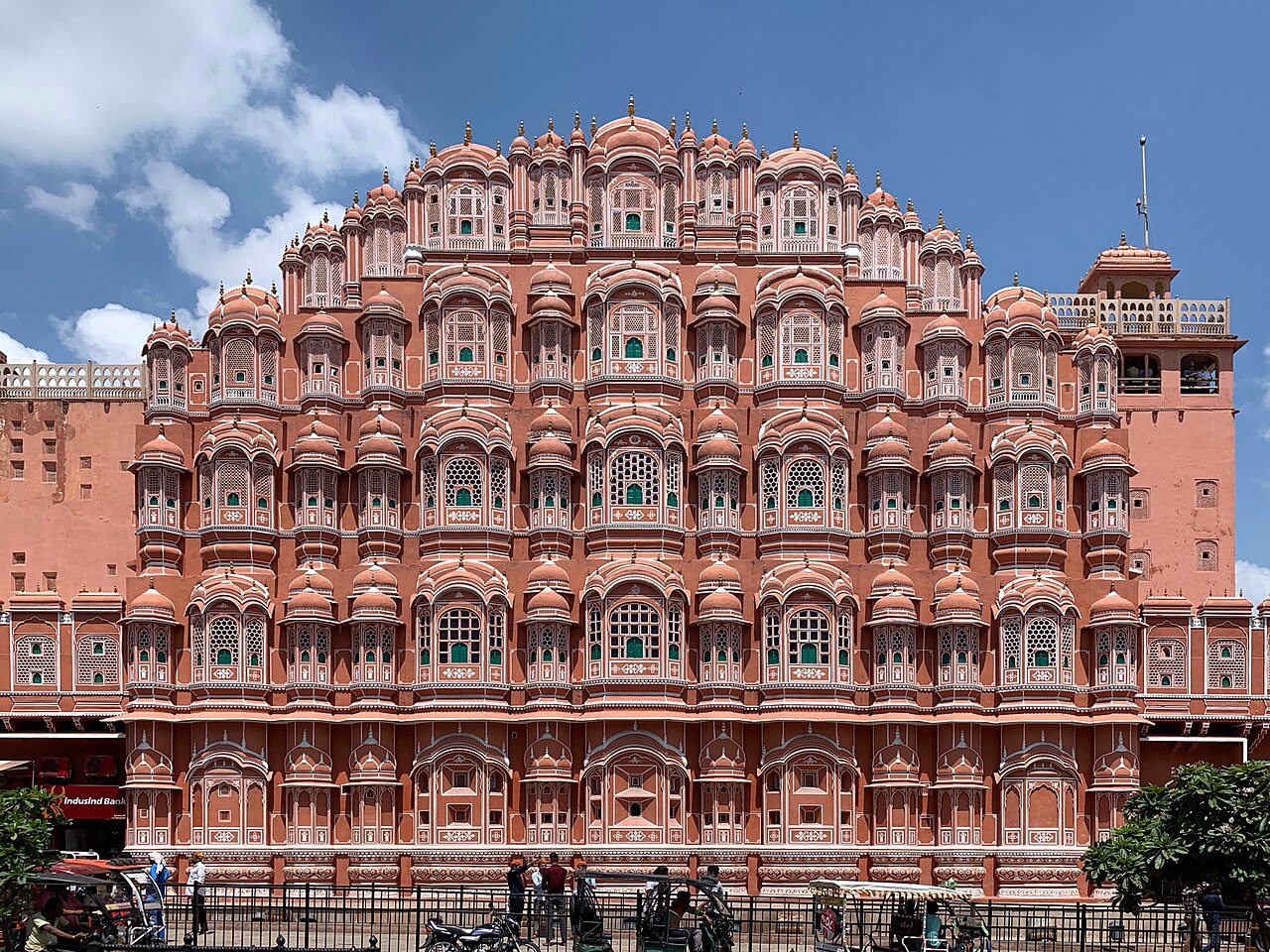
Hawa Mahal
Palace · 1.5 km · about 25 min walk
 #4 in Jaipur
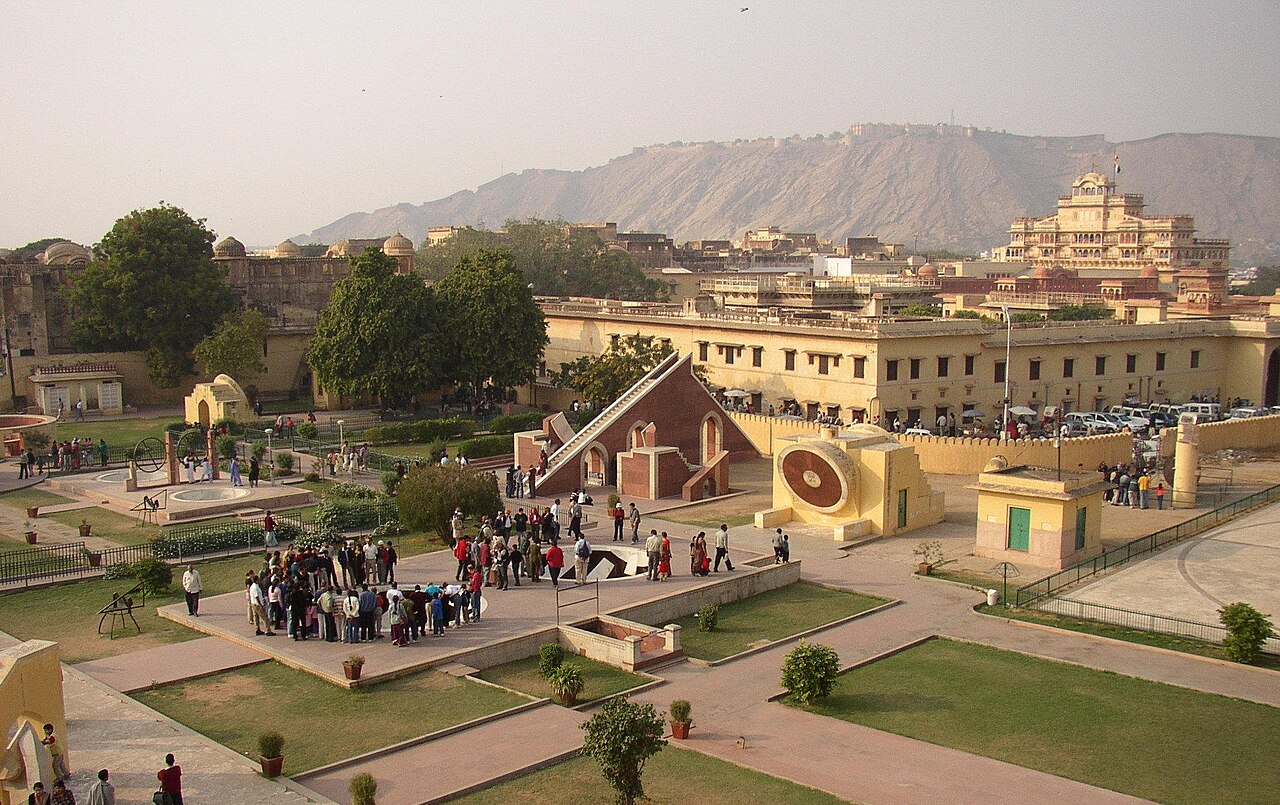
Jantar Mantar
Heritage · 1.6 km · about 25 min walk
 #2 in Jaipur
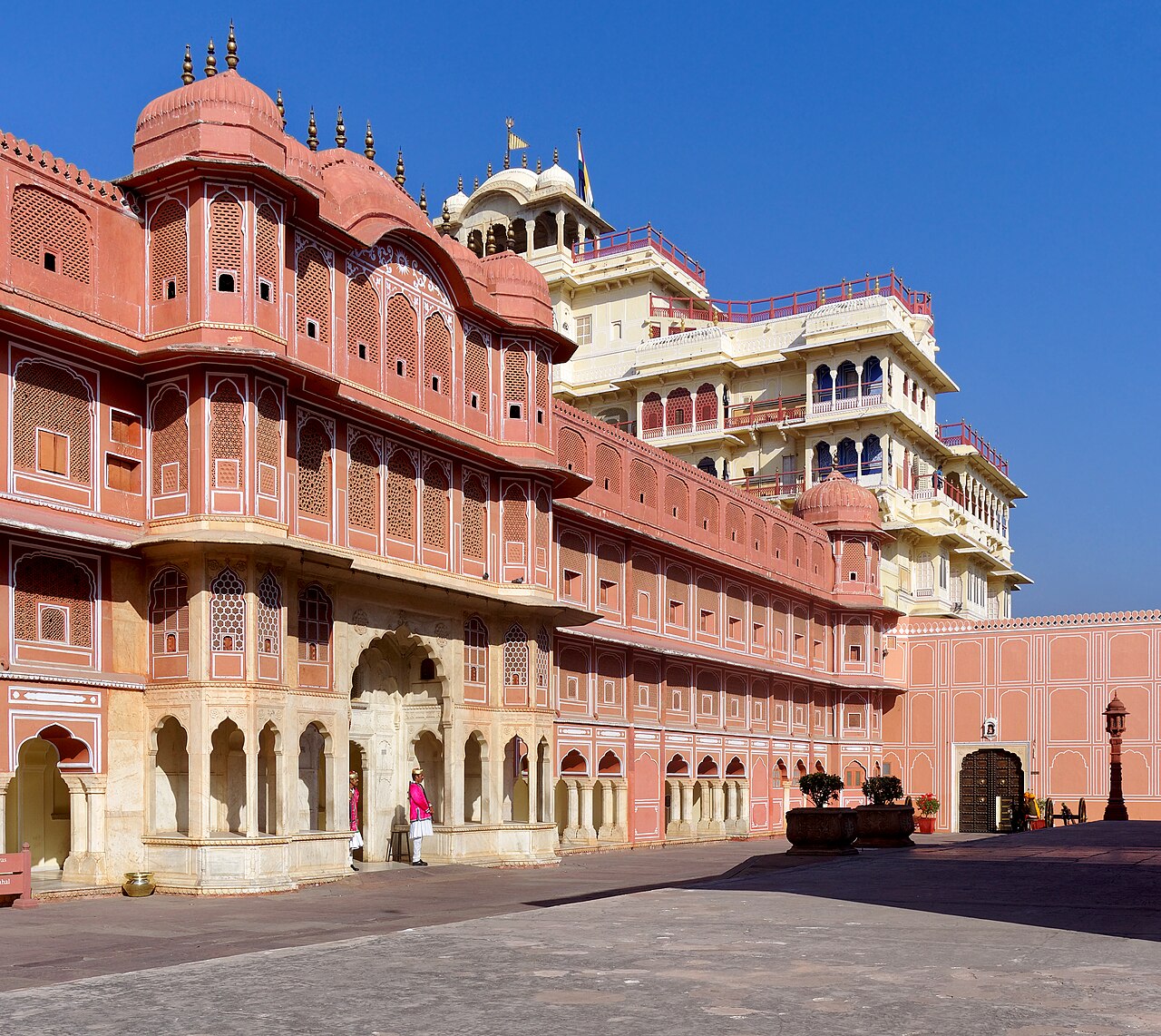
City Palace Jaipur
Palace · 1.6 km · about 27 min walk
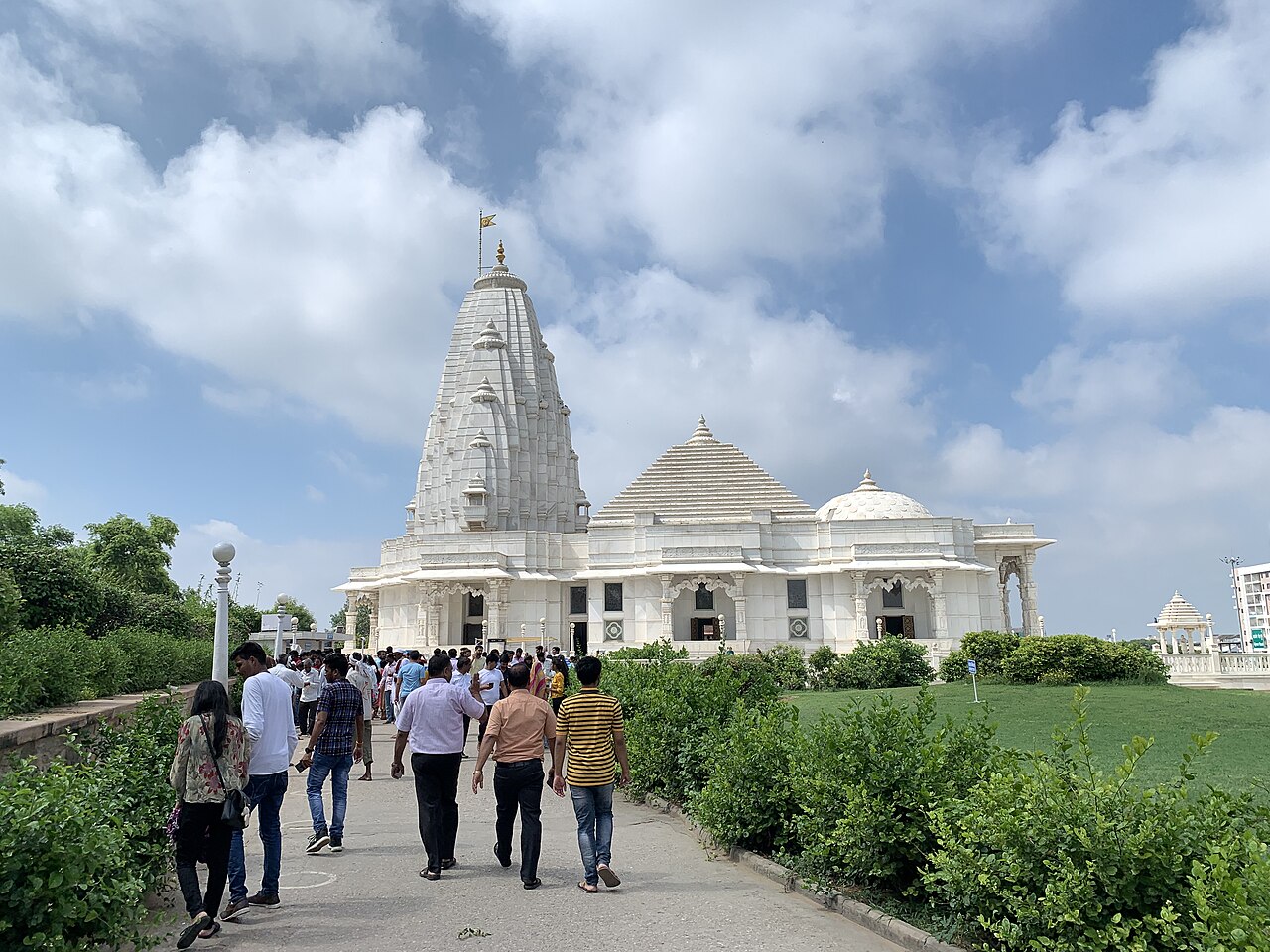 #11 in JaipurFree entry
Birla Mandir (Laxmi Narayan Temple)
Temple · 2.2 km · about 35 min walk