
Nahargarh Fort
#5of 12 places to visit in JaipurJaipur, Rajasthan
Also known as Sudarshangarh
Quick answer
Opening hours: 10:00–17:30, last entry 17:00. Entry: ₹50 Indian · ₹200 foreign. Allow 2.5 hrs. Best time: 16:30 – 18:00.
Updated · Compiled by Traveliac, AI-assisted · 4 min read
- Opening hours
- 10:00–17:30
- Entry fee
- ₹50 Indian
- Ticket from
- Time needed
- 2.5 hrs
- Best time of day
- 16:30 – 18:00
- Best months
- Oct – Mar
- Address
- Krishna Nagar, Brahampuri, Jaipur, Rajasthan 302002
About Nahargarh Fort
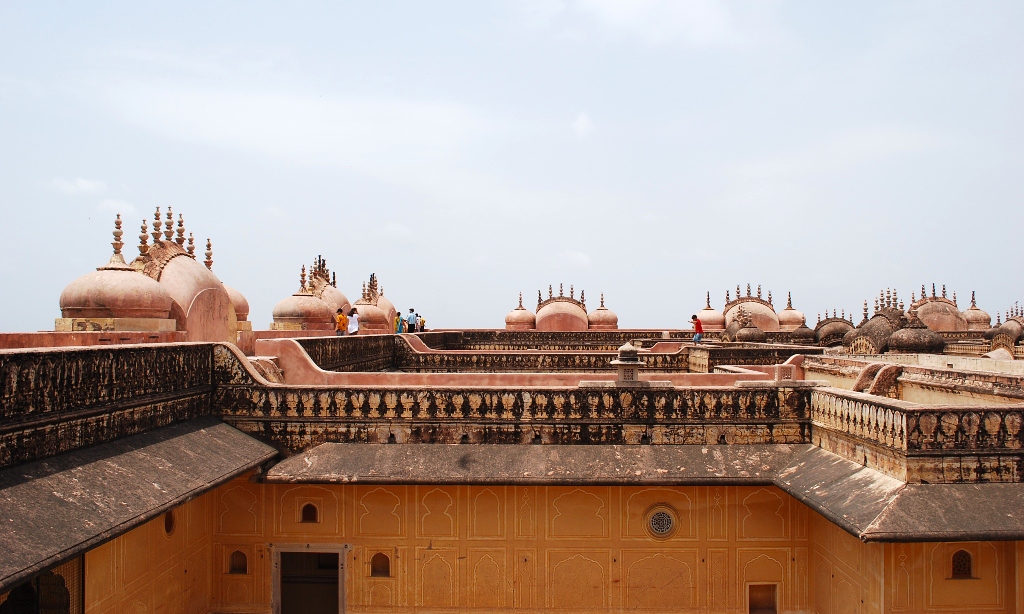
Nahargarh sits directly on the Aravalli ridgeline overlooking the walled city, close enough to Jaipur's grid that on a clear winter morning you can trace all seven original gates from the ramparts with the naked eye. The fort itself is squat and defensive in character compared to Amber's palatial ambition — thick rubble-and-lime-plaster ramparts finished in a flat ochre wash, punctuated by cannon embrasures rather than ornamental jharokhas. The real architectural interest is Madhavendra Bhawan, the zenana quarters added in 1868: nine identical apartment suites arranged around a shared courtyard, one for each of Maharaja Sawai Ram Singh II's queens, connected by a covered corridor engineered so the king could visit any wing without the others' knowledge — a piece of domestic political architecture as calculated as any defensive wall in the complex. The suites are painted in fading blue-and-cream floral motifs on lime plaster, each wing decoratively near-identical to the others by design, since visible favouritism toward one queen risked court instability.
Best time of day: 16:30 – 18:00. For the panoramic sunset over the Pink City below; arrive by 16:00 to secure a ramparts spot before the golden-hour crowd peaks.
Nahargarh Fort timings
Nahargarh Fort opens at 10:00 and closes at 17:30. Those hours hold on Saturday and Sunday too.
- Opening hours
- 10:00–17:30
Mon–Sun 10:00–17:30 - Closed on
- Open every day
Good to know: The fort's ramparts stay open after the ticketed sections close for sunset viewing at the Padao restaurant terrace, which operates independently until 22:00.
Opening hours compiled from rajasthantourism.gov.in and public records, last updated . They change without notice — confirm before you travel. How we write these guides
Nahargarh Fort ticket price
| Ticket | Price |
|---|---|
| Indian visitors | ₹50 |
| Foreign visitors | ₹200 |
| Children | Free |
| Camera | Free |
Included in the Rajasthan Composite Ticket (₹300 Indian / ₹1,000 foreign, valid 2 days). Madhavendra Bhawan's zenana quarters carry no separate charge and are covered by the same ticket. Vehicle parking at the summit costs ₹50–100 depending on vehicle class.
Prices compiled from rajasthantourism.gov.in and public records, last updated . They change without notice — confirm before you travel. How we write these guides
Best time to visit Nahargarh Fort
- Quiet
- Moderate
- Very busy
10:00 – 13:00
Morning OpeningBest time to go
Quiet interior circuit through Madhavendra Bhawan's queen suites; haze can reduce the panoramic view quality compared to late afternoon.
Quiet13:00 – 15:30
Midday Heat
Consistently the quietest window at Nahargarh; open ramparts get hot but crowd levels stay low all year.
Quiet15:30 – 17:00
Pre-Sunset Build
Photographers and day-trippers arrive ahead of golden hour; ramparts start filling.
Moderate17:00 – 18:30
Sunset Peak
Padao terrace and the main rampart viewpoint reach capacity; this is the fort's single busiest window by a wide margin.
Very busy
History of Nahargarh Fort
Maharaja Sawai Jai Singh II built the fort in 1734, originally naming it Sudarshangarh, as part of Jaipur's defensive ring alongside Amber and the yet-unbuilt Jaigarh. Local legend holds that construction repeatedly collapsed at night until the builders appeased the spirit of a local prince, Nahar Singh Bhomia, whose grave lay on the site — a temple to his memory still stands within the fort walls, and the name Nahargarh derives from this settlement rather than from 'nahar' (tiger), a common visitor misconception.
The fort's defensive role was largely symbolic; Jaipur was never seriously besieged during the Kachwaha period, and the fort saw more use as a retreat and later as a base during the 1857 uprising, when the British took limited administrative refuge in the wider Jaipur defensive network. Its major architectural expansion came under Sawai Ram Singh II in 1868, who commissioned Madhavendra Bhawan as living quarters for his nine principal queens plus reception rooms for himself — a project that shifted the fort's function from purely military to part-residential, part-recreational royal retreat overlooking the capital he governed.
Through the 20th century the fort saw intermittent restoration and briefly gained wider recognition as a filming location for the 2010 Bollywood film 'Rang De Basanti', which brought a surge of domestic tourist interest to what had previously been a comparatively quiet site relative to Amber and City Palace.
Rules & etiquette at Nahargarh Fort
The approach road from Jaipur city climbs roughly 6 kilometres of switchbacks; taxis and autos routinely quote a fixed return fare rather than metered pricing given the wait time involved, and this is standard practice rather than overcharging — confirm the return-trip inclusion before agreeing.
Madhavendra Bhawan's individual queen's suites have narrow connecting doorways and low lintels; taller visitors should mind their head clearance, an issue the on-site staff will point out but not always in advance. Photography is unrestricted throughout, including inside the zenana suites, with no camera fee.
The Padao restaurant terrace, positioned for the best sunset sightline, operates on a first-come basis with no reservation system; during December weekends, tables fill by 17:00 for the 18:00 sunset, so arrive early if the sunset view specifically (rather than the fort's interior) is the priority.
Tips for visiting Nahargarh Fort
- 1
Nahargarh, Jaigarh, and Amber are connected by a single ridge road, making a combined half-day circuit realistic if you have a hired car or taxi for the day — Nahargarh to Jaigarh is roughly a 15-minute drive along the ridge, considerably faster than descending to the highway and climbing back up to either site separately.
- 2
The fort is significantly less crowded than Amber at any given hour, which makes it the better choice if your priority is unhurried photography of Jaipur's grid layout from height rather than palace interiors — bring a zoom lens if you want to isolate individual landmarks like Hawa Mahal or City Palace from the ramparts.
- 3
A lesser-known viewpoint sits at the fort's northwestern bastion, away from the main Padao terrace crowd, offering an equally wide vista with a fraction of the visitors — ask fort staff for directions to the 'old cannon point'.
How to reach Nahargarh Fort
The red star is Nahargarh Fort; the numbered pins are the 10 nearest places in our guides, each showing its rank in its city. Tap a pin for details.
Krishna Nagar, Brahampuri, Jaipur, Rajasthan 302002Directions in Google Maps
From Jaipur International Airport (JAI)
₹500–₹70018 km · 45–60 min
OLA/Uber, one-way; return trips typically quoted as a fixed package given the climb).
From Jaipur Junction Railway Station (JP)
₹350–₹45012 km · 30–40 min
Auto, negotiated round trip recommended).
From Sindhi Camp ISBT
₹300–₹40010 km · 25–35 min
Auto, round trip).
Nearest airport
From Jaipur International Airport (JAI)
18 km, 45–60 minutes.
Nearest railway station
From Jaipur Junction (JP)
12 km, 30–40 minutes.
Nahargarh Fort FAQs
Is Nahargarh Fort worth visiting separately from Amber Fort?
Yes — Nahargarh's appeal is the panoramic sunset view over Jaipur city and the Madhavendra Bhawan queens' quarters, a different experience from Amber's palace-scale architecture. Both are connected by a 15-minute ridge road, so a same-day combined visit works well with a hired car.
What time should I arrive for the best sunset view?
Arrive by 16:00 to secure a rampart or Padao terrace spot before the 17:00–18:30 peak crowd, especially on winter weekends when tables fill fast.
Can autos or taxis be hired for a fixed return trip up to the fort?
Yes, and this is standard practice given the 6-kilometre climb — confirm the return fare is included before departing rather than expecting a metered one-way rate.
Does 'Nahargarh' mean 'Tiger Fort'?
No — a common misconception. The name derives from Nahar Singh Bhomia, a local prince whose spirit local legend says obstructed construction until appeased with a shrine, not from 'nahar' meaning tiger.
Compiled with AI assistance from official sources and public records, and published only after the checks in How we write these guides. Nobody from Traveliac has visited this place. Last updated . How we rank and check places
Places to visit near Nahargarh Fort
Straight-line distances from our map; times are estimates.
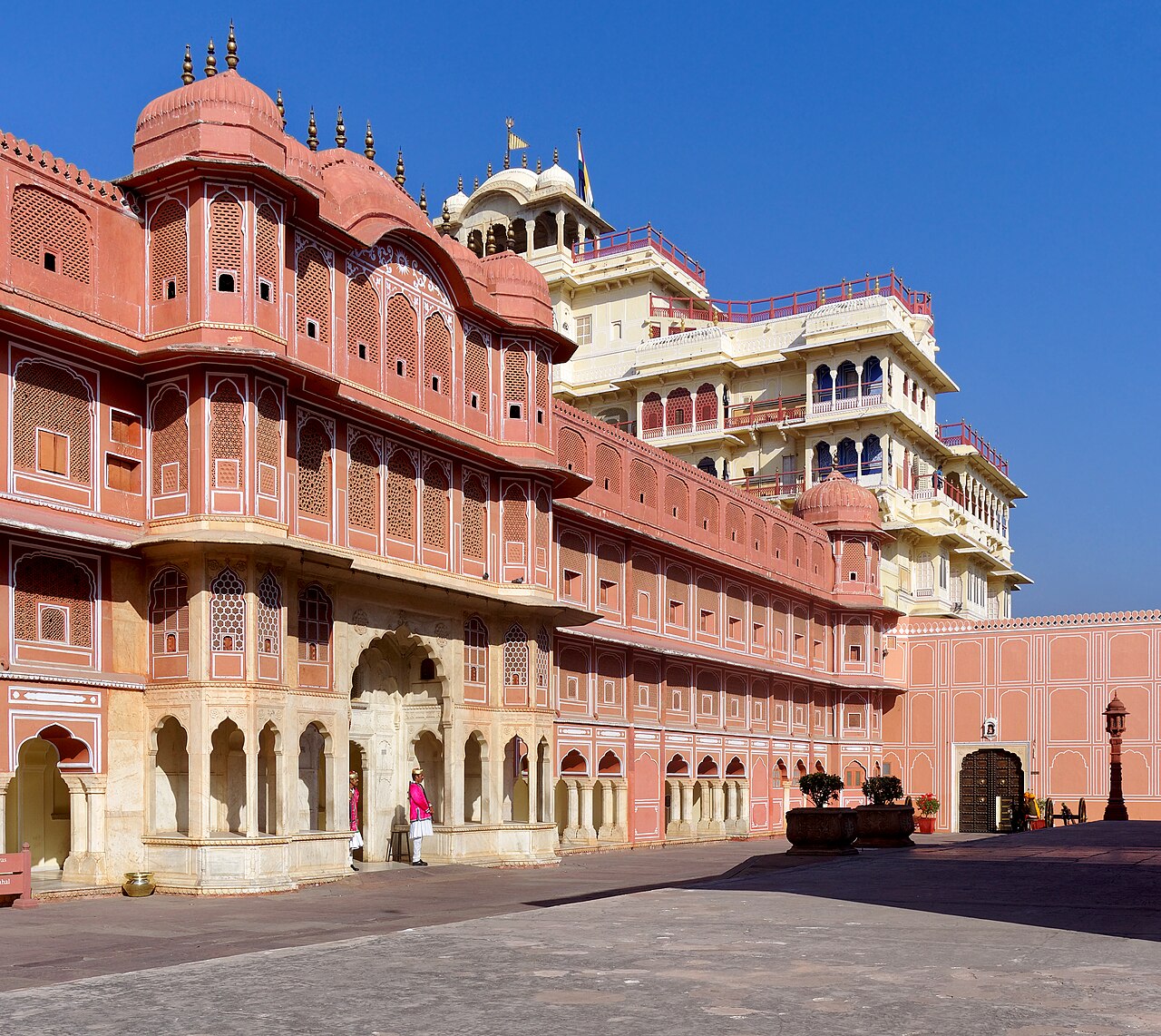 #2 in Jaipur
City Palace Jaipur
Palace · 1.5 km · about 24 min walk
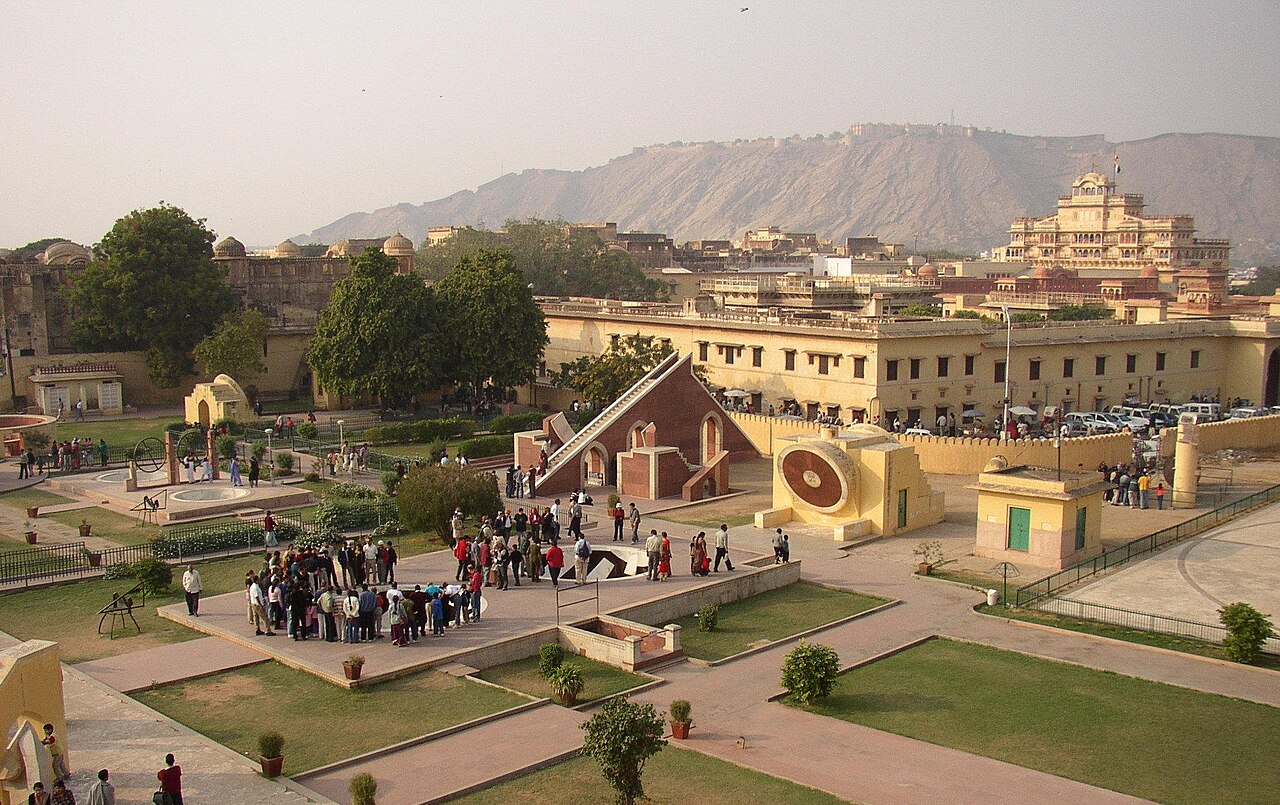 #4 in Jaipur
Jantar Mantar
Heritage · 1.6 km · about 27 min walk
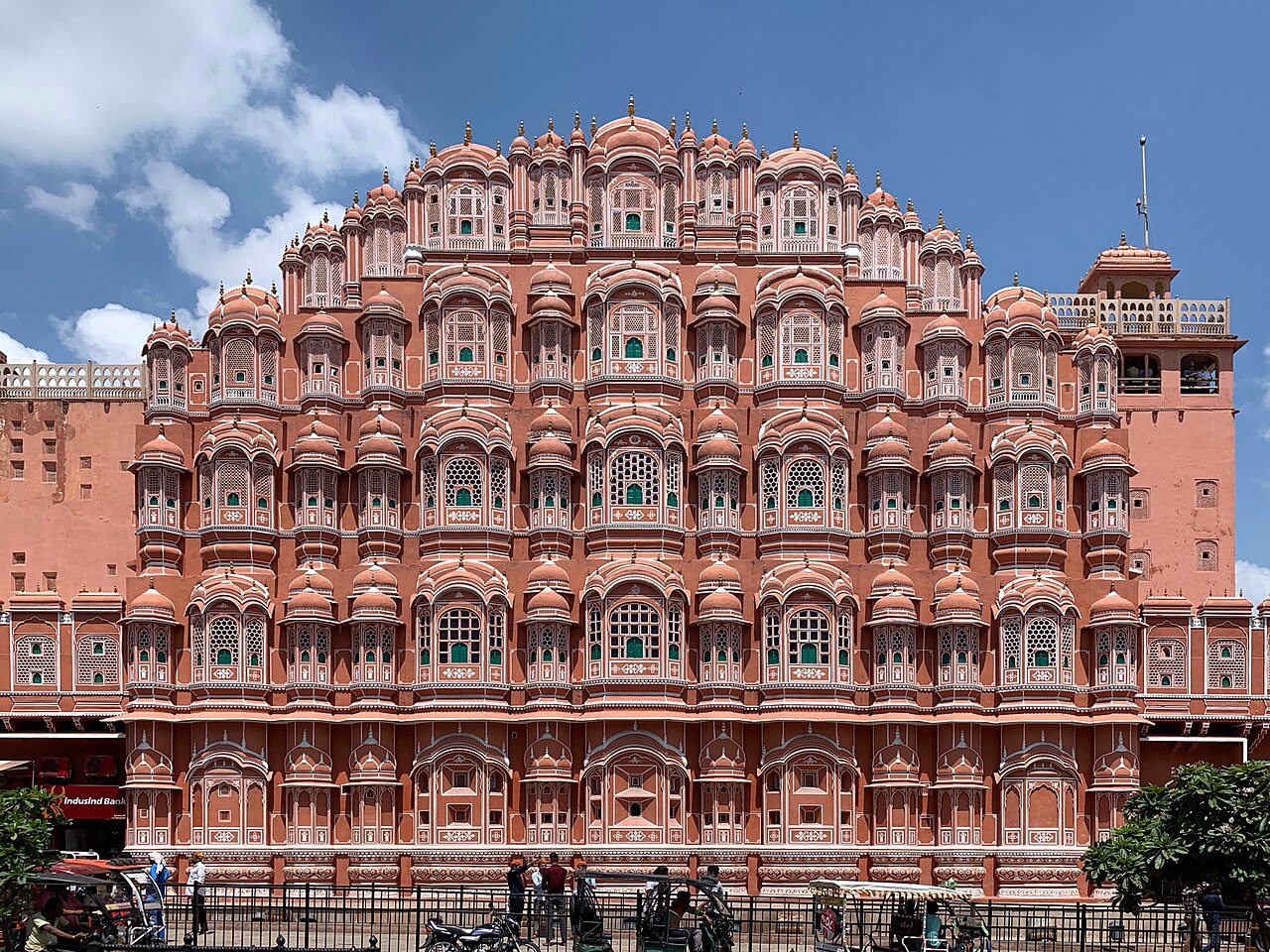 #3 in Jaipur
Hawa Mahal
Palace · 1.8 km · about 30 min walk
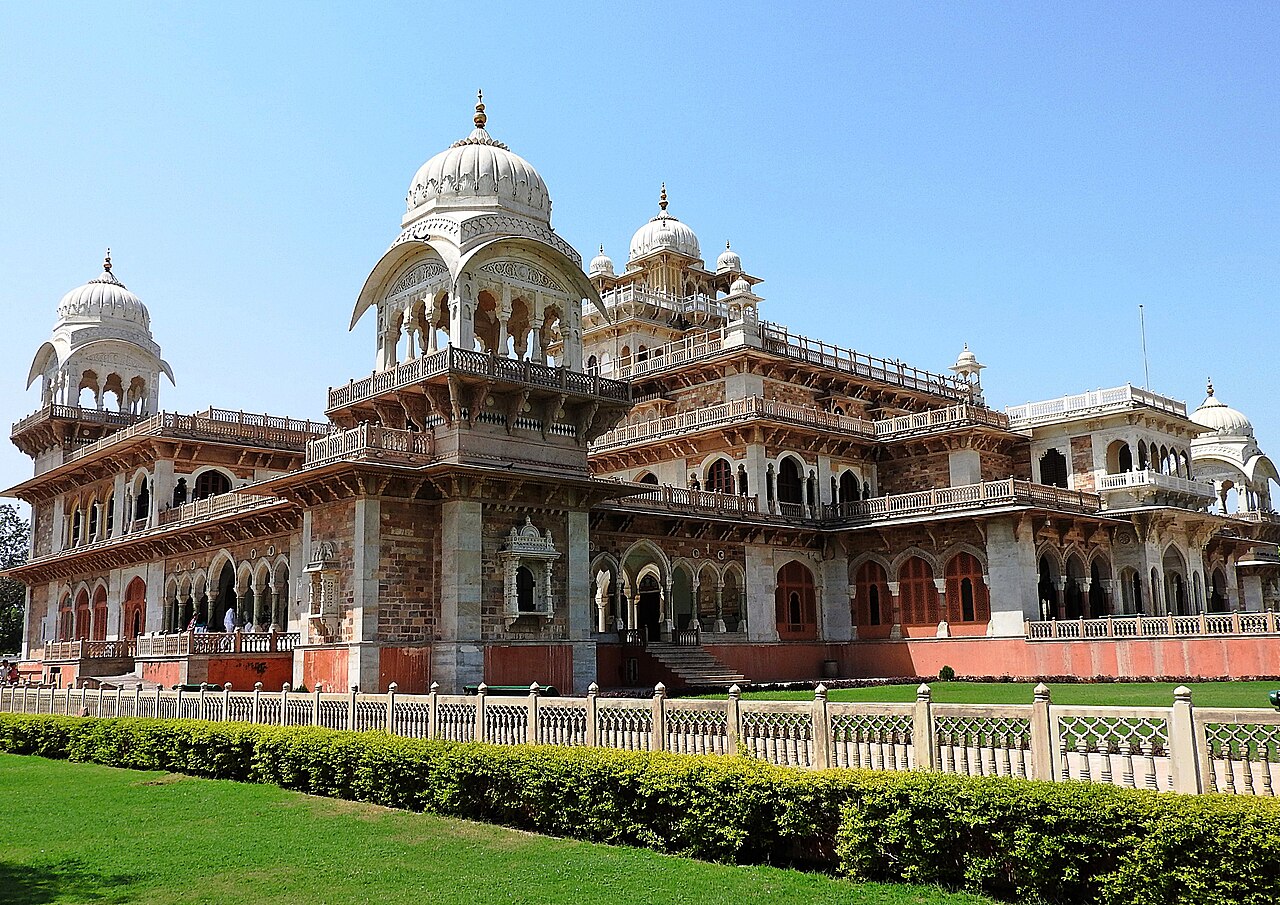 #6 in Jaipur
Albert Hall Museum
Museum · 3 km · about 10 min by road